We earn a commission if you make a purchase, at no additional cost to you.
09/22/2026 04:39 pm GMT
🍊 Dehydrated Food Info Finder — Temperatures & Drying Times
Choose a category, then pick a food to see its drying temperature and time.
⚠️ Safety Disclaimer: Drying times are estimates and vary based on slice thickness, food moisture content, humidity, and your dehydrator model. Always check for doneness before storing — food should feel dry, leathery, or brittle with no moist spots. Improperly dried food can harbour mould and bacteria. For meat and poultry, follow USDA safe internal temperature guidelines: beef and pork to 160°F (71°C), poultry to 165°F (74°C). Use a food thermometer when in doubt. Store all dehydrated foods in airtight containers in a cool, dark place and discard anything showing moisture, mould, or off odours.
Have you ever wondered about the process of dehydration of food and its potential effects?
In this article, we will explore the ins and outs of dehydration, including the changes in texture and nutritional value that occur when food is over dehydrated.
We will also discuss the potential health risks associated with consuming over dehydrated food and provide tips on how to prevent it.
The preservation technique of dehydration has stood the test of time as an ancient method of food preservation, including traditional practices like sun drying and air drying techniques. This process involves the removal of water content from a variety of foods, including fruits, vegetables, and herbs. Dehydration helps reduce food waste by extending the shelf life of surplus produce and maximizes storage space by making food lighter and more compact. By adequately decreasing the water content, dehydration effectively reduces the likelihood of bacteria growth and food spoilage. Nevertheless, it is crucial to comprehend the effects of dehydration on the nutritional value of foods and the potential health risks that may arise from excessive dehydration.
Dehydration preserves a significant portion of their nutrients, vitamins, and minerals, and food dehydration concentrates flavors, making some foods taste more intense. However, water-soluble vitamins like vitamin C and B-complex degrade quickly during dehydration, reducing their health benefits. Vitamin A is destroyed by exposure to light, and vitamin C is destroyed by heat during the dehydration process, leading to nutrient loss. Despite some nutrient loss, dehydration can retain more nutrients compared to other preservation methods, but not all these nutrients are preserved equally.
What is Dehydration?
Dehydration is a preservation technique that involves extracting moisture from food to impede the proliferation of bacteria, yeast, and mold, thereby prolonging its shelf life.
Through the elimination of water content, dehydration establishes an environment where bacteria and other microorganisms are unable to flourish, thereby preventing deterioration. This method of preservation has historical roots, with ancestors employing techniques such as air-drying fruits, vegetables, and meats to ensure their longevity. Traditional drying methods, such as sun drying and air drying, often involved spreading sliced fruits and vegetables on racks or trays for even drying. Modern drying methods include electric dehydrators and oven drying, which offer more control over the process.
Dehydration is especially popular for preserving plant-based foods, which can be used in a variety of dehydrated meals. Along with its antimicrobial properties, dehydration serves to concentrate the flavors of food, enhancing its taste profile. However, a notable drawback of dehydration lies in its potential to diminish the nutritional content of food. The process of extracting water can impact the levels of essential nutrients, vitamins, and minerals present in the food, albeit to varying extents contingent on the food type and dehydration methodology employed. Proper dehydration and storage are essential for maintaining food quality.
Effects of Over Dehydration on Food
Excessive dehydration can result in notable alterations in foodtexture and nutritional composition, potentially introducing health hazards if not appropriately addressed. The dehydration process intensifies flavors, which can make some foods taste overwhelmingly sweet or even stale, and in some cases, foods may lose their natural taste and smell. Additionally, certain foods, especially those high in fat or oils, do not dehydrate well and may spoil quickly.
Changes in Texture, Nutritional Value, and Shelf Life
The over-drying of food can lead to a tough and brittle texture and may have a substantial impact on its nutritional value through the loss of essential vitamins, minerals, and fiber.
Excessive drying of food can result in an unappealing dry texture and the loss of natural moisture, ultimately diminishing the sensory experience of consuming the food. Beyond texture, over-drying also jeopardizes the nutritional integrity of the food. Vitamins, minerals, and fiber are particularly susceptible to the effects of heat and prolonged drying, causing a notable reduction in their concentration within the food. Additionally, blanching vegetables in boiling water before dehydration—a common preparation step to preserve color and flavor—can cause further loss of water-soluble vitamins like vitamin C and B-complex. This depletion of nutrients may compromise the overall health benefits provided by the food when consumed, potentially contributing to a less balanced diet if over-drying becomes a common practice.
Potential Health Risks
The potential health risks associated with over-dehydrated food include the possibility of food poisoning due to inadequate storage practices and the effects of dehydration on the body’s hydration and nutritional status.
Improperly dehydrated food can foster the growth of harmful bacteria, thereby heightening the risk of foodborne illnesses. A lack of sufficient moisture in dehydrated food items can impede the body’s ability to maintain adequate hydration levels, potentially leading to dehydration.
Over-dehydrated foods may undergo nutrient and vitamin loss during the dehydration process, resulting in a final product that is less nutritionally beneficial. It is imperative to ensure that dehydrated foods are stored appropriately to prevent contamination and preserve their nutritional content.
Preventing Over Dehydration of Food
Ensuring the prevention of excessive dehydration of food is essential for preserving its nutritional content and flavor profile, necessitating the utilization of appropriate methods and strict adherence to specific protocols during the dehydration procedure. Prepping food, such as washing, slicing, and sometimes blanching, is an important step before dehydration. The drying process can vary in length depending on the food and method used. Different drying methods, such as sun drying, oven drying, and electric dehydrators, affect the final quality and nutrient retention.
Proper Techniques for Dehydrating Food
Appropriate dehydration techniques necessitate meticulous control of temperature and humidity levels to ensure the retention of nutrients in food and its safe storage.
The maintenance of an optimal temperature is paramount in preventing the proliferation of harmful bacteria throughout the dehydration process. It is advisable to employ a temperature range of 130-140°F for fruits and vegetables, whereas meats and jerky should ideally be dehydrated at approximately 160°F. Vigilant monitoring of humidity levels is imperative to avert the food from either becoming excessively crisp or overly moist. Striking the right equilibrium enables the attainment of the desired texture and flavor in dehydrated foods, concurrently prolonging their shelf life for subsequent consumption.
When considering dehydration methods, it’s important to note that electric drying and oven drying both consume significant energy, with dehydrators using between 300W and 1000W per hour, which can impact electricity bills during long runtimes, especially if you are using lower or higher temperature settings for dehydrating different foods. Dehydrating food takes time—most methods require at least four hours, and sun drying can take several days to fully dry food. Electric dehydrators are generally the quickest and most effective method, while sun drying is the slowest. Energy usage and environmental impact should be considered when choosing between methods such as electric dehydrator, oven drying, or sun drying.
Using Over Dehydrated Food
Utilizing desiccated food in a secure manner necessitates comprehending the appropriate methods for rehydration to restore its initial texture and nutritional content effectively, thereby reducing the potential for foodborne illnesses.
Safe Ways to Use Over Dehydrated Food
One recommended approach for reconstituting over-dehydrated food is soaking it in water or broth, a method that can effectively restore its texture and nutritional content.
An alternative method for rehydrating over-dehydrated food involves utilizing a vacuum sealer. This technique involves placing the dehydrated food in a vacuum-sealed bag with water, creating an airtight environment that expedites the rehydration process. The addition of acidic elements such as lemon juice or vinegar can enhance the flavors of the food and assist in the rehydration process. It is crucial to carefully monitor the soaking duration to prevent the food from becoming excessively soggy. These rehydration approaches not only serve to restore the food’s texture and flavor but also decrease the risk of foodborne illnesses by reintroducing moisture and minimizing the potential for bacterial proliferation.
Alternatives to Dehydrating Food
Although dehydration is a commonly employed technique for food preservation, several alternative methods, including canning, freezing, and fermenting, are also extensively utilized for preserving fruits, vegetables, herbs, jerky, and even fruit leather. Freeze drying is another alternative that uses low temperatures and vacuum to remove water, preserving more nutrients, flavor, and texture compared to traditional dehydration.
Dehydrating food can be a healthier alternative to some processed foods, offering certain nutritional benefits. However, dehydration still has drawbacks, such as the loss of heat-sensitive vitamins, significant changes in texture and flavor, and the risk of spoilage if not properly stored. Additionally, foods high in fat or oils do not dehydrate well and can turn rancid quickly.
Other Methods of Food Preservation
Various methods of food preservation, such as canning, freezing, and fermenting, provide diverse approaches to storing food while preserving its nutritional content and reducing spoilage.
Canning involves the sealing of food in airtight containers following heat processing, significantly extending its shelf life, and making it an excellent choice for preserving fruits, vegetables, and soups. Freezing, on the other hand, effectively maintains the texture and flavor of food, making it suitable for preserving meats, fruits, and prepared meals. Fermenting utilizes bacteria and yeast to preserve foods like kimchi and sauerkraut, enhancing flavors and supporting gut health.
Each preservation method offers different storage capabilities; canning and freezing are well-suited for long-term storage, while fermentation is more suitable for short to medium-term preservation. While freezing is known for retaining the highest nutrient content, canning may result in minimal nutrient losses due to exposure to heat. Dehydration can retain more nutrients than canning, especially when using low-temperature drying, but it still cannot match the nutritional value of fresh produce, which remains the best source of vitamins and minerals. Fermentation, while potentially affecting nutritional content, can increase the bioavailability of certain nutrients. Learn more about what happens if you over dehydrate food here.
When selecting a preservation method, it is important to consider the type of food being preserved, the intended duration of storage, and the nutritional objectives to choose the most appropriate approach.
Frequently Asked Questions
What happens if you over dehydrate food?
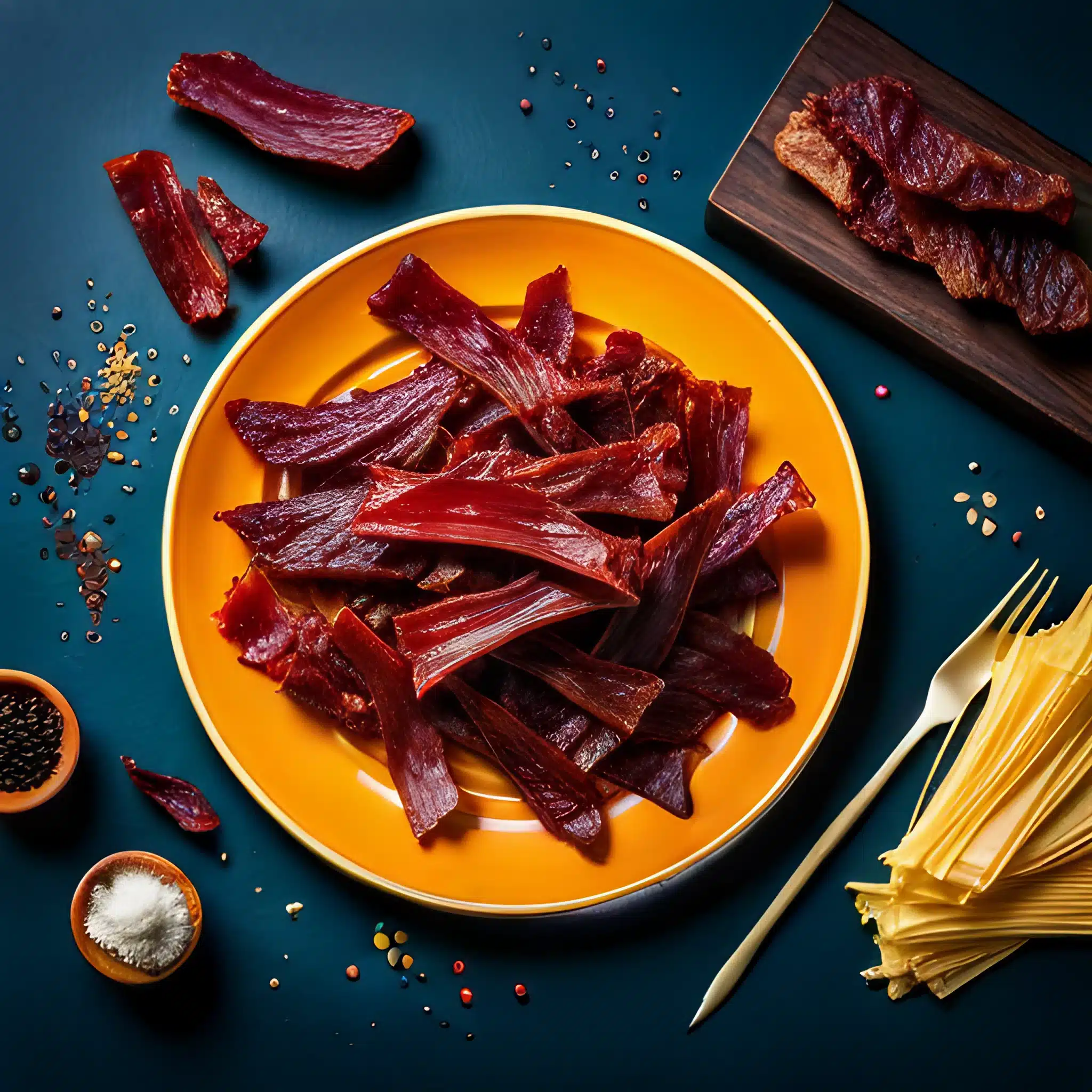
If you over dehydrate food, it can lead to a variety of negative consequences. The food may become too dry and hard, lose its flavor and nutrients, or even become unsafe to consume.
Can over dehydrated food still be eaten?
In most cases, over dehydrated food is still safe to eat. However, it may not taste very good or provide the same level of nourishment as properly dehydrated food. It’s best to avoid over dehydrating food if possible.
What are the signs of over dehydrated food?
The most common signs of over dehydrated food include extreme dryness and brittleness, loss of color and flavor, and a shriveled appearance. You may also notice a change in texture or a burnt smell.
How can I tell if I’ve over dehydrated my food?
To determine if your food is over dehydrated, you can perform a simple test. Try breaking a piece of the food in half – if it snaps easily and doesn’t bend, it may be over dehydrated. You can also taste a small piece to see if it has become too dry and hard.
Is it possible to fix over dehydrated food?
In some cases, it may be possible to salvage over dehydrated food. You can try rehydrating the food with water or broth, or using it in recipes that require moisture. However, the taste and texture may still be affected.
Hey there, since 2016, my mission has been to provide you with the information and guides you need to make food dehydrating simple and fun. Whether you're a newbie or a seasoned pro, my site offers helpful guides, reviews, and recipes to enhance your dehydrating experience. I take pride in only recommending products I believe in, ensuring my readers' trust. As an affiliate of various programs, including Amazon Associates, your support helps me continue providing quality content. Thanks for stopping by, and happy dehydrating!