We earn a commission if you make a purchase, at no additional cost to you.
09/22/2026 04:39 pm GMT
🍊 Dehydrated Food Info Finder — Temperatures & Drying Times
Choose a category, then pick a food to see its drying temperature and time.
⚠️ Safety Disclaimer: Drying times are estimates and vary based on slice thickness, food moisture content, humidity, and your dehydrator model. Always check for doneness before storing — food should feel dry, leathery, or brittle with no moist spots. Improperly dried food can harbour mould and bacteria. For meat and poultry, follow USDA safe internal temperature guidelines: beef and pork to 160°F (71°C), poultry to 165°F (74°C). Use a food thermometer when in doubt. Store all dehydrated foods in airtight containers in a cool, dark place and discard anything showing moisture, mould, or off odours.
Alternatives to Water Bath Canning: Safe Options, Pros & Cons
If you’ve ever looked at a 21-quart enamel canning pot and wondered whether there’s an easier way to preserve your summer harvest, you’re not alone. The good news is that several legitimate alternatives exist—some that simply swap out the equipment, and others that change the method entirely.
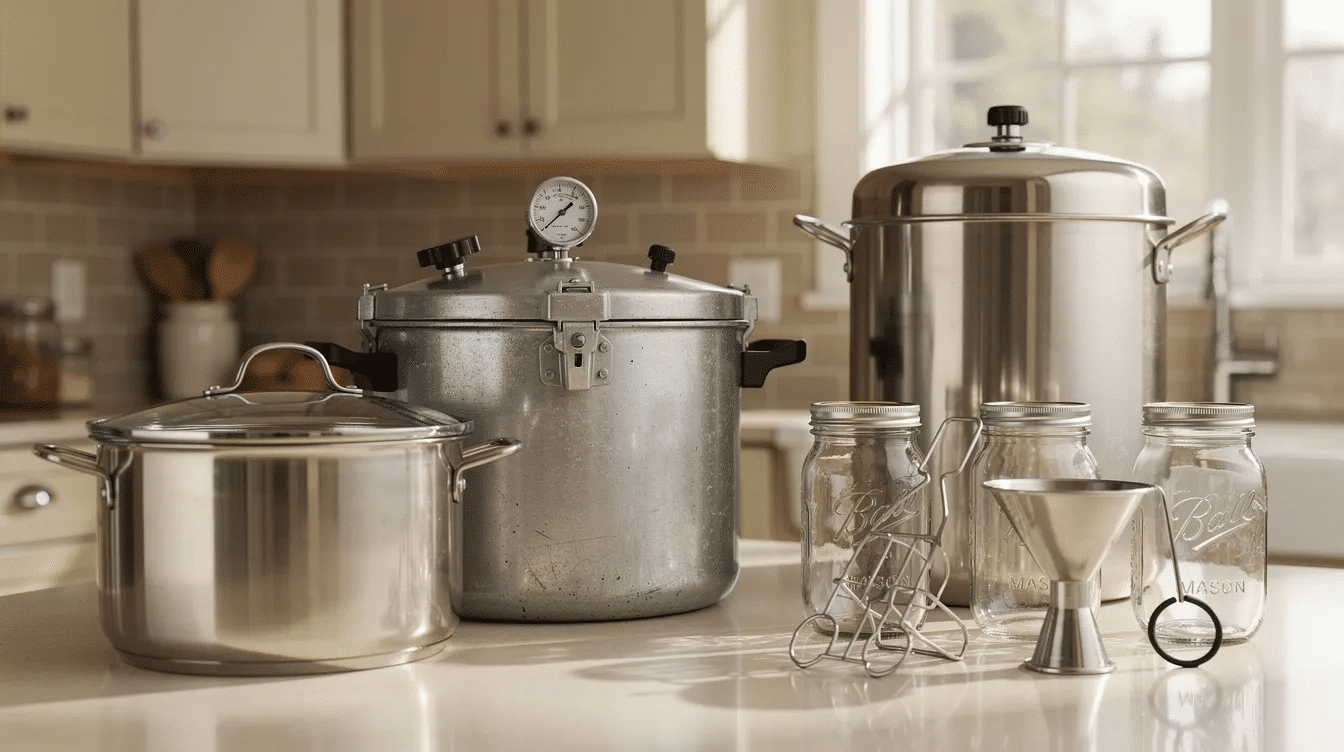
Quick answer: what can you safely use instead of a traditional water bath canner?
Before diving into details, let’s clarify what we’re discussing. This guide covers alternatives to the large enamel pot traditionally used for water bath canning, and in some cases, alternatives to the boiling water bath method itself. Both approaches can work safely when you understand the science behind them.
Here are your four main options at a glance:
Using a regular deep stockpot with a rack as a substitute for a dedicated water bath canner
Using a pressure canner in water-bath mode (without building pressure) to process high acid foods
Using an atmospheric steam canner as a faster, energy-efficient approved alternative
For jams only: traditional “invert the jar” methods that skip the water bath entirely—though these come with important safety caveats
One critical point that applies regardless of which alternative you choose: low acid foods like meat, plain vegetables, and broth still require pressure canning. The alternatives discussed here apply specifically to high acid foods with a pH of 4.6 or below—think fruit jams, pickles, acidified tomatoes, and similar products.
The following sections break down each method in detail, comparing processing time, equipment cost, batch capacity, and safety considerations so you can choose the approach that fits your kitchen.
Water bath canning basics (so you know what you’re replacing)
Water bath canning works by immersing filled jars in boiling water at 212°F (100°C) for a scientifically tested processing time. This method applies exclusively to acidic foods with a pH of 4.6 or lower, including most fruit jams, jellies, pickled vegetables, acidified tomatoes, and certain chutneys.
Why are traditional canners so large? A standard boiling water canner holds 21 quarts and stands 16-18 inches tall because jars must be covered by at least 2 inches (5 cm) of water, with additional space for vigorous boiling action without spillover. This depth requirement explains why you can’t simply use any pot you happen to own.
National guidelines from the USDA and the National Center for Home Food Preservation (NCHFP)—with their Complete Guide to Home Canning updated through 2024—still treat boiling water bath canning as the baseline method for shelf-stable high acid foods. Similar authorities in Canada and the UK maintain comparable standards.
Understanding the distinctions between methods is essential:
Method
Temperature
How It Works
Water bath canning
212°F / 100°C
Jars submerged in boiling water
Steam canning
212°F / 100°C
Jars surrounded by atmospheric steam, no pressure
Pressure canning
240-250°F / 116-121°C
Jars processed under 10-15 psi
The rest of this article assumes you’re familiar with basic safe canning principles—using tested recipes, maintaining correct headspace, and inspecting glass jars before use. Our focus is specifically on alternative equipment and methods for the hot water bath process.
Using a regular stockpot instead of a water bath canner
A deep, heavy-bottomed stockpot is the easiest and most common alternative to a dedicated water bath canner. Most households already own one, making this approach essentially free.
Size requirements:
The stockpot must be tall enough that filled jars are covered by at least 2 inches of boiling water
Additional headroom prevents splashing and boil-overs during the processing time
A capacity of 8-12 quarts (9-11 L) typically works for pints and half-pints; quart size jars require 12+ quart pots
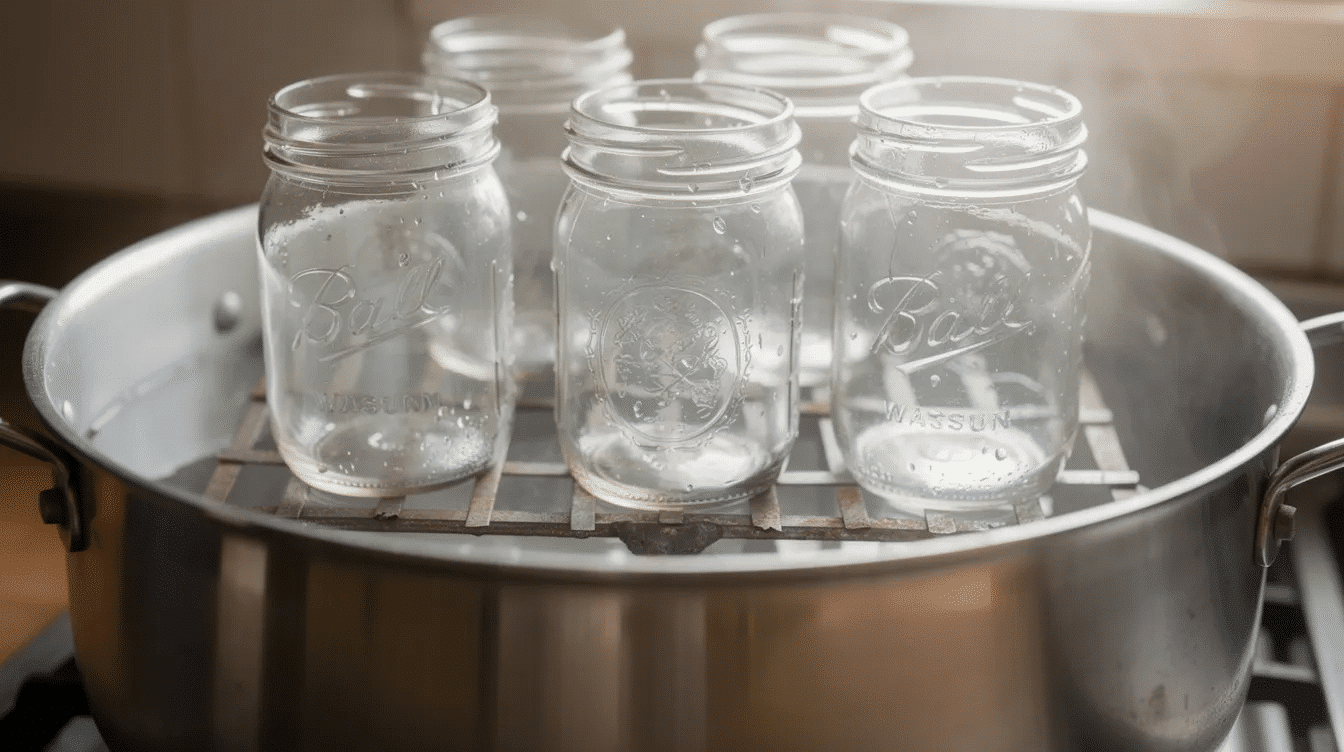
Improvising a canning rack:
Your canning pot needs something to keep mason jars off the direct bottom heat. Options include:
Canning rings wired together with stainless steel wire or heat-safe twine (twist 4-6 rings into a flat coil)
A flat metal cake cooling rack sized to fit the pot base
A silicone trivet rated for boiling temperatures
Any heat-safe, non-glass option that elevates jars 1-2 inches for water circulation
Before your first batch:
Test the setup with empty jars and room-temperature water to verify depth and stability
Use a tight-fitting lid to help reach a rolling boil faster—this can cut heat-up time by 10-15 minutes on electric stoves
Check glass-top stove weight limits (often under 40 lbs), which may favor lighter stainless steel over enamel
What to expect:
The main advantage is zero additional cost and using equipment you already own. The primary limitation is batch size—a standard 8-quart stockpot holds 7 half-pints or 4-5 pints, compared to the 7 quarts or up to 18 pints a large pot designed for home canning accommodates. Heat-up time for a large pot of water runs 20-30 minutes to reach a rolling boil, and handling 20+ pounds of hot water requires caution.
Using a pressure canner as a water bath canner
Any full-size pressure canner—including popular models like the Presto 01781 23-quart or All American 921 21.5-quart—is deep enough to double as a boiling water canner for high acid foods. This dual-purpose approach saves money and storage space.
How to use a pressure canner in water bath mode:
Place the standard canning rack in the bottom of the canner
Add enough water to cover jars by about 2 inches once they’re loaded
Put the lid on loosely, OR latch it but leave the weight off and the vent open so no pressure builds
Heat to a full rolling boil and process for exactly the time specified in your canning recipe
Critical distinction from pressure cooking:
In this mode, you are not using 10 or 15 psi. You must not attach the pressure gauge weight or close the vent—doing so would create pressure and raise temperatures beyond what’s appropriate for water bath processed high acid foods, potentially affecting texture and quality.
Advantages:
One tool handles both low acid foods (under pressure) and high acid foods (in boiling water)
Heavier base and large capacity suit big batches efficiently
Works well on gas, electric coil, and some induction ranges (verify manufacturer specifications)
Superior heat retention from thick bases can reduce fuel consumption by 20-30% compared to thin stockpots
Drawbacks:
Heavy to lift when full—30-50 lbs depending on model and water volume
Large water volumes take 30-45 minutes to reach a rolling boil
Not ideal for those with limited upper-body strength or glass cooktops with weight restrictions
Overkill if you only plan to make jams and pickles
This option makes the most sense for canners who already own a pressure canner and want to avoid purchasing a separate dedicated water bath canner.
Steam canning: a faster approved alternative for many high acid foods
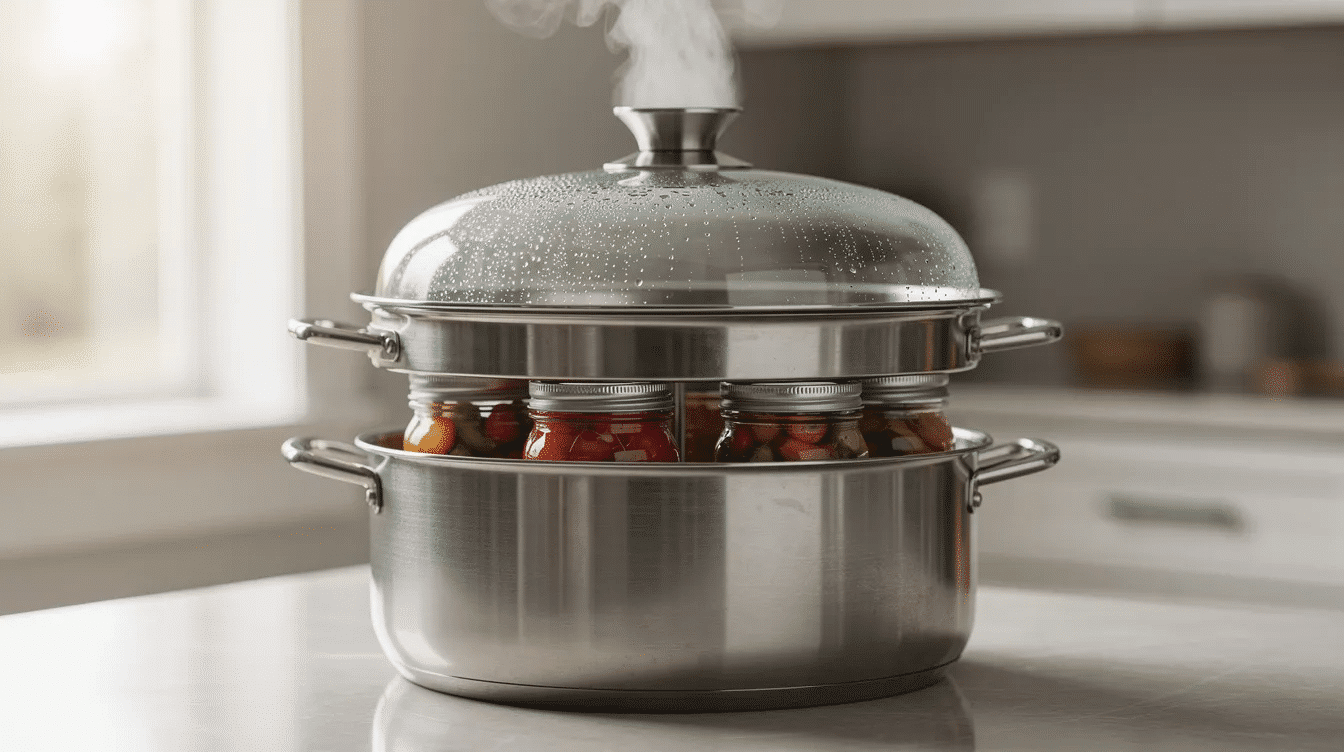
Atmospheric steam canning places jars on a rack above a shallow layer of boiling water, processing them in hot steam at atmospheric pressure rather than submerging them. This is distinct from pressure cooking—no psi is involved.
Since around 2015, the University of Wisconsin’s Barb Ingham and the NCHFP have published guidelines confirming that steam canning is an approved alternative to water bath canning for most high acid recipes with processing times of 45 minutes or less. This validation opened steam canning options to home preservers who wanted faster, more energy-efficient methods.
Basic steam canner setup:
A shallow base holding approximately 2-3 quarts (2-3 L) of water
A perforated rack to keep jars elevated above the water line
A tall dome lid that traps steam, often equipped with a built-in thermometer or temperature indicator
Key usage rules:
Only for high acid recipes (pH 4.6 or lower) with a tested water bath processing time
Match the water bath processing time exactly, adjusting for altitude as you would for hot water bath canning
Ensure a strong, continuous column of steam (6-8 inches) vents from at least one small vent hole throughout the timed process
Preheat until steam vents steadily for about 10 minutes before starting your timer
Why steam canning is often faster:
The efficiency gains come from heating much less water. A steam canner uses only 1.5-2 inches of water in the base compared to the 4-6 gallons needed to fill a 21-quart boiling water canner. NCHFP trials found steam canning can reduce energy use by 40-60% compared to traditional water bathing.
Foods that work well in a steam canner:
Fruit jams, jellies, and fruit butters with tested times under 45 minutes
Pickled cucumbers, pickled beets, and other pickled vegetables
Salsa recipes formulated for boiling water bath canning
Acidified tomato products (with proper lemon juice or citric acid additions)
Apple sauce, apple juice, and other fruit preserves
Important: Steam canners must not be confused with electric pressure cookers or “multi-cookers” like the Instant Pot. As of 2024, major food safety authorities still do not approve electric multi-cookers for pressure canning or as substitutes for proper canning equipment.
Steam canners vs water bath canners: when to choose which
Both methods achieve the same internal jar temperature of 212°F when used correctly. The differences lie in convenience, capacity, and learning curve.
Comparison points:
Heat-up time: Steam canners generally reach processing temperature 25-35% faster due to lower water volume
Batch size: Traditional water bath canners often hold more jars at once—up to 19 pints versus 7-14 for most steam canners
Stove compatibility: Lightweight aluminum steam canners perform best on gas or electric coils; always verify manufacturer guidance for glass cooktops
Learning curve: Steam canners require vigilant monitoring of steam output and temperature gauges—failure to maintain proper steam flow risks underprocessing
Steam canning works best for:
Smaller kitchens with limited storage
Canning jams, pickles, and preserves in half-pint and pint jars
Hot climates where avoiding extra house heat matters
Preservers focused on high acid foods who want energy savings
Standard water bath or stockpot alternatives work best for:
Beginners who want the simplest, most widely documented method
Anyone processing quart size jars or large batches
Kitchens where existing equipment can serve double duty
Situations where extensive tested recipes and tutorials provide extra confidence
“No water bath” jam canning (jar inversion & traditional methods)
In many parts of Europe and elsewhere, home cooks have safely made jams for decades by filling hot jars with boiling hot jam and skipping the water bath entirely. This traditional approach often involves inverting sealed jars briefly to help create a vacuum seal.
The typical traditional process:
Sterilize glass jars in boiling water for 10 minutes or in a 225°F (~110°C) oven for 10-15 minutes
Cook jam to a full rolling boil with plenty of sugar (traditional ratios use equal weights of fruit and sugar) and added acid like lemon juice or citric acid
Fill hot jars with the boiling jam, wipe jar rims clean, cap immediately with new lids
Optionally invert jars for 3-5 minutes, then return upright and let jars cool undisturbed
Why this sometimes works for high-sugar, high-acid jams:
The combination of low pH (around 3.0-3.3 for many berry jams), high sugar concentration (65%+ in traditional recipes), and the initial high temperature of the jam (104-108°C) creates conditions inhospitable to most microbes. The hot jam also helps activate the sealing compound on modern lids.
How this contrasts with current USDA/NCHFP guidance:
North American food safety authorities recommend a short boiling water bath or steam process—usually 5-10 minutes at sea level—for all jams and jellies. This extra step ensures mold and yeast are fully destroyed and improves seal reliability. Studies suggest 10-20% seal failure rates with inversion-only methods compared to processed jars.
The bottom line on safety:
Skipping the water bath is considered an off-label, non-USDA-approved technique in the US and Canada. Different countries maintain different standards, so readers should research their own national guidelines and weigh risks versus benefits for their household.
If you choose to use “no water bath” jam methods:
Stick to small batches consumed relatively quickly
Use very high-sugar recipes (traditional ratios of 1:1 fruit to sugar)
Add lemon juice or citric acid to ensure low pH
Store sealed jars in a cool, dark place and consume within a few months
Discard any jar showing signs of mold, bubbling, or off-odors without tasting
Remember: this approach applies only to jams, jellies, marmalades, and similar high-acid, high-sugar preserves—never to low acid vegetables, meats, butter pickles, or savory sauces
Our stance on non-water-bath jam canning
We respect traditional methods that have fed families for generations. At the same time, we prioritize sharing options that align with modern food-safety science. CDC data estimates 20-30 annual US cases of foodborne botulism linked to improper home canning, though most involve pressure canning failures with low acid foods rather than canning jams.
For tested recipes, we recommend:
A conventional boiling water bath with appropriate processing time, OR
An approved steam canning process with equivalent times based on NCHFP guidance
For those who want to experiment:
First understand how acidity, sugar level, and heat affect food preservation safety
Consider using a calibrated pH meter or reliable pH strips when adjusting recipes significantly
Recognize that “it worked for grandma” doesn’t necessarily mean zero risk—it means acceptable risk for that household’s standards
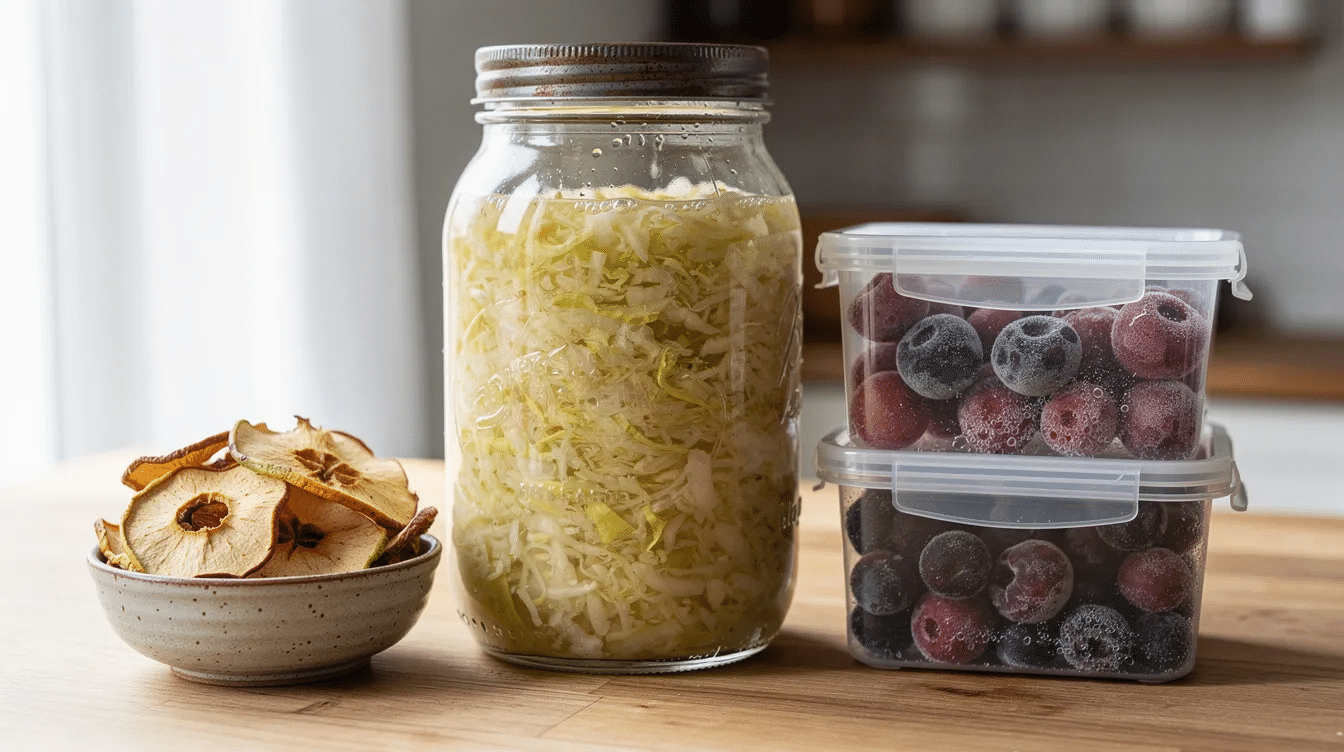
Other preservation alternatives that avoid water bath canning entirely
These methods don’t replace the function of a boiling water canner for creating shelf-stable jars, but they offer different approaches to preserving food when you don’t want to run a canner at all.
Freezing:
Suitable for nearly all fruits, blanched vegetables, soups, sauces, and hot jam
Retains 90-95% of nutrients when done properly
Requires dedicated freezer space and reliable electricity
Very gentle on flavor; texture may soften for some produce after thawing
Perfect for sauerkraut, kimchi, and room-temperature brined pickles
No boiling needed—relies on lactic acid bacteria and 2-5% salt solutions
Typically stored refrigerated or in a cool cellar once fermentation completes (7-14 days at 65-75°F)
pH naturally drops to 3.5-4.0, inhibiting harmful bacteria
Refrigerator and quick pickles:
Vinegar-based pickles stored in the fridge instead of being processed in a canning pot
Minimal equipment needed—just smaller jars and standard pickling ingredients
Ideal for small batches eaten within a few weeks or months
No jar lifter, canning rack, or processing time required
Cold storage and root cellaring:
For hardy crops like potatoes, carrots, beets, winter squash, onions, and garlic
Uses naturally cool (32-40°F), humid spaces (85-95% humidity) instead of jars and boiling water
Best suited to temperate climates with cool basements or purpose-built cellars
Can preserve produce 4-8 months with no processing
These techniques are complementary to canning, not direct substitutes for making shelf-stable, room-temperature jars. However, they can significantly reduce how often you need to set up your canning equipment—homesteader reports suggest diversifying methods can cut canning frequency by 50-70%.
Safety guidelines that still apply, whichever alternative you choose
Changing your equipment doesn’t change the underlying food preservation rules. The physics of killing botulism spores and other pathogens remain constant regardless of whether you use a stockpot, pressure canner, or steam canner.
Use tested recipes from reliable sources:
The USDA Complete Guide to Home Canning (2015 edition and later updates), university extension services, and the NCHFP provide scientifically validated processing times. Simply fill jars according to these tested recipes rather than inventing your own ratios—especially for anything beyond simple high-acid fruit preserves.
Check current altitude charts from your national guidelines for precise adjustments.
Choose proper jars and lids:
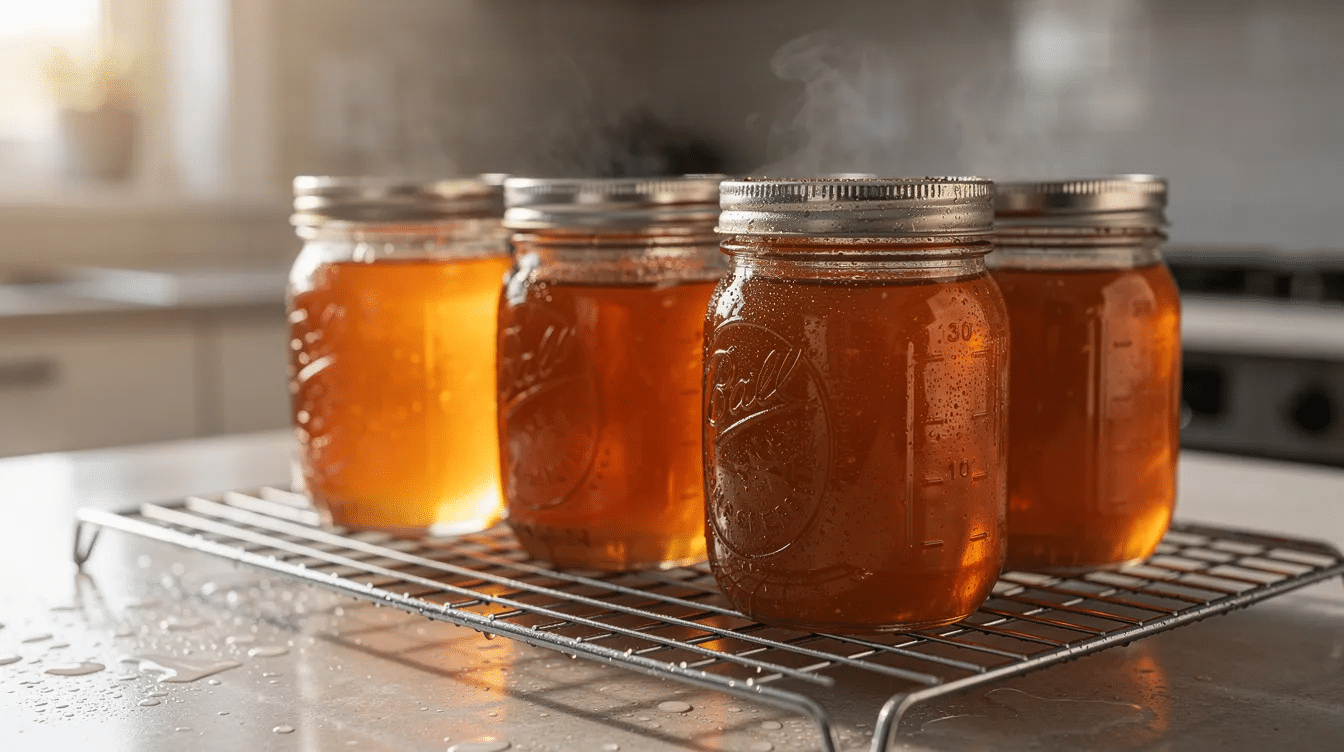
Use canning-rated mason jars (Ball, Kerr, Kilner, Le Parfait, or equivalent) designed to withstand repeated thermal shock from hot water bath canning
Use new lids with intact sealing compound for each batch—rings can be reused if undamaged
Inspect all glass jars for hairline cracks and chips; damaged jars can shatter during processing
Check seals and quality before eating:
Lids must be concave and firmly sealed—press the center; it should not flex
No spurting, foaming, air bubbles, off-odors, or unusual discoloration when opening
When in doubt, discard the jar without tasting
Start simple:
If you’re new to safe canning or trying an alternative method for the first time, begin with high-acid, straightforward recipes: strawberry jam with 5-10 minutes processing time, cucumber pickles with 5% vinegar, or plain apple sauce. Master these before moving to more complex products or methods.
The bottom line:
Choose the alternative that best matches your kitchen setup, energy costs, and comfort level. A stockpot costs nothing extra. A pressure canner offers maximum versatility. A steam canner saves time and energy for smaller batches. Even no-water-bath methods can work for specific high-sugar preserves when you understand the trade-offs.
Hey there, since 2016, my mission has been to provide you with the information and guides you need to make food dehydrating simple and fun. Whether you're a newbie or a seasoned pro, my site offers helpful guides, reviews, and recipes to enhance your dehydrating experience. I take pride in only recommending products I believe in, ensuring my readers' trust. As an affiliate of various programs, including Amazon Associates, your support helps me continue providing quality content. Thanks for stopping by, and happy dehydrating!