We earn a commission if you make a purchase, at no additional cost to you.
09/22/2026 04:39 pm GMT
🍊 Dehydrated Food Info Finder — Temperatures & Drying Times
Choose a category, then pick a food to see its drying temperature and time.
⚠️ Safety Disclaimer: Drying times are estimates and vary based on slice thickness, food moisture content, humidity, and your dehydrator model. Always check for doneness before storing — food should feel dry, leathery, or brittle with no moist spots. Improperly dried food can harbour mould and bacteria. For meat and poultry, follow USDA safe internal temperature guidelines: beef and pork to 160°F (71°C), poultry to 165°F (74°C). Use a food thermometer when in doubt. Store all dehydrated foods in airtight containers in a cool, dark place and discard anything showing moisture, mould, or off odours.
Are Raisins Good for You? Exploring the Health Benefits
Raisins are good for you when eaten in moderation: they’re a nutrient-dense snack that provides fiber, antioxidants, and minerals like potassium and iron, which can support digestion, heart health, and immune function. For home cooks and food preservation enthusiasts who want healthier snack options, less food waste, and practical nutrition advice, raisins are worth a closer look because their natural sugar and calorie content also affect how they fit into a balanced diet.
In this post, we’ll break down the nutritional profile of raisins, the main health benefits they may offer, the potential downsides to watch for, how much is reasonable to eat, and simple ways to include raisins and other dried fruits in your meals.
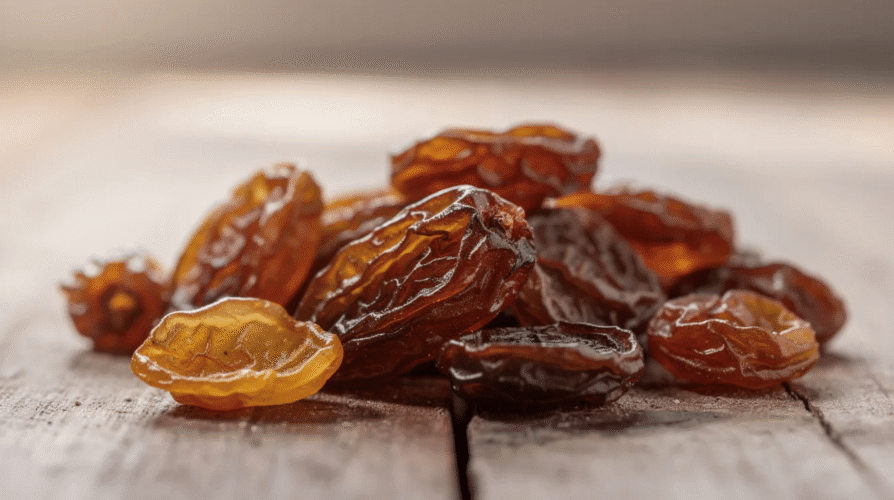
Dry grapes, commonly known as raisins, are a dietary staple in many cultures, valued for their concentrated sources of energy, vitamins, and minerals. Golden raisins and their darker counterparts both bring a rich array of essential nutrients to the table, which include dietary fiber, antioxidants, and minerals like potassium and iron. Raisins are created through the drying process of seedless grapes, and whether they are sun-dried or made using a food dehydrator or a dedicated raw food dehydrator, the outcome is a nutrient dense food that supports various aspects of human health.
Health Benefits of Raisins
Improved Digestion and Gut Health
Consuming raisins can contribute to better digestive health due to their high dietary fiber content. In fact, eating these dried fruits may help support digestive function and healthy digestion, partly because their prebiotic fiber and tartaric acid can aid the gut. They may help manage conditions like irritable bowel syndrome by promoting healthy bowel movements. Eating raisins is also linked to shorter intestinal transit time and may support beneficial bacteria, with some research noting lower levels of fecal bile acids. Large amounts, however, may cause gas or bloating, so portion size matters.
Heart Health and Reduced Risk of Chronic Diseases
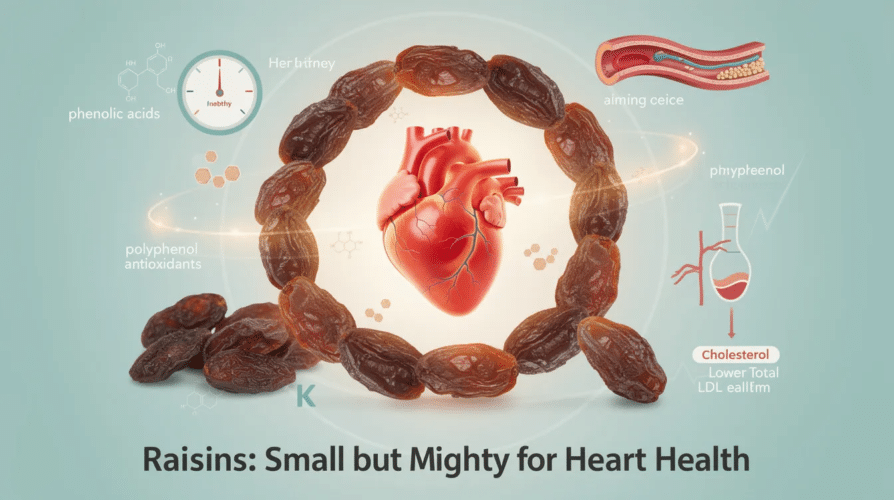
The antioxidants in raisins, such as phenolic acids and polyphenol antioxidants, coupled with their ability to aid in reducing blood pressure and bettering cardiovascular health, establish them as a formidable ally for heart health and may help protect against cardiovascular disease. Eating raisins may also help lower blood pressure due to their potassium content. Raisins may also lower total and LDL cholesterol levels, which may reduce the risk of heart disease. Raisin intake has also been linked to lower cardiovascular risk factors, making these small yet mighty morsels a heart-friendly choice that may help guard against heart disease.
Boosted Iron Levels and Improved Anemia Symptoms
The iron in raisins supports their role in making red blood cells, and a quarter-cup serving provides about 1 mg of iron. This can be particularly helpful for individuals looking to boost their iron intake, including in cases of iron deficiency anemia. Their nutrition raisins profile makes them a strategic snack for those needing to enhance their nutrient intake.
Antioxidant Properties and Immune System Support
Raisins contain dietary antioxidants that are crucial in fighting off free radicals, thus protecting skin cells, supporting skin health, and potentially assisting in the prevention of diseases. The compounds found in raisins, like vitamin C and phenolic acids, play a pivotal role in bolstering the body’s immune system.
Potential Downsides of Consuming Raisins
Despite their health benefits, raisins do come with certain concerns to be aware of, primarily because they are calorie-dense and can still affect blood sugar levels. Their stickiness also poses a risk for oral health, since they can stick to teeth and are best eaten with other foods to reduce that effect, suggesting that moderation is essential when integrating them into your daily diet.
Eating too many raisins may result in unwanted weight gain due to their high calorie and sugar levels. Hence, understanding the typical serving size—which is about a quarter cup and contains about 31 grams of carbohydrates—is critical to prevent too many calories from sneaking into your diet as part of a balanced approach to dehydrated foods and their nutritional value.
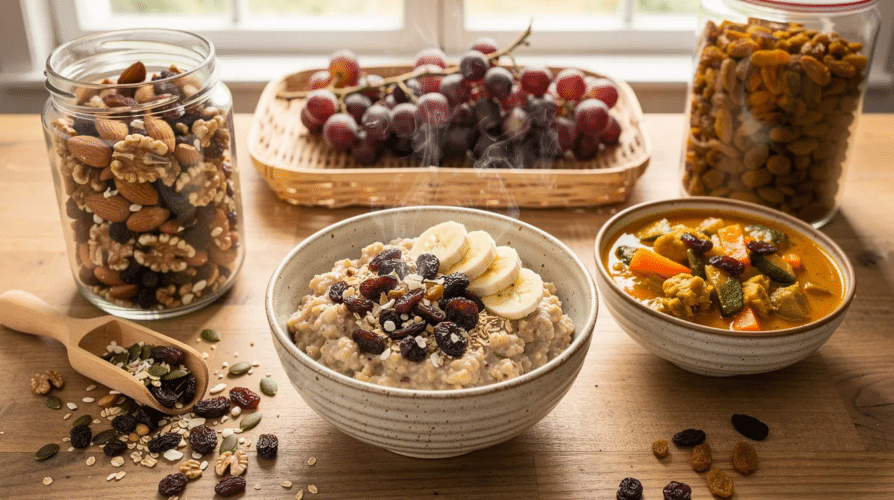
As part of a healthy diet, raisins can be enjoyed with other foods in a balanced diet—from being a simple snack to enhancing vegetable dishes like curries. Adding them to a healthy trail mix or sprinkling them over oatmeal are both excellent strategies to enjoy their nutritional benefits.
Creating your own raisins through the use of sun dried raisins methods or by making raisins in a dehydrator, and using an airtight container to preserve them can also improve the diet quality while avoiding added sugar and preservatives like sulfur dioxide.
How to Eat Raisins
Raisins are a versatile snack that can be enjoyed in numerous ways, so let’s dive right in and get creative! For a start, try mixing raisins with a variety of nuts and seeds to make a nutritious trail mix. Fancy something sweet? Add them to your baked goods for a natural source of sugar and a delightful chewy texture, especially if you have a sweet tooth. Or, give your morning routine a shake-up by sprinkling raisins over your cereal or blending them into your smoothie for a burst of natural sweetness and energy. For those with savory preferences, raisins can be the perfect addition in salads, providing a contrast of flavors, or included in rice dishes and other savoury dishes for a touch of sweetness. They’re also a popular snack for endurance athletes during exercise because they provide quick energy, much like other dehydrated vegetables and snacks that offer concentrated nutrition.
How Many Raisins Is Safe to Eat
According to researchers, consuming up to half a cup of raisins daily may yield health benefits. However, further evidence is required to support this notion. It’s important to note that a tightly packed half cup of raisins can contain approximately 250 calories.
Conclusion
The health benefits of raisins are significant, from supporting cardiovascular health to providing a wealth of nutritional benefits. However, their high sugar content requires that they be eaten in moderation, particularly for individuals focused on managing their blood sugar or calorie intake.
In terms of raisin good for you rankings, they stand out as a healthful option compared to many snacks if carefully integrated into a healthydiet. Whether you are considering increasing your raisin consumption or simply curious about what benefits of raisins might align with your dietary goals, remember that balance is vital.
Frequently Asked Questions about Raisins in Your Diet
Is it good to eat raisins every day?
Absolutely! Enjoying raisins daily can be a fantastic way to capitalize on their health benefits, provided you keep an eye on the quantity. Studies on raisins and blood sugar have included healthy adults, and a mindful approach to consuming these sweet nuggets—rich in fiber, iron, and antioxidants—can contribute positively to both heart and digestive health. Raisins also have a low-to-moderate glycemic index, around 49 to 69. However, it’s important to measure out that quarter-cup serving to sidestep the potential pitfalls of excess calories and sugar.
Is raisins high in sugar?
Raisins definitely have a higher sugar content compared to fresh grapes. This is because the dehydration process concentrates the sugars, making them more potent in both flavor and caloric density. In one ounce of raisins, you’ll find about 18 grams of sugar, which is substantial when compared to their original fresh state. However, it’s important to note that these sugars are natural, and raisins don’t contain added sugars unless specified on the packaging.
When enjoyed as part of a balanced diet, the natural sugars present in raisins can provide a quick source of energy, making them a great pre-workout snack or a mid-afternoon pick-me-up. Nevertheless, it’s wise to consume them in moderation to prevent spikes in blood sugar, particularly for those with insulin sensitivities or diabetes.
Which raisins are the healthiest?
In determining which raisins are the healthiest, it’s crucial to examine their processing methods and origins. Golden raisins, typically treated with sulfur dioxide to preserve their color, may not be suitable for individuals with sensitivities to sulfites. On the other hand, natural black raisins, which are sun-dried without the use of preservatives, retain more of the beneficial antioxidants due to less processing. Organic raisins also offer a healthful alternative, as they are free from pesticides and chemicals commonly used in conventional farming.
Are store bought raisins healthy?
This depends on the quality and source of the raisins. Store-bought raisins can range from heavily processed ones with added sugars and preservatives to organic, sun-dried, and dehydrated options with minimal processing. It’s essential to read labels carefully and choose brands that prioritize using natural ingredients and sustainable farming practices. Alternatively, making your own raisins at home with a dehydrator allows for complete control over the ingredients used.
DannyContent Writer
Hey there, since 2016, my mission has been to provide you with the information and guides you need to make food dehydrating simple and fun. Whether you're a newbie or a seasoned pro, my site offers helpful guides, reviews, and recipes to enhance your dehydrating experience. I take pride in only recommending products I believe in, ensuring my readers' trust. As an affiliate of various programs, including Amazon Associates, your support helps me continue providing quality content. Thanks for stopping by, and happy dehydrating!