We earn a commission if you make a purchase, at no additional cost to you.
09/22/2026 04:39 pm GMT
🍊 Dehydrated Food Info Finder — Temperatures & Drying Times
Choose a category, then pick a food to see its drying temperature and time.
⚠️ Safety Disclaimer: Drying times are estimates and vary based on slice thickness, food moisture content, humidity, and your dehydrator model. Always check for doneness before storing — food should feel dry, leathery, or brittle with no moist spots. Improperly dried food can harbour mould and bacteria. For meat and poultry, follow USDA safe internal temperature guidelines: beef and pork to 160°F (71°C), poultry to 165°F (74°C). Use a food thermometer when in doubt. Store all dehydrated foods in airtight containers in a cool, dark place and discard anything showing moisture, mould, or off odours.
A Complete Guide: How to Dehydrate Cabbage for Easy Storage
Dehydrating cabbage is the best way to store this amazing veggie for the long term without losing its nutritional value. Dehydrated foods like cabbage are shelf stable, versatile, and can be used in recipes such as fried rice and coleslaw. Using an electric dehydrator is the most efficient way to dehydrate cabbage at home, ensuring even drying and great results. Dehydrating cabbage at home also helps with saving money by reducing waste and preserving nutrients compared to buying pre-packaged alternatives. Cabbage is rich in vitamins A, K, and C, as well as folate, potassium, calcium, and phosphorus, and dehydrated cabbage retains most of its original nutrients, making it a healthy addition to meals like soups, stews, casseroles, and more. Whether you want to save space, extend the life of your cabbage, or just have a crunchy snack, dehydrating is the way to go. In this post, we’ll go through each step of the process, from choosing the right cabbage to storing and using your dehydrated cabbage. Let’s get started!
Step Number
Step Description
Details
1
Choose the Right Cabbage
Select fresh green or Chinese cabbage (Napa). Remove outer leaves and wash thoroughly.
2
Shred or Slice Cabbage
Cut cabbage into thin, uniform strips about 1/8 to 1/4 inch wide for even drying.
3
Optional Blanching
Boil cabbage strips in boiling water for 2-3 minutes, then immediately cool in ice water.
4
Pat Dry
Drain and pat the cabbage dry with paper towels to remove excess moisture.
5
Arrange on Dehydrator Trays
Spread cabbage in a single layer on trays, avoiding overlap for even airflow.
6
Set Dehydrator Temperature
Set temperature between 125°F and 135°F (52°C to 57°C).
7
Dehydrate
Dry for 7-11 hours until cabbage is brittle and snaps easily. Rotate trays if needed.
8
Cool Completely
Allow dehydrated cabbage to cool to room temperature before storage.
9
Condition
Store in an airtight container for 5-7 days, shaking daily to distribute residual moisture.
10
Store Properly
Store in airtight containers like mason jars in a cool, dark, dry place for up to 12-18 months.
11
Rehydrate Before Use
Soak dried cabbage in hot water or add directly to soups and stews to rehydrate.
Now that you have your cabbage, the first step is to prepare it for dehydrating. Remove the outer leaves, they are often tough and may have dirt or pesticides on them. Then wash the cabbage under cold running water to remove any remaining dirt or debris. Make sure your cabbage is clean before moving on to the next step.
Shred or Chop the Cabbage
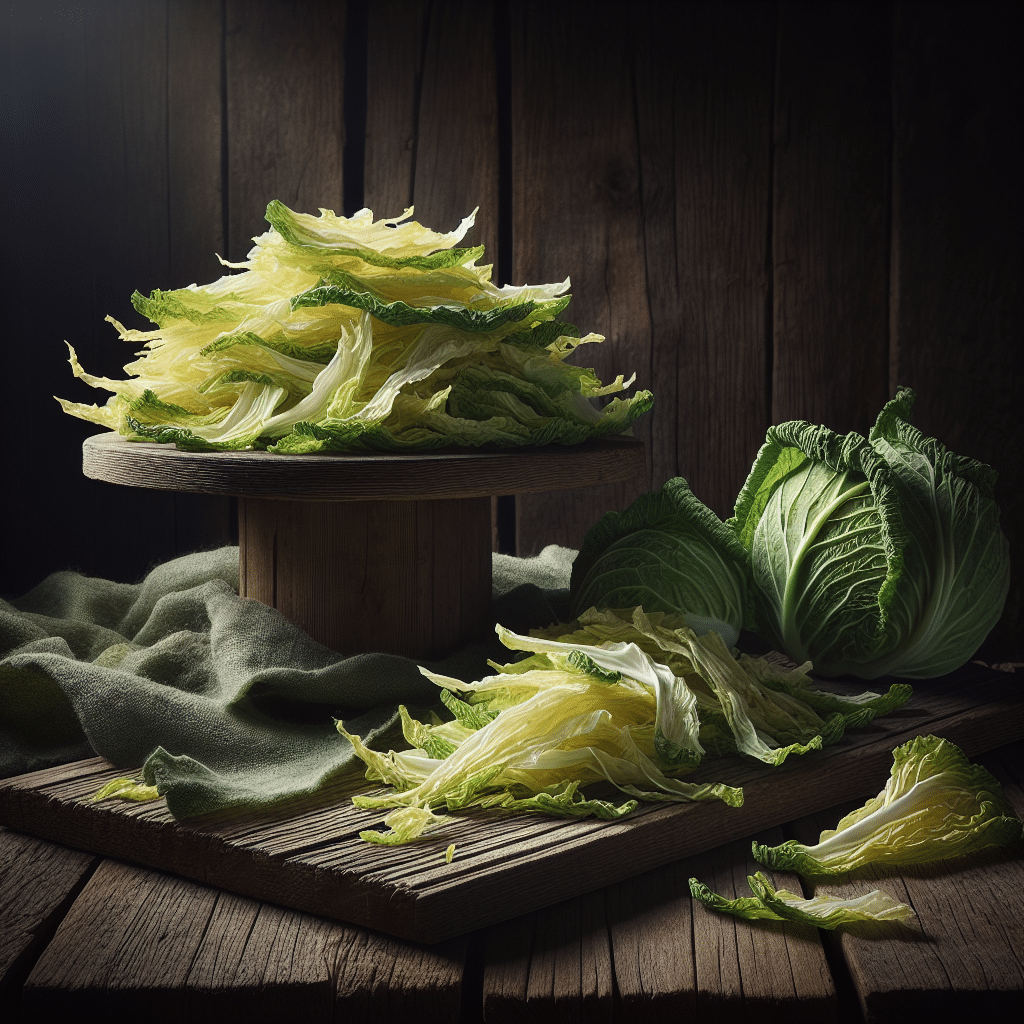
You can use sliced cabbage for dehydration. Use a food blender or a sharp knife to shred or cut the cabbage pieces into thin strips. The thinner the strips, the more evenly they will dehydrate. Try to make them all the same size so they dehydrate consistently. If using a knife, take your time and make precise cuts. This step is key to getting the best texture and flavor in your dehydrated cabbage. To dehydrate cabbage, slice it into thin strips and dry at 125°F to 135°F for 7 to 11 hours until it becomes brittle and completely dry.
Remove Damaged or Wilted Leaves
Before moving on to the dehydrating process inspect your shredded cabbage and remove any damaged or wilted leaves. These leaves will affect the quality and taste of your dehydrated cabbage. Take the time to sort through your cabbage now and it will pay off in the end.
Pre-Dehydration Steps
Blanch the Cabbage
Blanching is a pre-dehydration step that involves briefly boiling the cabbage to preserve its color and texture. It’s not necessary but blanching can improve your dehydrated cabbage. To blanch bring a large pot of water to a boil. Add the shredded cabbage and boil for 2-3 minutes. This will set the color and soften the cabbage slightly.
Shock the Cabbage in an Ice Bath
After blanching, immediately transfer the cabbage to an ice bath to stop the cooking process. Fill a large bowl with ice water and submerge the blanched cabbage in it. This step is crucial to prevent the cabbage from overcooking and becoming mushy. Let the cabbage sit in the ice bath for a few minutes until it’s cold.
Pat the Cabbage Dry
Once the cabbage is cold, drain it well and pat it dry with paper towels to remove excess moisture. The more moisture you remove the better the cabbage will dehydrate and not become soggy.
Blanching and Conditioning
What’s Blanching
As mentioned earlier blanching is not required but it can make a big difference in your dehydrated cabbage. Blanching helps preserve the color and texture of the cabbage making it more appealing and enjoyable to eat. If you choose to skip blanching make sure to monitor your cabbage closely during dehydrating to ensure even drying.
Conditioning the Dehydrated Cabbage
Conditioning is a step after dehydrating that involves storing the dehydrated cabbage in an airtight container for 5-7 days. This allows any remaining moisture to distribute evenly throughout the cabbage so it dries consistently. To condition your cabbage place it in an airtight container and store it in a cool dry place. Shake the container daily to distribute any residual moisture.
Dehydrating Cabbage Methods
Dehydrator
A food dehydrator is the most reliable and easy way to dehydrate cabbage. Set your dehydrator to 125°F (52°C) and spread the cabbage strips on the dehydrator trays. Make sure the cabbage is in a single layer so air can circulate. Depending on the thickness of your cabbage strips it will take 8-12 hours. Check the cabbage periodically to ensure it’s drying evenly.
Low-Temperature Oven
If you don’t have a dehydrator you can use a low-temperature oven to dry your cabbage. Preheat your oven to 150°F (65°C) and line baking sheets with parchment paper. Spread the cabbage strips in a single layer on the baking sheets. Leave the oven door slightly ajar to allow moisture to escape. Dehydrating cabbage in the oven will take 6-8 hours but make sure to check it regularly to avoid over drying.
Sun Dryer or Air Dryer
For those who prefer a more natural way sun drying or air drying can work. Spread the cabbage strips on a clean breathable surface like a mesh screen or drying rack. Place the cabbage in a sunny well ventilated area and cover it with a thin cloth to protect it from insects. Depending on the weather it will take 6-12 hours. Make sure the cabbage is dry and not humid during this process.
Dehydrating Cabbage
Getting the Right Texture
The key to perfectly dehydrated cabbage is to get a crunchy texture. Dehydrate the cabbage until it’s completely dry and brittle. When you break a piece it should snap. If it’s still pliable it needs more time to dry. Overdrying can cause loss of flavor so it’s important to find the balance.
Checking the Cabbage
Throughout the dehydrating process check the cabbage regularly to ensure it’s drying evenly. Rotate the trays or baking sheets if needed to promote even drying. If you see some pieces drying faster than others remove them and continue dehydrating the rest of the cabbage.
Sticking
To prevent the cabbage from sticking to the dehydrator trays or baking sheets use parchment paper or dehydrator liners. This makes it easier to remove the cabbage once it’s fully dehydrated and helps keep the integrity of the cabbage strips.
Store the airtight containers in a cool, dry place to prolong the shelf life of your dehydrated cabbage. A pantry or cupboard away from direct sunlight and heat sources is best. When stored properly dehydrated cabbage can last up to a year.
Oxygen Absorbers
For extra protection consider using oxygen absorbers in your storage containers. Oxygen absorbers remove any remaining oxygen which can cause the cabbage to degrade over time. This is especially useful if you plan to store the dehydrated cabbage for a long time.
Rehydrating Dehydrated Cabbage
Soaking in Water or Broth
When you’re ready to use your dehydrated cabbage rehydrating it is easy. Place the desired amount of dehydrated cabbage in a bowl and cover with water or broth. Let it soak for 15-30 minutes until the cabbage is rehydrated. The rehydrated cabbage will be similar to fresh cabbage and can be used in many recipes.
For a healthy breakfast add rehydrated cabbage to scrambled eggs or omelets. The cabbage adds a nice crunch and a boost of vitamins and minerals to your morning meal. Just rehydrate the cabbage as usual and mix it in with your eggs before cooking.
Using Dehydrated Cabbage in Recipes
Substitute for Fresh Cabbage
Dehydrated cabbage can be used as a substitute for fresh cabbage in most recipes. When rehydrated it has a similar texture and flavor so it’s a great ingredient. Use it in salads, coleslaws, and other dishes where fresh cabbage is used.
Adding to Soups, Stews and Casseroles
One of the best ways to use dehydrated cabbage is in soups, stews, and casseroles. The cabbage rehydrates beautifully in these dishes and absorbs the flavors of the broth and seasonings. It adds a hearty texture and nutrition to your comfort foods.
Adding to Asian-Style Dishes
Dehydrated cabbage is great in Asian-style dishes like stir-fries and noodle dishes. The crunchy texture and mild flavor go with many ingredients and sauces. Rehydrate the cabbage and toss it in your stir-fry for a quick and easy meal.
Dehydrated Cabbage Tips
Use Within a Year
For best flavor and texture use your dehydrated cabbage within a year of dehydration. While it may still be safe to eat after this time the quality will decline over time. Rotate your stock regularly so you’re using the freshest cabbage.
Storage
Always store your dehydrated cabbage in a cool, dry place to maintain the . Moisture and heat can cause the cabbage to go bad so choose your storage location wisely.
Rehydrating Before Using
Always rehydrate your dehydrated cabbage before using it in recipes. Soaking the cabbage in water or broth not only brings it back to life but also makes it blend in with other ingredients in your dish. Properly rehydrated cabbage will be similar to fresh cabbage so it’s a great addition to your kitchen.
Make sure all equipment and utensils used in the dehydration process are clean and sanitized. This includes knives, cutting boards, bowls, and dehydrator trays or baking sheets. Any contamination can cause foodborne illness so take the time to clean everything before you start.
Airtight Containers to Prevent Moisture and Pests
Storing dehydrated cabbage in airtight containers is crucial to prevent moisture and pests from ruining your work. Moisture can cause mold growth and pests like insects can contaminate the cabbage. Airtight containers will maintain the quality and safety of your dehydrated cabbage.
Common Problems
Overdehydrated
If your dehydrated cabbage is too dry and brittle it may be overdehydrated. While it’s important to make sure the cabbage is fully dry it can be overdone and lose flavor and texture. To prevent overdehydration check the cabbage regularly during the drying process and remove it from the dehydrator or oven as soon as it reaches the desired texture.
If your dehydrated cabbage develops off flavors or textures it may be due to improper storage or contamination during the dehydration process. Always store dehydrated cabbage in airtight containers in a cool, dry place to maintain quality. Also, make sure all equipment and utensils used are clean to prevent contamination.
Conclusion
Dehydrating cabbage is an easy and convenient way to store this nutritious vegetable for the long term. With the right equipment and method, you can enjoy dehydrated cabbage all year round. From choosing the right type of cabbage to storing and using your dehydrated cabbage in recipes this guide has covered it all.
Dehydrating cabbage is a great way to create dried vegetables for your pantry, making it lightweight and perfect for outdoor activities or long-term storage. While cabbage is also commonly used to make sauerkraut, a traditional fermented food, drying it offers a versatile and healthy option for many dishes. Try out different recipes and uses for dehydrated cabbage. Use it in soups, stews, stir-fries, or breakfast dishes. Dehydrated cabbage is a convenient and healthy option. Now go dehydrate!
DannyContent Writer
Hey there, since 2016, my mission has been to provide you with the information and guides you need to make food dehydrating simple and fun. Whether you're a newbie or a seasoned pro, my site offers helpful guides, reviews, and recipes to enhance your dehydrating experience. I take pride in only recommending products I believe in, ensuring my readers' trust. As an affiliate of various programs, including Amazon Associates, your support helps me continue providing quality content. Thanks for stopping by, and happy dehydrating!