We earn a commission if you make a purchase, at no additional cost to you.
09/22/2026 04:39 pm GMT
🍊 Dehydrated Food Info Finder — Temperatures & Drying Times
Choose a category, then pick a food to see its drying temperature and time.
⚠️ Safety Disclaimer: Drying times are estimates and vary based on slice thickness, food moisture content, humidity, and your dehydrator model. Always check for doneness before storing — food should feel dry, leathery, or brittle with no moist spots. Improperly dried food can harbour mould and bacteria. For meat and poultry, follow USDA safe internal temperature guidelines: beef and pork to 160°F (71°C), poultry to 165°F (74°C). Use a food thermometer when in doubt. Store all dehydrated foods in airtight containers in a cool, dark place and discard anything showing moisture, mould, or off odours.
Does Dehydrating Food Remove Nutrients? The Truth About Dried Foods’ Nutritional Value
Dehydration — does it safeguard or diminish the nutritional value of your food? In this comprehensive breakdown, we’ll address the pressing question: ‘Does dehydrating food remove nutrients?’ The dehydrating process retains most of the food’s original nutritional value, with dehydrated food losing only about 3-8% of nutrients. This guide is for anyone interested in healthy eating, food preservation, or making the most of their pantry. Understanding how dehydration affects nutrients helps you make informed choices about your diet and food storage. Explore which nutrients are resilient to dehydration and which are vulnerable, with a closer look at how to preserve the maximum nutritional value in your dried produce. Embark on this information-rich journey to ensure you enjoy the benefits of dried foods without compromising on nutrition.
Quick Summary: Dehydrated foods keep most of their nutritional value, with only about 3-5% of nutrients lost on average. Most nutrients, including antioxidants, essential fatty acids, and minerals, are retained, but vitamins A, C, and some B vitamins may be reduced. Dehydrating removes some nutrients, but no more than other preservation methods.
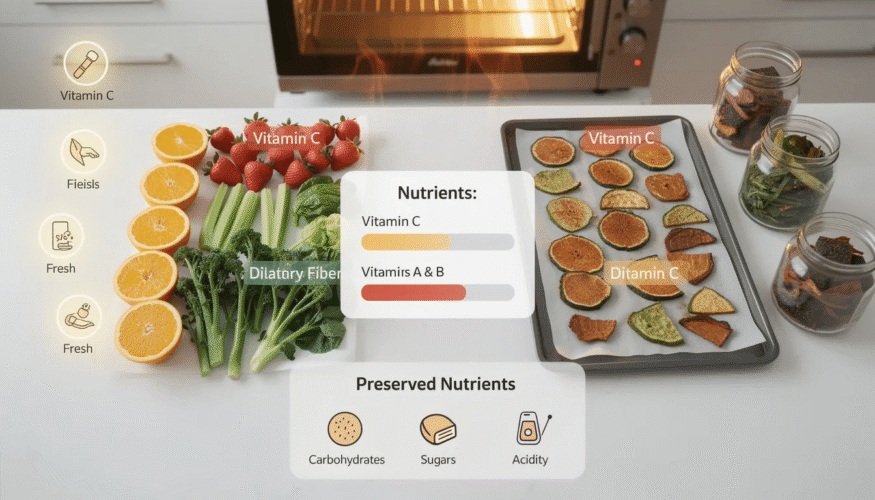
Dehydration affects different nutrients variably, significantly reducing heat-sensitive nutrients like Vitamin C while preserving others like dietary fiber, sugars, and certain minerals. Dehydrated foods retain nutrients like antioxidants, essential fatty acids, and minerals, making them a healthful alternative to fresh food with minimal loss of essential nutrients.
Food preparation techniques such as blanching and the use of citric acid or sulfites can enhance nutrient retention during dehydration, though some, like sulfites, can have adverse effects on specific nutrients like thiamin.
The method of dehydration, including solar drying, electric dehydrators, and oven drying, has distinct impacts on the nutrient preservation and quality of dehydrated products, with storage conditions further influencing nutritional integrity after dehydration. Dehydrated foods can be stored for extremely long periods when kept in a cool, dark place.
Dehydrating food is a time-tested preservation method that removes water from food, making it less hospitable to bacteria, yeast, and mold. By lowering the moisture content, the dehydration process extends the shelf life of foods, allowing you to store them for months or even years without refrigeration. This technique, also known as food dehydration, is one of the oldest and most effective ways to preserve food, and it’s just as relevant today for anyone looking to reduce food waste and enjoy healthy snacks year-round.
Dehydrating food reduces the moisture in the food, making it less hospitable to bacteria, yeast, and mold.
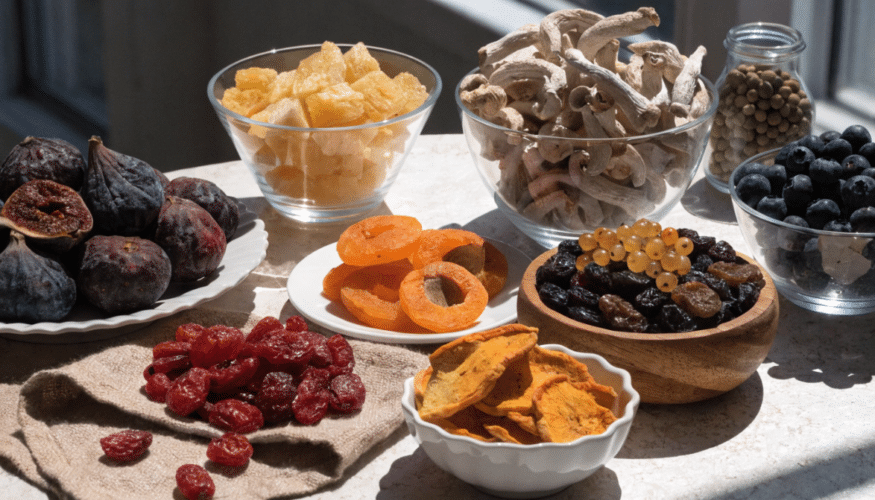
The process of dehydrating food is designed to retain much of the food’s original nutritional value. Dehydrated foods—like dried fruit, vegetables, and even meat—can be made using several different drying methods. Air drying, oven drying, and freeze drying are among the most popular dehydration methods, each with its own benefits. For example, freeze drying, as seen with freeze dried oranges and other freeze dried samples, is known for preserving more nutrients compared to some other drying methods.
A food dehydrator is a piece of commercial equipment specifically designed for this purpose, offering consistent results and ease of use, and there are many budget food dehydrators for home use that make getting started more affordable. However, you can also dehydrate food at home using an oven or even a microwave, though these methods may not always be as efficient or effective. Dehydrating your own fruits and vegetables can be a rewarding way to create healthy snacks like fruit leather, apple chips, and dried vegetables, all while controlling the ingredients and quality.
One of the standout benefits of dehydrating food is its ability to help reduce food waste. Fresh produce often spoils quickly, losing up to half its nutritional value within just a few days of refrigeration. By turning fresh produce into shelf-stable dehydrated foods, you can preserve food that might otherwise go to waste, making it a smart choice for both your wallet and the environment. This is especially useful for creating backpacking meals, emergency food supplies, or simply stocking your pantry with nutritious options when you focus on the best foods to dehydrate for long-term storage.
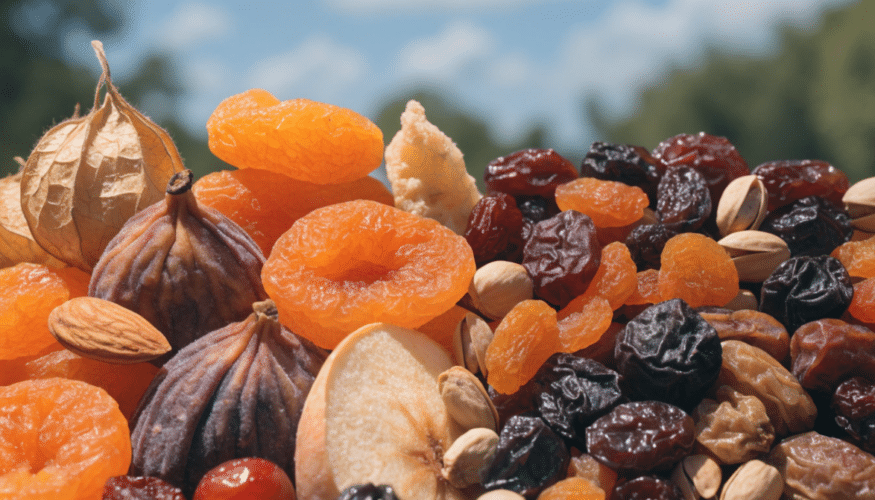
Nutritionally, many dehydrated foods are comparable to their fresh counterparts. In some cases, the dehydration process can even help certain foods retain more nutrients, especially when compared to fresh produce that has been stored for extended periods. Dehydrated vegetables, for example, are often high in dietary fiber and antioxidants and make it easy to add extra nutrition to everyday meals. Dried fruit, for example, is often high in dietary fiber and antioxidants, making it a healthy snack option. However, because dehydrated foods are smaller and more concentrated, they can have a higher sugar content and calorie density, so it’s wise to enjoy them in moderation.
Overall, dehydrating food is a simple and effective way to preserve food, retain nutritional value, and create easily portable snacks. With the right drying methods and equipment, you can enjoy your own fruits and vegetables in new and delicious ways, reduce food waste, and benefit from a longer shelf life. Exploring what foods can be dehydrated for delicious snacks and meals helps you get even more creative with your pantry. Whether you’re interested in making your own healthy snacks, preparing for outdoor adventures, or just looking to preserve food more efficiently, food dehydration is a practical and rewarding option.
Next, let’s explore how dehydration affects the nutrients in your food.
Understanding the Nutrient Dynamics in Dehydrating Foods
The power of dehydration lies in its simplicity – the removal of moisture. Dried food loses its water content during dehydration, which concentrates nutrients and calories. This straightforward process, however, has varied effects on foods’ nutrients. The loss or retention of certain nutritional elements during dehydration depends on the type of nutrient and the specific drying process used. Most dehydrated foods retain their nutritional value and can be a healthful part of the diet.
The dehydrating process retains a food’s original nutritional value.
Research suggests eating a variety of dehydrated foods can promote better health and reduce the risk of diseases by providing access to a wider range of nutrients year-round. Additionally, research shows fresh produce loses its vitamin, mineral, and antioxidant content within a few days of refrigeration.
How Dehydration Affects Nutrients
We will now examine how dehydration affects different nutrients, with a particular emphasis on Vitamin C, dietary fiber, and other significant nutrients.
Vitamin C and Heat Sensitivity
For those who adore their citrus fruits for the Vitamin C punch, take note that this particular nutrient is quite sensitive when it comes to dehydration. In fact, vitamin C experiences substantial loss during processes like thermal treatment and drying. The main culprits? The presence of oxygen and application of heat.
Think of oven drying a batch of heat-sensitive vegetables; the high temperatures could lead to a significant decrease in vitamin C content, impacting the nutritional value of your dehydrated veggies.
Retention of Dietary Fiber
On the brighter side, not all is lost during dehydration. The dietary fiber content of dried food is generally maintained. Whether you’re munching on oven-dried veggies or adding powdered vegetables to your smoothie, you’re still reaping the same dietary fiber benefits as you would with fresh food.
This highlights one of the many nutritional advantages of dried foods, making them a valuable addition to your diet.
Other Affected Nutrients
Apart from Vitamin C, other nutrients also face the heat during dehydration. Vitamins A and some B vitamins may be reduced or even destroyed depending on the drying method used. Yet, it’s not all gloomy. Dehydration techniques generally preserve:
carbohydrates
sugars
acidity
phenols
certain minerals like calcium and phosphorus
So, while some nutrients may take a hit, others stand their ground, ensuring that your dried foods remain a treasure trove of nutrition.
At this point, let’s look at how preparation methods can help preserve nutrients during dehydration.
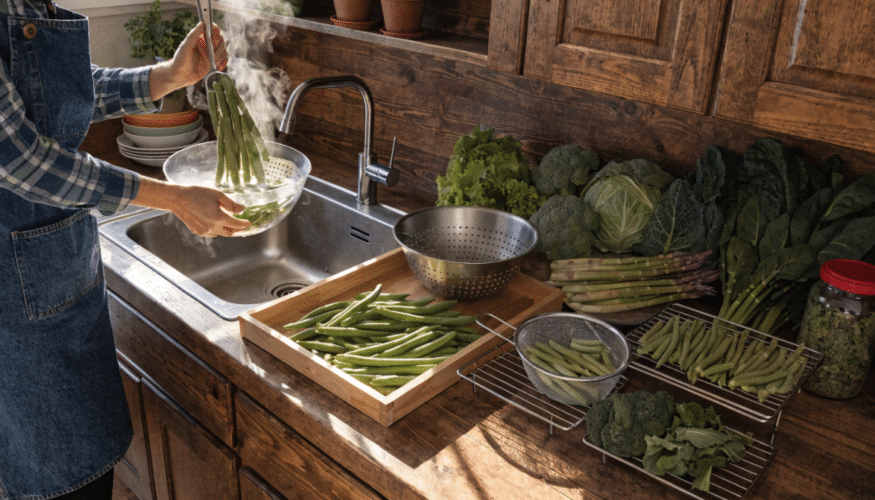
Ever heard of blanching? This culinary technique of briefly plunging vegetables into boiling water does more than just soften them. Blanching actually slows or stops enzyme activity, relaxes tissues for faster drying, and helps protect vitamins and color.
Sure, some water-soluble nutrients like Vitamin C and B-complex vitamins might be lost during blanching, but this initial loss is outweighed by the reduction of vitamin loss during the dehydration process and subsequent storage.
Citric Acid and Color Retention
Now, let’s turn our gaze to citric acid and ascorbic acid. These humble ingredients, often found in your kitchen, can be game-changers in food preservation. Citric acid’s antioxidant effect is beneficial for color retention in dehydrated fruits.
But it doesn’t stop there. The same antioxidant effect also supports the retention of vitamins during the drying process. So, next time you’re drying apple chips or apricots, remember to enlist the help of citric acid for vibrant color and nutrient protection.
Sulfite Treatment for Certain Foods
Another preservation technique worth mentioning is the use of sulfites. Commonly used in dried fruits and certain preserved products, sulfites prevent browning and kill microbes. While sulfite treatment can help retain certain vitamins, it is notably destructive to thiamin. So, like all preservation methods, it’s a balancing act between maintaining nutritional value and ensuring food safety.
With preparation covered, let’s compare how different dehydration methods impact nutrient retention.
Comparing Dehydration Methods and Nutrient Impact
Now, having discussed the nutrient dynamics in dehydrating food and the significance of preparation, we will explore how various dehydration methods affect nutrient preservation. There are three different dehydration methods commonly used for preserving fruits and vegetables: air-drying, freeze-drying, and Radiant Energy Vacuum (REV) dehydration. Each method, from solar drying to electric dehydrators, possesses its own advantages and disadvantages in terms of nutrient retention.
Solar Drying: A Gentle Approach
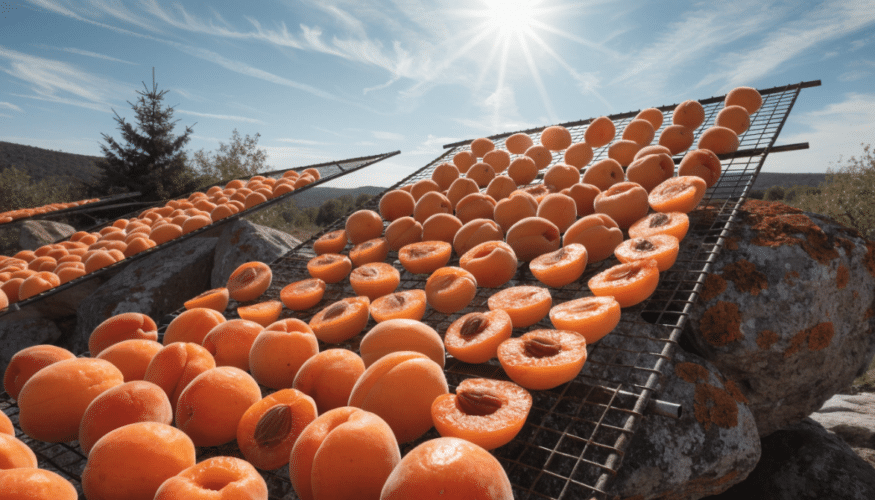
Harnessing the power of the sun, solar drying represents a gentle approach to dehydrating foods. Not only does it retain the sensory quality and nutritional composition of dried fruits, but improved solar drying technology can even enhance nutrient retention. However, traditional solar drying methods also carry the risk of contamination and inadequate drying, which may compromise the nutritional quality of the dried products.
The Convenience of Electric Dehydrators
Switching gears, let’s dive into the world of electric dehydrators. These handy devices offer controlled temperatures and humidity conditions, ensuring high-quality dried products with increased concentration of dry matter content and minerals.
So, not only are they convenient, but they also do a stellar job at preserving the nutritional quality of dried fruits.
Oven Drying: A Double-Edged Sword
Last but not least, we have oven drying. While this method can significantly reduce certain nutrients, it’s not all bad news. With careful temperature control and a keen eye on the drying duration, it is possible to minimize nutrient loss. However, due to the risk of higher moisture content in vegetables, this method may compromise the quality and nutritional value of the dried product in long-term storage, compared to air drying.
Now that we’ve covered dehydration methods, let’s move on to how to store your dried foods for maximum nutrition.
Post-Dehydration: Storing for Maximum Nutrition
So, you’ve successfully dehydrated your fruits and veggies, now what? The journey doesn’t end there. Proper storage plays a crucial role in maximizing nutrient preservation and extending your food’s shelf life. Dehydrated foods can be stored for extremely long periods when kept in a cool, dark place.
From airtight containers to cool storage conditions, let’s delve into the best practices for storing and how to pack dried foods effectively so you can take full advantage of the many benefits of dehydrating food.
Storage Best Practices
Airtight Containers and Cool Storage
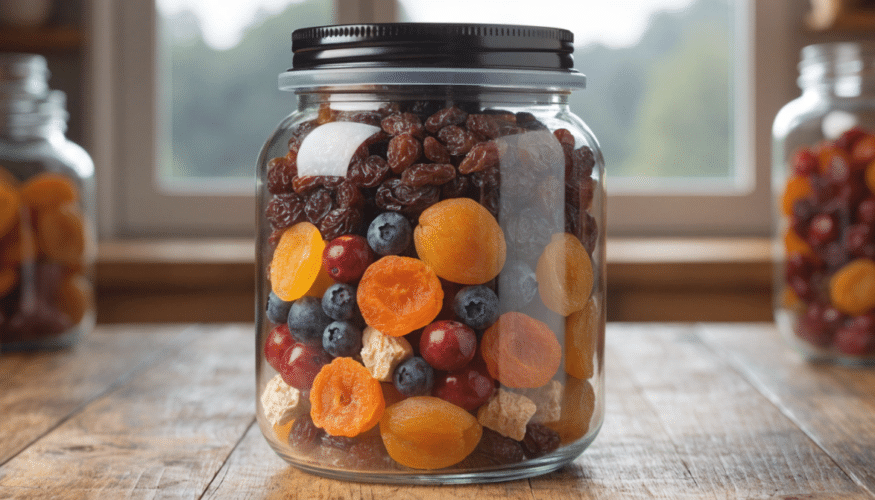
Airtight containers and cool storage conditions are your allies when it comes to maintaining nutrient quality in dehydrated foods. Oxygen and moisture are the enemies here, and the use of vacuum-sealed jars or canning jars can help fend them off. It’s also important to avoid over dehydrating food, which can further impact texture and nutrients.
Additionally, storing clear mason jars in dark, cool areas can mitigate the negative effects of light exposure on the nutrient quality of dried foods, which is essential if you want to maximize how long dehydrated food lasts.
The Shelf Life of Properly Stored Dried Foods
Wondering how long your dried fruits and veggies will last? Properly stored dehydrated foods can last up to 25 years! However, for maximum nutrition, it’s recommended to consume them within five years. From vacuum-sealed mason jars to conditioning the food, several factors contribute to the longevity of stored dehydrated foods.
Rehydrating with Care
Once you’re ready to use your dried foods, proper rehydration is key to preserving nutrients and avoiding overcooking. Depending on the type of vegetable, this can be done by soaking in cold or hot water, or by adding directly to soups and stews.
Remember, rehydrated products can spoil quickly, so it’s best to refresh dehydrated vegetables only when you’re ready to use them.
With storage covered, let’s compare dehydrated foods to fresh and processed options for health benefits.
Health Comparison: Dehydrated vs. Fresh vs. Processed Foods
You may be curious about how dehydrated food compares to fresh and processed food in terms of health benefits. Most dehydrated foods offer significant health benefits, including long shelf life, nutrient retention, and convenience, making them a valuable addition to a balanced diet. Dehydrated foods also provide potential health benefits, such as concentrated nutrients and reduced spoilage. Research suggests that consuming dehydrated foods may help reduce the risk of certain cancers, including pancreatic, stomach, bladder, and prostate cancers, and can lower the risk of foodborne illnesses. When compared to unprocessed food, dehydrated foods retain many of the nutrients found in fresh, unprocessed foods, while extending shelf life and reducing waste. Eating a variety of dehydrated foods can promote better health and reduce the risk of diseases by providing access to a wider range of nutrients year-round. We will now conduct a comparative analysis to understand the health benefits of dehydrated food, taking into account retained nutrients and shelf life, in comparison to fresh and processed foods.
Greater Nutrient Concentration in Dried Foods?
One of the perks of dehydrated foods is their concentrated calorie and sugar content, which can provide a more effective energy boost. Moreover, the dehydration process increases the fiber content in fruits and vegetables, so you’re getting a potentially greater nutrient concentration per serving.
Dehydrated Foods Lack the Moisture Content of Fresh Food
However, it’s important to note that dehydrated foods lack the moisture content of fresh food, which can result in an altered texture or flavor. This isn’t necessarily a downside, but it does offer a different dietary experience that sets dehydrated foods apart from their fresh counterparts.
Processed Foods vs. Home-Dehydrated Products
When it comes to commercially processed foods, home-dehydrated products often have the upper hand. Not only are they more cost-effective and space-saving, but they typically retain taste, appearance, and nutritive value more effectively. However, it’s important to ensure food safety in home-dehydrated foods, as proper drying techniques are essential for preventing microorganism growth and maintaining high levels of nutrients.
Now, let’s get creative with how you can use dehydrated foods in your kitchen.
Creative Uses of Dehydrated Foods in Cooking
Beyond their nutritional benefits, dehydrated foods can also be a fun and flavorful addition to your cooking. Whether you’re spicing up a soup or stew with dried vegetables, or baking with dried fruits, the possibilities are endless.
Soups and Stews: The Perfect Home for Dried Vegetables
When it comes to soups and stews, dried vegetables are a match made in culinary heaven. Some dried vegetables that you can add to your soups and stews include:
Green beans
Corn
Peas
Tomatoes
They all add a lovely depth of flavor and nutritional boost to your bowl of comfort. And, the best part? They can be conveniently rehydrated during the cooking process.
Snacking Smart: Fruit Leathers and Jerky
Looking for a healthy, nutritious snack? Look no further than fruit leathers and homemade jerky. These dehydrated gems offer a high-protein, low-fat snack option that’s not only delicious but also easy to make, especially when you experiment with some of the best foods to dehydrate for snacks.
Say goodbye to high-calorie processed snacks and hello to these wholesome alternatives.
Incorporating Dried Fruits into Breakfast and Desserts
Breakfast and dessert are about to get a whole lot more exciting. Dehydrated fruit recipes for delicious snacks can inspire you to use apples, apricots, and berries in new ways, whether mixed into oatmeal or cereal or added to baked goods for a chewy texture and natural sweetness.
From apple coffee cake to candied fruit cookies, dried fruits offer endless possibilities for creative cooking, especially when you learn how to dehydrate fruit using a food dehydrator for consistent results at home.
Now, let’s answer some of the most common questions about dehydrating food and nutrients.
FAQ
What are the disadvantages of dehydrating food?
Dehydrated foods can have a higher calorie content by weight and may contain high levels of sodium and sugars, leading to potential weight gain and increased risk of obesity, heart problems, and diabetes. Be mindful of these factors when consuming dehydrated foods.
Does dehydrating food make it lose nutrients?
Dehydrating food can lead to some nutrient loss due to factors like high temperature, air and light exposure, and dehydration time. However, properly dried food can maintain nearly all of its vitamins and minerals, making it nearly as healthy as fresh counterparts.
Dehydrated foods keep their nutritional value. The dehydrating process retains a food’s original nutritional value, with only about 3-5% of nutrients lost on average. While most nutrients remain unchanged after dehydration, vitamins A and C may be reduced or destroyed, and some B vitamins and certain minerals can be lost. Dehydrating food can remove some nutrients, but no more than other preservation methods.
Is it worth dehydrating your own food?
Yes, dehydrating your own food is worth it because it helps reduce the cost per meal over time and allows for faster cooking times, especially for grains, legumes, and vegetables. Additionally, it helps prolong the shelf-life of ingredients and maximizes storage space, allowing you to enjoy your favorite foods all year long.
What is removed from food when it is dehydrated?
When food is dehydrated, the process removes enough moisture from the food to inhibit the growth of bacteria, yeast, and molds, allowing the food to be preserved for indefinite periods (Answer 3). This method aims to extract around 90-95% of the water from the food (Answer 1).
How can I preserve nutrients during dehydration?
To preserve nutrients during dehydration, consider blanching vegetables before drying and treating fruits with citric acid. These techniques can help maintain the nutritional value of the food.
In conclusion, dehydrating foods presents a world of opportunities – from extending shelf life to locking in crucial nutrients. Through understanding the nutrient dynamics in dehydrated foods, selecting the appropriate dehydration methods, and storing dehydrated products properly, we can maximize their nutritional value. Whether you prefer them in your soups, stews, or as a healthy snack, dehydrated foods are a delicious and nutritious addition to your diet.
DannyContent Writer
Hey there, since 2016, my mission has been to provide you with the information and guides you need to make food dehydrating simple and fun. Whether you're a newbie or a seasoned pro, my site offers helpful guides, reviews, and recipes to enhance your dehydrating experience. I take pride in only recommending products I believe in, ensuring my readers' trust. As an affiliate of various programs, including Amazon Associates, your support helps me continue providing quality content. Thanks for stopping by, and happy dehydrating!