We earn a commission if you make a purchase, at no additional cost to you.
09/22/2026 04:39 pm GMT
🍊 Dehydrated Food Info Finder — Temperatures & Drying Times
Choose a category, then pick a food to see its drying temperature and time.
⚠️ Safety Disclaimer: Drying times are estimates and vary based on slice thickness, food moisture content, humidity, and your dehydrator model. Always check for doneness before storing — food should feel dry, leathery, or brittle with no moist spots. Improperly dried food can harbour mould and bacteria. For meat and poultry, follow USDA safe internal temperature guidelines: beef and pork to 160°F (71°C), poultry to 165°F (74°C). Use a food thermometer when in doubt. Store all dehydrated foods in airtight containers in a cool, dark place and discard anything showing moisture, mould, or off odours.
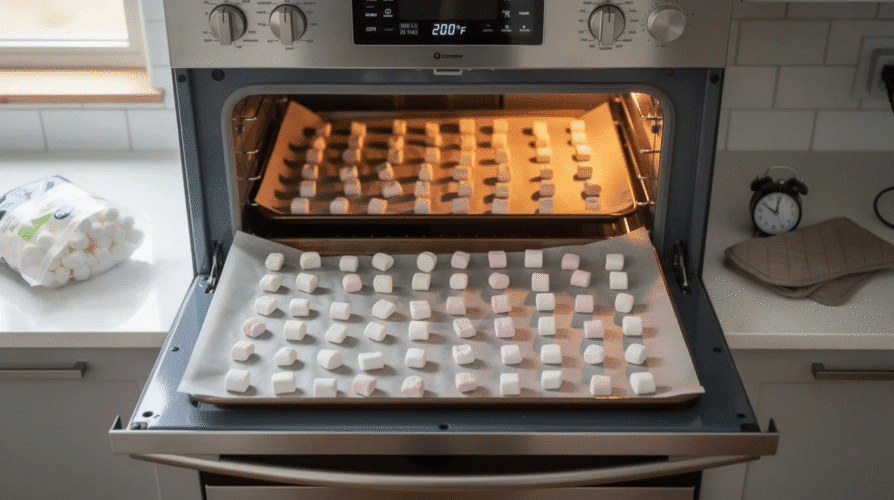
Ever wondered how to dry marshmallows in the oven? Set your oven to its lowest temperature, usually around 140 to 170°F, spread the marshmallows on a parchment-lined baking sheet, crack the oven door, and dry them for 2 to 3 hours until they turn firm and crispy, rotating the tray halfway through.
This guide is for home cooks and food preservation enthusiasts who want a reliable way to dry marshmallows without a dehydrator, extend their shelf life, and turn them into crunchy treats for snacks, desserts, and recipes.
Along with the oven method, we’ll also cover how to dehydrate marshmallows in a food dehydrator, simple prep and drying tips, the best ways to store them, how long they last, and a few easy ways to use dried marshmallows once they’re done.
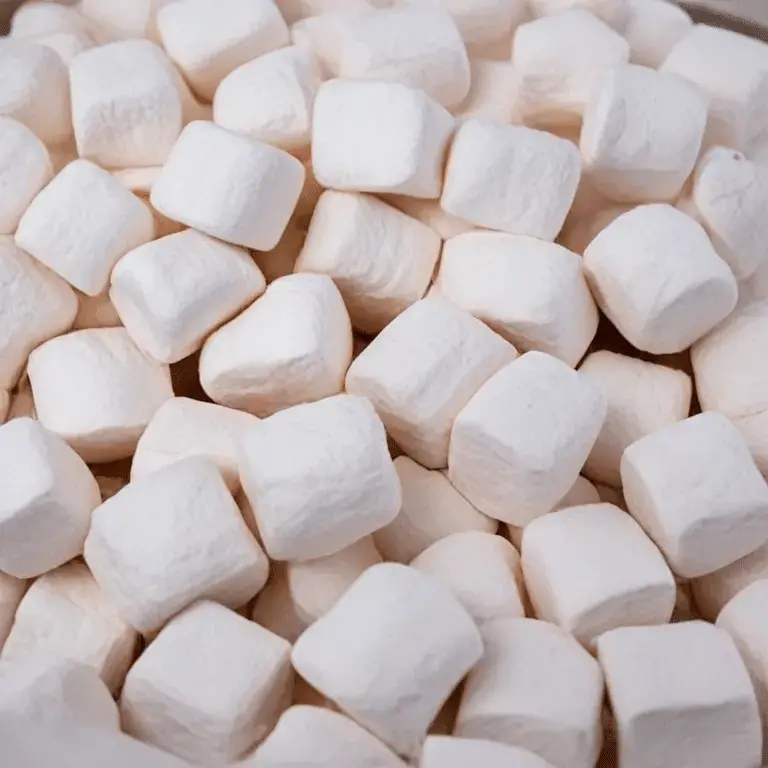
Dried marshmallows can be stored for up to 6 months and used as toppings for desserts, in trail mixes, and even in hot chocolate.
Step
Description
Ingredients
Fresh marshmallows (mini or cut larger ones)
Preparation
Preheat oven to 150-170°F; line a baking sheet with parchment paper
Arrange Marshmallows
Spread marshmallows in a single layer on the baking sheet, spacing to avoid sticking
Oven Drying
Place baking sheet in oven with door slightly open for airflow; dry for 2-4 hours
Check Doneness
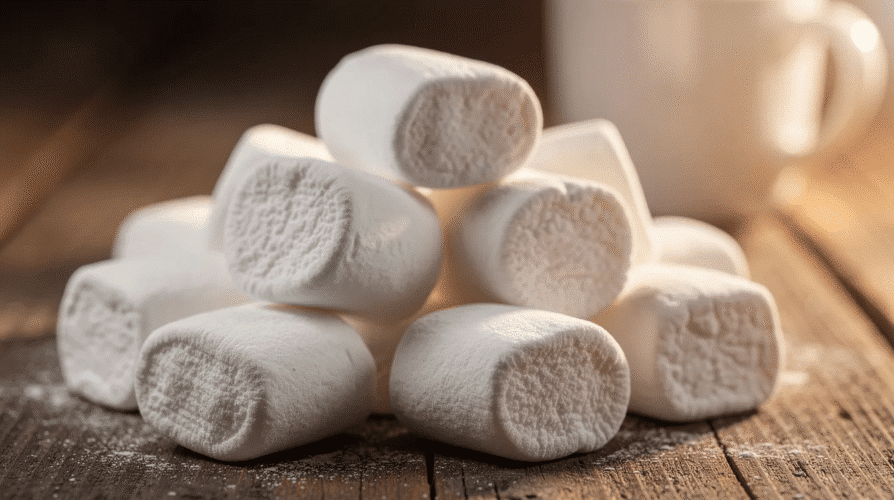
Let marshmallows cool; they should be firm and crispy, shattering when crushed
Storage
Store dehydrated marshmallows in an airtight container, preferably with a moisture absorber
Uses
Use in hot cocoa, sprinkle on brownies or cakes, or blend into marshmallow powder
What is Dehydrating and Why Do It?
Dehydrating is a food preservation method that involves removing moisture from ingredients like marshmallows to extend their shelf life and have crunchy snacks. By using a food dehydrator or oven, you can turn homemade marshmallows into crunchy treats that still taste like the original and are good for many uses.
Through the drying process, the risk of spoilage is reduced and new culinary opportunities open up. These same principles apply to many ingredients, since dehydrating food for long-term storage and lightweight snacks extends shelf life while keeping flavors concentrated. Whether added to trail mixes for easy snacking or used as dessert toppings to add texture, dried marshmallows are versatile.
Using an oven to dry marshmallows is a simple method that requires a baking sheet and temperature control to get crispy.
To prep the oven for drying marshmallows, preheat the oven to the lowest temperature, usually around 170-200°F. Place the marshmallows on a baking sheet lined with parchment paper, spacing them out evenly. Make sure to leave enough space between each marshmallow for air to circulate and not stick together. Rotating the baking sheet halfway through the drying process will help with even drying. For best results to get the desired crunch, let the marshmallows dry for about 2-3 hours or until they feel firm to the touch.
Dehydrator
A food dehydrator like the Excalibur is an easy and efficient way to dry marshmallows by providing consistent heat and air flow.
Using a food dehydrator is simple. For a more detailed walkthrough, you can follow a dedicated guide on creating dehydrated marshmallows in a dehydrator. Marshmallows should be placed in a single layer on the dehydrator trays, not touching each other. The temperature should be set to 135°F (57°C) and the dehydrator should run for 6-8 hours. The even heat and air flow in the dehydrator will dry the marshmallows evenly, keeping their shape and flavor throughout the process. This is a foolproof method every time.
Following exact drying instructions to get a good batch of dried treats
Preparing Mini Marshmallows
Before drying, you need to start with prepping marshmallows by selecting the right size, using regular marshmallows or mini ones, and spreading them out evenly on the baking sheet. This step is crucial to get even drying of the marshmallows, so some don’t dry too much and others don’t dry enough. Using mini marshmallows increases the surface area, which helps with the drying process.
Large marshmallows and full sized marshmallows can be dried too, but cutting marshmallows into smaller pieces helps them dry more evenly and usually shortens the time, since they may take about 3 to 5 hours otherwise. The marshmallows placed on the baking sheet evenly is key to good air circulation, which will speed up the drying process and prevent moisture from accumulating.
Setting up the Oven for a Single Layer
Proper setup of the oven is crucial for drying, including preheating to the right temperature and marshmallows on a baking sheet.
To start the preheating process for drying marshmallows, set the oven to the lowest temperature, usually 150-170°F. Once the oven reaches the desired temperature, place the marshmallows on a parchment lined baking sheet, in a single layer with enough space between each marshmallow for air to circulate. If needed, use a wooden spoon to prop the oven door open slightly for better airflow. Rotate the baking sheet halfway through the drying process. Monitor the temperature and adjust as needed to maintain a consistent drying environment for the marshmallows.
Drying
Drying in the oven involves monitoring the marshmallows to get crispy without burning.
Start by preheating the oven to its lowest setting, 140-170°F (60-75°C).
Place the marshmallows on a baking sheet in a single layer, not touching each other.
Put the baking sheet in the oven and crack the door open to let the moisture out.
Watch the marshmallows, and rotate the tray occasionally.
Marshmallows should be completely dry and firm, but they may still feel a little soft or warm at first, so let them cool completely before you judge the texture. If they stay sticky or gummy after cooling, dry them a bit longer, but be careful not to over dry. For larger batches, batch processing is fine, though you may need to adjust the drying time according to the size and thickness of the marshmallows to get the same results. As a quick doneness test, crush a cooled marshmallow with a rolling pin; if it is ready, it should shatter.
Tips for Success
Success in drying marshmallows requires attention to detail throughout the prep, drying and testing process to get the crunchy texture so you get good results.
Storage and Shelf Life
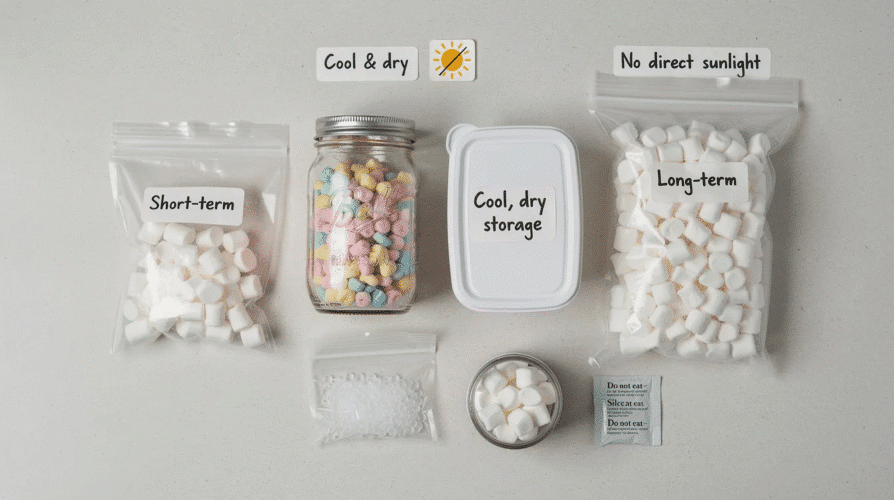
Proper storage of dried marshmallows is key to keeping them crispy and extending their shelf life. Usually, this means using airtight containers or vacuum sealed bags, with a zip-top bag working for short-term use and better options reserved for long term storage.
For best preservation, store dried marshmallows in a cool, dry place away from direct sunlight and heat sources. Airtight containers like mason jars or plastic containers with tight fitting lids will prevent moisture from getting in and keep the marshmallows fresh. Vacuum sealers are also great for removing excess air and sealing in the crisp texture of the marshmallows, and if you store marshmallow powder, the same cool, dry setup helps it stay free-flowing.
Moisture control is key to shelf life so adding a desiccant packet or silica gel in the storage container will act as a moisture absorber and help prevent clumping in humid areas.
Other Uses for Dehydrated Marshmallows
Dried marshmallows are a versatile ingredient that can be used in many delicious treats, from snacks and baking toppings to toppings for beverages and cereals like Lucky Charms. These crispy marshmallow bits have a unique texture and flavor that will take your desserts to the next level. You can also make marshmallow powder from dehydrated marshmallows by blending them until fine.
Try mixing dried marshmallows with nuts, chocolate chips, and dried fruit in a trail mix for a colorful and tasty blend. Use them as decorations for cupcakes, ice cream sundaes, or as a surprise inside homemade granola bars that are fun to eat.
Dried marshmallows are a pantry staple, and this powder gives you another easy way to add a little sweetness to many dishes.
Place marshmallows on a baking sheet lined with parchment paper. Make sure to space them out evenly so air can circulate. If you’re using full-sized marshmallows, prep them first by cutting them in half, then coat the cut edges with powdered sugar and cornstarch so they do not stick. You can also lightly dip each sticky side into the mixture; a little sugar is enough.
3. What temp should I set my oven to?
Set your oven to the lowest temp possible, usually around 170°F (77°C) to dry marshmallows. They won’t melt or burn.
4. How long does it take to dry marshmallows in the oven?
Time will vary depending on the size and thickness of the marshmallows and your oven. Mini marshmallows usually take 2 to 4 hours, while full-sized or large marshmallows can take longer. If you’re re-crisping cereal marshmallows, including lucky charms marshmallows from cereal, it may take about an hour.
5. How will I know they’re dry?
Dry marshmallows will be crispy and dry to the touch. They may also be slightly golden. You can also test by breaking one open, it should be dry inside.
6. How do I store dried marshmallows?
Store dried marshmallows in an airtight container in a cool dry place. Flavored ones should also be fully cooled before going into an airtight container so they stay crunchy and fun to use later. They’ll last for months if stored properly.
DannyContent Writer
Hey there, since 2016, my mission has been to provide you with the information and guides you need to make food dehydrating simple and fun. Whether you're a newbie or a seasoned pro, my site offers helpful guides, reviews, and recipes to enhance your dehydrating experience. I take pride in only recommending products I believe in, ensuring my readers' trust. As an affiliate of various programs, including Amazon Associates, your support helps me continue providing quality content. Thanks for stopping by, and happy dehydrating!