We earn a commission if you make a purchase, at no additional cost to you.
09/22/2026 04:39 pm GMT
🍊 Dehydrated Food Info Finder — Temperatures & Drying Times
Choose a category, then pick a food to see its drying temperature and time.
⚠️ Safety Disclaimer: Drying times are estimates and vary based on slice thickness, food moisture content, humidity, and your dehydrator model. Always check for doneness before storing — food should feel dry, leathery, or brittle with no moist spots. Improperly dried food can harbour mould and bacteria. For meat and poultry, follow USDA safe internal temperature guidelines: beef and pork to 160°F (71°C), poultry to 165°F (74°C). Use a food thermometer when in doubt. Store all dehydrated foods in airtight containers in a cool, dark place and discard anything showing moisture, mould, or off odours.
The fall season keeps reinventing what we eat, and 2026 is no exception. This year’s fall food trends pull from fermented foods, smoke-infused techniques, dehydrated produce, and global cuisines to reshape how chefs and home cooks approach autumn dining. Below are seven trends backed by menu data, consumer behavior, and industry forecasts, plus dehydrated food recipes you can try this week.
How We Chose the Top Fall Food Trends
While many lists focus on top five food trends, we identified seven because the food world this fall is moving in too many directions to cut short. Here is what shaped our picks:
Restaurant menu additions tracked by Technomic’s 2026 US & Canada State of the Menu report
DoorDash order data on seasonal flavor preferences
Avendra’s plant-based trend analysis and the $14.2 billion global plant-based sector valuation
Penn State Extension’s 2026 consumer behavior research
Grocery product launches from brands targeting colder months
Health and wellness alignment, particularly the fiber and gut health wave Whole Foods flagged in its 2026 forecast
Home preparation accessibility for each trend
Cultural authenticity across regional specialties and global influence
Top 7 Fall Food Trends for 2026
1. Swicy Spice Blends
The sweet-and-spicy food trend, sometimes called “swicy,” has moved past hot honey drizzles into layered spice blends: maple harissa, honey-glazed chipotle, cinnamon-chili rubs. This fall features a mix of traditional cozy autumn elements and bold global spices, and swicy sits at the center of that collision.
Flavor combinations such as maple and chili are gaining momentum this autumn. Pecan lattes increased 28 percent year over year according to DoorDash fall flavor data, with gingerbread and apple tied for second. Pumpkin spice is being paired with sharper elements like tart apple ciders and blood orange. Traditional sweet notes in fall food trends are being upgraded with miso caramel and smoked caramel. Cozy flavors like apple cider doughnuts and maple pecan cookies are trending in baked goods, and swicy flavors are evolving into swangy and swavory pairs combining rich squashes and dark fruits.
Beyond basic pumpkin spice, expect a complex toasted comfort flavor profile across menus.
Why It Stands Out
Fall food trends emphasize a blend of deep-rooted comfort and vibrant global hybridization. Swicy delivers both in a single bite.
Best For
Home cooks seeking recipe ideas to elevate everyday fall dishes, and restaurants wanting a signature twist on comfort foods.
Key Strengths
Works across appetizers, mains, desserts, and drinks
Appeals to conservative and adventurous diners alike
Photogenic for social media
Easy to layer into existing recipes
Possible Limitations
Heat tolerance varies among diners, so a “mild swicy” option helps
Balancing sweet and spice in family dining requires testing
2. Korean-Inspired Fall Comfort Foods
Gochujang butternut squash soup. Kimchi mac and cheese. Doenjang-glazed root vegetables. Korean flavors are merging with classic fall dishes, and restaurants are leaning in. Korean BBQ and hot pot eateries are increasingly popular, and their taste profiles now appear in mainstream fall menus.
Kimchi is a well-known example of fermented food, and unique pickles and kimchis are gaining popularity this season as condiments for everything from burgers to pizza. Fusion cuisine blends unique flavors with familiar ones; for example, coconut curries are popular with unique spices this fall, and coconut curries pair spices with meats like lamb and chicken or with dark meat chicken for richer flavor.
This trend extends beyond Korea. Dishes from the Pacific Rim are trending this fall. Middle Eastern spices like baharat are gaining traction. Global-inspired street food appetizers are trending in restaurant menus across the US. Regional cuisines are gaining popularity in restaurants, and consumers crave authentic local flavors in their meals. Authentic regional flavors are a key focus for chefs this fall.
Why It Stands Out
Brings umami depth and fermented complexity to familiar autumn comfort foods while opening the door to global cuisines most diners have not explored at home.
Best For
Food enthusiasts interested in regional specialties and restaurants targeting younger demographics. Penn State’s 2026 trend research confirms Gen Z responds to creative global flavors more than any other generation.
Key Strengths
Adds probiotic health benefits through fermented ingredients
Creates menu differentiation in a crowded fall landscape
Builds on increased interest in Korean food across North America
Versatile across snacks, mains, and sides
Possible Limitations
Sourcing specialty ingredients like doenjang or gochugaru outside metro areas
Cultural appropriation concerns require authentic preparation and credit
3. Dehydrated Seasonal Produce
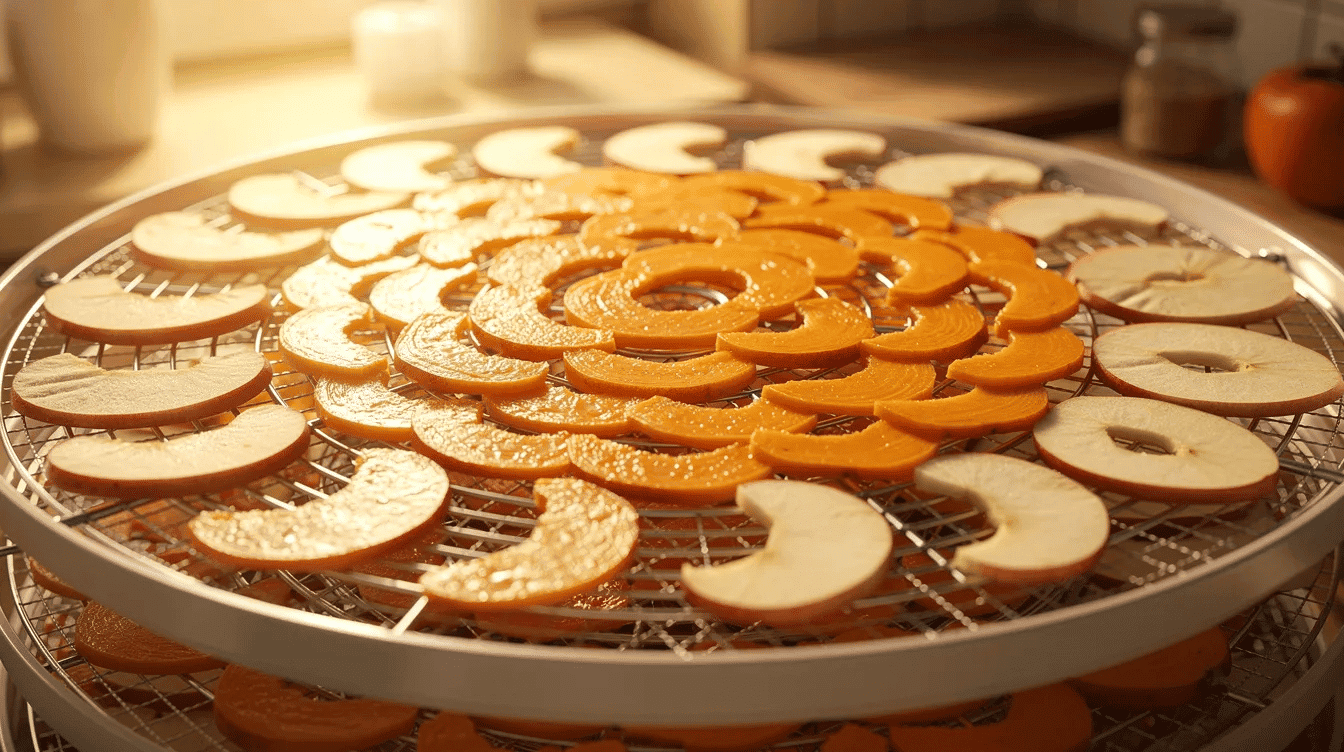
Reducing food waste emphasizes preserving the harvest during fall, and dehydration is one of the oldest ways to do it. Chefs are dehydrating and pulverizing harvests into powders for soups, spice blends, and garnishes, often using raw food dehydrators that preserve enzymes and nutrients. Culinary upcycling uses food scraps to reduce waste; even fruit rinds and “ugly” produce find new life through dehydration. Demand for “ugly” produce is rising to combat food waste.
Seeds like pumpkin and sunflower are trending in fall recipes, often paired with dehydrated produce on cheese boards or in trail mixes, reflecting broader interest in the best foods to dehydrate for long-term storage. Fresh fruits like persimmons and apples become shelf-stable snack options when dried properly.
Peel firm Fuyu persimmons and slice into ¼-inch rounds
Arrange on dehydrator trays without overlapping
Dry at 135°F for 8 to 12 hours (or oven at 200°F for 2 to 3 hours, flipping at 90 minutes)
Yield: 1 kg of fresh persimmons produces approximately 150 grams dried
Optional: dip two-thirds of each slice in melted blond chocolate and top with sea salt
For whole-fruit preservation, the Japanese hoshigaki method involves peeling persimmons, hanging them to air-dry for 4 to 6 weeks, and gently massaging them every few days. The result is a concentrated, candy-like dried fruit that stores for up to one year.
Creates textural contrasts as garnishes or ingredients
Works in snacks, desserts, and savory dishes
Possible Limitations
Requires a dehydrator or extended oven time
Texture may not appeal to every diner
4. Mushroom-Forward Dishes
The global plant-based sector was valued at $14.2 billion in 2025 and is projected to reach $44.2 billion by 2035. Mushrooms sit at the front of that rise. Plant-based proteins are a major fall food trend, and vegetables are becoming the stars of dining experiences, not just side players.
Maitake steaks, shiitake ramen, and lion’s mane “crab” cakes showcase what mushrooms do when treated as centerpieces rather than garnishes. Veggie burgers are increasingly popular on restaurant menus, and mushroom-based patties outsell many red meat alternatives in plant-forward restaurants. Consumers are exploring plant-based milk alternatives more than ever, and the same curiosity drives mushroom adoption.
Meanwhile, on the opposite end of the spectrum, nostalgic animal fats like beef tallow are surging back into mainstream culinary spaces for cooking and frying. The tension between plant-forward and heritage-meat trends defines much of 2026’s food conversation.
Why It Stands Out
Mushrooms deliver umami-rich, satisfying dishes that appeal to flexitarian and meat-eating diners equally.
Best For
Restaurants emphasizing plant-forward menus and home cooks exploring flexitarian eating patterns.
Key Strengths
High in protein, fiber, and B vitamins
Pairs naturally with fall herbs and spices
Sustainable: lower water and land use than animal protein
Varieties like maitake, lion’s mane, and shiitake offer distinct flavor profiles
Possible Limitations
Specialty mushrooms cost more than common button varieties
Some varieties require specific cooking techniques to avoid rubbery texture
5. Fermented Fall Vegetables
Fermentation is gaining traction as a health trend, and fall veggies are the perfect canvas. Fermented foods offer digestive and detoxifying benefits that align with the digestive health movement consumers are pursuing this season. Fermentation includes vegetables, chutneys, and dairy products.
House-made sauerkrauts are becoming popular in fall menus. Brussels sprouts are popular on fall menus, often shredded, salted, and fermented for 3 to 7 days before serving as tangy side dishes. Cabbage is becoming a versatile ingredient this fall, appearing as kimchi, sauerkraut, and quick-fermented slaws. Even a sourdough starter counts as fermentation, and bakeries are incorporating fermented vegetable flavors into bread.
Why It Stands Out
Combines gut health benefits with preservation techniques that extend seasonal veggies well into the colder months.
Best For
Health-focused diners and chefs interested in traditional fermentation and sustainable cooking.
Key Strengths
Provides probiotic health benefits backed by research
Extends shelf life naturally without additives
Adds complex, tangy flavor that cuts through rich fall dishes
Supports local and seasonal eating
Possible Limitations
Requires 3 to 14 days of advance planning
Strong fermented flavors may be unfamiliar to some diners
6. Smoke-Infused Non-BBQ Dishes
Smoking has broken free from the grill. Food & Beverage Magazine reports that bars are building autumn cocktails around smoky techniques, smoked herbs, and flavor depth from maple, baking spices, and ripe pear. Smoked maple cheesecake, cold-smoked beet salads, and smoked dark meat chicken over fall grain bowls are appearing on menus.
Charcoal is being used in various fall dishes for color, mild flavor, and visual drama. Botanical profiles in autumn beverages incorporate herbal and bitter layers like sage and cardamom. The sober-curious movement is popularizing savory, complex craft non alcoholic mocktails this autumn, and smoke infusion gives those drinks the depth that previously required spirits.
Why It Stands Out
Adds sophistication to unexpected menu items while creating dramatic, Instagram-worthy presentation.
Best For
Upscale restaurants and adventurous home cooks with access to smoking equipment or liquid smoke.
Key Strengths
Creates unique flavors across all course categories
Dramatic tableside presentation drives social sharing
Works for vegetarian, omnivore, and dessert applications
Salted eggs, when lightly smoked, add rich depth to salads and rice bowls
Possible Limitations
Smoke flavor can easily overwhelm delicate dishes
Requires specialized equipment or careful use of liquid smoke
7. Ancient Grains in Fall Desserts
Heirloom grains are trending in fall dishes, moving from savory bowls into desserts. Quinoa pumpkin pudding, amaranth apple crumble, and millet spice cake represent a new category of healthy treats. High-fiber foods featuring beans and whole grains are becoming more prominent in fall menus, and desserts are no exception.
Fiber-maxxing involves adding more fiber-rich foods to diets, and the Whole Foods 2026 trend forecast calls “fiber frenzy” one of the year’s defining shifts. Fall pantry innovations pair high-protein counts with aggressive fiber boosts for gut health. Fall comfort foods are emphasizing texture-forward and functional satiety ingredients rather than empty calories. Many of these grains are naturally gluten free, which widens their appeal.
Not long ago, ancient grains were a niche grocery store find. Now they appear in press release announcements from major brands launching fall product lines. Seasonal vegetables include cauliflower, squash, and turnips as savory partners for grain-based desserts. Fall fruits like apples and pears are featured in desserts alongside these grains for natural sweetness.
Why It Stands Out
Provides protein, fiber, and nutrition in desserts that were traditionally pure indulgence.
Best For
Health-conscious dessert lovers and bakeries targeting gluten free and protein-rich menu options.
Key Strengths
Adds measurable nutritional value to desserts
Naturally gluten free (quinoa, amaranth, millet)
Creates textures not found in traditional flour-based desserts
Aligns with the health trend toward functional eating
Possible Limitations
Recipes require development and testing to get texture right
Unfamiliar grain textures in a dessert context need clear menu descriptions
Fall food trends highlight elevated comfort foods with international spice blends and artisan cheeses as common complements across all seven categories.
How to Choose the Right Fall Food Trend
Choose Based on Your Kitchen Setup
If you lack a dehydrator or smoking equipment, start with swicy spice blends or Korean-inspired dishes. Both require only a standard cook setup and widely accepted pantry staples. For those with more tools, dehydrated produce and smoke-infused dishes offer the biggest payoff in unique flavors and presentation.
Choose Based on Your Customer Base
Diners who eat at your establishment for familiar comfort foods respond best to swicy blends and mushroom-forward dishes because the flavor shift is approachable. If your customer base skews younger or more adventurous, Korean-inspired comfort foods and fermented veggies deliver the novelty they seek. Consider what your diners already order and build from there.
Choose Based on Health Priorities
Fermented fall vegetables and ancient grain desserts carry the clearest health benefits: probiotics, fiber, and micronutrients. If your priority is a rich, indulgent dining experience, smoke-infused dishes and swicy spice blends deliver taste-first satisfaction. Fall menus are featuring comfort foods with regional ingredients regardless of the health angle.
Which Fall Food Trend Is Best for You?
Choose swicy spice blends if you want maximum versatility with minimal ingredient changes
Choose Korean-inspired fall comfort foods if you want to attract globally-minded diners
Choose dehydrated seasonal produce if you prioritize sustainability and food waste reduction
Choose mushroom-forward dishes if you want to appeal to flexitarian and vegetarian consumers
Choose fermented fall vegetables if you want to emphasize health benefits and traditional techniques
Choose smoke-infused non-BBQ dishes if you want to create premium, experiential dining
Choose ancient grains in fall desserts if you want to innovate in the healthy dessert space
Final Thoughts
The strongest approach for fall 2026 is combining two or three of these trends rather than chasing all seven. Use dehydrated seasonal produce as a garnish on Korean-inspired dishes. Fold fermented vegetables into mushroom-forward plates. Layer swicy spice blends into ancient grain desserts.
Start with the trend that matches your equipment and audience. Cook one recipe from this list this week. Adjust based on what your diners or family respond to. The best fall food is the dish that makes someone come back for seconds.
DannyContent Writer
Hey there, since 2016, my mission has been to provide you with the information and guides you need to make food dehydrating simple and fun. Whether you're a newbie or a seasoned pro, my site offers helpful guides, reviews, and recipes to enhance your dehydrating experience. I take pride in only recommending products I believe in, ensuring my readers' trust. As an affiliate of various programs, including Amazon Associates, your support helps me continue providing quality content. Thanks for stopping by, and happy dehydrating!