We earn a commission if you make a purchase, at no additional cost to you.
09/22/2026 04:39 pm GMT
🍊 Dehydrated Food Info Finder — Temperatures & Drying Times
Choose a category, then pick a food to see its drying temperature and time.
⚠️ Safety Disclaimer: Drying times are estimates and vary based on slice thickness, food moisture content, humidity, and your dehydrator model. Always check for doneness before storing — food should feel dry, leathery, or brittle with no moist spots. Improperly dried food can harbour mould and bacteria. For meat and poultry, follow USDA safe internal temperature guidelines: beef and pork to 160°F (71°C), poultry to 165°F (74°C). Use a food thermometer when in doubt. Store all dehydrated foods in airtight containers in a cool, dark place and discard anything showing moisture, mould, or off odours.
#image_title
Get Creative in the Kitchen: Discover How to Dehydrate Flowers
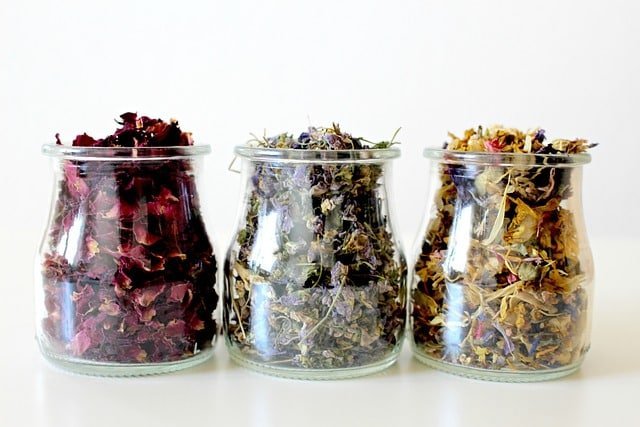
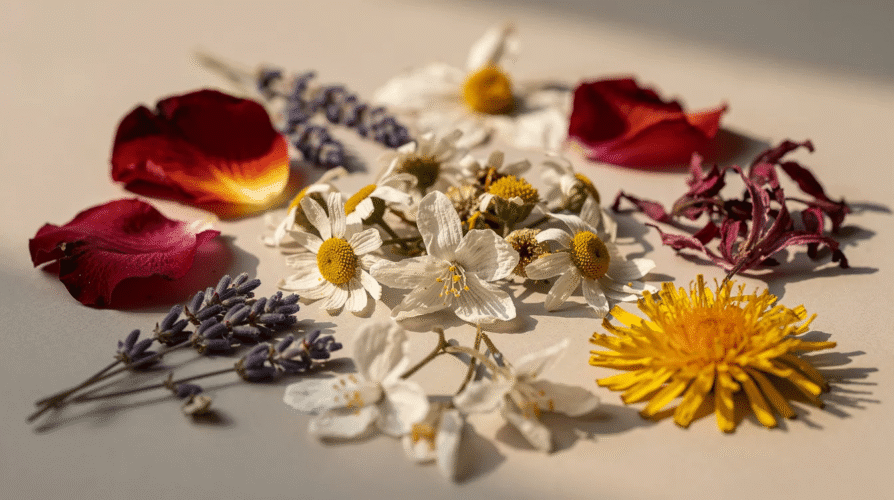
To dehydrate flowers, place clean petals or small blooms in a single layer on a mesh tray, set your dehydrator to 115-120°F, and dry them for 8-10 hours or until they are completely dry, then store them in an airtight container. This method works well for home cooks, food preservation enthusiasts, and anyone who wants to save edible or decorative flowers for cooking, crafts, or home decor.
We get many messages from our readers wondering how to dehydrate flowers, and the process is simple once you have the right setup: a mesh tray, a dehydrator, and the flower of your choice. In this guide, you’ll learn which flowers dehydrate well, how to dry them step by step in a food dehydrator, tips for better results, and a few creative ways to use dried flowers in recipes and around the house.
Flowers are frailer than fruits and vegetables, so take extra care when handling them. Drying them properly helps preserve their color, shape, and aroma longer, making it easier to enjoy lasting floral creations instead of letting fresh blooms go to waste.
Safety tip: Make sure not to dehydrate the flowers on the same tray as the food because of their smell.
Which Are the Best Flowers That Can Be Dehydrated?
Once dried, store your flowers in an airtight container. You should be careful not to let any moisture in the container, which will cause mold to form.
Once the flowers are properly dried, you can enjoy them in various ways. Use them in recipes, decorations, or even to make your potpourri, just as you can explore other easy things to make with a food dehydrator.
Dehydration is a great way to enjoy the beauty and aroma of flowers for extended periods. You can create beautiful creations that impress your family and friends with just a few simple steps! So get creative and see what you can make!
Unique Ideas Using Dried Flowers
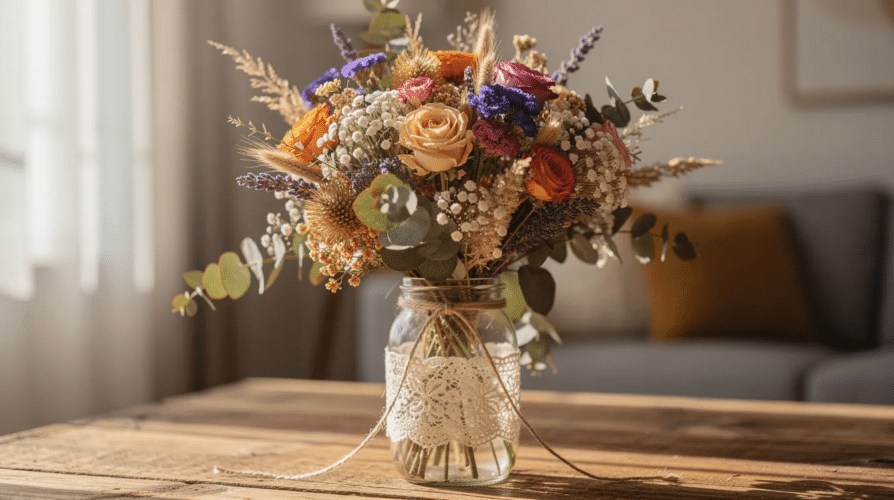
Dehydrated flowers can be used for creative and unique decorations in the home. These beautiful blooms, from dried flower bouquets to cooking and table centerpieces, will add romance and sophistication to any room. Here are some inspiring ideas for using dehydrated flowers for your decorating needs:
Dried Flower Bouquets – Create a unique bouquet of dried flowers that will last for years, letting you preserve fresh blooms from the garden for display. Choose an eclectic mix of colorful blooms and foliage, wrap them in lace or twine and arrange them in a vase or glass jar for an eye-catching display.
Tabletop Centrepieces – Create a stunning centerpiece with dried flowers in a bowl or vase. Place it on the dinner table for added elegance, or use it as a statement piece for your living room coffee table.
Wreaths and Garlands – Hang wreaths and garlands made from dehydrated flowers to charm any room in the house. These decorative items from the front door to your bedroom wall will bring a touch of nature indoors.
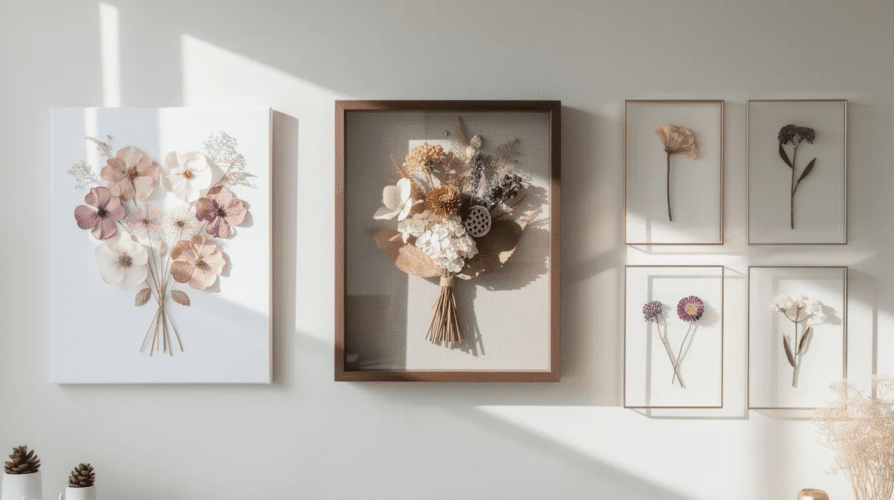
Floral Wall Art – Create beautiful and unique wall art using dried flowers. Arrange them on a canvas, in a shadow box, or hang up pressed flowers for an eye-catching display that can preserve blooms for a vintage or modern artistic look. They are ideal for flat crafts such as bookmarks, frames, and greeting cards. Pressing requires little equipment, often just paper and a heavy book, and it helps create artwork by preserving delicate petal and leaf details.
Cooking with Dried Flowers – Incorporate dehydrated flowers into your cooking for a unique twist on everyday dishes. For example, sprinkle petals over salads, infuse soups and teas with petals, or create cakes and cupcakes decorated with dried blooms.
Cleaning withDried Flowers – Make your home cleaning routine more enjoyable by adding a few dried flowers. Place petals in drawers, cabinets, or closets to give them a beautiful scent and keep pests away. You can also mix them with essential oils to make fragrant potpourri.
These are just a few ways to use dehydrated flowers to spruce your home. With the right creative ideas, you can transform any room in your house into a beautiful and unique space. So get out your scissors and start arranging! Keep finished flowers out of direct sunlight so their color does not fade.
Tips & Tricks for Dehydrating and Air Drying Flowers
Choose flowers at their peak ripeness to get the best results when dehydrating. Trim damaged parts and harvest blooms at their best stage; hydrangeas dry well on the stems. Most flowers can be air dried by gathering the stems and simply tieing them with a rubber band or elastic band. Grasses and other plants suited to hanging should be kept out of high humidity while drying.
Allow the flowers to cool completely before handling them. They are fully dried when the petals and stems feel dry. Pressed flowers usually take about 1 week to dry completely, using a paper towel and paper in a heavy book or under pressure if needed.
When storing dehydrated flowers, keep them in an airtight container away from direct sunlight. This will help extend their shelf life, and dried flowers can last 1-3 years with proper care to retain color and prevent spoilage. If dust builds up, gently dust them with a hairdryer on low heat.
Finally, remember that not all flowers are edible- check with a local florist or botanist to determine which ones are safe for consumption.
With these tips and tricks, you can enjoy dehydrating flowers for years! Have fun exploring your culinary creativity with this versatile technique. Bon appetit!
Thank you for browsing through our article on how to dehydrate flowers! We hope that you found it helpful. Have fun with your creations, and remember to show us what you make! If you have any questions big or small, please don’t hesitate to reach out. We’d love to hear from you! Good luck, and happy dehydrating!
DannyContent Writer
Hey there, since 2016, my mission has been to provide you with the information and guides you need to make food dehydrating simple and fun. Whether you're a newbie or a seasoned pro, my site offers helpful guides, reviews, and recipes to enhance your dehydrating experience. I take pride in only recommending products I believe in, ensuring my readers' trust. As an affiliate of various programs, including Amazon Associates, your support helps me continue providing quality content. Thanks for stopping by, and happy dehydrating!