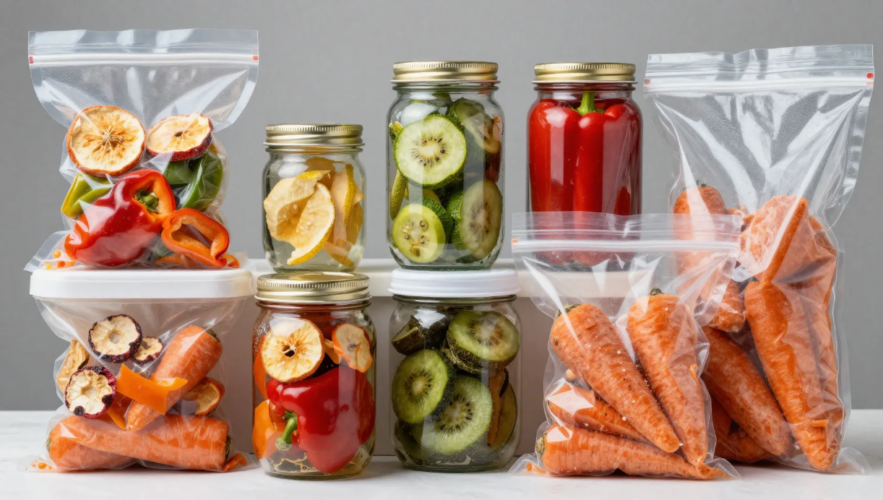
How long does dehydrated food last? This is a crucial question for home food preservers, preppers, and anyone interested in food storage. Understanding the shelf life of dehydrated foods is essential for food safety, emergency preparedness, and reducing waste. This article explains how long dehydrated food lasts and what factors affect its shelf life. We’ll cover the basics of dehydrated food longevity, the best storage methods, and the key factors that influence how long your dried foods remain safe and nutritious.
Whether you’re prepping for emergencies, planning backpacking meals, or simply want to make the most of your pantry, knowing how to store the best foods to dehydrate for long-term storage is key. By using airtight containers, vacuum sealing, and keeping foods in cool, dark places, you can keep them fresh and flavorful for a long time.
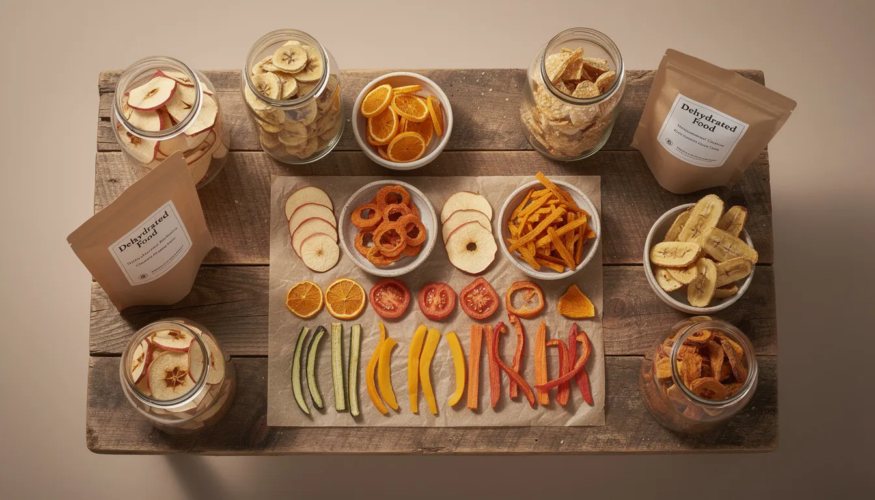
Dehydrated food is a type of preserved food that has been dried to remove most of its moisture content. Dehydrated foods have a long shelf life due to the removal of moisture content. Dried meals and freeze-dried meals are popular forms of preserved food for storage and travel, making them lightweight and compact for storage and carry.
Freeze-drying is slightly more effective at removing moisture than dehydration. While both methods extend shelf life, freeze-dried foods tend to last even longer because they reach lower moisture levels.
Benefits of Dehydrating Food
Dehydrating food is great for preserving for backpacking trips, camping, and emergency preparedness. Dehydrated foods are shelf stable, making them ideal for long-term storage without refrigeration. Removing moisture prevents spoilage, making it a reliable option for long-term storage. Beans and rice are common ingredients in dehydrated meals because they are nutritious, durable, and work well for meal prep in backpacking or emergency situations.
How to Dehydrate Foods at Home
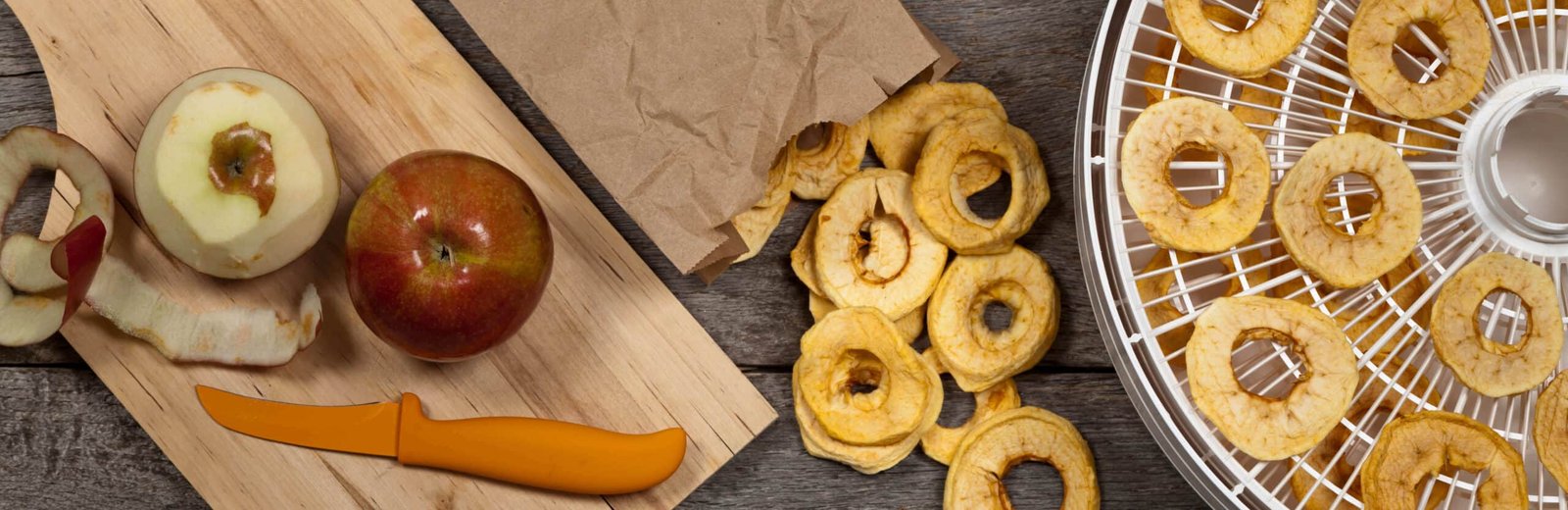
You can dehydrate foods at home with a dehydrator. This appliance removes moisture from food. Some preservation methods involve ‘cooking’ or heat treatment before dehydration to improve food safety, texture, and flavor, especially when dehydrating meat safely. You can also use a low temp oven to get similar results.
Freeze drying is another method for preserving food at home; unlike dehydration, freeze drying removes moisture by freezing the food and then using a vacuum to sublimate the ice, which helps maintain food structure and extends shelf life even further.
Understanding the Dehydration Process
The dehydration process is actually quite simple. You can go from wondering “how long does dehydrated food last?” to being an expert at the dehydration process in no time. If you decide to buy a high-quality food dehydrator, then you will be able to use a food dehydrator to dehydrate fruits, vegetables, and various other types of food. It is a fairly fast process and it won’t take long to get the hang of everything.
How this works is that it eliminates the moisture from the food. Foods must be dried to 10% moisture or less to prevent microbial growth. This prevents many potential problems with your food, allowing it to be stored for longer periods of time without encountering issues. Yeast, bacteria, and mold will not have a chance to grow and you’ll be able to count on your food sticking around longer.
Next, let’s explore how long dehydrated foods last and what factors influence their shelf life.
Dehydrated Food Shelf Life
Average Shelf Life
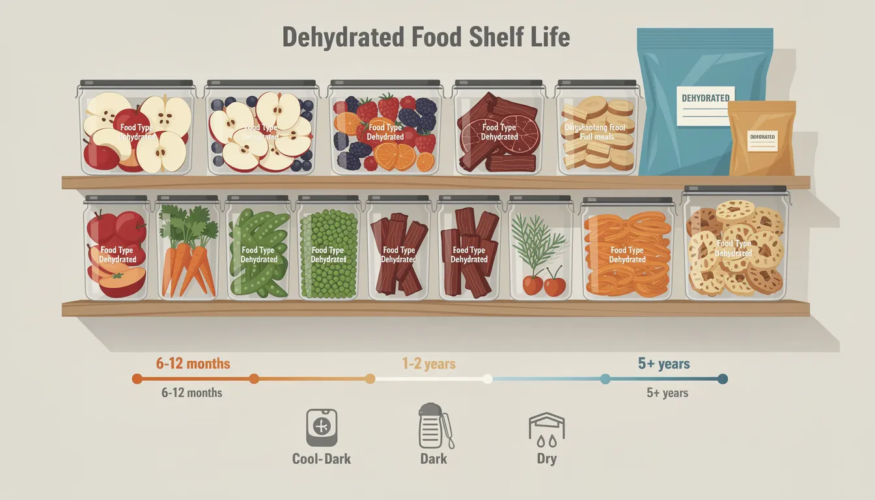
Dehydrated food can last anywhere from 4 months to 1 year for home-prepared items at room temperature. When stored in a cool, dry, and dark place, dehydrated food generally has a shelf life of 4 to 12 months, though some items can last up to 1-2 years if properly packaged. Professionally prepared and packaged dehydrated foods can last up to 25 years.
Food-Specific Shelf Life
Here’s a quick reference table summarizing the average shelf life of common dehydrated foods:
Food Type
Typical Shelf Life (Home Prepared)
Shelf Life (Vacuum Sealed/Professional)
Fruits
Up to 1 year
1-2 years (properly packaged)
Vegetables
6 months to 1 year
1-2 years (properly packaged)
Meat/Jerky
1-2 months (room temp)
Up to 6 months (vacuum sealed)
Grains & Beans
Up to 1 year
1-2 years (properly packaged)
Commercial/Pro
N/A
Up to 25 years
Quick Facts:
Dehydrated food generally has a shelf life of 4 to 12 months when stored in a cool, dry, and dark place, though some items can last up to 1-2 years if properly packaged.
The shelf life of dehydrated food typically ranges from 4 months to 1 year for home-prepared items at room temperature.
Vegetables have a dehydrated shelf life of 6 months to 1 year.
Fruits generally have a dehydrated shelf life of 1 year.
Meat or jerky typically lasts 1 to 2 months at room temperature, and can last up to 6 months if vacuum-sealed.
Grains and beans have a shelf life of approximately 1 year when home stored.
Dehydrated foods can last up to 25 years if they are professionally prepared and packaged.
Temperature: Food kept in a cool place will last longer. Aim for a spot below 70°F (21°C).
Humidity: Moisture is not good for dehydrated foods. Store them in a dry place to prevent them from absorbing water and spoiling.
Light: Light will degrade food quality. Store your foods in a dark place to preserve flavor and nutrients.
Storage Conditions: Use airtight containers like mason jars, mylar bags, plastic bags, or vacuum sealed bags to keep air and moisture out.
Dehydrated foods have the potential to last for many years. For example, if you use a food dehydrator to dehydrate vegetables such as carrots, broccoli, celery, and potatoes, then they have the potential to last for up to eight years. This depends on various different factors, though.
Using a vacuum-sealed bag helps create a sealed environment that slows down microbial growth and prevents spoilage. Storing the foods at colder temperatures allows them to keep for longer periods of time. Keeping dehydrated foods refrigerated or in the fridge can further extend their shelf life. This is why many people make the decision to freeze the vegetables that they dehydrate.
How you decide to store and package your dehydrated foods will play a big role. When you’re trying to determine the answer to a question such as “how long does dehydrated food last?” you need to take all of the factors into account. Just know that the potential is there for them to last for a long time. Storing them in airtight containers and at low temperatures will give you the best results.
Next, let’s look at the best ways to store dehydrated foods to maximize their shelf life.
Storage Containers and Methods
Vacuum Sealing and Oxygen Absorbers
To keep your dehydrated foods longer you need to store them properly. One way to do that is to use a vacuum sealer. This device removes air from storage containers, keeping moisture and oxygen away from your food. This will prevent spoilage and extend the shelf life of your dehydrated foods.
When storing dehydrated foods, use airtight containers like mason jars or vacuum sealed bags. These containers will keep the food away from air and moisture so it will stay fresh longer.
Another tool to preserve dehydrated foods is oxygen absorbers. These packets will remove any remaining oxygen from the containers, further preventing spoilage. By using vacuum sealing, airtight containers, and oxygen absorbers, you can store your dehydrated foods and enjoy them for a longer time.
Storing Dehydrated Food
Drying Methods and Techniques
To store dehydrated foods you can use a dehydrator or a low temp oven. These tools will dry food evenly, which is important to prevent spoilage. Dried vegetables and dehydrated fruits are popular choices for home dehydration, and many people choose budget food dehydrators for home use to get started. Monitor the drying process closely. Keep an eye on your foods, especially veggies, to make sure they dry properly and are not overcooked.
Using a food thermometer is a good way to check the internal temp of the foods during the drying process. This will ensure they reach the safe storage temp. By following these simple steps you can dehydrate your foods and keep them fresh longer.
Storage Locations and Conditions
Storage Locations
To keep your dehydrated foods fresh longer, you need to store them in the right place. Here’s how:
Cool and Dry Places: Store your dehydrated foods in cool, dry places like a pantry or cupboard. This will prevent spoilage and keep the food fresh.
Avoid Sunlight and Heat: Keep your dehydrated foods away from direct sunlight, moisture, and heat sources. These will spoil the food faster.
Good Ventilation: Choose a storage location with good ventilation. This will prevent moisture buildup, which can lead to mold and spoilage.
Other Factors to Understand
Food-Specific Considerations
You should know that some foods will be more difficult to dehydrate and store than others. A good example of this will be plums. They tend to hold onto moisture more than many other types of food. For this reason, they will not last as long as many other dehydrated foods.
Bell peppers, for instance, can darken or brown during dehydration and storage if not dried and stored properly, which affects their color and quality. Grapes are commonly dehydrated to make raisins, which are a popular dried fruit, and there are many other fruits you can dehydrate at home. Foods with lower moisture content are going to keep for longer periods of time. Try to understand the moisture content of your foods when you are setting your expectations for how long certain foods are going to keep.
Residual moisture is the primary cause of spoilage in dehydrated foods.
Next, let’s review some essential tips for keeping your dehydrated foods safe from pests and spoilage.
Pest Control and Monitoring
Pest Control Methods
To keep your dehydrated foods pest free and ensure they last as long as possible, follow these steps:
Regular Checks: Make it a habit to check your dehydrated foods regularly for any signs of pests like insects or rodents. Insect infestation is a serious risk to stored dehydrated foods, so catch them early and prevent bigger problems later on.
Natural Repellents: Use bay leaves or diatomaceous earth around your storage area. These natural repellents will keep pests away and prevent infestation before it starts.
Airtight Containers: Always store your dehydrated foods in airtight containers. This will prevent pests from getting into your food and keep it fresh longer.
Food Safety
Food Safety Practices
To keep you and your loved ones healthy, you need to follow safe food storage practices. Dehydrated foods can last a long time if stored properly, but over time the quality will change and affect taste and texture.
To keep your dehydrated foods fresh and enjoyable, rotate your stock every 6 months. This means using the older foods first and replacing them with new dehydrated foods. This way you maintain the quality of your food supply and avoid any surprise when it’s time to eat.
Dehydrated Food Storage Mistakes
Common Mistakes to Avoid
To keep your dehydrated foods fresh and tasty, avoid these common mistakes:
Stay Away from Humidity and Heat: Keep your dehydrated foods away from humid or hot places. Moisture and heat will spoil them faster. Instead, choose a cool, dry spot for storage.
Avoid Sunlight and Heat Sources: Don’t store your dehydrated foods in direct sunlight or near heat sources like stoves or heaters. Sunlight and heat will degrade the quality and flavor of your food over time.
Airtight Containers and Vacuum Sealing: To protect your dehydrated foods from moisture and oxygen, use airtight containers or vacuum sealed bags. These storage methods will keep out unwanted air and moisture and extend the shelf life of your foods.
Dehydrated Food for Emergency Preparedness
Using Dehydrated Food for Emergency Preparedness
Dehydrated foods are perfect for emergency preparedness because they last long and are portable. These foods are lightweight, so you can take them with you if you need to bug out.
Store your dehydrated foods in airtight containers or vacuum sealed bags to keep them fresh and ready to eat. This will prevent moisture and air from spoiling the food and make them last longer.
Include dehydrated meals and dried foods in your emergency supplies. These are convenient and nutritious meals when you need them most. Plan ahead and use dehydrated foods and you’ll be ready for any emergency.
Next, let’s look at some additional tips for maximizing the shelf life of your dehydrated foods.
Dehydration and Preservation Tips
Always remember that storing dehydrated food in a colder environment is going to yield the best results. If you want something to keep for longer, then it makes sense to put it in your freezer. Certain types of food are going to need to be consumed within a few months for quality reasons regardless of how you store them. A good example of this will be dried meats.
Dehydrated meat should not be stored for longer than two or three months. You will need to eat it within this amount of time or you are going to need to throw it out. Many fruits, vegetables, and grains are going to fare a lot better. You’ll be able to keep foods for a long period of time so long as you are paying attention to what you are doing.
Foods that contain protein, such as dehydrated meat for long-term storage, are generally going to need to be handled with more care. Foods such as vegetables and fruits will be easier to make use of. You can even rehydrate them by using boiling water with a little bit of salt. It actually works really well and is worth trying out if you are so inclined.
How Long Will Dehydrated Food Last If Vacuum Sealed
How long food can be stored using the proper techniques is truly unique! For example, dehydrating vegetables and meat can typically last for a year. But here’s the mind-blowing part: if you vacuum seal those dehydrated goodies, their shelf life can be extended up to a whopping two years! That’s right, vacuum-sealed dry food has the potential to last for two whole years.
Conclusion
Summary of Key Points
Dehydrated foods can last 4 months to 1 year or more if stored properly, and up to 25 years if professionally packaged. To make them last, use airtight containers, vacuum sealing, and oxygen absorbers. These will keep out moisture and air, which will spoil the food.
Also, store your dehydrated foods in a cool, dry place. A spot with good ventilation like a pantry or cupboard is best. This will prevent any moisture buildup that will lead to mold or spoilage.
Remember to store food safely. This means checking your stored foods regularly for spoilage and rotating them so you use the oldest first. This will keep you and your family safe and help you enjoy long-lasting, tasty dehydrated foods.
FAQ
Does dehydrated food go bad?
Dehydrated food can last for a significant amount of time, but it does not remain fresh indefinitely. While the dehydration process effectively removes moisture, thereby reducing the risk of spoilage from bacteria and mold, other factors like storage conditions play a crucial role in determining its shelf life. If dehydrated foods are not stored properly in airtight containers, away from heat and light, they can eventually go bad. Over time, dehydrated foods may lose their flavor, texture, and nutritional value, indicating that they are past their prime. Thus, while they have an extended shelf life compared to fresh foods, they are not immune to degradation.
How long can you store homemade dehydrated food?
Homemade dehydrated food can be stored for an impressive duration, typically ranging from 1 to 5 years, depending on the type of food and storage conditions. To maximize the shelf life, it’s crucial to store dehydrated foods in airtight containers such as mason jars or vacuum-sealed bags, keeping them in a cool, dry, and dark place. Properly dehydrated and stored foods retain their flavor and nutritional value, making them an excellent option for long-term food storage and emergency preparedness. Regularly checking for signs of spoilage and maintaining optimal storage conditions will ensure your homemade dehydrated foods remain fresh and safe to consume over the years.
How long does dehydrated food last in mason jars?
Dehydrated food stored in mason jars can last anywhere from 1 to 3 years when stored properly. The key to maximizing the shelf life of dehydrated foods in mason jars is ensuring they are kept in a cool, dark, and dry place. The airtight seal of a mason jar helps keep out moisture and oxygen, which are the main culprits of spoilage. For added protection, you can include oxygen absorbers to further extend the shelf life. Regular checks for any signs of spoilage, such as changes in color or smell, will help ensure the dehydrated food remains safe and flavorful over time.
DannyContent Writer
Hey there, since 2016, my mission has been to provide you with the information and guides you need to make food dehydrating simple and fun. Whether you're a newbie or a seasoned pro, my site offers helpful guides, reviews, and recipes to enhance your dehydrating experience. I take pride in only recommending products I believe in, ensuring my readers' trust. As an affiliate of various programs, including Amazon Associates, your support helps me continue providing quality content. Thanks for stopping by, and happy dehydrating!