We earn a commission if you make a purchase, at no additional cost to you.
09/22/2026 04:39 pm GMT
🍊 Dehydrated Food Info Finder — Temperatures & Drying Times
Choose a category, then pick a food to see its drying temperature and time.
⚠️ Safety Disclaimer: Drying times are estimates and vary based on slice thickness, food moisture content, humidity, and your dehydrator model. Always check for doneness before storing — food should feel dry, leathery, or brittle with no moist spots. Improperly dried food can harbour mould and bacteria. For meat and poultry, follow USDA safe internal temperature guidelines: beef and pork to 160°F (71°C), poultry to 165°F (74°C). Use a food thermometer when in doubt. Store all dehydrated foods in airtight containers in a cool, dark place and discard anything showing moisture, mould, or off odours.
There is a lot of talk surrounding dried food, and the short answer is yes—dehydrated food healthy can be a healthy option because it preserves some vitamins and minerals and may support energy and digestion, but it also has drawbacks like some vitamin loss and a higher concentration of natural sugars, so it works best as part of a diet that still includes fresh foods.
If you cook at home, enjoy food preservation, want to reduce food waste, or are deciding whether dehydrating foods fits your healthy eating habits, this guide will help you make an informed choice. We’ll look at what dehydrated food is, the main pros and cons, the health benefits and limitations, and how to balance dehydrated foods with fresh produce for everyday meals, long-term storage, and outdoor use.
What Is Dehydrated Food and Food Preservation?
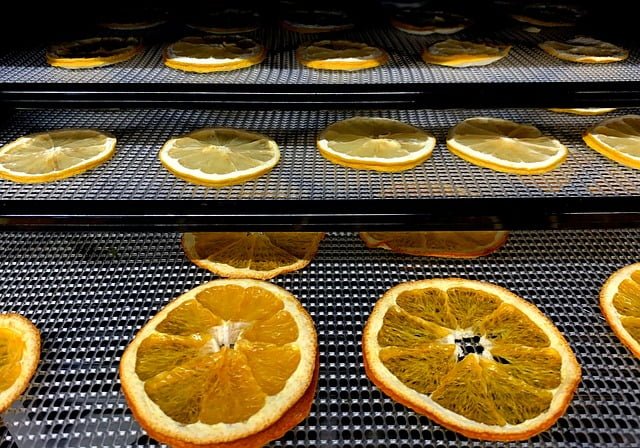
Dehydrated food is food that has had its water content removed through a process of slow drying. This dehydration method removes moisture by air drying, sun drying, oven drying, or using an electric dehydrator. Dehydrating food helps preserve it for longer than fresh food, and many people dry their own fruits and make dehydrated vegetables to preserve seasonal produce and reduce food waste, making it great for camping trips or long-term food storage. Electric dehydrator models can cost anywhere from $50 to $1,000, and processing times and results vary across drying methods, but dehydrating food for long-term storage and convenience offers lightweight, space-saving, and nutrient-preserving benefits that make it especially useful for outdoor activities and emergency preparedness.
Potential Advantages and Disadvantages of Eating Dehydrated Food
Pros: Increased Shelf Life
Dehydrated food is lightweight and easy to store, making it an excellent option for camping, hiking, and other unique outdoor activities.
Dehydrating food can help preserve some of its vitamins and minerals since less moisture means fewer bacteria that could damage the nutrients, and many foods like fruits vegetables and even meat are popular because the dehydrating process retains much of their nutritional value.
It’s cost-effective — dehydrated food can be cheaper than buying fresh food and requires less energy to store, and making unprocessed food at home lets you control ingredients and add seasoning or spices yourself instead of relying on commercial products.
Dehydrated food can have a longer shelf life than fresh food, so you don’t need to worry about it going bad as quickly, though store-bought versions may contain hidden sugar or sodium, so unsweetened and low-sodium options are healthier.
Cons:
Dehydrating food can also strip away some flavor and texture, making it less enjoyable to eat.
Some stores don’t sell dehydrated food, making it difficult to find.
Can increase weight gain due to higher sugar content.
Vitamin deficiencies- The dehydration process can lead to more precise nutrient loss, especially because vitamin C and some B vitamins are heat sensitive vitamins, and temperature affects retention during the drying process. Higher heat and longer processing times can increase losses, and high-temperature drying can degrade these vitamins. Suppose you rely on dehydrated foods as a significant source of nutrients. You may need to include specific vitamins and minerals in fresh fruits and vegetables. This is why it’s essential to ensure you eat a balance of fresh and dried foods.
Dehydrated foods should not fully replace their fresh counterparts, since fresh produce loses water differently and still provides more hydration.
Health Benefits and Nutritional Value:
Reduces The Risk Of Cancer
Dried fruits and vegetables may help reduce the likelihood of some cancers affecting the pancreas, stomach, bladder, and prostate. Research shows the science isn’t definitive yet, but scientists think that drying foods may make antioxidant content and other phytochemicals in dried fruits, along with dietary fiber, help protect cells from damage associated with cancer.
Improves Digestion
Dehydrated foods are high in dietary fiber, and their fiber content and dietary fiber content can remain beneficial for digestion, especially in dried fruits and dried vegetables. Even fruit leather and similar dried fruit snacks can support digestion because they provide fiber, though portion sizes still matter. Dietary fiber helps the body process food more efficiently and can help reduce constipation, bloating, and other digestive issues.
Increases Energy
The dehydration process removes water, so dehydrated foods have more calories by weight and can provide extra nutrients and energy in a smaller serving, making it easier to get the energy you need without consuming as much food. In addition, eating dried foods such as fresh fruit made into convenient, energy-dense snacks can help keep you energized throughout the day so you can stay focused or do more physical activities.
The Bottom Line: Is Dehydrated Food Healthy?
Overall, dehydrated food can be a convenient option for many people. Still, it’s essential to understand the pros and cons before making it a regular diet. Be sure to read labels carefully for ingredients and additives that could harm your health. Good food safety also depends on low moisture content, since properly dried foods create an environment that helps prevent microbial growth. Additionally, it’s best to supplement dehydrated food with fresh produce to ensure you get the full range of vitamins, minerals, and other nutrients your body needs. Store dried foods in airtight containers in a cool, dark place to help limit moisture absorption. Nevertheless, with the proper knowledge and understanding, dehydrated food can be a healthy choice! Properly dried foods may remain safe for a very long time, but food quality can decline, so check your supply every six months.
DannyContent Writer
Hey there, since 2016, my mission has been to provide you with the information and guides you need to make food dehydrating simple and fun. Whether you're a newbie or a seasoned pro, my site offers helpful guides, reviews, and recipes to enhance your dehydrating experience. I take pride in only recommending products I believe in, ensuring my readers' trust. As an affiliate of various programs, including Amazon Associates, your support helps me continue providing quality content. Thanks for stopping by, and happy dehydrating!