We earn a commission if you make a purchase, at no additional cost to you.
09/22/2026 04:39 pm GMT
🍊 Dehydrated Food Info Finder — Temperatures & Drying Times
Choose a category, then pick a food to see its drying temperature and time.
⚠️ Safety Disclaimer: Drying times are estimates and vary based on slice thickness, food moisture content, humidity, and your dehydrator model. Always check for doneness before storing — food should feel dry, leathery, or brittle with no moist spots. Improperly dried food can harbour mould and bacteria. For meat and poultry, follow USDA safe internal temperature guidelines: beef and pork to 160°F (71°C), poultry to 165°F (74°C). Use a food thermometer when in doubt. Store all dehydrated foods in airtight containers in a cool, dark place and discard anything showing moisture, mould, or off odours.
Quick Bread Pumpkin Made With Dehydrated Pureed Pumpkin
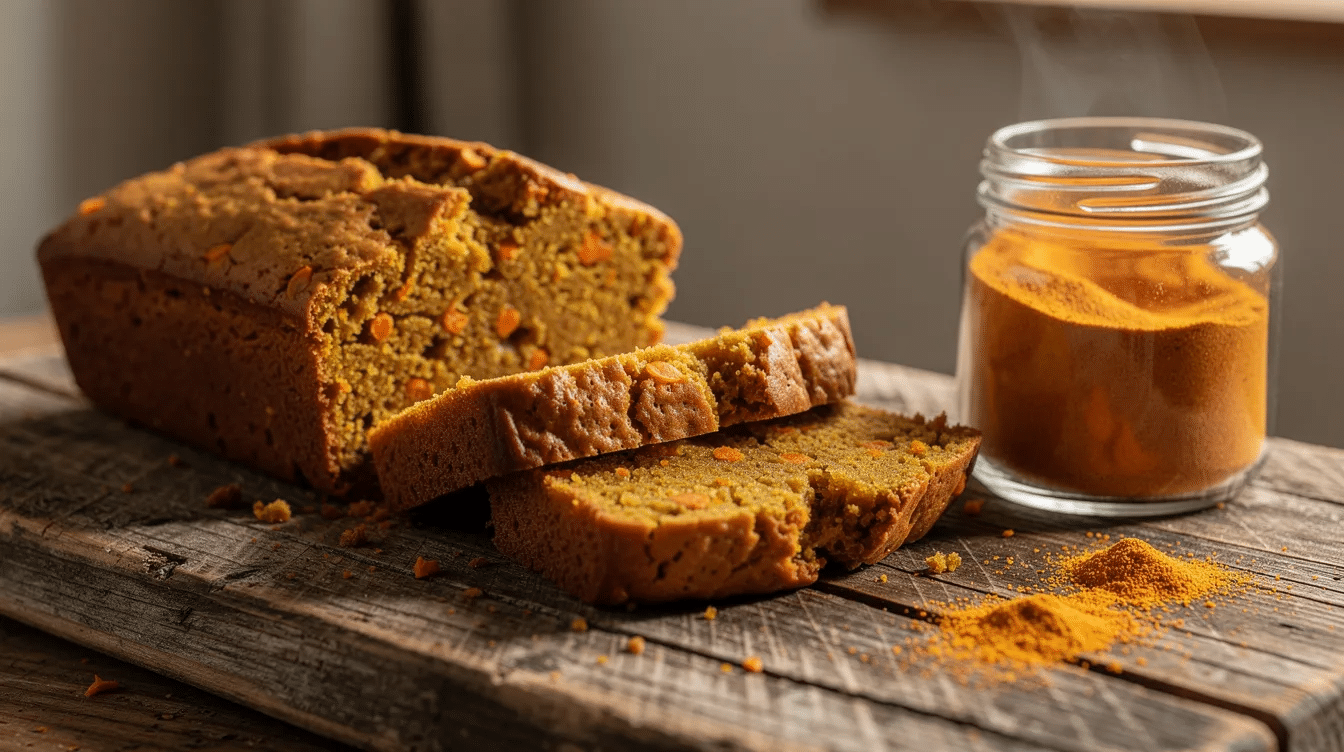
This easy pumpkin bread recipe is built specifically around dehydrated pureed pumpkin (pumpkin powder), not canned pumpkin or fresh pumpkin purée-giving you a super moist, flavorful loaf any time of year.
Dehydrated pumpkin stores on a pantry shelf for 6–12 months, saving freezer space and reducing waste compared to fresh pumpkin puree, which lasts only 2–3 days in the fridge.
The method uses a one bowl approach for the wet ingredients and a separate bowl for the dry ingredients, then combines them gently to keep the crumb tender.
We bake at 350°F (175°C) in a standard 8×4 or 9×5-inch loaf pan, with clear rehydration ratios for pumpkin powder explained step by step.
Because Dehydrated Foodz is all about food preservation, this recipe doubles as a practical reason to put your dehydrator to work with homemade pumpkin powder.
Introduction: Why Use Dehydrated Pureed Pumpkin in Pumpkin Bread?
If you love pumpkin bread but hate depending on seasonal availability, this pumpkin bread recipe changes the game. Instead of reaching for canned pumpkin puree or wrestling with a fresh pumpkin, you start with pumpkin powder-dehydrated pureed pumpkin that sits quietly in a jar until you need it.
Fresh or canned pumpkin is up to 90% water, which can affect bread texture and create inconsistent results. Canned pumpkin is often not fresh at all; it’s been processed months before it reaches your pantry. Dehydrated pumpkin powder stores longer than fresh or opened canned pumpkin, and using dehydrated pumpkin puree enhances flavor and manages moisture in quick breads far more precisely. The concentrated pumpkin solids from dehydration provide stronger sweetness and vibrant color, making this a perfect fall treat you can actually bake in any season. If you love pumpkin, this method is worth learning.
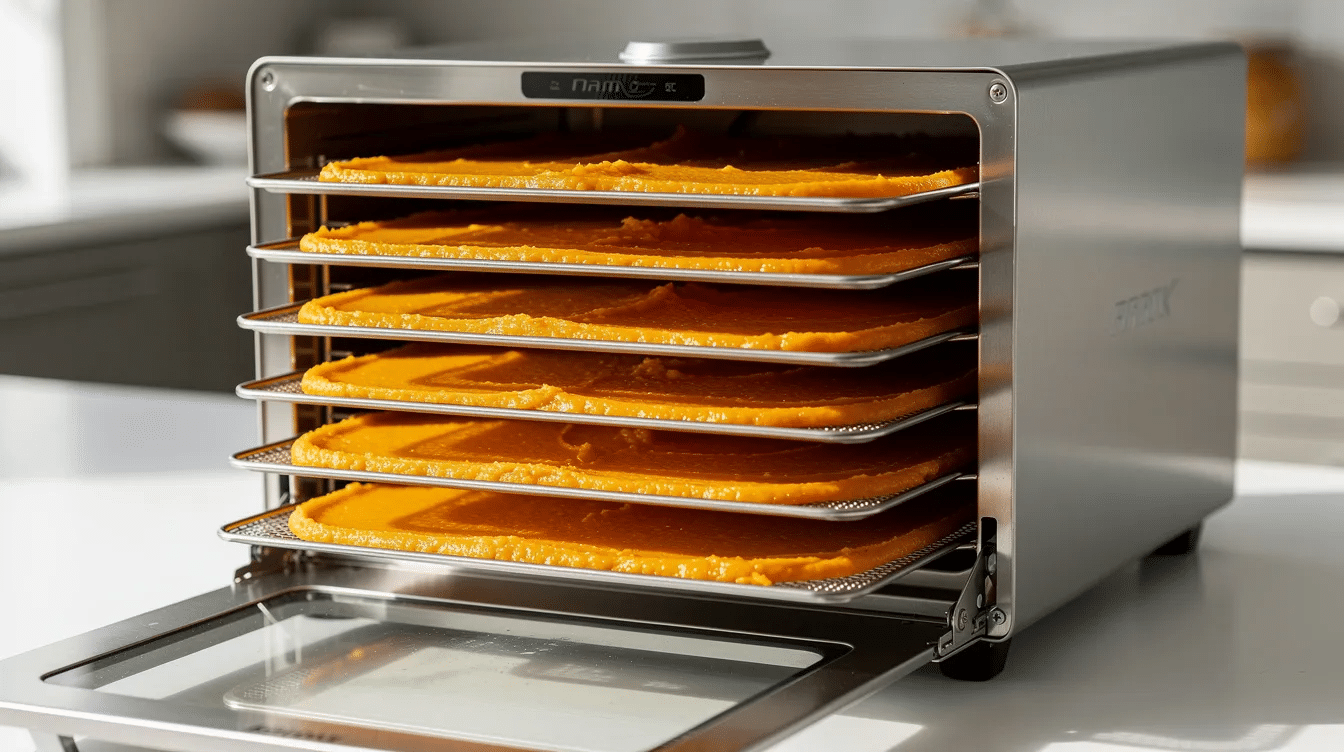
Dehydrated pureed pumpkin is exactly what it sounds like: cooked pumpkin purée spread thin on dehydrator trays, dried until brittle, then ground into a fine powder. To make it at home, steam or roast fresh pumpkin (sugar pie varieties work best), purée it smooth, spread it about ⅛-inch thick on lined trays, and dry at roughly 125–135°F until it snaps cleanly. Then blend it into powder and store it.
Why does pumpkin powder work so well in quick bread? Three reasons:
Concentrated flavor: Dehydrated pumpkin retains natural sugars and flavor compounds after moisture removal, so less volume delivers more taste.
Shelf stability: Stored in airtight jars or vacuum-sealed bags in a cool, dark pantry, pumpkin powder keeps its color, flavor, and nutrition for 6–12 months.
At Dehydrated Foodz, we recommend a mid-range square-tray dehydrator with solid liners for even drying of purées-it makes all the difference in powder quality, especially if you’re looking for the best vegetable dehydrator machines to handle not just pumpkin but a variety of produce.
Hydration Ratios: Converting Pumpkin Powder to Pumpkin Purée
The key to an easy pumpkin bread recipe using pumpkin powder is understanding rehydration. When using pumpkin powder, a common ratio for rehydration is 1:4 by volume-that means 1 part powder to 4 parts hot water. However, for this bread, you want a thicker result than soup, so here’s the adjusted approach:
What You Need
Pumpkin Powder
Hot Water
Yield
Replace 1 cup canned pumpkin
⅓ cup
⅔ to ¾ cup
~1 cup thick purée
Replace one 15-oz can (about 1¾ cups)
½ cup
1¼ to 1½ cups
~1¾ cups purée
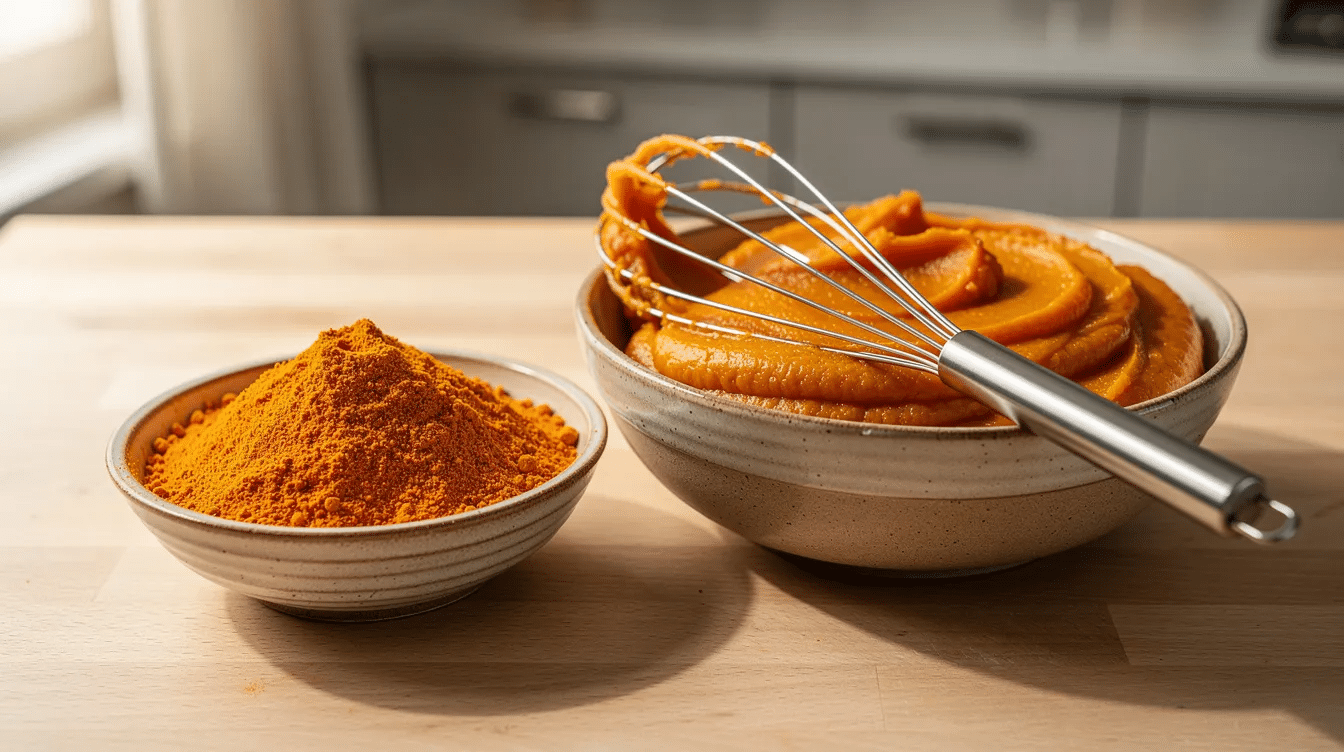
Process: Whisk pumpkin powder into hot water, let it sit 5–10 minutes, then stir again. To achieve a rich pumpkin flavor, rehydrate the pumpkin powder until thick like canned pumpkin-spoonable, not runny. If too thick, add a teaspoon of water at a time. If too thin, sprinkle in more powder and rest again.
Dehydrated pumpkin allows precise control over liquid content in batter, and rehydrated pumpkin powder yields a more tender crumb compared to canned pumpkin. Partially rehydrated pumpkin creates lighter and more structured quick bread, which is exactly what we want here. You can also mix dehydrated pumpkin directly with dry ingredients and increase recipe liquids proportionally-but rehydrating first gives more predictable results, especially if you’re using one of the best commercial food dehydrators to produce large batches of pumpkin powder.
Ingredients for Quick Bread Pumpkin Made With Dehydrated Purée
This section lists specific amounts for one loaf of delicious pumpkin bread that comes out super moist every time.
Pumpkin component:
⅓ cup pumpkin powder rehydrated with ⅔–¾ cup hot water (yields ~1 cup purée)
Dry ingredients (whisk in a separate mixing bowl):
1½ cups all-purpose flour
1 cup sugar (or use half brown sugar, half white for deeper flavor)
1 tsp baking soda
½ tsp baking powder
½ tsp salt
1½ tsp ground cinnamon
½ tsp ground nutmeg
¼ tsp ground ginger
¼ tsp ground cloves
Wet ingredients (combine in a large bowl):
⅓ cup neutral oil (vegetable oil, avocado oil, or grapeseed oil all work)
2 eggs
1 tsp vanilla extract
The rehydrated pumpkin purée
Optional add ins:
½ cup chocolate chips, chopped pecans, walnuts, raisins, or dried cranberries
Using dehydrated pumpkin prevents sogginess and improves bread structure because the powder acts as a natural thickener for better crumb structure. For comparison, a 2-dollar can of pumpkin makes two breads, while using fresh pumpkin can yield up to six loaves of bread-and dehydrating leftover purée means none of that goes to waste, particularly when you choose from top-rated home food dehydrators designed for efficient drying.
Step-by-Step: How to Make Pumpkin Bread With Dehydrated Pureed Pumpkin
The method follows classic quick bread logic: combine wet and dry ingredients separately, then bring them together gently. Here’s how to make pumpkin bread from start to finish.
Prep and preheat: Preheat oven to 350°F (175°C). Lightly grease an 8×4 or 9×5-inch loaf pan and line the bottom with parchment. Position a rack in the center of your oven.
Rehydrate the pumpkin: In a bowl, whisk ⅓ cup pumpkin powder with ⅔–¾ cup hot water. Let it rest 5–10 minutes until thick and cool enough to handle.
Mix wet ingredients: In a large bowl, whisk together the rehydrated pumpkin, oil, sugar (including brown sugar if using), eggs, and vanilla extract until smooth. This is essentially your one bowl wet mixture.
Mix dry ingredients: In a separate mixing bowl, whisk the flour, salt, baking soda, baking powder, and all spices until evenly combined. Mixing dry and wet ingredients separately prevents gluten formation, which is critical for tender bread.
Combine: Pour the dry ingredients into the wet. Fold gently with a spatula just until no dry pockets remain. Mix batter just until moistened to avoid gluten development. If using add ins like nuts or chocolate chips, fold them in now.
Bake: Pour batter into the prepared pan and smooth the top. Bake for roughly 55–70 minutes. Pumpkin bread typically bakes for 60 to 70 minutes at 350°F. Check when a toothpick inserted in the center comes out with a few moist crumbs but no wet batter.
Cool: Let the loaf cool in the pan for 10–15 minutes, then transfer to a wire rack to cool completely before slicing. This lets the crumb set so slices hold together.
Texture, Moisture, and Preventing Tough or Dry Pumpkin Bread
Quick bread stays tender through minimal gluten development-and that matters even more when using concentrated pumpkin powder, which adds extra solids to the batter. The recipe includes enough oil and liquid to keep the loaf moist but not gummy.
Overmixing the batter increases gluten and makes bread dense. Use a gentle mixing method: fold rather than stir vigorously. Quick breads should have a small, even crumb like cake, not a chewy or holey texture like yeast bread.
Troubleshooting tips:
If past loaves were dry, slightly increase oil by 1–2 tablespoons or add 2 tablespoons of milk to the wet ingredients.
If the loaf feels dense, you likely overmixed. Next time, stop folding the moment the flour disappears.
Shorten bake time by 5 minutes and check doneness earlier if your oven runs hot.
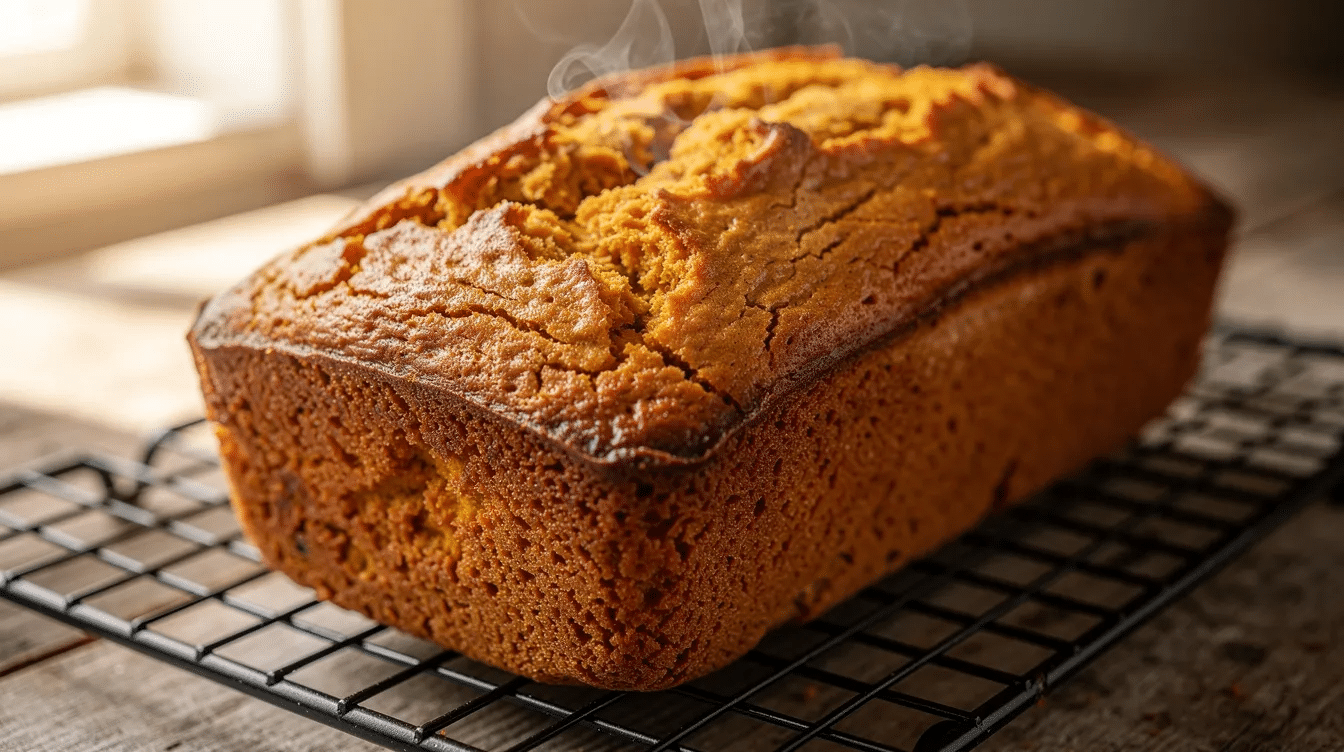
The ideal finished texture: a fine, even crumb, a softly domed top, and a slice that holds together but feels tender when pressed.
Variations and Add-Ins Using Dehydrated Ingredients
One of the perks of working with dehydrated foods is the ability to customize with shelf-stable mix-ins. This base recipe becomes a great recipe for experimentation. Here are some ideas for your next baking project with dried fruit:
Dried fruit: Fold in ½ cup dried cranberries, raisins, or chopped dehydrated apples. Rehydrate briefly in warm water or orange juice, drain, then add to the batter.
Nuts and seeds: Toasted chopped pecans, walnuts, or pepitas add crunch. Scatter extras on top before baking.
Chocolate: Adding chocolate chips (½ cup mini or standard) turns this into a sweeter, crowd-pleasing version.
Harvest loaf variation: Use pumpkin powder for the base, fold in bits of dehydrated apple and a sprinkle of dehydrated orange zest for complexity.
Experiment with spice levels too-extra cinnamon or a pinch of cardamom can help you dial in your personal best pumpkin bread version. Dehydrating pumpkin reduces food waste by using leftover puree, and exploring other pumpkin powder uses will give you even more ideas.
Storing, Freezing, and Preserving Pumpkin Bread
Just as dehydrated pumpkin helps preserve the harvest, proper storage preserves your finished bread.
Room temperature: Cool pumpkin bread completely before wrapping for storage. Wrap pumpkin bread in plastic wrap or place in an airtight container. Store pumpkin bread at room temperature for up to 3 days.
Refrigeration: For slightly longer storage (up to 5 days), refrigerate the wrapped loaf. Thaw frozen pumpkin bread at room temperature before serving, or serve warm by toasting a slice briefly.
Freezing: Wrap individual slices or the whole loaf in plastic wrap, then foil or a freezer bag. Label with the date. Pumpkin bread can be frozen for up to three months. Freeze leftover bread this way and you’ll always have a serving ready.
Because this quick bread is moist, it actually tastes even better the next day as spices and pumpkin flavor meld. Batch-baking multiple loaves and freezing them is a smart strategy for busy weeks-and it justifies making a large amount of pumpkin powder in one dehydration session, especially when you understand food dehydrator electricity use and operating costs. For tips on storing dehydrated food in mason jars, check out our dedicated guide.
Choosing and Using a Dehydrator for Pumpkin Purée (Dehydrated Foodz Perspective)
Adjustable temperature control in the 125–135°F range, which preserves beta-carotene and keeps color vibrant; a solid beginner’s guide to using a food dehydrator can walk you through ideal settings for fruits and vegetables.
Solid or lined trays so purée doesn’t drip through. Fruit leather sheets work well.
Good airflow to prevent uneven drying and ensure the purée reaches brittle consistency, while knowing how to handle common issues with food dehydrators keeps your machine running smoothly.
A mid-range model with at least 5 trays lets you process several pounds of fresh pumpkin purée during peak season (October–November). Thin, even spreading-about ⅛ inch-reduces drying time and improves final powder quality, and choosing a machine with the right dehydrator wattage helps balance drying speed with energy use. The prep time for spreading purée is minimal, and the dehydrator does the rest over 6–15 hours depending on temperature.
These questions cover practical concerns about using dehydrated pumpkin in pumpkin bread that weren’t fully addressed above.
Can I substitute canned pumpkin for dehydrated pureed pumpkin in this recipe?
Yes. Swap in an equal volume of canned pumpkin puree for the rehydrated pumpkin component (about 1 cup). You may need to reduce other liquids by a tablespoon or two if the batter looks too thin. One 15-ounce can contains about 1¾ cups of pumpkin, which is enough for one loaf with some left over. It will still be an easy pumpkin bread, though flavor and moisture may differ slightly from the dehydrated version.
What type of pumpkin is best to dehydrate for pumpkin bread?
Small, sweet varieties like sugar pie pumpkin or kabocha produce the best results. Large carving pumpkins are too watery and lack flavor. Roasting the fresh pumpkin before puréeing and dehydrating deepens caramelization and gives you a more intense pumpkin flavor-key for the best pumpkin bread, and for truly large-scale production you may even consider industrial food dehydrator options. Note that pumpkin pie filling from a can is not the same as plain pumpkin puree and should not be used as a substitute, as it contains added sugar and spices.
Do I need to change the baking time when using mini loaf pans or muffins?
Mini loaves usually bake in about 30–40 minutes and muffins in roughly 18–25 minutes at 350°F. Always rely on the toothpick inserted test for doneness. Check early the first time since pan materials and oven calibration vary.
Can I make this pumpkin bread recipe gluten-free?
You can substitute a 1:1 gluten-free baking flour blend for the all-purpose flour. Avoid overmixing, since some blends behave differently. Texture may be slightly more fragile, so let the loaf cool completely before slicing. You can also substitute butter for oil if you prefer the flavor, though oil keeps the crumb more moist.
How long does homemade pumpkin powder last in storage?
Properly dried and stored pumpkin powder lasts about 6–12 months in an airtight container in a cool, dark place. Discard if it smells stale, develops off flavors, or shows signs of moisture or clumping. For a full breakdown, consult our dehydrated food shelf life chart.
DannyContent Writer
Hey there, since 2016, my mission has been to provide you with the information and guides you need to make food dehydrating simple and fun. Whether you're a newbie or a seasoned pro, my site offers helpful guides, reviews, and recipes to enhance your dehydrating experience. I take pride in only recommending products I believe in, ensuring my readers' trust. As an affiliate of various programs, including Amazon Associates, your support helps me continue providing quality content. Thanks for stopping by, and happy dehydrating!