We earn a commission if you make a purchase, at no additional cost to you.
09/22/2026 04:39 pm GMT
🍊 Dehydrated Food Info Finder — Temperatures & Drying Times
Choose a category, then pick a food to see its drying temperature and time.
⚠️ Safety Disclaimer: Drying times are estimates and vary based on slice thickness, food moisture content, humidity, and your dehydrator model. Always check for doneness before storing — food should feel dry, leathery, or brittle with no moist spots. Improperly dried food can harbour mould and bacteria. For meat and poultry, follow USDA safe internal temperature guidelines: beef and pork to 160°F (71°C), poultry to 165°F (74°C). Use a food thermometer when in doubt. Store all dehydrated foods in airtight containers in a cool, dark place and discard anything showing moisture, mould, or off odours.
Dehydrating Hot Sauce: How to Turn Liquid Heat into Flavor-Packed Powder
If you’ve finally decided to do something with that collection of half-used bottles cluttering your fridge door, dehydrating hot sauce is the move. The process is straightforward, the results are surprisingly versatile, and you’ll end up with a seasoning that outperforms anything on a store shelf.
Key Takeaways
Dehydrating hot sauce turns leftover liquid heat into a long-lasting, portable powder that packs more punch per pinch than the original sauce. The basic workflow is simple: spread sauce thin on parchment paper or dehydrator sheets, dry low and slow, then grind the brittle result in a spice grinder.
This method works for classic red hot sauce, fermented chilis, and even tomato sauce dried into savory leather.
Dehydrating hot sauce reduces moisture to inhibit mold growth, and dehydration concentrates capsaicin, sugars, and savory solids into a potent seasoning.
Always wear gloves, avoid inhaling chili dust, and store powders in airtight containers away from light and heat.
Why Dehydrate Hot Sauce Instead of Using It Straight?
Dehydrated hot sauce can intensify flavor profiles compared to liquid form. Because you’re removing water and concentrating everything else, spices become more intense when dehydrated due to increased concentration. A half cup of hot sauce pulp yields about a quarter cup of powder-meaning every pinch delivers serious heat without adding extra liquid to a dish.
The drying process transforms liquid sauces into powders, flakes, or pastes, giving you options that a bottle never could. Dehydrated hot sauce is ultra-portable and ideal for travel-no refrigeration, no leaking bottle in your pack, and easy portion control when you cook. It’s perfect for using up surplus homemade batches, nearly empty bottles, or that mix of orphan sauces you’ll never finish in liquid form before they lose their edge.
Unlike generic store-bought seasoning blends that combine filler ingredients and taste interchangeable, powdered hot sauce preserves each sauce’s unique character-the garlic bite of one, the smoky depth of another. And while tomato sauce leather is a flexible, chewy sheet best rehydrated for soups and stews, hot sauce powder is a brittle, fine seasoning designed for dry applications and finishing. The heat level depends entirely on the peppers in your base sauce, so you control the intensity from the start.
Equipment and Ingredients You Need to Dehydrate Hot Sauce
Most home cooks already own what they need to get started. Here’s the breakdown:
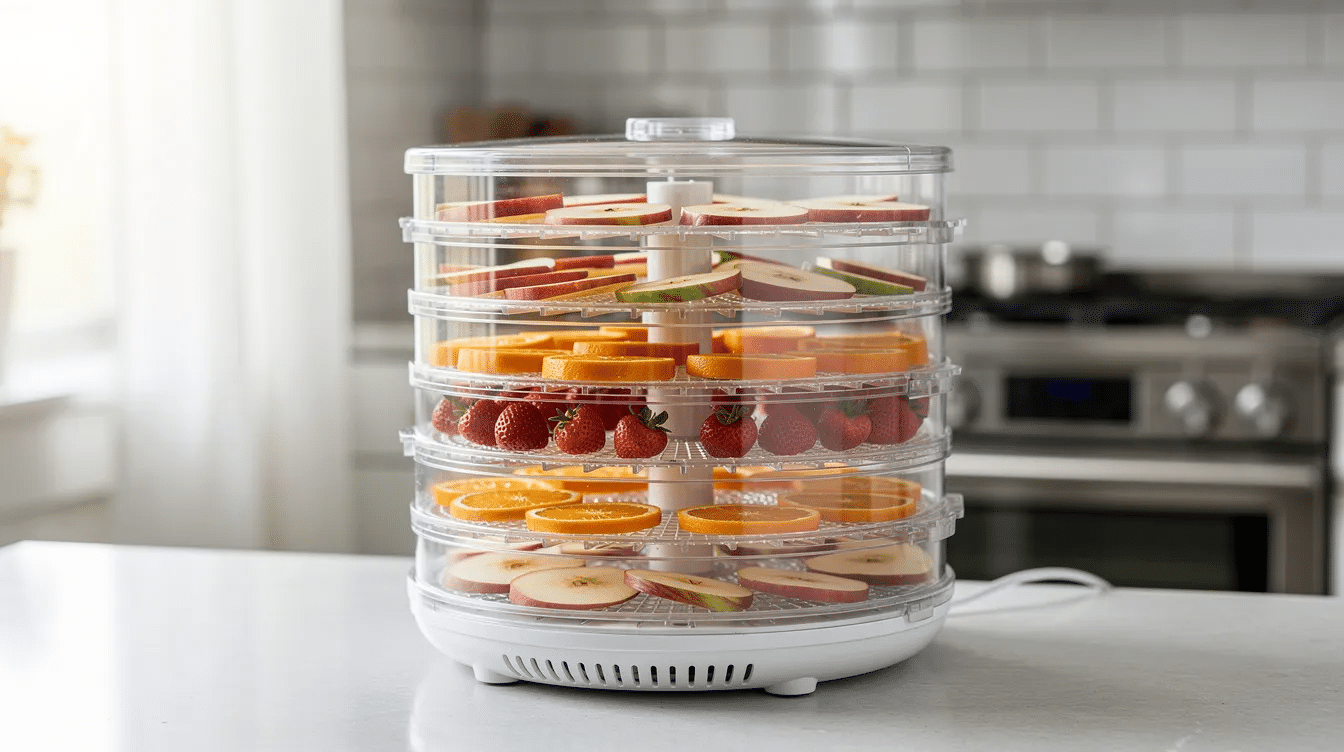
Dehydrator: Choose a dehydrator model with adjustable temperature down to 120–135°F (50–57°C). Horizontal hot air flow distributes heat evenly across liquid-covered trays, which matters when you’re drying sauces rather than solid foods like fruits or vegetables, or when you’re following a broader guide to dry peppers in a dehydrator. A stainless steel unit like a Colzer food dehydrator also gives you the capacity and control needed for sauce projects. You can dehydrate hot sauce at 125°F for 8–10 hours as a reliable baseline.
Oven alternative: No dehydrator? Set your oven to its lowest temperature (often 170–200°F) and prop the door open a bit with a wooden spoon for airflow. Use a thermometer to verify-many ovens run hotter than the dial suggests. Convection mode helps if available, but a well-designed metal tray food dehydrator offers more consistent results long term.
Grinding tools: Use a dedicated spice grinder to turn dried pulp into powder, just as you would when making dehydrated jalapeno powder from sliced peppers. Dehydrator sheets also help keep the brittle pulp from sticking before you grind. A high-speed blender or a mortar and pestle work too. Once a grinder touches chili powder, don’t reuse it for coffee-the stuff lingers.
Optional extras: Roasted garlic powder, smoked paprika, or dried herbs can be blended in before or after drying. Food-safe gloves and a dust mask are non-negotiable when handling potent chilis.
Step-by-Step: How to Dehydrate Hot Sauce into Powder
This is the core how-to. Follow each stage and you’ll go from liquid sauce to finished powder in under a day.
Prep your sauce. Shake the bottle to combine the strained ingredients and settled pulp. If you want a smoother result, strain or blend out seeds-they add bitterness and dry unevenly. For sauces high in oil, mix in a bit of tomato sauce or cooked vegetables to absorb excess grease, since oil impedes drying. Consider this a recipe for consistency: blended sauces with less oil dry faster and grind cleaner.
Spread it thin. Pour hot sauce onto a lined tray and use an offset spatula to spread it to an even layer. Spread pulp to a maximum thickness of ¼ inch for drying-no thick puddles, no bare spots on the sheets.
Dehydrate. In a dehydrator, aim for 125–135°F for 6–10 hours. A temperature setting between 135°F and 145°F preserves flavor and color while still being efficient and mirrors the gentle approach used to dehydrate jalapeno peppers in a dehydrator. If you’re working without a dedicated unit, you can dehydrate food without a dehydrator by using a low oven or other heat sources. In a low oven, expect 8–12 hours; flip the sheet once it becomes leathery to dry the underside. The process requires monitoring humidity and drying times for effective results-check every couple of hours and rotate trays if needed. Hot sauces with high sugar content take longer to dry, so wait those out patiently.
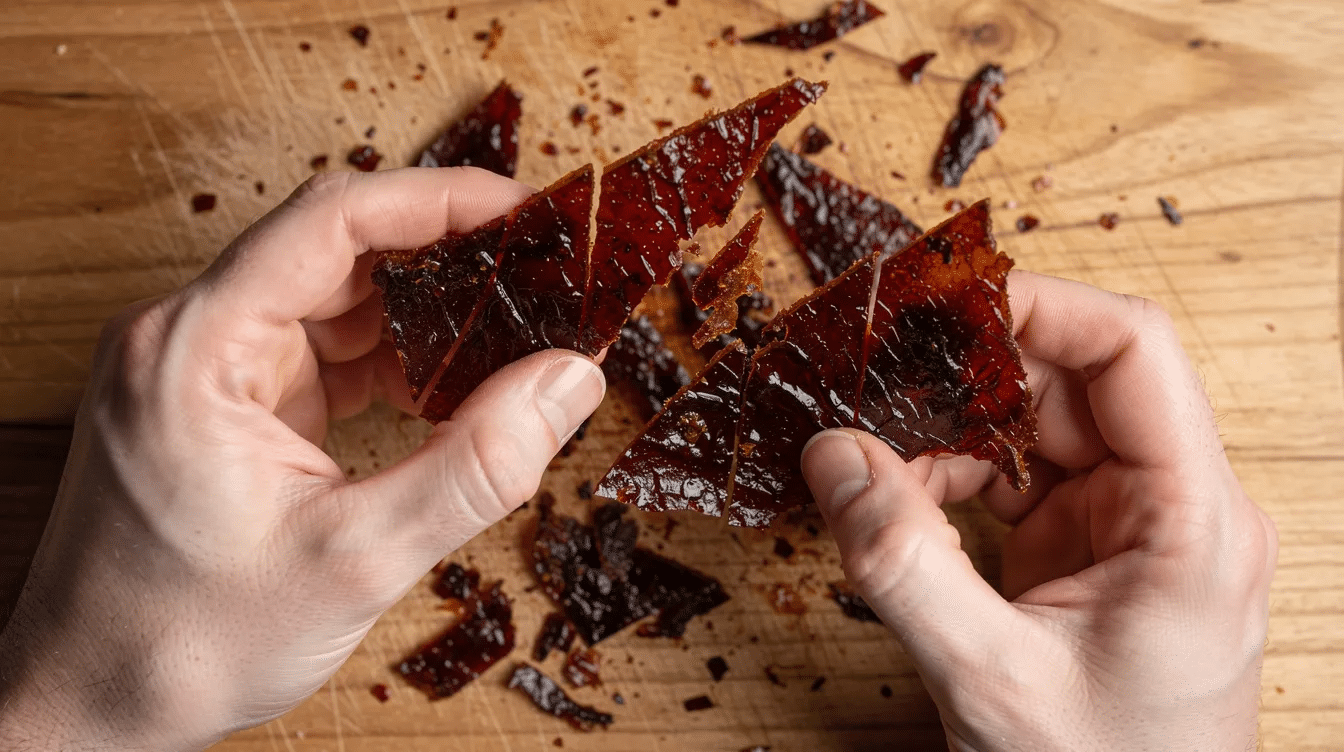
Test for doneness. Dried hot sauce should snap completely crisp before grinding. Bend a piece-it should break cleanly with no soft or tacky areas. If it’s still pliable, it isn’t completely dry. Any moisture left risks mold during storage, so throw it back in for another hour rather than guess.
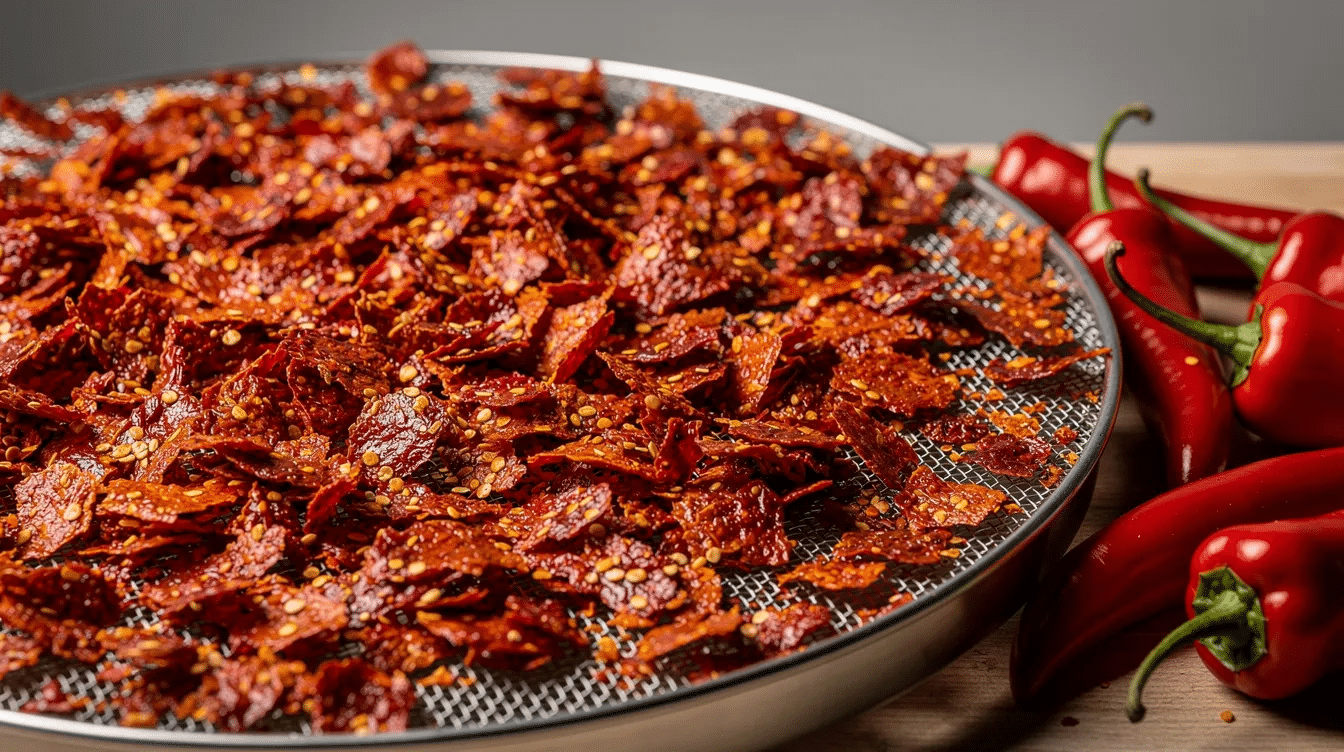
Grind into powder. Break the brittle sheets into shards and pulse in your grinder or blender until fine. Pulverizing dehydrated hot sauce creates a fine micro-powder for seasoning. Let the dust settle before opening the lid-open it away from your face immediately to avoid inhaling capsaicin particles. Sift through a mesh for ultra-smooth consistency, and grind any remaining crumbly bits again.
Troubleshooting. Sticky spots usually come from sugar caramelizing-manage sugar content to prevent clumping of dehydrated hot sauce by reducing sweet ingredients or lowering the temperature a bit. Uneven drying means your thickness varied; fix it by rotating trays or repositioning sheets. Scorching happens when you’re too close to a heat source or the stove runs hot-reduce temperature and increase distance.
For backpackers, dehydrated hot sauce and tomato leather pair perfectly with a dedicated backpacking food dehydrator setup, letting you build complete, lightweight trail meals instead of just adding heat, especially when you plan your best dehydrated backpacking meals around them.
Creative Ways to Use Dehydrated Hot Sauce and Tomato Sauce Leather
Once you have hot sauce powder, it becomes an everyday spice you’ll incorporate into everything.
Sprinkle it over popcorn, fries, or roasted vegetables. Use dehydrated hot sauce to coat chicken wings or enhance pasta dishes-just dust it on meat before grilling or stir it into a weeknight curry. Mix powder into mayonnaise, sour cream, or yogurt for an instant dip your friends will ask about.
For your next backpacking trip, pack small sachets of powder and tomato sauce leather. They’re lightweight, shelf-stable foods that combine with hot water for trail ramen or camp pasta—especially appealing if you already use a raw food dehydrator or another small food dehydrator for low-temperature meal prep. Tomato sauce leather can be dehydrated at 135°F for 6–8 hours, and dehydrated tomato sauce can be rehydrated with equal parts hot water to build a quick base for any dish.
Custom blend ideas:
Garlic-lime rub: Combine hot sauce powder with dehydrated garlic and dried lime peel for seafood or chicken.
Smoky chipotle powder: Start with a chipotle-based dried sauce, then mix in smoked paprika for tacos.
Umami tomato seasoning: Mash together tomato leather powder, onion powder, and dried herbs for pizza or grilled vegetables.
Dehydrated hot sauce can restore liquid form by mixing with water or broth-whisk a teaspoon of powder with warm water, vinegar, and a pinch of salt to approximate a quick sauce. Using a reliable home unit like a 5-tray food dehydrator or a digital model such as the Excalibur 3500 dehydrator helps your powders dry evenly so they rehydrate more predictably. It won’t perfectly replicate the original taste, but it’s close enough in a pinch.
Label each jar with the original sauce name and dehydration date. That way you can host a blind tasting with friends, or just track which base sauces hold up best once dried. It’s a cool idea for anyone who takes their pepper game seriously.
Safety, Storage, and Shelf Life for Homemade Hot Sauce Powders
Chili powders are no joke on skin and lungs. Getting this stuff right keeps you safe and your product shelf-stable.
Personal safety: Wear disposable gloves when handling dried chilis and powder. Avoid touching your face. Use a mask and goggles when you grind very hot varieties-habanero and ghost pepper dust can make you wait in agony if it hits your eyes or lungs.
Food safety: Make sure the sauce is fully dehydrated to a brittle texture. Cool the product completely before sealing-sealing while warm traps moisture and invites mold. Avoid dehydrating sauces with dairy or fresh herbs unless you fully understand the risks.
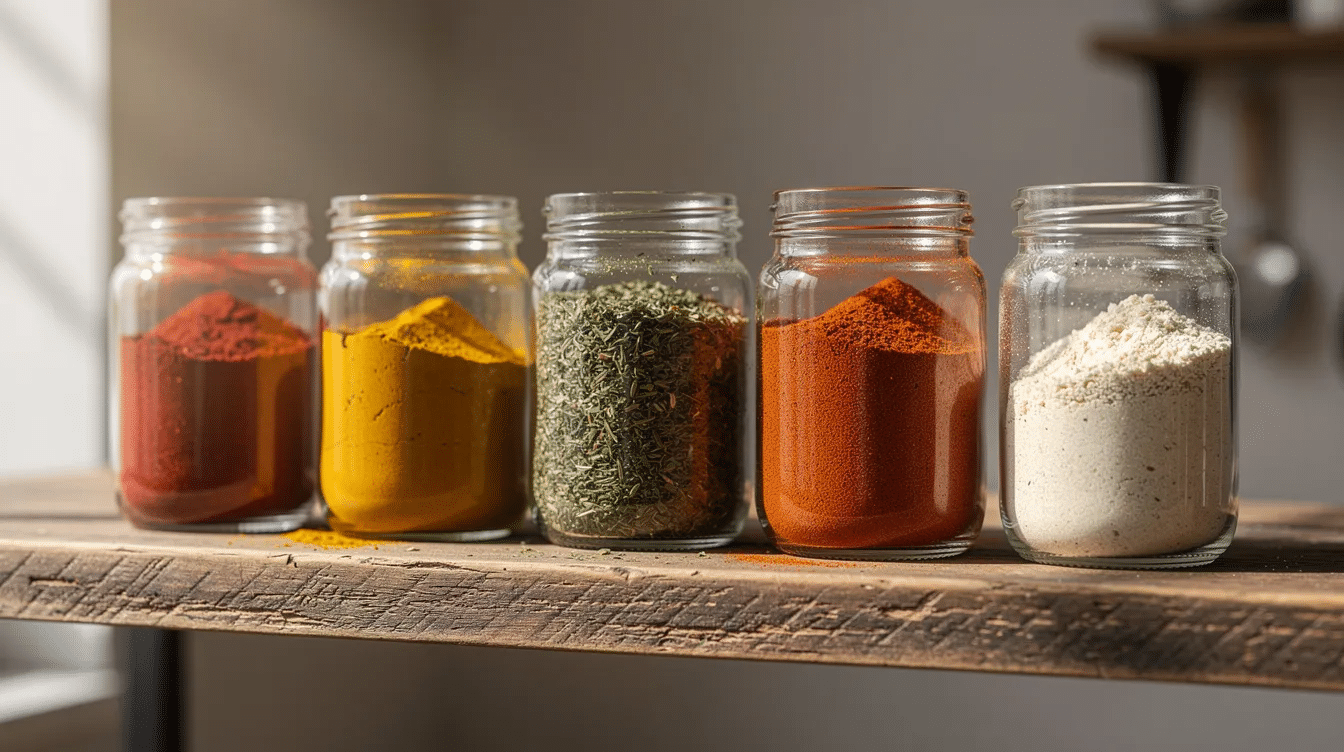
Storage: Store dehydrated hot sauce powder in airtight containers-glass spice jars or mason jars work perfectly. Label with contents and date (for example, “Jalapeño Hot Sauce Powder – March 2026”). Keep jars in a cool, dark cupboard away from the stove. A consistent, fan-assisted unit such as a Waring food dehydrator or a digital model like the Tribest Sedona Express food dehydrator, paired with quality dehydrator sheets, makes it easier to get fully dry, shelf-stable powders. Adding desiccant packets can help prevent clumping in humid climates.
Shelf life: Properly dried powders stay safe for 1–2 years, but peak flavor, aroma, and color are best within 6–9 months. You can freeze small, well-sealed portions to extend quality beyond a year for rare batches.
Warning signs: Clumping from humidity, dull or flat aroma, or visible mold mean it’s time to peel off the label and toss the whole batch. Don’t risk off flavors or foodborne illness for a tablespoon of powder.
FAQ: Dehydrating Hot Sauce and Sauce Powders
Here are answers to the most common questions that come up when you start turning liquid heat into dry seasoning.
Can I dehydrate any store-bought hot sauce?
Most vinegar-based hot sauces dehydrate well. Problems show up with sauces heavy in oil, sugar, or thickeners-creamy sriracha mayo or cheese-based sauces dry unevenly or turn greasy. Start with simple, thin sauces like Louisiana-style cayenne, basic jalapeño blends, or fermented hot sauces that don’t contain dairy or heavy stabilizers.
Is dehydrated hot sauce as spicy as the original?
Dehydrating removes water and some vinegar but not capsaicin, so the resulting powder often tastes more concentrated and can feel hotter by volume. Use a light hand at first-start with a pinch per serving and adjust, especially with very hot pepper sauces like habanero or Scotch bonnet.
Can I dehydrate tomato sauce the same way?
Yes. Spread plain or seasoned tomato sauce on parchment and dry it into flexible tomato leather, then store as sheets or grind into savory tomato powder. It usually takes 6–8 hours at 135°F, and flipping it halfway helps even things out. The resulting leather is great for backpacking meals and quick pasta sauces, just like dehydrated banana peppers or other preserved vegetables you might add for extra flavor. You can also apply the same low-and-slow method you’d use to dehydrate bell peppers in a food dehydrator to get even, shelf-stable results.
Do I need to refrigerate hot sauce powder?
Refrigeration isn’t required if the powder is thoroughly dried and stored airtight. A cool pantry is ideal. Freezing small, well-sealed portions can extend quality beyond one year-especially useful for large batches or rare small-batch sauces you want to preserve long-term.
What if I don’t have parchment paper?
Silicone dehydrator sheets or silicone baking mats work as reusable alternatives-lightly greased if needed. Avoid waxed paper, which can melt, and bare metal trays, which cause the sauce to bond tightly and burn around the edges.
DannyContent Writer
Hey there, since 2016, my mission has been to provide you with the information and guides you need to make food dehydrating simple and fun. Whether you're a newbie or a seasoned pro, my site offers helpful guides, reviews, and recipes to enhance your dehydrating experience. I take pride in only recommending products I believe in, ensuring my readers' trust. As an affiliate of various programs, including Amazon Associates, your support helps me continue providing quality content. Thanks for stopping by, and happy dehydrating!