We earn a commission if you make a purchase, at no additional cost to you.
09/22/2026 04:39 pm GMT
🍊 Dehydrated Food Info Finder — Temperatures & Drying Times
Choose a category, then pick a food to see its drying temperature and time.
⚠️ Safety Disclaimer: Drying times are estimates and vary based on slice thickness, food moisture content, humidity, and your dehydrator model. Always check for doneness before storing — food should feel dry, leathery, or brittle with no moist spots. Improperly dried food can harbour mould and bacteria. For meat and poultry, follow USDA safe internal temperature guidelines: beef and pork to 160°F (71°C), poultry to 165°F (74°C). Use a food thermometer when in doubt. Store all dehydrated foods in airtight containers in a cool, dark place and discard anything showing moisture, mould, or off odours.
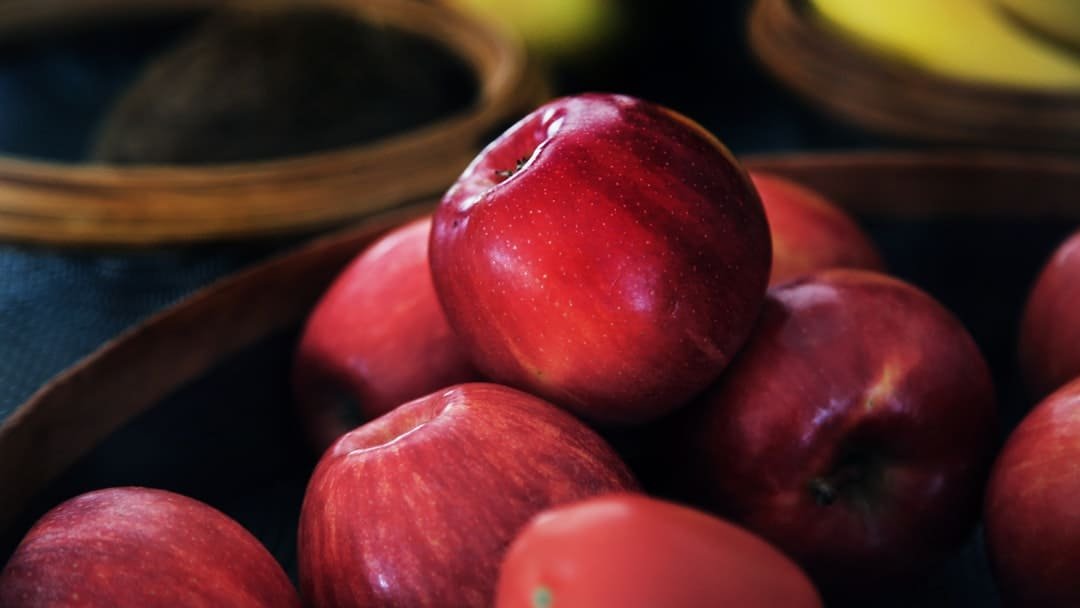
Fresh red apples ready for dehydration, highlighting natural sweetness and vibrant color.
Guiltless Pleasures: How Long Does it Take to Dehydrate Apple Slices?
Dehydrating apple slices is one of the best ways to preserve the delicious flavor of fresh apples. Dried apples are a great healthy snack that will last for months. But how long does it take to dehydrate apple slices?
The time it takes will depend on the method you choose and how thick you slice your apples. You can dehydrate apples in the oven, a or even an air fryer!
I’ll also cover the best apples to use, how to prepare them and more! You’ll learn why making your own dried apples is so worth it and how you can enjoy them for months to come!
1. Gather and Slice Your Apples
Of course, start by bringing out your food dehydrator and apples. Apple slices usually take about 12 hours to dehydrate until crisp, though you can start checking around 8 hours if you want them chewier; from prep through conditioning, plan on roughly 15.5 hours total. If you like preserving fruit at home, want healthy snacks ready to keep on hand, or are comparing methods and dehydrators before you start, this guide walks you through the full process so you get reliable results and less apple waste.
Keep in mind your yield will vary based on the kind of apple you use, as each variety has its own water content percentage. In general, expect to get about two cups of dried apples for every five pounds of fresh apples you use. You’ll also find what to do before and after drying, including how to prep and slice the apples, use an anti-browning dip, judge doneness, condition and store the finished slices, troubleshoot texture issues, and use dried apples in recipes.
The only other items you’ll need are:
A peeling knife
Acidulated water (water mixed with vinegar or lemon juice)
Jars or containers for storage
Time Required for Step 1
Plan to allocate around 15 minutes to slice the apples.
Aim to create thin slices, as these will dehydrate quicker. Ideally, you should have 1/3-inch thick slices. Any slice thicker than 1/2 an inch may not dehydrate all the way
2. Dip the Apples
Next, you can prep your apples before dehydrating by dipping the slices in acidulated water to prevent them from turning brown. There is no exact measurement for this step, as the amount of water you use will depend on your number of apple slices.
Fill a pot with enough water to cover the apples fully once they’re submerged.
To make your solution, mix 1/4 of a cup of bottled lemon juice or vinegar per one quart of water, or use a citric acid soak for peeled fruit. Toss the slices in and let them soak for just a few minutes, since soaking apple slices in lemon juice prevents browning.
This step is optimal and will not affect the taste or quality of your dehydrated apples. It is simply an anti-browning technique that can keep your apples looking brighter.
Time Required for Step 2
You don’t want your apples to become mushy. Only leave them in the solution for a maximum of two to three minutes.
In fact, this dip is one of the optional steps people take with apples before dehydrating after they cut apples and core apples, and you can even mix up your solution with bottled lemon juice, arrange your apple slices in a single layer on a plate, and lightly mist them with it instead to save time. Some people also use a citric acid soak for the same anti-browning purpose.
If you use an apple peeler, the dip can help keep peeled fruit looking brighter during drying; later, if needed, you can soften dried pieces in cold water.
3. Dry the Apples
Dehydrating apples works best when the fruit is completely dry. If you opted to do the acidulated water dip, drain your apples afterward and place them in a colander to get as dry as possible.
Time Required for Step 3
Leave the apples in the colander for around five minutes. To speed this process up, place the apples between two clean kitchen towels and lightly press to eliminate excess liquid.
4. Dehydrate the Apples
Now, it’s time for the fun part!
Place the apple slices in a single layer on your trays. Dehydrators work best when the slices are arranged in a single layer with no overlap, with a little space around each piece so air can circulate properly and give you an even result while dehydrating food for food preservation or alongside other fruits.
Set your dehydrator temperature to 135°F to 140°F for apples, though many units dry fruit in the 135°F to 145°F (57°C to 62°C) range and still perform well at low temperatures. If you want to a little sweetener at this time, make dried cinnamon apples by sprinkling the slices with three tablespoons of cinnamon before putting the trays into the dehydrator.
Time Required for Step 4
The average amount of time required to dehydrate apples as a simple food preservation method is around 12 hours of cook time. This will yield a batch of crispy and flavorful slices ready for snacking. If you prefer yours more on the chewier side, check your thicker slices after eight hours or so. Apples dry best at low temperatures for even results, so if needed, reduce temperature slightly as they finish. Once you’re comfortable with apples, the same approach works well for other fruits.
Drying time is usually about average for most batches, though thinner apple slices may dry in as little as 6 hours. Thicker slices and juicier apples usually take longer. Ambient humidity also affects the timing, and high humidity slows the process.
Tear one apple slice in half to make sure it’s your preferred texture. Totally dried apples should look like a dense sponge inside. If the outsides are drying faster than the centers and you want chewier slices, reduce the temperature slightly near the end. Let the slices cool until they are cooled completely, then condition them briefly to check for any remaining moisture before storage.
Time Required for Step 5
Your apples should dry, or “condition” for about 10 minutes to ensure they’re completely cooled off. They should then sit for another two to three hours at room temperature so they cool completely before storage and to prevent condensation. Conditioning also helps you spot any remaining moisture before the apples go into jars.
When they’re ready, store dried apples in airtight glass jars or containers. To store dehydrated apples well, keep them in a cool, dark, and dry spot. For longer-term storage store, they’ll generally last six months to a year.
How Long to Dehydrate Apples? Let’s Review
Steps 1 through 5 can be broken into the following timelines:
Step 1: Slicing apples: 15 minutes
Step 2: Dipping the apples: 2 minutes
Step 3: Drying the apples: 5 minutes
Step 4: Dehydrating the apples: 12 hours
Step 5: Cooling and Conditioning the Apples: 3 hours
Total time required: 15 hours and 22 minutes
From this, we can determine that it takes around 15.5 hours to complete this process from start to finish. It’s often easiest to perform Steps 1-3 in the evening, allow the dehydrator to work overnight, and finish up the next day. This way, you can wake up to the delicious smell of warm apples!
Find Out How Long Do Dehydrated Apples Last and Enjoy Them for Even Longer
If you are anything like me, you love dehydrated apples as a perfect snack but don’t want to buy a new bag every week.
How long do dehydrated apples last so you can still enjoy them without rushing out to the store and grabbing more?
Believe it or not, dehydrated apples can stay fresh for up to a year when kept in an air-tight container and stored in a cool, dry place! Not only is this incredibly convenient – meaning you don’t have to restock often -but your favorite snack will remain deliciously flavorful. What could be better?
Should I peel apples before drying them?
If you’re looking to lose weight, then leaving the peels on your dried apples is a delicious and nutritious solution. As a dried fruit made from fresh apples, they’re easy to preserve for later snacking, and keeping the apple skins on adds extra flavor and significantly boosts fiber content.
So go ahead and savor those delightful treats with their original texture—no need for the tedious task of peeling them off beforehand!
Achieving Crispy Apple Chips
Thinly slice your apples, and if you leave the skins on, they add fiber but make the slices a bit chewier than peeled ones and firmer than fresh apples. The thinner you slice them, the crisper they’ll be. For an even oven spread, try to make your slices as even as possible so that they dry out evenly on a baking sheet lined with parchment paper.
Keep an eye on your apple chips. They can go from perfect to too crispy quickly. If you notice they’re drying out too fast, crack the oven door slightly or move them to a lower temperature. That helps dried apple chips keep a better texture.
Checking for Doneness
They should be completely dry. If they feel wet or sticky, they’re not done yet.
If you prefer crunchy apple chips, you can dehydrate them until they snap when bent.
Always remove a few from the and let them cool completely before tasting. This is the best way to tell if they’re crunchy and dry.
Storing Dehydrated Apples
I store mine in a sealed container or zip-top bag on the counter or in the pantry.
A trick I learned is to store them in a dark cabinet. Direct light can affect the quality of your dehydrated apples over time, so stash them in a dark corner and enjoy!
If you want a fresh-tasting treat, you can rehydrate them. Soak them in hot apple juice or water and they’ll plump back up a bit.
Dehydrated apples are so versatile! Add them to baked goods, oatmeal, yogurt or ice cream. They’re a great addition to anything and add such a unique flavor and texture.
Always make sure your counters, equipment and hands are clean and sanitized before dehydrating. This is one of the most important steps to ensure your dried apple slices are safe to eat.
Apples should be washed thoroughly before slicing.
Choosing the right apple variety matters, and some of the best apples for drying are the apples for dehydrating that balance sweetness, texture, and browning resistance.
Granny Smith, Jonagold, and McIntosh apples provide a sharp flavor suitable for dehydration with a tart flavor many people enjoy.
Cortland and Jonagold apples are lower in sugar, which helps them hold their shape during dehydration, and homegrown apples that are a little soft for fresh eating often dry well too.
Fiji apples are known for their sweetness and are good for making dehydrated snacks, while golden delicious dries with a mellow sweetness.
Gala apples are highly recommended for dehydration due to their great flavor, and Pink Lady is another solid option when you want a balanced sweet-tart bite.
If your dehydrated apples are too brittle and broken, they’re probably over-dried. This is a common problem and I’ve done it many times! Just keep an eye on them and you can try reducing the temperature and time.
If your dehydrated apples aren’t crispy, they’re probably under-dried. You can also try slicing them thinner and drying them longer. If you want to rehydrate them, soak the slices until they resemble fresh fruit more closely. Experiment with the time and temperature until you get them just right!
Both time and temperature make a big difference. I like to experiment with each batch to see what works best. Don’t be afraid to adjust your dehydrator settings until you get it just right, then use the apples in oatmeal, baking, or simple snack mixes.
Unsure where to start? Looking to buy the best dehydrator on the market but finding it hard to narrow the options down?
That’s where we come in.
We’re experts in this industry and we’ve done the research for you. From device reviews to recipes, if you can dehydrate it, we’ve covered it and we’d love to share our findings with you.
Looking for something totally unexpected to get started? Check out our guide to creating yogurt in your dehydrator! Then, check back for more innovative ways to use your new favorite machine.
FAQ
How Long Do Apples Take in the Dehydrator?
When you’re dehydrating apple slices in a food dehydrator, it usually takes about 12 hours to get them perfectly crispy and delicious. Of course, this can vary a bit depending on how thick your apple slices are and your personal preference for texture. If you like your dried apple slices a bit chewier, you might want to check on them around the 8-hour mark. Here’s a little tip: To make sure your apple slices dry evenly, try to slice them as uniformly as possible and lay them out in a single layer on the dehydrator trays. Also, keep an eye on them as they near the finish line. It’s all about finding that sweet spot where they’re just right for you. Remember, patience is key! Let the dehydrator do its thing, and soon you’ll have a tasty batch of homemade dried apple slices that are perfect for snacking or adding to your favorite recipes.
DannyContent Writer
Hey there, since 2016, my mission has been to provide you with the information and guides you need to make food dehydrating simple and fun. Whether you're a newbie or a seasoned pro, my site offers helpful guides, reviews, and recipes to enhance your dehydrating experience. I take pride in only recommending products I believe in, ensuring my readers' trust. As an affiliate of various programs, including Amazon Associates, your support helps me continue providing quality content. Thanks for stopping by, and happy dehydrating!