We earn a commission if you make a purchase, at no additional cost to you.
09/22/2026 04:39 pm GMT
🍊 Dehydrated Food Info Finder — Temperatures & Drying Times
Choose a category, then pick a food to see its drying temperature and time.
⚠️ Safety Disclaimer: Drying times are estimates and vary based on slice thickness, food moisture content, humidity, and your dehydrator model. Always check for doneness before storing — food should feel dry, leathery, or brittle with no moist spots. Improperly dried food can harbour mould and bacteria. For meat and poultry, follow USDA safe internal temperature guidelines: beef and pork to 160°F (71°C), poultry to 165°F (74°C). Use a food thermometer when in doubt. Store all dehydrated foods in airtight containers in a cool, dark place and discard anything showing moisture, mould, or off odours.
The Ultimate Dehydrated Vegetable Conversion Chart: Turn Fresh Ingredients into Perfect Dishes
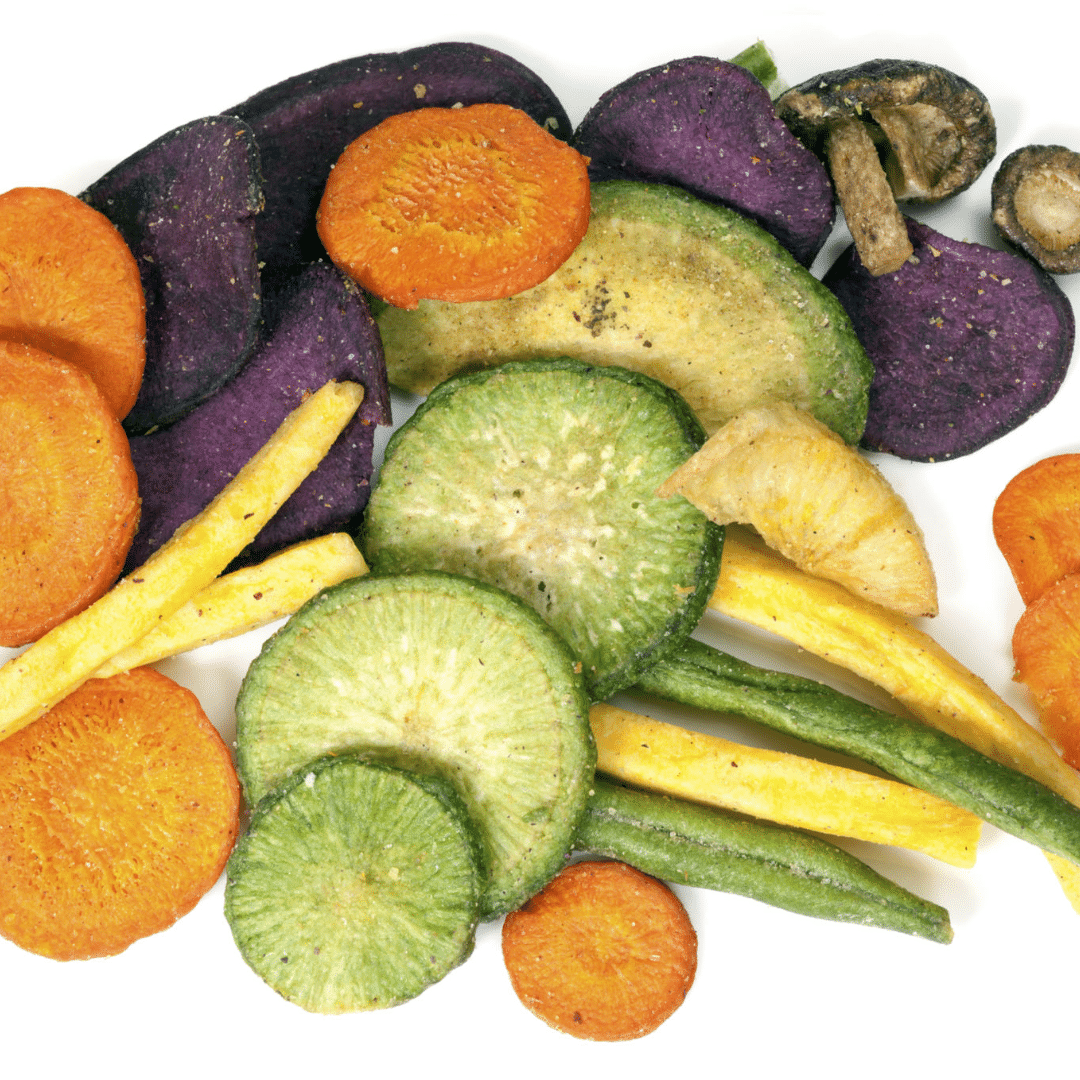
Cooking with dehydrated vegetables can be a delightful way to preserve the bounty of your garden or make long-lasting, nutritious food choices. But for many, the art of converting dehydrated veggies to their fresh counterparts can be a bit tricky. Fear not! This blog post will guide you through the process and introduce you to the essential dehydrated vegetable conversion chart that makes your cooking experience much smoother.
A dehydrated vegetable conversion chart is essential for anyone who regularly uses a dehydrator. It allows you to determine the correct ratios when recipes call for fresh ingredients. Here’s a basic example:
1 cup celery Equivalent: 1/4 cup dehydrated celery Rehydration Water: 3/4 cup wate
1 cup carrots Equivalent: 1/4 cup dehydrated carrots Rehydration Water: 3/4 cup water
1 cup bell peppers Equivalent: 1/4 cup dehydrated bell peppers Rehydration Water: 3/4 cup water
1 cup mushrooms Equivalent: 1/3 cup dehydrated mushrooms Rehydration Water: 1 cup water
1 cup spinach Equivalent: 1/8 cup dehydrated spinach Rehydration Water: 1 cup water
Using Dehydrated Vegetables in Recipes
Whether you’re making soups, spaghetti sauce, or any other delicious dishes, incorporating dried veggies can be quite simple with the right conversion chart. The key is to rehydrate your vegetables before cooking:
Soak in water: Place the dehydrated veggies in a bowl and cover with water. Let them sit for 15-30 minutes or until fully rehydrated.
Incorporate into dishes: Add the rehydrated vegetables to your soups, sauces, or other recipes as you would with fresh ingredients.
Cooking times may vary: Keep in mind that cooking times may need to be adjusted since rehydrated vegetables may cook faster than fresh ones.
Embracing the use of dehydrated vegetables and other preserved foods can revolutionize your cooking. Whether you’re preparing hearty soups, delectable sauces, or everyday meals, having a reliable dehydrated vegetable conversion chart at hand makes the process seamless. So go ahead, grab your dehydrator, and start experimenting with your favorite recipes!
DannyContent Writer
Hey there, since 2016, my mission has been to provide you with the information and guides you need to make food dehydrating simple and fun. Whether you're a newbie or a seasoned pro, my site offers helpful guides, reviews, and recipes to enhance your dehydrating experience. I take pride in only recommending products I believe in, ensuring my readers' trust. As an affiliate of various programs, including Amazon Associates, your support helps me continue providing quality content. Thanks for stopping by, and happy dehydrating!