Are you a home baker of any skill level looking for a foolproof dried berries scone recipe? This guide is for you! Our dried berries scone recipe is worth trying because it is easy, highly customizable, and produces bakery-quality results right in your own kitchen. Whether you’re a beginner or an experienced baker, you’ll love how simple it is to create light, flaky scones packed with sweet and tangy dried fruit. With options to use your favorite dried berries, add flavor twists, and achieve perfect texture every time, this recipe is sure to become a staple in your baking repertoire. Let’s get baking!
2. Place dried berries in a small bowl and cover with hot water. Let soak for 5-10 minutes, then drain and pat dry.
1 tbsp baking powder
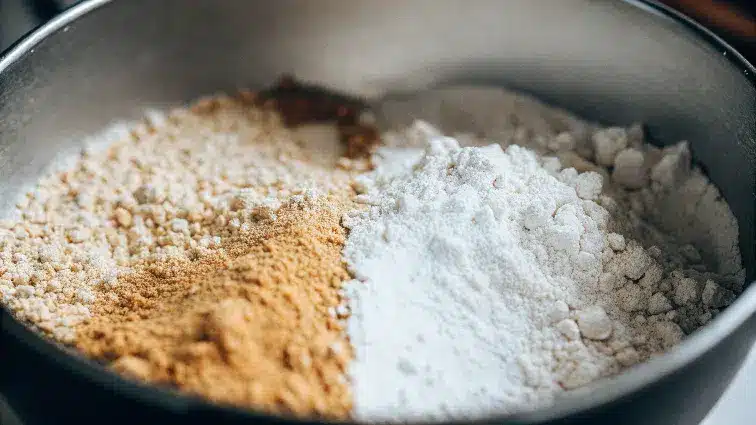
3. In a large mixing bowl, whisk together flour, sugar, baking powder, salt, and optional citrus zest.
1/2 tsp salt
4. Add cold, cubed butter. Use a pastry blender or your fingers to cut in the butter until the mixture resembles coarse crumbs.
1/2 cup cold unsalted butter, cubed
5. Gently fold in the soaked and dried berries.
3/4 cup dried berries (cranberries, blueberries, or a mix)
6. In a separate bowl, whisk together heavy cream (or buttermilk/sour cream), egg, vanilla, and almond extract if using.
1/2 cup + 2 tbsp heavy cream or buttermilk (or sour cream)
7. Pour wet ingredients into dry mixture. Stir gently until just combined; do not overmix.
1 large egg
8. Turn dough onto a lightly floured surface. Pat into a 1-inch thick round. Handle the dough as little as possible to keep the butter cold for flakier scones.
1 tsp vanilla extract (optional)
9. Place the dough round in the refrigerator for 15-30 minutes to help the scones rise better.
Zest of 1 lemon or orange (optional)
10. Using a sharp knife, cut the dough into 8 wedges.
1-2 tsp almond extract (optional)
11. Arrange wedges on a prepared baking sheet lined with parchment paper. Brush tops with cream or milk and sprinkle with coarse sugar for a golden finish.
Extra cream or milk and coarse sugar for brushing tops
12. Bake for 20-25 minutes, or until scones are golden brown.
13. Let cool slightly before serving. Serve warm for best taste.
Enjoy your delicious homemade dried berries scones!
3/4 cup dried berries (cranberries, blueberries, or a mix)
1/2 cup + 2 tbsp heavy cream or buttermilk (sour cream can be substituted for a richer scone)
1 large egg
1 tsp vanilla extract (optional)
Zest of 1 lemon or orange (optional)
1-2 tsp almond extract (optional)
Extra cream or milk and coarse sugar for brushing tops
Instructions
Preheat Oven: Preheat your oven to 400°F (205°C). (You can use a range of 375°F to 425°F as needed.)
Soak Dried Berries: Place dried berries in a bowl and cover with hot water. Let soak for 5-10 minutes, then drain and pat dry.
Mix Dry Ingredients: In a large bowl, whisk together flour, sugar, baking powder, salt, and optional citrus zest.
Cut in Butter: Add cold, cubed butter. Use a pastry blender or your fingers to cut in the butter until the mixture resembles coarse crumbs.
Add Berries: Gently fold in the soaked and dried berries.
Mix Wet Ingredients: In a separate bowl, whisk together heavy cream (or buttermilk/sour cream), egg, vanilla, and almond extract if using.
Combine: Pour wet ingredients into dry mixture. Stir gently until just combined; do not overmix.
Form Dough: Turn dough onto a lightly floured surface. Pat into a 1-inch thick round. (Handle the dough as little as possible to keep the butter cold for flakier scones.)
Chill: Place the dough round in the refrigerator for 15-30 minutes to help the scones rise better.
Cut: Using a sharp knife, cut the dough into 8 wedges.
Prepare for Baking: Arrange wedges on a parchment-lined baking sheet. Brush tops with cream or milk and sprinkle with coarse sugar for a golden finish.
Bake: Bake for 20-25 minutes, or until scones are golden brown.
Cool: Let cool slightly before serving.
Enjoy your bakery-quality dried berries scones!
Introduction to Dried Fruit Scones
This recipe for classic dried berry scones produces light, flaky pastries packed with dried cranberries or blueberries. Dried fruit scones are a delightful twist on the classic scone recipe, bringing a sweet and tangy flavor to every bite. By incorporating dried fruit like dried blueberries or cranberries into the dough, you get a concentrated burst of flavor and a pleasant chewy texture that sets these scones apart. To make dried fruit scones, start by combining flour, baking powder, and sugar in a large mixing bowl. Next, add cold butter and mix until the mixture resembles coarse meal—this step is key for creating that tender, crumbly scone texture. Once your flour mixture is ready, fold in your favorite dried fruit. If you’re using dried blueberries, soak them in hot water for 5-10 minutes to soften them up before adding to the dough. This simple step ensures the dried fruit is evenly distributed and perfectly plump in your finished scones. Whether you’re a fan of classic dried fruit scones or want to experiment with new flavors, this recipe is a great way to enjoy a delicious homemade treat.
Ready to get started? Next, let’s understand the basics of scone recipes so you can achieve perfect results every time.
Understanding Scone Recipes
Most scone recipes follow a simple formula: combine your dry ingredients—flour, baking powder, and sugar—in a large bowl, then cut in cold butter until the mixture forms a crumbly texture. The secret to tender scones is keeping the butter cold and handling the dough as little as possible. When you add your wet ingredients, like heavy cream and egg, use a pastry blender or a wooden spoon to gently bring the mixture together. The dough should be a bit crumbly but hold together when pressed. Pat the dough into a round shape on a lightly floured surface, then cut it into wedges. Place the scones on a prepared baking sheet lined with parchment paper, making sure they have enough space to rise and bake evenly. This method ensures your scones come out light, flaky, and golden brown every time.
Now that you understand the basics, let’s look at the ingredients you’ll need.
Ingredients and Baking
Using Fresh, Frozen, or Dried Fruit
I highly recommend using fresh or frozen fruit in your scones. Fresh fruit is amazing and gives such great juicy bursts, while frozen fruit is a great option too. I thaw my frozen fruit and pat it dry before adding it to the scone dough. This way it bakes up moist and delicious. Fresh fruit is always my first choice, but frozen is a close second.
If you use fresh fruit, make sure you use aluminum-free baking powder. Fresh fruit, especially acidic fruits like blueberries, can give your scones a blue tint and a metallic flavor if you don’t use aluminum-free baking powder. I learned this the hard way!
Cold butter is the key to tender scones! You want to mix it into the flour and sugar, then add heavy cream to create a shaggy dough. The cold butter will melt in the oven and create steam, which gives the scones their light and airy texture.
A pinch of salt is essential for balancing sweetness and enhancing the overall flavor of your scones.
I like using a combination of granulated sugar and dried fruit for flavor. The granulated sugar enhances the dried fruit and brings out its natural sweetness. The dried fruit adds chew and flavor to the scones. It’s a winning combination!
If you’re watching your sugar intake, try substituting sugar with sugar-free options like sugar-free lemonade! It’s a game-changer. The scones are still delicious and sweet, but with way less sugar. Win-win!
With your ingredients ready, let’s explore the importance of baking powder in scone recipes.
The Importance of Baking Powder in Scone Recipes
Baking powder is a crucial ingredient in scones. It helps the dough rise and gives the scones their fluffy texture. Always use fresh baking powder for the best results. A small amount of salt is also important for balancing the flavors in scones.
Combining self-raising flour with baking powder ensures your scones will rise beautifully. This mix gives them a light and airy feel that everyone loves.
Be careful with the amount of flour you use. Too much flour can make the scones hard and dense. Use just enough to keep the dough soft and manageable.
Plain flour needs a raising agent to make the scones rise. Without it, the scones can turn out tough. Always add baking powder or use self-raising flour for the best outcome.
Baking soda can also be used with baking powder. This combo creates a lighter texture in your scones. It helps them rise and become fluffy. Make sure to measure them accurately for the perfect balance.
Now that you know how to get the perfect rise, let’s create the ideal flour mixture for your scones.
Creating the Perfect Flour Mixture
Combine flour by using a mix of plain flour and self-raising flour, a classic step in making quick breads like scones. This combination makes your scones light and fluffy, with self-raising flour helping them rise and plain flour adding a nice texture. Together, they create a perfect balance.
Add granulated sugar to your scone dough. It gives a nice texture and flavor, adding a sweet crunch to the scones and enhancing the sweetness of the dried fruit. This makes each bite extra delicious.
Incorporate dried fruit into your scones. It adds natural sweetness and flavor. Dried fruits like apricots and raisins work well. They bring a chewy texture to the scones. You can mix them into the dough easily.
Experiment with different types of flour. Try whole wheat or oat flour for a unique flavor profile. Each type of flour brings its own taste and texture. Whole wheat adds a nutty flavor. Oat flour makes the scones tender and moist.
With your flour mixture ready, it’s time to choose the best fruits for your scones.
Choosing the Right Fruits
Dried fruit can be added to scone recipes to enhance flavor and texture. Dried fruit can be incorporated into scone recipes for added sweetness and texture.
When it comes to fruit, the choice of fruit is of utmost importance. The type of fruit you choose will not only affect the texture and flavor of your scones, but it will also add color to the top of them. Here are some tips for choosing the right fruits for your scones:
Using Fresh, Frozen, or Dried Fruit
Fresh or Frozen Fruits: I’m a big fan of using fresh fruits in my scones. There’s nothing like the flavor and sweetness of fresh strawberries or blueberries. However, I also know that fresh fruit isn’t always at its best, and it’s not always practical to use it. Frozen fruits are a great alternative. They’ll keep your butter very cold, which is perfect for flaky layers in your scones, and they’ll add nice flavor and texture to your scones. Frozen blueberries, raspberries and strawberries are all great choices. You can also use dried cranberries or cherries. Just be sure to chop them up before adding them to your scone dough.
Berries: Berries are a classic scone fruit. Blueberries, raspberries and strawberries are all delicious, and they add natural sweetness and tenderness to your scones. Blueberry scones are a classic favorite—both dried and fresh blueberries can be used, and scones made with dried blueberries may have a higher sugar content.
Citrus Fruits: Citrus fruits like lemons and oranges are a great way to add flavor to your scones. You can use the zest or juice of these fruits to add brightness and citrus flavor to your scones.
Once you’ve chosen your fruit, let’s see why dried blueberries are a fantastic option for scones.
Benefits of Using Dried Blueberries
Dried blueberries are a fantastic addition to any scones recipe. They offer a concentrated burst of blueberry flavor and a chewy texture that pairs perfectly with the tender crumb of homemade scones. Unlike fresh blueberries, dried blueberries don’t release excess juice into the dough, so your scones stay light and fluffy instead of becoming soggy. They’re also incredibly convenient—dried blueberries have a long shelf life, so you can keep them on hand for whenever the baking mood strikes. For the best results, soak dried blueberries in hot water or a splash of lemon juice before adding them to your dough. This rehydrates the berries, making them plump and flavorful, and adds a subtle citrus note that brightens up the finished scones. Whether you’re out of fresh blueberries or just want a new twist, dried blueberries are a delicious and practical choice.
With your fruit selected, let’s talk about timing and how to prepare your scones for baking.
Prep Time and Cook Time Considerations
When planning to bake scones, it’s helpful to keep both prep time and cook time in mind for the best results. Mixing the dry ingredients and combining them with the wet ingredients should take about 15-20 minutes, especially if you’re using a pastry blender or wooden spoon to bring the dough together. Once your dough is ready, pat it out on a lightly floured surface and cut it into your desired shapes. Arrange the scones on a prepared baking sheet lined with parchment paper to prevent sticking and ensure even baking. Scones typically bake in a preheated oven at 425°F for 12-15 minutes, or until they’re golden brown on top. Keep a close eye on them during the last few minutes—scones can go from perfectly baked to overdone quickly. With a little attention to prep and bake times, you’ll have warm, golden scones ready to enjoy in no time.
Now, let’s walk through the step-by-step process of preparing your scones for the oven.
Preparing the Scones
Key to success is using cold butter and not overworking the dough. Handle the dough as little as possible to keep the butter cold for flakier scones. Using chilled butter and cold buttermilk is essential for a flaky texture. To achieve a tender, flaky texture, key steps include keeping ingredients cold and using a light hand when mixing. The dough for scones should be handled as little as possible to maintain a flaky texture. Handle the dough as little as possible to keep the butter cold for flakier scones.
Preheat oven to 425 degrees Fahrenheit. Preheating is essential to ensure the scones bake evenly and develop the desired rise and texture.
Lightly grease a baking sheet with a bit of oil or butter. This prevents the scones from sticking to the pan.
Alternatively, you can line the baking sheet with parchment paper. This makes for easy cleanup and ensures the scones lift off easily.
Sift dry ingredients into a large bowl. Add frozen, grated butter or chilled butter and cut in until the mixture is coarse. Using chilled butter and cold buttermilk is essential for a flaky texture.
Add dried fruit. In a separate bowl, whisk the egg with buttermilk (use a thick liquid like buttermilk to avoid dry scones), then stir together with the dry mixture just until a dough forms. Handle the dough as little as possible to maintain a flaky texture.
Turn out the dough onto a lightly floured surface. Pat dough into a dough round about 1-inch thick. Chill the dough round in the refrigerator for 15-20 minutes before cutting and baking; this helps maintain its shape and contributes to a flaky texture.
Using a sharp knife, cut the dough round into 8 wedges, cutting straight down without sawing to maintain rise and texture.
Place the wedges on the prepared baking sheet. For a golden finish, brush the tops of the scones with cream or milk and sprinkle with coarse sugar before baking.
With your scones ready for the oven, let’s move on to the baking process.
Baking the Scones
Bake the scones for 12-14 minutes or until lightly golden brown.
Use unsalted butter to brush the tops of the scones before baking for a golden brown finish.
Frozen berries can be used to add flavor and texture to the scones.
You can also experiment with different baking times and temperatures to achieve the perfect texture.
Once your scones are baked, it’s time to serve and store them for maximum freshness.
Serving and Storing Scones
Serve scones with butter, or for extra credit, split and toast them, then sandwich a spoonful of sour cream and whipped cream inside.
Store leftovers in an airtight container at room temperature. This keeps them fresh for up to 2 days. If you want to keep them longer, freeze them. They can last up to 3 months in the freezer.
To freeze, wrap scones tightly in plastic wrap and place in a freezer-safe container or bag.
You can also reheat frozen scones in the oven or microwave for a quick breakfast or snack.
Now that you know how to serve and store your scones, let’s look at their nutrition and health benefits.
Nutrition and Health Benefits of Scones
Scones can be a delicious and nutritious part of your day, especially when made with wholesome ingredients and dried fruit. Using dried blueberries or other dried fruit in your scones recipe adds natural sweetness, fiber, and a boost of antioxidants and vitamins. For a healthier twist, try swapping some or all of the all-purpose flour for whole wheat flour, and consider reducing the sugar to suit your taste. Adding a dollop of clotted cream or a splash of heavy cream gives your scones a rich, creamy texture, but remember to enjoy these additions in moderation if you’re watching your calorie intake. With the right balance of flour, fruit, and cream, scones can be a satisfying breakfast or snack that’s both delicious and nourishing.
If you want to experiment, check out these variations and substitutions for your next batch!
Variations and Substitutions
Spice Variations
Cinnamon: Cinnamon is a warm and comforting spice that pairs beautifully with dried fruits. Add a light dusting to your scone dough and adjust to taste.
Nutmeg: Nutmeg can be a powerful spice, so a small pinch is all you need to add a hint of warmth to your scones. Be careful not to overdo it!
Cardamom: Cardamom is a lovely spice to add a bit of sophistication to your scones. It has a sweet, citrusy flavor that is quite unique and delicious.
Ginger: Ground ginger is a wonderful addition to your scone mix. It has a warm, spicy flavor that is perfect for baking.
Cloves: Cloves are very strong, so use them sparingly. Grind a few cloves in your mortar and pestle and add them to your mix for a deep, warm flavor.
Vanilla Extract: I love adding a little vanilla extract to my scone mix. It brings out the sweetness of your sugar and fruit and gives your scones a lovely flavor. Using heavy cream or sour cream instead of milk results in a richer and more tender scone.
Allspice: Allspice is a great spice to add depth to your scones. It’s a combination of cinnamon, nutmeg, and cloves, so use it sparingly.
Lemon Zest: Add some fresh lemon zest to your mix for a bright, citrusy flavor.
Almond Extract: A tiny bit of almond extract can go a long way. It adds a nice nutty flavor to your scones.
Orange Zest: Orange zest is another beautiful option. It’s sweet and citrusy, like lemon, but different.
Cream Scones
Cream Scones: Cream scones are a favorite type and tend to be more moist and less crumbly than those made with cold butter.
For the best tasting scones, use buttermilk or heavy cream.
Fruit Combinations
Blueberries and strawberries are a natural pair, like peanut butter and jelly. They’re a classic combination that’s perfect for summer. But you can mix and match any fruits you like.
If the scones are too dry, try adding more buttermilk or sour cream.
If the scones don’t rise, try using more baking powder or checking the expiration date of your baking powder.
For best results every time, keep these tips in mind as you bake.
Tips for Achieving the Best Results
Use cold butter and cut it into small cubes for easier incorporation into the dough.
Don’t overmix the dough, as this can make the scones dense.
Use the same size cookie cutter to ensure the scones bake evenly.
Knead the dough until it comes together, but don’t overwork it.
For easy reference while baking, print or save a recipe card with the detailed ingredients and instructions. This makes it convenient to follow the dried berries scone recipe step by step.
With these tips, you’re ready to bake scones like a pro! Let’s wrap up with some final thoughts and nutritional details.
Final Thoughts on Perfecting Your Fruit Scones
The humble fruit scone is a wonderful bread to explore. It’s such an easy recipe and one that both beginners and experienced bakers will enjoy.
Imagine a warm scone loaded with sweet and tangy dried apricots and golden raisins. What a treat!
You can customize this recipe to your liking by using frozen blueberries or mixed berries instead of the dried fruit. Or, try cranberries or cherries for a different flavor profile.
Add some lemon zest or a splash of vanilla to the dough for extra flavor. The lemon will give your scones a bright and citrusy twist, while the vanilla will make your kitchen smell amazing!
Don’t be afraid to think outside the box, either. Using a food processor to grind the wet ingredients into the dry is a great way to ensure a smooth dough. And, a spoonful of sour cream is the key to a tender and moist scone.
Sprinkle the tops of your scones with coarse sugar for a nice crunch or slather them with raspberry jam for a sweet treat.
Whether you’re a seasoned baker or a beginner, I hope these tips are helpful in making beautiful and delicious scones that will impress your friends and family.
So, grab your round cookie cutter, preheat your oven and get ready to bake some scone dough that’s sure to please!
Nutritional Information
Nutritionally, a typical serving of scones contains around 238 to 407 calories, 8.2 to 14 grams of fat, and 4.6 to 5 grams of protein. Scones made with dried fruit can provide about 1.2 to 3 grams of dietary fiber per serving and offer essential minerals such as 96 to 129 mg of calcium and 2 mg of iron. Scones made with dried blueberries can have a higher sugar content, ranging from 11.3 to 40 grams of sugar per serving.
DannyContent Writer
Hey there, since 2016, my mission has been to provide you with the information and guides you need to make food dehydrating simple and fun. Whether you're a newbie or a seasoned pro, my site offers helpful guides, reviews, and recipes to enhance your dehydrating experience. I take pride in only recommending products I believe in, ensuring my readers' trust. As an affiliate of various programs, including Amazon Associates, your support helps me continue providing quality content. Thanks for stopping by, and happy dehydrating!