We earn a commission if you make a purchase, at no additional cost to you.
09/22/2026 04:39 pm GMT
🍊 Dehydrated Food Info Finder — Temperatures & Drying Times
Choose a category, then pick a food to see its drying temperature and time.
⚠️ Safety Disclaimer: Drying times are estimates and vary based on slice thickness, food moisture content, humidity, and your dehydrator model. Always check for doneness before storing — food should feel dry, leathery, or brittle with no moist spots. Improperly dried food can harbour mould and bacteria. For meat and poultry, follow USDA safe internal temperature guidelines: beef and pork to 160°F (71°C), poultry to 165°F (74°C). Use a food thermometer when in doubt. Store all dehydrated foods in airtight containers in a cool, dark place and discard anything showing moisture, mould, or off odours.
Quick Bread Pineapple Nut with Dehydrated Banana (Hawaiian-Style)
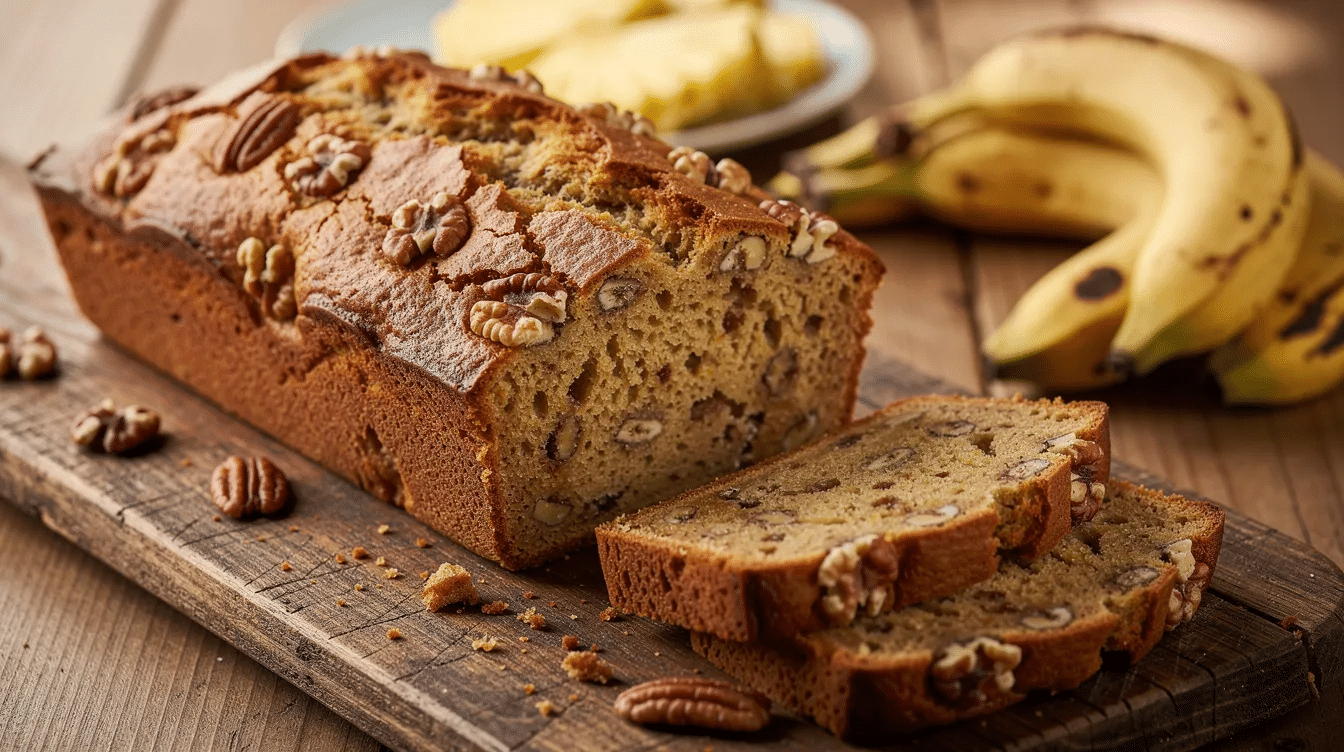
This hawaiian banana bread recipe combines mashed overripe bananas, crushed pineapple, chopped macadamia nuts, and chewy dehydrated banana pieces for a super moist quick bread loaded with tropical flavor.
Dehydrated bananas serve as concentrated, candy-like add ins that deliver intense banana sweetness and chew, while fresh mashed banana forms the wet base for moisture and structure.
The batter follows a classic quick bread method: combine flour and dry ingredients in one bowl, mix wet ingredients in a large bowl, fold together gently, and bake in a prepared loaf pan at 350 degrees for 55–65 minutes.
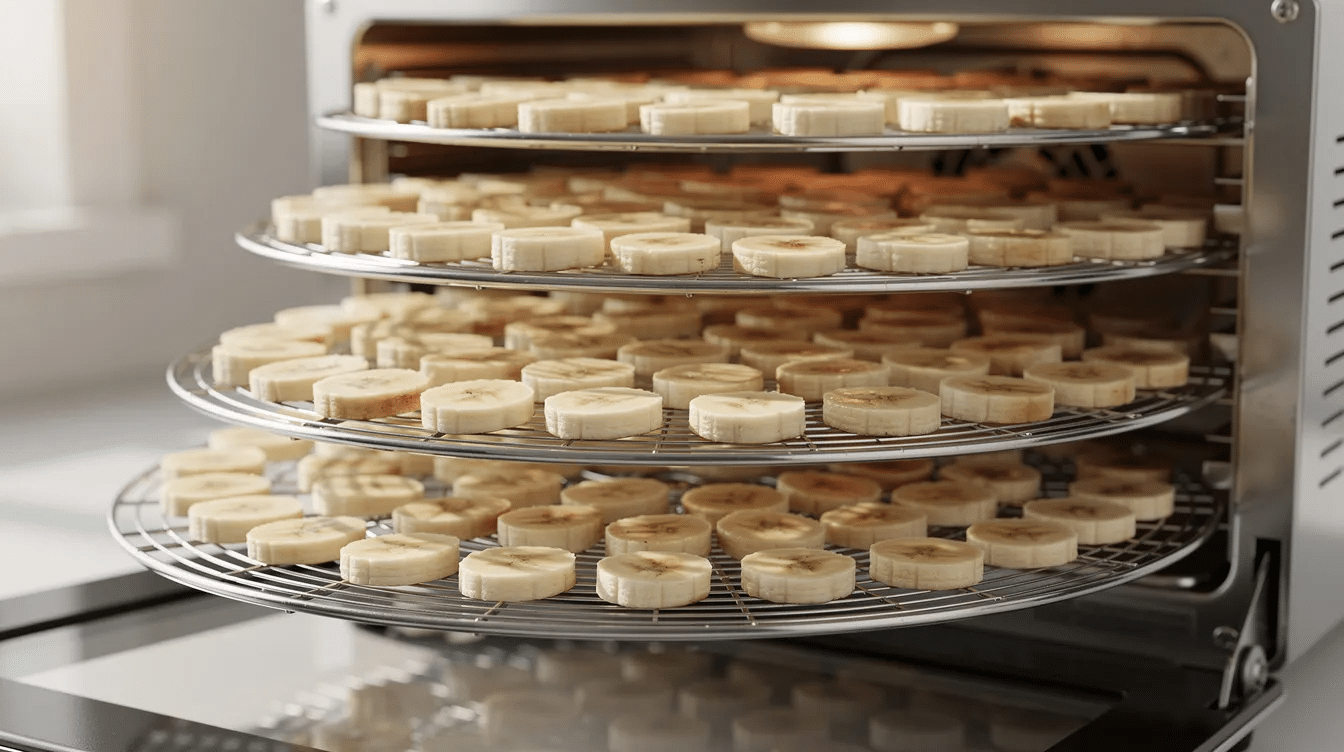
You can dehydrate your own banana slices at home using a food dehydrator, then store them in an airtight container for months-ready to toss into this pineapple banana bread or other recipes whenever the craving strikes.
The finished loaf keeps 3–4 days at room temperature, up to 5 days refrigerated, and freezes well for up to 3 months. Adapt the bread recipe into muffins, mini loaves, or a snack cake by adjusting baking time.
Ingredient
Quantity
Notes
All-purpose flour
2 cups
Spoon and leveled
White sugar
1/2 cup
Light brown sugar
1/4 cup
Adds caramel notes that complement tropical flavors
Baking soda
1 teaspoon
Baking powder
1 teaspoon
Salt
1/2 teaspoon
Ground cinnamon
1/2 teaspoon
Optional; enhances tropical fruit flavors
Very ripe bananas
3 large
Mashed; use heavily spotted for maximum sweetness and moisture
Crushed pineapple (canned)
1 can (8 oz), mostly undrained
Drain thoroughly to avoid a gummy loaf; hold back juice if batter is too loose
Preheat to 350°F (175°C). Grease and line a 9×5-inch loaf pan with parchment paper.
2
Toast nuts
Lightly toast chopped macadamia nuts in a dry skillet over medium heat for 3–4 minutes.
3
Mix dry ingredients
In a medium bowl, whisk together flour, baking soda, baking powder, salt, white sugar, brown sugar, and cinnamon.
4
Prepare wet ingredients
In a large bowl, mash ripe bananas. Add eggs, melted coconut oil, vanilla extract, crushed pineapple with juice, and optional pineapple juice splash. Whisk to combine.
5
Combine wet and dry
Pour dry ingredients into wet ingredients. Fold gently with a rubber spatula until just combined; avoid overmixing.
6
Add mix-ins
Fold in chopped dehydrated banana pieces, toasted macadamia nuts, and any optional add-ins like shredded coconut or chocolate chips.
7
Transfer batter and bake
Pour batter into prepared pan; smooth top. Bake at 350°F for 55–65 minutes until a toothpick inserted comes out clean and internal temperature reaches 200–205°F.
8
Cool and rest
Let the bread cool in the pan for 10–15 minutes, then transfer to a wire rack to cool completely before slicing.
Introduction: A Tropical Quick Bread with Dehydrated Banana
Imagine slicing into a golden loaf that smells like a Hawaiian vacation: ripe bananas, tangy pineapple, buttery macadamia nuts, and chewy pockets of dehydrated banana in every bite. That’s exactly what this quick bread pineapple nut with dehydrated banana delivers.
This is a pineapple banana bread built for home cooks who love food preservation. It pairs pantry-stable dehydrated bananas with everyday wet ingredients-overripe bananas, eggs, and oil-so you can pull together a delicious banana bread any day of the week. The recipe draws on hawaiian banana nut bread traditions, where pineapple, coconut, and macadamia nuts define the flavor profile, but adds a tropical twist by featuring home-dehydrated fruit as the star ingredient.
What Makes This Pineapple Nut Dehydrated Banana Bread Different?
This is not just another banana bread recipe. It merges classic banana bread with pineapple banana bread and hawaiian banana nut bread ideas, then layers in dehydrated banana as a signature twist that most recipes overlook.
Here’s the key: using both fresh mashed banana for moisture and dehydrated banana pieces for chewy, candy-like bites creates a layered texture that standard loaves can’t match. Bakers who’ve tested dehydrated banana in bread report a finer crumb and more concentrated banana flavor compared to using only fresh fruit.
Canned pineapple with some of its juice keeps the quick bread super moist while adding bright, tropical sweetness. Macadamia nuts-with roughly 72% oil content in mature kernels-bring a rich, buttery crunch that walnuts or pecans can approximate but never quite replicate. A typical quick bread ratio includes all purpose flour, crushed pineapple, rehydrated banana, and toasted nuts, and this recipe nails that balance.
No mixer needed. Everything comes together by hand in one large mixing bowl plus a medium bowl for dry ingredients, and the loaf is ready for the oven in about 15–20 minutes. The recipe works equally well as a standard moist banana bread loaf, mini loaves, or muffins by adjusting bake time.
Ingredients: Building a Super Moist Pineapple Banana Nut Loaf
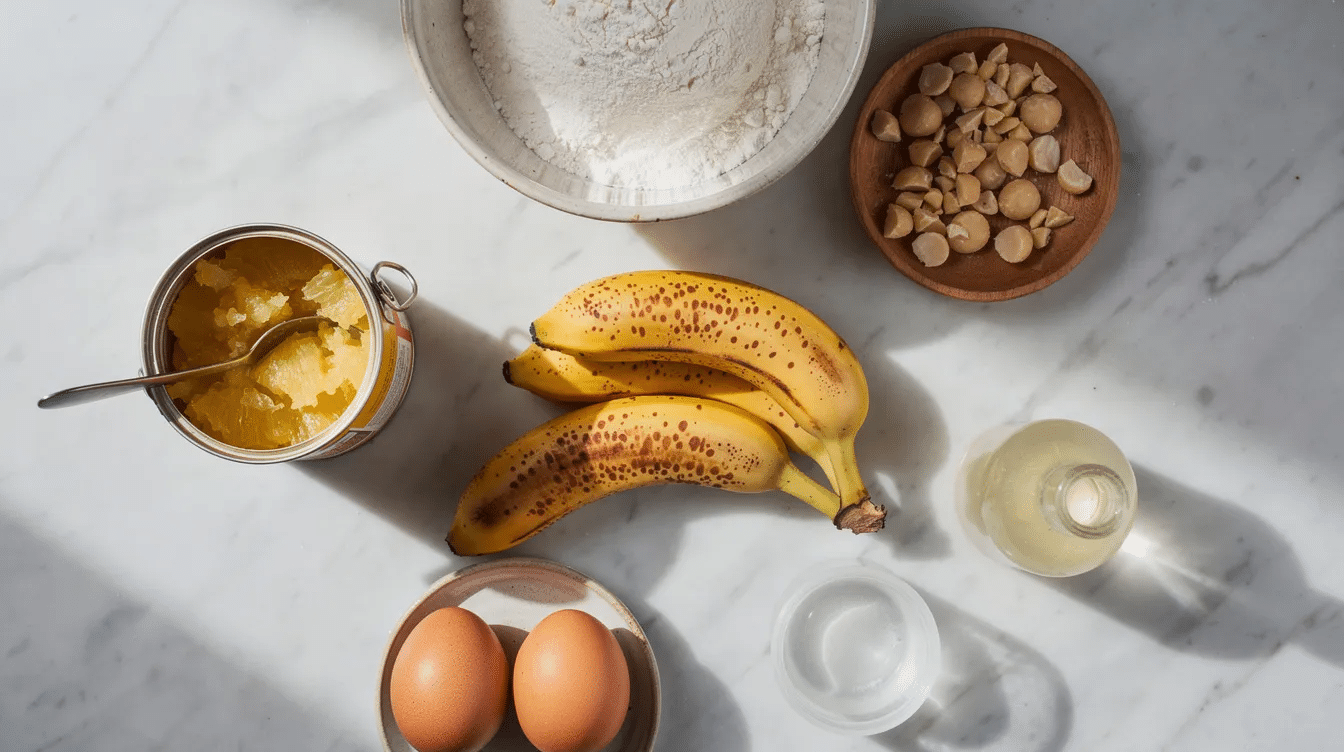
Every ingredient here is supermarket-ready. Below is what you need, with notes on each choice.
Dry ingredients:
2 cups all purpose flour (purpose flour, spooned and leveled)
3/4 cup sugar total: 1/2 cup white sugar plus 1/4 cup sugar light brown-using brown sugar in recipes adds caramel notes that complement tropical flavors
1 teaspoon baking soda
1 teaspoon baking powder
1/2 teaspoon salt
1/2 teaspoon ground cinnamon (optional, but incorporating warm spices like cinnamon can enhance tropical fruit flavors in bread)
Wet ingredients:
3 large, very ripe bananas (heavily spotted), mashed-use very ripe bananas for maximum sweetness and moisture
1 can (8 oz) canned pineapple, crushed, mostly undrained. Draining pineapple thoroughly is essential to avoid a gummy loaf, so if the batter looks too loose, hold back some juice and set aside
1/3 cup melted coconut oil (or substitute vegetable oil or canola oil). Melted coconut oil keeps the bread moist and flavorful
2 large eggs
1 teaspoon vanilla extract
Splash of pineapple juice if batter needs more liquid
Dehydrated banana:
1/2 to 3/4 cup chopped dehydrated banana slices, pliable but dry (not crispy chips), for best texture
Nuts and extras:
1/2 to 3/4 cup chopped macadamia nuts, lightly toasted
Optional: shredded coconut, chocolate chips, maraschino cherries, or dried pineapple for a more layered hawaiian banana bread feel
Home-dehydrated bananas from a mid-range consumer dehydrator work perfectly here. The same batch of dehydrated fruit snacks doubles in homemade trail mix or granola.
Equipment & Prep: Setting Up for Quick Bread Success
This recipe assumes a standard home kitchen. Here’s what you need:
One 9×5-inch loaf pan (or two smaller loaf pans)
Parchment paper or nonstick spray
Two mixing bowls: one large bowl, one medium
Whisk, rubber spatula, measuring cups and spoons
Digital kitchen scale (optional but helpful)
Prep steps before mixing:
Preheat your oven to 350°F (175°C).
Grease and line the loaf pan with parchment-this is your prepared loaf pan.
Toast nuts before adding them to quick breads for enhanced flavor: warm macadamia nuts in a dry skillet over medium heat until lightly golden, about 3–4 minutes. Set aside to cool.
Chop both nuts and dehydrated banana slices into bite-size pieces. Lightly dust the chopped dehydrated bananas with a teaspoon of flour to help prevent them from sinking in the batter.
Step-by-Step: How to Make Quick Bread Pineapple Nut with Dehydrated Banana
This is the core method-clear, chronological, and forgiving.
1. Mix dry ingredients. In the medium bowl, combine flour, baking soda, baking powder, salt, both sugars (1/2 cup sugar white and 1/4 cup sugar brown), and cinnamon. Whisk until evenly blended.
2. Prepare wet ingredients. In the large bowl, mash overripe bananas until mostly smooth. Add eggs, melted coconut oil, vanilla extract, and crushed pineapple with its juice. Whisk until the wet ingredients are homogenous and the mashed banana is fully incorporated.
3. Combine. Pour the dry ingredients into the wet ingredients. Fold gently with a rubber spatula just until no big streaks of flour remain. Do not overmix the batter to maintain a tender texture.
4. Add the mix-ins. Fold in the chopped dehydrated banana pieces and chopped macadamia nuts (plus any optional coconut or other add ins) until evenly distributed through the batter.
5. Bake. Transfer the batter to the prepared loaf pan and smooth the top. Optionally sprinkle with a few extra nuts or a light cinnamon-sugar topping. Bake at 350 degrees for 55–65 minutes. Quick breads should be baked at 350°F for about 50–70 minutes until a toothpick inserted in the center comes out with just a few moist crumbs. The internal temperature of baked quick bread should reach between 200°F and 205°F.
6. Cool. Let the loaf rest in the pan for 10–15 minutes-allowing quick breads to rest before slicing improves their flavor and texture. Then lift the loaf onto a wire rack and let it cool completely before slicing with a clean knife. This helps the bread set and stay super moist rather than crumbling apart.
Resist the temptation to slice early. Patience here is the difference between a crumbly mess and the best banana bread you’ve made.
How to Dehydrate Bananas for Baking and Snacks
This is where your dehydrator earns its place on the counter. Turning fresh bananas into shelf-stable, recipe-ready slices is straightforward.
Selecting bananas: Choose ripe but firm bananas-yellow with some brown spots. Very soft, mushy bananas are better saved for the mashed banana component of your bread. Balancing moisture levels is crucial when incorporating dehydrated fruits into bread, and starting with the right ripeness matters.
Prep: Peel and slice into 1/4-inch rounds. Dip slices in lemon water or pineapple juice to minimize browning, then drain and pat dry.
Dehydrate: Arrange slices in a single layer on dehydrator trays. Set to approximately 135°F (57°C) and dry for 8–12 hours until slices are leathery and pliable but not sticky or brittle. For more detail on technique, see our guide on how to make dehydrated banana chips.
Cool and store: Let fully dried bananas come to room temperature, then store in airtight jars or vacuum-sealed bags. At below 15% moisture content, they’ll last several months in a cool, dark place-ready to chop and use as add ins whenever you bake, and they’re a perfect base for dehydrator fruit recipes.
You can also use commercially packaged dehydrated bananas, but DIY gives you control over added sugars, thickness, and texture, whether you use a traditional dehydrator or experiment with drying bananas in an air fryer.
Add Ins & Variations: Customizing Your Hawaiian-Style Banana Bread
Think of this pineapple banana bread recipe as a flexible base.
Nut and mix-in swaps:
Replace macadamia nuts with walnuts (walnuts can be added for texture in banana bread) or pecans, and pair the loaf with savory components like recipes that use dehydrated banana peppers elsewhere in your menu
Toss in shredded coconut for a stronger hawaiian banana nut bread vibe-coconut flakes enhance the flavor of banana bread
Add chocolate chips for a dessert-style loaf (chocolate chips can be included as a customizable add-in), or try dehydrated pineapple pieces
Keep total add ins around 1 to 1-1/4 cups so the quick bread bakes evenly and holds together when you slice it.
Format variations:
Muffins: divide batter among 12–16 cups, baking time 18–22 minutes
Mini loaves: fill two smaller loaf pans, bake 40–50 minutes
9-inch square snack cake: bake 35–45 minutes
Flavor tweaks: A teaspoon of grated lime zest brightens the pineapple. A sprinkle of turbinado sugar on top adds crunch. Increase or decrease dehydrated banana depending on how chewy you want the texture. Other dehydrated fruits like mango work well in future batches—our guide to what fruit you can dehydrate pairs nicely with our best fruits to dehydrate for inspiration.
Serving Ideas: Breakfast, Snacks, and Dessert
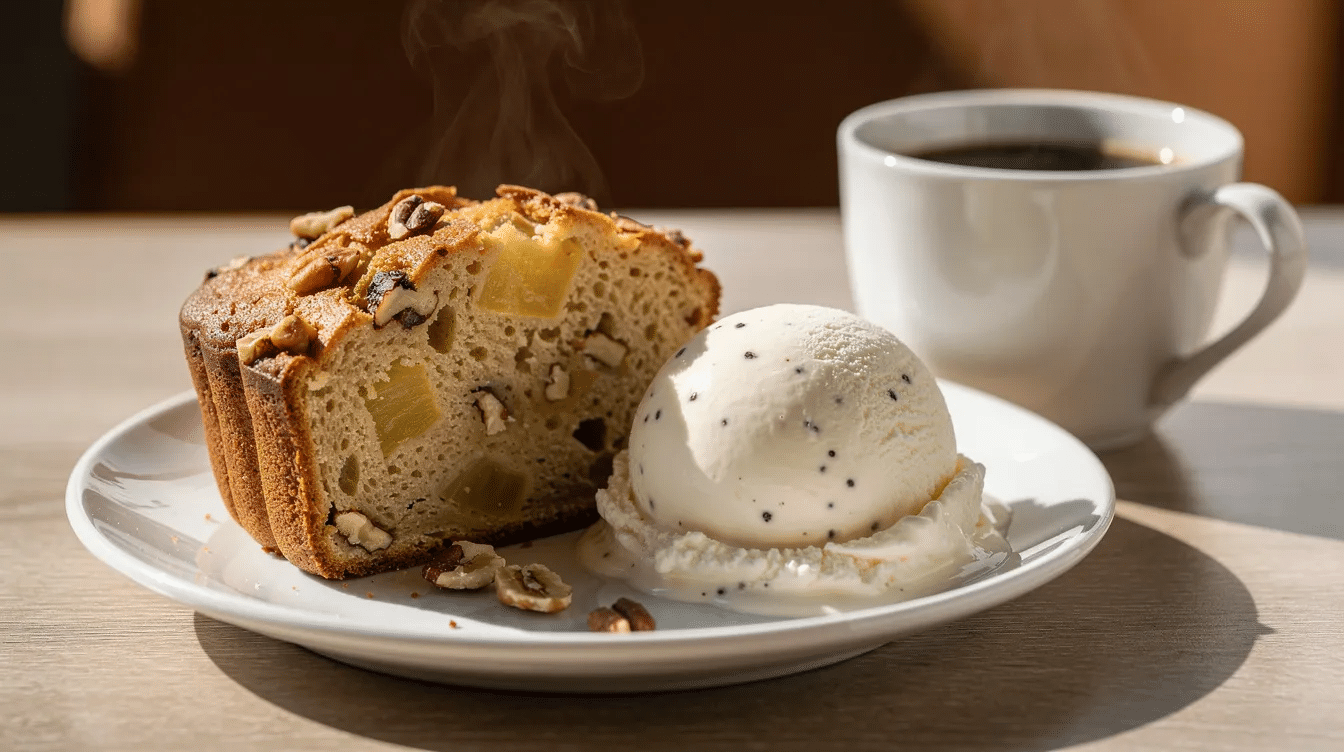
This loaf is versatile enough to eat at any hour. It sounds delicious at breakfast, as an afternoon snack with coffee, or plated as a simple dessert, and it fits right into a broader strategy of using dehydrated foods for convenient snacks and meals.
Breakfast and brunch: Slice and lightly toast, then serve with butter or a thin spread of coconut oil. Pair with iced vanilla coffee, tropical tea, or a fresh fruit spread alongside eggs.
Snack and dessert: Serve warm slices with vanilla or coconut ice cream. Drizzle with a pineapple glaze, or plate with Greek yogurt and extra chopped dehydrated bananas.
Portions: A standard whole loaf yields about 10 generous slices. Hawaiian banana bread can yield up to 20 slices if cut thinner for buffets or sharing platters.
Presentation tip: Garnish the top of the cooled loaf with a few extra macadamia nuts and dehydrated banana pieces so guests can see what’s inside at a glance. This is a great recipe to bring to potlucks-it travels well and people always want the bread recipe.
Storage, Freezing, and Make-Ahead Tips
Getting the most life out of each loaf means wrapping it right.
Room temperature: The banana bread keeps 3–4 days wrapped tightly in aluminum foil or stored in an airtight container on the counter. Keep it in a cool, dry spot. Allow banana bread to cool completely before storing to avoid trapped steam and sogginess.
Refrigerator: Store banana bread in the refrigerator for up to 5 days. Wrap well in plastic wrap to prevent drying. Reheat slices briefly in a microwave or toaster oven to restore softness.
Freezer: Freeze banana bread for up to 3 months. Cool the whole loaf completely, wrap tightly in plastic wrap then aluminum foil (or place in a freezer bag), and label with the date. Thaw wrapped overnight in the refrigerator or at room temperature for several hours, then warm individual slices before serving.
The dehydrated bananas you’ve already prepared extend fruit shelf life far beyond fresh, so keep a jar in the pantry and you can assemble this quick bread on short notice whenever the mood strikes.
Dehydrated Foodz Perspective: Using Your Dehydrator Beyond Snacks
Think of dehydrated ingredients as long-lasting add ins you can measure straight from the jar into any batter. The kitchen gets more creative from here.
FAQ: Quick Bread Pineapple Nut with Dehydrated Banana
Below are answers to practical questions bakers often have after reading the main recipe.
Can I make this bread without fresh bananas and use only dehydrated bananas?
The recipe relies on mashed fresh bananas as part of the wet ingredients for moisture and structure, so dehydrated bananas alone aren’t a good 1:1 replacement. If you’re low on fresh bananas, use applesauce or extra crushed pineapple to make up some of the mashed banana volume, but keep at least one fresh banana for flavor. Dehydrated bananas work best treated as add ins-similar to nuts or dried fruit-rather than the main moisture source.
Do I need to soak or rehydrate the dehydrated banana before baking?
For pliable, leathery dehydrated slices, soaking isn’t required; the batter’s moisture and baking time gently soften them while preserving their chewy texture. However, dehydrated fruit should be soaked to prevent pulling moisture from the batter during baking if you’re using very hard or crisp banana chips-briefly soak them in warm water or pineapple juice for 5–10 minutes, then pat dry before chopping. Rehydrating dehydrated bananas can enhance their texture in recipes where the pieces are especially thick or brittle. Test a piece in a muffin cup if you’re uncertain.
Can I use fresh pineapple instead of canned pineapple?
Fresh pineapple works if you chop it very finely and measure to match the volume of canned crushed pineapple. Since canned pineapple includes juice that contributes liquid to the wet ingredients, add a few tablespoons of pineapple juice or milk if using fresh only. The flavor will be slightly less sweet and more tangy with fresh pineapple, which some bakers prefer for a brighter tropical flavor.
How do I prevent the nuts and dehydrated banana from sinking to the bottom?
Toss chopped macadamia nuts and dehydrated banana pieces in a tablespoon of the measured dry flour before folding them into the batter-this coating helps suspend them during baking. Avoid overmixing once the add ins are added, since overmixing can thin the batter and cause heavier pieces to sink. If your loaf pan is very deep, using two smaller loaf pans or making muffins can also help distribute mix-ins more evenly.
Can I reduce the sugar or make this banana bread less sweet?
You can modestly reduce the granulated sugar by about 1/4 to 1/3 cup without harming the structure, since ripe bananas and pineapple already contribute natural sweetness. Use unsweetened dehydrated bananas and unsweetened shredded coconut to keep overall sweetness in check. Cutting too much sugar can make the loaf drier and less tender, so compensate by slightly increasing mashed banana or crushed pineapple if making big reductions. The delicious flavors of this bread come largely from the fruit itself, so modest adjustments work well.
DannyContent Writer
Hey there, since 2016, my mission has been to provide you with the information and guides you need to make food dehydrating simple and fun. Whether you're a newbie or a seasoned pro, my site offers helpful guides, reviews, and recipes to enhance your dehydrating experience. I take pride in only recommending products I believe in, ensuring my readers' trust. As an affiliate of various programs, including Amazon Associates, your support helps me continue providing quality content. Thanks for stopping by, and happy dehydrating!