Did you know that dehydration is one of the oldest forms of food preservation, often referred to as ancient preservation techniques? This article explores the history and evolution of food dehydrators, with a special focus on vintage models. Whether you’re a collector, a home cook, or simply curious about classic kitchen appliances, you’ll learn how these devices shaped food preservation and why they remain relevant today.
Think about it: before the technological advance of refrigeration, dehydration was readily available through nature. For instance, Egyptians were known to dehydrate meat by leaving it out in the sun. All across the world, societies dehydrated food so they would have access to it year-round.
So when did people start using tools like the vintage dehydrator to do the work for them? Let’s take a closer look at the history of this tool.
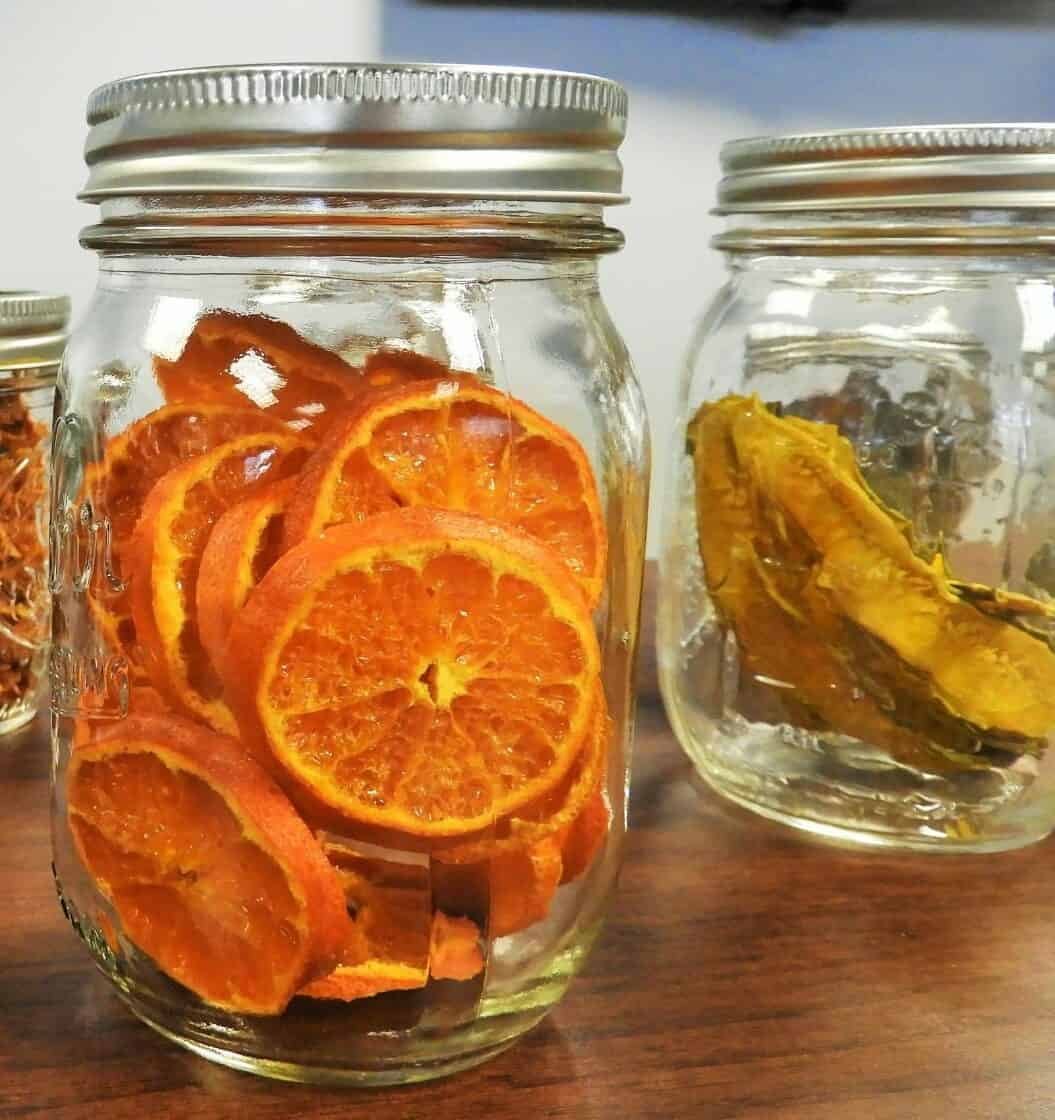
Dehydration is one of the simplest and most effective ways to preserve foods, making it possible to enjoy your favorite vegetables, fruits, and herbs all year long. By removing moisture from foods, dehydration prevents the growth of bacteria and mold, which are the main culprits behind spoilage. A food dehydrator is a handy kitchen unit designed to make this process easier and more efficient. Using a gentle flow of warm air, a dehydrator draws out moisture from foods like meats, fruits, vegetables, and herbs, locking in flavor and nutrients while extending shelf life.
The process is straightforward: just slice your chosen foods, arrange them in the box or trays of the dehydrator, and set the temperature according to the type of food you’re drying. The dehydrator’s warm air circulates evenly, ensuring that every piece dries thoroughly. This method is opposed to traditional sun drying, as it brings more control and consistency, making it a happy solution for anyone looking to preserve a lot of food in less time.
Using a food dehydrator not only makes food preservation easier, but it also helps reduce waste and save money. Whether you want to make healthy snacks, store garden harvests, or prepare lightweight meals for outdoor adventures, a dehydrator is a valuable addition to any kitchen for lightweight, long-lasting dehydrated food. If you’re ready to start, click through our resources to learn how to use a food dehydrator and discover creative ways to bring out the best in your foods. With a dehydrator, you can enjoy a wide variety of delicious, nutritious foods—anytime you want.
Early Beginnings of Food Dehydration
Food dehydration has been a cornerstone of food preservation for centuries. Ancient civilizations, including those in Egypt, Greece, and Rome, were pioneers in this method. They would dry fruits, vegetables, and meats to ensure they had sustenance during times when fresh food was scarce. By removing the water content, they made it difficult for bacteria and other microorganisms to thrive, thereby extending the shelf life of their food. This technique was not only crucial for daily survival but also enabled the storage and transportation of food over long distances, ensuring that communities could thrive even in harsh conditions.
Methods of Moisture Dehydration for Food Preservation
Leaving food out in the sun wasn’t the only method that ancient peoples used for dehydration. After all, leaving food out in the open and exposed would often attract animals interested in eating it.
There were a variety of methods that were used to dehydrate food. For instance, Native Americans would often use smoke from a fire to dry out a variety of foods, including meat, herbs, and vegetables. Some vegetables, like potatoes, could be dehydrated by leaving them out to freeze overnight, and then crushing them the next morning. These methods were not only effective in preserving food but also in ensuring nutrient retention, which was crucial for the health of these communities.
By drying food, nomadic peoples were able to preserve their food from one season to another. But those who lived in permanent settlements also used dehydration.
In Europe, residents began constructing buildings known as stillhouses that were designed to dehydrate food. In these buildings, they would hang food from strings, and use heat from a fire to dry it.
The Evolution of Food Dehydrators
As time progressed, the methods of food dehydration evolved significantly. The 19th century marked a pivotal moment with the invention of the first food dehydrators. These early devices utilized heat and air circulation to dry food, making the process more efficient than traditional methods. However, these initial dehydrators were often bulky and expensive, limiting their use to commercial settings. With continuous technological advancements, food dehydrators became more compact, affordable, and user-friendly. This evolution made it possible for households to choose affordable food dehydrators for home use and select commercial food dehydrators for larger-scale dehydration conveniently, bringing the benefits of this ancient preservation method into modern kitchens.
As food dehydrators became more accessible, certain models from past decades have become especially prized—these are known as vintage dehydrators.
What is a Vintage Dehydrator?
A vintage dehydrator is more than a kitchen appliance, it’s a piece of classic design and functionality. Vintage dehydrators are typically older models constructed with durable, heavy-duty plastic or early metal casings. They are valued for their simplicity, reliability, and robust, repairable construction. However, many lack precise thermostats, which can result in uneven drying and require careful temperature management. To ensure even results, it is recommended to rotate trays frequently and manage moisture venting.
When using a vintage dehydrator, it’s important to check that it is in good working condition and to monitor temperature carefully, as older models may not reach safe temperatures for drying meat. Many vintage dehydrators are constructed with durable, heavy-duty plastic or early metal casings and are valued for their simplicity and reliability. However, they often lack precise thermostats, so rotating trays and managing moisture venting is recommended for even results. Some models, like the Ronco 184–04, have no thermostat and feature stackable trays. Excalibur models feature a rear-mounted fan and square-tray design for more even drying, while Nesco models use a top-mounted fan system.
Key Features of Vintage Dehydrators
The charm of vintage dehydrators is in their build and proven performance. Unlike many modern ones, these appliances were built to last, with solid materials and simple mechanics that require minimal maintenance. Excalibur models are famous for their airflow and even drying, something home cooks and pros still love today. Waring dehydrators are loved for their simplicity and versatility, and can dry a wide variety of foods with precision.
Collecting and Using Vintage Dehydrators
Beyond their performance, vintage dehydrators have a nostalgic charm that appeals to those who love retro design. The lines and finishes of these models add a bit of history and personality to any kitchen. For collectors, owning a vintage dehydrator is like having a piece of culinary history – a nod to when appliances were built to last and look good.
In today’s fast-paced world, the resurgence of interest in vintage dehydrators is a sign of a growing appreciation for quality and craftsmanship. Whether you’re a collector, a foodie, or someone who loves the intersection of form and function, a vintage dehydrator is an experience that will last. If you own one of these classic appliances, you can start dehydrating foods with an Oster food dehydrator or similar model to put it to practical use.
Mechanized Dehydration for Beef Jerky
While people still use smokers today to dry out food because of the flavor, smoke and sun are no longer the primary methods of dehydration. That’s because two French inventors, Masson and Chollet, invented a mechanized form of dehydration in the 1800s. This innovation marked the beginning of commercial food production, allowing for the mass production of dehydrated foods.
These inventors used a process to heat vegetables in hot air (usually above 100 degrees Fahrenheit), and then press them to remove any remaining moisture. These dried vegetables became an important source of nutrition for sailors. This was essential to ensure they had food to eat on their long transatlantic journeys.
Dehydrated food also became a vital source of food for soldiers during World War II. Later, many dehydrated commercial products became popular, such as dried soups and mashed potatoes.
Electric Dehydrators with Quiet Convection Air Flow
The electric dehydrators that we are familiar with today came on the scene in the early 1900s–around the same time that electricity was discovered. These allowed, for the first time, anyone to easily dehydrate foods in their own homes.
Today’s food dehydrators are marvels of modern technology, equipped with features that make the dehydration process both efficient and user-friendly. If you’re new to this method, a beginner’s step-by-step guide to using a food dehydrator can help you get started with confidence. Adjustable temperature control allows users to dehydrate a wide range of foods at the optimal temperature, ensuring perfectly dehydrated foods every time. Quiet convection air flow ensures that the dehydration process is not only effective but also unobtrusive, making it suitable for home use. With multiple trays, modern dehydrators can handle large quantities of food simultaneously, making it easy to dehydrate multiple fruits, vegetables, and meats at once. Safety features like automatic shut-off and overheat protection add an extra layer of convenience and peace of mind. These advancements have made food dehydrators an essential tool for anyone interested in healthy snacking and food preservation.
Benefits of Food Dehydrators
Food dehydrators offer a plethora of benefits that make them a valuable addition to any kitchen. They enable the creation of healthy snacks such as low-carb kale chips, kid-friendly fruit rolls, and beef jerky, providing nutritious alternatives to store-bought foods. Some of the key benefits include:
Providing nutritious, homemade alternatives to store-bought snacks
Reducing food waste by preserving items that might otherwise spoil
Saving money by extending the shelf life of foods
Supporting a more sustainable lifestyle
Allowing families to enjoy healthy snacking and make their own mess-free nutrition at home
Offering versatility to dry foods like turkey jerky and dehydrate multiple fruits and vegetables
Start Using Food Dehydrators Today for Making Healthy Snacks
Dehydrating food has a long history. Thanks to the innovations of inventors, like food dehydrators, we are now able to dehydrate food in our kitchens in a matter of hours, rather than having to go through long, complex processes. With a food dehydrator, you can easily create a variety of homemade snacks that are both healthy and delicious.
Now that you know a little more about the history of dehydration, it is time to start taking advantage of the technology!
Need some inspiration for dehydrated foods? Check out our recipes for ideas!
DannyContent Writer
Hey there, since 2016, my mission has been to provide you with the information and guides you need to make food dehydrating simple and fun. Whether you're a newbie or a seasoned pro, my site offers helpful guides, reviews, and recipes to enhance your dehydrating experience. I take pride in only recommending products I believe in, ensuring my readers' trust. As an affiliate of various programs, including Amazon Associates, your support helps me continue providing quality content. Thanks for stopping by, and happy dehydrating!