We earn a commission if you make a purchase, at no additional cost to you.
09/22/2026 04:39 pm GMT
🍊 Dehydrated Food Info Finder — Temperatures & Drying Times
Choose a category, then pick a food to see its drying temperature and time.
⚠️ Safety Disclaimer: Drying times are estimates and vary based on slice thickness, food moisture content, humidity, and your dehydrator model. Always check for doneness before storing — food should feel dry, leathery, or brittle with no moist spots. Improperly dried food can harbour mould and bacteria. For meat and poultry, follow USDA safe internal temperature guidelines: beef and pork to 160°F (71°C), poultry to 165°F (74°C). Use a food thermometer when in doubt. Store all dehydrated foods in airtight containers in a cool, dark place and discard anything showing moisture, mould, or off odours.
The Benefits of Using a Dog Food Dryer for Healthier Homemade Pet Meals
As pet owners become more aware of their dog’s health and wellbeing, many are looking for ways to feed their fur babies healthier, more nutritious meals. A dog food dryer is a device that uses low heat and steady air flow to remove moisture from homemade dog food and treats, creating shelf-stable meals that retain more nutrients and avoid the preservatives, additives, and low-quality ingredients often found in commercial pet food.
Homemade dog food and treats are becoming more popular for pet parents who want more control over ingredients, nutrition, and their dog’s specific dietary needs. Dehydrating dog food and treats with a food dehydrator can help you make healthier meals and snacks at home while adding convenience and longer storage life. In this guide, you’ll learn what a dog food dryer does, why dehydrated food can be a better option than canned food, how to make safe dehydrated treats and meals, what to look for when choosing a dehydrator, and how to dry, store, and serve ingredients such as meat and other dog-friendly foods.
Dog Food Dryers
A dog food dryer is a device that circulates warm or hot air at low temperatures to remove moisture from food, leaving behind dry, shelf stable meals or treats. Air-dried food is made with low temperatures and consistent airflow during the dehydration process. These dryers can be used to make homemade meals or treats that are not only healthier but also easier to store and transport. With the rise of homemade pet food dog food dryers offer a way to make custom meals for your dog, you have full control over the ingredients, quality and nutritional content.
Dehydrated dog food is increasingly popular in commercial diets as well, and choosing the best dehydrated dog food brands helps you avoid fillers, artificial ingredients and excess fat. You can also retain the nutrients that are lost in commercial food. Unlike high heat cooking methods that destroy nutrients, dehydrating dog food at lower temperatures, with many units operating around 55°C to 65°C, preserves these nutrients and gives you healthier meals that can benefit your dog’s overall health.
One of the biggest benefits of using a food dryer is the advantage over traditional canned dog food. Canned food has artificial preservatives to extend shelf life, dehydrated dog food has the moisture removed to naturally prevent spoilage. So dehydrated meals are free from harsh chemicals that can harm your dog in the long run.
Another benefit is the nutritional value. Canned food is exposed to high heat during processing which can destroy nutrients. The gentle drying process in a food dehydrator retains the vitamins and minerals, making the food more nutrient dense. This is especially important for dogs with dietary restrictions or those that require a specific diet.
Also dehydrated vegetables for dog treats and meals are lighter and more compact than canned food so are ideal for backpacking, traveling or just storing at home. This portability means you can take nutritious meals with you wherever you go and your dog will be well fed on the move.
Nutritional Control and Ingredient Selection
A big advantage of using a food dryer is the control you have over the ingredients in your dog’s meals. You can choose the freshest and highest quality ingredients, remove the fillers, artificial flavors and low nutrient additives found in commercial dog food. For example when making food for your dog you can choose lean cuts of meat with less than 10% fat like chicken breast or turkey and pair them with dog friendly vegetables like carrots, sweet potatoes or green beans, cutting them into even slices or thin strips so they dehydrate faster and more evenly. Lean choices also lower the risk of rancidity during storage, so avoid dehydrating high-fat foods. Some owners also use organs such as liver in moderation for added nutrients. Fish can also work well when properly prepared and dried. A simple tip is to keep pieces uniform in size for more consistent results. You can make a nutritionally balanced meal specifically for your dog’s needs.
Also avoid ingredients that are toxic to dogs like onions, garlic, grapes, raisins and chocolate. By dehydrating your own dog food you can ensure none of these harmful substances are in your pet’s diet.
For those who want to add extra variety to their dog’s meals you can add fruits like apple and bananas to the drying process to add extra nutrients and flavour. This gives you the flexibility to cater to your dog’s tastes while still giving them a balanced diet that meets their nutritional needs.
Healthier Dehydrated Dog Treats with a Food Dehydrator
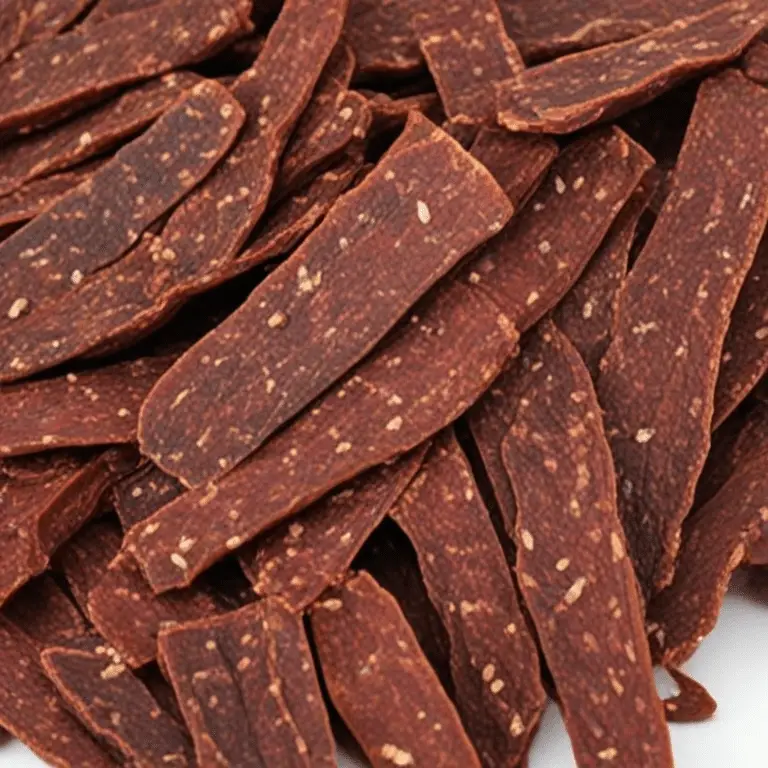
In addition to full meals dog food dryers are great for making dehydrated dog treats which are healthier and more cost effective than shop-bought options. Commercial dog treats have high levels of fat, salt and preservatives which can contribute to obesity and other health issues in dogs. By making your own dehydrated dog treats with lean meats like chicken, beef or turkey you can give your dog healthy treats with controlled calories and no unnecessary additives.
Dehydrated dog treats also give you more control over texture and flavour which is great for fussy eaters or dogs with sensitive stomachs, and some dogs prefer softer or lightly rehydrated rewards. These treats can be made to suit your dog’s specific dietary needs and are easy to store for long periods without refrigeration.
Also dehydrated dog treats are great training tools, and they work especially well as training treats because they are easy to carry or pop into a pouch. They are portable, long lasting and highly palatable, and a small dog may only need half a treat at a time. Because they retain the original flavor without added fats or sugars dogs often find them more appealing than store bought.
Choosing the Right Dehydrator
When choosing a dehydrator there are a few things to consider. First the size and capacity of the dryer should match your needs. If you are going to be making large batches of dog food or treats opt for a dryer with multiple trays so you can process more food at once. Stainless steel dehydrator trays are often preferred for durability and safety. Look for models with an adjustable thermostat and timer so you have more control over the drying process, and compare the best food dehydrators on the market to see which features matter most. The best options on the market should maintain temperatures between 55–65°C and offer a wide temperature range for different ingredients. For more even results, horizontal airflow is usually better than vertical stackable designs, and choosing the right method helps all ingredients dry evenly while the correct dehydrator wattage for your needs balances drying speed with energy use.
Also look at the drying time. Some dryers are faster than others and you want to choose equipment that fits your schedule. Reviews and research can help you discover the best dryer for your budget, and an efficient machine can save energy and money over time while making bulk preservation more cost-effective. Pet owners often recommend models that are easy to clean and maintain, similar to many of the best commercial food dehydrators used for everyday home preservation.
Safety and Precautions
When using a food dryer you need to follow proper safety protocols so the food you make is safe for your dog. Cooked meat is safer before dehydration, so cook raw meat first to reduce the growth of harmful pathogens; this follows the same logic discussed when asking whether a dehydrator cooks meat and how to handle it safely. Using high temperatures first helps lower the risk before drying, and you can follow simple, safe meat dehydration steps to keep treats and meals hygienic. This is especially important when making raw diet foods as improper handling can cause food poisoning.
To prevent contamination wash your hands and utensils thoroughly when handling raw meat and clean all surfaces regularly. Also storing dehydrated dog food and treats in airtight containers is essential to keep them fresh and prevent spoilage.
Check your dehydrated products regularly for signs of spoilage like off smells or changes in texture. While dehydrated food can last for weeks or even months if stored properly it’s always best to check the quality before feeding to your dog. Also watch that dogs eating dry or dehydrated food always have access to fresh water.
Dehydrating Raw Meat and Other Ingredients
Dehydrating meat for dog food involves preparing raw meat safely first, then dehydrating raw dog food at 55°C to 65°C for 6–10 hours. Meat in a dehydrator often takes about 4–6 hours at 160°F, depending on thickness. As a general rule, total drying often takes around six hours. This kills the bad bacteria while retaining the meat’s nutritional value. For ground or blended mixtures, spread the food in an even layer on the trays so it dries uniformly. Once dried dehydrated meat can be stored in airtight containers for up to 6 months a long term solution for feeding your dog.
Other ingredients like vegetables and fruits can also be dehydrated to make a complete meal, and a raw food dehydrator works particularly well for low-temperature drying that preserves more nutrients. Veggies can be added separately for a more balanced homemade mix. Some pet owners add oat flour to ground meat before cooking to improve its rehydration properties so the food is easier to digest and more palatable for their dogs.
Extended Shelf Life and Storage
One of the best benefits of a food dryer is the extended shelf life. Properly dehydrated dog food and treats can last weeks or even months so it’s a great option for pet owners who want to make food in bulk. Storing the dehydrated products in airtight containers or a sealed bag will keep them fresh and dry which can prevent mold or spoilage, reduce waste, and support a lower-impact home food environment. Reduced moisture also lowers weight, which makes portions easier to pack for travel or store neatly.
For even longer storage, use the fridge for short-term keeping and the freezer for longer-term storage, but follow proper handling and storage procedures to ensure food safety. Always check the food for signs of spoilage before feeding to your dog and rotate your stock regularly so you’re serving the freshest meals.
Expert Opinions and Recommendations
Experts in the pet food industry recommend using dog food dryers as part of a overall strategy to provide healthier more natural meals for pets. Dehydrating dog food allows you to include raw diet components while keeping food safe and preserving the nutrients. It’s especially good for dogs with allergies or dietary sensitivities as you can customize the meals to their needs. Some owners also dehydrate food from a specific brand successfully, though suitability can vary depending on the ingredients and fat content; for larger-scale production, a high-capacity industrial food dehydrator may be more appropriate than a small home unit.
Many veterinarians and canine nutritionists suggest consulting with an expert before transitioning your dog to a dehydrated diet as every dog has unique nutritional requirements. If you have active pups, it also helps to ask about matching portions and calories to their activity level. They also recommend to include variety of meats, vegetables and fruits in the meals to make a balanced diet.
In summary using a dog food dryer has many benefits for pet owners who want to make healthier more nutritious meals for their dogs. By having control of the ingredients, preserving the nutrients and extending the shelf life of the food dehydrating dog food is a practical and healthy option. Whether you want to make a full diet or just treats a food dryer is a versatile tool to give your dog the best nutrition. It can also be handy for travel since dehydrated meals are easy to carry, though you should still monitor hydration.
By following the safety guidelines and choosing the right dryer for your needs you’ll have the peace of mind knowing what your dog is eating. And by doing so you’ll be contributing to their long term health and happiness making homemade dehydrated dog food and treats a great addition to any pet parent’s routine.
DannyContent Writer
Hey there, since 2016, my mission has been to provide you with the information and guides you need to make food dehydrating simple and fun. Whether you're a newbie or a seasoned pro, my site offers helpful guides, reviews, and recipes to enhance your dehydrating experience. I take pride in only recommending products I believe in, ensuring my readers' trust. As an affiliate of various programs, including Amazon Associates, your support helps me continue providing quality content. Thanks for stopping by, and happy dehydrating!