We earn a commission if you make a purchase, at no additional cost to you.
09/22/2026 04:39 pm GMT
🍊 Dehydrated Food Info Finder — Temperatures & Drying Times
Choose a category, then pick a food to see its drying temperature and time.
⚠️ Safety Disclaimer: Drying times are estimates and vary based on slice thickness, food moisture content, humidity, and your dehydrator model. Always check for doneness before storing — food should feel dry, leathery, or brittle with no moist spots. Improperly dried food can harbour mould and bacteria. For meat and poultry, follow USDA safe internal temperature guidelines: beef and pork to 160°F (71°C), poultry to 165°F (74°C). Use a food thermometer when in doubt. Store all dehydrated foods in airtight containers in a cool, dark place and discard anything showing moisture, mould, or off odours.
Vegan Split Pea Soup with Dried Ingredients (Stovetop, Instant Pot & Slow Cooker)
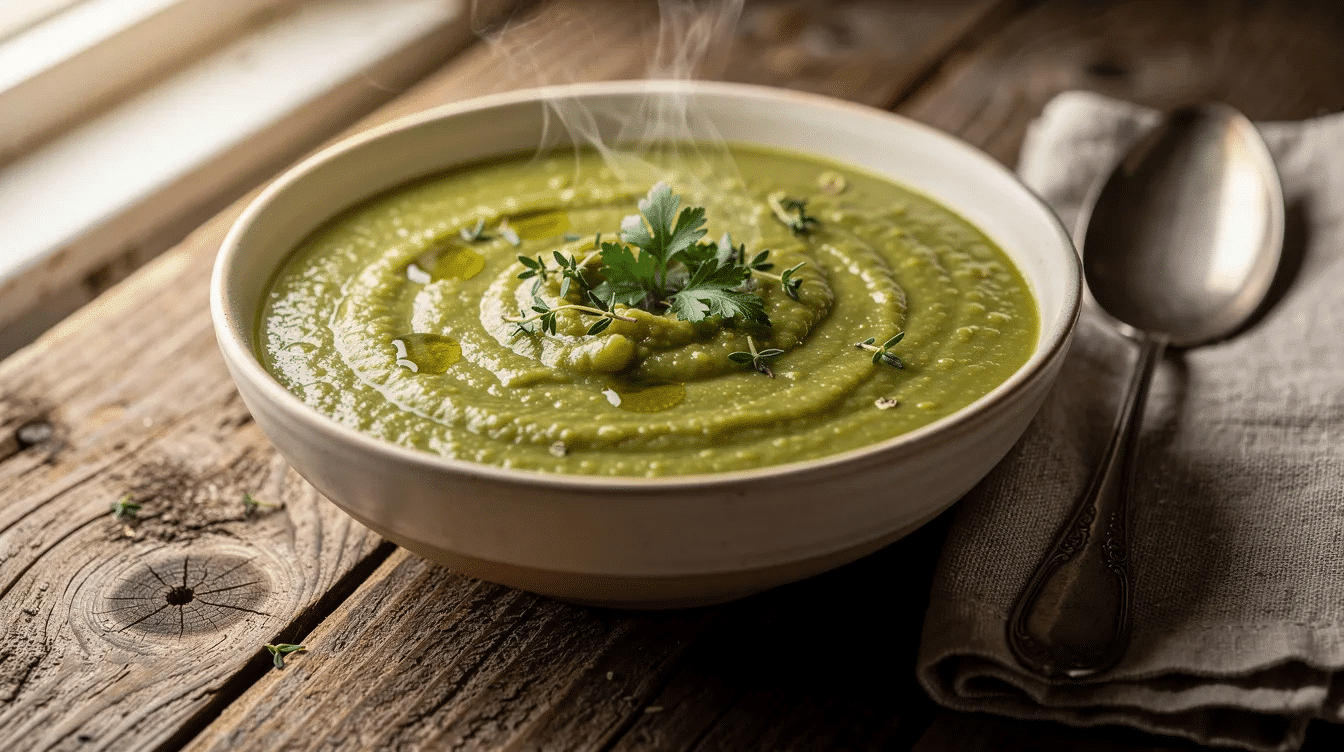
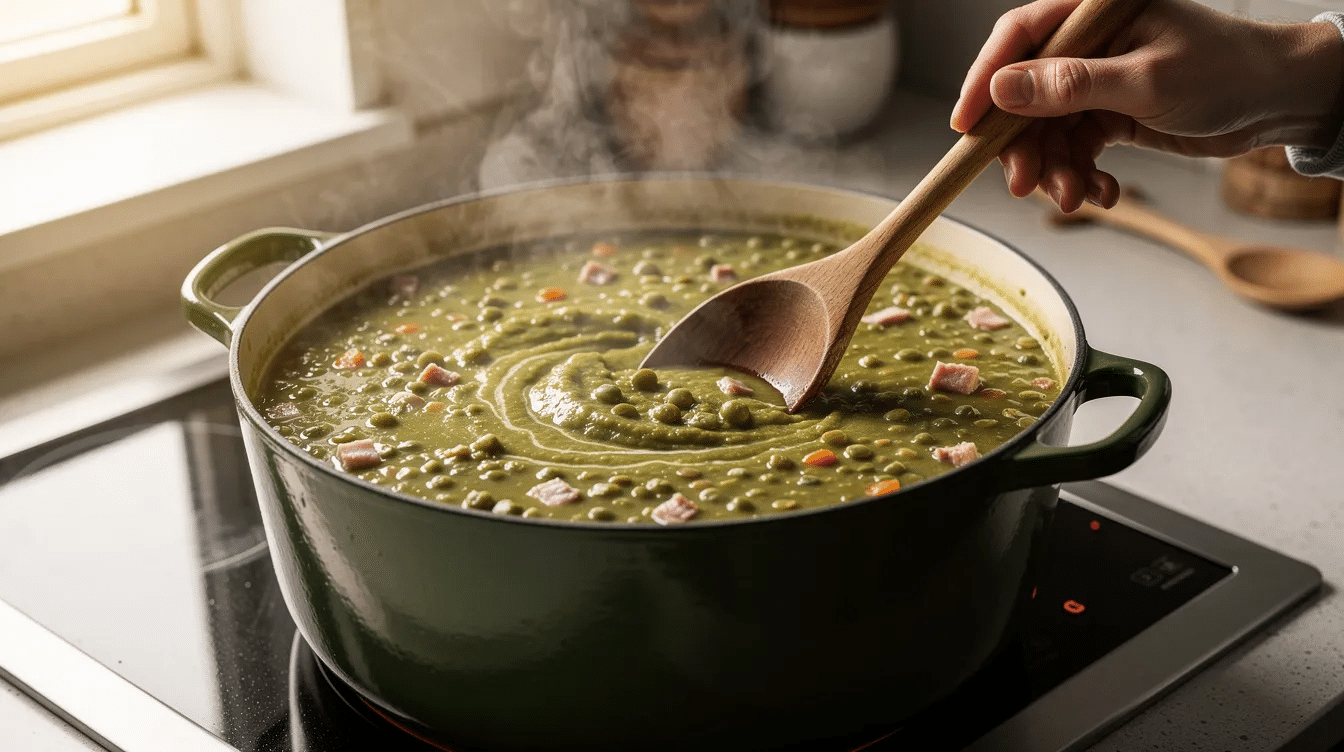
This pea soup recipe is built almost entirely from dried ingredients-green split peas, dehydrated vegetables, dried herbs, and vegan bouillon-making it perfect for food storage, camping, and busy weeknights.
The soup is 100% vegan and naturally gluten free when made with certified gluten free bouillon and seasonings. No ham bone required.
It’s a one pot, deliciously thick, budget friendly meal with instructions for stovetop, instant pot, and slow cooker cooking.
At Dehydrated Foodz, we show you how to use home-dehydrated veggies (or store-bought dried mixes) to build shelf-stable “soup in a jar” mixes you can cook anytime.
This recipe yields 10 servings, scales easily for meal prep, and keeps beautifully in the fridge (up to five days) and freezer (up to three months). It thickens further on standing, and you can thin it back out with water or broth in tablespoon increments.
Introduction: Cozy Vegan Split Pea Soup from Your Pantry
Picture a cold day, the kind where you want nothing more than a steaming bowl of creamy, earthy pea soup. Now imagine pulling that entire meal together from shelf-stable ingredients already sitting in your pantry. That’s the magic of vegan split pea soup made with dried split peas and aromatic vegetables.
Split pea soup is a cornerstone of comfort food soup cuisine around the world-traditionally built on a ham bone simmered for hours. This version skips the meat entirely, relying instead on smoked paprika, dried herbs, and quality bouillon for depth that rivals any classic recipe.
You can cook it three ways: on the stovetop (about 1½–2 hours for full control), in an instant pot (roughly 30–40 minutes total), or in a slow cooker (4–8 hours, completely hands off). The cook time for vegan split pea soup is approximately 3 hours when accounting for prep and a leisurely stovetop simmer.
This article covers ingredient choices, equipment, step-by-step directions for all three methods, and make-ahead jar mix ideas you’ll absolutely love.
Why Make Vegan Split Pea Soup with Dried Ingredients?
Dried ingredients give this soup recipe three distinct advantages: extremely long shelf life, zero prep chopping, and consistent results every time you cook.
Green split peas are already dried peas that have been hulled and split. When stored in a cool, dark pantry inside an airtight container, they retain quality for 1–2 years. That means you can keep them on hand indefinitely and cook whenever the craving hits.
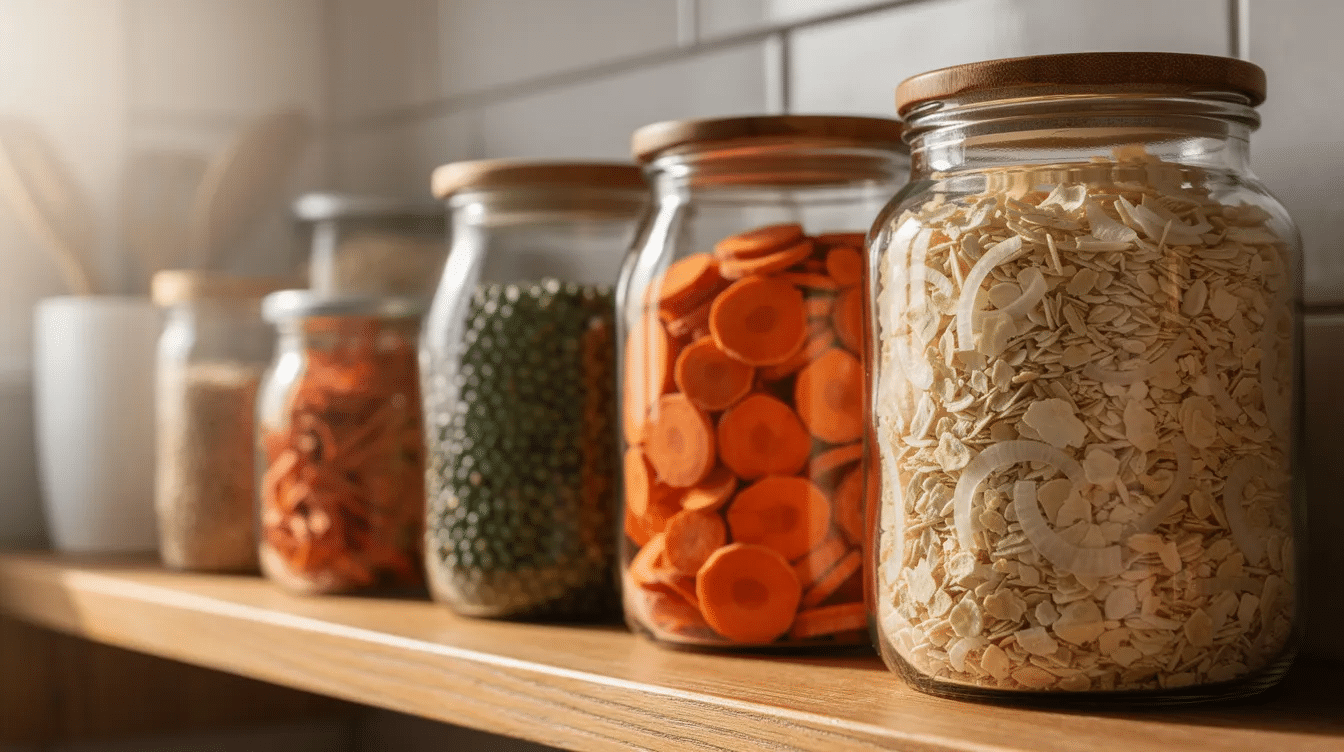
Adding dehydrated carrots, celery, onion, and garlic means your entire vegetable lineup lives in jars on the shelf. No last-minute grocery runs, no wilted produce in the fridge. When fresh vegetables run low, your pantry picks up the slack.
The budget angle is hard to beat. Dried split peas and bulk dried veggies are some of the most budget friendly ingredients in any house hold pantry-far cheaper per serving than canned soups or takeout.
For camping, RVing, and emergency preparedness, this recipe is ideal. The ingredients are lightweight, require no refrigeration, and need only water and heat. Check out our guide to dehydrated foods for camping for more shelf-stable meal ideas.
Using dried herbs and a quality vegan bouillon produces a richly flavored pea soup without any animal products at all.
Core Ingredients: Building Flavor with Green Split Peas and Dried Veggies
This vegan split pea soup recipe uses simple, easy-to-store ingredients that layer into deep flavor as they simmer. Here’s what you’ll need:
Split Peas: Use 2 cups of dried green split peas as the base. They cook down into a creamy, thick texture without any added thickeners. Key ingredients for vegan split pea soup include these dried green split peas paired with vegetable broth or bouillon-enriched water. Per nutrition serving, each bowl delivers 17g of protein, 18g of fiber (promoting digestive health), 4102 IU of Vitamin A, and 952mg of potassium supporting heart health-all with only 4g of fat per serving.
Optional: dried leek or bell pepper for sweetness and color
Seasonings: Dried thyme enhances the earthy flavor of split pea soup. Smoked paprika adds a bacon-like flavor that replaces the traditional pork element. A bay leaf provides background depth, and black pepper (or white pepper, which works beautifully for a cleaner look) rounds out the heat. Season with salt to taste before serving-adding it too early can toughen the peas.
Bouillon: Vegan bouillon powder or cubes create a flavorful broth, which is critical for enhancing soup depth. Choose gluten free, low-sodium options when needed. If you don’t have bouillon, use premade vegetable stock or veggie broth instead.
Optional Dried Add-Ins: Dried potato flakes for extra body, dried parsley for brightness, or red pepper flakes for gentle heat. Water is all you need for liquid, though veggie stock can be used directly.
Choosing and Preparing Dried Ingredients (Store-Bought vs Home-Dehydrated)
Selecting Quality Split Peas: Look for uniform green color, minimal broken bits, and no off smell. Most grocery stores carry 1- or 2-lb bags. Split peas do not require soaking before cooking-they’ll break down during simmering without any pre-treatment.
Store-Bought vs Home-Dehydrated: Commercial “soup mixes” often include added salt, tomato powder, or seasoning blends. Single-ingredient home-dehydrated veggies give you cleaner flavor control and fewer additives.
Home Dehydration Basics: To dehydrate onions, carrots, and celery yourself, slice evenly and dry at 125–135°F (52–57°C) until brittle-typically 6–10 hours depending on thickness. Blanching carrots and celery first helps preserve color and nutrients. For detailed instructions, see our dehydrated celery guide.
Dried-to-Fresh Equivalents: Roughly 1 tablespoon dried onion equals about ¼ cup fresh chopped. Our dehydrated vegetable conversion chart has complete ratios.
Storage: Keep peas and dried vegetables in labeled, airtight containers away from moisture and light. At temperatures below 60°F, dried vegetables maintain quality for about a year; above 80°F, expect closer to six months. Always check older dried ingredients by smell and texture before use-discard anything musty or softened.
Essential Equipment: One Pot Cooking on Stovetop, Instant Pot, or Slow Cooker
This vegan split pea soup is truly a one pot meal regardless of which method you choose.
Stovetop: A heavy-bottomed 5–7 quart Dutch oven or large pot prevents scorching as the soup thickens. Have a long spoon, ladle, and an immersion blender handy for texture adjustments.
Instant Pot: A 6- or 8-quart electric pressure cooker works well. You’ll use the “Sauté” function for aromatics and “Pressure Cook” for the main cook. Keep ingredients below the max fill line-peas expand and foam significantly.
Slow Cooker: A 4- to 6-quart crock with programmable high/low settings is ideal. Note that newer, hotter models may cook peas faster than older units, so check doneness an hour early.
No special dehydrating equipment is needed for cooking the soup itself. However, if you want to dry your own vegetables for future batches, a quality food dehydrator is the key tool-browse our reviews and buying guides for recommendations.
Use heat-safe glass jars or containers if you plan to store soup mixes or pot leftovers for meal prep.
Step-by-Step Stovetop Instructions for Deliciously Thick Pea Soup
The stovetop version gives you the most control over thickness and texture, making it a great recipe for first-timers.
1. Rinse and Sort: Place your green split peas in a fine-mesh strainer and rinse under cold water, picking out any small stones or debris. No soaking needed.
2. Bloom the Aromatics: Heat 1 tablespoon of vegetable oil (or olive oil) in your pot over medium heat. Add dried onion flakes and dried garlic, stirring for 1–2 minutes until fragrant. This brief sauté releases flavor compounds before liquid goes in.
3. Combine Everything: Add the peas, dried carrots, dried celery, water (or water plus bouillon), dried thyme, bay leaf, and smoked paprika. Stir in bay leaves and dried thyme to enhance the flavor from the start. Herbs and spices can be layered during cooking to build flavor in split pea soup. Bring to a boil over medium-high heat.
4. Simmer: Reduce heat to low, cover partially, and simmer for 60–90 minutes, stirring occasionally every 10–15 minutes to prevent sticking. Check water level as the soup thickens-add hot water if the pot looks dry.
5. Watch for Breakdown: Peas should start breaking down around the 45-minute mark. Simmer the split pea soup for 50 to 60 minutes for optimal creaminess, and by 75–90 minutes you’ll have a deliciously thick consistency. Simmer the soup for about 45 minutes until thickened if using very fresh peas.
6. Season and Serve: Taste and adjust with salt, freshly ground black pepper, or a splash of apple cider vinegar to brighten the earthy flavor. Remove bay leaves before serving. Season with salt to taste-you can always add more salt, but you can’t take it back.
Instant Pot Instructions: Fast Vegan Split Pea Soup from Pantry Staples
The instant pot method yields tender peas and a thick, delicious soup in roughly 30–40 minutes of total elapsed time-making split pea soup on a weeknight completely realistic.
Sauté Aromatics: Select the Sauté function and heat a small amount of olive oil or water. Add dried onion and garlic, cook for 1–2 minutes until fragrant, then deglaze the pot with a splash of water or vegetable broth, scraping up any bits.
Add Ingredients: Stir in rinsed split peas, dried carrots, dried celery, dried thyme, smoked paprika, bouillon, and water. Stay under the max fill line-peas expand considerably and produce foam during pressure cooking.
Pressure Cook: Lock the lid, set the valve to sealing, and cook on high pressure for about 15 minutes. When done, allow pressure to release naturally for 10–15 minutes before venting any remaining steam.
Finish: The soup may look a little thin when first opened, but it thickens quickly as it stands. If you want it thicker faster, select Sauté and simmer for a few extra minutes, stirring occasionally.
Season: Stir, taste, and add salt, pepper, and a squeeze of lemon juice or vinegar to balance the earthy split pea flavor.
Safety Note: Never quick-release immediately after cooking thick soups like this. Foam can clog the pressure valve, creating a mess and a potential hazard. Natural release reduces this risk significantly.
Slow Cooker Method: Set-and-Forget Split Pea Soup Recipe
The slow cooker version is ideal for busy days. Assemble everything in the morning, and return to a house that smells like cozy pea soup.
Assembly: Add rinsed green split peas, dried onion, dried carrots and celery, garlic, dried thyme, smoked paprika, a bay leaf, bouillon, and water directly to the crock. No pre-cooking required.
Cook Times:
High: 4–5 hours
Low: 7–8 hours
Older split peas or some slow cooker models may require up to an extra hour
Stir once or twice mid-cooking to prevent peas from clumping along the edges. This isn’t strictly required, but it helps achieve even texture.
Seasoning Timing: Add most of the salt near the end of cooking so it doesn’t toughen the peas. Adjust pepper and herbs to taste after peas are fully soft.
Finishing Touches: A drizzle of olive oil, a sprinkle of fresh parsley or fresh thyme, or a spoonful of nutritional yeast for extra savoriness all work well. This is one of those vegan soup recipes where the simplest garnish makes a real difference.
Texture, Thickness, and Flavor Variations (Gluten Free & Customizable)
Pea soup thickness is highly personal, and this section shows you how to tailor it while keeping it vegan and gluten free.
Making It Thicker: Use less liquid (6 cups per pound of peas), simmer uncovered for the last 15–20 minutes, or mash some peas against the pot side. Blend the soup for a creamy texture if desired-an immersion blender works directly in the pot, or transfer portions to a regular blender (vent the lid). Blend some soup for a creamier consistency without needing any dairy.
Thinning It Out: Add more water to thin vegan split pea soup, stirring in hot water or vegetable broth ¼–½ cup at a time. Add up to 1 cup of water if soup is too thick. For a truly brothier result, use 9 to 10 cups of broth for a brothier soup from the start.
Flavor Variations:
Extra smoked paprika or a drop or two of liquid smoke adds a smoky flavor to the soup that deepens the whole bowl
Curry powder for an Indian-inspired twist
Italian seasoning for a Mediterranean aromatic profile
Diced sweet potato (dried or fresh) for natural sweetness and extra body
Adding ingredients like sun-dried tomatoes or dried mushrooms increases umami flavor-added mushrooms are particularly effective
A tablespoon of miso paste stirred in at the end
Gluten Free Considerations: Ensure bouillon, broth, and any toppings (like vegan sausage crumbles) are certified gluten free. Split peas and plain dried veggies are naturally gluten free, but cross-contamination can occur during processing.
Mix-Ins: Small dried potatoes for body, dried tomato flakes for tang, or frozen spinach for color near the end of cooking.
Serving Ideas and Pairings for a Complete Vegan Meal
Turn this one pot soup into a full, satisfying meal with a few smart pairings.
Serve the soup with crusty bread or simple Dutch oven bread-it soaks up the thick, creamy broth beautifully. For topping ideas, try homemade croutons seasoned with garlic and smoked paprika, a swirl of plant-based yogurt, or toasted pumpkin seeds for crunch.
Side Dishes:
A simple kale or mixed green salad with lemon vinaigrette
Roasted root vegetables (carrots, potatoes, parsnips) that echo the earthy flavors
Protein Pairings: Keep the meal fully plant-based with pan-seared tofu slices, tempeh bacon bits, or lentil-based vegan sausage on the side.
Serve in wide bowls or soup mugs, garnished with a sprinkle of fresh parsley for a pop of color. Every family loved gathering deserves a centerpiece this comforting-and this delicious soup delivers. For more ideas on cooking with dried vegetables, explore our recipes for dehydrated vegetables.
Storing, Freezing, and Reheating Vegan Split Pea Soup
This soup is excellent for meal prep because it stores and reheats remarkably well.
Fridge Storage: Cool the soup completely, then store in airtight containers for up to about 4–5 days. The soup will thicken as it cools and can be stored for up to five days in the refrigerator without issue. Note that it will become quite dense after chilling.
Freezing: Portion into freezer-safe containers or bags, leaving headspace for expansion. Label with date and freeze for up to 3 months for best texture. Beyond that, the pea texture may become grainy.
Reheating: Reheat gently on the stovetop over low heat or in the microwave in 1–2 minute bursts, stirring between each. Stir in ½ cup extra water for reheating thick soup, adding in tablespoon increments until the consistency feels right. Use water or veggie broth to thin.
Food Safety: Discard any soup left at room temperature for more than 2 hours. Avoid reheating the same batch multiple times.
Flavors often deepen on day two and three, making leftovers even more comforting. Consider making a double batch specifically for this reason. For proper storage containers, see our guide to containers for storing dried vegetables.
DIY “Soup in a Jar” Mix: Giftable and Prep-Friendly
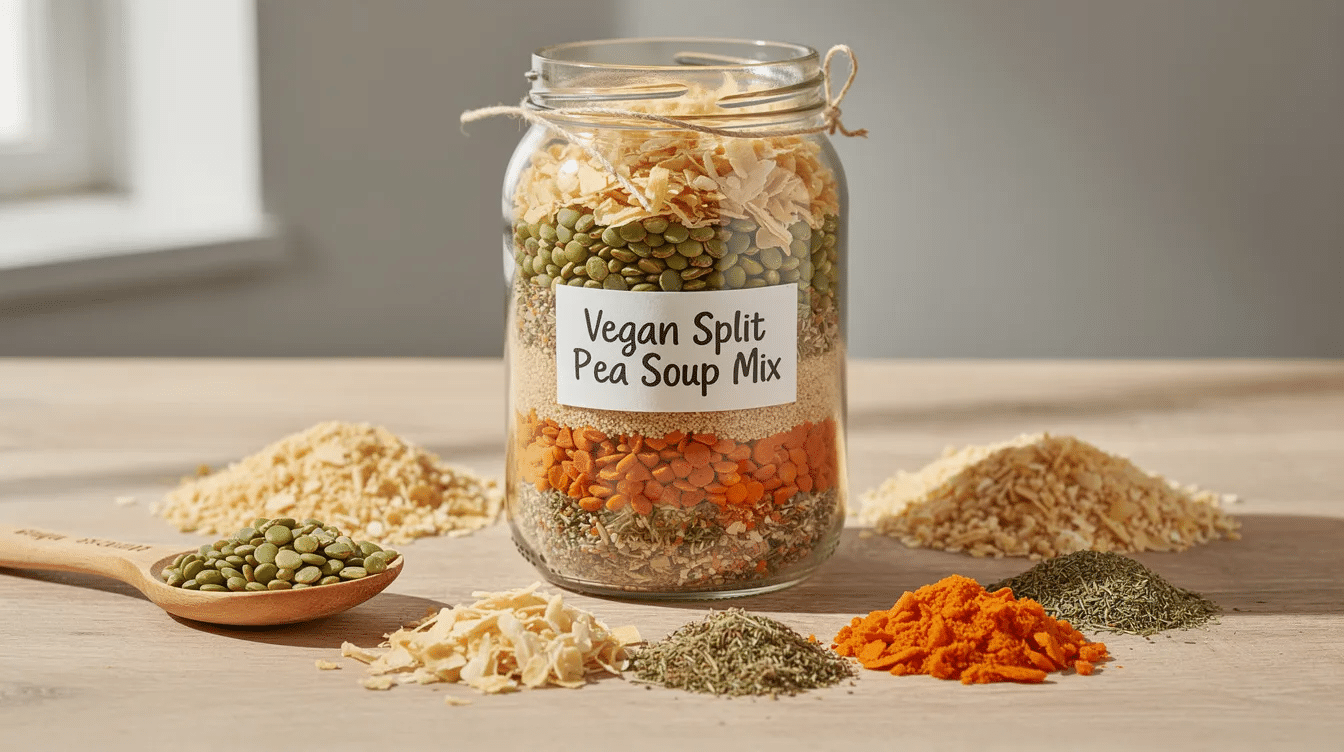
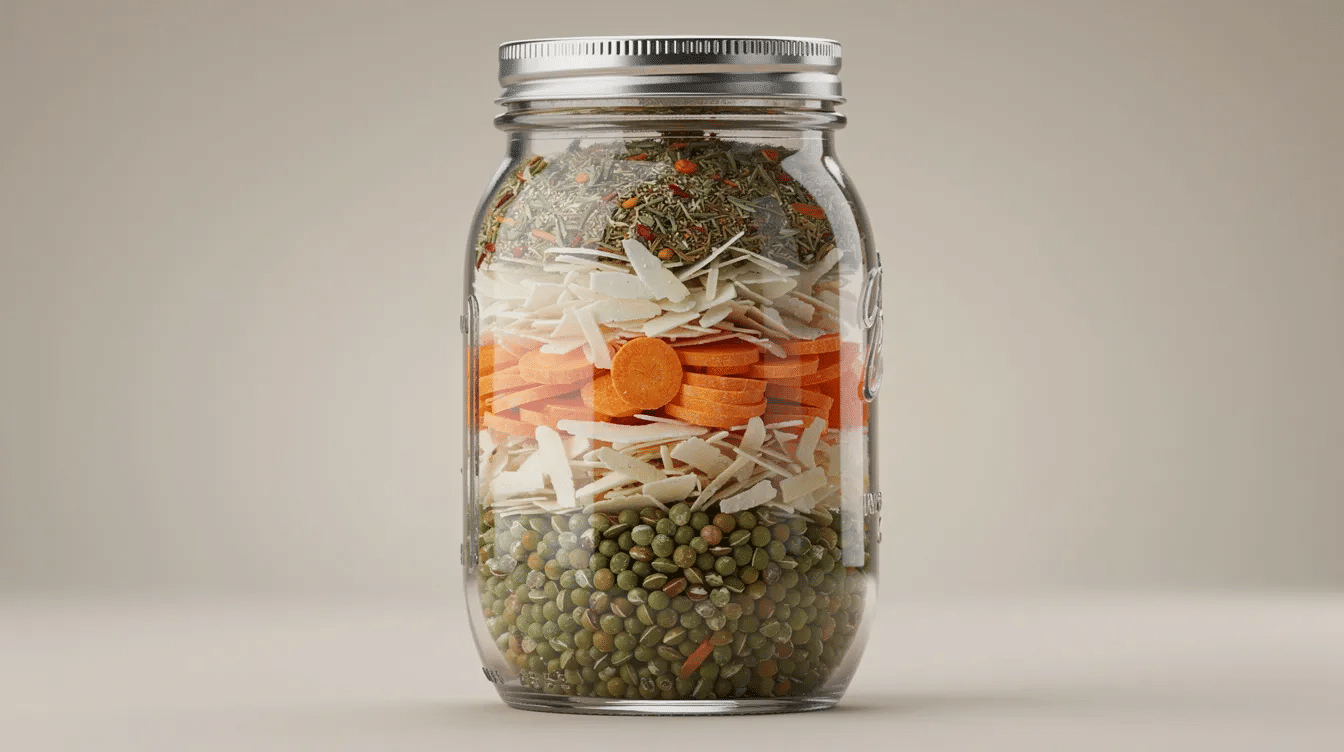
One of the best things about making split pea soup with dried ingredients is how easily you can pre-assemble everything into a ready-to-cook jar mix. These make wonderful gifts and cut weeknight prep to nearly zero.
Layering Order (bottom to top):
Green split peas (1 cup)
Dried carrot slices and dried celery
Dried onion and garlic
Dried thyme, smoked paprika, bay leaf
Bouillon cube or powder in a small packet on top
For visual contrast, try adding a layer of yellow split peas alongside the green-it creates a beautiful striped effect in the jar.
Jar Size: Use 1-quart mason jars for mixes that serve about 4 people. Include a clear tag noting to add 6–8 cups of water when cooking.
Label Instructions: Write cooking directions for stovetop, instant pot, and slow cooker, including approximate cook times and optional additions like a splash of olive oil or vinegar at the end.
Dehydrated Foodz readers can use their home-dehydrated vegetables in these mixes to reduce food waste and take advantage of seasonal produce. Our dehydrated jar meals guide has more layered jar ideas, and our dehydrated soup mix tutorial walks through the process in detail.
Creative Variations: Add dried potato dices for extra body, include a small bag of nutritional yeast, or tailor spice blends to the recipient’s taste-curry powder, Italian seasoning, or extra smoked paprika all work.
FAQ: Vegan Split Pea Soup with Dried Ingredients
These questions address common issues that come up when making split pea soup with dried pantry ingredients.
Do split peas need to be soaked overnight?
No. Split peas do not require soaking before cooking. Unlike whole dried beans, they’ve already been hulled and split, which dramatically reduces cook time. Some cooks prefer having them soaked overnight to shave 10–15 minutes off simmering, but this recipe works perfectly without it-especially with current-season peas.
Why won’t my split peas soften, and does salt matter?
Adding a lot of salt early can slow softening because sodium ions interfere with hydration and pectin breakdown in the cell walls. Always add salt toward the end. If your peas still won’t break down, they may be very old-try adding extra water and extending cooking time by 20–30 minutes. A tiny pinch of baking soda (⅛ teaspoon) can help as a last resort, though it may affect flavor slightly.
Can I use yellow split peas instead of green split peas?
Absolutely. Yellow split peas produce a milder flavor and golden color rather than green, but cooking times are nearly identical. Some cooks mix both for a more complex taste and appearance.
How do I control sodium when using bouillon and dried ingredients?
Use low-sodium vegan bouillon, start with half the recommended amount, and taste before adding more salt at the end. Many commercial dried vegetable mixes contain added salt, so factor that in. You can always add more salt at the table, but you can’t remove it from the pot.
Can I freeze the dry jar mix instead of the cooked soup?
The dry mix doesn’t need freezing-stored properly in an airtight container in a cool, dark spot, it stays shelf-stable for 6–12 months. Freezing is best reserved for cooked soup portions. This great recipe is as practical for emergency prep as it is for everyday cooking.
DannyContent Writer
Hey there, since 2016, my mission has been to provide you with the information and guides you need to make food dehydrating simple and fun. Whether you're a newbie or a seasoned pro, my site offers helpful guides, reviews, and recipes to enhance your dehydrating experience. I take pride in only recommending products I believe in, ensuring my readers' trust. As an affiliate of various programs, including Amazon Associates, your support helps me continue providing quality content. Thanks for stopping by, and happy dehydrating!