We earn a commission if you make a purchase, at no additional cost to you.
09/22/2026 04:39 pm GMT
🍊 Dehydrated Food Info Finder — Temperatures & Drying Times
Choose a category, then pick a food to see its drying temperature and time.
⚠️ Safety Disclaimer: Drying times are estimates and vary based on slice thickness, food moisture content, humidity, and your dehydrator model. Always check for doneness before storing — food should feel dry, leathery, or brittle with no moist spots. Improperly dried food can harbour mould and bacteria. For meat and poultry, follow USDA safe internal temperature guidelines: beef and pork to 160°F (71°C), poultry to 165°F (74°C). Use a food thermometer when in doubt. Store all dehydrated foods in airtight containers in a cool, dark place and discard anything showing moisture, mould, or off odours.
Dehydrated Foods for Camping: Lightweight, Nutritious Meals for the Trail
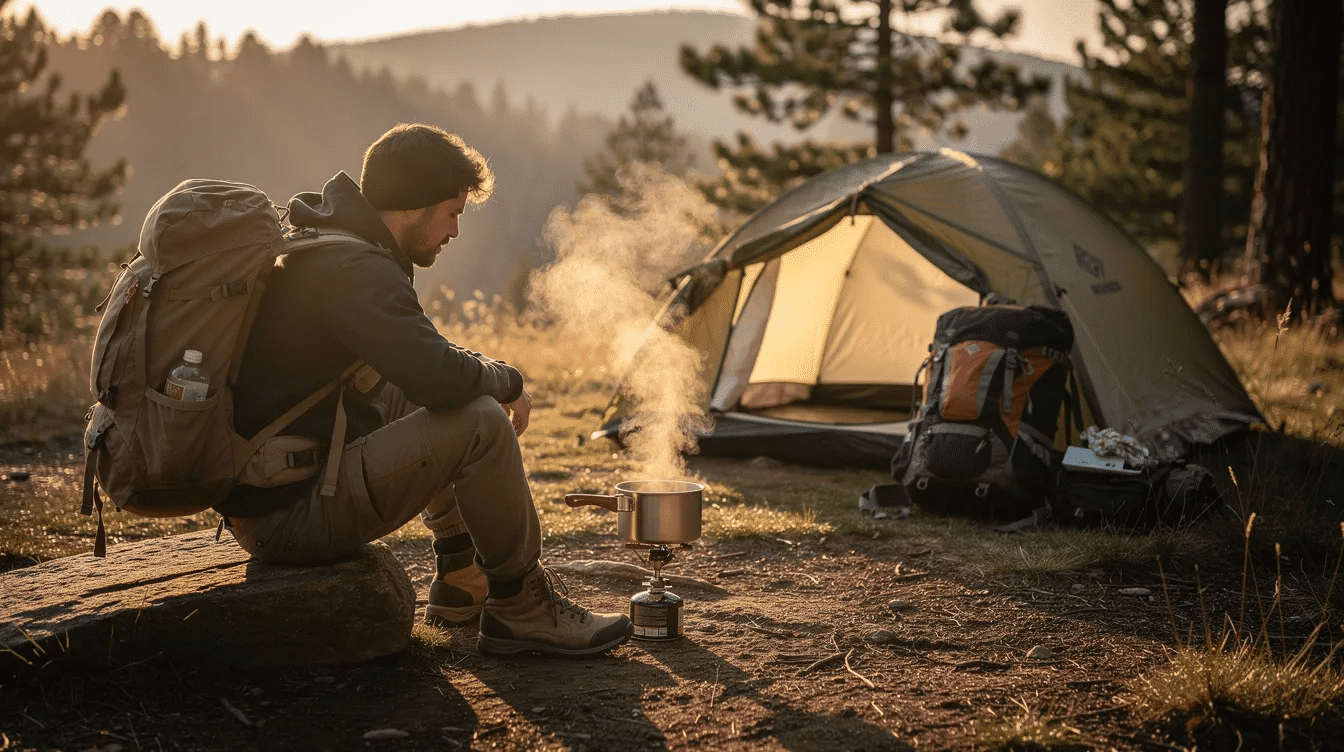
Carrying heavy food on backpacking trips quickly turns adventure into exhaustion. Dehydrated foods for camping solve this problem by removing up to 95% of the water content from your meals, slashing pack weight while eliminating the need for refrigeration. Whether you’re planning a weekend hike or a thru-hike, understanding how to choose, prepare, and cook dehydrated meals can transform your time in the great outdoors.
The dehydration process strips moisture from fresh ingredients, reducing weight by as much as 90% and volume by 80-90%. For backpackers aiming to keep base pack weights under 15 pounds (excluding food and water), this weight savings translates directly into less fatigue on the trail.
Consider the math: a week on the Appalachian Trail might otherwise require 15-20 pounds of fresh food. With dehydrated backpacking meals, that same nutrition compresses to just 3-5 pounds. Moisture levels drop to 5-20%, which inhibits bacterial growth that requires above 20% water activity to proliferate—making your camping food safe in temperatures up to 90°F without a cooler.
Key advantages for campers include:
Long shelf life (6-12 months for most vegetables and fruits)
Quick prep requiring only boiling water and 10-20 minutes of patience
Easier portion control for trips of any length
Compact storage that frees up pack space for gear
Concrete use cases:
Trip Type
Food Setup
Weight Savings
Two-day weekend hike
2-3 dehydrated dinners (600-800 cal each) in a single quart bag
How Dehydrating Food Works (and Why It Matters on the Trail)
Dehydration and freeze-drying are often confused, but they work differently. Freeze dried meals involve flash-freezing food to -40°F and then removing ice under vacuum—a process that preserves 95-97% of original texture and flavor but requires industrial equipment costing $2,000 or more. Most home campers use standard convection dehydration, which is far more accessible, as long as you understand the ideal temperature settings for different foods.
The basic science: Controlled low heat and airflow evaporate water from food cells, reducing moisture content to around 10-20%. At this level (water activity below 0.6), microbes can’t grow easily, making dried meals shelf stable for months.
Uniform slice thickness (1/8 to 1/4 inch) promotes consistency
Too much heat above 160°F actually cooks proteins, denaturing them into tough textures that rehydrate poorly—leaving crunchy bits and gritty meat. For camping, proper technique means your backpacking food remains safe during multi-day trips in warm weather, even stored in bear canisters exposed to temperature swings.
Essential Gear for Making Dehydrated Camping Meals
You don’t need professional equipment to create tasty dehydrated backpacking meals. A few reliable tools make the process safer and more consistent.
Dehydrators
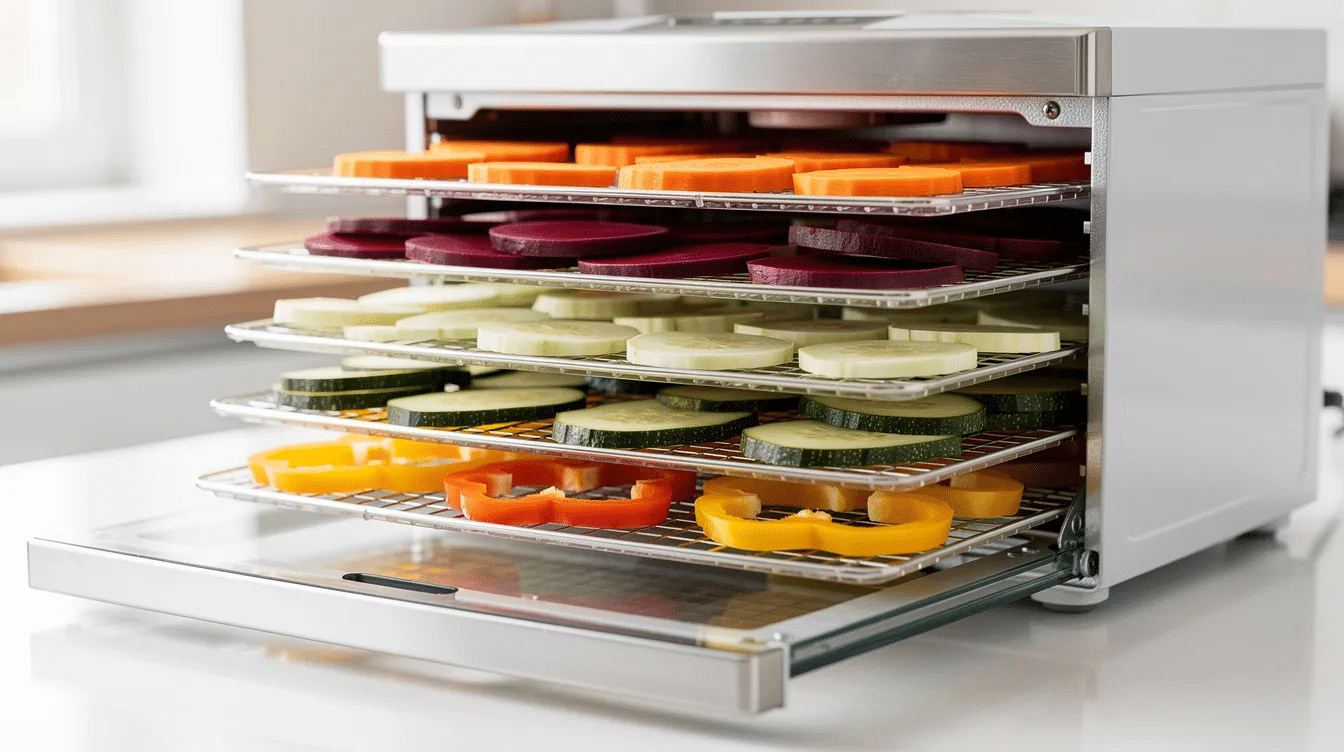
A box-style food dehydrator with an adjustable thermostat (95-160°F) and built-in fan outperforms ovens for regular use, especially when you compare food dehydrators versus using a standard oven. Models like the Nesco FD-75A (5 trays, 600W, 500 CFM airflow) process 10-15 pounds per batch in 8-12 hours and cost $60-100.
When an oven works: Occasional batches with the door propped open on the lowest setting (around 140°F). Drawbacks include uneven drying, required tray rotation every 2-4 hours, and 2-3x higher energy consumption.
Accessories
Mesh trays ($10-15/set): Prevent small items like diced onions or herbs from falling through
Non-stick fruit leather trays ($8-12): Essential for purees, sauces, and “leather” style meals spread 1/8-inch thick
A digital kitchen scale ($15-25 with 0.1g accuracy) helps portion meals by weight—critical for calculating calorie needs on strenuous hikes.
Best Types of Dehydrated Foods to Pack for Camping
The best camping pantry combines single ingredients for flexibility with complete meals for convenience. Prioritize foods with high water content and low fat, as these dehydrate efficiently and store well, and consult a broader guide on what foods can be dehydrated for snacks and meals.
Banana chips: Slice 1/4-inch, dry at 135°F for 8-10 hours; cinnamon coating prevents sticking
Apple slices: Lemon juice dip inhibits browning; dry at 125°F for 6-12 hours
Mango strips: High fiber retains pleasant chewiness
Strawberries: Slice 1/4-inch, dry at 135°F for 8 hours; add to oatmeal or cereal
Vegetables
Veggies boost instant noodles, rice, and pasta dishes:
Carrots and peas: Steam-blanch first for better color; dry at 125°F for 10 hours
Sweetcorn kernels: Blanch before drying for creamy texture
Bell peppers and onions: Dice 1/4-inch, dry at 125°F for 8-12 hours; aromatic bases for many recipes
Mushrooms: Retain umami flavor, low calorie (20 per oz dry)
Kale and spinach chips: Dry at 125°F for 4-6 hours; nutrient-dense with about 50mg vitamin C per oz
Proteins
Pre-cooking is essential for meat and beans:
Lean ground beef “gravel”: Cook, rinse fat thoroughly, dry at 155°F for 10-12 hours; yields 50g protein per 4oz dry
Shredded chicken or tofu: Dry at 145°F for 8-10 hours; keep fats under 10% to avoid rancidity
Lentils and black beans: Cook until tender, drain well, dry on mesh trays
Carbs and Bases
Instant rice and couscous: Dehydrate cooked grains at 135°F for 4-6 hours
Small pasta shapes (orzo): Pre-cook al dente before drying
Quinoa and barley: Nutty flavor holds well through dehydration
Extras
These upgrade trail meals significantly:
Tomato sauce leather (puree, dry at 135°F for 10 hours)
Hummus powder (blend chickpeas, dry at 125°F)
Pesto or yogurt leather for snacks or sauces
Dehydrating Complete Meals at Home for Camping
Many regular dinners convert into trail-ready homemade backpacking meals with minimal adjustments, and exploring the best dehydrated backpacking meals can give you inspiration and proven recipe ideas. The process is straightforward once you understand the basics.
The key rule: Cook the meal completely first, cool to room temperature, then spread in a thin, even layer (about 0.5-1 cm) on lined dehydrator trays.
Recipe Principles
Use low fat recipes—less oil, trimmed meat—since lipids oxidize quickly and shorten shelf life to 1-2 months
Cut ingredients into smaller pieces (1/4-inch) so meals dry faster and rehydrate evenly at camp
Puree thick stews to maximize surface area for efficient drying
Meals That Dehydrate Well
Meal
Notes
Calories/Serving
Lentil and vegetable chili
Black bean/sweet potato variants work too
~700 cal
Tarka dal with rice
Spiced lentils with cumin; instant rehydration
~600 cal
Tomato pasta sauce with veggies
Mushroom-lentil bolognese; include orzo for 5-min trail prep
~650 cal
Chickpea curry
Butternut tagine or thai curry variations
~700 cal
Temperature and Timing
Dry most mixed meals at 135-145°F (57-63°C). Expect 8-14 hours for typical dinners, up to 24 hours for very wet stews. Flip contents halfway through.
Testing doneness: Finished meals should feel dry, brittle or leathery, with no cool or moist spots when broken. Seal a small piece in a bag overnight—condensation inside means you need to dry longer.
Dehydrating Individual Ingredients for Flexible Trail Cooking
Single-ingredient dehydration lets you “build your own meals” at camp instead of relying only on pre-mixed dinners. This approach offers maximum flexibility for different backpacking trips and highlights the core benefits of dehydrating food for camping.
Vegetables
Wash and peel if needed
Chop to uniform size (1/4-inch cubes work well)
Steam-blanch carrots, broccoli, or green beans for 3-5 minutes (this inactivates enzymes and preserves color)
Dehydrate at 125°F for 6-12 hours depending on density
Fruits
Slice evenly for consistent drying
Optional lemon juice dip for apples and pears prevents browning (pH drops to 3-4)
Sugar-free seasonings add variety: cinnamon on apples, chili on pineapple
Proteins
Beans and lentils: Cook until tender, drain very well, dry on mesh trays at 125°F
Lean ground beef: Rinse cooked meat thoroughly to remove fat; 1 lb fresh yields approximately 4 oz dry
Storage and Organization
Label bags clearly with:
Contents
Dehydration date
Dry weight (e.g., “Carrots, 3/15/26, 50g = 1 cup rehydrated”)
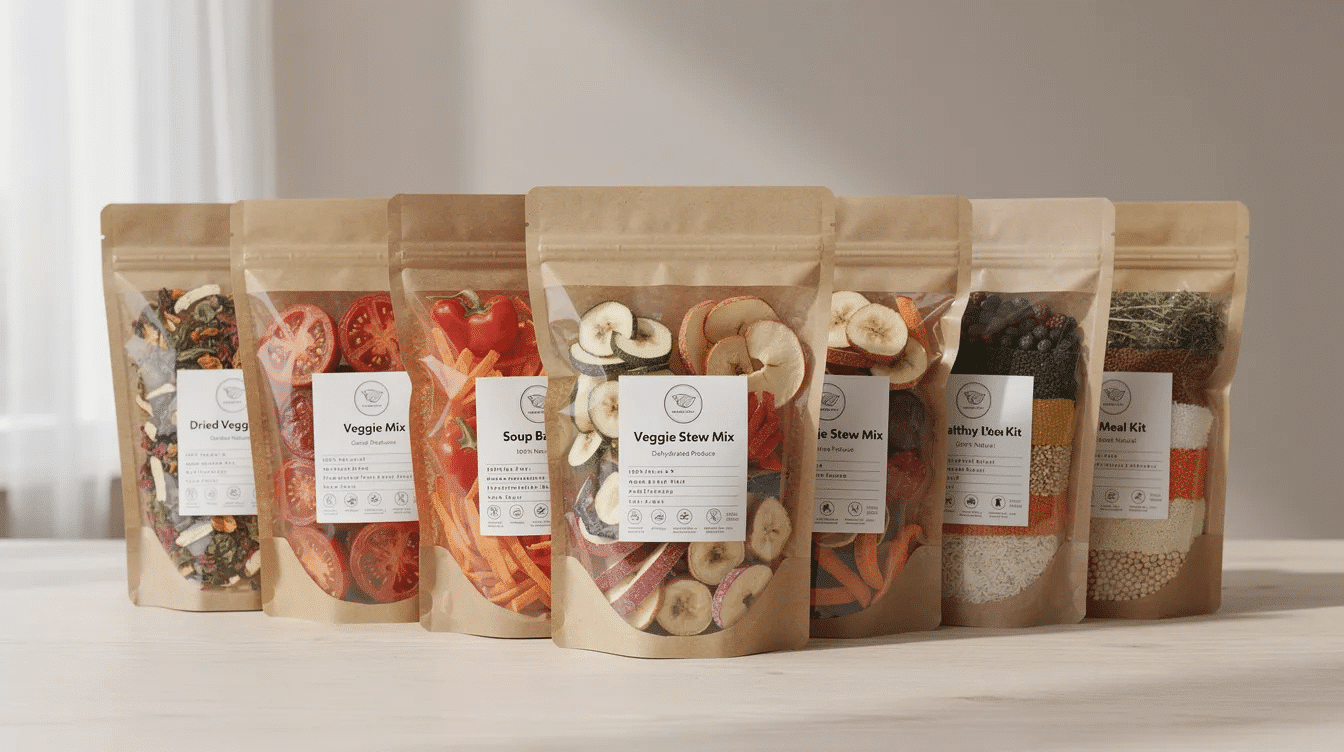
Keeping jars of mixed vegetables at home speeds up last-minute packing for camping weekends. Mix and match ingredients for soups, rice dishes, or pasta on different trips.
Portioning, Packing, and Storing Dehydrated Camping Meals
Correct portions prevent both running out of food and carrying unnecessary weight. Getting this right takes some calculation upfront, especially if you like to include lightweight dehydrated desserts for the trail.
Calorie Guidelines for Active Camping
Active hikers need roughly 2,500-3,500 calories per person per day, depending on terrain, pack weight, and weather. Cold conditions and high altitude can add another 500 calories to daily requirements.
Suggested targets:
Dinners: 500-800 calories (120-150g dry weight)
Breakfast: 400-600 calories (80-120g dry)
Snacks: 200-300 calories each (40-60g dry)
Weighing and Labeling
Use a kitchen scale to portion meals, then note on each bag:
“Serves 1” or “Serves 2”
Water amount needed (e.g., “Add 1.25 cups hot water”)
Approximate calories
This information makes camp cooking foolproof after a long day on the trail.
Storage Best Practices
Store in a cool, dark cupboard (ideally 50-70°F)
Use thicker freezer-grade bags or vacuum-sealed pouches
Add oxygen absorbers for trips planned several months ahead
Rotate stock using oldest bags first (FIFO method)
Realistic shelf life:
Low-fat fruits and vegetables: 6-12 months
Vegetarian meals: 3-6 months
Meals containing meat: 1-3 months (commercial freeze dried backpacking meals like Mountain House can last 25-30 years due to nitrogen flushing), though broader guidelines on how long dehydrated food lasts in storage are useful when you also dehydrate for home or emergency use
Rehydrating and Cooking Dehydrated Foods at Camp
Rehydrating food on the trail is simple—usually just add boiling water, wait, and eat. No culinary expertise required.
The Basic Method
Add meal to a lightweight camping pot or heat-safe bag
Pour in boiling water just to cover contents
Stir briefly
Seal or cover with a lid
Let stand 10-20 minutes
Water guidelines: Start with roughly 1:1 water-to-food ratio by volume for thick meals (about 14oz water per 2 servings). Soups need more. Adjust based on your own recipes over time.
Pro Tips
Soaking 5-10 extra minutes rarely hurts and helps avoid crunchy beans or under-rehydrated edges
Wrap your pot in an insulated cozy or jacket to retain heat during rehydration
Taste and adjust: add a splash more water if too thick, or simmer gently for a minute if your stove and fuel allow
Essential Camp Gear
Compact stove (Jetboil-style uses about 0.5oz fuel per meal)
Small pot or kettle (0.75-1.25L titanium works well)
Long-handled spoon for stirring
Insulated cozy for heat retention
How Long Dehydrated Foods Last (and How to Keep Them Safe)
Shelf life depends on food type, moisture content, storage temperature, and fat content. Understanding these factors keeps your camping food safe.
Practical Time Frames
Food Type
Shelf Life (Proper Storage)
Fruits and most vegetables
6-12 months
Vegetarian meals
3-6 months
Meals with meat
1-3 months
Commercial freeze dried meals
1-30 years (varies by brand)
Temperature matters significantly. As a rule of thumb, shelf life halves for every 18°F increase in storage temperature.
Spoilage Warning Signs
Discard anything showing:
Visible mold
Off or rancid smells
Soft or sticky spots
Bags that puff up with gas (indicates bacterial activity)
Best Practices
Label every bag with contents and dehydration date
Store cool (under 70°F), away from direct sunlight, in airtight packaging
Minimize air space in each bag
Inspect bags for broken seals or moisture a week before leaving, especially for long, remote routes
Upgrading Dehydrated Camp Meals: Flavor, Nutrition, and Variety
Some commercial dehydrated meals taste bland after a long day of hiking. Small add-ons transform mediocre dinners into something delicious.
Lightweight Flavor Boosters
Pack these in tiny containers or single-serve packets:
Salt and pepper
Chili flakes or curry powder
Dried herbs (oregano, basil, thyme)
Bouillon cubes (low-sodium options around 200mg available)
Single-serve olive oil packets (add 120 calories)
Adding Nutrition
Toss a handful of home-dried carrots, peas, or spinach into store-bought dinners while rehydrating. This adds 10g+ fiber and stretches portions.
Quick Upgrade Ideas
Turn dehydrated chili into tortilla-wrap tacos with tortilla chips
Add extra cheese to beef stroganoff or pasta marinara
Top rice dishes with crushed nuts for protein and crunch
Mix pad thai or chicken pesto pasta with extra veggies
Stir risotto with a splash of olive oil for richness
Dietary Considerations
Gluten free: Choose rice, quinoa, or certified GF pasta bases
Vegan: Lentils, chickpeas, and TVP provide complete protein
Lower sodium: Use herbs and spices instead of bouillon; brands like Good To-Go and Heather’s Choice offer cleaner ingredient lists
Taste Test at Home First
Before relying on new combinations for remote backpacking trips, prepare them at home using your camp stove and pot. Experts rank meals differently—some hikers swear by Backpacker’s Pantry stroganoff for flavor density, while others prefer Peak Refuel or Mountain House for satiety. Personal preference varies, so conduct your own taste test.
Homemade versions cost $3-5 per serving versus $8-12 commercial, offering significant savings for frequent hikers.
Whether you reach for commercial pouches or prepare your own meals at home, dehydrated foods let you eat well without the weight penalty. Start with one or two test recipes before your next adventure to dial in water ratios and flavor preferences. The trail awaits—pack light, stay fueled, and enjoy every mile of your journey through the great outdoors.
DannyContent Writer
Hey there, since 2016, my mission has been to provide you with the information and guides you need to make food dehydrating simple and fun. Whether you're a newbie or a seasoned pro, my site offers helpful guides, reviews, and recipes to enhance your dehydrating experience. I take pride in only recommending products I believe in, ensuring my readers' trust. As an affiliate of various programs, including Amazon Associates, your support helps me continue providing quality content. Thanks for stopping by, and happy dehydrating!