We earn a commission if you make a purchase, at no additional cost to you.
09/22/2026 04:39 pm GMT
🍊 Dehydrated Food Info Finder — Temperatures & Drying Times
Choose a category, then pick a food to see its drying temperature and time.
⚠️ Safety Disclaimer: Drying times are estimates and vary based on slice thickness, food moisture content, humidity, and your dehydrator model. Always check for doneness before storing — food should feel dry, leathery, or brittle with no moist spots. Improperly dried food can harbour mould and bacteria. For meat and poultry, follow USDA safe internal temperature guidelines: beef and pork to 160°F (71°C), poultry to 165°F (74°C). Use a food thermometer when in doubt. Store all dehydrated foods in airtight containers in a cool, dark place and discard anything showing moisture, mould, or off odours.
Sweet and salty chocolate bark is a no-bake candy you can make in about 15 minutes of active time: melt chocolate, add crunchy toppings, let it set, and break into pieces.
Works with dark, milk, or white chocolate and pantry staples like pretzels, roasted peanuts, toffee bits, and flaky sea salt.
Ideal for Christmas gifts, holiday cookie trays, and make-ahead treats—stores well for 2–4 weeks in proper conditions.
In hot or humid weather (above 80°F / 27°C), set and store bark in the refrigerator to prevent melting.
Easily customizable from kid-friendly candy bar styles to grown-up versions with nuts, seeds, and dried fruit.
Introduction: What Is Sweet and Salty Chocolate Bark?
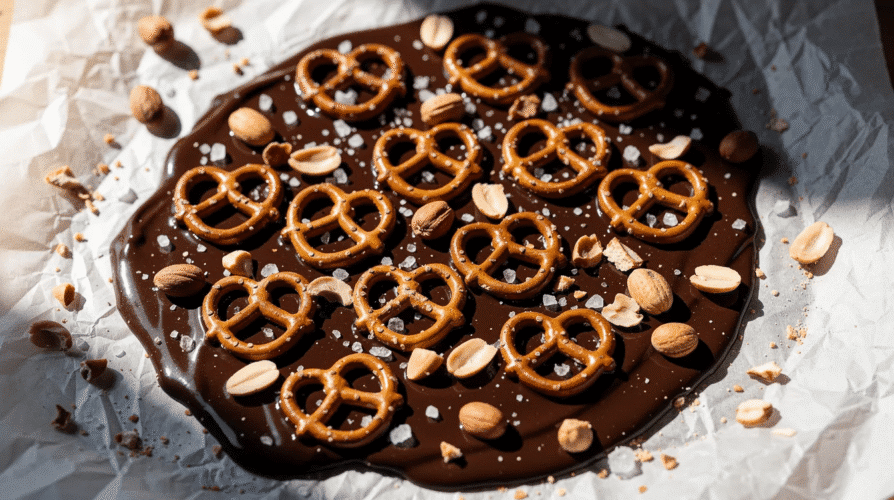
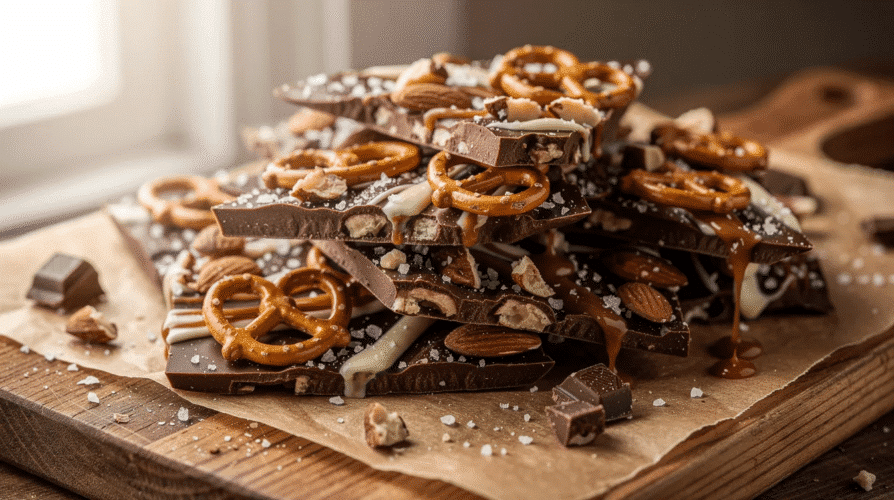
Picture a glossy sheet of dark chocolate loaded with broken pretzels, roasted peanuts, golden toffee bits, and a generous pinch of flaky sea salt—then snapped into rustic, irregular shards ready to eat or gift.
Chocolate bark is simply a thin slab of melted chocolate topped with mix-ins, cooled until firm, then broken into pieces. The sweet and salty angle creates contrast: a smooth chocolate base meets crunchy, saline toppings like pretzels, nuts, salted caramel, or smoked sea salt.
Think of it as an easy alternative to fudge or toffee. No thermometer, no special equipment, and ready in under an hour including cooling time. Each batch typically yields 18–48 pieces depending on thickness.
It fits nearly any occasion: Christmas cookie trays, Easter baskets, Valentine’s gifts, end-of-year teacher presents, or simple weeknight treats when you need a dessert that delivers without the fuss.
Ingredients for Classic Sweet and Salty Chocolate Bark
This base recipe uses ingredients most home kitchens already have. Adjust quantities based on your preferred thickness and topping density.
Chocolate Base (choose one):
12 oz (340g) high-quality dark chocolate or dark chocolate chips (60–70% cacao)
12 oz semi sweet chocolate chips or semi sweet chocolate bars
12 oz milk chocolate for a sweeter profile
12 oz white chocolate for contrast swirls
For the smoothest melt, chocolate bars or wafers outperform standard chocolate chips, which contain stabilizers that create thicker consistency. Ghirardelli and similar brands work well.
Salty-Crunchy Toppings:
1 cup broken pretzel sticks or mini twists
1/2 cup roasted peanuts or mixed nuts (almonds, pistachios work great)
1/3 cup toffee bits or chopped caramel pieces
1/2–3/4 teaspoon flaky sea salt (Maldon preferred) for finishing
1/4 cup pumpkin seeds or shelled pistachios for color
1/4 cup coconut flakes for texture
Crystallized ginger or goji berries for unexpected flavor combinations
Cacao nibs or crushed candy bar pieces
Equipment and Prep
The right prep makes bark foolproof and prevents seized or streaky chocolate.
Essential Tools:
Medium heatproof bowl (glass or metal)
Saucepan for double boiler setup, or microwave-safe bowl
Rubber spatula for stirring
Offset spatula or back of spoon for spreading
Rimmed baking sheet (half-sheet, approximately 18×13 inches)
Lining Options:
Parchment paper (preferred—releases cleanly)
Silicone baking mat
Avoid plain foil—causes sticking and textural issues
Pan Size Notes:
Smaller pan = thicker bark with more snap
Larger pan = thinner, crispier shards
Mise en Place:
Chop chocolate into uniform pieces before melting
Measure and prep all toppings in a small bowl
Have everything within reach—chocolate has a narrow working window of 90–115°F
Step-by-Step: How to Make Sweet and Salty Chocolate Bark
This walks you from melting to breaking into shards, covering both microwave and stovetop methods.
Melting Chocolate (Microwave Method)
Chop chocolate finely for even melting
Place in microwave-safe bowl
Heat at 50% power in 20–30 second bursts
Stir between each interval until about 70% melted
Remove and stir off-heat until completely smooth
Melting Chocolate (Double Boiler Method)
Simmer 1–2 inches of water in a saucepan over medium heat
Place heatproof bowl on top—bowl should not touch water
Add chopped chocolate and stir gently with rubber spatula
Melt chocolate slowly until smooth, then remove from heat
Critical warning: Even a few drops of water will cause chocolate to seize into a grainy mess. Keep bowls and utensils completely dry. Chocolate should feel warm, never hot.
Spreading and Topping
Pour melted chocolate onto parchment-lined baking sheet
Use offset spatula to spread to approximately 1/4 inch thick
Leave a small border around edges
Sprinkle remaining pretzels, nuts, and toffee bits in an even layer
Press toppings lightly so they adhere without displacing chocolate
Add flaky sea salt last—start sparingly, you can’t remove excess
Setting and Breaking
Let tray sit at cool room temperature (60–72°F) until fully firm, typically 1–2 hours
If kitchen is warm, refrigerate for 20–30 minutes
Lift solid slab from tray using parchment edges
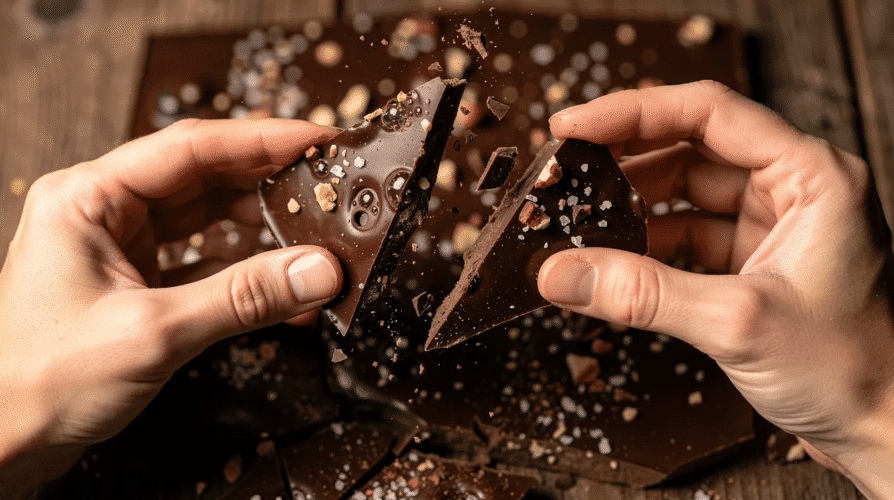
Break into irregular bite-sized pieces by hand, or cut with a large sharp knife
Sweet & Salty Flavor Ideas and Variations
Use these combinations as inspiration—each creates a distinct flavor profile.
Candy Bar Style: Milk chocolate base with caramel drizzle, roasted peanuts, chopped nougat, mini pretzels, and fine sea salt. Mimics your favorite candy bar in bark form.
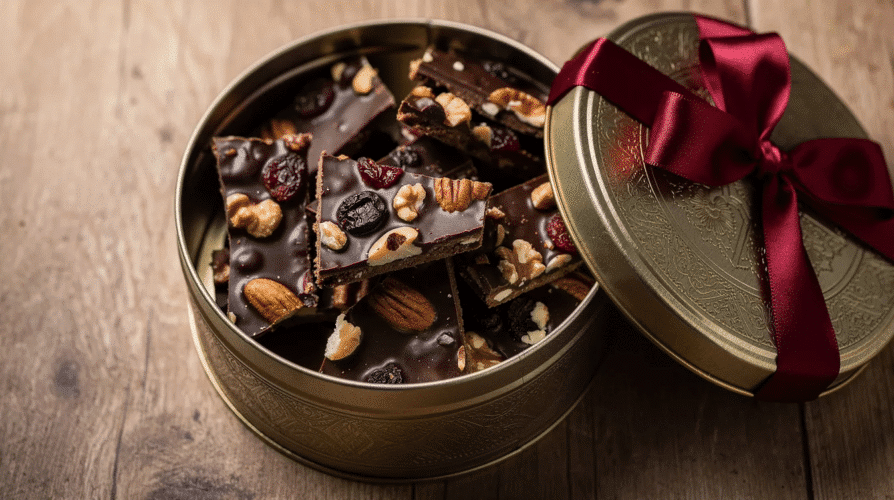
Holiday Cranberry-Pistachio: Dark chocolate bark topped with dried cranberries and other dehydrated fruits, shelled pistachios, pepitas, and flaky salt. Perfect Christmas colors with the best flavor contrast.
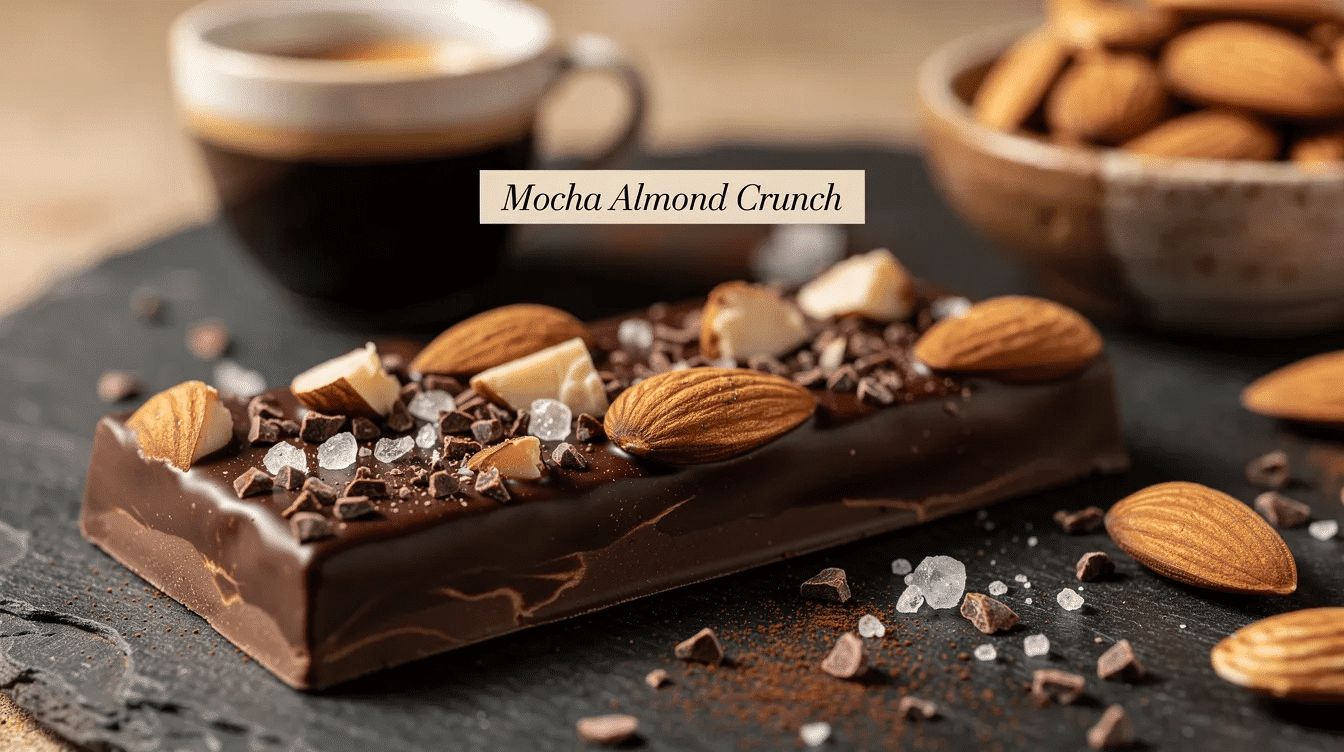
Mocha Almond Crunch: Dark chocolate with 1 teaspoon espresso powder stirred into the base, topped with roasted almonds, cacao nibs, and smoked sea salt.
Kid-Friendly “Everything”: Semi sweet chocolate with mini marshmallows, crushed pretzels, tiny rainbow candies, and minimal fine salt. Family friendly recipes that kids love.
White-and-Dark Swirl: Spread dark chocolate as base, dollop melted white chocolate on top, swirl with skewer, then add chopped hazelnuts and orange zest. Different toppings create visual drama.
Vegan-Friendly: Use dairy-free dark chocolate chips thinned with 1–2 teaspoons coconut oil, topped with nuts, seeds, and dried fruit. Check labels for cocoa butter sources.
Tips for Perfect Texture (and Troubleshooting)
These pro tips help avoid common issues like dull chocolate, soft bark, or toppings falling off.
On Tempering: Proper tempering gives chocolate its signature snap and glossy finish, but for casual bark it’s optional—toppings disguise minor streaks. If you want to try it, use this quick method: melt 2/3 of chopped chocolate, then stir in remaining 1/3 off-heat until smooth and cooler to touch.
Thickness Control:
Thinner (1/8 inch) = crispier shards, ideal for pretzel-heavy loads
Thicker (1/4+ inch) = better for heavy nuts or caramel chunks that might sink
Humidity Considerations: On damp days or in humid regions (above 60% RH), bark takes longer to set. Move the tray to the refrigerator but expect possible condensation when removed.
Troubleshooting Dull or Streaky Chocolate: This is safe to eat—it’s usually fat bloom from temperature fluctuations. Next time, melt more slowly and avoid rapid temperature swings. Never heat chocolate above 115°F.
Preventing Toppings from Falling Off: Press toppings gently into warm chocolate immediately after sprinkling. This embeds them without displacing the base.
Storage, Shelf Life, and Gifting
Well-made salty chocolate bark keeps longer than most baked goods, making it perfect for advance prep and presents.
Room Temperature Storage: Store in an airtight container in a cool, dry cupboard away from direct light. Keeps 2–3 weeks if chocolate was tempered or room stays under 72°F.
Refrigeration: If chocolate wasn’t tempered or your house runs warm, layer bark between parchment paper in an airtight container and refrigerate for up to 4 weeks.
Freezing: Possible but can cause surface bloom. Wrap tightly, freeze up to 2 months, thaw in refrigerator, then at room temperature while still wrapped.
Hot Climate Caution: Shipping or storing above 80°F risks melting. For summer mailing, include cold packs and ship expedited. Cook mode prevent screen dimming while you prep packaging.
Gifting Ideas:
Cellophane bags with ribbon ties (2–3 pieces per 4×6-inch bag)
Metal tins lined with parchment
Glass jars with layers separated by parchment
Add handwritten ingredient tags for recipients with allergies
These make excellent Christmas gifts when made 1–2 weeks ahead.
Serving Suggestions and Pairings
Bark works as both casual snacking and elegant dessert cuisine presentation.
Arrange shards on wooden boards alongside fresh fruit and cheeses
Add to cookie trays for variety
Stack in clear containers for buffet displays
Portion Guidelines: 2–3 small pieces per person provides a rich finish without overwhelming. This food stores well, so leftovers keep for later.
Seasonal Serving: Christmas cookie swaps, New Year’s Eve dessert platters, Easter brunch buffets, movie-night snack bowls. The recipe card-ready simplicity means you can scale for any crowd.
FAQ
Can I use chocolate chips instead of baking bars?
Yes, chocolate chips work for this recipe. They contain stabilizers like corn syrup that help them hold shape, so they melt slightly thicker than bars or wafers. Use low microwave power or gentle heat on your double boiler for best results. For the shiniest finish and best snap, chopped chocolate bars or couverture wafers give smoother results than standard chips.
How do I make this bark nut-free?
Omit all nuts and swap in extra pretzels, pumpkin seeds, sunflower seeds, or crunchy add-ins like crushed cornflakes or crisped rice cereal. Always check labels on chocolate, toffee bits, and pretzels for “may contain nuts” warnings if cooking for someone with a serious allergy. Many stir and spread tools also need verification if shared with nut-containing recipes.
Why did my chocolate turn dull or get white streaks after a day?
This is usually fat or sugar bloom—cocoa butter or sugar crystallizing on the surface due to temperature changes or untempered chocolate. It’s completely safe to eat but affects appearance. Store bark at consistent cool temperatures and try the quick tempering method next time for a glossy, delicious finish.
Can I add fresh fruit like strawberries or raspberries on top?
Fresh fruit releases moisture and spoils quickly, making bark soggy and shortening shelf life to under 24 hours. Use dried fruit (cranberries, cherries, freeze-dried raspberries) instead, which keeps bark crisp and shelf-stable. Fresh berries contain 80–90% water that triggers breakdown of the chocolate’s structure.
How far in advance can I make sweet and salty chocolate bark for Christmas?
Most batches keep 1–2 weeks when stored in an airtight container in a cool room or refrigerator, layered with parchment. Prep time is minimal, so make a small test batch in early December to check how it keeps in your actual kitchen conditions before making large gift quantities closer to Christmas week. This dessert handles advance preparation better than most holiday treats.
DannyContent Writer
Hey there, since 2016, my mission has been to provide you with the information and guides you need to make food dehydrating simple and fun. Whether you're a newbie or a seasoned pro, my site offers helpful guides, reviews, and recipes to enhance your dehydrating experience. I take pride in only recommending products I believe in, ensuring my readers' trust. As an affiliate of various programs, including Amazon Associates, your support helps me continue providing quality content. Thanks for stopping by, and happy dehydrating!