If you’ve been eyeing that magic mill dehydrator on your countertop and wondering what to make first, you’re in the right place. A food dehydrator transforms everyday ingredients into shelf-stable snacks, homemade jerky, and dried produce that tastes far better than anything you’ll find at the store.
The beauty of using a Magic Mill is the simplicity. These machines—whether you’re working with a 5-tray, 7-tray, or the larger 9-10 tray units—feature digital temperature control and timers that take the guesswork out of dehydrating. You get consistent airflow, precise settings, and enough capacity to batch-cook snacks for the whole family. Making jerky at home costs a fraction of retail prices (think $1-2 per pound versus $20+ at the store), and you control exactly what goes into your food. Less sugar, less sodium, zero preservatives—just real ingredients.
This article moves quickly into specific recipes you can start today. We’ll cover beef jerky in four distinct flavors, fruit snacks that kids actually love, crispy veggie chips, and even pantry staples like homemade garlic powder. Let’s get your mill dehydrator working.
Before diving into recipes, take a few minutes to prep your Magic Mill for success.
Wash all dehydrator trays with warm soapy water and dry completely
Check that the fan spins freely and the heating element is unobstructed
Plug into a grounded outlet away from water sources
Set your temperature based on what you’re drying:
Fruits: 125–135°F (52–57°C)
Vegetables: 135–145°F (57–63°C)
Meats: 160–165°F (71–74°C)
Use the digital timer to set reminders for checking progress
Slice all foods evenly (⅛–¼ inch or 3–6 mm) for uniform drying
Use parchment or mesh liners for sticky foods like fruit leather or marinated meats
Consistent airflow is what makes Magic Mill models perform well, so avoid overloading trays or blocking the fan area.
Beef Jerky Recipes for Your Magic Mill Dehydrator
Homemade beef jerky is where most people start with their dehydrator, and for good reason. You’ll save money, customize flavors, and know exactly what’s in every bite, especially when you follow comprehensive dehydrator jerky recipes and techniques. A 2-4 lb batch yields enough jerky to last weeks—if you can resist eating it all immediately.
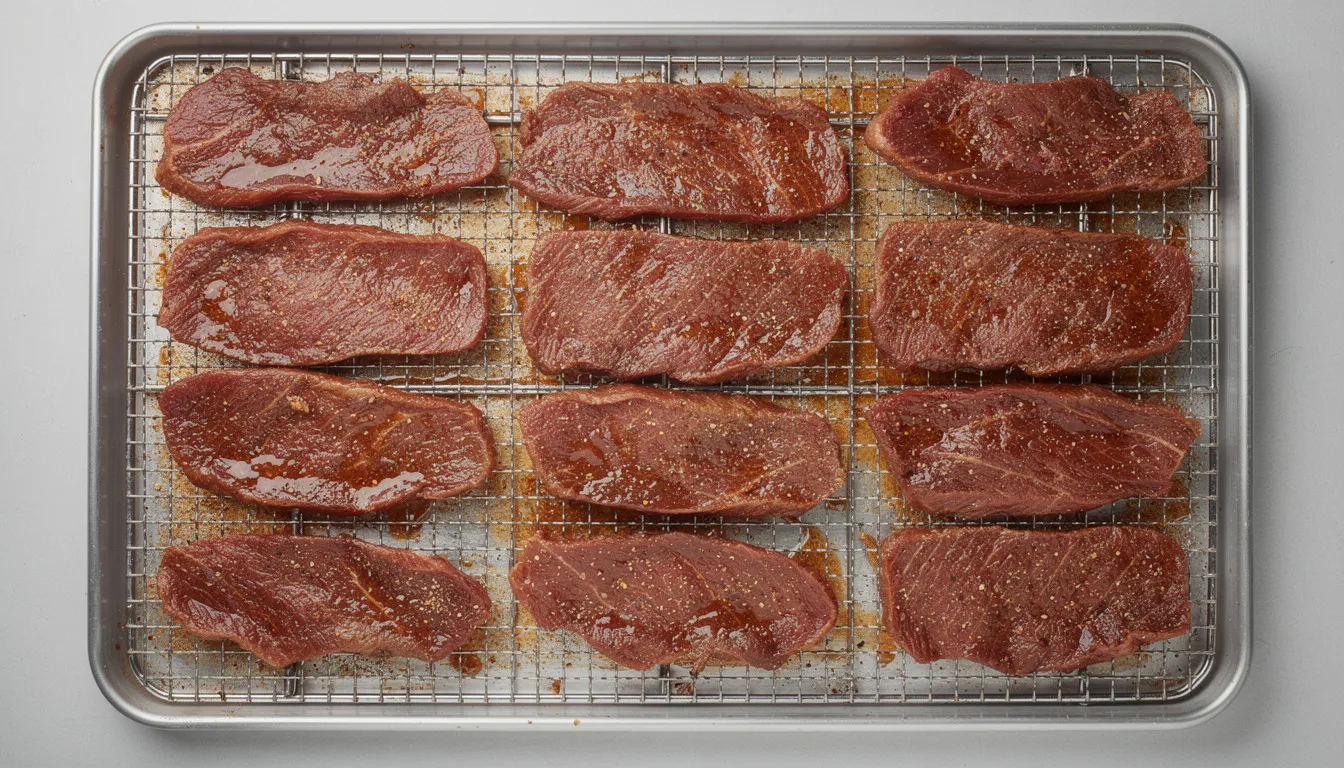
For all jerky recipes below, use lean cuts like eye of round or top round. Trim visible fat (it can go rancid), and slice across the grain at about ¼ inch thickness, similar to this step-by-step beef jerky recipe for dehydrator. Pre-chilling your meat to 32°F makes slicing much easier. Always preheat your Magic Mill to 160–165°F before adding meat, and ensure the internal temperature reaches at least 160°F for food safety. Most batches take 4-8 hours depending on thickness and humidity.
Classic Savory Beef Jerky (Magic Mill Style)
This is the simple, straightforward jerky that serves as a perfect starting point. The flavor profile hits savory and slightly peppery notes without overwhelming heat.
For 2 lbs beef: Combine ½ cup low-sodium soy sauce, 3 tbsp Worcestershire sauce, 1 tsp onion powder, 1 tsp garlic powder, and 1 tsp coarse black pepper
Place sliced beef and marinade in a zip-lock bag, removing air
Refrigerate 8–12 hours, flipping the bag occasionally
Remove beef from marinade and pat dry with paper towels
Arrange slices in a single layer on Magic Mill trays without overlap
Dehydrate at 165°F for 4–6 hours, rotating trays halfway through on older models
Test doneness: jerky should bend and crack but not snap completely; no moisture beads visible
This easy recipe yields about 12-14 oz of finished jerky that stores for weeks in an airtight container.
Maple Smoke Beef Jerky
This variation delivers a slightly sweet, campfire-like flavor using real maple syrup and liquid smoke. No smoker required.
Key marinade components: ¼ cup maple syrup, ¼ cup tamari or soy sauce, 2 tbsp apple cider vinegar, 1 tsp smoked paprika, 1 tsp liquid smoke, pinch of cayenne
Use a glass or stainless steel container for marinating (avoid reactive metals due to vinegar)
Marinate overnight in the refrigerator
Pat dry thoroughly before arranging on trays
Dehydrate at 160–165°F for 5–7 hours
Note: the sugar content may slightly shorten shelf life but creates great chew and caramelized color
Tip for Magic Mill users with stainless steel trays: Lightly oil the trays or use mesh sheets to prevent sticky spots from the maple syrup residue.
Garlic-Chile Beef Jerky
Bold, spicy, and inspired by ideas from Southwest cuisine, this jerky packs heat that you can adjust to your preference.
Marinade: ½ cup soy sauce, juice of 2 limes, 2 tbsp brown sugar, 4 cloves minced garlic, 1-2 tsp crushed red pepper flakes, 1 tsp ground cumin
Double the red pepper for serious heat; halve it for a milder version
Marinate 8-12 hours, then pat slices dry
Dehydrate at 165°F for 4–6 hours
Check earlier (around hour 4) if using a 10-tray Magic Mill model—strong airflow speeds drying
Storage: Once cooled completely, store in vacuum-sealed bags or airtight jars. Keeps 2 weeks at room temperature or up to 1 month refrigerated.
Asian-Inspired Sesame Teriyaki Beef Jerky
A slightly sweet, sesame-scented jerky that’s absolutely tasty on its own or crumbled over rice bowls.
Core ingredients: ½ cup soy sauce, 3 tbsp mirin or rice wine, 2 tbsp brown sugar, 1 tbsp grated fresh ginger, 3 cloves minced garlic, 1 tbsp toasted sesame oil, 2 tbsp sesame seeds
Marinate overnight for maximum flavor penetration
Blot off excess surface marinade to prevent sticky pooling on trays
Sprinkle sesame seeds on the meat just before drying so they adhere and toast gently
Dehydrate at 160–165°F for 5–7 hours, turning once if using solid trays
The aroma alone while this dries is worth making the batch.
Easy Fruit Snack Recipes for Magic Mill Dehydrators
Dried fruit snacks are a fun project that kids love to help with—and eat. The Magic Mill handles fruits at 125–135°F, with most batches finishing in 6–12 hours depending on slice thickness and your local humidity, and different Magic Mill food dehydrator models and features help you scale up these batches easily.
Basic prep is simple: wash produce, core or pit as needed, and slice evenly. For light-colored fruits like apples and pears, a quick dip in lemon water prevents browning. Once dried, store fruits in airtight jars and “condition” them for 7 days by shaking the jar daily to distribute any remaining moisture evenly.
Cinnamon Apple Chips
Crisp, lightly sweetened apple chips that disappear from lunchboxes almost as fast as you can make them.
Use firm apples like Honeycrisp, Gala, or Fuji
Slice ⅛ inch thick using a mandoline for uniformity
Dip slices in 4 cups water mixed with ¼ cup lemon juice for 5 minutes
Pat completely dry with paper towels
Dust lightly with cinnamon and a small amount of sugar or maple sugar (optional)
Dehydrate at 135°F for 6–8 hours, rotating trays halfway
Done when chips are dry and crisp, not leathery
These chips store well in airtight containers for up to 2 weeks at room temperature.
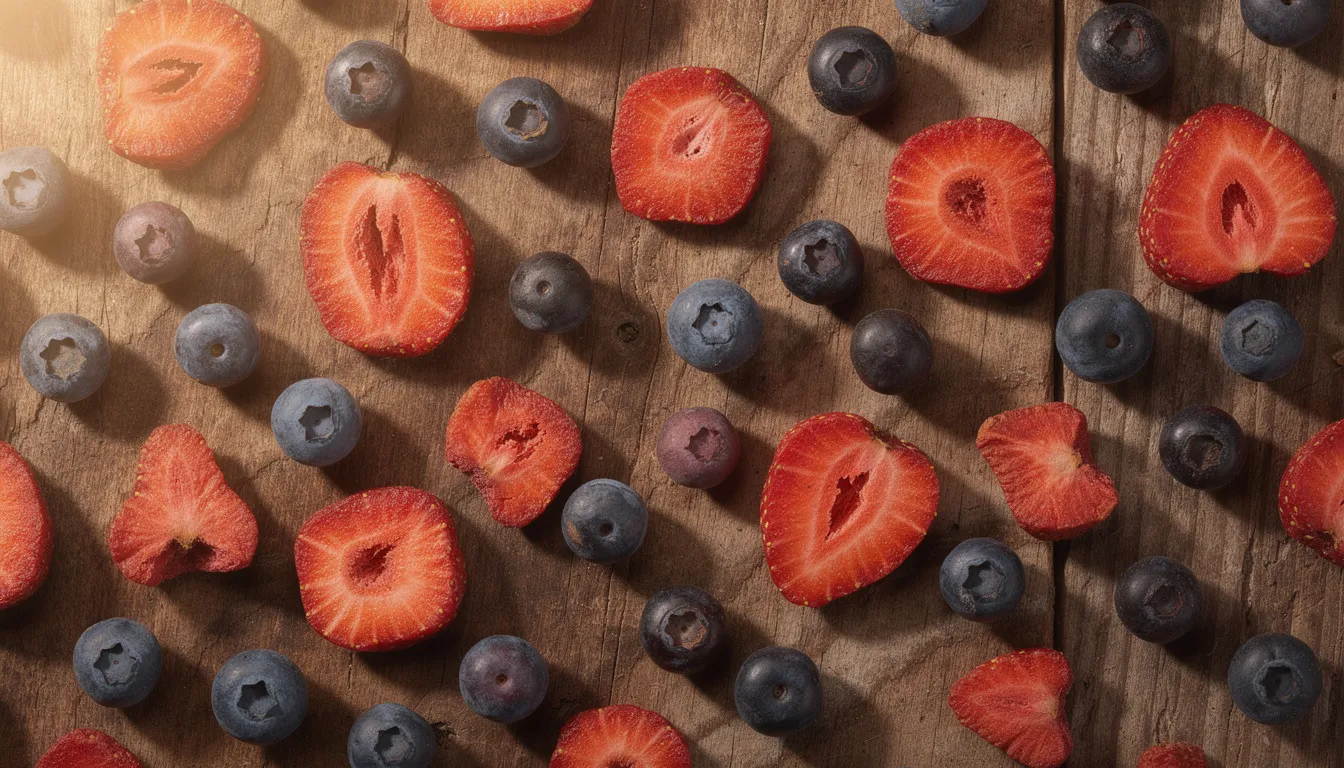
Strawberry Slices and Berry Medley
Dehydrated strawberries and mixed berries make intensely flavored, chewy snacks or tasty cereal and yogurt toppers.
Hull strawberries and slice ¼ inch thick
For blueberries, pierce skins with a pin or blanch briefly (10 seconds in boiling water) to improve drying
Optional: quick dunk in honey water (1 part honey to 3 parts warm water) for extra sweetness
Dehydrate at 130–135°F for 8–10 hours
Check smaller berries earlier—pieces should be leathery but no longer sticky
Tip: Use silicone or mesh liners on your dehydrator trays so small berries don’t fall through the gaps.
Sweet & Tangy Dried Mango Slices
Replicate store-style dried mango at home with less added sugar and no sulfites. The result is pure tropical flavor that you can also use in creative dried mango recipes and dishes.
Peel ripe but firm mangoes and slice into ¼ inch strips
Optional: toss with a squeeze of lime juice and a sprinkle of chili powder for a Mexican-style twist
Dehydrate at 130–135°F for 8–12 hours
Slices should be leathery but still slightly pliable, not brittle
Thicker slices take longer but stay chewier. Try testing different thicknesses on separate trays to find your perfect texture. Let cool completely before storing in airtight containers, or follow a video-guided homemade dried mango recipe if you prefer visual instructions.
Homemade Fruit Leather (Roll-Ups)
Fruit leather is an easy recipe that uses pureed fruit—great for using up overripe produce that might otherwise go to waste, especially when you branch out into homemade cherry fruit leather for extra variety.
Blend fruit (apples, strawberries, peaches, or mixed) with a splash of lemon juice and optional honey to taste
Spread ⅛–¼ inch thick on parchment-lined trays or dedicated fruit leather sheets
Dehydrate at 135°F for 6–10 hours depending on thickness
Done when no wet spots remain and leather peels cleanly from the liner
Once cooled, cut into strips and roll with parchment paper. Store in jars or zip bags at room temperature. These make great school snacks that kids love, and you can also compare them with the best brands of healthy fruit leather to buy for on-the-go options.
Veggie Chips and Savory Snacks in the Magic Mill
Vegetable chips offer a healthier alternative to fried snacks, and you can customize seasonings to match your family’s taste. Sweet potatoes, zucchini, beets, kale, and carrots all dehydrate beautifully.
Most vegetables dry at 125–135°F over 6–12 hours depending on water content and slice thickness. A light oil misting is optional but helps salt and seasonings adhere better. Keep oil minimal for longer shelf life.
Crispy Sweet Potato Chips
These chips work perfectly for Paleo and Whole30 diets when made without added sugar—just real sweet potato flavor.
Scrub or peel sweet potatoes
Slice very thin (1/16–⅛ inch) using a mandoline
Pat dry with paper towels
Toss lightly with olive oil, sea salt, and optional smoked paprika or garlic powder
Dehydrate at 130–135°F for 8–10 hours, flipping slices halfway through
Done when chips are crisp and snap cleanly
Any residual chewiness means they need more time. These other foods shrink significantly during drying, so start with a larger batch than you think you need.
Zucchini and Carrot Rounds
Light, crunchy chips that you can season like potato chips but with far more nutrition.
Slice zucchini and carrots into thin rounds (about ⅛ inch)
Salt lightly and let sit 10–15 minutes to release moisture
Pat completely dry
Toss with a small amount of olive oil and seasonings (Italian herbs, onion powder, or nutritional yeast)
Dehydrate at 125–130°F for 6–8 hours
Watch thinner slices earlier to avoid over-drying
These chips shrink dramatically, so use multiple Magic Mill trays for efficient larger batches.
Kale and Leafy Greens Chips
The Magic Mill’s consistent airflow keeps kale chips crisp without the burning that often happens in ovens.
Wash kale thoroughly and dry completely (a salad spinner works great)
Remove thick stems and tear into bite-sized pieces
Massage with a tiny amount of olive oil
Season with sea salt, garlic powder, or chili-lime seasoning
Dehydrate at 115–125°F for 3–5 hours
Done when completely crisp with no soft spots
Using mesh trays or liners prevents smaller leaf pieces from falling through and makes cleanup much easier.
Herbs, Spices, and Pantry Staples in Your Magic Mill
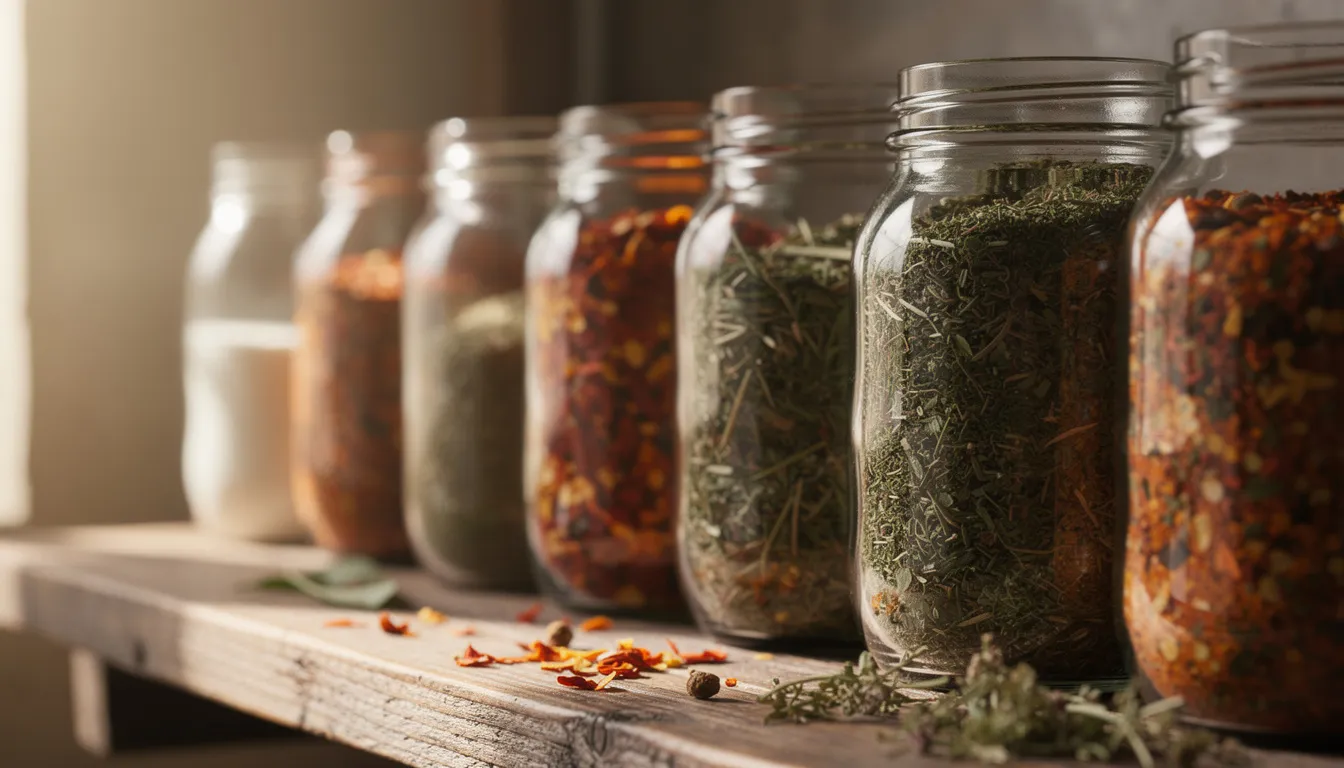
Your Magic Mill dehydrator excels at preserving homegrown herbs and creating pantry staples like garlic powder, onion flakes, and custom spice blends from scratch, just as a top-rated food dehydrator for jerky and snacks would.
Use low temperatures (95–110°F) for herbs to preserve color and volatile oils
Slightly higher temps (120–130°F) work better for garlic and onions
Dried herbs retain 80-90% of their volatile oils when processed correctly
Run the dehydrator in a garage or porch when drying pungent foods like garlic—your home will thank you
Homemade Garlic Powder
Extend the shelf life of bulk garlic by dehydrating and grinding it into powder that’s more flavorful than anything store-bought.
Peel garlic cloves and slice thinly (about ⅛ inch)
Arrange in a single layer on Magic Mill trays
Dehydrate at 120°F for 8–12 hours until completely dry and brittle
No flexibility should remain—snap-dry is the goal
Once cool, blend or use a spice grinder to create powder
Sift to remove larger pieces if desired
Store in a dark, airtight container labeled with the date. Flavor is strongest within the first year.
Dried Mixed Herbs from the Garden
Preserve summer herbs like basil, oregano, thyme, and rosemary for year-round cooking inspiration.
Harvest herbs in the morning after dew has dried
Rinse gently and pat completely dry
Arrange leaves or small sprigs loosely on trays
Dehydrate at 95–105°F for 2–6 hours depending on herb type
Done when leaves crumble easily between fingers
Color should remain green, not turn brown
Store each herb separately or create custom blends like Italian seasoning once fully dried.
DIY Chili Flakes and Pepper Powders
Create personalized heat levels using jalapeños, cayenne, habaneros, or sweet peppers from your garden or farmers market.
Wear gloves when handling hot peppers
Slice peppers in halves or rings
Remove seeds for milder heat
Dehydrate at 125–135°F for 6–10 hours until completely dry and brittle
Crush into chili flakes or grind into powder using a spice grinder
Warning: Airborne capsaicin can irritate eyes and lungs—work in a ventilated area and avoid inhaling directly over the grinder. Store in small airtight jars away from light and heat.
Storing and Using Your Magic Mill Dehydrated Foods
Proper storage maximizes shelf life and keeps all your dehydrated creations safe to eat.
Cool completely on trays before sealing—sealing warm foods causes condensation
Storage options: Glass jars with tight lids, vacuum-sealed bags, or mylar bags with oxygen absorbers for long-term storage
Shelf life estimates:
Higher-sugar items (fruit leather): 1–3 months at room temperature
Very dry fruits and veggies: 6–12 months when stored correctly
Jerky: 2 weeks at room temperature, 1 month refrigerated, or freeze for longer
Practical uses for your dried foods:
Add dried veggies to soups and stews
Blend dried fruit into smoothie powders
Pack jerky and chips for hiking, travel, and road trips
Use herb blends and garlic powder in everyday cooking
Your magic mill dehydrator opens up a world of possibilities for healthier snacking, reduced food waste, and serious cost savings. Start with one or two recipes from this list, perfect your technique, and expand from there. The things you can create are limited only by what’s fresh and available. Now it’s time to start loading those trays.
DannyContent Writer
Hey there, since 2016, my mission has been to provide you with the information and guides you need to make food dehydrating simple and fun. Whether you're a newbie or a seasoned pro, my site offers helpful guides, reviews, and recipes to enhance your dehydrating experience. I take pride in only recommending products I believe in, ensuring my readers' trust. As an affiliate of various programs, including Amazon Associates, your support helps me continue providing quality content. Thanks for stopping by, and happy dehydrating!