We earn a commission if you make a purchase, at no additional cost to you.
09/22/2026 04:39 pm GMT
🍊 Dehydrated Food Info Finder — Temperatures & Drying Times
Choose a category, then pick a food to see its drying temperature and time.
⚠️ Safety Disclaimer: Drying times are estimates and vary based on slice thickness, food moisture content, humidity, and your dehydrator model. Always check for doneness before storing — food should feel dry, leathery, or brittle with no moist spots. Improperly dried food can harbour mould and bacteria. For meat and poultry, follow USDA safe internal temperature guidelines: beef and pork to 160°F (71°C), poultry to 165°F (74°C). Use a food thermometer when in doubt. Store all dehydrated foods in airtight containers in a cool, dark place and discard anything showing moisture, mould, or off odours.
A Simple Guide: How to Use Dehydrated Mushrooms to Elevate Your Cooking
Welcome to the world of dried mushrooms, where a world of flavor and aroma awaits to take your cooking to the next level. To use dehydrated mushrooms, soak them in warm or hot water until they soften, then add them to soups, stews, sauces, risottos, and vegetarian dishes for deep umami flavor and a meaty texture. If you’ve ever wondered how to use dehydrated mushrooms, this guide is built for home cooks and food preservation enthusiasts who want practical ways to get better results from pantry staples.
Inside, you’ll learn how to rehydrate and prepare dried mushrooms, the best ways to cook with them, simple tips and tricks for better texture and flavor, recipe ideas, proper storage, and how to fix common problems. Dried mushrooms are worth keeping on hand because they last a long time, are easy to store, help reduce food waste, and make it easy to add rich mushroom flavor to everyday meals.
Dried Mushrooms
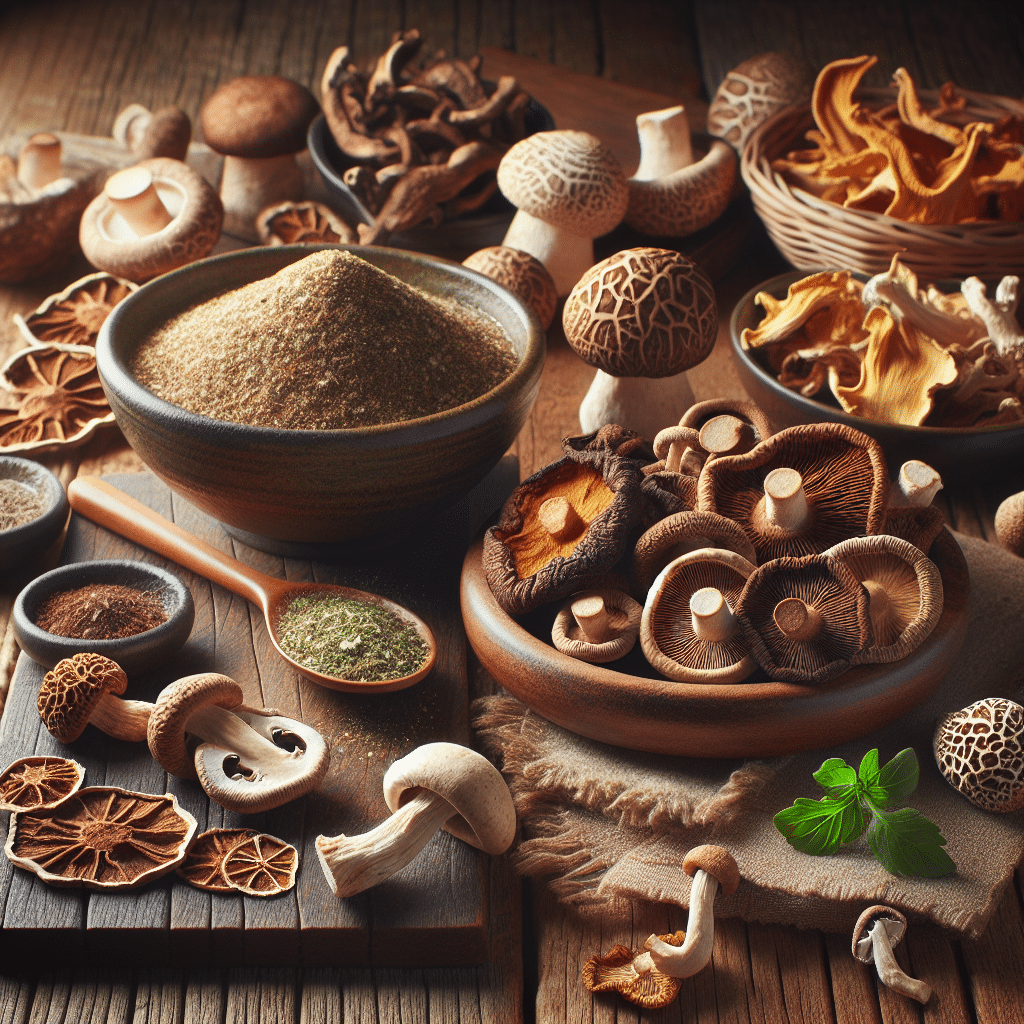
Dried mushrooms are a concentrated form of fresh mushrooms with an intense flavor and aroma that can turn any dish around. These culinary treasures are made by removing the water content from fresh mushrooms through air drying or dehydrating, and dehydrating mushrooms at home uses a machine to remove moisture with heat while air drying can take longer. Common varieties come from different species; for example, porcini is widely used, and morel is another popular choice. Morel rehydrates well and has great flavor, while Penny Bun is prized for its intense forest aroma. The result is a longer shelf life and dried mushrooms are a staple in many pantries.
Having dried mushrooms on hand is so convenient. Lion’s Mane is another option some people choose for its potential brain-chemistry benefits. They add a rich umami flavor that can elevate soups, stews, sauces, and more. Imagine the depth of flavor in a mushroom stock made from dried shiitake mushrooms or the earthy notes they bring to a hearty stew. Not only can they replace fresh mushrooms in many recipes but they can also be used as a base for various mushroom-based ingredients like mushroom duxelles.
How to Rehydrate Mushrooms and Prepare Dried Mushrooms
Rehydrate mushrooms by soaking them in warm water or broth in a bowl until they soften. The standard soaking time is 15 to 30 minutes, though the exact time depends on the mushroom species and size. Check for dirt first and don’t assume they are clean. For a more subtle flavor use room temperature water instead of boiling water. Don’t waste the soaking liquid, since it adds taste to later cooking and is worth saving rather than waiting until the end to think about it.
Once rehydrated these mushrooms can be used in many dishes. They’re great for soups, stews, and sauces. To get the best texture pat them dry with a paper towel to remove excess moisture. Once soft and ready, they should still be cooked thoroughly because of chitin.
Cooking with Dried Mushrooms in Stir Fries
The uses for dried mushrooms in cooking are endless. They can add flavour to many dishes from soups and stews to sauces and braising liquids, and porcini is perfect for risotto. To get the most out of them, try sautéing them in a little oil or butter, as a little fat helps bring out their full taste and is often the best way to improve flavour and texture after soaking. Chopped rehydrated mushrooms also work well in fillings such as dumplings or meatloaf.
Combining dried mushrooms with fresh herbs and spices will give you a depth and complexity that’s hard to match. They also add a meaty texture to vegetarian and vegan dishes, making them a staple in plant-based cooking. If you want to start with a simple base, add the soaking liquid and mushrooms to a pot for soups or sauces. After soaking, they should be cooked thoroughly rather than used raw.
Tips and Tricks
To get the best results with dried mushrooms:
Inspect them first and trim or cut away any damaged spots, then clean with a damp kitchen towel or brush instead of washing heavily, since avoiding a full wash helps prevent browning.
Use a coffee filter or cheesecloth to strain the soaking liquid to remove impurities.
For a powdered texture, grind dried mushrooms into powder for seasoning; the best part is that it adds savory depth without making dishes taste too mushroomy.
To make a mushroom stock, start the dried mushrooms in a pot with water and simmer for 30 minutes to an hour, and remember that proper mushroom dehydration temperatures help create dried mushrooms that rehydrate with better flavor.
Add the soaking liquid to sauces or braising liquids for extra flavor.
Recipes
Here are some ways to use dried mushrooms:
Make a mushroom stew or soup with loads of umami flavor, or pair them with chicken in soup, pasta, or rice dishes.
Add dried mushrooms to risotto or pasta dishes for extra texture and flavor; porcini mushrooms are ideal for risottos.
Make mushroom-based sauces like mushroom gravy or mushroom cream sauce.
Example: use chopped rehydrated mushrooms in fillings like dumplings or meatloaf.
Add meaty texture to vegetarian or vegan dishes, and toss them into stir fries toward the end.
Try mushroom-based ingredients like mushroom duxelles or mushroom paté.
How To Store Dried Mushrooms
Proper storage is key to keeping the flavor and quality of dried mushrooms. Store them in an airtight container in a cool, dark place away from moisture and heat which can make them stale or develop off flavours. For best flavour and texture use dried mushrooms within 6 months to 1 year. If they become stale just soak them in hot water for a few minutes to revive them.
Troubleshooting
Grittiness: Inspect for dirt first, then strain the soaking liquid well before using the mushrooms.
Dryness: Soak in hot water to rehydrate; some varieties tend to stay a bit tough and may need longer soaking.
Off flavors or odors: Store in a different container or location.
Rehydration issues: Use hot water in a bowl instead of room-temperature water, and larger pieces may need a few hours.
Dried mushrooms are a super ingredient that will take your cooking to the next level. Now you know how to rehydrate, prep, and cook with them. Whether you’re making a mushroom stock, stew, or sauce dried mushrooms will add a flavor that will leave you wanting more. Happy cooking!
DannyContent Writer
Hey there, since 2016, my mission has been to provide you with the information and guides you need to make food dehydrating simple and fun. Whether you're a newbie or a seasoned pro, my site offers helpful guides, reviews, and recipes to enhance your dehydrating experience. I take pride in only recommending products I believe in, ensuring my readers' trust. As an affiliate of various programs, including Amazon Associates, your support helps me continue providing quality content. Thanks for stopping by, and happy dehydrating!