We earn a commission if you make a purchase, at no additional cost to you.
09/22/2026 04:39 pm GMT
🍊 Dehydrated Food Info Finder — Temperatures & Drying Times
Choose a category, then pick a food to see its drying temperature and time.
⚠️ Safety Disclaimer: Drying times are estimates and vary based on slice thickness, food moisture content, humidity, and your dehydrator model. Always check for doneness before storing — food should feel dry, leathery, or brittle with no moist spots. Improperly dried food can harbour mould and bacteria. For meat and poultry, follow USDA safe internal temperature guidelines: beef and pork to 160°F (71°C), poultry to 165°F (74°C). Use a food thermometer when in doubt. Store all dehydrated foods in airtight containers in a cool, dark place and discard anything showing moisture, mould, or off odours.
How Long Do Dehydrated Strawberries Last? Shelf Life, Storage & Safety
Dehydrated strawberries are one of the most versatile ways to preserve strawberries and enjoy that bright strawberry flavor year-round. But how long do they actually stay good? The answer depends on how well you dried them, how you packaged them, and where you store them. This guide breaks down realistic shelf life numbers, storage strategies, safety considerations for eating dehydrated strawberries, and spoilage signs so you never waste a batch.
Key Takeaways
Dehydrated strawberries last 4–12 months if properly stored in an airtight container at room temperature, 12–18 months in the freezer, and potentially 5 to 10 years when vacuum sealed in mylar bags with oxygen absorbers.
Shelf life depends heavily on dryness level, storage temperature, light exposure, and oxygen and moisture control.
Signs of spoilage include mold, off smells, visible moisture or condensation inside the container, and slimy or oddly soft pieces.
Conditioning, airtight containers, and cool, dark storage are the three biggest factors that determine how long your dried fruit stays safe and delicious.
Always discard the entire batch if mold appears anywhere in the jar-do not try to salvage individual pieces.
Understanding Dehydrated Strawberries & Shelf Life Basics
Dehydrated strawberries are fresh strawberries that have had most of their water removed through heat and airflow. You can slice strawberries into thin slices, halves, or leave them as whole berries before drying them in a food dehydrator, oven, or freeze dryer. The result is a shelf stable, concentrated snack with intense strawberry flavor and a fraction of the original weight.
This process differs from freeze-drying strawberries at home, which removes water through sublimation under low pressure, producing ultra-crisp strawberry chips with moisture levels below 2–5%. Conventionally dehydrated fruit retains around 10–20% moisture, making it chewier and slightly shorter-lived in storage.
Removing water slows microbial spoilage-mold, yeast, and bacteria all need moisture to thrive-but it does not make dehydrated food immortal. Residual moisture, oxygen, heat, and light gradually degrade flavor, color, and nutrients like vitamin C. Home-dried strawberries typically have a narrower best-quality window than commercial products because uniform drying and professional sealing are harder to achieve in a home kitchen.
How Long Do Dehydrated Strawberries Last in Different Storage Conditions?
The time frames below assume your fruit is properly dried and conditioned before packaging. If you skipped either step, expect shorter results.
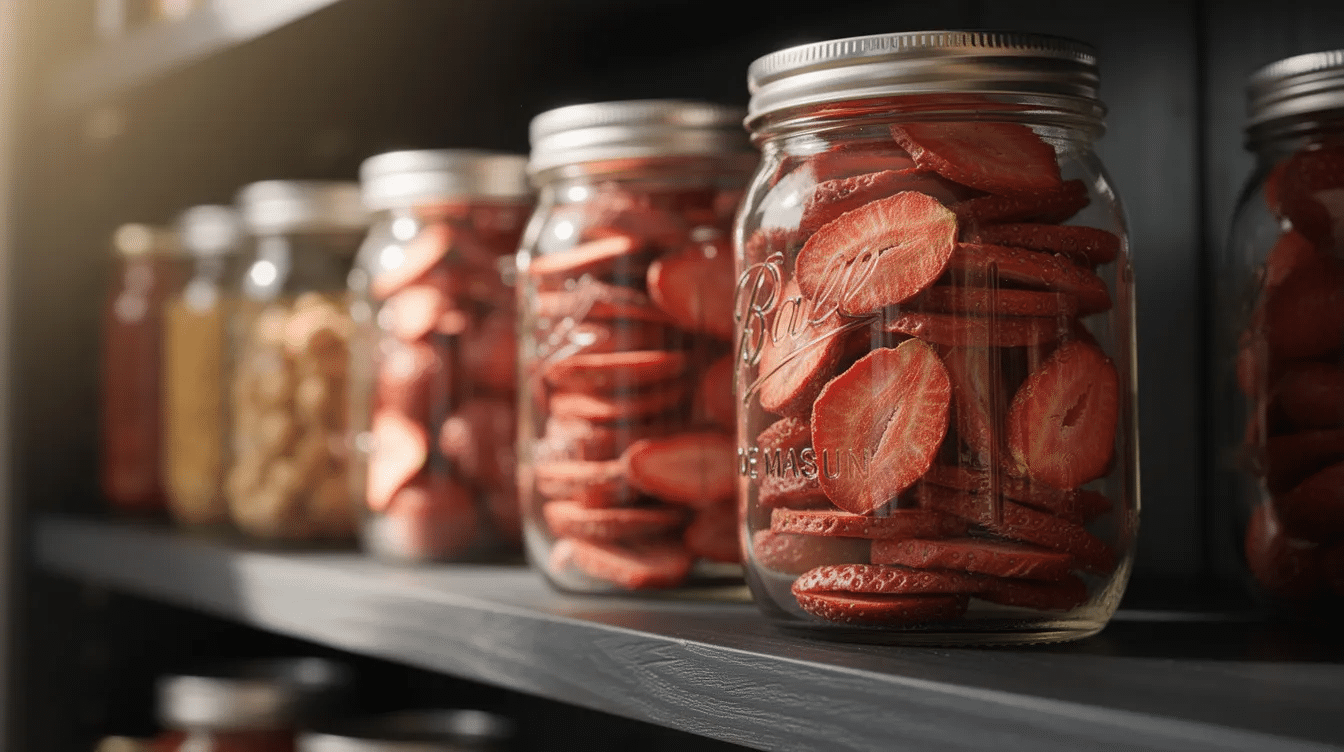
Loosely sealed containers or thin bags typically hold quality for 3–6 months. In well-sealed mason jars or mylar bags stored below about 70°F with minimal headspace air, expect 6–12 months of good flavor, color, and texture.
Refrigerator Storage (34–40°F / 1–4°C)
Lower temperatures slow chemical and enzymatic reactions. Storing dehydrated strawberries in the refrigerator can extend their shelf life to 1 to 2 years when the fruit is well sealed. The catch: opening the fridge frequently introduces humidity, and condensation can form on cold jars brought to room temperature. Keep packaging tight and avoid moving containers back and forth.
Freezer Storage (0°F / –18°C)
Freezing delivers the longest quality window for everyday storage-12 to 18 months or more when packed in freezer-safe, air tight container options or vacuum-sealed bags. Protect thin strawberry slices and fruit leather pieces from freezer burn by minimizing headspace.
Dehydrated vs. Freeze-Dried
Freeze-dried strawberries start with far less moisture and, when packaged in sealed cans with oxygen absorbers, can last up to 25 years under ideal conditions. Home freeze dryer setups produce similarly crisp results, though actual longevity depends on how well you seal the final product.
Commercial dehydrated strawberry snacks often carry “best by” dates of 9–18 months-a useful benchmark if you are drying at home and want a conservative target.
Key Factors That Affect How Long Dehydrated Strawberries Last
Time alone does not determine shelf life. Several independent variables work together, and weakness in any one of them shortens how long your berries stay good.
Dryness Level
The difference between leathery and brittle matters. Crisp slices contain less residual moisture and resist spoilage longer. Thick slices or whole berries may hide damp pockets in the center that encourage mold weeks later. Moisture is a key enemy of dehydrated strawberries-even small amounts can create conditions for mold growth.
Storage Temperature
The ideal storage temperature for dehydrated strawberries is around 60°F (16°C) or lower. A cool pantry between 50–70°F is far better than a warm kitchen cabinet above the stove. Summer heat waves can halve useful shelf life if your storage area is not climate-controlled.
Light and Oxygen
Light and heat degrade the flavor and color of dehydrated strawberries over time. Anthocyanin pigments-responsible for that bright red color-oxidize and dull under UV and visible light. Oxygen exposure causes oxidation, which turns strawberries brown and affects flavor. Store in opaque containers or dark cupboards, and consider oxygen absorbers for long term storage.
Humidity and Moisture Exposure
Opening jars frequently, storing near a dishwasher or kettle, or moving containers between cool and warm environments all introduce moisture. Condensation forming inside a sealed jar is a clear signal that something has gone wrong.
Fruit Preparation
Uniform slice thickness helps fruit dry evenly. Sugar or syrup pre-treatments can make sliced berries stickier and slightly more hygroscopic, meaning they attract moisture from the air. Always wash and thoroughly drain fresh fruit before dehydrating-excess water on surfaces extends drying time and leaves residual moisture.
Drying Time & Doneness: Getting Strawberries Dry Enough to Store Safely
Under-drying is the number one reason home-dried strawberries spoil early. If the fruit is not completely dry before you seal it, no container in the world will save it.
Preparation Basics
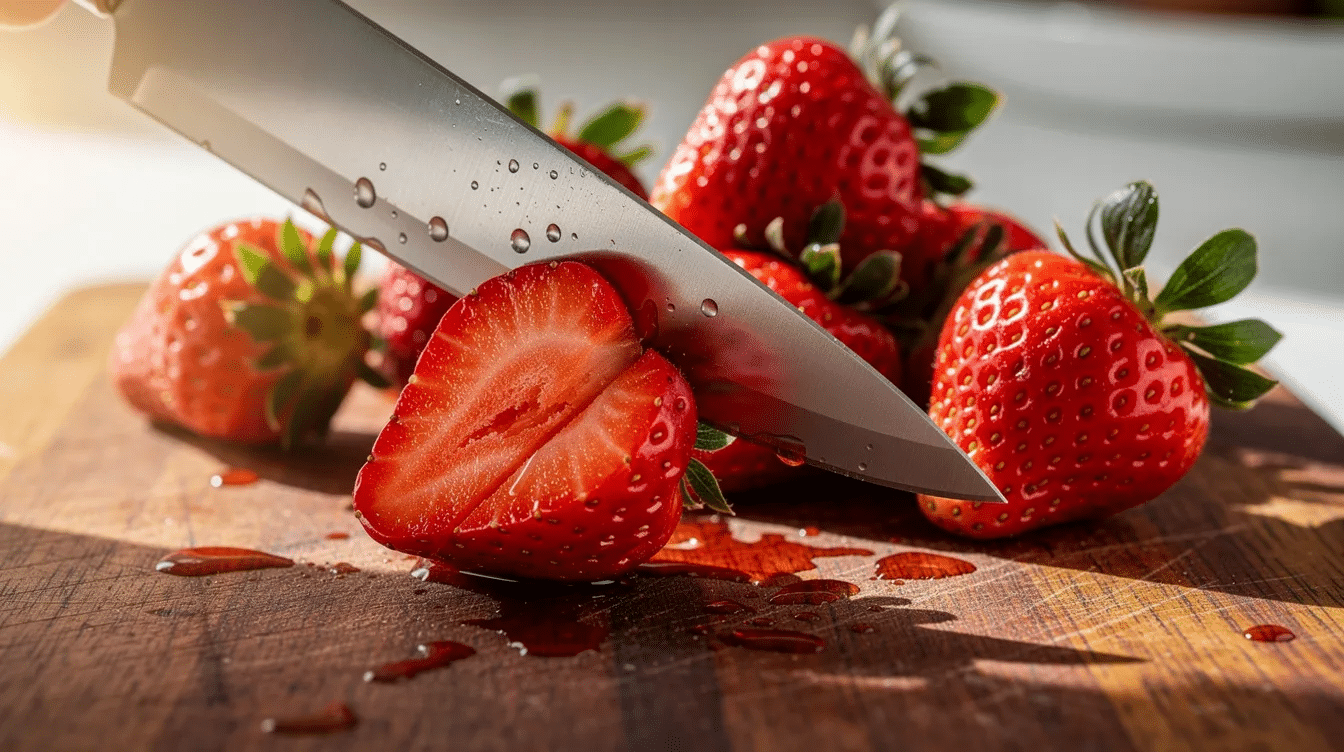
Before you start, wash strawberries under cold water, pat dry with a paper towel, then remove the stem end and any damaged portions. Use a sharp knife or a tomato slicer to slice strawberries into ¼-inch thick pieces for even drying. Overripe strawberries work fine for dehydrating, though they may be juicier and need slightly more time. A salad spinner helps remove excess water after washing.
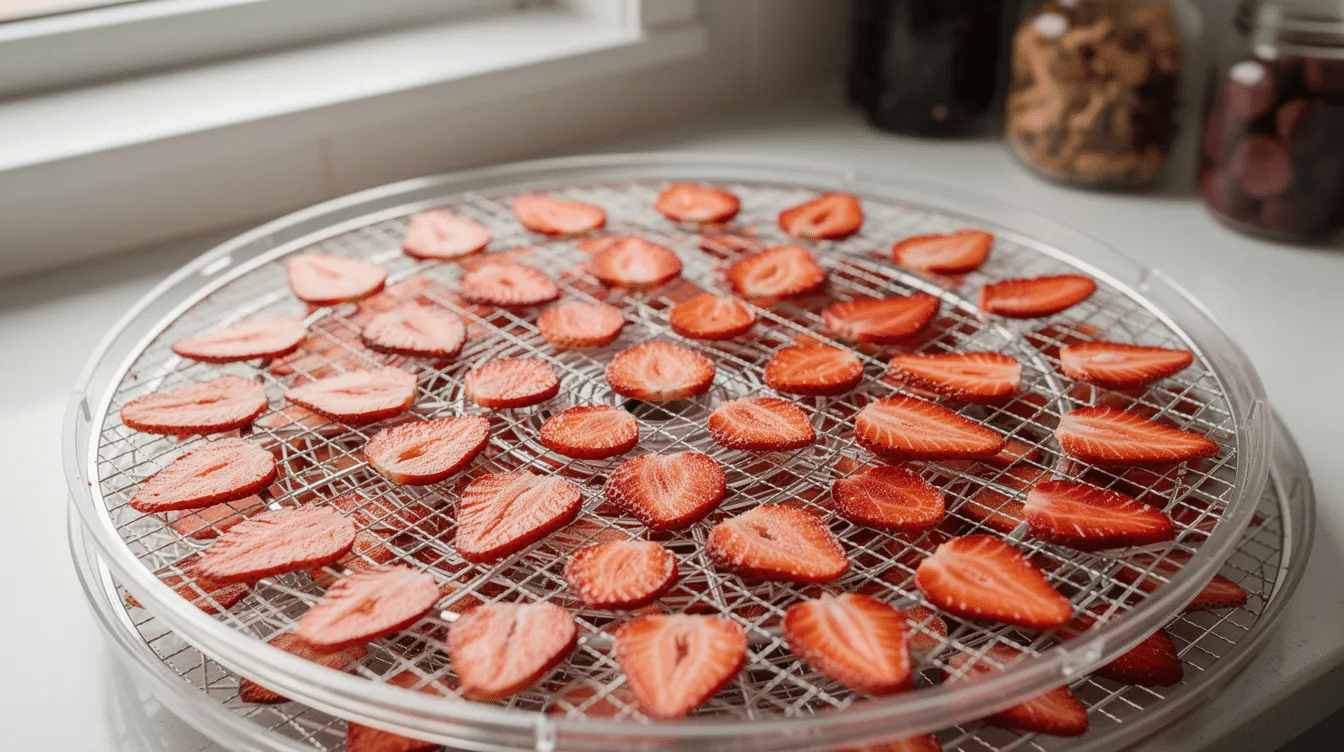
Arrange sliced strawberries in a single layer on dehydrator trays-avoid overlapping so air circulates around each piece. If using an oven, lay slices on a baking sheet lined with parchment paper on a cooling rack for airflow. A cookie sheet works as well.
Dehydrate strawberries at 135°F (57°C) for 6–10 hours for thin slices, or 8–12 hours for thicker pieces. Whole strawberries take 8–12 hours to dehydrate completely at minimum, and large berries can need 24–36 hours. Frozen strawberries release more moisture initially and often take longer-thaw and drain them first.
Testing for Doneness
Let fruit cool completely to room temperature before judging dryness. Warm fruit feels dryer than it actually is. Properly dried slices should feel leathery but not sticky. When torn, no visible moisture or beads of water should appear in the center. If any piece feels spongy or cool in the middle, return the batch to mesh dehydrator trays or freeze dryer trays for more time.
In humid climates, increase drying time by 10–20% and check progress more frequently.
Conditioning Dehydrated Strawberries for Longer Shelf Life
Conditioning is the overlooked post-drying step that separates batches that last months from batches that mold in weeks. Dried strawberries should be conditioned before long-term storage because conditioning checks for moisture to prevent spoilage.
Conditioning ensures even dryness of dehydrated strawberries by letting residual moisture redistribute across all pieces. Here is the process, based on UCANR food preservation guidelines:
Let all slices cool completely to room temperature.
Fill a clean, clear glass jar about two-thirds full with the dried fruit.
Seal with a normal lid-do not vacuum seal yet.
Condition dried strawberries for 5 days in an airtight container, shaking the jar once daily.
Check for moisture daily during the conditioning process.
What to look for:
Signs of moisture include condensation or clumping in the jar.
Pieces sticking together in large masses that were not present immediately after drying.
Any fuzz, off smells, or wet spots.
What to do if issues appear:
If moisture appears, re-dehydrate strawberries for a few hours, then cool and restart conditioning.
If any mold shows up, discard the entire jar. Do not attempt to save unaffected pieces.
Properly conditioned fruit is much safer to vacuum seal or pack for long term storage because hidden moisture pockets have been eliminated. This step works equally well for strawberry slices, fruit leather strips, and mixed dried fruit blends.
Best Containers & Setups for Short- and Long-Term Storage
The right packaging can easily double how long dehydrated strawberries last compared to tossing them in a random bag on the counter, especially if you are building a dried fruit stockpile for long term storage. Store dried strawberries in airtight containers for longevity, and store dehydrated strawberries in airtight containers in a cool, dark place.
Short-Term Storage (up to ~6 months)
Mason jars with tight-fitting lids-easy to inspect, clean, and reuse.
Clip-top glass jars with quality gaskets.
Heavy zip-top freezer bags stored inside an opaque bin or canister to block light.
Long Term Storage (6–24+ months)
Vacuum-sealed bags using a vacuum sealer for large batches.
Vacuum-sealed mason jars if you have a lid attachment.
Mylar bags with oxygen absorbers for bulk dried strawberries, dehydrated strawberry powder, or mixed dehydrated food intended for emergency supply.
Storage Locations
Cool, dark cupboards away from ovens, dishwashers, and sunlight are ideal. A basement or cellar that stays dry and temperature-stable works well for long term storage.
Labeling
Always label containers with:
Contents (e.g., “strawberry slices,” “strawberry fruit leather,” “strawberry powder”)
Date of dehydration
Optional “use by” estimate (e.g., 1 year from drying)
Avoid thin deli tubs, reused food jars with lingering odors, or clear containers sitting in direct sunlight. These can transfer off-flavors or accelerate degradation through light exposure.
Vacuum Sealing, Oxygen Absorbers & Long Term Storage Strategies
For people who want dehydrated strawberries to last more than a year, oxygen management becomes the critical variable. Adding desiccants or oxygen absorbers can help absorb moisture and prolong shelf life significantly.
Vacuum Sealing
A vacuum seal removes most air from the package, slowing oxidation dramatically. It compresses fragile slices, so they are more prone to crumbling but far better protected from air and moisture. Use a vacuum sealer for both bags and jar lids.
Oxygen Absorbers
Use oxygen absorbers inside mylar bags or jars intended for true long term storage. Only add them to fruit that has been thoroughly dried and conditioned-trapping moisture inside an oxygen-free environment is a recipe for hidden mold.
When vacuum-sealed in mylar bags with oxygen absorbers, dehydrated strawberries can last 5 to 10 years. Vacuum-sealed dehydrated strawberries can last for many years under stable, cool, dark conditions.
Long-Term Comparison
Packaging
Expected Lifespan
Airtight jar, pantry
6–12 months
Vacuum-sealed bag, dark pantry
1–3 years
Mylar + oxygen absorbers, cool pantry
5–10 years
Freeze-dried, sealed can + O₂ absorbers
20–25 years
Low-moisture, high-sugar fruits like strawberries carry low risk for botulism, but mold and quality loss remain real concerns if oxygen and moisture slip through, and the same principles apply when considering how long dehydrated food lasts overall.
Keep 1–2 smaller jars for everyday snacking and seal the rest more aggressively for the pantry or freezer. This “use-first” vs “store-deep” system prevents you from opening long-term packaging unnecessarily.
Recognizing Spoilage & When to Throw Dehydrated Strawberries Away
No healthy snack is worth a foodborne illness. When in doubt, throw it out.
Sensory Signs of Spoilage
Visible mold: white, green, blue, or black fuzz anywhere in the container or on the fruit surface.
Sour, fermented, or otherwise “off” smells when you open the jar.
Slimy, unusually soft, or wet pieces that were dry when packaged.
Beads of condensation inside a sealed jar after storage.
Heavy clumping or sticky masses that were not present when you packaged the fruit.
Sudden color darkening in isolated spots, suggesting damp areas.
Normal vs. Concerning Texture Changes
Becoming a bit chewier over several months is normal if no other spoilage signs exist. Turning tough, hard, and flavorless signals oxidation and age but is not necessarily unsafe. However, beyond 18–24 months, most conventionally dried strawberries will have degraded enough in texture, color, and aroma that quality is genuinely poor.
Establish a routine: perform a quick visual check monthly during the first year, then every few months after that. This simple habit dramatically reduces the chances of opening a spoiled batch months later.
Using Dehydrated Strawberries Before Quality Starts to Decline
Even if your dehydrated strawberries are technically safe for a long time, flavor and color peak in the first 6–12 months. Use the freshest batches where appearance and aroma matter most.
Best uses for peak-quality fruit:
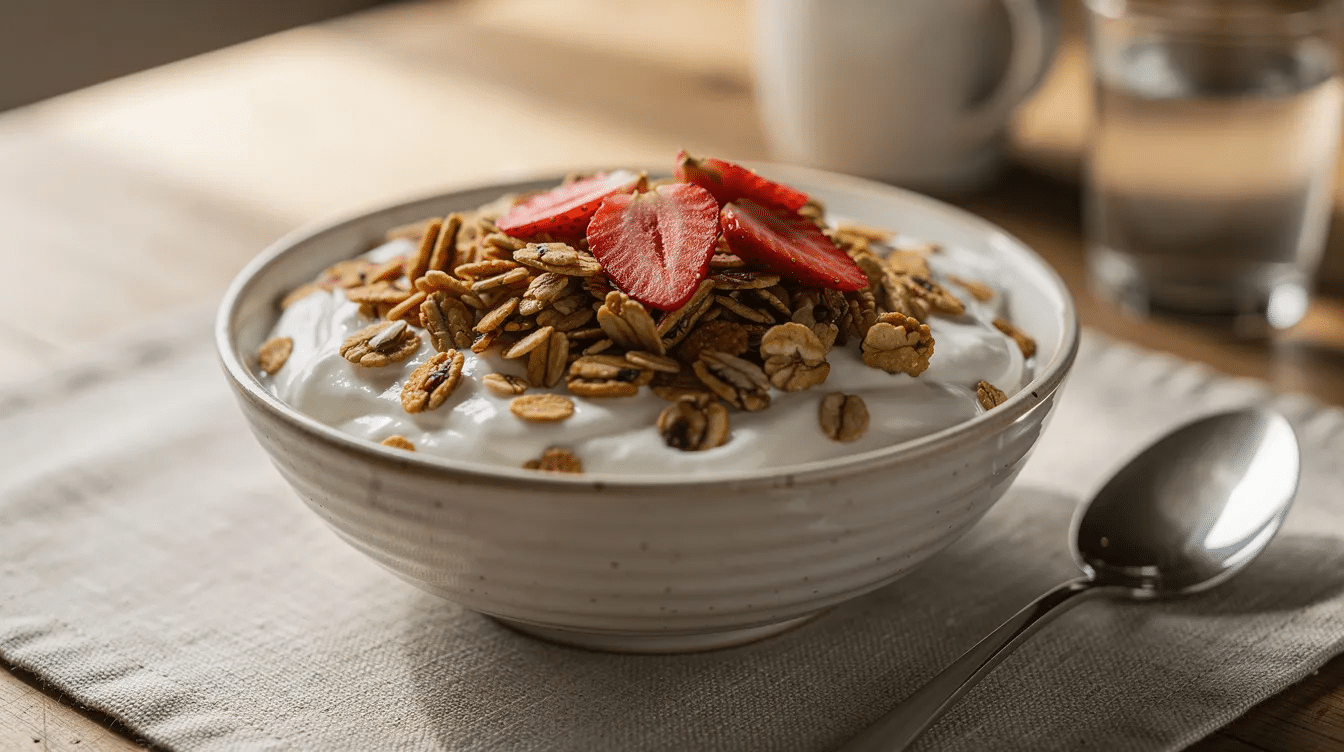
Sprinkled on yogurt or granola for a delicious snack
Used as decorations on cakes, cupcakes, or pancakes
Eaten plain as a healthy snack with little sugar needed
Ideas for older, slightly faded batches:
Simmer into sauces or syrups to reduce food waste
Chop into muffin or quick bread batters alongside your favorite recipes
Blend into smoothies where texture issues vanish
Rehydrate strawberries by soaking in hot water for 15–20 minutes for use in cobblers or fruit dips
Uses for fragments and powder:
Grind very dry pieces into powdered strawberries or dehydrated strawberry powder using a blender. Use this strawberry powder to flavor icing, oatmeal, or strawberry recipes like milkshakes. Store powder in small, airtight jars because its high surface area accelerates flavor loss.
Fruit leather made from strawberry puree tends to stay pliable longer if wrapped in parchment paper and stored in an airtight container. Best quality is within 6–9 months, though it remains usable beyond that if not sticky or moldy.
Practice “first in, first out” rotation: always eat or cook with your oldest batch before cracking into a newer one. Label every container so this habit is effortless.
Comparing Dehydrated Strawberries, Fruit Leather & Strawberry Powder Shelf Life
Different strawberry products age differently and have their own ideal storage setups.
Dehydrated Strawberry Slices/Halves
Moderate surface area and moderate residual moisture. Good for 6–12 months in a sealed pantry jar. Freezing or vacuum sealing extends this further, though flavor and color gradually fade. Sliced berries are the most versatile form-good for snacking, baking, and long term storage alike.
Strawberry Fruit Leather
Usually slightly higher in moisture than slices and more prone to sticking. Ambient humidity gets absorbed quickly through exposed surfaces. Best quality within 6–9 months if stored in parchment-lined rolls inside airtight containers. Freezing extends usability.
Strawberry Powder
Very high surface area makes it the most vulnerable to clumping and flavor loss. Keep in small airtight jars or mylar bags with a desiccant. The ideal usage window is about 6–9 months for vivid color and aroma, even though the powder remains safe considerably longer.
All three forms benefit from cool, dark storage, minimal headspace in containers, and quick opening and closing to limit repeated moisture exposure. Match the form to your goals: powder for fast-turnover baking use, slices for longer emergency or trail food storage, and fruit leather for delicious portable snacking.
During strawberry season, consider making all three forms to preserve strawberries in ways that suit every use case throughout the year-and help you reduce food waste at the same time, or branch out and explore what other fruits you can dehydrate as well.
FAQ: Dehydrated Strawberry Shelf Life & Storage Questions
Can I store dehydrated strawberries in freezer bags at room temperature?
Yes, as long as the freezer bag is thick, high-quality, and sealed tightly with air squeezed out. Expect several weeks to a few months of good quality if kept cool and dark. For anything beyond six months, switch to mason jars, vacuum-sealed bags, or mylar with oxygen absorbers.
Does dehydrating frozen strawberries affect shelf life?
Using frozen strawberries adds an extra moisture load-thaw and drain them thoroughly before placing slices on dehydrator trays. Drying time will typically run longer. Once the fruit is fully dried and conditioned, the shelf life is essentially the same as when you start with ripe strawberries picked fresh from the garden.
Does adding sugar or lemon juice change how long they last?
A light coating of lemon juice can slow browning during drying, and a little sugar can bind some water. However, sticky surfaces attract ambient moisture, so storage care is still vital. Neither additive is a substitute for thorough drying and proper packaging.
How often should I inspect long-stored dehydrated strawberries?
Check containers weekly for the first month, then monthly through the first year. After that, a visual and smell check every few months is sufficient. Look for condensation, clumping, off odors, or any sign of mold.
Is it safe to eat dehydrated strawberries past one year if they look and smell fine?
Generally, yes. If there are no signs of spoilage, the food is likely safe. However, expect noticeable declines in flavor, aroma, and texture at the 18–24 month mark for conventionally dried slices. Freeze-dried or vacuum-sealed fruit holds up better over extended periods. When in doubt about any fresh or dehydrated food item, discard it rather than risk illness.
DannyContent Writer
Hey there, since 2016, my mission has been to provide you with the information and guides you need to make food dehydrating simple and fun. Whether you're a newbie or a seasoned pro, my site offers helpful guides, reviews, and recipes to enhance your dehydrating experience. I take pride in only recommending products I believe in, ensuring my readers' trust. As an affiliate of various programs, including Amazon Associates, your support helps me continue providing quality content. Thanks for stopping by, and happy dehydrating!