We earn a commission if you make a purchase, at no additional cost to you.
09/22/2026 04:39 pm GMT
🍊 Dehydrated Food Info Finder — Temperatures & Drying Times
Choose a category, then pick a food to see its drying temperature and time.
⚠️ Safety Disclaimer: Drying times are estimates and vary based on slice thickness, food moisture content, humidity, and your dehydrator model. Always check for doneness before storing — food should feel dry, leathery, or brittle with no moist spots. Improperly dried food can harbour mould and bacteria. For meat and poultry, follow USDA safe internal temperature guidelines: beef and pork to 160°F (71°C), poultry to 165°F (74°C). Use a food thermometer when in doubt. Store all dehydrated foods in airtight containers in a cool, dark place and discard anything showing moisture, mould, or off odours.
Are Dehydrated Strawberries Good For You and Safe to Eat?
Dehydrated strawberries offer a unique twist on a beloved fruit, transforming it into a versatile and favorite snack that is also a popular member of the dried fruits family. Are dehydrated strawberries safe to eat?
This article explores the nutritional value of dehydrated strawberries, comparing them to fresh ones, and highlights their impressive health benefits, including antioxidant properties.
It’s also essential to consider potential risks, such as added sugars and preservatives.
We will share creative ways to incorporate these delightful morsels into your diet as part of a balanced diet.
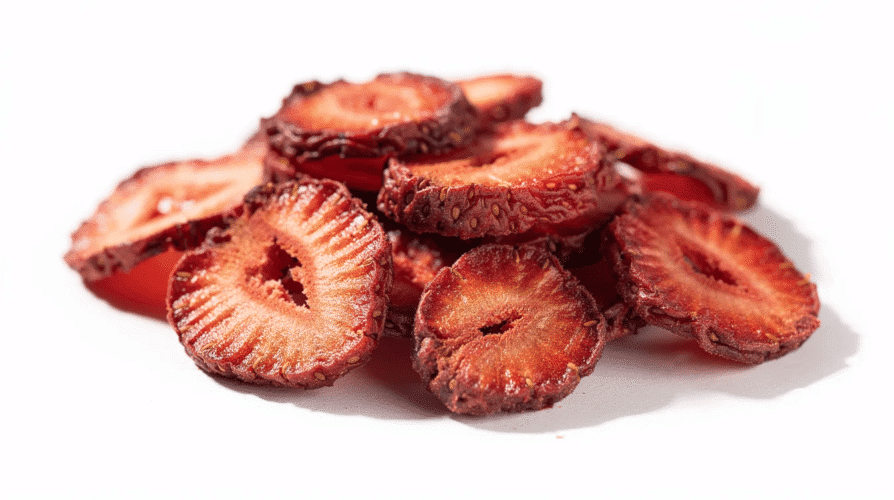
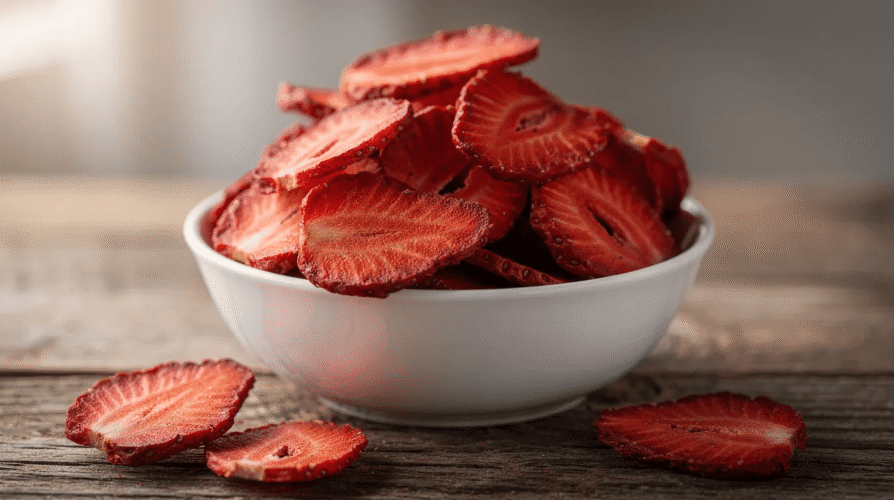
Dehydrated strawberries are simply fresh strawberries with most of their water content removed through a drying process.
Nutrient-wise, dehydrated strawberries are similar to fresh ones but have a more concentrated amount of antioxidants.
Dehydrated strawberries are calorie-dense due to their concentrated sugars and reduced moisture content, so portion control is important to avoid consuming excess calories.
Fresh strawberries have a higher water content and are lower in calories and sugar per gram compared to their dehydrated counterparts.
To avoid potential risks, make sure to read labels and choose dehydrated strawberries without added sugars or preservatives.
What are Dehydrated Strawberries?
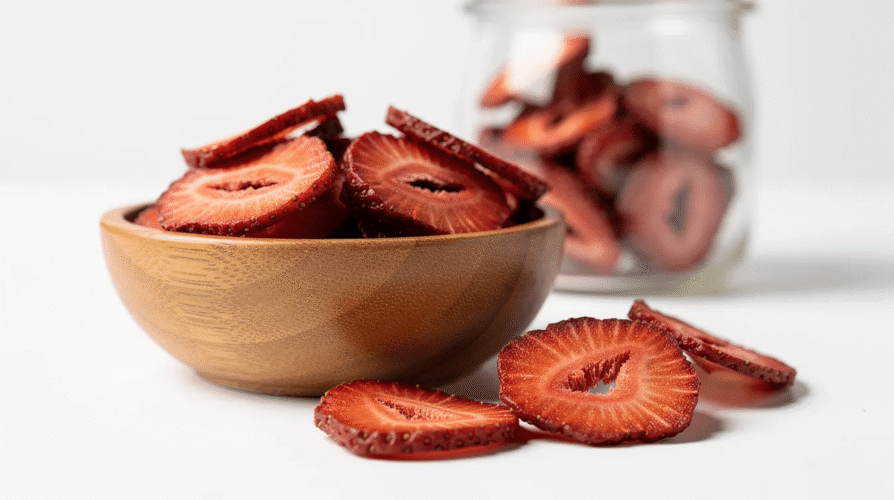
Dehydrated strawberries, also known as dried strawberries, are fresh strawberries that have undergone a process where the water is removed from the fruit, thereby preserving their flavor, texture, and nutritional value. Utilizing methods such as a food dehydrator, these strawberries can be sliced or halved to create healthy snacks suitable for both cooking and baking.
In addition to traditional drying, freeze dried and freeze dried strawberries are alternative preservation methods that use sublimation to remove water, helping to retain more nutrients, flavor, and texture. The drying process also concentrates the natural sugars in strawberries, making dried strawberries higher in sugar content compared to fresh strawberries.
The dehydration process guarantees that these nutrient-rich snacks are not only flavorful but also convenient for food preservation. This makes them an excellent option for individuals seeking to minimize food waste while enjoying the benefits of strawberries throughout the year.
Definition and Preparation
The preparation of dehydrated strawberries involves slicing fresh strawberries, followed by the removal of moisture through methods such as food dehydrators, which ensure even heat distribution.
To achieve optimal results, it is essential to cut the strawberries uniformly, ideally into slices approximately 1/4 inch thick. Setting the temperature to around 135°F facilitates the gradual evaporation of moisture without cooking the fruit, thereby preserving its natural flavor and nutrients.
Upon completion of the dehydration process, vacuum sealing the fruit in airtight bags effectively eliminates any remaining air, significantly enhancing both and flavor retention. Alternatively, utilizing high-quality storage containers can also safeguard the homemade dehydrated fruits from moisture and light, thereby prolonging their delectable taste and nutritional value for future snacking or culinary applications. These storage methods help extend the shelf life of dehydrated strawberries, making them a portable and convenient snack option.
Nutritional Value of Dehydrated Strawberries
The nutritional profile of dehydrated strawberries is substantial, offering notable nutritional benefits when compared to their fresh counterparts. These foods deliver many of the same health benefits as fresh strawberries while serving as a concentrated source of berry nutrition.
Dried strawberries retain many of the nutrients found in fresh strawberries, including antioxidants and fiber, but some vitamin C is lost during the drying process. Dehydrated strawberries contain high levels of manganese, and a serving can provide a significant portion of the recommended daily intake for this mineral.
While dehydrated strawberries are rich in vitamins and minerals, it’s important to note that vitamin C is highly sensitive to heat and air, so dehydration reduces its content significantly compared to fresh strawberries.
Comparison to Fresh Strawberries
Both dehydrated and fresh strawberries are nutritious options; however, dehydrated strawberries present a unique concentration of nutrients and antioxidants resulting from the removal of moisture. This process also concentrates the sugar content and natural sugars, making portion sizes especially important when consuming dried strawberries.
This dehydration process not only enhances their natural sweetness but also increases the concentration of vitamins and antioxidants per serving, making them an excellent choice for individuals seeking to elevate their daily nutrient intake. For example, one cup of fresh strawberries contains significantly less sugar than a much smaller serving of dried strawberries, as a serving of dried strawberries can contain the same amount of sugar as a much larger serving of fresh strawberries due to their calorie-dense nature. The fiber content in dried strawberries, approximately 3 grams per serving, aids digestion and helps maintain stable blood sugar levels.
Fresh strawberries, on the other hand, retain their hydration, which contributes positively to hydration levels and provides a refreshing snack.
In the context of healthy eating practices, incorporating both forms into one’s diet can yield beneficial effects. Fresh strawberries are ideal for use in smoothies, salads, or as standalone snacks, while dehydrated strawberries can enhance cereals, trail mixes, and baked goods, adding both flavor and nutritional value to a variety of recipes.
Health Benefits of Dehydrated Strawberries
Dehydrated strawberries serve as a convenient, nutrient-dense snacking option while offering numerous health benefits, including elevated levels of antioxidants and substantial nutrient content that support a healthy immune system and heart health. Rich in polyphenols and ellagic acid, dehydrated strawberries help reduce inflammation, lower the risk of cardiovascular disease and heart disease, and protect against chronic diseases. The antioxidants in dehydrated strawberries can help reduce LDL cholesterol, support brain function, and further promote heart health. Their concentrated fiber content promotes feelings of fullness, aiding in weight loss and weight management by helping control appetite and reduce cravings. Additionally, minerals such as manganese and magnesium in dehydrated strawberries contribute to bone health, supporting strong bones and preventing bone-related conditions.
Antioxidant and Nutrient Content
The antioxidant and nutrient profile of dehydrated strawberries positions them as a valuable addition to any healthy eating plan, offering essential vitamins and minerals.
These berries are abundant in vitamin C, which not only bolsters the immune system but also promotes healthy skin and enhances collagen production. Their significant concentration of phenolic compounds is instrumental in combating oxidative stress, a factor that may contribute to chronic diseases. Additionally, the dietary fiber present in dehydrated strawberries supports digestive health, aiding in the maintenance of a balanced gut microbiome. Various phytonutrients further contribute to cardiovascular wellness. The potassium and antioxidants in dehydrated strawberries can help manage high blood pressure and reduce inflammation, supporting heart health.
Incorporating dehydrated strawberries into one’s diet can significantly enhance overall vitality by supplying essential nutrients that combat inflammation and facilitate cellular repair, thereby establishing them as an critical component of daily nutrition.
Possible Risks of Eating Dehydrated Strawberries
Dehydrated strawberries represent a nutritious snack option; however, they may present specific risks if consumed in excess, particularly regarding the added sugars and preservatives utilized during the processing. Many commercial varieties of dehydrated strawberries are sweetened with added sugars or syrups, which can significantly increase their overall sugar content and may cause adverse reactions in sensitive individuals. To reduce the risk of these issues, always purchase dehydrated strawberries from reputable sources and check the label for added sugars—ideally, the healthiest options should contain only strawberries or a small amount of fruit juice for flavor. Opt for unsweetened or lightly sweetened dried strawberries to maximize nutritional benefits, as sweetened varieties can have sugar content similar to candy. Additionally, organic dried strawberries are grown without synthetic pesticides or chemicals, making them a cleaner choice for health-conscious consumers.
Added Sugars and Preservatives
Many commercially available dehydrated strawberries may contain added sugars and preservatives, which can diminish their health benefits as a nutritious snack.
These additives not only contribute empty calories but also mask the natural sweetness and flavor of the fruit, thereby undermining its nutritional value. When the nutritional integrity is compromised, consumers forfeit the essential vitamins and antioxidants for which fresh strawberries are well-regarded.
To maximize benefits, look for options that contain just strawberries—meaning no added sugars or preservatives—and opt for unsweetened or freeze-dried varieties whenever possible. Consequently, it is imperative to examine packaging labels meticulously, as this practice can help identify and avoid undesirable ingredients. Choosing organic options or preparing dehydrated strawberries at home can significantly enhance overall dietary integrity, allowing individuals to fully appreciate this delightful treat while enjoying all the associated health benefits.
Incorporating Dehydrated Strawberries into Your Diet
Incorporating dehydrated strawberries into one’s diet is straightforward and can significantly enhance the flavor and nutritional value of various healthy meals and snacks. Dehydrated strawberries are a perfect snack and a great alternative to sugary treats, offering a convenient way to satisfy sweet cravings while boosting nutrient intake. They can be easily added to homemade trail mix, morning oatmeal, and quick breads for extra flavor and nutrition. Try tossing them into savory dishes like salads or grain bowls to add a burst of color and brightness. Their satisfying crunch makes them a satisfying snack, and their relatively low calorie content means they can support weight management as well.
Ways to Enjoy Dehydrated Strawberries
Dehydrated strawberries offer a multitude of culinary applications, ranging from inclusion in trail mix to serving as an appealing topping for yogurt, cereal, or even smoothie bowls. Their naturally sweet flavor makes them a satisfying addition to breakfast options like smoothie bowls, oatmeal, yogurt parfaits, granola, and seeds, creating colorful and nutritious meals.
These vibrant morsels can enhance various dishes, providing both visual appeal and a burst of flavor. For example, one can prepare a delightful strawberry compote by simmering the dehydrated fruit with a small amount of water and sweetener until the desired consistency is achieved.
Another innovative approach involves incorporating them into homemade granola, where they contribute both flavor and a subtle sweetness. Additionally, using dehydrated strawberries in baked goods such as muffins or oatmeal cookies can enhance their nutritional value while retaining a pleasing fruity essence.
Compared to other dried fruits, freeze-dried strawberries generally retain 85–95% of their nutrients, which is superior to traditional drying methods that can destroy a significant portion of Vitamin C. In fact, a serving of dehydrated strawberries can contain up to 8 times the vitamin C found in fresh strawberries, although some water-soluble vitamins may be lost during dehydration.
With these suggestions, it becomes straightforward to elevate meals into healthy snacks suitable for any time of the day.
DannyContent Writer
Hey there, since 2016, my mission has been to provide you with the information and guides you need to make food dehydrating simple and fun. Whether you're a newbie or a seasoned pro, my site offers helpful guides, reviews, and recipes to enhance your dehydrating experience. I take pride in only recommending products I believe in, ensuring my readers' trust. As an affiliate of various programs, including Amazon Associates, your support helps me continue providing quality content. Thanks for stopping by, and happy dehydrating!