We earn a commission if you make a purchase, at no additional cost to you.
09/22/2026 04:39 pm GMT
🍊 Dehydrated Food Info Finder — Temperatures & Drying Times
Choose a category, then pick a food to see its drying temperature and time.
⚠️ Safety Disclaimer: Drying times are estimates and vary based on slice thickness, food moisture content, humidity, and your dehydrator model. Always check for doneness before storing — food should feel dry, leathery, or brittle with no moist spots. Improperly dried food can harbour mould and bacteria. For meat and poultry, follow USDA safe internal temperature guidelines: beef and pork to 160°F (71°C), poultry to 165°F (74°C). Use a food thermometer when in doubt. Store all dehydrated foods in airtight containers in a cool, dark place and discard anything showing moisture, mould, or off odours.
Are Fruit Strips Healthy? A Practical Guide for Parents and Snack Lovers
You’ve probably stood in the grocery aisle wondering whether that colorful package of fruit strips is a genuinely healthy snack or just candy in disguise. The answer depends entirely on which product you’re holding.
Quick Answer: Are Fruit Strips Healthy or Just Candy?
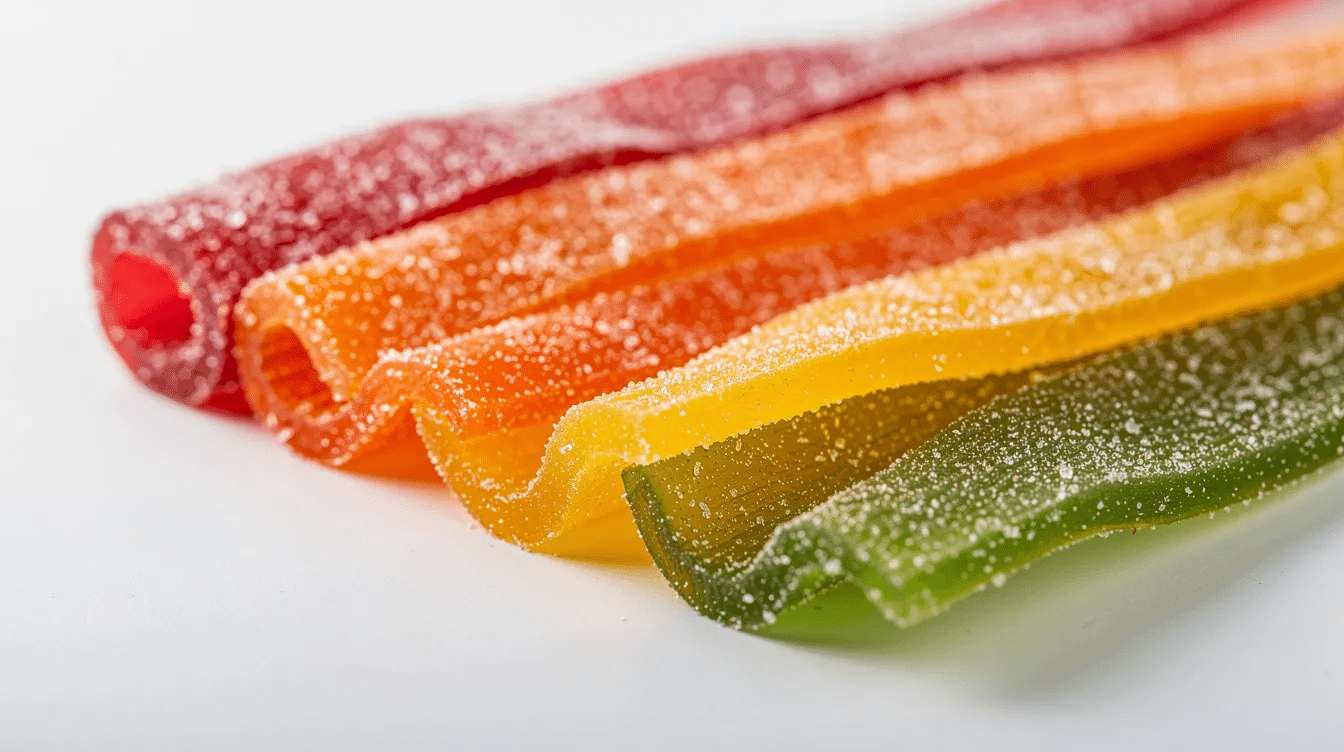
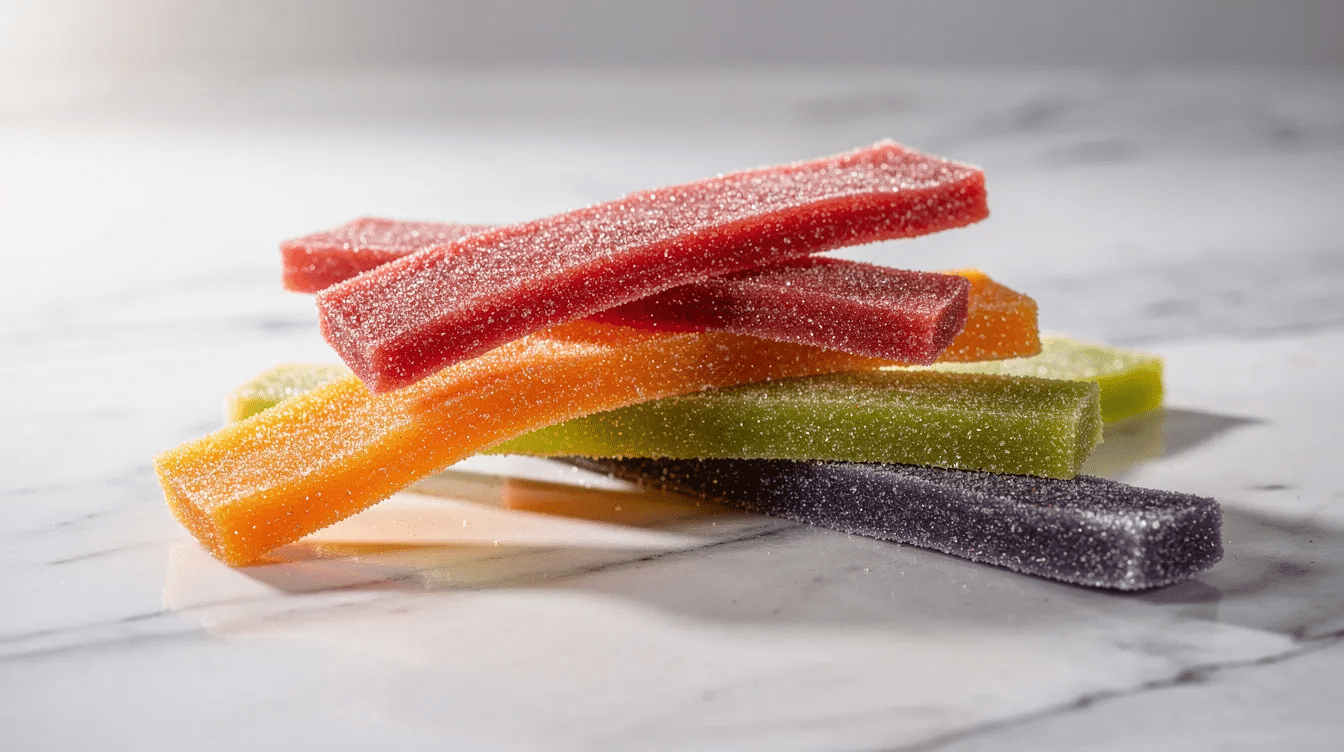
Many mainstream fruit snacks—especially the classic lunchbox roll-ups that dominated the 1990s and 2000s—are closer to candy than anything resembling real fruit. These products typically list corn syrup or sugar as the first ingredient, contain artificial dyes, and deliver minimal nutritional value beyond calories.
However, newer brands like Stretch Island and Solely have changed the game by creating fruit strips that are genuinely fruit-based snacks. The difference comes down to three measurable factors: whether whole fruit or fruit puree is the first ingredient, how many grams of added sugar appear on the label, and whether artificial colors or flavors are present.
Here’s a concrete rule of thumb: fruit strips made with only fruit (fresh, dried, or puree form) and containing 0 grams of added sugar are generally healthy in small portions. Sugary, artificially colored strips belong in the dessert category and should be treated accordingly. One important caveat—even premium “no added sugar” fruit strips are concentrated sources of natural sugar. A single strip can pack the sugar of an entire piece of fresh fruit without the same volume or fiber. This means fruit strips work best as complements to whole fruit, not replacements.
What Exactly Are Fruit Strips, Fruit Leather, and Fruit Jerky?
These terms often get used interchangeably, but there are meaningful distinctions worth understanding. All three products share one characteristic: they’re concentrated fruit in portable form with extended shelf life, making them popular for school lunches, hiking trips, and travel.
Here’s how they differ:
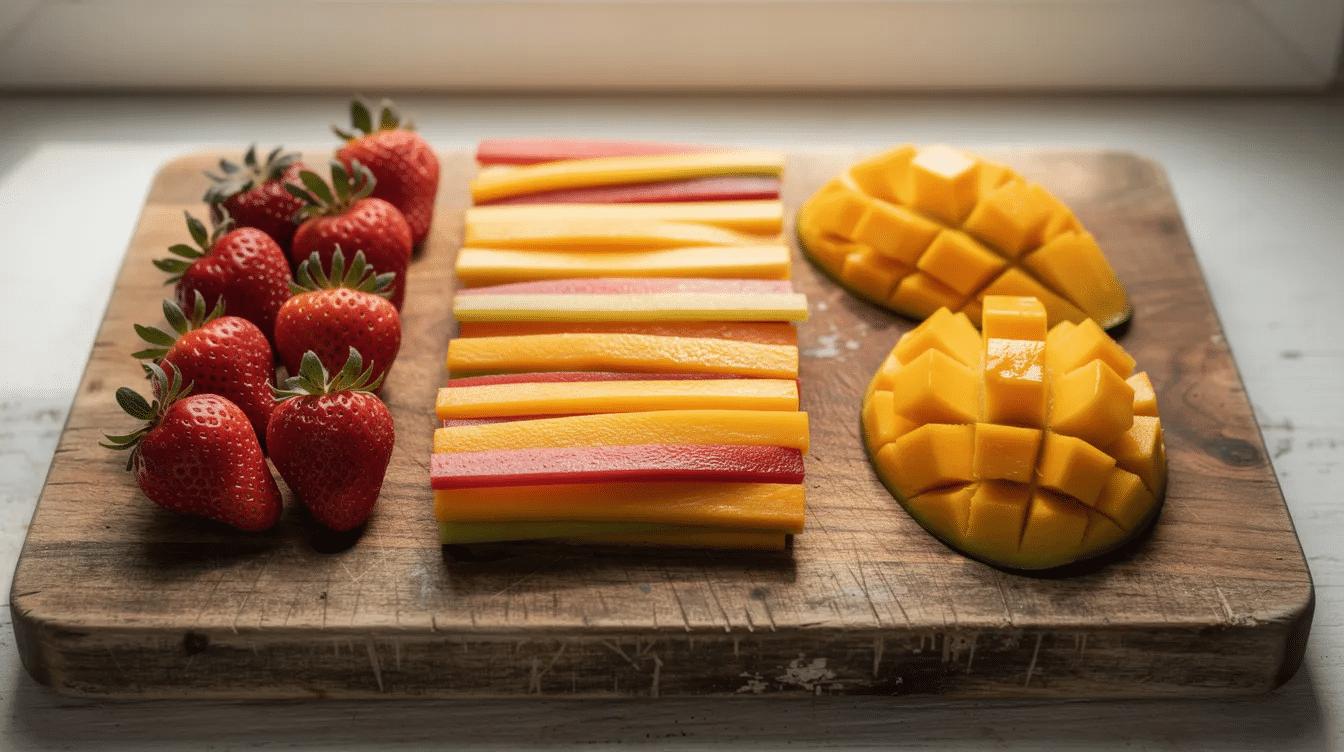
Fruit leather is the traditional form—thin sheets made from pureed fruit that’s spread onto parchment paper and dehydrated at low temperatures, then cut into strips. This process creates a smooth, pliable texture that’s been popular since the 1970s.
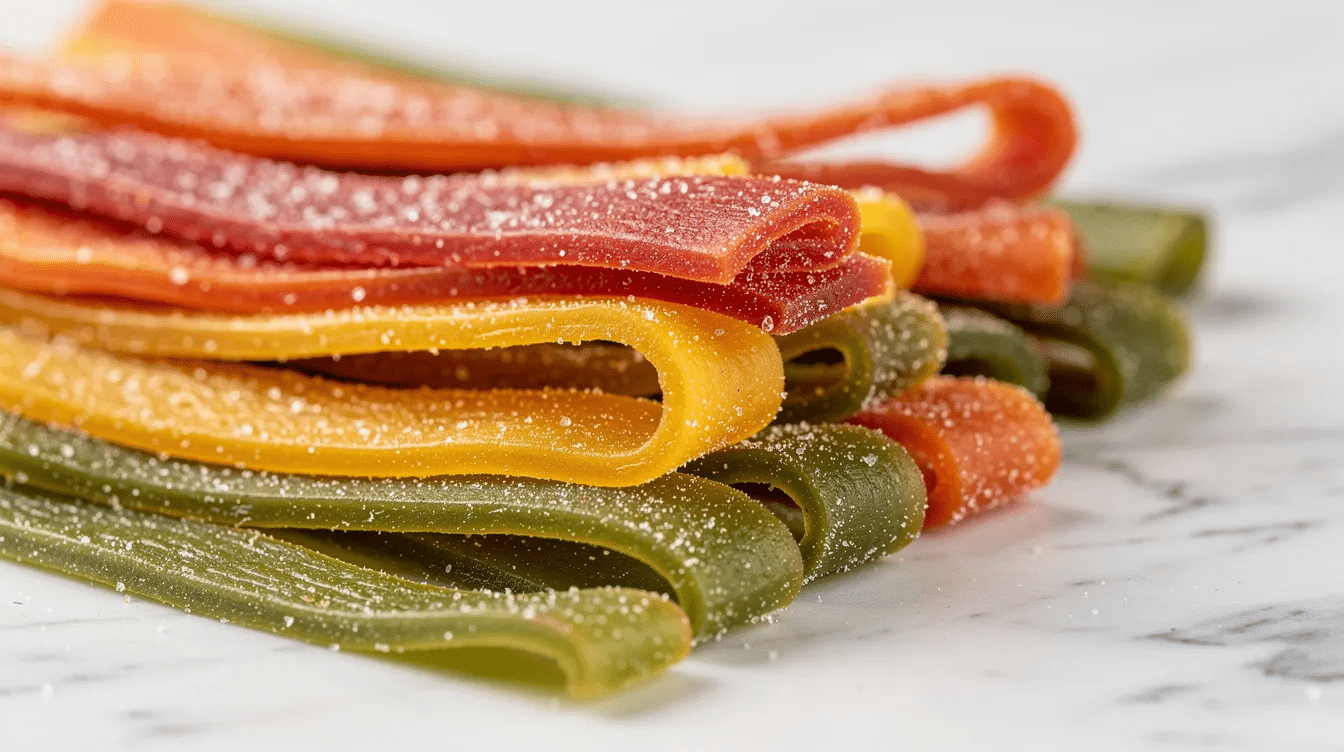
Fruit strips are essentially commercially produced fruit leather, typically thinner and more uniform in texture. Store bought versions range from candy-like products to those made with nothing but fruit puree.
Fruit jerky emerged in the mid-2010s as a thicker, chewier alternative. Brands like Solely Organic Mango Raspberry Fruit Jerky market these as “real food” snacks made from dried fruit rather than reconstituted purees, much like people make dehydrator jerky recipes for perfect homemade snacks using meat instead of fruit.
All three forms can remain fresh for several months when properly packaged, and understanding how long fruit leathers last helps you store them safely, which explains their appeal for busy families.
The key difference isn’t the form—it’s the ingredient list that determines whether you’re eating concentrated fruit or flavored sugar.
Nutrition 101: When Are Fruit Strips Considered Healthy?
Not all products with fruit pictures on the box are nutritionally equal. A pouch showing strawberries and grapes might contain neither as a primary ingredient. Understanding how to read labels quickly separates genuinely healthy fruit snacks from clever marketing.
Check these label elements:
First ingredient matters most. Look for whole fruit, fruit puree, or dried fruit (like apple puree, mango, or pear) listed first. If corn syrup, sugar, or tapioca syrup leads the list, you’re looking at candy.
Total sugar per serving varies dramatically. A Stretch Island strip typically contains around 6-8 grams of total sugar per strip, while candy-like snacks often hit 10-15 grams per similar serving.
Added sugar line is crucial. Seek 0 grams added sugar whenever possible. Here’s what many parents don’t realize: fruit juice concentrates—even organic ones—are classified by the FDA as added sugar. Marketing phrases like “sweetened with real fruit juice” can be misleading.
Fiber content reveals authenticity. Better fruit leather contains 1-2 grams of fiber per serving because it includes actual fruit matter. Many gummy fruit snacks contain 0 grams of fiber.
Vitamin C appears in products containing berries, mango, or added ascorbic acid, providing some nutritional benefit beyond energy.
Artificial colors like Red 40, Yellow 5, and Blue 1 are red flags indicating a candy-like product rather than real fruit.
Claims like “no added sugar” and “non-GMO” (such as those on Black Forest Stretch Island variety pack boxes) are positive indicators but shouldn’t be your only criteria. The complete ingredient list tells the full story.
Fruit strips can fit into a balanced diet when viewed as a small, portion-controlled fruit serving—not a license for unlimited snacking.
Comparing Store-Bought Fruit Strips: Better vs. Not-So-Great Options
Walk down any grocery aisle and you’ll find opposing products sharing shelf space. Understanding the difference helps you shop smarter in seconds.
Traditional gummy fruit snacks (the kind kids love featuring cartoon characters) typically contain:
Corn syrup and sugar as the first two ingredients
Fruit juice concentrate for flavor and color
Artificial dyes for that unnaturally bright appearance
Approximately 80-100 calories per pouch with minimal nutritional value
Gelatin or modified starches for that gummy texture
These products are essentially candy marketed to children. They’re delicious and kids adore them, but they belong in the treat category.
Better alternatives look different:
Brands like Stretch Island Fruit Strips (available in 48-count bulk variety packs with cherry, apple, raspberry, grape, strawberry flavor, and apricot options) use fruit puree as the primary ingredient with 0 grams added sugar. Customer ratings hover around 4.6 out of 5 stars, suggesting parents appreciate what they deliver. A single strip contains about 50 calories—comparable to a small piece of fresh fruit.
Newer jerky-style products like Solely Organic Mango Guava strips (sold in 12-packs around $19.99) are made from organic dried fruit and marketed as vegan, minimally processed snacks. The texture is thicker and chewier, appealing to those who want something that feels more like food than candy.
When browsing Walmart, Costco, or Amazon, prioritize:
Short ingredient lists (fruit plus maybe vitamin C or lemon juice)
Clear “0 g added sugar” on the nutrition label
No artificial dyes
Non-GMO or organic sourcing when budget allows
Pros and Cons of Fruit Strips for Kids and Adults
Fruit strips have earned their spot in lunch boxes and hiking packs for good reasons. But they come with trade-offs worth understanding.
Benefits:
Convenience tops the list. Individually wrapped strips store well in backpacks, office drawers, and car glove boxes without requiring refrigeration or careful handling.
Kid appeal is undeniable. The sweet taste and fun texture rival fruit roll ups and candy ropes, but quality versions deliver actual fruit nutrition.
Portion control becomes automatic. Each strip is a discrete serving, reducing mindless grazing compared to an open bag of snacks.
Shelf life extends for months when properly packaged, unlike fresh fruit that needs eating within days, especially when you dehydrate fruit using a food dehydrator and store it correctly.
Variety satisfies different tastes. Flavors like mixed berry, cherry, blueberry, grape, and tropical options like mango and pineapple keep things interesting.
Limitations:
Sugar density remains a concern. Even strips with no added sugar concentrate the natural sugar from fruit into a small package. A strip might contain the sugar equivalent of a whole apple without the same filling volume.
Lower fiber and volume compared with eating an actual banana, apple, or handful of strawberries affects satiety and blood sugar response. You can eat three strips and still feel hungry.
Dental health requires attention. The sticky texture can cling to teeth, creating conditions where bacteria thrive. Pair strips with water and avoid eating them right before bedtime or after brushing.
Cost per serving runs higher than buying whole fruit in season, especially for premium organic brands.
Frame fruit strips as “sometimes-daily” snacks for older kids and adults, but encourage whole fruit as the default for toddlers and preschoolers whose palates are still developing.
How to Choose Healthier Fruit Strips at the Store
Think of this as your quick label-reading checklist. Screenshot it for your next shopping trip.
Selection rules that work:
Check the first 1-2 ingredients. These should be whole fruit, puree, or dried fruit. Examples: “organic mango,” “apple puree concentrate,” “strawberry puree.” If sugar, corn syrup, or any syrup appears first, put it back.
Find the added sugar line. Look for 0 grams. Watch for hidden syrups in the ingredients—cane sugar, brown rice syrup, tapioca syrup, and even organic fruit juice concentrate all count as added sugar.
Look for fiber. Products with 2-3 grams of fiber per serving likely contain actual fruit matter, including peels. Zero fiber usually means heavy processing.
Avoid artificial colors. Red 40, Yellow 5, and Blue 1 indicate candy masquerading as fruit. Natural color from fruit and vegetable sources is preferable.
Skip artificial flavors. “Natural strawberry flavor” is acceptable; “artificial flavors” suggests a processed product.
Numeric guidelines for everyday use:
Metric
Target
Calories per strip
50-60 max
Total sugar
10g or less
Added sugar
0g ideal
Fiber
2-3g preferred
Practical shopping tips:
Buying bulk packs of 30-48 strips (similar to family-size boxes at Costco or warehouse clubs) saves money if the nutrition checks out. Calculate cost per strip when comparing brands or explore the best brands of healthy fruit leather to buy when shopping online. Store brands sometimes match premium quality at lower prices—always verify by reading labels rather than trusting packaging claims, or consider a top dried fruit subscription box if you want variety delivered to your door.
Are Homemade Fruit Strips and Fruit Leather Healthier?
The DIY fruit leather trend gained momentum around 2015 when healthy snack blogs popularized simple 4-ingredient recipes. Making your own strips gives you complete control over what goes in.
Ability to add nutritional boosts like chia seeds or blend in vegetable purees
No artificial colors, preservatives, or mystery ingredients, which helps fruit strips fit alongside other guilt-free snack ideas like nuts, yogurt, and hummus
Fun weekend activity with kids that connects to nostalgic memories of classic fruit roll ups
Limitations to consider:
Time and energy intensive—hours of low-temperature oven use adds up
Texture varies batch to batch depending on fruit moisture content and spread thickness
Homemade strips spoil faster than factory-sealed products without preservatives, just as jerky shelf life and expiration depend heavily on storage and packaging
Requires equipment (food processor or blender) and planning ahead
For busy families, finding store bought options with acceptable nutrition may prove more practical than regular homemade production. But knowing you can make delicious fruit leather at home offers a valuable alternative when time allows.
How Often Can You Eat Fruit Strips? Practical Portion & Age Guidelines
Frequency depends on age, overall diet quality, and dental health considerations. Here’s practical guidance without being overly prescriptive.
By age group:
Toddlers (under 3): Use sparingly. The sticky texture presents choking risk, and young children benefit more from soft whole fruit or mashed fruit that develops their palates for natural food textures.
School-age kids: Treat 1 strip as 1 small fruit serving. Generally cap at 1 strip per day, especially if they also drink fruit juice. This prevents fruit strips from crowding out other nutritious foods kids need.
Teens and adults: 1-2 strips fit reasonably into a balanced day, particularly around workouts, hikes, or long travel when whole fruit isn’t practical. They shouldn’t replace vegetables, protein, nuts, or other essential food groups.
General principles:
Fruit strips count toward daily fruit intake but shouldn’t replace all whole fruit. Aim for a mix of apples, berries, citrus, and seasonal options alongside occasional strips.
Because of their sticky nature and sugar content, pair fruit strips with water. This helps rinse teeth and improves hydration.
Avoid eating strips right after brushing at night when saliva production decreases and sugar can linger on teeth.
Consider strips as tasty travel food or activity fuel rather than everyday default snacks at home where fresh fruit is accessible.
Summary: Making Fruit Strips a Smarter Snack Choice
The question “are fruit strips healthy?” doesn’t have a simple yes or no answer. These snacks exist on a spectrum from essentially candy to genuinely fruit-based nutrition. Your job as a shopper is recognizing the difference.
Reading labels isn’t complicated once you know what to look for. Real fruit or fruit puree should appear as the first ingredient. Added sugar should read 0 grams. Artificial dyes like Red 40 shouldn’t appear at all. When products meet these criteria—like quality fruit leather from brands such as Stretch Island or organic fruit jerky options—they can serve as legitimate convenient snacks.
Moving forward:
Choose options made from whole fruit with 0 grams added sugar and no artificial dyes
Use strips as a complement to fresh fruit, not a full replacement
Experiment with simple homemade fruit leather when you want maximum ingredient control
Teach kids to recognize the difference between fruit-based snacks and candy-like alternatives
Building a “smarter snack drawer” doesn’t require perfection. Combine quality fruit strips with nuts, raisins, whole fruit like bananas and apples, and minimally processed snack bars. When healthy options are the most accessible choices, making good decisions becomes automatic. Your family deserves food that’s both delicious and genuinely nutritious—and with the right products, fruit strips can be exactly that.
DannyContent Writer
Hey there, since 2016, my mission has been to provide you with the information and guides you need to make food dehydrating simple and fun. Whether you're a newbie or a seasoned pro, my site offers helpful guides, reviews, and recipes to enhance your dehydrating experience. I take pride in only recommending products I believe in, ensuring my readers' trust. As an affiliate of various programs, including Amazon Associates, your support helps me continue providing quality content. Thanks for stopping by, and happy dehydrating!