We earn a commission if you make a purchase, at no additional cost to you.
09/22/2026 04:39 pm GMT
🍊 Dehydrated Food Info Finder — Temperatures & Drying Times
Choose a category, then pick a food to see its drying temperature and time.
⚠️ Safety Disclaimer: Drying times are estimates and vary based on slice thickness, food moisture content, humidity, and your dehydrator model. Always check for doneness before storing — food should feel dry, leathery, or brittle with no moist spots. Improperly dried food can harbour mould and bacteria. For meat and poultry, follow USDA safe internal temperature guidelines: beef and pork to 160°F (71°C), poultry to 165°F (74°C). Use a food thermometer when in doubt. Store all dehydrated foods in airtight containers in a cool, dark place and discard anything showing moisture, mould, or off odours.
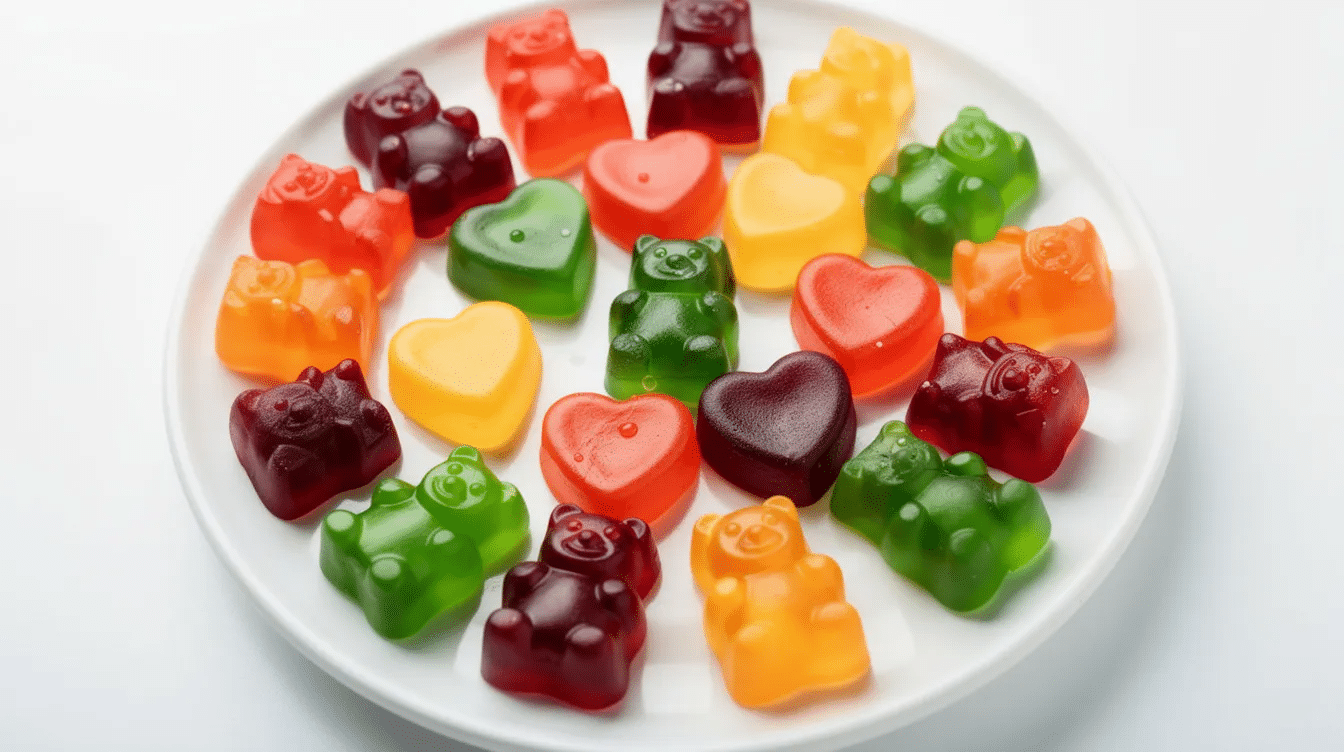
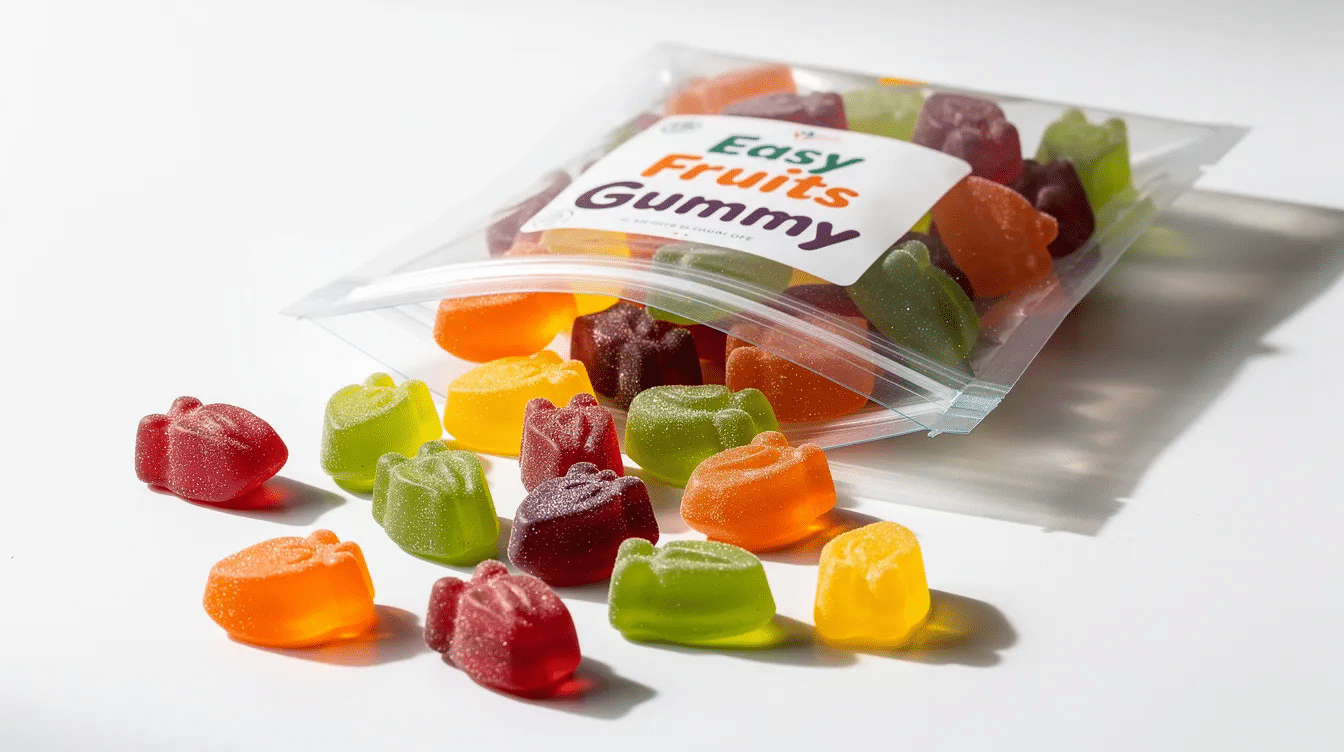
Looking for a healthier snack that kids actually want to eat? This post may contain affiliate links, but the real value here is learning how to make easy fruit gummies at home using ingredients you can pronounce. In under 30 minutes of active time, you can create chewy, colorful treats that rival store bought options—without the artificial colors or corn syrup.
Key Takeaways
Easy fruit gummies can be made at home in under 30 minutes of hands-on time using real fruit or 100% fruit juice, gelatin (or agar for vegan options), and a touch of natural sweetener like honey or maple syrup.
These homemade gummies are free from artificial flavors, artificial colors, and corn syrup, making them a lighter alternative to many commercial fruit snacks available in 2024–2026.
Not all fruits work equally well: fresh pineapple, kiwi, papaya, and similar fruits contain enzymes that prevent proper setting unless heated first.
Basic kitchen tools—a small saucepan, blender, and silicone mold or small pan—are all you need to create customizable shapes and other flavors.
Store finished gummies in an airtight container in the refrigerator for 3–7 days, or freeze them for up to 1–2 months.
This homemade fruit snacks recipe focuses on simplicity: minimal ingredients, no artificial dyes, and straightforward steps perfect for busy home cooks in 2026. You don’t need special equipment or culinary training to pull this off.
Commercial fruit snacks often rely on high-fructose corn syrup, synthetic colors like Red 40, and artificial ingredients to achieve their vivid hues and extended shelf life. This approach uses whole fruit puree or 100% juice combined with simple pantry staples instead, fitting neatly into a broader pattern of guilt-free snack ideas rich in nutrients and flavor.
The recipe is genuinely family-friendly. Kids enjoy the chewy texture and bright natural colors, while adults maintain control over sweetness and what goes into each batch. You can even comment something about how much better these taste than the packaged version.
What makes this versatile is the foundation: start with a basic berry gummy, then branch into apple juice, grape, or mixed tropical flavors as you gain confidence. The same method applies to different fruits and combinations.
This article walks through core ingredients, fruit selection, gelatin vs. agar options, step-by-step instructions, and storage guidelines—plus troubleshooting tips for common texture issues.
Core Ingredients for Easy Fruit Gummies
Every easy fruit gummy recipe relies on just a handful of components. Here’s what each brings to the final product:
Fruit Base Options:
100% fruit juice (apple juice, white grape juice, pomegranate) provides the flavor and natural color
Fruit puree from frozen berries, ripe mango, or raspberry puree creates more intense fruit flavor
Concentrates like apple juice concentrate, cherry juice concentrate, peach juice concentrate, raspberry juice concentrate, lemon juice concentrate, or apple puree concentrate offer concentrated natural flavor
Gelling Agent:
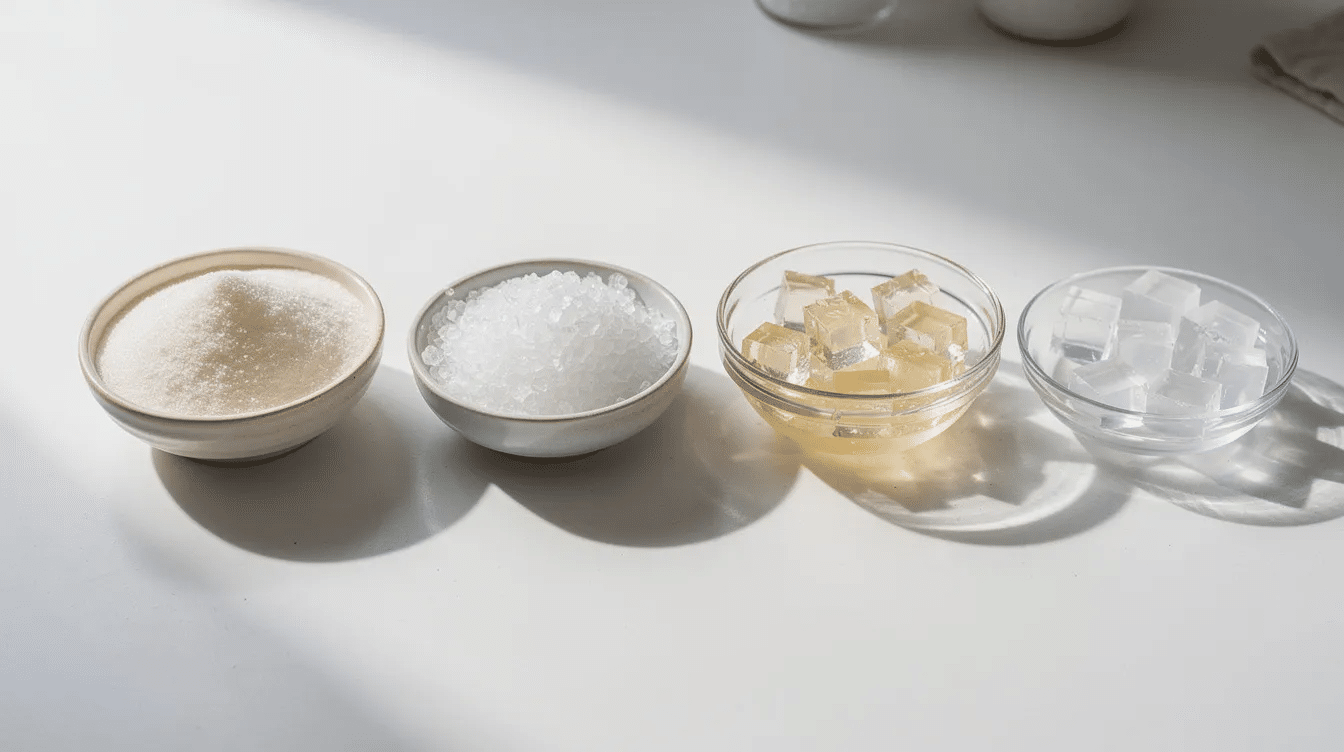
Unflavored powdered gelatin (bovine or porcine) serves as the primary setting agent for gelatin based gummies
A typical ratio: 2–3 tablespoons per 2 cups of liquid yields firm but bouncy gummies
Products like vital proteins gelatin work well for this purpose
Sweeteners (Optional):
Add honey in small amounts for tart fruits
Maple syrup provides gentle sweetness without overpowering fruit
Date puree or pureed Medjool dates offer whole-food sweetness
Some recipes skip added cane sugar entirely, relying on fruit’s natural sugars for a low sugar or sugar free result
Flavor Boosters:
Vanilla extract (1 tsp) adds depth
Lemon juice brightens flavors
Citric acid (small pinch) creates a sour gummy effect
Tools Needed:
Small saucepan for heating
Blender for purees
Silicone mold (bears, hearts, stars) or 8×8 pan
Dropper or small pitcher for precision pouring
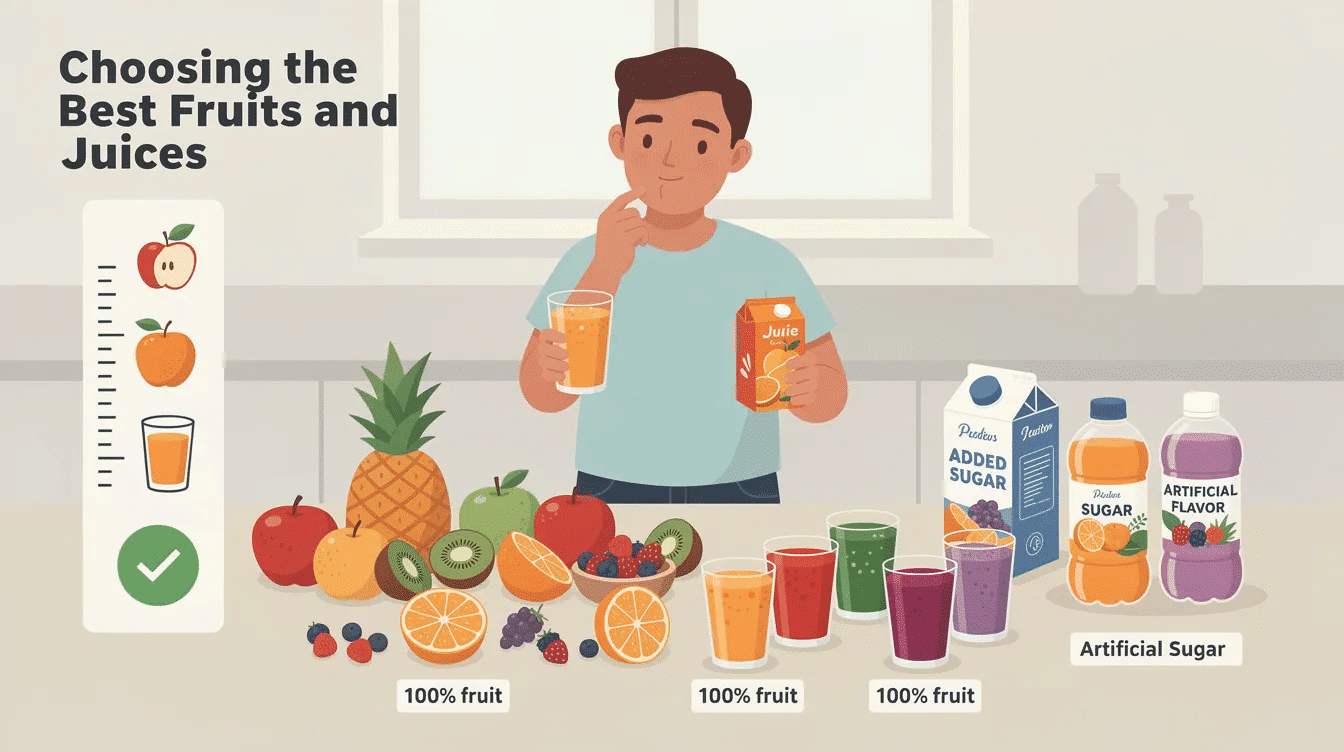
Choosing the Best Fruits and Juices
Selecting the right fruits determines both flavor success and whether your gummies actually set. Here’s how to navigate your options:
Beginner-Friendly Choices:
Fruit/Juice
Why It Works
Color Result
Apple juice
Sets reliably, neutral flavor base
Light golden
White grape juice
Sweet, clear, consistent
Pale yellow
Frozen berries (strawberry, blueberry, raspberry)
Blend smooth, vibrant color
Red, purple, blue
Orange juice
Good acidity, sets well
Bright orange
Colorful Combinations:
Strawberry–mango creates vivid orange-red from natural anthocyanins
Grape–blueberry yields deep purple
Orange–raspberry produces sunset hues
For fruits high in pulp like peach puree concentrate or mango, blend until perfectly smooth. Strain through a fine mesh strainer or nut milk bag if you want crystal-clear gummies rather than opaque ones, or explore dehydrated fruit recipes for other long-lasting snack options.
Pro tip: A small amount of cooked beet or carrot can deepen red or orange tones without noticeably changing the natural flavor.
Always taste your fruit mixture before adding gelatin. Adjust sweetness at this stage—once gelatin is added, modifications become difficult. This matters especially for out-of-season fruit that may be less sweet.
Fruits with Enzymes That Affect Setting
Not all fruits cooperate with gelatin. This is where many first attempts fail.
Problem Fruits (Raw):
Fresh pineapple (contains bromelain)
Kiwi (contains actinidin)
Papaya
Fresh mango
Guava
Figs
These fruits contain protease enzymes that break down gelatin’s protein strands. Using them raw results in gummies that stay soft or completely liquid, even after hours of refrigeration.
The Solution: Gently simmer these fruits or their juice for 5–10 minutes over medium heat. This denatures the enzymes without destroying the flavor.
Canned versions of these fruits are already heat-treated during commercial processing, so they generally work without additional cooking.
Gelatin vs. Agar: Getting the Perfect Gummy Texture
Both gelatin and agar create chewy homemade fruit gummies, but they behave quite differently and suit different dietary needs.
Gelatin:
Animal-derived (from collagen protein in animal products)
Dissolves in warm liquid, sets when cooled
Creates flexible, bouncy texture
Provides approximately 6g protein per tablespoon
Not suitable for vegetarian or vegan diets
Often marketed for gut health benefits, though clinical evidence remains mixed
Agar Agar:
Plant-based, derived from seaweed
Must be boiled (85–95°C) to activate
Sets at room temperature
Creates firmer, slightly more brittle texture
Works well as a vegan alternative
Important: Collagen peptides (sold as supplements) dissolve but do not gel. They cannot replace gelatin if you want firm homemade gummies.
Property
Gelatin
Agar
Source
Animal (bovine/porcine)
Seaweed
Activation
Warm (40-50°C)
Boiling (85-95°C)
Texture
Bouncy, elastic
Firm, slightly brittle
Diet Compatibility
Not vegan
Vegan, gluten free
Ratio
2-3 tbsp per 2 cups liquid
Follow package (more potent)
Position these as a fun treat and fun project rather than a medical intervention. The protein content is a nice bonus, but the real appeal is making gummy candies without artificial ingredients, especially if you also enjoy dehydrated low carb fruits for healthy snacking.
Texture Troubleshooting
Use this quick problem-solution guide for common issues:
Too Soft or Weepy:
Increase gelatin by 0.5–1 tablespoon next batch
Ensure mixture never boiled vigorously (damages protein structure)
Verify enzyme-rich fruits were properly heated
Check that gummies chilled long enough (minimum 1–2 hours)
Heat gently while whisking until mixture looks smooth and glossy
Bloom gelatin properly in cold liquid before heating
Sticky Surface:
Lightly oil molds before pouring
Unmold only when completely chilled
Store in a single layer or with parchment between layers
A light coating of rice flour can reduce stickiness
Step-by-Step: How to Make Easy Fruit Gummies
Follow these clear steps for making gummies at home. Review recipe details before starting, and know that required recipe ratings from readers confirm this method works reliably.
1. Prepare Your Molds Place your silicone mold or 8×8 inch pan on a baking sheet for stability. Lightly grease with coconut oil if desired (silicone usually releases well without it).
2. Create the Fruit Base Blend 1–2 cups of fruit (frozen berries work great) with 2–3 tablespoons of water or juice until very smooth. Strain through a fine mesh strainer for clearer gummies.
3. Measure Your Volume Pour the fruit mixture into a measuring cup. You want approximately 1.5–2 cups total liquid to match with your gelatin amount.
4. Bloom the Gelatin Pour ⅓ cup of cold juice or puree into your small saucepan. Sprinkle 2–3 tablespoons gelatin evenly over the surface. Let sit 3–5 minutes—the granules will swell and hydrate.
5. Heat Gently Add remaining fruit mixture to the saucepan. Heat over medium heat, stirring constantly until gelatin dissolves completely (2–5 minutes). The mixture should look glossy with no visible granules. Do not boil.
6. Adjust Flavor Taste and adjust. Add honey, maple syrup, or lemon juice in small increments. This is your last chance before setting.
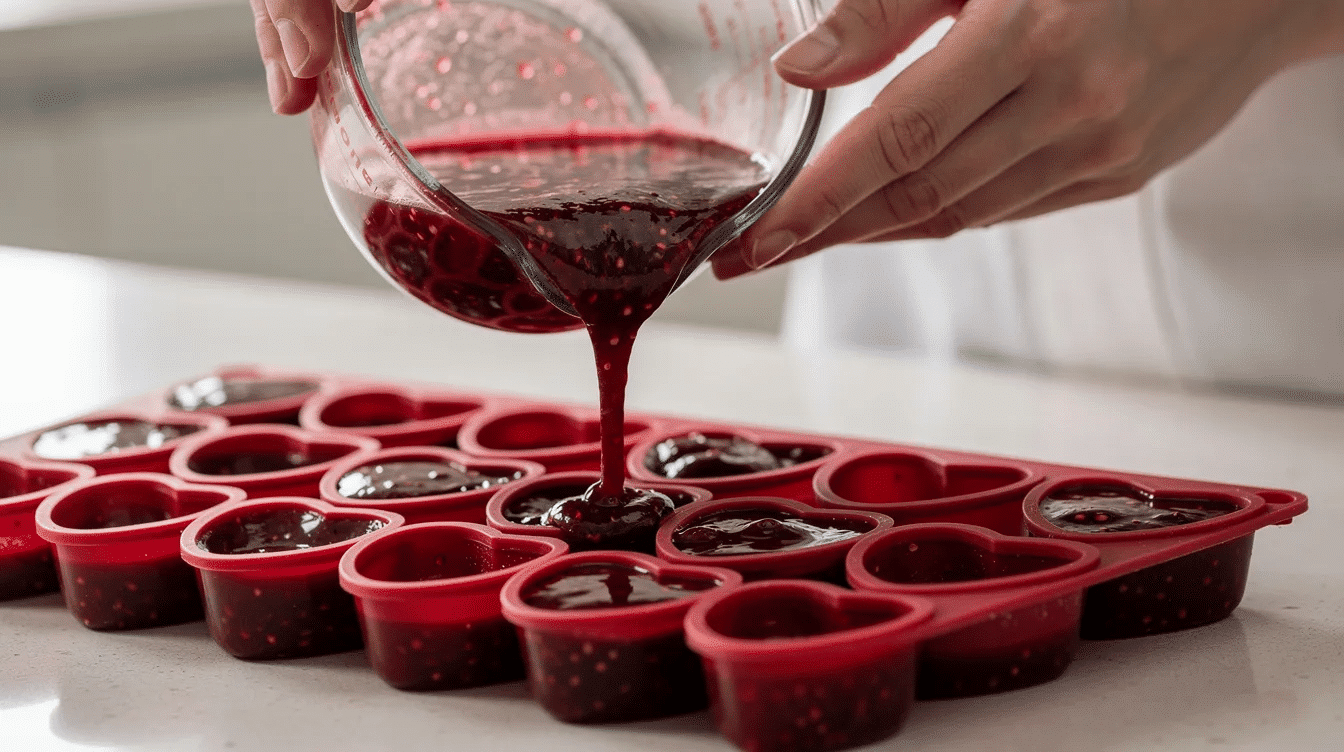
7. Pour Into Molds Carefully pour warm mixture into molds using a small pitcher or dropper for precision. Fill each cavity completely but avoid overflow.
8. Chill Until Set Refrigerate for at least 1–2 hours until gummies spring back when lightly pressed. Overnight chilling produces the cleanest release.
9. Unmold and Store Flex silicone molds gently from the bottom to release. For pan-set gummies, cut into small squares. Transfer to a container in the fridge.
Time and Effort Breakdown
Planning your snack cuisine adventure? Here’s what to expect:
Active cook time: 10–15 minutes (blending, blooming, heating, pouring)
Total hands-on: 15–25 minutes per batch
Chilling time adds 1–2 hours minimum, though overnight works best. The nutrition serving varies by mold size, but most batches yield 40–60 small gummies.
Making multiple flavors simultaneously (like strawberry and grape simply fruit bites) adds just a couple extra minutes—run the method in parallel with divided saucepans, or complement your gummies with freeze dried strawberries made at home.
Storage, Shelf Life, and Freezing
Proper storage preserves texture and taste. These homemade healthy fruit gummies contain no preservatives, so refrigeration matters.
Refrigerator Storage:
Transfer fully chilled gummies to an airtight container
Layer parchment paper between rows to prevent sticking
Keep in the coldest part of your fridge
Lasts 3–7 days depending on moisture content and ingredients used
Room Temperature Caution: Gelatin gummies soften in warm kitchens. In summer months especially, keep them chilled. Room temperature storage risks texture degradation within hours.
Freezing Guidelines:
Arrange gummies in a single layer on parchment-lined sheet
Freeze until solid, then transfer to sealed container
Store frozen for 1–2 months
Thaw slowly in refrigerator to avoid condensation and mushiness
Label containers with the making date, particularly when batching multiple flavors or freezing for later. This prevents the “mystery gummy” situation and pairs well with keeping a dried fruit subscription box on hand for ready-to-eat snacks.
Flavor Variations and Fun Shapes
Once you’ve mastered the basic fruit gummy recipe, creativity takes over. The method stays identical—only the fruit mixture changes.
Combination
Color
Flavor Profile
Apple–strawberry
Bright red
Sweet, classic
Grape–blueberry
Deep purple
Berry-forward
Orange–mango
Sunset orange
Tropical, tangy
Peach–raspberry
Coral pink
Summer sweetness
Sour Gummies: Add 2 tablespoons lemon or lime juice plus ¼ teaspoon citric acid to your base. This creates that tongue-tingling effect popular in commercial sour gummy cravings—but with natural flavor only.
Seasonal Variations: If you enjoy citrus flavors, you can also experiment with dehydrated citrus slices made at home for another way to preserve fruit.
Late spring: Fresh strawberries at peak ripeness
Summer: Stone fruits (peaches, cherries via peach puree concentrate)
Autumn: Apple or pear with ½ teaspoon cinnamon
Winter: Citrus blends, cranberry-orange
Fun Shapes: Themed silicone molds transform simple gummies into exciting fruit bites, especially when served alongside a homemade dried fruit and nut mix for snacking:
Hearts for Valentine’s Day
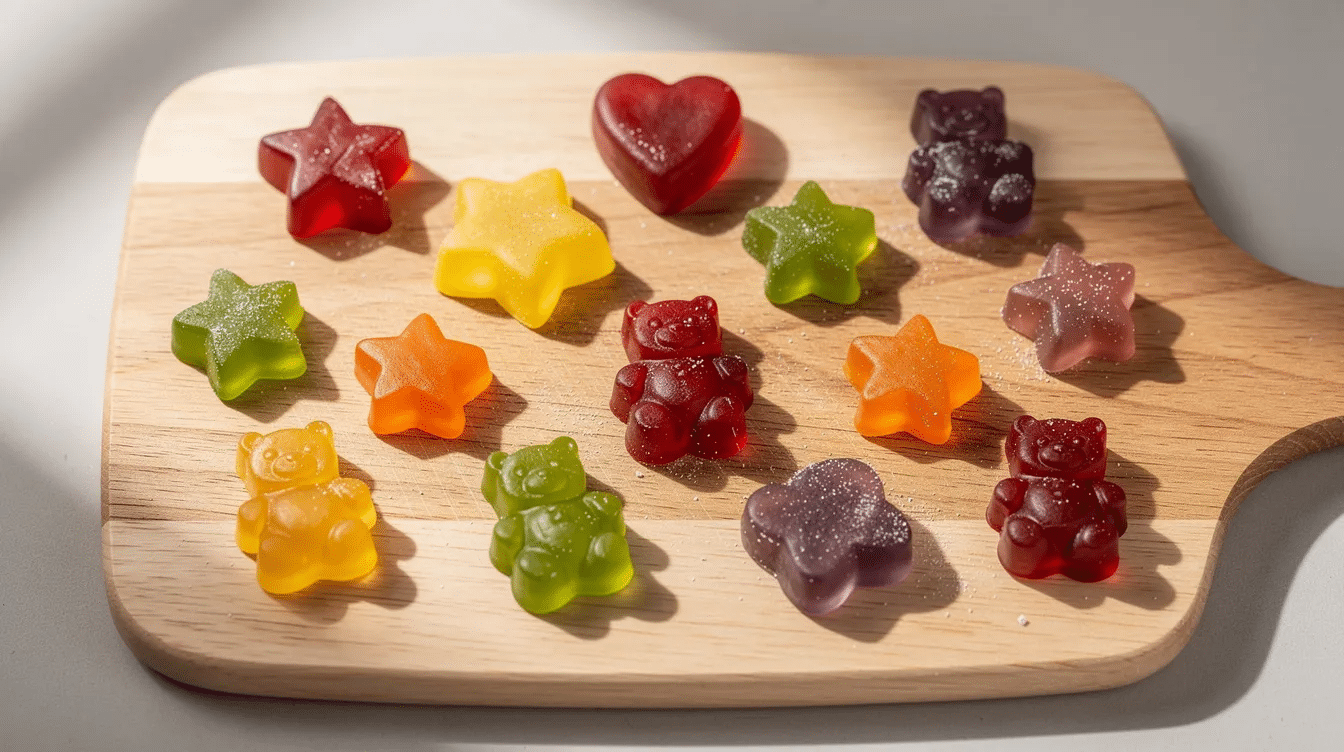
Stars for birthdays
Letters for spelling names
Bears for classic gummy bears appeal
Adult Variations: Create “tea gummies” using brewed herbal teas (hibiscus, chamomile, mint) as the liquid base. Sweeten lightly, set with gelatin or agar. Simply gum alternatives without any cane sugar, and serve them with homemade dried plums as a nutritious snack.
FAQ
Can I make these easy fruit gummies without any added sweetener?
Yes, gummies can be made using only naturally sweet fruits and 100% juice. The final taste depends entirely on fruit ripeness and sweetness.
Use very ripe bananas, mango, or grapes—or sweeter juices like white grape or apple—if skipping honey or maple syrup entirely. Taste the fruit mixture before adding gelatin. If it tastes good as liquid, the gummies will taste similar once set.
Are homemade fruit gummies safe for toddlers and young children?
The ingredients are generally simple—fruit, juice, gelatin—but the chewy texture presents a choking risk for children under approximately 3 years old.
Cut gummies into very small pieces and supervise closely, or wait until your child comfortably chews similar textures. Follow up comments from parents suggest testing with older siblings first. Consult your pediatrician if you have concerns about gelatin, sweeteners, or specific fruits.
Can I use powdered pectin instead of gelatin or agar?
Pectin behaves quite differently than gelatin or agar. It requires specific sugar and acid ratios to set properly—typically 50–65% sugar content.
A straight one-to-one swap with pectin won’t work without completely rebalancing the recipe, which defeats the low sugar purpose. Look for recipes designed specifically for pectin-based fruit jellies if avoiding both gelatin and agar.
How do I stop my gummies from sweating or leaking liquid in the container?
If you love baking, you can use similar fruit flavors in simple scones with dried fruit, which hold up well at room temperature compared to gummies.
“Sweating” typically happens when gummies are still slightly warm when stored, or when humidity is high.
Chill gummies until completely firm before transferring to storage. Line containers with dry parchment or paper towel. If gummies consistently release moisture, reduce liquid slightly or increase gelatin by half a tablespoon next batch.
Can I add vitamins or supplements to my easy fruit gummies?
You can also think about how these gummies fit into your overall snacking routine—for example, pairing them with homemade granola boosted with dehydrated fruits for more texture and fiber.
Some people stir powdered vitamin C or probiotic powders into the mixture once warm but not hot (under 60°C/140°F) to avoid damaging heat-sensitive ingredients.
Check safety and dosage with a healthcare professional before adding supplements, especially for children. Test a small batch first—some powders affect texture or prevent proper setting. The automatically calculated nutrition values change with additions.
Making your own homemade fruit snacks takes far less effort than you might expect. With 15–25 minutes of active time and ingredients you control, you can satisfy gummy cravings while skipping the artificial colors and corn syrup found in most store bought options. Start with a simple berry batch this weekend—once you see how easy it is, you’ll find yourself experimenting with seasonal fruits and creative shapes in no time.
DannyContent Writer
Hey there, since 2016, my mission has been to provide you with the information and guides you need to make food dehydrating simple and fun. Whether you're a newbie or a seasoned pro, my site offers helpful guides, reviews, and recipes to enhance your dehydrating experience. I take pride in only recommending products I believe in, ensuring my readers' trust. As an affiliate of various programs, including Amazon Associates, your support helps me continue providing quality content. Thanks for stopping by, and happy dehydrating!