We earn a commission if you make a purchase, at no additional cost to you.
09/22/2026 04:39 pm GMT
🍊 Dehydrated Food Info Finder — Temperatures & Drying Times
Choose a category, then pick a food to see its drying temperature and time.
⚠️ Safety Disclaimer: Drying times are estimates and vary based on slice thickness, food moisture content, humidity, and your dehydrator model. Always check for doneness before storing — food should feel dry, leathery, or brittle with no moist spots. Improperly dried food can harbour mould and bacteria. For meat and poultry, follow USDA safe internal temperature guidelines: beef and pork to 160°F (71°C), poultry to 165°F (74°C). Use a food thermometer when in doubt. Store all dehydrated foods in airtight containers in a cool, dark place and discard anything showing moisture, mould, or off odours.
Dry Fruits Turkey: Guide to Turkish Dried Fruits, Best Varieties & Where to Buy
Turkey ranks as the world’s leading producer and exporter of several dried fruits, supplying over 75% of global dried fig exports, more than 90% of dried apricots from Malatya province alone, and approximately 25% of worldwide raisins. These numbers position the country as the undisputed capital of sun-dried goodness.
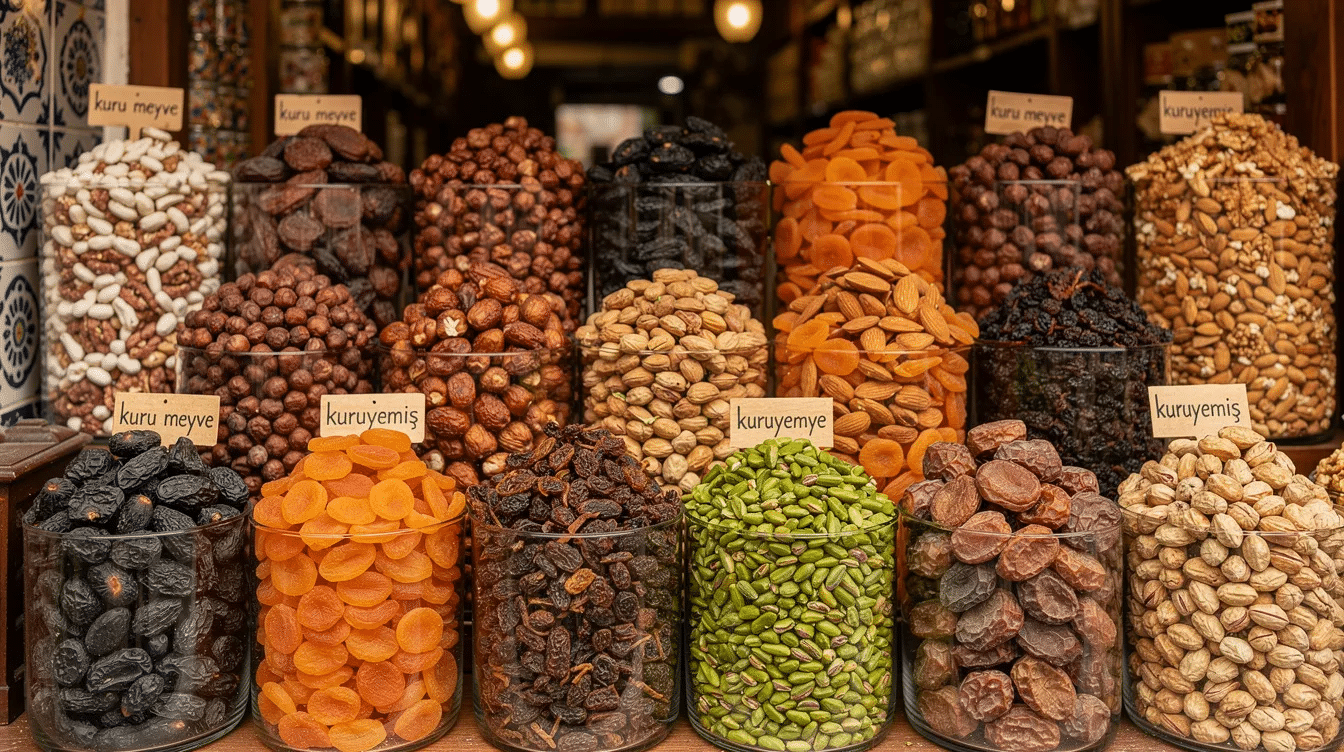
In Turkish culture, the term “kuruyemiş” encompasses both dried fruits and nuts, forming an integral part of daily consumption, hospitality rituals, and traditional desserts like sütlaç. Whether consumed as healthy snacks or eaten alongside hazelnuts and pistachios, turkish dried fruits remain packed with flavor and nutrients.
This guide covers figs, apricots, raisins (sultana, Thompson, golden), mulberries, sour cherries, apples, and prunes. You’ll learn their health benefits, regional origins, how to choose quality products, and the best places to buy dried fruits both in Turkey and online.
Turkey consistently ranks among the top global producers, with 2024 export data showing shipments to over 150 countries, primarily EU nations, the USA, and Russia. Roughly 25% of production carries organic certification under USDA, EU Organic, and Halal standards.
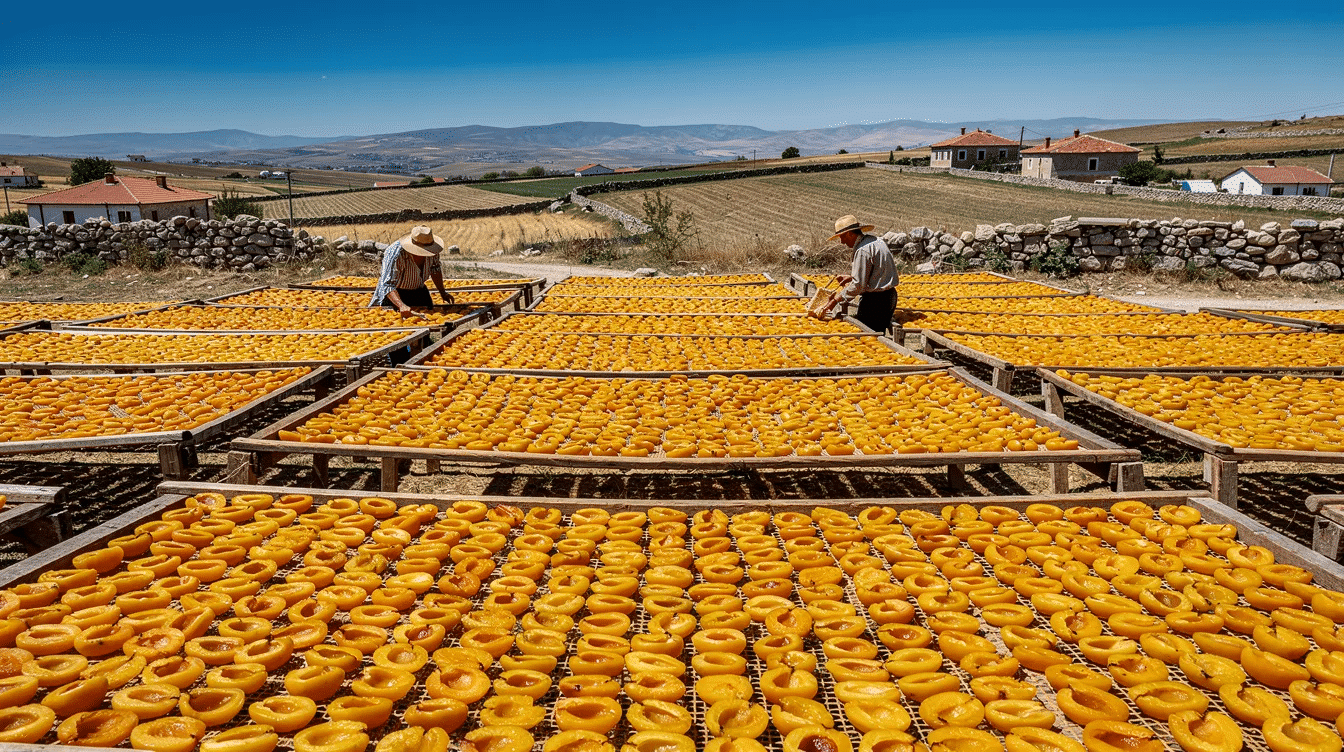
The geographical advantage is significant. Aegean, Mediterranean, and Eastern Anatolian climates deliver hot, dry summers with extended sunshine hours—conditions that naturally support natural sun-drying preservation without artificial intervention. Turkish people have perfected traditional methods using wooden racks, nets, and patios for centuries, now combined with modern food safety protocols.
International buyers value these fruits for their balance of natural sweetness, soft texture, and high nutrient density. The taste profile consistently outperforms competitors in markets across Europe, North America, and East Asia.
Dried figs from Aydın—honey-like interior, rich in fiber and calcium. Dried apricots from Malatya—sweet, fleshy, excellent source of vitamin A. Sultana raisins from İzmir/Manisa—soft and sweet, perfect for baking. Thompson raisins—darker, more intense flavor. Golden raisins—tangier, lighter color. Mulberries—crisp-chewy, naturally sweet. Sour cherries—tangy-sweet, deep red. Dried apples—mild, antioxidant-rich. Prunes—soft, beneficial for digestion.
Most can be purchased as standalone snacks or mixed into a homemade dried fruit and nut mix as ingredients for muesli, yogurt bowls, and traditional desserts.
Turkish Dried Figs
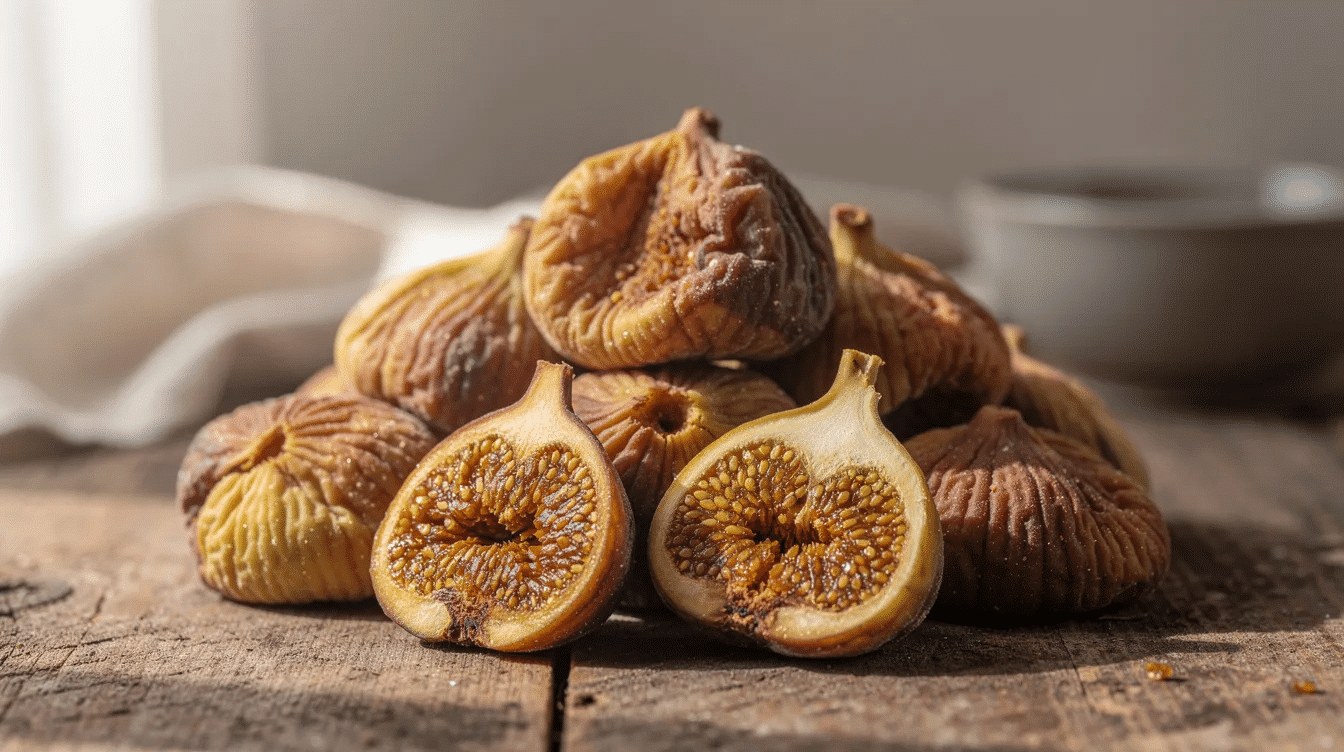
Aydın province and surrounding Aegean districts produce the majority of global export dried figs. Harvest occurs in August, with fruits sun-dried on wooden racks for approximately one week, although many home cooks now also dehydrate fresh figs in food dehydrators.
The sensory profile is distinctive: thin, pale-golden skin enclosing a soft, honey-like interior with prominent seeds that provide gentle crunch. Commercial types include Lerida (large, light-colored), Protoben (medium), and Pulled figs (hand-pulled for uniform shape).
Nutritional highlights per 100g:
Potassium: 680mg (14% DV)
Calcium: 162mg (12% DV)
Magnesium: 68mg (16% DV)
Fiber: 14g (50% DV)
Usage is versatile—eaten plain, stuffed with walnuts, sliced onto cheese boards, or incorporated into cakes and energy bars, as well as in a variety of sweet and savory dried fig recipes. When buying, look for uniform color, plump yet firm texture, minimal sugar crystallization on the surface, and intact packaging. Faded or artificially brightened products may indicate inferior quality.
Turkish Dried Apricots
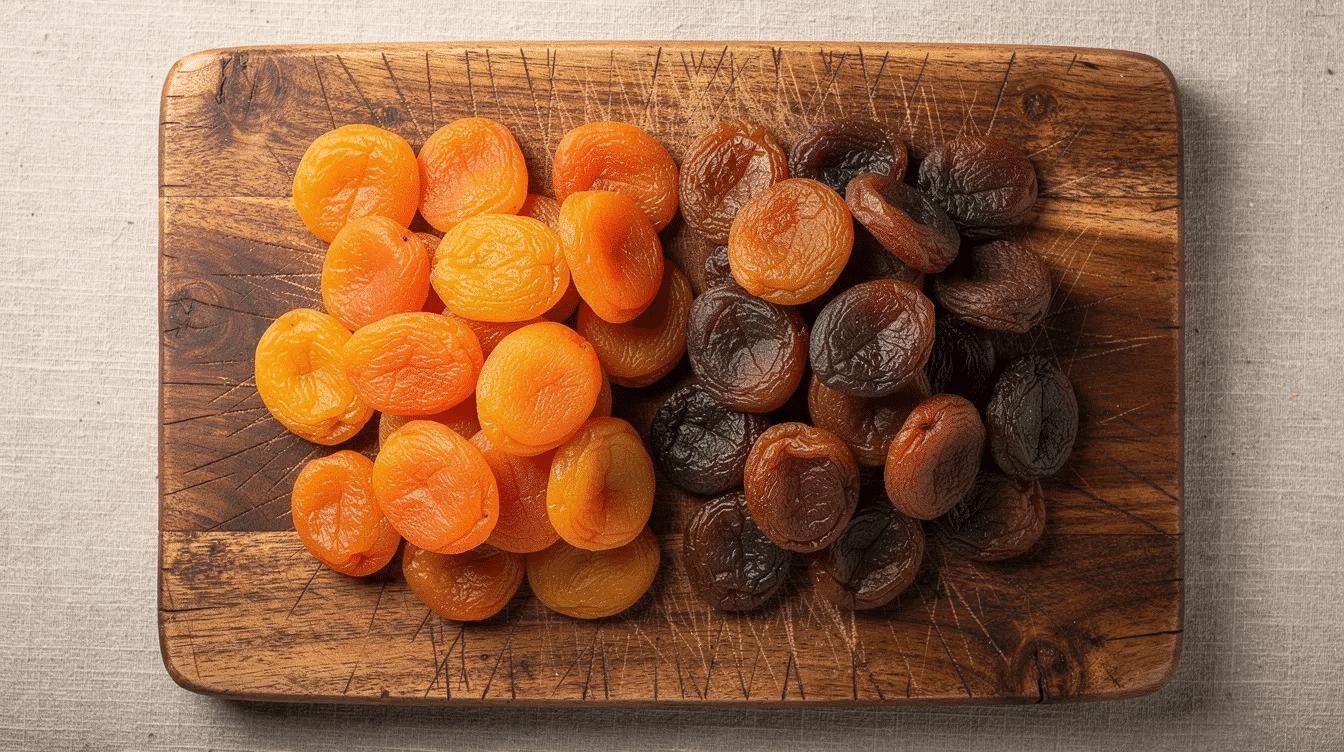
Malatya in Eastern Anatolia produces over 90% of Turkey’s dried apricots, earning its title as the world’s apricot capital. Harvest runs from late July through August, with centuries-old sun-drying traditions preserving a juicy, rehydratable texture.
Two main types exist:
Type
Color
Flavor
Shelf Life
Natural (unsulphured)
Dark brown
Robust, deep
6-12 months
Sulphured
Bright orange
Milder, sweeter
18+ months
Nutritional highlights per 100g:
Vitamin A: 3,167μg (352% DV)
Potassium: 1,162mg (25% DV)
Fiber: 7.3g (26% DV)
Malatya apricots taste intensely sweet with slight tanginess—delicious in compotes, pilafs, tagines, or breakfast bowls. For selection, choose plump slices without excessive cracking. Avoid apricots that feel too hard or extremely sticky. Many export brands now offer organic portion packs for on-the-go snacking.
Raisins from Turkey: Sultana, Thompson & Golden
The Aegean region around Manisa and İzmir—the motherland of the Sultanina Thompson Seedless grape—produces sun-dried raisins from grapes over 7-8 days. Turkey supplies approximately 25% of global dried grapes.
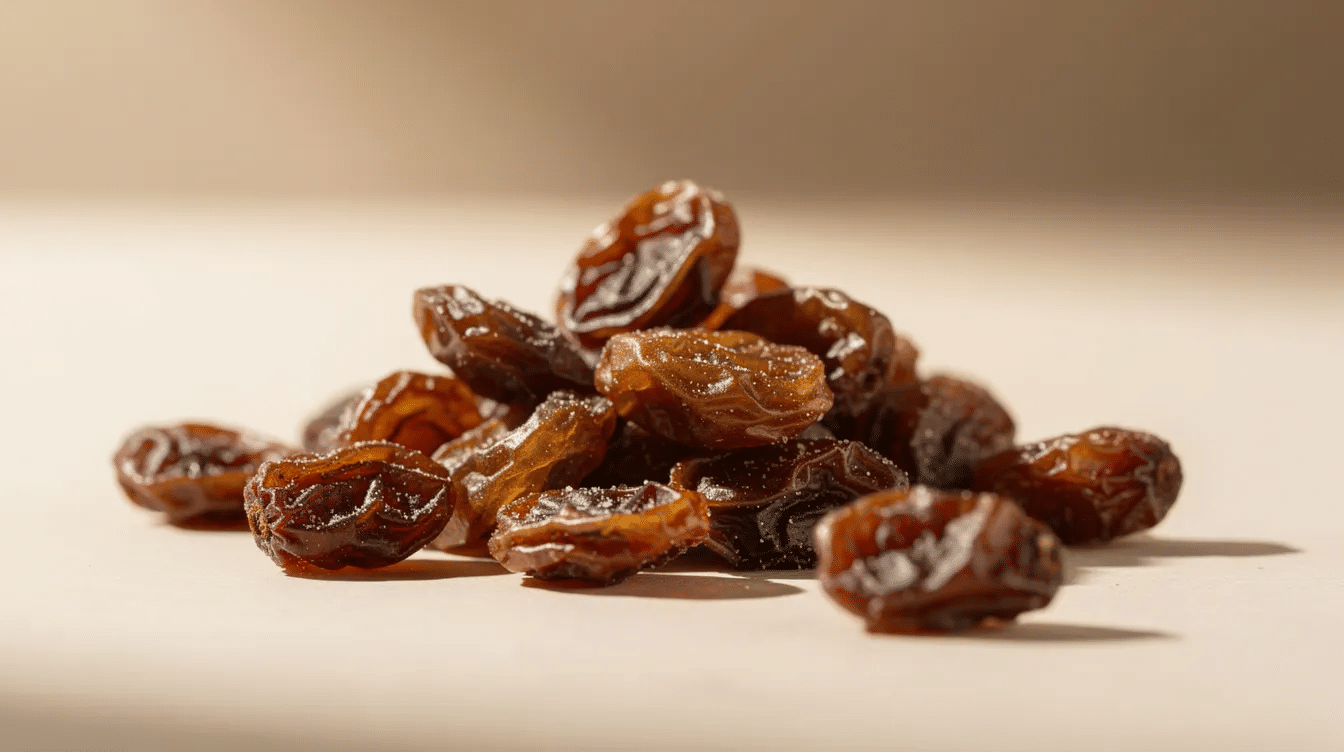
Sultana raisins are medium-brown with soft, sweet flavor, dominating baking and breakfast mixes, and they differ from other raisins in several origin, processing, and flavor details. Thompson raisins dry more slowly without certain dipping solutions, resulting in darker, near-black berries with intense taste. Golden raisins undergo treatment to retain lighter color, offering tangier notes ideal for cakes, breads, and garnishes.
Nutritional profile per 100g:
Calories: ~300kcal
Carbohydrates: 79g (quick energy source)
Potassium: 749mg (16% DV)
Iron: 1.9mg (11% DV)
Mix them with cashews for trail snacks, add to pilaf and couscous, or incorporate into holiday baking. When purchasing, select plump berries without stems in vacuum-sealed or modified-atmosphere packaging for maximum freshness.
Other Signature Turkish Dried Fruits
Beyond global staples, Turkey offers several hidden gems that deserve attention.
Dried mulberries from Elazığ and Malatya feature crisp-chewy texture with natural sweetness. At roughly 350kcal/100g, they’re relatively low-calorie while being rich in vitamin C, protein, and 14g fiber. Turkish people consider them a superfruit.
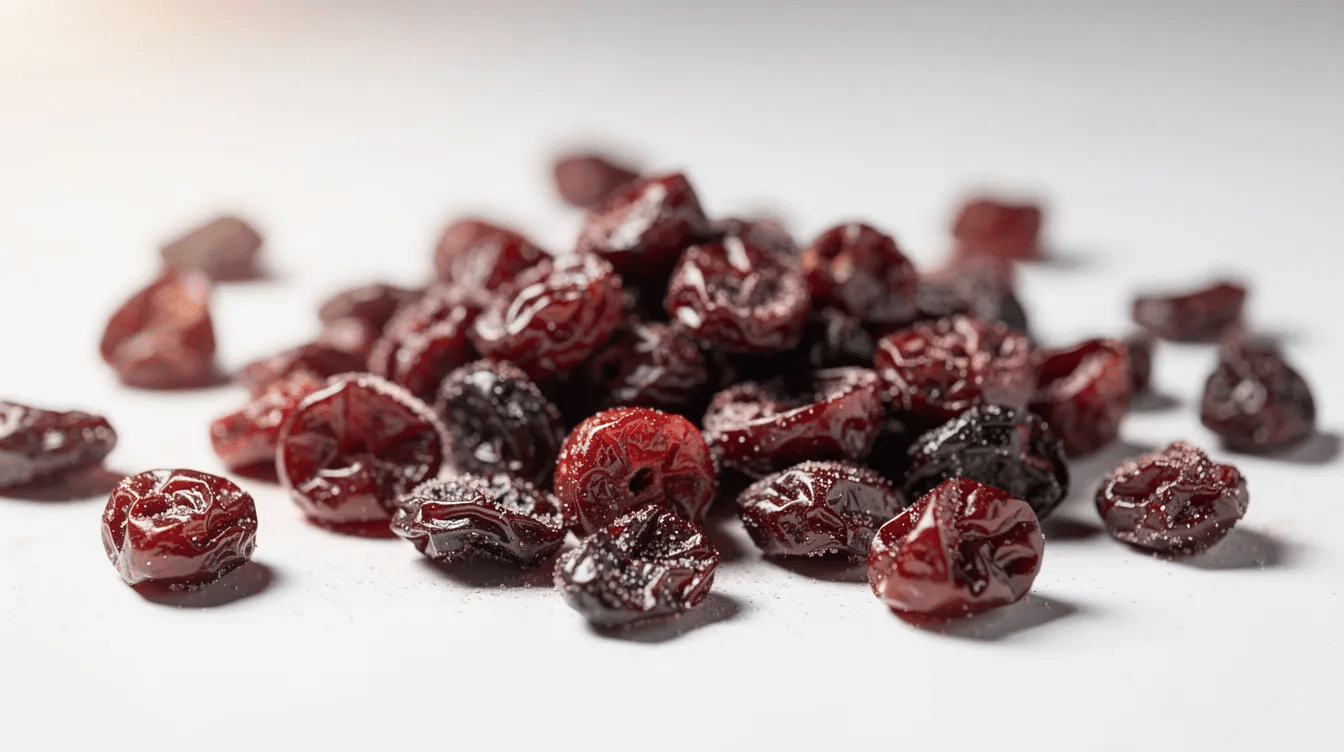
Dried sour cherries grown in Central Anatolia deliver tangy-sweet flavor with deep-red color. They’re perfect for desserts, granola, or dipped in chocolate.
Dried apples from varieties like Amasya and Granny Smith come as rings or chips with mild sweet-tart profiles, high in antioxidants and fiber to protect overall health.
Dried prunes (erik kurusu) offer soft, sticky-sweet texture with sorbitol and fiber supporting gut health and digestion, similar to other sweet dried fruits like dates when stored properly. They pair excellently with nuts and aged cheese.
Many producers also offer dried kiwi, orange slices, and tropical mixes, though these aren’t native to Turkey.
Health Benefits of Turkish Dry Fruits
Most Turkish dried fruits serve as dense sources of fiber, natural sugar, vitamins, minerals, and polyphenol antioxidants—making them genuinely nutritious options for any age, including babies when age-appropriate.
Digestive support: Fiber in figs (14g/100g), apricots, prunes, and mulberries promotes regularity and beneficial gut health.
Heart health: Potassium content (680-1,162mg/100g) supports normal blood pressure, while antioxidants may reduce oxidative stress.
Bone and teeth: Calcium and magnesium in figs and mulberries contribute 12-16% of daily requirements per 100g serving.
Sustained energy: Natural sugar combined with fiber delivers steady energy for athletes, students, and busy professionals—satisfying any sweet tooth naturally.
Realistic caution: These fruits are calorie-dense (240-350kcal/100g). Sensible portions of 30-40g paired with nuts containing healthy fats provide better satiety without excess sugar.
How to Buy Turkish Dry Fruits (In Turkey & Online)
Visitors to Istanbul, İzmir, or Ankara can purchase from traditional kuruyemiş shops and bazaars, while international readers can easily buy dried fruits online from Turkish exporters.
In Turkey, visit:
Egyptian Bazaar (Spice Bazaar) in Eminönü, Istanbul
Neighborhood kuruyemiş stores in Nişantaşı, Şişli, or Kadıköy
Local bazaars in any major city
Prices display by weight, sampling is typically allowed, and busy shops with high turnover offer freshest stock. Check for natural smell (no rancid or moldy scent), vibrant color, and overall quality.
Clean ingredient lists (no unnecessary sugar or preservatives)
Certifications for organic products
Common packaging includes bulk 500g-1kg bags, gift boxes with mixed dried nuts and fruits, and portion packs for snacks. Compare price by weight and quality grade rather than package size alone.
Storing and Serving Turkish Dried Fruits
Correct storage preserves flavor, texture, and nutrient quality for months after fruits are purchased.
Shelf life: Most dried figs, apricots, and raisins last 6-12 months unopened. Once the package is opened, consume within several weeks, especially if you do not follow dedicated storage methods for dehydrated figs.
Serving ideas:
Snack bowls with mixed nuts (pistachios, hazelnuts, cashews)
Cheese platters featuring figs and apricots alongside aged varieties
Breakfast toppings for yogurt or oatmeal
Additions to cakes, breads, and other products
Rehydrating: Soak apricots, prunes, or figs in warm water, tea, or fruit juice for 15-30 minutes before using in compotes or desserts.
Traditional Turkish combinations include dried apricots with walnuts, prunes with roasted nuts, or figs paired with aged cheese—delicious ways to experience turkish cuisine at home.
Conclusion: Bringing the Taste of Turkish Dry Fruits Home
Turkish dried fruits combine centuries of tradition, ideal climate grown across diverse regions, and modern quality standards, making them an excellent choice for healthy snacking and cooking. From Aydın figs to Malatya apricots to Aegean raisins, each variety offers distinct benefits worth exploring.
Key takeaways: these sun-dried fruits deliver concentrated fiber, vitamins, potassium, calcium, magnesium, and iron while tasting absolutely delicious. They can be purchased from bazaars when visiting Turkey or shipped worldwide from reputable online branches and export site platforms.
Start with a small selection—perhaps a mix of figs, apricots, and sultanas—and test them at breakfast, in desserts, or on cheese boards. Turkish dried fruits offer an easy, affordable way to bring the love and affinity of Türkiye’s culinary heritage into everyday life, raised to support your health across all ages.
DannyContent Writer
Hey there, since 2016, my mission has been to provide you with the information and guides you need to make food dehydrating simple and fun. Whether you're a newbie or a seasoned pro, my site offers helpful guides, reviews, and recipes to enhance your dehydrating experience. I take pride in only recommending products I believe in, ensuring my readers' trust. As an affiliate of various programs, including Amazon Associates, your support helps me continue providing quality content. Thanks for stopping by, and happy dehydrating!