We earn a commission if you make a purchase, at no additional cost to you.
09/22/2026 04:39 pm GMT
🍊 Dehydrated Food Info Finder — Temperatures & Drying Times
Choose a category, then pick a food to see its drying temperature and time.
⚠️ Safety Disclaimer: Drying times are estimates and vary based on slice thickness, food moisture content, humidity, and your dehydrator model. Always check for doneness before storing — food should feel dry, leathery, or brittle with no moist spots. Improperly dried food can harbour mould and bacteria. For meat and poultry, follow USDA safe internal temperature guidelines: beef and pork to 160°F (71°C), poultry to 165°F (74°C). Use a food thermometer when in doubt. Store all dehydrated foods in airtight containers in a cool, dark place and discard anything showing moisture, mould, or off odours.
Dried fruit compote is one of those recipes that rewards minimal effort with maximum flavor. A handful of pantry staples, twenty-five minutes of simmering, and you have a versatile dish that works for Passover dessert, Tu BiShvat celebrations, or a simple weeknight breakfast topping.
Key Takeaways
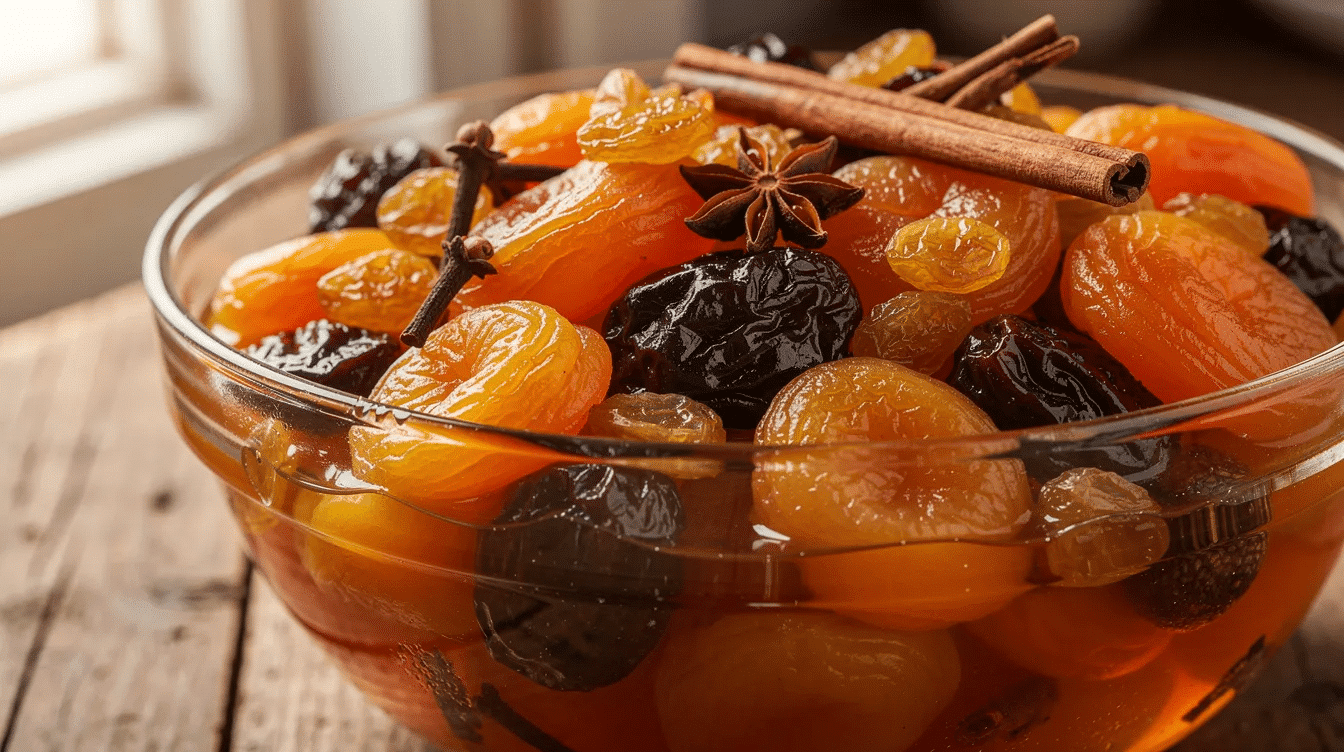
Dried fruit compote is a gently simmered mixture of prunes, apricots, golden raisins, and warm spices in sweetened liquid, creating a naturally thick syrup without added thickeners.
The base dried fruit compote recipe uses about 10 minutes of active prep and 20–25 minutes of cooking, yielding 6–8 servings that keep in the refrigerator for 1–2 weeks or freeze for 3–4 months.
This dish fits kosher-for-Passover requirements naturally since it contains no flour or dairy, making it ideal as a light dessert after a heavy Seder meal.
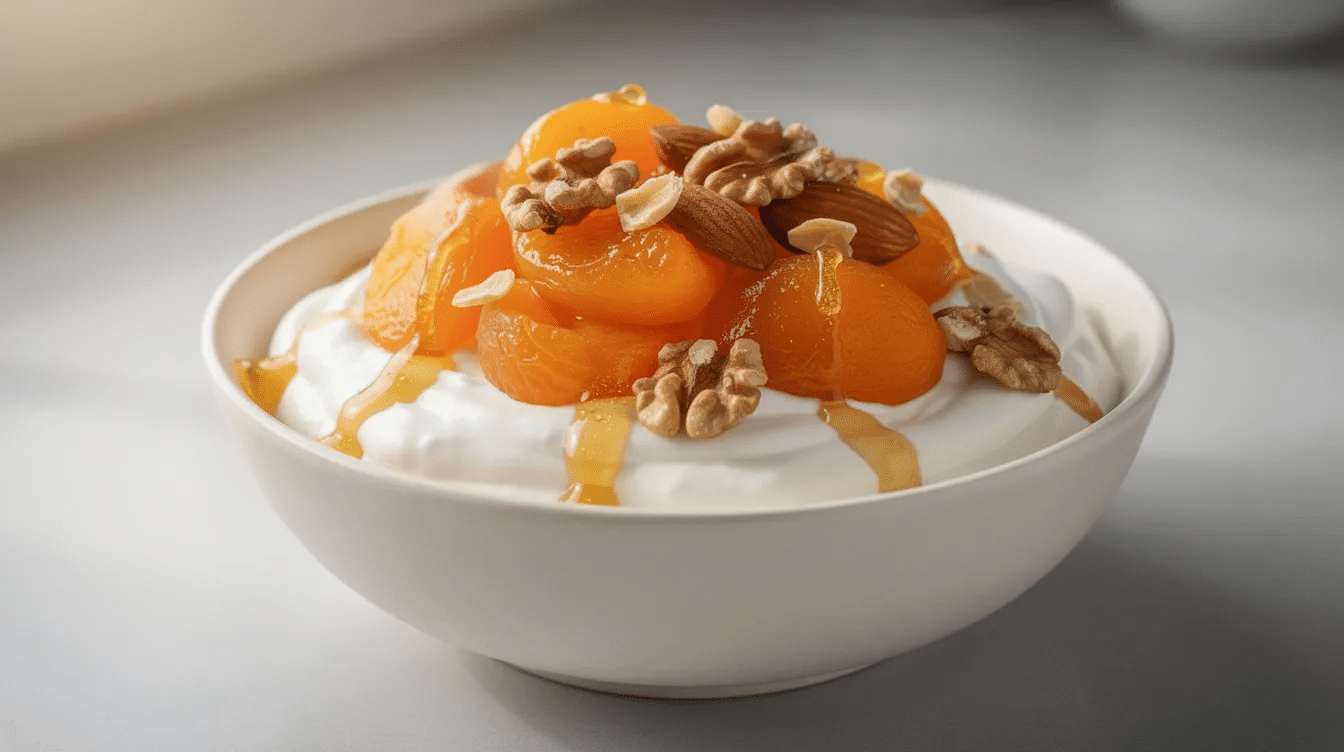
Serve warm or chilled over plain yogurt, ice cream, cheesecake, blintzes, or breakfast porridge for endless versatility.
The recipe adapts easily with different fruits like dried figs, dried cranberries, dried pears, and spice variations including cardamom, vanilla bean, and orange zest.
A fruit compote involves gently cooking fruit in a lightly sweetened liquid until soft and plump, creating its own syrup in the process. The key difference between fresh fruit versions and dried fruit compote lies in concentration: dried fruit yields richer, more intense flavor and a naturally thicker syrup because the fruits have lost 70–90% of their water content during drying.
Typical dried fruits used include prunes, dried apricots, golden raisins, dried figs, dates, dried sour cherries, apple rings, and dried pears. You can mix and match based on what you have available.
In Ashkenazi Jewish cooking, many families call this dish “kumpot” or “kompot,” especially around Passover and Tu BiShvat. The tradition stretches back to Eastern European Jewish communities who relied on preserved fruits when fresh options were scarce.
Why Dried Fruit Compote Is Perfect for Passover and Tu BiShvat
Dried fruit compote fits kosher-for-Passover cooking effortlessly. All the dried fruit is naturally gluten-free, no flour is needed, and the recipe can be made without dairy. After a multi-course Seder meal with brisket and matzo, a bowl of softened spiced fruit feels like exactly the right ending.
Tu BiShvat typically falls between late January and mid-February on the Hebrew calendar. Known as the “New Year of the Trees,” this holiday centers on eating tree fruits, especially varieties associated with Israel like figs, dates, and raisins. Using fruits from the Seven Species makes compote a meaningful Tu BiShvat dish alongside platters of fresh fruits and nuts.
Classic Dried Fruit Compote Recipe (Prunes, Apricots, and Raisins)
This recipe yields about 6–8 servings with approximately 10 minutes of prep and 20–25 minutes of cooking time, plus cooling.
Ingredients: 1 cup pitted prunes, 1 cup dried apricots, 1/2 cup golden raisins, 3 cups water (or part water, part orange juice), 1/3–1/2 cup sugar or honey, 1 cinnamon stick, 3–4 whole cloves, optional strips of lemon or orange peel, and a pinch of salt.
Method:
Combine all dried fruit and liquid in a medium saucepan. Bring to a boil over high heat.
Reduce heat to medium low, cover, and simmer gently for about 15 minutes, stirring occasionally.
Add sugar, the cinnamon stick, cloves, and orange peel if using. Simmer uncovered for 5–10 more minutes until the syrup thickens and coats the back of a spoon.
Test doneness: fruit should be plump and easily pierced with a fork.
Remove cinnamon stick and whole spices before serving. Cool to room temperature, then chill in the refrigerator at least 2–3 hours or overnight for best flavor.
Ingredient Variations and Flavor Twists
This is a template recipe that adapts to your pantry and taste preferences.
Alternative Dried Fruits: Try dried pears, peaches, apples pears, dried figs, dates, dried cranberries, or cherries. If you’re curious about other options, explore what fruit you can dehydrate to expand your pantry. Balance very sweet fruits like dates and figs with more tart options like dried sour cherries or apricots.
Liquid Swaps: Replace part of the water with orange juice, apple juice, or even a splash of sweet kosher wine. If you enjoy citrus, learning how to dehydrate citrus into perfectly dried slices gives you another flavorful option for garnishes and infusions. Adjust sugar downward when using sweetened juice.
Spice Options: Beyond cinnamon and cloves, consider star anise, cardamom pods, fresh ginger slices, or a vanilla bean split lengthwise. Add lemon or orange zest for brightness, or pair these flavors with dried persimmons you’ve made at home for a different seasonal twist.
Finishing Touches: Stir in chopped toasted walnuts or almonds, a squeeze of fresh lemon juice, maple syrup for deeper sweetness, or a teaspoon of rose water for a Middle Eastern accent. A homemade dried fruit and nut mix also makes a great crunchy topping.
How to Serve Dried Fruit Compote
This compote works for breakfast, dessert, or as a side dish depending on what you pair it with.
For Passover, pair with sponge cake or nut-based cakes. For Tu BiShvat, serve alongside a platter of berries, fresh fruits, plums, and nuts to reach the traditional 10–15 different varieties. Present in a glass bowl to showcase the jewel-like colors and garnish with zest curls right before serving, or repurpose leftover compote fruits as elegant garnishes for holiday cocktails featuring dried fruit.
Storing, Freezing, and Making Ahead
Dried fruit compote improves with time as the flavor deepens overnight in the refrigerator.
Refrigeration: Cool completely, transfer to an airtight container, and store for 1–2 weeks. Stir gently before serving, just as you would with homemade dehydrated fruit snacks that benefit from proper storage.
Freezing: Pack into freezer-safe containers leaving headspace for expansion. Label with the date and freeze for 3–4 months; similar principles apply when storing dried plums as a nutritious snack.
Thawing and Reheating: Thaw overnight in the refrigerator. Serve chilled or warm in a pot over low heat with a splash of water if the mixture seems too thick.
Discard if there is an off smell, visible mold, or signs of fermentation. Avoid refreezing once fully thawed.
Nutrition Notes and Dietary Tips
Dried fruit compote delivers fiber, potassium, and antioxidants from prunes, apricots, and raisins, but these fruits also concentrate natural sugars. A 1/2-cup serving typically provides 5–8 grams of fiber alongside 200–250 calories.
To reduce added sugar, cut the honey or sugar amount in half and rely on naturally sweet fruits like dates and figs. Use 100% fruit juice as part of the liquid for extra sweetness without granulated sugar.
The basic recipe is vegetarian. Use sugar or maple syrup instead of honey for a vegan version. The dish is naturally dairy-free and can be certified kosher for Passover by checking ingredient labels. A reasonable portion is 1/3–1/2 cup as a dessert or breakfast topping. Those managing blood sugar should adjust portions and consult dietary guidance.
FAQ
Can I make dried fruit compote without added sugar?
You can omit granulated sugar or honey entirely by relying on naturally sweet fruits like dates, figs, and raisins, plus apple or orange juice as your cooking liquid. The result will be less syrupy but still full of flavor. Taste and adjust as needed.
Do I need to soak the dried fruit before cooking?
Soaking is optional. Many recipes simmer fruit directly in the cooking liquid without pre-soaking. However, soaking in hot water for 20–30 minutes can shorten cooking time and yield a slightly softer texture if you prefer.
Can I use fresh fruit together with dried fruit in the same compote?
Yes. Adding fresh apple or pear slices works well. Add fresh fruit halfway through cooking so it softens without disintegrating. This lightens both texture and taste.
How can I thicken a compote that seems too watery?
Simmer uncovered over low heat for a few extra minutes, stirring occasionally to prevent sticking. As the compote cools, the syrup naturally thickens further, so avoid adding thickeners like cornstarch unless absolutely necessary.
Is dried fruit compote safe to can or preserve in jars?
This recipe is designed for refrigeration or freezing, not home canning. If you want shelf-stable storage, follow tested canning recipes from reliable preserving guides that account for proper acidity and processing times.
Review recipe notes before starting, and comment something below if you make this sweet, warming dish part of your holiday table or weekday meal routine.
DannyContent Writer
Hey there, since 2016, my mission has been to provide you with the information and guides you need to make food dehydrating simple and fun. Whether you're a newbie or a seasoned pro, my site offers helpful guides, reviews, and recipes to enhance your dehydrating experience. I take pride in only recommending products I believe in, ensuring my readers' trust. As an affiliate of various programs, including Amazon Associates, your support helps me continue providing quality content. Thanks for stopping by, and happy dehydrating!