Nut dehydrator | This guide reviews the top nut dehydrators for home use.
A nut dehydrator is a specialized, low-temperature, electrical kitchen appliance designed to gently remove moisture from nuts and seeds over a long period without cooking them.
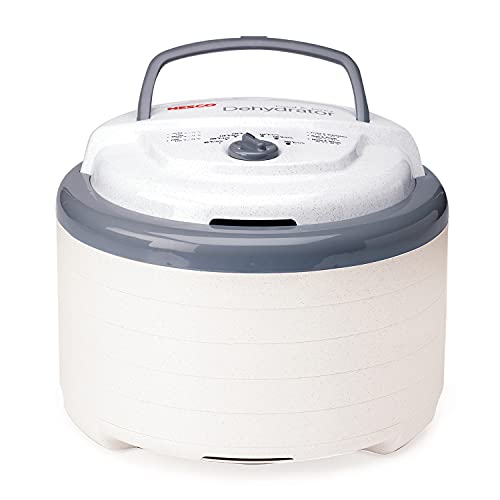
The NESCO FD-75A Snackmaster Pro Food Dehydrator is a five-tray dehydrator that can be expanded to twelve trays, making it perfect for large batches of food. The adjustable temperature control 95°F -160°F ensures that your food will be dehydrated to perfection, and the Converga-Flow System ensures that all the food in each tray is dried evenly, for consistent results every time. The BPA-free dehydrating trays are easy to clean, and the unit itself is easy to assemble and operate.
Are you a home cook, health enthusiast, or food preservation hobbyist looking to maximize nutrition, extend shelf life, and enjoy the convenience of homemade snacks? Choosing the right nut dehydrator is essential for preserving healthy fats and vitamins, activating nuts for better digestibility, and ensuring your nuts and seeds stay fresh and delicious for months. This guide reviews the top nut dehydrators for home use, helping you select the best appliance for your needs.
A nut dehydrator is a specialized, low-temperature, electrical kitchen appliance designed to gently remove moisture from nuts and seeds over a long period without cooking them. Using the right nut dehydrator ensures you maintain the nutritional value of your nuts, extend their shelf life, and enjoy the convenience of preparing large batches at home.
What is a Nut Dehydrator?
A nut dehydrator is a specialized, low-temperature, electrical kitchen appliance designed to gently remove moisture from nuts and seeds over a long period without cooking them. Unlike general-purpose dehydrators, nut dehydrators operate at lower temperatures (typically 105°F–150°F) to preserve healthy fats and vitamins, making them ideal for health-conscious individuals and anyone interested in food preservation.
Introduction to Food Dehydrators
A food dehydrator is a must-have appliance for anyone looking to preserve fresh foods and create delicious, healthy snacks at home. By gently removing moisture from food, a dehydrator helps extend the shelf life of your favorite fruits, vegetables, herbs, and even meats, all while retaining their natural flavors and nutrients. Whether you’re interested in making classic beef jerky, experimenting with homemade fruit leather, or simply looking for a way to enjoy seasonal produce year-round, a food dehydrator offers unmatched versatility.
The process of dehydrating food has been around for centuries, but today’s electric dehydrators make it easier and more efficient than ever. With precise temperature controls and even heat distribution, you can confidently dry everything from thin slices of apples to hearty strips of jerky and fruit leather. Not only does this method help reduce food waste, but it also allows you to create snacks free from preservatives and added sugars. For health-conscious individuals, gardeners, and food enthusiasts alike, a food dehydrator opens up a world of possibilities for enjoying fresh foods in new and exciting ways.
Design and Construction: What Matters for Nuts and Seeds
When selecting a food dehydrator specifically for nuts and seeds, the design and construction of the appliance are key to achieving the best results. A powerful heating element and even heat distribution are essential for ensuring that every batch of nuts and seeds dries uniformly, preserving both their nutrients and flavor. Metal trays are often favored over plastic trays for their superior heat conductivity and durability, making them ideal for frequent use and easy cleaning. However, high-quality BPA-free plastic trays can also be effective, especially if they are dishwasher safe and designed for even airflow.
Adjustable temperature controls are another critical feature, as nuts and seeds benefit from being dehydrated at lower temperatures to maintain their healthy fats and minimize the loss of nutrients. A built-in timer and digital display can help you fine-tune the drying process, preventing over-drying and ensuring your snacks come out perfectly every time. For those who enjoy making fruit leather, look for dehydrators that include fruit roll sheets, which make it easy to create this tasty treat alongside your dried nuts and seeds.
Before dehydrating, soaking nuts is highly recommended to reduce phytic acid and enzyme inhibitors—compounds that can interfere with nutrient absorption. Once soaked, dehydrating at lower temperatures helps preserve the beneficial properties of your nuts and seeds. After drying, store your finished products in airtight containers to maximize their shelf life and keep them fresh and flavorful.
By choosing a food dehydrator with the right design features—such as sturdy metal trays, precise temperature controls, and even heat distribution—you’ll be well-equipped to create a variety of delicious, nutrient-rich snacks, from dried fruits and nuts to beef jerky and homemade fruit leather. With the right setup, you can enjoy the full benefits of dehydrated food while making the most of your fresh produce and pantry staples.
Nut Dehydrator Comparison Table
Below is a summary comparing the top nut dehydrators for home use, focusing on features most relevant to nuts and seeds:
We earn a commission if you make a purchase, at no additional cost to you.
Introduction
This food dehydrator offers more than enough space for drying your favorite nuts and seeds. It has nine trays covering 15 square feet, so you’ll get enough room to keep your treasured snacks. The Excalibur is a top choice for home cooks, health enthusiasts, and food preservation hobbyists who want to dehydrate large batches of nuts and seeds efficiently.
Features
Adjustable thermostat (105°F–165°F), ideal for nuts (optimal: 135°F–150°F)
9 trays (15 sq ft) for large capacity
Parallax horizontal airflow for even drying
Integrated on/off switch and 26-hour timer
Flexible poly-screen tray inserts (non-stick)
Dishwasher-safe trays
Performance
The Excalibur 3926TB expertly expels moisture, ensuring your foods are completely dry, extending their shelf life, and preserving their flavor. Its horizontal airflow and consistent temperature help optimize drying time for nuts and seeds, so you get efficient and even results.
Usability and Cleaning
Slide-in trays for easy loading/unloading
Intuitive control panel
Dishwasher-safe trays for easy cleaning
Tip: Use a delicate dishwasher cycle and avoid the sani rinse feature
Value for Money
While priced higher than some competitors, the Excalibur offers superior performance, higher quality, increased capacity, and reliable efficiency. It’s an investment that pays dividends in food preservation, health benefits, and delicious, real-food snacks and meals.
Pros
Nine trays to maximize efficiency
Nonstick tray for easy removal
Adjustable thermostat
Large space for storing fruits and veggies
Excellent for commercial or large-batch use
Automatic shut-off timer
Easy to clean
Cons
Higher price point
Plastic trays may not appeal to all users
Next, let’s look at the Ivation Digital Food Dehydrator.
We earn a commission if you make a purchase, at no additional cost to you.
Introduction
This model features nine trays, making it great for making and storing your most treasured snacks. The Ivation is ideal for health-conscious enthusiasts, sportspeople, gardeners, and large families who want digital controls and efficient airflow in a compact design.
Features
Digital thermostat (95°F–158°F) with 8 temperature levels
9 trays (13″x12″) for ample drying space
Rear-mounted fan for optimal airflow and even dehydration
Non-stick fine mesh sheet for small foods
Digital control panel and shut-off timer
Complies with US electrical safety regulations
Overheating safety protection
Small footprint for compact kitchens
Pros
Complies with electrical safety regulations
Spacious for more storage
Optimal airflow for even dehydration
Digital thermostat
Cons
Low-quality plastic sliding door
Next, let’s review the Nesco FD-75A Snack Master Pro Food Dehydrator.
Nesco FD-75A Snack Master Pro Food Dehydrator
Introduction
The Nesco FD-75A Snackmaster Pro is a top-notch dehydrator for nuts, seeds, and more. It’s known for its excellent performance, ease of use, and expandable capacity, making it a favorite among home food preservers.
Features
Adjustable temperature control (95°F–160°F)
5 trays (expandable to 12)
Top-mounted fan for even drying
Converga-Flow drying technology
Includes two clean-A-screens, two fruit roll sheets, user guide, and jerky seasoning
Dishwasher-safe trays
Pros
Made and assembled in the USA
Expandable trays to suit your needs
Even heat distribution
Comes with useful accessories
Budget-friendly
Easy to use and efficient
Promotes nutrient-dense snacks
Adjustable temperature range
Handwash-safe trays
Cons
Short lifespan
Plastic trays may raise durability concerns
Limited capacity for large batches
No timer (manual intervention required)
Next, let’s examine the Westinghouse Food Dehydrator.
Westinghouse Food Dehydrator
Introduction
This plastic dehydrator uses advanced airflow technology to eliminate tray rotation and ensure all food dries evenly. It’s a budget-friendly option for those new to dehydrating nuts and seeds.
Features
Adjustable temperature (104°F–158°F)
5 drying trays
Advanced airflow system for even heat distribution
The Gourmia premium electric dehydrator features nine trays and 360-degree air circulation, making it a versatile and efficient choice for home users who want to dehydrate nuts, seeds, and more.
Features
9 trays for large capacity
360-degree air circulation for even drying
Transparent door for easy monitoring
Digital control panel and timer
BPA-free and safety certified
Small countertop footprint
Pros
BPA free and very safe
Spacious size with nine trays
360 degrees air circulation
Transparent door for easy monitoring
Cons
Short lifespan
Now that we’ve reviewed the top dehydrators, let’s explore how you can use dehydrated nuts and seeds in your kitchen.
What Can You Do With Dehydrated Nuts and Seeds?
You can make trail mix, granola, and energy bars. Dehydrated fruits can also be used in trail mix, granola, or as toppings for yogurt and cereal.
You can use these nuts to top your salads or add them to cereal or yogurt. Dehydrated nuts and seeds are also perfect for baked goods—add them to muffins, breads, or cookies for extra flavor and texture. You can also make raw chocolate treats with dehydrated nuts and seeds. They are great for making healthy desserts too!
Discover the Benefits of Dehydrating Nuts at Home
Nutritional Benefits
Drying nuts at home using a dehydrator for nuts is a remarkable way to take control of your nutrition, extend shelf life, and cultivate enticing snacks to share with family and friends. Dehydrating nuts is an effective method of preserving food for long-term storage. Not only does dehydrating nuts penetrate deep into the beneficial enzymes, healthy fats, and vital nutrients in nuts and seeds, but it also adds an appetizing crunch that both adults and children love.
Shelf Life Extension
In terms of food preservation, using a nut dehydrator is exceptionally efficient, completely desiccating various nuts including sunflower seeds, flax seeds, truly raw almonds, pumpkin seeds, macadamia nuts, sesame seeds, pine nuts, and other nuts. The dehydration process reduces bacterial growth without subtracting from the nutrient content. By reducing the water content in nuts, dehydration helps extend shelf life and concentrate nutrients. This means that your dehydrated nuts can remain in tip-top shape for a longer duration – perfect for large batches of trail mix, granola, or just to enjoy as a standalone snack.
Soaking and Activation
Nut dehydrators activate nuts by breaking down phytic acid and enzyme inhibitors that can block nutrient absorption and cause digestive discomfort.
Raw nuts are soaked in warm, salted water for 12–24 hours to neutralize enzyme inhibitors before being dehydrated.
Soaking and then dehydrating nuts at low temperatures improves digestibility and reduces bitterness.
Furthermore, soaking nuts before drying helps to lower phytic acid levels. Phytic acid, a type of anti-nutrient common in seeds and nuts, can interfere with the body’s ability to absorb essential minerals. Certain foods contain compounds known as anti-nutrients that can interfere with nutrient absorption. So when you soak nuts and then use a dehydrator to dry them, you’re essentially activating the germination process and minimizing anti-nutrients, making these dehydrated foods easier to digest and more nourishing.
Temperature Control
Temperature control: What sets apart a dehydrator machine from an oven is precise temperature control. You can set the temperature to a modest degree, ensuring the food is dried evenly and the dried foods preserve their enzyme, mineral, and vitamin content. Dehydration is distinct from cooking, as it uses lower temperatures to dry food and preserve nutrients rather than cook or brown it. This control guarantees that your dehydrated foods maintain their digestible nutrients, offsetting any potential nutrient deficiencies. The healthy fat content in nuts is also retained during dehydration, as fat does not evaporate, making dehydrated nuts a nutritious snack.
Cleaning and Maintenance
Usability: Dehydrators are straightforward to use. Arrange your soaked and dehydrated nuts on the trays, set your choice cycle, and the machine drying leave to work its magic. Most dehydrators offer extra trays, allowing you to dehydrate nuts in large batches. An added bonus – trays are generally dishwasher safe, ensuring an easy clean-up process after dehydrating food.
Quality: A decent dehydrator presents a robust, durable design, typically stainless steel or plastic. Stainless steel dehydrators especially are more reliable and long-lasting. Yet, there’s also an array of plastic trays that are equally solid, providing several drying space options to accommodate all quantities of nuts and seeds.
The Ultimate Guide to Selecting the Best Dehydrator for Nuts
Temperature Range and Control
When you’re in the market for a dehydrator for nuts, your choice will significantly influence the quality of your dehydrated foods and the overall drying process. An electric dehydrator offers efficient and consistent results for drying nuts, making it a convenient option for most home users.
Dehydrating nuts involves preserving their nutrient content while enhancing their taste and shelf life. Look for a machine with a wide temperature range and accurate control mechanisms. This allows you to adjust the heat according to the type of nut being dehydrated, be they pine nuts, sunflower seeds, sesame seeds, or macadamia nuts. Some nuts, like raw almonds, contain beneficial enzymes and healthy fats that are best preserved at lower temperatures, so a model with variable heat settings, like the Excalibur dehydrator, could be ideal.
Tray Material
Dehydrator trays could be either plastic or stainless steel. Both have their pros and cons. Stainless steel trays are durable and easy to clean but can be a bit pricey. However, such a heavy-duty structure is ideal for drying large batches of soaked and dehydrated nuts. Plastic trays, in contrast, are affordable and lighter, but they might not last as long as their stainless steel counterparts.
Drying Space
The number of trays and their design impact the amount of food you can dry at a time. Tray design determines how uniformly nuts get dried. Trays that slide in and out offer more convenience and facilitate even drying. Extra trays can come in handy when dealing with larger quantities of various nuts. Mesh screens are also useful accessories, especially for drying small foods, as they prevent pieces from falling through and help maintain even airflow.
Usability
A high-quality dehydrator will strike a balance between feature-rich functionality and straightforward operation. Look for models with clear instructions, a user-friendly control panel, easy-to-use temperature controls, and convenient features like automatic shut-off or overheat protection.
Cleaning and Maintenance
Dehydrating nuts can get messy. Consider a model with removable, dishwasher-safe trays for ease of cleaning. Durable materials like stainless steel will stand up better to regular washing, ensuring your dehydrator machine maintains its longevity.
When considering size, think about your available counter space. If your kitchen is small or you have limited room, look for a dehydrator with a small footprint to ensure it fits comfortably without taking up too much space.
Performance-wise, drying time can vary depending on the dehydrator’s design and features, such as temperature stability and airflow, so factor this into your decision.
In essence, selecting the best dehydrator for nuts requires understanding your unique needs – the volume of nuts you plan to dehydrate, types of nuts, and your usage frequency. Whether you intend to create a nutritious trail mix, drying nuts for baking, or crafting your roasted nut blend, having the right dehydrator makes a big difference in your food preservation endeavors at home.
Comparing Plastic vs. Stainless Steel Trays: Which is Best for Nut Dehydration?
When it comes to looking for the best dehydrator for nuts, one crucial factor to consider is the material of the trays. The two most popular choices are plastic and stainless steel. So, let’s put these materials to the test for nut dehydration.
Plastic trays are commonly found in many dehydrators, particularly for entry-level models. They are lightweight, easy to handle and usually dishwasher safe, which makes cleaning up after your drying cycle a breeze. While some may fear the presence of harmful chemicals in plastics, most food dehydrators today use BPA-free plastic trays ensuring the safety and integrity of your dehydrated nuts.
However, plastic trays are not without their issues. They may absorb odors over time, which can affect the taste of your nuts and seeds. Additionally, their durability could be a concern, especially when dehydrating large batches.
On the other hand, stainless steel trays are hailed for their durability and cleanability. Be it raw almonds, macadamia nuts, or sesame seeds, stainless steel trays can handle the drying process effortlessly. The robust material stands up remarkably well against the heat and frequent use, more so than plastic options. It’s no wonder that they are often featured in professional-grade and high-end dehydrators.
However, dehydrators with stainless steel trays are generally more expensive. Yet, considering their longevity and effortless cleanup, many argue that it is an excellent investment for those serious about home food preservation. If you’re leaning toward a premium stainless-steel-style unit, our Excalibur 3948CDB economy dehydrator review is a helpful reference.
The material you choose will largely depend on your specific needs, from what types of nuts you are drying to how much moisture they contain. Notably, both plastic and stainless steel trays can efficiently dehydrate nuts, helping you increase the shelf life of your favorite healthy fats and reduce anti nutrients like phytic acid. Through this process, you produce delicious activated nuts, which are a great addition to your trail mix.
In conclusion, when deciding between plastic and stainless steel trays for dehydrating nuts, consider the materials’ specific advantages and disadvantages. Weigh these against your personal needs, preferences, and budget to identify the best dehydrator for nuts for you.
Dehydrator vs. Oven: Which Method is Best for Drying Nuts?
When it comes to drying nuts, both dehydrators and ovens have their own set of advantages. However, an electric dehydrator for nuts is designed specifically with accurate temperature control, allowing you to precisely regulate the temperature range in which your nuts are dehydrating, which is crucial when preserving beneficial enzymes and healthy fats found in nuts like sunflower seeds, macadamia nuts, pine nuts, and truly raw almonds. Electric dehydrators also offer greater convenience and efficiency compared to ovens, with features like digital controls and preset modes.
Dehydration is distinct from cooking, as it uses lower temperatures that are warm enough to evaporate moisture but not so hot as to cook or brown the food. On the other hand, using an oven to dehydrate nuts may result in not being able to maintain the same temperature throughout the drying process. Oven doors must be kept slightly ajar to help reduce moisture and reduce the chances of bacterial growth. This could lead to uneven drying, with some nuts less dried compared to others. Moreover, an oven does not offer the flexibility to dry nuts and other food simultaneously with different moisture contents.
Your choice would ultimately boil down to your specific needs and space availability. However, investing in a dehydrator machine is beneficial if you regularly soak and dehydrate nuts, seeds or intend on drying large batches. It’s a critical piece of equipment for home food preservation and a versatile tool that can go well beyond just drying nuts. You can prepare things like fruit leathers, dried fruits, and even make your own jerky with a food dehydrator. With a dehydrator, drying time is typically shorter and more consistent than with an oven, thanks to stable temperature and airflow.
A strong benefit of the is the scalability it offers. Some models allow you to buy extra trays, providing more drying space. Dehydrator trays slide in and out, making it easier to place and remove the food and facilitate clean up. Further, the trays in some models are dishwasher safe, which can save a considerable amount of time and effort when it comes to cleaning up.
It’s important to note that using a dehydrator for nuts aids in minimizing nutrient deficiencies linked to improperly prepared nuts. Raw nuts, soaked and dehydrated nuts are more gentle on our digestive enzymes and help unlock beneficial nutrients. By soaking nuts in warm water, the phytic acid, an anti-nutrient that inhibits the absorption of certain nutrients, is neutralized. These soaked nuts are then dehydrated at low temperatures, ensuring minimal loss of nutrition and resulting in activated nuts that are easier for your body to digest. Reducing the water content in nuts during the drying process is key to extending their shelf life and concentrating their nutrients.
The best food dehydrator for dehydrating nuts and seeds will have a temperature range of 90-100 degrees Fahrenheit and hold at least six trays. An electric dehydrator offers the advantage of precise temperature control, consistent airflow, and efficient drying, making it ideal for nuts and seeds. Always check the manual to ensure the model you like best is suitable for drying nuts and seeds.
Can I dry nuts and seeds in my oven?
Yes, if you do not have a food dehydrator, it is possible to dry your nuts and seeds by spreading them onto baking sheets and placing them in the oven. However, this approach takes much longer than using an electric appliance designed explicitly for drying foods like fruits, vegetables, meats, fish, herbs, spices, flowers, pet treats, snacks, crackers, jerky, trail mix, and potpourri.
Final Say
If you’re exploring the best way to dehydrate nuts and seeds, a nut dehydrator is your best option. These handy kitchen appliances come in all shapes and sizes, so be sure to do your research before purchasing. The best budget food dehydrator for drying nuts and seeds will have a temperature range of 90-100 degrees Fahrenheit and hold at least six trays. Happy drying!
For more information on the best food dehydrators for sale for drying different foods, check out these top reviews by the Dehydrated Foodz team:
Hey there, since 2016, my mission has been to provide you with the information and guides you need to make food dehydrating simple and fun. Whether you're a newbie or a seasoned pro, my site offers helpful guides, reviews, and recipes to enhance your dehydrating experience. I take pride in only recommending products I believe in, ensuring my readers' trust. As an affiliate of various programs, including Amazon Associates, your support helps me continue providing quality content. Thanks for stopping by, and happy dehydrating!