We earn a commission if you make a purchase, at no additional cost to you.
09/22/2026 04:39 pm GMT
🍊 Dehydrated Food Info Finder — Temperatures & Drying Times
Choose a category, then pick a food to see its drying temperature and time.
⚠️ Safety Disclaimer: Drying times are estimates and vary based on slice thickness, food moisture content, humidity, and your dehydrator model. Always check for doneness before storing — food should feel dry, leathery, or brittle with no moist spots. Improperly dried food can harbour mould and bacteria. For meat and poultry, follow USDA safe internal temperature guidelines: beef and pork to 160°F (71°C), poultry to 165°F (74°C). Use a food thermometer when in doubt. Store all dehydrated foods in airtight containers in a cool, dark place and discard anything showing moisture, mould, or off odours.
If you’ve ever wondered what gives fruit snacks their chewy texture and bright colors, you’re not alone. These popular snacks line supermarket aisles and fill lunchboxes across the country, but their ingredient lists tell a story that might surprise you. Understanding what fruit snacks are made of can help you make smarter choices for yourself and your family.
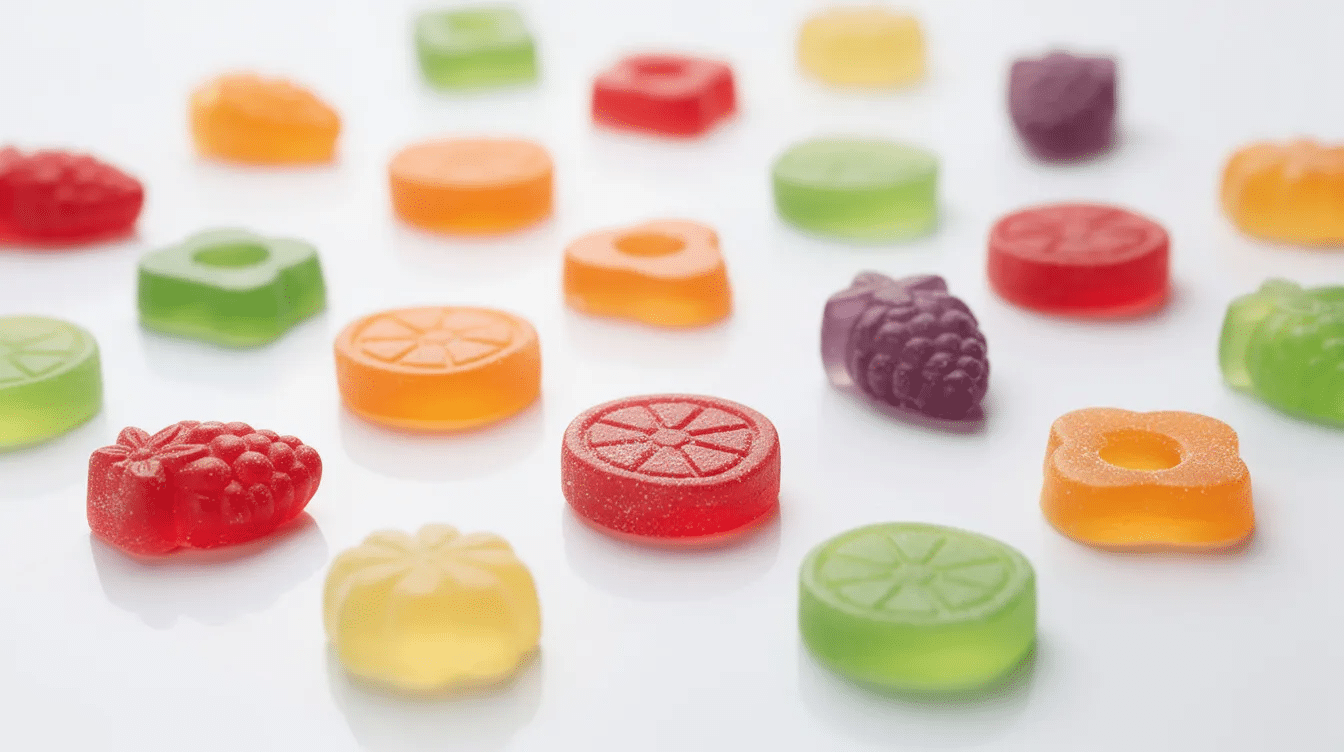
Most commercial fruit snacks are soft, sweet gummy candies made primarily from sugar, starch, and gelatin, with small amounts of concentrated fruit juices or purees. Over half the weight of a typical fruit snack consists of simple sugars, which means they should be treated more like candy than actual fruit.
The base ingredients in store bought fruit snacks typically include:
Corn syrup or other sugar sources (providing most of the calories)
Fruit juice concentrates, often from apples or white grape
Modified starches for texture
Gelatin or pectin as gelling agents
Natural or artificial flavors
Colors from synthetic dyes or vegetable sources
Added vitamins, especially vitamin C
Popular brands like Welch’s fruit snacks are well-known examples, made with real fruit purees and juices, and marketed as a convenient, sweet snack option for kids.
Homemade fruit snacks offer a different picture entirely. When made at home, these snacks can contain mostly whole fruit, natural sweeteners like honey, and gelatin or pectin—giving you control over what goes into each batch.
The Core Ingredients in Store-Bought Fruit Snacks
Ingredient lists vary by brand—whether you’re looking at Welch’s fruit snacks, private-label supermarket brands, organic options, or roll-ups—but most follow the same basic structure. The formula typically combines sugar plus texture ingredients plus a small amount of fruit plus additives.
A common compositional breakdown looks like this: greater than 50% sugar, approximately 20-30% starch and gelatin mixture, 10-15% water, trace protein and fat, plus flavorings and vitamins. Let’s break down each component.
Sugars and Sweeteners
The primary sweeteners in most fruit snacks include corn syrup, sugar (sucrose), and concentrated fruit juices. White grape and apple concentrates appear frequently because they’re inexpensive and provide sweetness without strong flavors that might compete with the intended taste.
Here’s something worth noting: products labeled “no added sugar” often still rely on concentrated juice, which functions nutritionally similar to added sugar once processed. The fiber and water have been removed, leaving behind simple sugars.
These sweeteners provide sweetness, contribute to the characteristic chewiness, and extend shelf stability. As of mid-2010s through the 2020s, nutrition labels commonly show 8-15 grams of sugar per small pouch of fruit snacks—roughly equivalent to several teaspoons.
Fruit Juices, Purees, and “Real Fruit” Components
Most mainstream fruit snacks contain some combination of fruit juice concentrates, fruit puree, or fruit puree concentrates. However, these typically come from apples, pears, or grapes rather than the strawberry, orange, or raspberries pictured on the package.
While these ingredients are technically derived from real fruit, much of the original fiber and water gets removed during processing. What remains is mainly sugar and flavor. When you see “made with fruit juice from concentrate,” this means the juice was evaporated and later re-diluted—a process that strips away most nutritional benefits.
The order of ingredients on a label reflects proportion by weight. When fruit puree appears first, the product contains more fruit than when sugars lead the list. Consumer advocacy groups have found that some berry-flavored products contain as little as 1% of the advertised berries, relying instead on dried apple puree as a sugar base.
Gelling Agents: Gelatin, Pectin, and Starches
The chewy, gummy texture that makes these snacks so appealing comes from gelling agents. Gelatin—an animal-derived protein extracted from collagen—serves as the primary gelling agent in many classic fruit snacks. It creates that bounce and bite similar to gummy bears.
Plant-based alternatives appear in vegetarian, vegan, or organic brands:
Pectin (derived from citrus peels or apples)
Carrageenan (from seaweed)
Agar (also from seaweed)
Modified starches
These ingredients form a gel network that traps water and sugar. During manufacturing, they’re hydrated, heated with sugars, and then cooled to set the final texture. Gelatin contributes a small amount of protein—typically 1-2 grams per serving—but this pales compared to food like yogurt or nuts.
Acids, Flavors, and Colors
Fruit snacks use food acids to balance sweetness with tartness and improve shelf life. Common acids include:
Citric acid (providing tang)
Malic acid (contributing tartness)
Ascorbic acid (vitamin C, also acting as a preservative)
Natural flavors or artificial flavors create the distinct taste profiles—whether strawberry, grape, watermelon, or tropical blends—even when little actual fruit is present. These flavor compounds work with minimal real ingredients to produce recognizable tastes.
Color sources split between conventional and natural products. Traditional snacks often contain synthetic dyes like Red 40, Yellow 5, or Blue 1. More natural lines use vegetable-derived colors from beet juice, carrots, annatto, or turmeric. Many brands fortify with vitamins—sometimes 100% Daily Value of vitamin C per serving—to appeal to parents seeking a healthy snack option, though this doesn’t offset the high sugar content.
Starches, Oils, and Other Minor Ingredients
Modified corn starch, tapioca starch, or potato starch appear on ingredient lists as thickeners and stabilizers. They help prevent syneresis—the technical term for water separation that makes snacks weep liquid over time.
Small amounts of vegetable oil and carnauba wax coat finished pieces, preventing them from sticking together inside the pouch. You might also spot emulsifiers like lecithin or sodium citrate, which keep other ingredients evenly distributed throughout the mixture.
These minor ingredients contribute very few calories but play important roles in texture, sheen, and shelf stability.
Nutrition Profile: Do Fruit Snacks Count as Fruit?
Nutritionally, most fruit snacks are closer to candy than to a serving of whole fruit, despite marketing language and colorful imagery. A typical small pouch (around 22 grams) delivers approximately 70-90 calories, 0-1 gram protein, 0-1 gram fat, 12-17 grams total sugar, and negligible fiber.
Compare this to a medium apple: roughly 95 calories, 3-4 grams of fiber, 95% water content, and sugars that digest more slowly. The difference in nutritional value is substantial.
Added vitamin C can meet a high percentage of daily needs in a single pouch, but other micronutrients remain limited. Those vitamins arrive alongside significant sugar, making this a poor trade-off compared to eating fruit.
Sugar, Fiber, and Satiety
The lack of fiber and low water content in fruit snacks means sugars absorb quickly into the bloodstream. Whole fruits contain fiber that slows digestion and promotes fullness—something these snacks simply cannot replicate.
A 0.8 oz (22g) pouch might have 0 grams of fiber, versus 3-4 grams in a medium apple. This matters because fiber helps you feel satisfied after eating.
The practical takeaway: fruit snacks are an occasional treat, not a replacement for dehydrated fruit snacks made from whole fruit or fresh options. Kids (and adults) can easily eat multiple pouches without feeling full.
Protein, Fat, and Micronutrients
Gelatin-based fruit snacks contain trace protein—typically 1-2 grams per serving at most. This is low compared to a handful of nuts, a piece of cheese, or a serving of yogurt.
Fat content stays very low, with only tiny amounts from coating oils. This makes the snacks almost entirely carbohydrate-based.
Vitamin fortification—often 100% Daily Value of vitamins A, C, and E—sounds impressive but doesn’t change the high-sugar nature of the product. You’re essentially eating a vitamin-fortified candy.
How Fruit Snacks Are Made: From Syrup to Chewy Bites
Manufacturing begins with cooking sugar syrups (corn syrup, sucrose) together with gelling agents and starches at temperatures around 240-250°F. This partial hydrolysis creates the liquid base.
The hot mixture then receives fruit concentrates, acids, flavors, and colors at lower temperatures to preserve volatile flavor compounds. This liquid gets deposited into starch molds for shaped gummies or spread into flat sheets for roll-ups.
After cooling to set the gel network, pieces are demolded, coated with oil-wax mixtures, and packaged under controlled humidity. Industrial production uses continuous extruders and dryers to achieve precise chewiness at scale.
Shaped Gummies vs. Rolled Fruit Snacks
Molded gummy-style snacks—bears, fruits, fun shapes—are deposited into shaped molds or starch trays, then cooled until firm. The result is a three-dimensional piece with consistent texture throughout.
Roll-type snacks follow a different path. The mixture is poured in thin sheets (1-2mm), force-dried to 10-15% moisture, and wound into spirals with paper or plastic backing. This creates a leathery chew distinct from traditional gummies and similar in format to healthy fruit leather brands made from real fruit purees.
Gusher-style snacks with liquid centers use co-extrusion, where dual nozzles deposit a shell and filling simultaneously—creating that burst effect when you eat them.
Common Myths and Marketing Claims
Packaging often features whole fruit images, phrases like “made with real fruit,” or “contains vitamin C.” These can give the impression of a healthy snack or even a fruit serving.
The truth: most dietary guidelines—including U.S. recommendations throughout the 2010s and 2020s—emphasize whole fruit or minimally processed fruit. The first modern fruit snack, Joray Fruit Rolls, was created by confectioner Louis Shalhoub in the 1970s as a lightweight, high-energy food for backpackers, laying the foundation for the fruit snack industry. The term ‘fruit snack’ was first used in 1983 by General Mills to describe their version of Shalhoub’s product, known as Fruit Roll-Ups. By the mid-1980s, fruit snacks had become a multimillion-dollar industry, but sales peaked in 2013 and began to decline in subsequent years. Consumer groups including the Center for Science in the Public Interest have labeled such products “phony fruit snacks” due to their candy-like profiles.
Even organic or naturally colored fruit snacks remain concentrated sugar sources. The name fruit snack itself creates confusion—Shalhoub’s product from the 1970s was designed as a high energy food for backpackers, not a fruit substitute.
“All Natural,” “Organic,” and “No Artificial Colors”
Labels reading “organic” or “no artificial colors” indicate that sugars and colors meet certain sourcing standards. They don’t inherently mean reduced sugar levels.
A product can be certified organic and still contain mostly organic sugar and organic fruit juice concentrate. The distinction matters for avoiding synthetic pesticides or GMOs, but not for limiting sugar intake.
Some parents prefer these versions to avoid synthetic dyes linked to allergies or behavioral concerns. That’s a valid choice—just remember to treat them as sweets in terms of frequency and portion size.
Homemade Fruit Snacks: What They’re Made Of
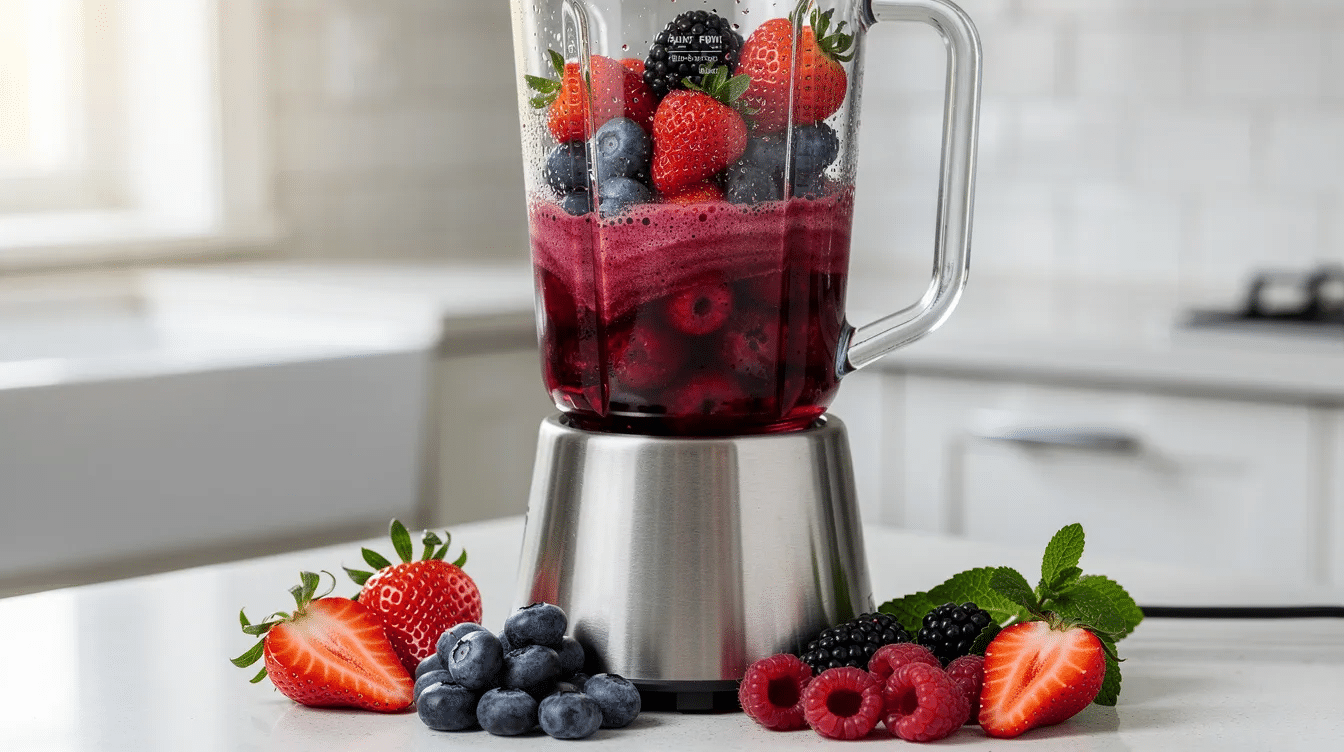
Homemade fruit snacks offer an alternative where main ingredients include fresh or frozen fruit, a natural sweetener (or none at all), and a gelling agent like gelatin or pectin. To make homemade fruit snacks, blend fruit and vegetables with apple juice, then mix in gelatin and heat until dissolved.
Home cooks can adjust recipes to increase whole fruit content, add vegetables for natural colors, and control sugar levels. Many modern fruit snack recipes from the 2010s and 2020s avoid corn syrup and artificial dyes entirely.
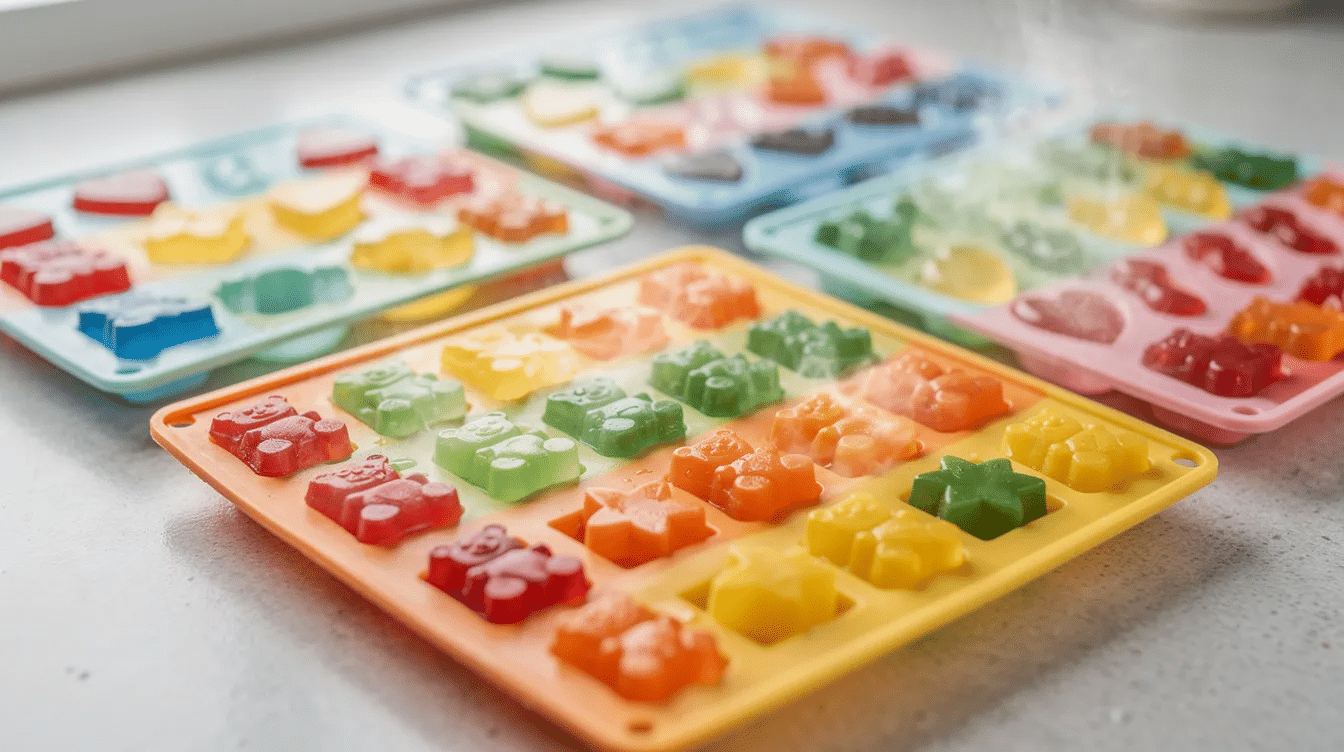
Common tools include a blender for pureeing, silicone molds for shaping, and a small saucepan for gentle heating. For storage, homemade fruit snacks can be kept in an airtight container in the refrigerator for up to 2 weeks, or in the freezer for up to 2 months. While homemade versions can be healthier, they’re still concentrated and should be portioned like treats, much like homemade dried plums as a nutritious snack.
Typical Homemade Ingredient Combinations
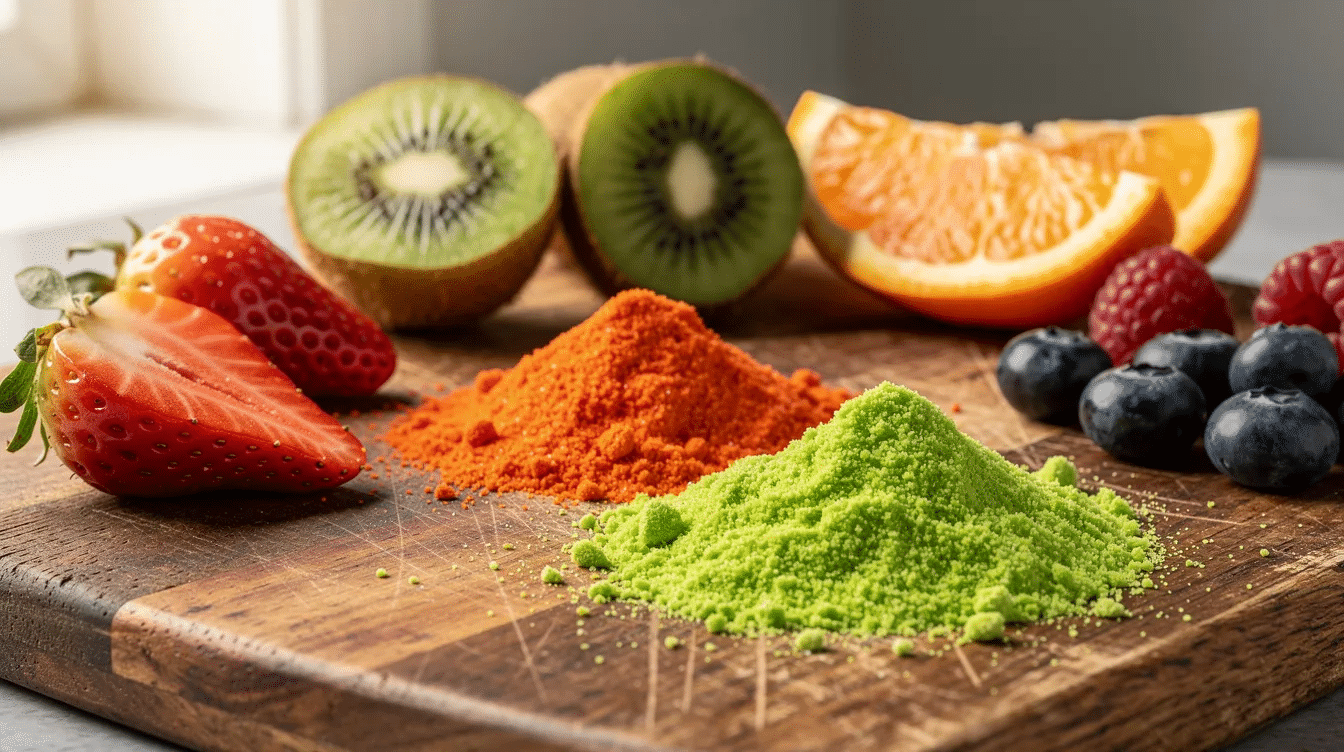
A basic fruit snack recipe might include whole blueberries, peaches, or apples that you can also dehydrate into healthy chips as the fruit base. Adding vegetables—carrots, spinach, or beets—creates natural colors without dyes.
Popular combinations include:
Strawberry-beet for vibrant red
Peach-carrot for orange tones
Blueberry-zucchini for blue-purple
Grape-spinach for green
Blending fruits and vegetables retains more fiber than commercial concentrated versions, especially when the puree isn’t strained. Some high-protein variations increase gelatin content or add collagen to raise protein per batch to around 45 grams, and these same blends can be used alongside dehydrated fruits for homemade granola.
Controlling Texture and Sweetness at Home
Adjusting gelatin amounts changes firmness. More gelatin creates firmer gummies; less produces softer, jiggly squares. Three tablespoons of powdered gelatin per 1.5 cups of fruit puree yields a chewy consistency.
Sweetness can be tuned by starting with ripe fruit. Taste the puree before adding honey, maple syrup, or other sweeteners—you might need only a small amount.
One important note: fresh pineapple, kiwi, mango, and bananas contain enzymes (like bromelain and papain) that prevent gelatin from setting. Cook these fruits over medium heat for a few minutes until the mixture is completely dissolved to deactivate the enzymes. If you prefer to enjoy them separately, nutrient-rich dried mango can be a concentrated fruit snack on its own. Store finished snacks in an airtight container in the fridge or freezer.
How to Read Fruit Snack Labels
Understanding what fruit snacks are made of starts with reading ingredient lists carefully. Look at the first three ingredients—if sugar sources (corn syrup, sugar, juice concentrate) appear before fruit puree, expect a candy-like product.
Check these numbers on the nutrition facts panel:
Total sugar grams per serving
Added sugar grams (required on labels since 2020)
Fiber grams (likely zero in most products)
Terms like “fruit juice concentrate” mean evaporated and reconstituted juice—mostly sugar. “Natural flavors” indicates flavor compounds that may contain no actual fruit. “Colors from fruit and vegetable juice” describes vegetable-derived dyes rather than synthetic ones.
Choosing and Using Fruit Snacks Wisely
If you choose to buy similar products at the store, opt for ones where fruit puree ranks high on the ingredient list and colors come from fruit or vegetable juice. Check for reasonable sugar levels and avoid products where every other ingredients listing points to sugar.
For better satiety, pair fruit snacks with nuts, cheese, or yogurt to add protein and fat, or swap them for guilt-free snack ideas rich in protein and fiber. This combination helps prevent blood sugar spikes and keeps kids (and adults) feeling fuller longer. Whether you choose store-bought or make your own in the next few years of snack planning, knowing what’s inside helps you eat more intentionally.
DannyContent Writer
Hey there, since 2016, my mission has been to provide you with the information and guides you need to make food dehydrating simple and fun. Whether you're a newbie or a seasoned pro, my site offers helpful guides, reviews, and recipes to enhance your dehydrating experience. I take pride in only recommending products I believe in, ensuring my readers' trust. As an affiliate of various programs, including Amazon Associates, your support helps me continue providing quality content. Thanks for stopping by, and happy dehydrating!