We earn a commission if you make a purchase, at no additional cost to you.
09/22/2026 04:39 pm GMT
🍊 Dehydrated Food Info Finder — Temperatures & Drying Times
Choose a category, then pick a food to see its drying temperature and time.
⚠️ Safety Disclaimer: Drying times are estimates and vary based on slice thickness, food moisture content, humidity, and your dehydrator model. Always check for doneness before storing — food should feel dry, leathery, or brittle with no moist spots. Improperly dried food can harbour mould and bacteria. For meat and poultry, follow USDA safe internal temperature guidelines: beef and pork to 160°F (71°C), poultry to 165°F (74°C). Use a food thermometer when in doubt. Store all dehydrated foods in airtight containers in a cool, dark place and discard anything showing moisture, mould, or off odours.
Vegetable Soup with Ginger Using Dehydrated Ingredients
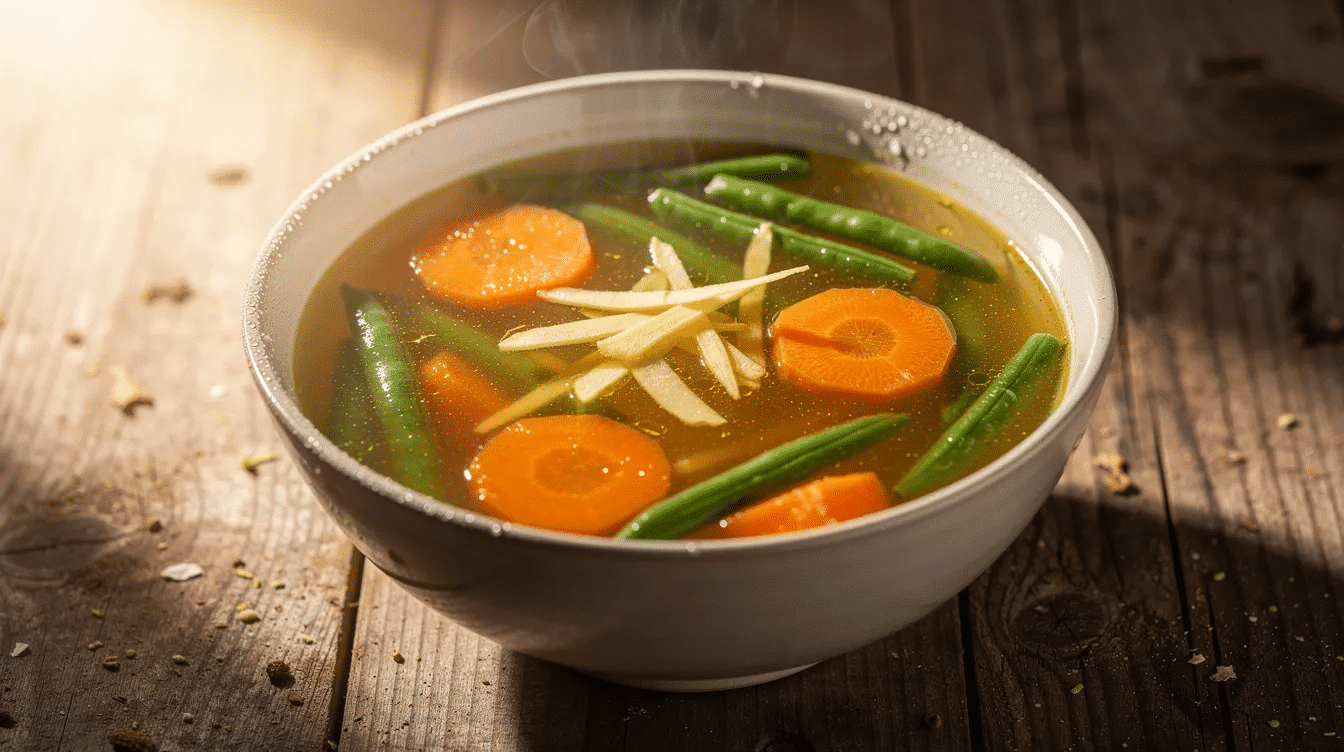
This vegetable soup with ginger is built almost entirely from dehydrated ingredients, making it ideal for pantry meals, backpacking recipes, and emergency prep.
The recipe uses a simple base of dehydrated mixed vegetables, dried aromatics, vegetable soup powder or bouillon, and fresh or dried ginger.
You can cook it at home on the stove, in a slow cooker, or on a camp stove, finishing each serving with a drizzle of olive oil for flavor and healthy fats.
Dehydrated soup recipes can use over 20 different ingredients, so you can customize every batch to your taste.
At Dehydrated Foodz, we focus on helping you choose dehydrators, dehydrate your own vegetables, and turn them into convenient soup recipes like this one.
Step
Instructions
Prep the dry ingredients
Measure about 2/3 cup dried vegetable mix + 1/4 cup dried starch (beans, lentils, or potatoes) per serving. Soak dense veggies 30 minutes if desired.
Build flavor base
Warm olive oil in pot over medium heat. Add dried onion flakes, garlic, and ginger. Stir 30 seconds.
Simmer
Add 2–2½ cups water or broth per serving. Use 2 tbsp soup powder per cup if using bouillon. Boil, then simmer 10–20 minutes until tender.
Finish and season
Add lemon juice or apple cider vinegar to brighten. Taste and adjust salt, pepper, and water. Optionally puree soup. Remove from heat.
Serve
Drizzle with olive oil for flavor and healthy fats. Enjoy hot.
Why Make Vegetable Soup with Ginger from Dehydrated Ingredients?
Ginger adds a warming flavor to vegetable soups that turns a basic broth into something genuinely satisfying. When you build that soup from dried vegetables, you get a meal with a shelf life measured in months rather than days, nearly zero food waste, and a cook time under 20 minutes on a weeknight dinner.
Dried vegetables can be used in ginger vegetable soup recipes in a similar way to fresh ones. Once simmered in a good broth, dehydrated veggies soften and release their flavor into the pot, producing a hearty bowl that tastes surprisingly fresh. For your family, that means stocking a winter pantry with grab-and-cook jars of soup mix. For backpackers and campers, it means lightweight, space-saving bags that only need boiling water and a short simmer, similar to other dehydrated backpacking meals you can prep at home. The health angle is worth noting too: ginger is added to carrot soup for flavor enhancement and anti-inflammatory benefits, while fiber-rich vegetables make the whole bowl super healthy without much effort.
Core Ingredients for Dehydrated Ginger Vegetable Soup
Below is a concrete shopping and prep list. You can source most items from your own dehydrator or buy them pre-dried.
Dried base vegetables:
Carrots, celery, onions, zucchini, bell pepper, and green beans
Dried garlic flakes or powder
Dehydrated potatoes or cooked dried beans and lentils for body – adding hearty ingredients like lentils or rice makes soup more filling
Broth base:
Vegetable soup powder or low-sodium bouillon cubes – dehydrated soup mixes can be made from dried vegetables and bouillon
Alternatively, vegetable stock, bone broth, or even chicken broth for a richer flavor
Start with good vegetable broth for the richest flavor
Ginger options:
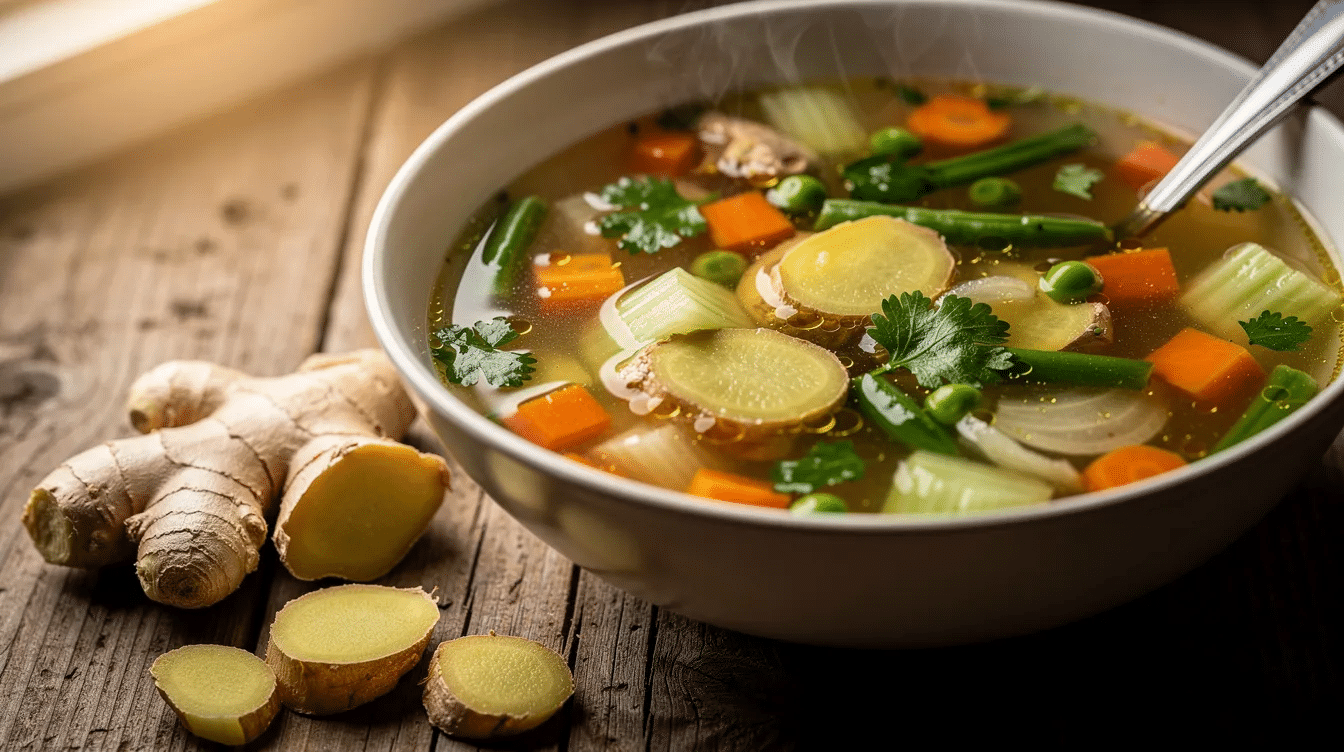
Thinly sliced fresh ginger root (peeled, about 3–4 coins per serving)
Water or broth at a good ratio of 2 parts liquid to 1 part dried vegetable mix
A tablespoon of olive oil for sautéing or finishing
Optional flavor boosters:
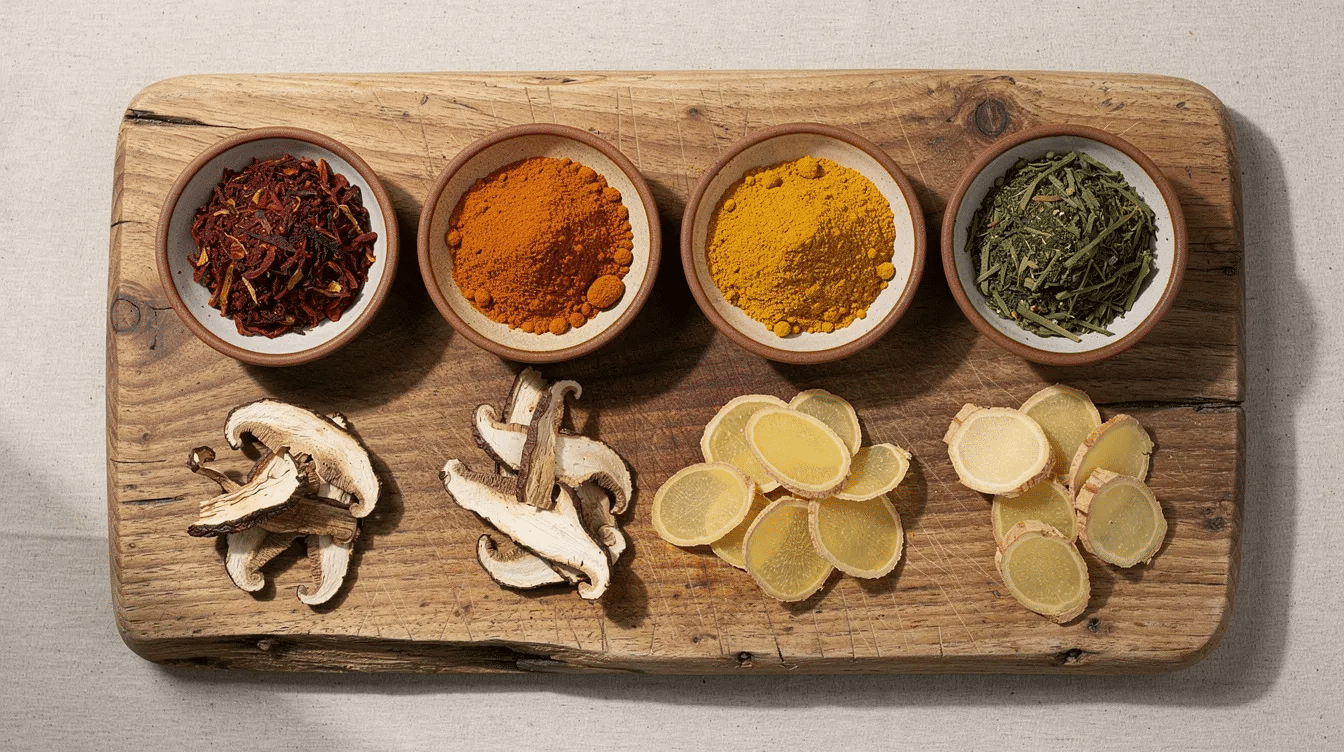
Dried mushrooms, diced tomatoes, or tomato flakes for umami – adding umami can enhance the flavor of vegetable soup
Soy sauce, lemon juice, red pepper flakes, and dried herbs like thyme or parsley
A classic carrot ginger soup requires only 7 ingredients for preparation, but this recipe lets you scale up with as many or as few extras as you like.
Step-by-Step: How to Make Vegetable Soup with Ginger (Home Kitchen Method)
This is the stovetop version, perfect for a fast weeknight dinner. It borrows loosely from turmeric ginger vegetable soup techniques but is adapted for fully dehydrated ingredients.
Prep the dry ingredients:
Measure about two-thirds cup of dried vegetable mix plus 1/4 cup dried starch (beans, lentils, or potatoes) per serving. If your dried vegetables are very dense, soak them for 30 minutes before cooking to speed things up. Dehydrated vegetables can be rehydrated in water within minutes, but a brief soak gives root vegetables a head start.
Build the flavor base:
Warm olive oil in a large pot over medium heat. Add dried onion flakes, garlic, and ginger. Stir for about 30 seconds to bloom the spices – enough to release aroma without burning.
Simmer:
Pour in 2–2½ cups of water or broth per serving. Use about 2 tablespoons of soup powder per cup of water if you’re relying on bouillon. Bring to a boil, then lower to a simmer for 10–20 minutes until all the ingredients are softened and tender.
Finish and season:
A squeeze of lemon juice or apple cider vinegar brightens flavors right at the end. Taste and adjust seasoning after rehydrating vegetables – you’ll likely need salt, black pepper, and possibly more water if the soup gets too thick. If you prefer a smooth bowl, use an immersion blender to puree part or all of the soup directly in the pot, or transfer to a blender for a fully blended texture. Remove pot from heat once you’re happy with the consistency.
Backpacking & Make-Ahead Jar Version
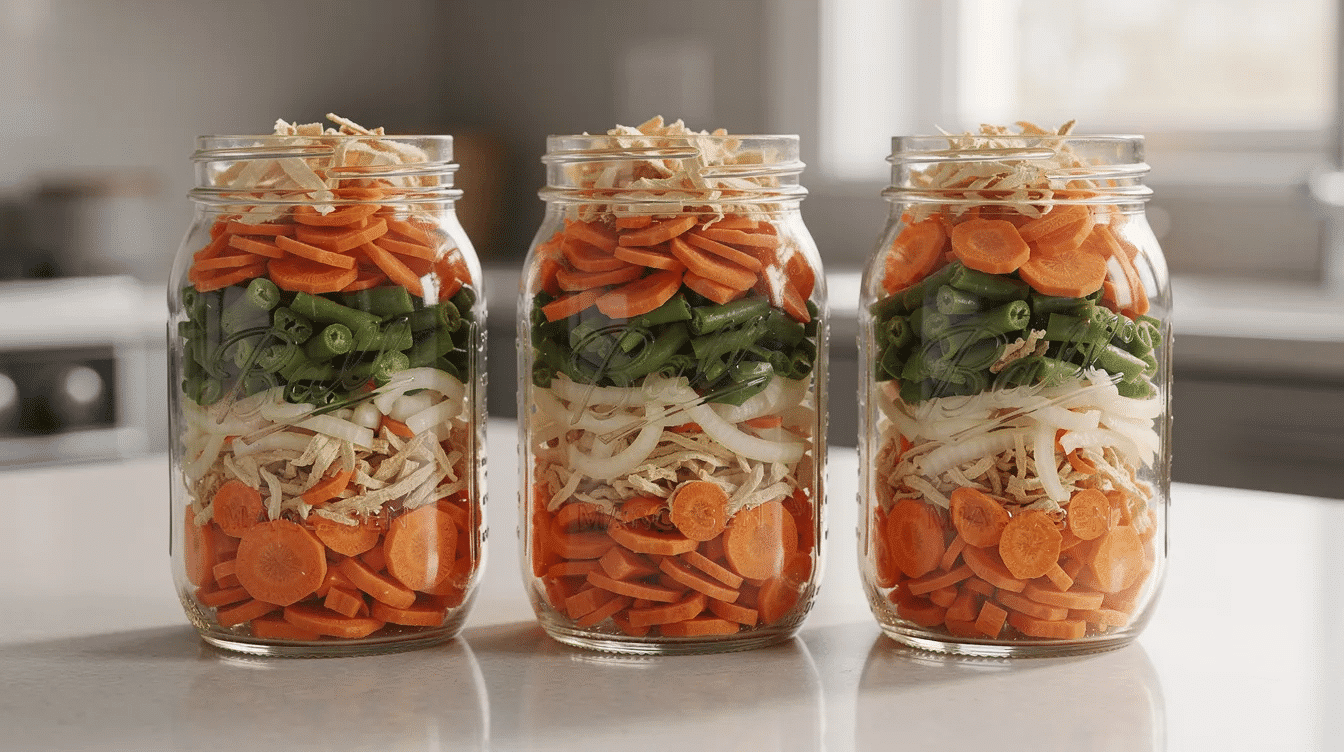
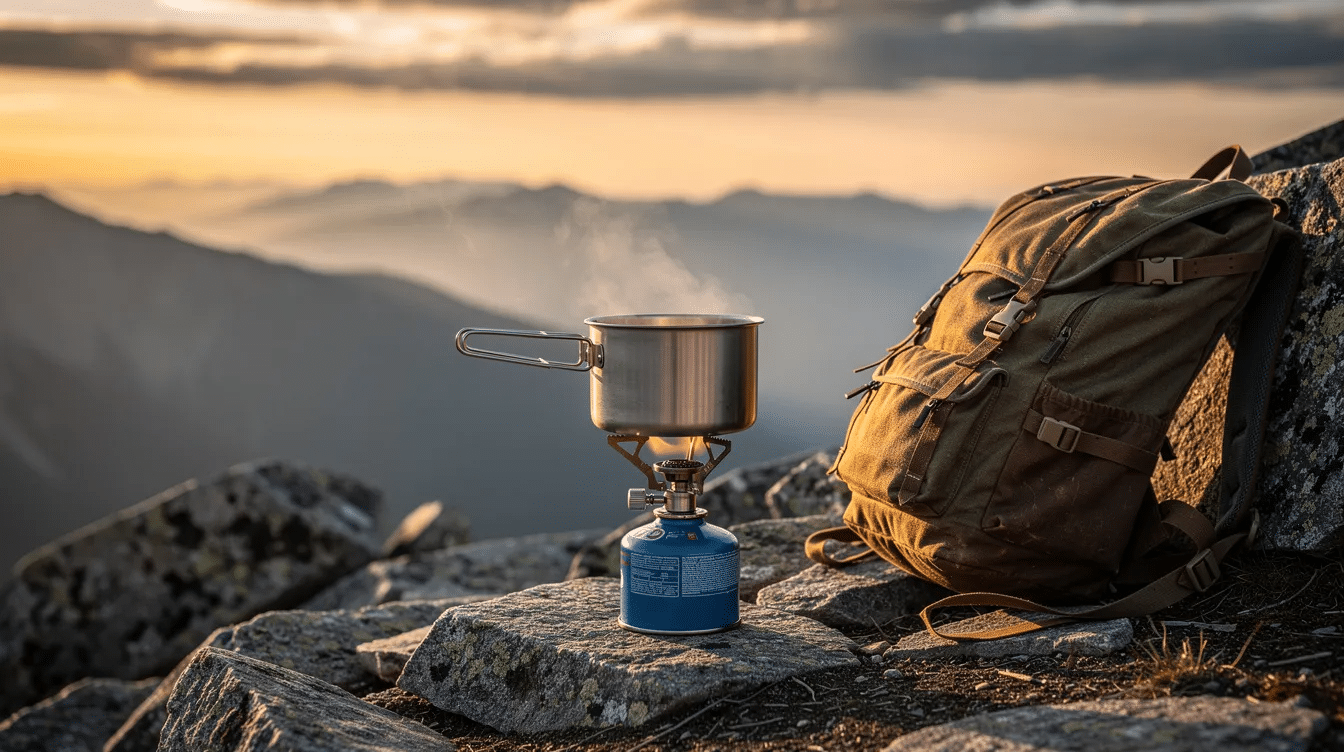
This ultralight, packable version is one of our favorite backpacking recipes at Dehydrated Foodz. Pre-assemble it months ahead and grab a jar on your way out the door.
Pour contents into a camp pot, add water, bring to a boil, then simmer 8–12 minutes. Let the pot sit covered (wrapped in a jacket or cozy) for another 5–10 minutes. For a no-stove option, add boiling water directly to an insulated food jar and let it sit 20–30 minutes. Either way, you end up with a hot, delicious vegetable soup with ginger.
How to Dehydrate Vegetables and Ginger for This Soup
Arrange vegetables in a single layer on mesh trays. Dehydrators should operate at 135°F (57°C) for optimal drying. Check after 8 hours and continue up to 10–12 hours until pieces are brittle or leathery with no moisture pockets. You can also dehydrate soup at 135°F (57°C) for 6–8 hours if you’re drying cooked soup into a leather or “bark.”
Ginger specifics:
Slice very thin coins or matchsticks and dry at the same temperature until completely crisp. Grind fully dried slices in a spice mill to make your own ginger powder.
Once you master the basic vegetable soup with ginger, spin it into several global flavor profiles using the same dehydrated base.
Immune-boost version: Add turmeric powder, extra garlic, and leeks – turmeric ginger vegetable soup includes garlic and leeks for flavor. Finish with a squeeze of lemon juice, a drizzle of fruity olive oil, and fresh black pepper for a golden broth that feels like medicine in a bowl.
Asian-inspired: Use soy sauce or tamari instead of some salt, add dried shiitake mushrooms, and garnish with sliced green onions or cilantro. A splash of coconut milk stirred in at the end adds richness.
Mediterranean style: Include diced tomatoes, oregano, thyme, basil, and a bigger splash of olive oil. A minestrone soup can include zucchini, carrots, and beans – so toss in some cooked pasta and you have a hearty Italian-inspired bowl. Serve with crusty bread.
Serving ideas: Pair with a massaged kale salad, avocado toast, or cooked rice for a more filling meal. Leftovers keep 3–4 days in the fridge. For a smooth version, puree the soup in a blender until blended to your preferred consistency, then garnish with fresh herbs. Each of these dehydrated meals works for the whole family and scales easily for a crowd.
Nutrition, Storage, and Safety Tips
Concentrated vegetables mean solid fiber, vitamins, and minerals per serving. Research shows that dry vegetable soups can deliver 11–45% of daily fiber and meaningful amounts of iron, magnesium, and zinc. Ginger’s bioactive compounds – gingerols and shogaols – offer potential digestive and anti-nausea benefits.
Sodium control: Use low-sodium bouillon or homemade vegetable soup powder so you can adjust seasonings to taste rather than relying on salty commercial mixes. You can review recipe sodium by checking bouillon labels carefully.
Food safety: Thoroughly dried ingredients, clean jars, and clear packing dates are non-negotiable. Discard any dried vegetables showing signs of moisture, mold, or off smells; understanding how and when dehydrated food can still go bad helps you spot problems early. For longest shelf life, use oxygen absorbers or vacuum sealing and store below 75°F. Most mixes stay at peak nutritional value within 9–12 months.
Reheating: Always bring cooked soup back to a full simmer before eating. Avoid leaving rehydrated soup at room temperature for more than 2 hours.
FAQ: Vegetable Soup with Ginger & Dehydrated Ingredients
Can I use store-bought freeze-dried vegetables instead of home-dehydrated ones?
Freeze-dried vegetables work very well in this soup recipe and usually rehydrate even faster than home-dehydrated ones. Freeze-dried options retain roughly 95–99% of original nutrients compared to 60–75% for standard dehydration. Measure by volume (cups) rather than weight, since freeze-dried pieces are extremely light. You may also want to reduce simmer time by a few minutes. You can swap them in at the same volume without any other changes. Some cooks prefer chicken or bone broth with freeze-dried mixes for extra richness, and if you add protein like jerky or dried sausage, be sure you understand how long dehydrated meat will last in storage.
How do I keep the ginger flavor from becoming too strong or bitter?
Start with a modest amount – about 1 teaspoon dried ginger or 3–4 thin fresh slices per quart of soup – and taste midway through simmering. To balance an overly sharp ginger note, add a small pinch of sugar or a splash of coconut milk. Avoid boiling the soup hard for long periods, which can intensify bitterness. You can always add more spices but you can’t take them away.
What kind of olive oil works best in this soup recipe?
A mild to medium-bodied extra-virgin olive oil with fruity notes complements ginger and vegetables without overpowering them. For backpacking or long-term storage, refined or “light” olive oil in small, well-sealed containers is more stable. At home, finish bowls with your best extra-virgin olive oil for maximum flavor.
Can I pressure cook this soup to save time?
An electric pressure cooker works well. Combine all the dry ingredients and broth, cook at high pressure for about 5 minutes, then let pressure release naturally for 10 minutes. Don’t overfill the pot with dried beans or pasta – they expand significantly. Adjust liquid if the soup is too thick after cooking, and add more water as needed. The result is just as delicious and satisfying as the stovetop method.
What dehydrator features should I look for if I mainly want to make soup mixes?
Choose a dehydrator with adjustable temperature settings for versatility – ideally ranging from 95°F to 160°F. Look for dehydrators with multiple trays for larger batches, and make sure the unit offers even airflow so nothing dries unevenly. A budget-friendly dehydrator is suitable for beginners who want to start with easy projects. We recommend at least 500 watts of power and expandable trays if you plan to dehydrate large batches of vegetables for this soup or any other seasoning-heavy mix; choosing the right dehydrator wattage for your projects will keep drying times reasonable.
DannyContent Writer
Hey there, since 2016, my mission has been to provide you with the information and guides you need to make food dehydrating simple and fun. Whether you're a newbie or a seasoned pro, my site offers helpful guides, reviews, and recipes to enhance your dehydrating experience. I take pride in only recommending products I believe in, ensuring my readers' trust. As an affiliate of various programs, including Amazon Associates, your support helps me continue providing quality content. Thanks for stopping by, and happy dehydrating!