We earn a commission if you make a purchase, at no additional cost to you.
09/22/2026 04:39 pm GMT
🍊 Dehydrated Food Info Finder — Temperatures & Drying Times
Choose a category, then pick a food to see its drying temperature and time.
⚠️ Safety Disclaimer: Drying times are estimates and vary based on slice thickness, food moisture content, humidity, and your dehydrator model. Always check for doneness before storing — food should feel dry, leathery, or brittle with no moist spots. Improperly dried food can harbour mould and bacteria. For meat and poultry, follow USDA safe internal temperature guidelines: beef and pork to 160°F (71°C), poultry to 165°F (74°C). Use a food thermometer when in doubt. Store all dehydrated foods in airtight containers in a cool, dark place and discard anything showing moisture, mould, or off odours.
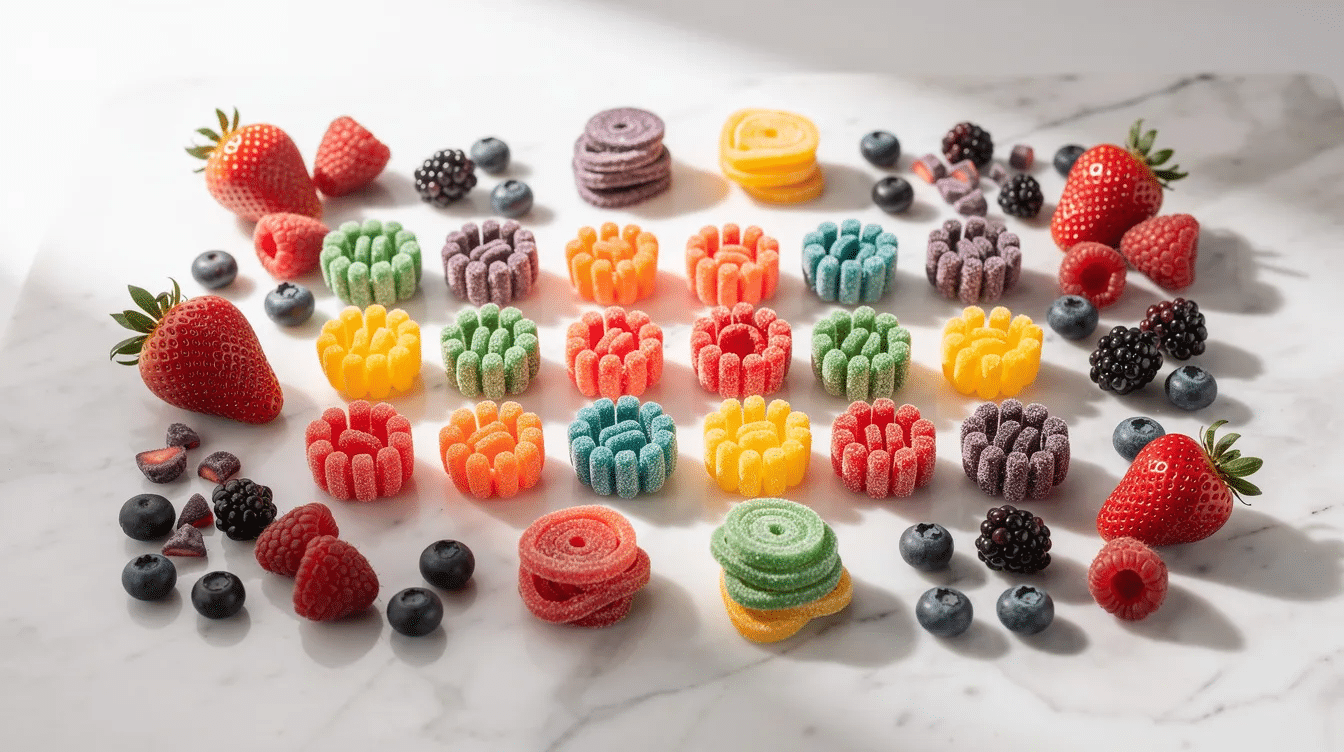
Finding snacks that are both kid-approved and plant-based can feel like a challenge. Vegan fruit snacks solve that problem by delivering chewy, flavorful bites made entirely from fruit and plant-derived ingredients. Whether you pick up a pouch at the grocery store or make a batch in your own kitchen, these gelatin-free treats have become a go-to for families, travelers, and anyone looking for a convenient way to satisfy a sweet craving.
Quick Answer: What Are Vegan Fruit Snacks & Why They’re So Popular?
Vegan fruit snacks are chewy or dried confections made entirely from plant-based ingredients. Unlike traditional gummies that rely on gelatin (derived from animal collagen, typically from porcine or bovine sources), vegan versions use plant-derived gelling agents like pectin, agar agar, or starches. Some are simply dried whole fruit pressed into fun shapes, similar to healthy fruit leather brands you can buy that roll pure fruit into portable strips.
The distinction matters for anyone following a vegan or vegetarian lifestyle, but it extends beyond dietary restrictions. Many parents choose vegan fruit gummies because they’re often allergy friendly, free from artificial dyes, and made with real fruit rather than synthetic flavoring compounds.
Gelatin-free snacks have surged in popularity during the 2020s as consumers increasingly prioritize organic, non gmo, and plant-based options. This shift reflects broader trends in the food industry: people want transparency about what goes into their snacks and their kids’ lunchboxes.
The real fruit emphasis sets quality vegan fruit snacks apart from conventional candy. Brands like BEAR and Soley position themselves around actual fruit content—whether fresh fruit puree, whole fruit pieces, or 100% juice with no added sugar. This contrasts sharply with products that rely on high fructose corn syrup and artificial flavors to mimic fruit taste.
Kid-friendly appeal drives much of the market. Fun shapes, bright natural colors, and a chewy texture make these snacks popular for school lunches, after-school activities, and travel. The fact that they’re often nut free and gluten free makes them suitable for classrooms with strict allergy policies.
Whether you’re vegan, vegetarian, or simply looking for cleaner snacking options, vegan fruit snacks fit into a daily diet without the concerns that come with traditional gummy snacks.
Homemade Vegan Fruit Snacks (Step-by-Step Guide)
Making your own vegan gummies at home is simpler than you might expect. With just real fruit, maple syrup, and agar agar powder, you can create chewy, delicious snacks in under two hours total—with active time clocking in at under 30 minutes.
This section walks through a basic mixed-berry gummy recipe using agar agar as the setting agent. The method works with virtually any fruit or juice combination once you understand the core technique.
Approximate yields and timing:
Makes about 60–70 small gummies
Prep time: 10 minutes
Cooking time: 15–20 minutes
Setting time: 45–60 minutes
The advantage of homemade vegan fruit snacks extends beyond knowing exactly what’s inside. You control the sweetener level, skip artificial ingredients entirely, and can use organic produce when desired. Kids love helping with the process—especially choosing fruit combinations and picking out silicone mold shapes.
The First Steps: Preparing Your Fruit Base
The flavor and texture of your vegan fruit snacks depend heavily on how you prepare the fruit at the start. Rushing this step produces weak flavor; taking your time creates concentrated fruit intensity that tastes great in the finished gummies.
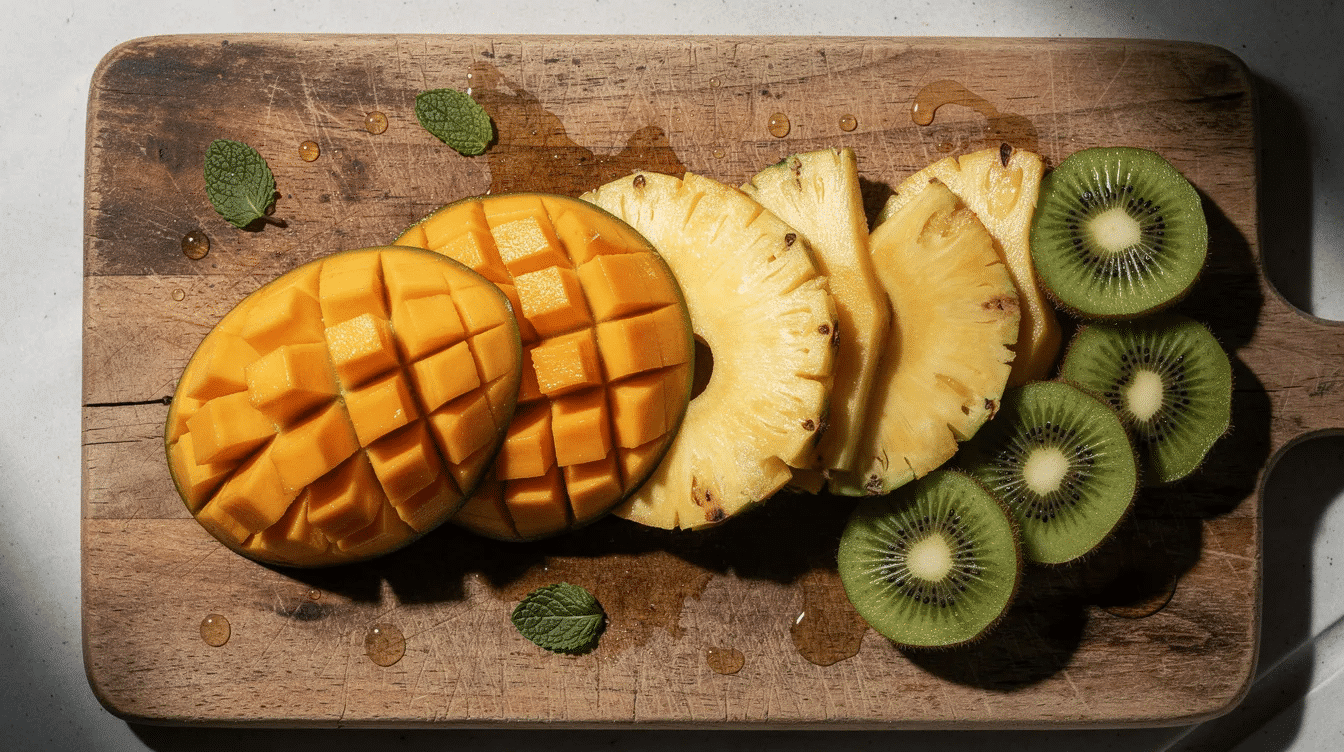
Choose your fruit based on what’s ripe and seasonal. Fresh strawberries, blueberries, peaches, and mango all work beautifully. For a simpler approach, use 100% fruit juice like apple, grape, or pineapple juice with no added sugar, or experiment with different fruits you can dehydrate for chewy, long-lasting vegan snacks.
For whole fruit preparations, dice firmer fruits like peaches or mango into small pieces—about 2 cups total. Combine with ½ cup water and 2–3 tablespoons maple syrup in a small saucepan.
Cooking times vary by fruit type:
Softer fruits (berries, grapes): 5–8 minutes of gentle simmering
Firmer fruits (peaches, apples, mango): 10–12 minutes over medium heat
The fruit is ready when it easily mashes with the back of a spoon and your kitchen smells strongly of fruit, much like the deeply concentrated flavor you aim for when making DIY apple fruit powder from dehydrated apples. At this point, the natural sugars have concentrated and the cellular structure has broken down enough for smooth blending.
Let the mixture cool slightly, then transfer to a blender. Add enough extra water to reach approximately 1½ cups total liquid—this measurement matters because agar agar’s setting ability depends on maintaining the proper ratio.
Straining, Cooking & Activating Agar Agar
Straining and proper cooking are crucial for smooth, bouncy vegan gummies. Skip these steps and you’ll end up with grainy bits or gummies that weep liquid instead of holding their shape.
Pour the blended fruit mixture through a fine-mesh sieve, pressing firmly with a spatula to extract as much liquid as possible. This step is especially useful for berries and grapes, which contain seeds and pulp that would create an unpleasant texture in finished gummies.
Measure the smooth fruit liquid back into a clean saucepan—aim for 1 cup for a small batch. Whisk in about 1½ teaspoons agar powder per cup of liquid. This ratio is consistent across virtually all fruit combinations.
The activation process requires attention:
Keep whisking over medium heat until the mixture reaches a gentle boil
Reduce to a simmer and continue whisking constantly for 3–5 minutes
Watch for visual cues: the mixture should look slightly thicker and glossy, with tiny bubbles around the edges
Undercooking causes gummies not to set properly—this is the most common mistake beginners make. The full 3–5 minute simmer activates the agar agar completely.
One critical note: agar agar begins to set as it cools, so have your molds or pans ready before you start cooking. There’s no time to search for equipment once the mixture is done.
Shaping Vegan Fruit Snacks: Molds, Pans & Fun Shapes
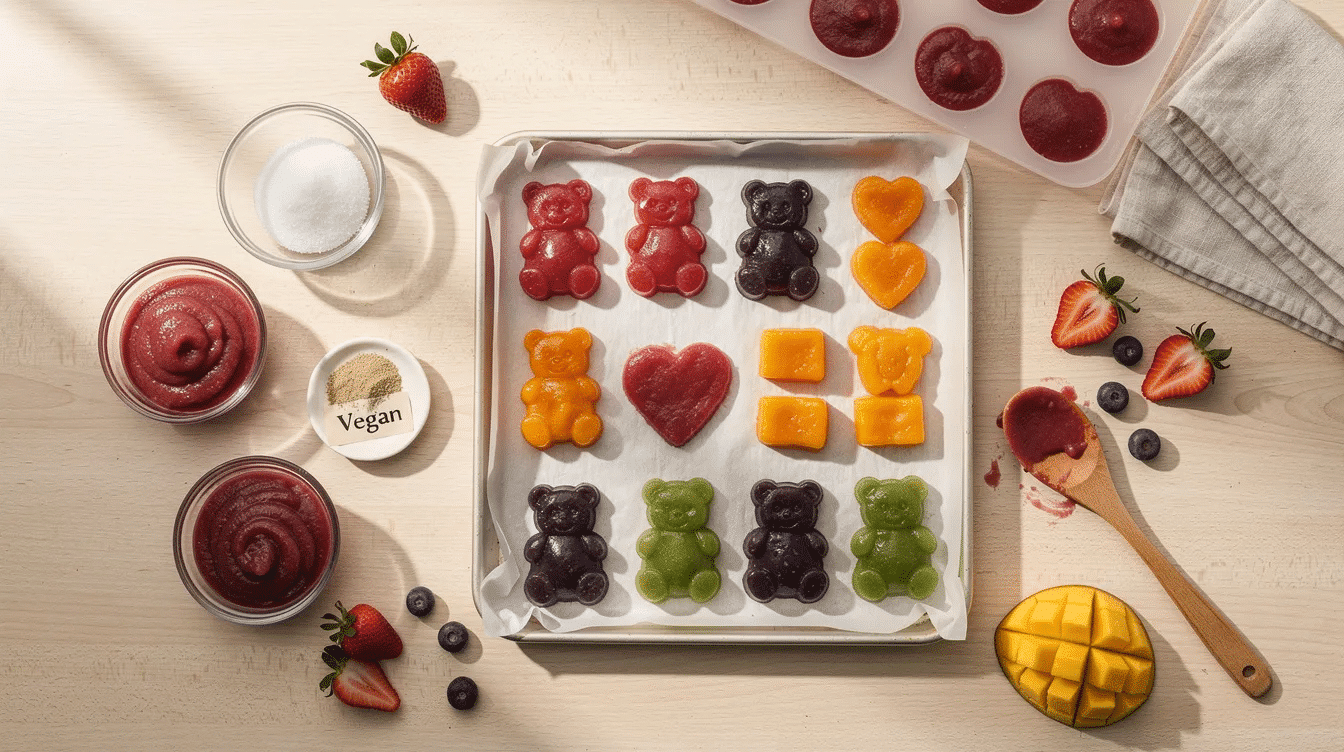
Shaping is the fun part of making homemade vegan fruit snacks. You have two main options: silicone molds for classic gummy shapes, or pans for cut-to-size snacks.
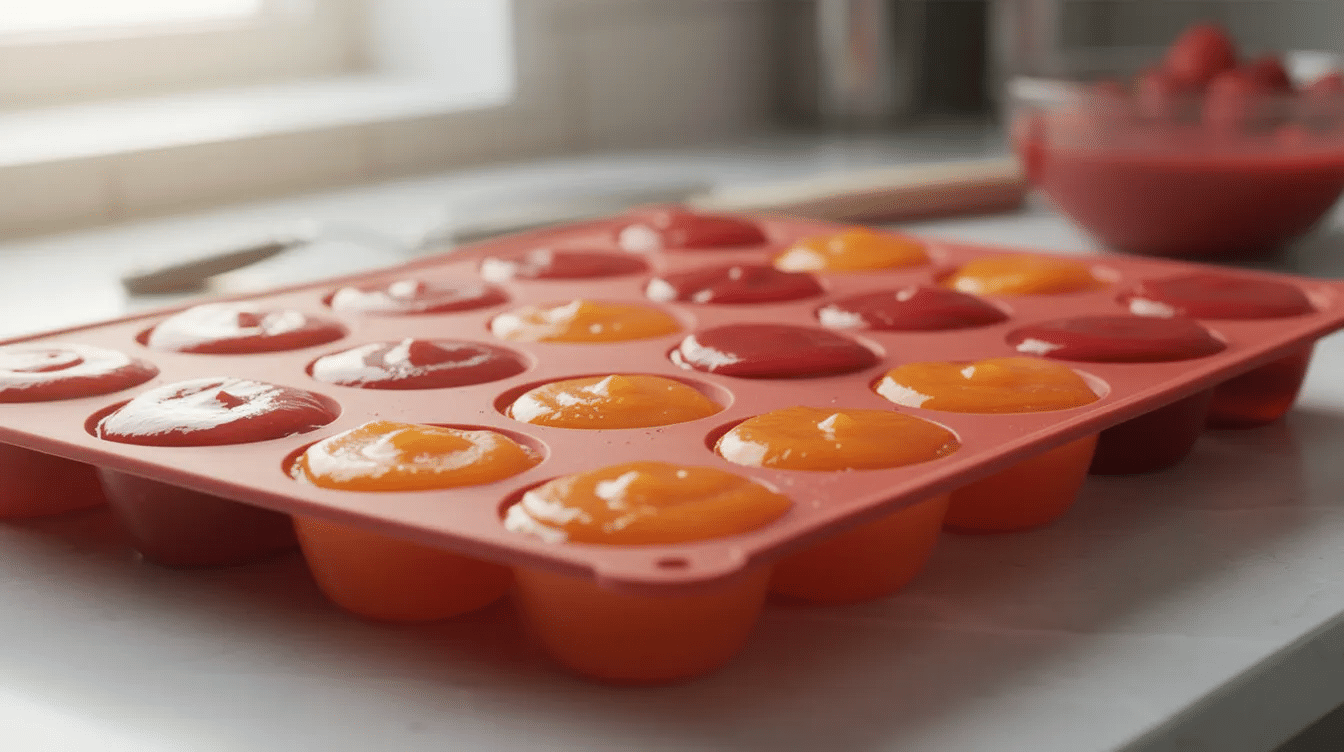
Using silicone molds: Small silicone gummy molds produce results that look just like commercial fruit flavored snack packs. Use a dropper or small spouted measuring cup to fill each cavity neatly. Keeping the pot on the lowest heat while filling prevents the agar mixture from setting before you finish—stir occasionally to maintain consistency.
Using a pan: For those without specialty molds, line a small loaf pan or quarter sheet pan with parchment paper or a silicone baking mat. Pour the warm mixture in at about ½–1 inch thickness for best results.
Setting times:
Room temperature: 45–60 minutes
Refrigerator: 30–45 minutes
The gummies are ready when they feel firm but springy to the touch. For pan-set gummies, use a sharp knife to cut small squares, or break out small cookie cutters to create stars, hearts, or animal shapes. Kids particularly enjoy the cutting process—it transforms snack prep into an activity.
Flavor Ideas: Four Vegan Fruit Snack Variations
Once you master the basic method, creating new flavors becomes easy. Each variation below follows the same agar agar rule of about 1½ teaspoons per cup of liquid.
Strawberry Lemonade: Use pureed strawberries as your base, adding 2 tablespoons freshly squeezed lemon juice before straining. Sweeten with maple syrup to taste. The result is bright, tangy, and perfectly balanced—a flavor that tastes great with summer meals.
Tropical Mango Pineapple: Blend ripe mango with pineapple juice for a vacation-worthy treat. A pinch of lime zest adds extra zing without overwhelming the tropical sweetness. This combination appeals to adults and kids alike.
Orange Carrot Citrus: Combine 100% orange juice with a small amount of carrot juice for natural color and subtle vegetable sweetness, similar in spirit to fruits that work well for sun-drying when you want more shelf-stable snack options. The carrot is nearly undetectable in the finished gummies, making this a clever way to add variety to kids’ snacks without resistance.
Green Apple Kiwi: Juice or blend green apples with ripe kiwis, straining well to remove seeds; if you have extra apples, you can also explore the best apples for dehydrating into crisp chips for another vegan snack choice. Increase your sweetener slightly to balance the tartness—citric acid from the kiwi creates a pleasantly sour note that contrasts with other fruits.
Store-Bought Vegan Fruit Snack Brands to Try
Not everyone wants to cook, and the good news is that several widely available brands offer vegan fruit snacks using real fruit and plant-based gelling agents.
YumEarth Organic Fruit Snacks stand out for their comprehensive approach to clean ingredients. These organic snacks are certified top 9 allergen-free, contain no artificial dyes, and come in flavors like peach, cherry, strawberry, and banana. The small multipacks fit perfectly in lunchboxes, and the organic rice syrup and organic cane sugar provide sweetness without corn syrup. Look for yumearth organic fruit snacks at natural food stores and major retailers.
BEAR Real Fruit Snack Minis take a different approach, focusing on whole fruit with no added sugar and no juice from concentrate. Flavors like raspberry and strawberry deliver genuine fruit taste in a format that works for snacking or as a sweet addition to trail mix. The brand positions itself around ingredient transparency.
Soley Fruit Gummies represent the minimalist end of the spectrum. Most of their fruit gummies contain two or fewer ingredients—often just “mango” and “strawberry”—with no added sugar or artificial anything. The clean label appeals to parents who want absolute clarity about what their kids eat.
Target’s Good & Gather and similar grocery-store house brands now offer organic, certified vegan fruit snacks in fun shapes at accessible price points. These options prove that plant-based snacking has moved fully into the mainstream.
Always check labels for gelatin, beeswax, carmine, or confectioner’s glaze. These ingredients would make otherwise “fruity” snacks non-vegan despite their fruit-forward marketing.
Ingredients to Look For (and Avoid) in Vegan Fruit Snacks
Label reading matters, even when products are marketed as “fruit snacks” or “natural.” The category name doesn’t guarantee vegan status, and some common ingredients hide their animal origins behind unfamiliar names.
Positive ingredients to look for:
Whole fruit or fruit puree as the first ingredient
Fruit juice (not from concentrate when possible)
Pectin or agar agar as gelling agents
Organic cane sugar or natural sweeteners
Natural coloring from fruit and vegetable concentrates
Vitamin C (ascorbic acid) for preservation
Sodium citrate as a pH regulator
Non-vegan ingredients to avoid:
Gelatin (animal collagen)
Beeswax (used as a glazing agent)
Shellac/confectioner’s glaze (secretion from lac beetles)
Carmine/cochineal (red dye from crushed insects)
Certain vitamin D3 sources (derived from lanolin)
Certifications simplify the process. Look for explicit “Vegan” certification, “USDA Organic,” or “Non-GMO Project Verified” labels. Products labeled gluten free or top 9 allergen-free often overlap with vegan options.
One important note: gummy vitamins and fortified fruit snacks may contain gelatin or animal-derived vitamin sources even when they visually resemble vegan gummies. The vitamin category requires extra scrutiny, as food contributes different requirements than standard snacks.
Serving, Storing & Packing Vegan Fruit Snacks
Homemade vegan fruit snacks behave differently from shelf-stable commercial products and need appropriate care to maintain their texture, including choosing top airtight containers for dried fruits if you also keep other dried snacks on hand.
Storage for homemade gummies:
Store in an airtight container in the fridge or take advantage of a top dried fruit subscription box to keep a steady supply of complementary ready-to-eat snacks on hand
Best eaten within 7–10 days for peak texture and flavor
Room temperature is fine for a school day or afternoon outing (a few hours)
May sweat or soften in very warm conditions
Serving ideas:
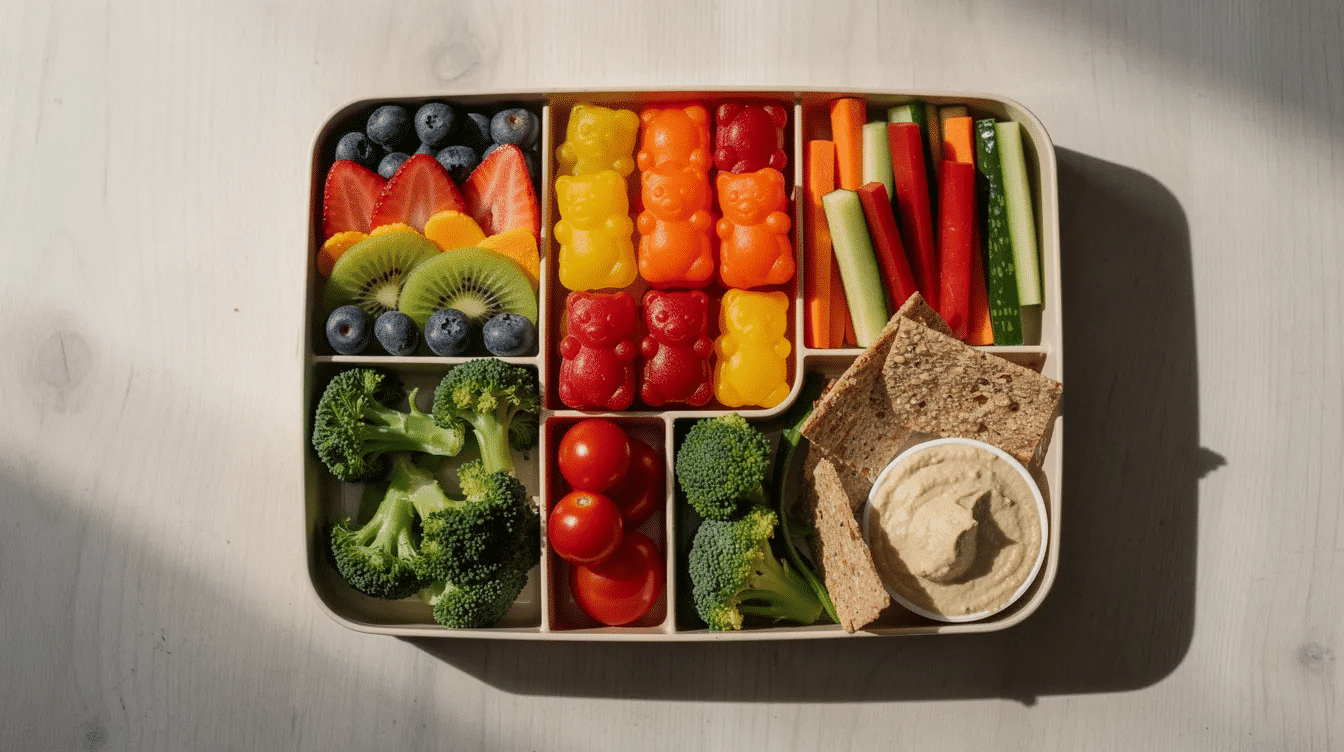
Pack in bento boxes alongside other snacks
Mix with nuts and seeds for DIY trail mix (check for nut allergies first) or use them alongside a nutritious dried fruit and nut mix for added variety
Serve as a topping for dairy-free yogurt or oatmeal
Include in a variety pack with cheese and crackers
Homemade gummies do not freeze well. The texture becomes watery or crumbly once thawed, so plan batch sizes around your consumption timeline rather than making large quantities for long-term storage.
For store-bought options:
Follow use-by dates on packaging
Reseal pouches tightly after opening
Avoid exposing fruit snacks to direct sunlight in hot cars or backpacks
Check for preservatives that extend shelf life and consider how similar principles apply when you store fresh and dried dates properly to keep them tasting their best.
Vegan Fruit Snacks FAQ
This section answers common questions about vegan fruit snacks, addressing concerns about ingredients, nutrition, and suitability for children.
Why aren’t all fruit snacks vegan?
Many popular brands still use gelatin, beeswax, or carmine despite having fruit flavors and fruit-forward packaging. Gelatin provides the chewy texture in conventional gummy snacks, and switching to plant-based alternatives requires reformulation. Always review recipe labels or ingredient lists rather than assuming “fruit” means “vegan.”
Are vegan fruit snacks healthy?
While vegan fruit snacks can be lower in artificial additives and made with real fruit, they may still contain sugar and should complement whole fruits rather than replace them. Think of them as a better alternative to candy, not a substitute for eating actual fruit. General nutrition advice suggests treating them as occasional treats within a balanced daily diet.
Why didn’t my homemade gummies set properly?
Check three things: agar agar freshness (it loses potency over time), cooking duration (a full 3–5 minute simmer is essential), and the ratio (maintain 1½ teaspoons agar agar per cup of liquid). Most setting failures trace back to undercooking or using old agar powder.
Are vegan gummies safe for young children?
Vegan gummies are generally fine for children over toddler age. For very young kids, cut gummies into small squares to reduce choking risk. The chewy texture requires adequate chewing ability, so use your judgment based on your child’s developmental stage.
Can I use other sweeteners besides maple syrup?
Yes. Agave syrup, date syrup, or concentrated fruit juice all work. Ratios may need slight adjustment based on sweetness intensity, but the agar agar requirement stays the same. Experiment with small batches to find your preferred balance—some families prefer barely-sweet gummies while others want more pronounced sweetness.
More Vegan Snack Inspiration
Vegan fruit snacks work beautifully as part of a wider plant-based snacking habit. Pair them with complementary options like roasted chickpeas for protein, veggie sticks with hummus for fiber, or homemade granola bars for sustained energy. The variety keeps snacking interesting while covering different nutritional bases.
As seasons change, experiment with new fruit and juice combinations. Summer berries create vibrant gummies, while fall brings opportunities for apple-cinnamon or pear-ginger variations, and you can also branch out into dehydrated fruit recipes for delicious snacks to expand your plant-based treat repertoire. Share your flavor experiments—seasonal creativity keeps the process fresh and engaging.
Whether you grab a bag of vegan fruit snacks from the store today or set aside 30 minutes this week to make a homemade batch, you’re choosing a tasty, plant-based option that kids love and adults can feel good about. The transition from conventional gummy snacks to vegan alternatives requires minimal effort but delivers genuine benefits in ingredient transparency and dietary alignment.
Start with one recipe or one brand, then expand from there. Your perfect vegan fruit snack is waiting to be discovered.
DannyContent Writer
Hey there, since 2016, my mission has been to provide you with the information and guides you need to make food dehydrating simple and fun. Whether you're a newbie or a seasoned pro, my site offers helpful guides, reviews, and recipes to enhance your dehydrating experience. I take pride in only recommending products I believe in, ensuring my readers' trust. As an affiliate of various programs, including Amazon Associates, your support helps me continue providing quality content. Thanks for stopping by, and happy dehydrating!