We earn a commission if you make a purchase, at no additional cost to you.
09/22/2026 04:39 pm GMT
🍊 Dehydrated Food Info Finder — Temperatures & Drying Times
Choose a category, then pick a food to see its drying temperature and time.
⚠️ Safety Disclaimer: Drying times are estimates and vary based on slice thickness, food moisture content, humidity, and your dehydrator model. Always check for doneness before storing — food should feel dry, leathery, or brittle with no moist spots. Improperly dried food can harbour mould and bacteria. For meat and poultry, follow USDA safe internal temperature guidelines: beef and pork to 160°F (71°C), poultry to 165°F (74°C). Use a food thermometer when in doubt. Store all dehydrated foods in airtight containers in a cool, dark place and discard anything showing moisture, mould, or off odours.
Looking for an easy treat that comes together in under 30 minutes? This vanilla bark recipe delivers creamy white chocolate flavor, endless customization options, and requires just a handful of pantry ingredients. Whether you’re prepping a holiday cookie tray, assembling last-minute gifts, or satisfying a sweet craving, this white chocolate bark is your answer.
Using high-quality white chocolate chips (with real cocoa butter) or vanilla almond bark plus pure vanilla extract or vanilla bean paste produces the smoothest texture and richest flavor.
The base recipe needs only 3–4 ingredients and one pan, making it ideal for Christmas bark, Easter treats, gifts, or last-minute dessert trays.
The recipe is highly flexible: add chopped nuts, crushed vanilla wafers, sprinkles, or dried fruit, and adapt it easily for different seasons and dietary preferences.
This guide covers step-by-step instructions, seasonal variations, storage tips, troubleshooting melting issues, and frequently asked questions.
What Is Vanilla Bark?
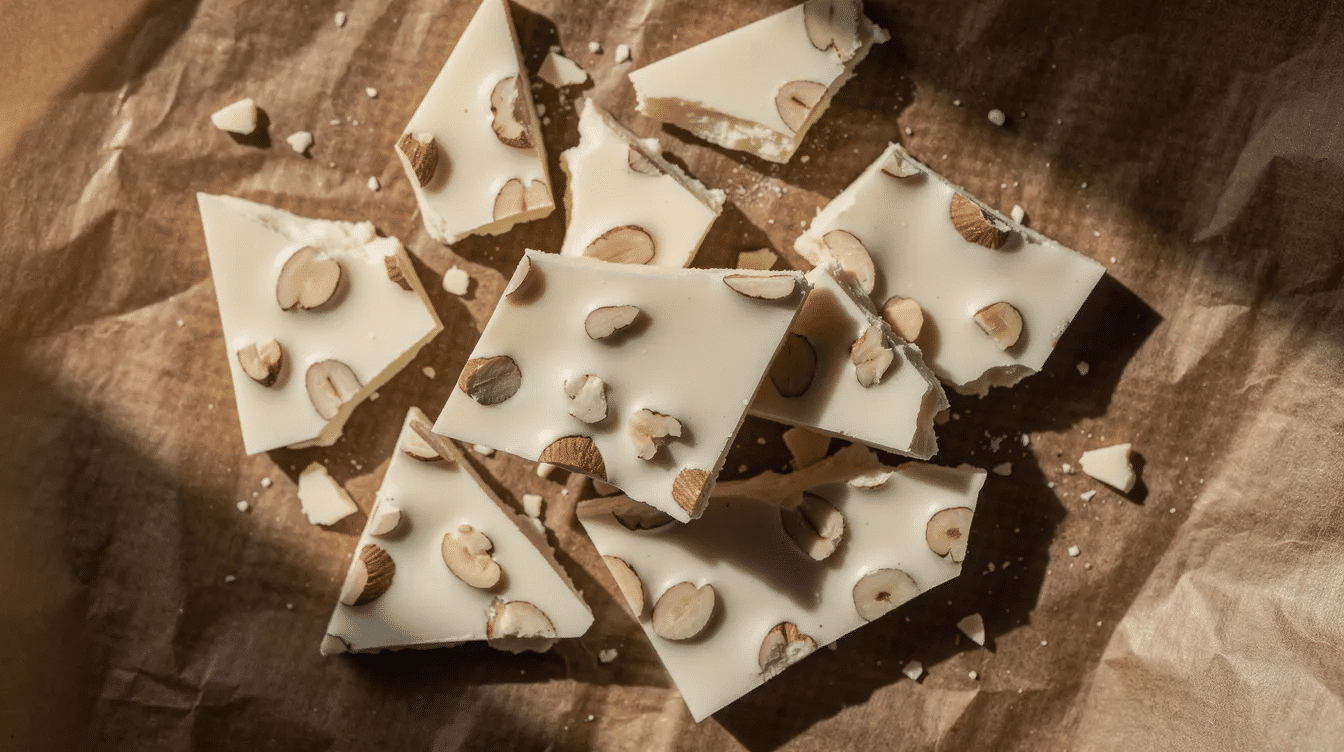
Vanilla bark is a flat sheet of vanilla-flavored white chocolate or candy coating that’s spread thin, topped with mix-ins, chilled until firm, and broken into rustic, irregular pieces resembling tree bark. Unlike molded chocolate bars, bark celebrates its imperfect, handmade aesthetic.
The term “vanilla bark” typically refers to bark made with white chocolate or almond bark coating infused with vanilla flavoring. This sets it apart from dark chocolate or milk chocolate versions that feature cocoa-forward profiles. The white base acts as a blank canvas, letting vanilla and your chosen toppings shine.
Bark candy became especially popular in North America during the late 20th century, emerging from community cookbooks and early food blogs as an easy homemade holiday treat. This version emphasizes a pronounced vanilla profile using extract or vanilla bean paste rather than competing flavors like peppermint or citrus.
Ingredients for Classic Vanilla Bark
This bark recipe uses pantry-friendly ingredients and scales easily for parties or gift-giving. Here’s what you need for a standard 9×13-inch jelly roll pan:
Base ingredients:
16 oz (450g) high-quality white chocolate or vanilla candy coating
1–2 tsp pure vanilla extract or 1 tsp vanilla bean paste
1–2 tsp vegetable oil, coconut oil, or cocoa butter (optional, for smoother melting)
Pinch of fine sea salt
Suggested toppings (choose your favorites):
1/2 cup toasted almonds or chopped pecans
1/3 cup crushed vanilla wafers or shortbread cookies
2–3 Tbsp pastel sprinkles for Easter or red/green sprinkles for Christmas
1/4 cup dried cranberries or freeze-dried strawberries
Real white chocolate vs. almond bark: Real white chocolate contains cocoa butter, sugar, and milk solids, delivering richer flavor and a glossy finish. However, it requires careful melting below 110°F to avoid scorching. Almond bark and candy melts use vegetable fats instead, making them more forgiving—they melt at higher temperatures and set faster. Choose real white chocolate for gourmet results or candy coating when speed and reliability matter more.
How to Make Vanilla Bark (Step-by-Step)
Total active prep time runs about 5–10 minutes, with 15–20 minutes of chill time. You’ll have a finished dessert in under 30 minutes.
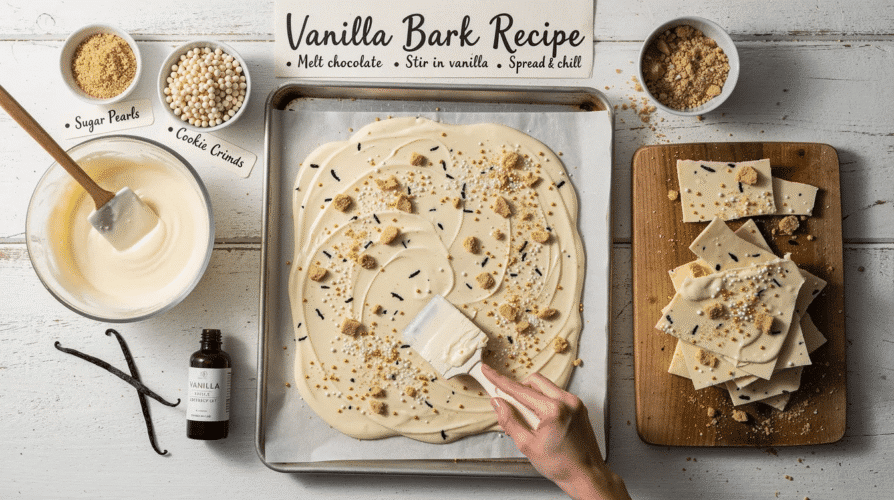
1. Prepare your pan. Line a rimmed baking sheet or sheet pan with parchment paper or wax paper, letting it overhang the edges for easy lifting later.
2. Melt the chocolate. You have two reliable options:
Double boiler method: Place white chocolate in a heatproof bowl over barely simmering water. Stir constantly until about 80–90% melted, then remove from heat and stir until completely smooth.
Microwave method: Heat chocolate chips at 50% power in 20–30 second intervals, stirring between each burst. Stop when mostly melted and stir until smooth.
3. Add flavorings. Once the mixture is smooth, stir in vanilla extract or vanilla bean paste and a pinch of salt. Alcohol-based extracts may cause slight thickening, but continued stirring resolves this.
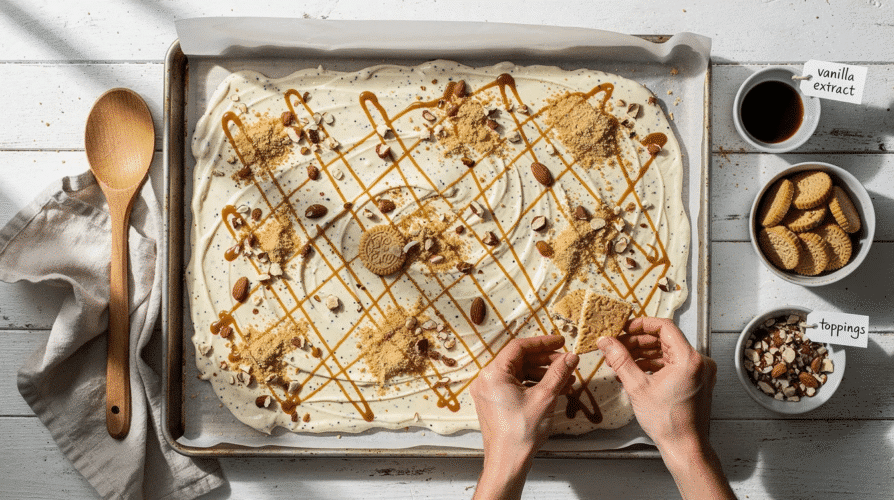
4. Spread the mixture. Pour the melted chocolate onto the prepared pan. Use an offset spatula or the back of a spoon to spread into an even layer about 1/4-inch thick.
5. Add toppings. While the chocolate is still soft, sprinkle your chosen toppings—nuts, crushed cookies, sprinkles—evenly across the surface. Gently press them in so they adhere.
6. Chill until firm. Refrigerate the pan for 15–20 minutes until completely firm to the touch. Alternatively, let it set at cool room temperature for 45–60 minutes.
7. Break into pieces. Lift the set slab out by the parchment overhang. Break into irregular small pieces by hand for a rustic look, or use a sharp knife to cut neat squares. A rolling pin can help create consistent breaks if placed over the bark and pressed down firmly.
Flavor Variations and Seasonal Ideas
Once you master the base vanilla bark, endless variations await. Here are crowd-pleasing options for different holidays and occasions:
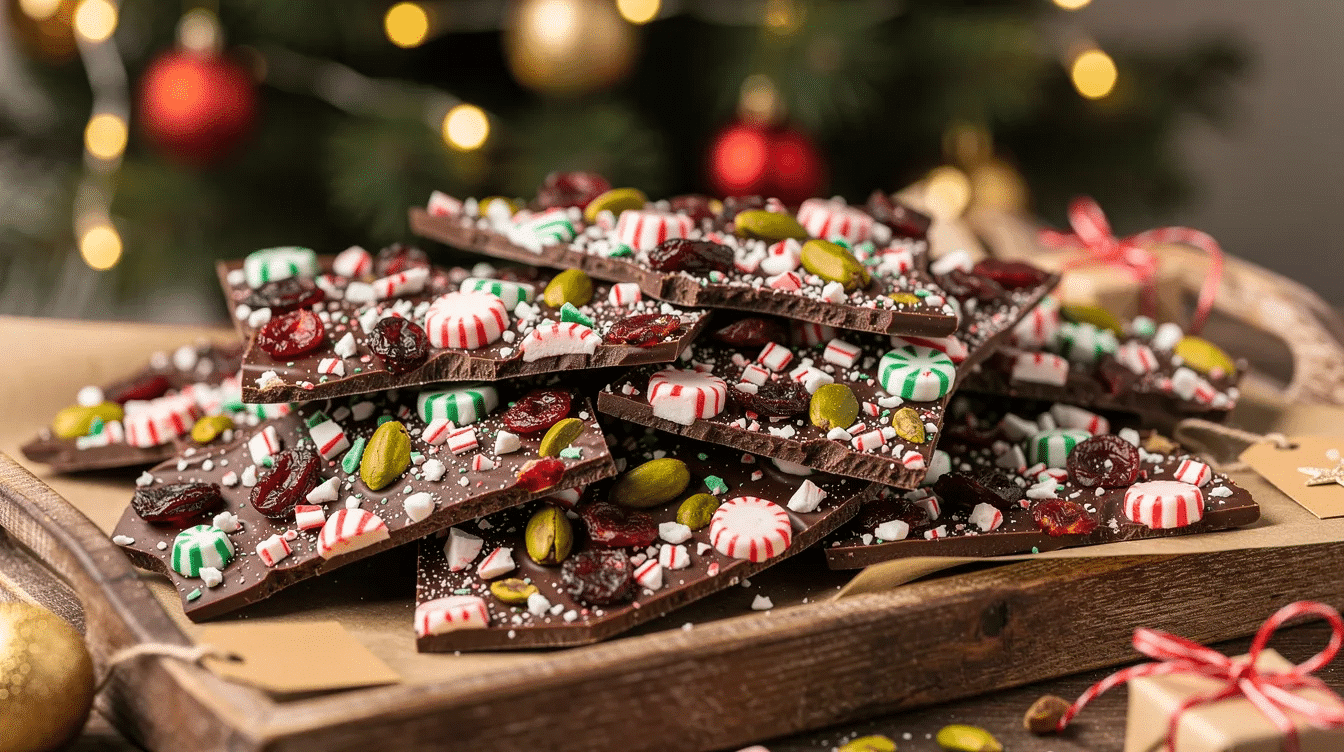
Christmas bark: Top with crushed candy canes or peppermint candies, dried cranberries, and pistachios. The red, green, and white colors create instant holiday appeal—a great gift for the whole family.
Easter vanilla bark: Use pastel candy-coated chocolates, bunny-shaped sprinkles, and small pretzel pieces for salty crunch. This fun addition delights kids of all ages.
Autumn bark: Stir 1/4–1/2 tsp pumpkin pie spice into the melted chocolate, then top with toasted pecans and a light caramel drizzle. Let the drizzle cool completely before breaking.
Summer bark: Add freeze-dried strawberries and finely grated lemon zest for bright, fruity notes.
Cookies & cream vanilla bark: Stir 1/2 cup crushed chocolate sandwich cookies directly into the melted vanilla base, then add more crushed cookies on top.
Kid-friendly version: Top with mini marshmallows, colorful sprinkles, and small pretzel twists—emphasizing fun textures rather than bold flavors.
For spiced variations, try adding 1/4 tsp cardamom or finely grated orange zest to the melted chocolate before spreading.
Quick Tips and Shortcuts
For busy bakers who want delicious vanilla bark with minimal effort:
Use vanilla-flavored candy coating or almond bark when speed matters more than gourmet flavor—they melt smoothly and set in 10–15 minutes versus 45+ for real white chocolate.
Buy pre-roasted and pre-salted nuts, pre-crushed cookies, and ready-made sprinkles to skip extra prep steps.
Melt chocolate directly in a microwave-safe zip-top bag, snip the corner, and pipe onto the pan to minimize dishes.
Spread a thinner layer (closer to 1/8-inch) for faster setting and more pieces per batch—perfect for gifting.
Double the batch across two lined pans when preparing holiday gifts. The active work barely increases since you’re just pouring and spreading twice.
Storage, Shelf Life, and Gifting Ideas
Vanilla bark stores well and makes an ideal make-ahead treat or homemade gift.
Room temperature storage: Keep bark in an airtight container at cool room temperature (65–70°F) for up to 2 weeks. Use parchment paper to separate layers and prevent sticking.
Refrigerator storage: In warmer homes or during summer, refrigerate for 2–3 weeks. Bring to room temperature before serving for the best texture.
Freezer storage: Freeze for 2–3 months by wrapping tightly in parchment and plastic, then placing in a freezer bag. Thaw in the refrigerator before bringing to room temperature.
Gifting ideas: Pack pieces into clear cellophane bags tied with ribbon, small metal tins, or glass jars with handwritten labels. Group different variations (Christmas, cookies & cream, nutty bark) into one gift box for variety—a great recipe for any holiday cookie exchange.
Troubleshooting Melting and Texture
White chocolate and vanilla coating can be finicky. Here are quick fixes for common issues:
Seized chocolate (thick, grainy, clumpy): This happens when chocolate overheats or contacts even a tiny amount of water or steam. Prevention is key: melt low and slow, keep all tools bone-dry, and never cover the bowl while heating. To fix seized chocolate, stir in 1 tsp of hot water or warmed vegetable oil at a time, whisking vigorously until smooth. The texture may be softer but still works for bark.
Soft or tacky bark: This often results from low-quality chocolate chips or humid kitchens. Chill longer or store in the refrigerator permanently.
Grey streaks or “bloom”: Mild sugar or fat bloom appears as grey or white mottling, usually caused by temperature fluctuations during storage. It’s completely safe to eat and doesn’t affect flavor—just appearance. If you want to review recipe results, this is purely cosmetic.
To bake with confidence, preheat the oven to 300°F if you need to toast almonds beforehand (about 10 minutes), and always let the bark cool completely before breaking. If you heat oven-toasted nuts too hot, they can melt your chocolate prematurely when added.
FAQ
Can I make vanilla bark without white chocolate?
Yes—vanilla-flavored candy coating, almond bark, or candy melts work well in place of real white chocolate. These products are often labeled “vanilla candy coating” in grocery baking aisles. They contain vegetable fats instead of cocoa butter, so the flavor differs slightly, but they’re very forgiving and ideal for beginners or large holiday batches.
For dairy-free or vegan options, look for dairy-free white baking chips based on cocoa butter and oat, rice, or coconut milk. Test-melt a small amount before committing to a full batch to confirm smooth results.
How thick should vanilla bark be?
Aim for 1/8 to 1/4 inch (3–6mm). Thin bark snaps cleanly and yields more pieces per single layer, while thicker bark feels more like a chunky candy bar. Heavier toppings like chopped nuts benefit from a slightly thicker base for stability. Adjust thickness based on your mix-ins and preferred texture.
Can I temper the chocolate for shinier, snappier bark?
Tempering is optional but useful if you want bark that stays glossy at room temperature without refrigeration. The basic process: melt about two-thirds of your chopped white chocolate, then stir in the remaining one-third off the heat until smooth, keeping the final temperature around 82–86°F. Beginners can skip tempering and simply refrigerate their bark.
What’s the best way to break or cut vanilla bark?
For rustic pieces, lift the chilled slab and snap it apart with clean, dry hands. For neater squares, use a large, sharp chef’s knife: place the bark on a cutting board, press down firmly instead of sawing, and wipe the blade between cuts. If bark is extremely cold, let it sit at room temperature for 3–5 minutes to prevent shattering.
Can I add fresh fruit or soft fillings?
Fresh fruit releases moisture and shortens shelf life dramatically, so it isn’t recommended for bark meant to be stored or gifted. Use freeze-dried fruits (strawberries, raspberries, blueberries) or chewy dried fruits (chopped apricots) instead—they keep the bark crisp. Avoid stirring in soft caramel sauces or jams; instead, drizzle them on top and let them firm completely before cutting. For more ideas, explore different dried fruit and nut combinations to find your signature blend.
Ready to make this vanilla bark recipe? Start with the classic version, then experiment with seasonal toppings for every occasion. If you try it, rate this recipe and comment something about your favorite variation—we’d love to hear how it turned out for your whole family!
DannyContent Writer
Hey there, since 2016, my mission has been to provide you with the information and guides you need to make food dehydrating simple and fun. Whether you're a newbie or a seasoned pro, my site offers helpful guides, reviews, and recipes to enhance your dehydrating experience. I take pride in only recommending products I believe in, ensuring my readers' trust. As an affiliate of various programs, including Amazon Associates, your support helps me continue providing quality content. Thanks for stopping by, and happy dehydrating!