We earn a commission if you make a purchase, at no additional cost to you.
09/22/2026 04:39 pm GMT
🍊 Dehydrated Food Info Finder — Temperatures & Drying Times
Choose a category, then pick a food to see its drying temperature and time.
⚠️ Safety Disclaimer: Drying times are estimates and vary based on slice thickness, food moisture content, humidity, and your dehydrator model. Always check for doneness before storing — food should feel dry, leathery, or brittle with no moist spots. Improperly dried food can harbour mould and bacteria. For meat and poultry, follow USDA safe internal temperature guidelines: beef and pork to 160°F (71°C), poultry to 165°F (74°C). Use a food thermometer when in doubt. Store all dehydrated foods in airtight containers in a cool, dark place and discard anything showing moisture, mould, or off odours.
Best Tomatoes for Canning: Varieties, Traits, and How to Choose
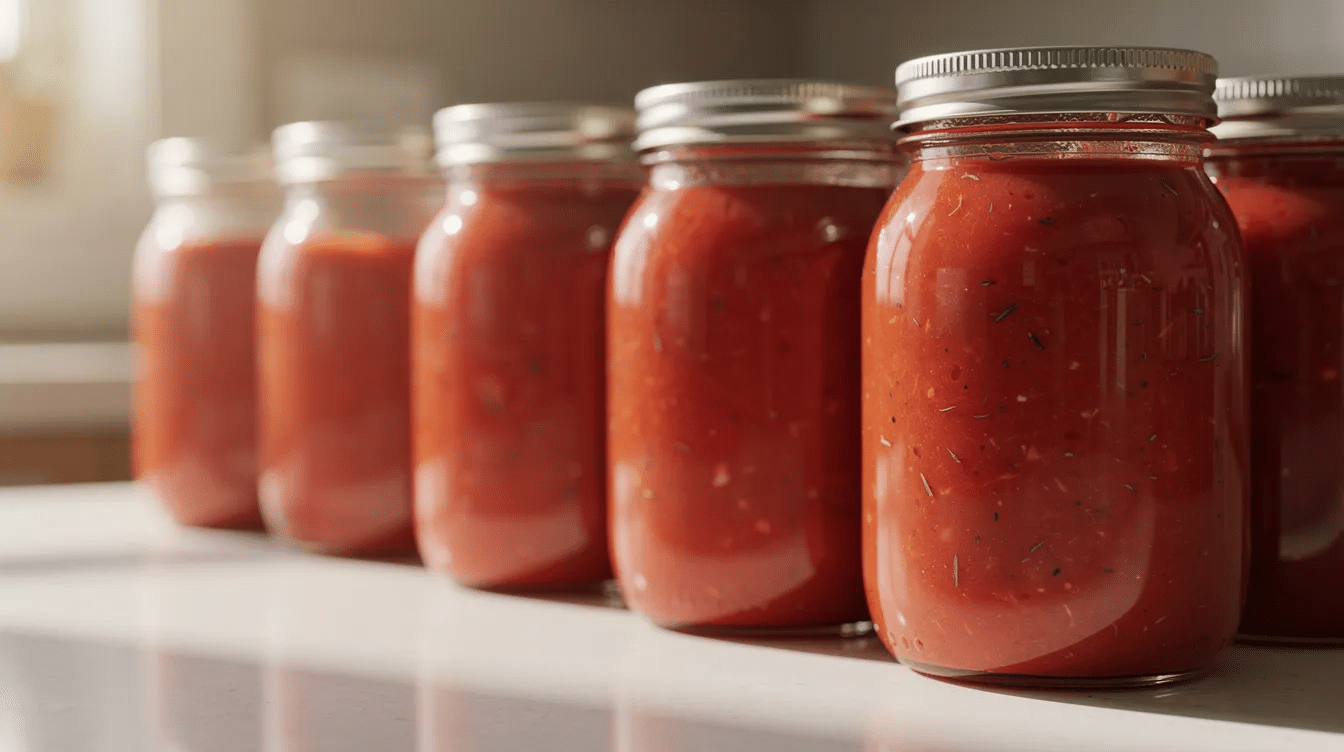
Every summer, gardeners face the same delicious problem: so many tomatoes ripening at once that eating them fresh becomes impossible. The solution? Filling your pantry with home canned tomatoes that taste like summer all year long. But not every tomato variety performs equally well in jars. Choosing the best tomatoes for canning means understanding which traits translate into thick sauces, firm diced tomatoes, and vibrant fresh salsa worth the effort.
This guide covers everything you need to know about selecting, growing, and preparing tomatoes specifically for canning in 2026.
Quick Answer: The Best Tomatoes for Canning in 2026
The best tomatoes for canning fall into three categories: paste tomatoes for thick sauce and tomato paste, meaty slicers for stewed tomatoes and juice, and dual-purpose varieties that handle both fresh eating and preserving. Your choice depends on what you want to fill those quart jars with by season’s end.
Top varieties to consider:
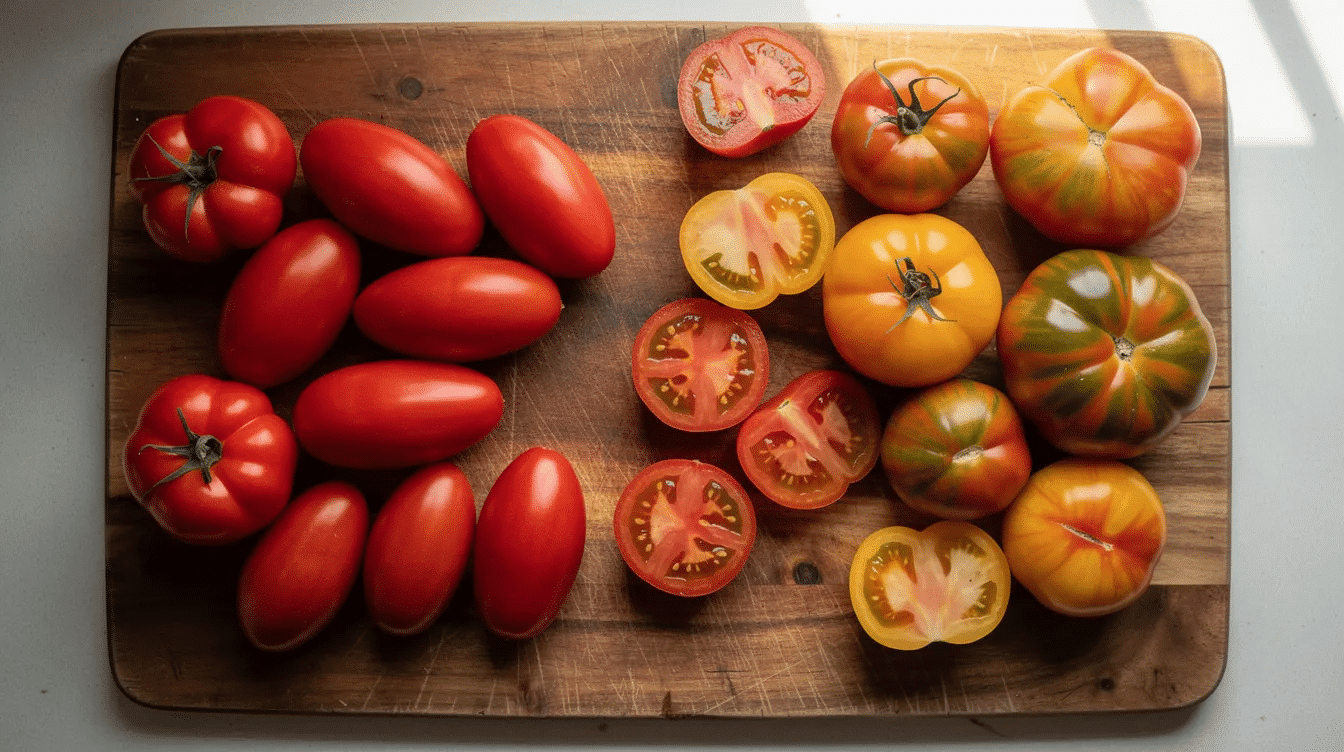
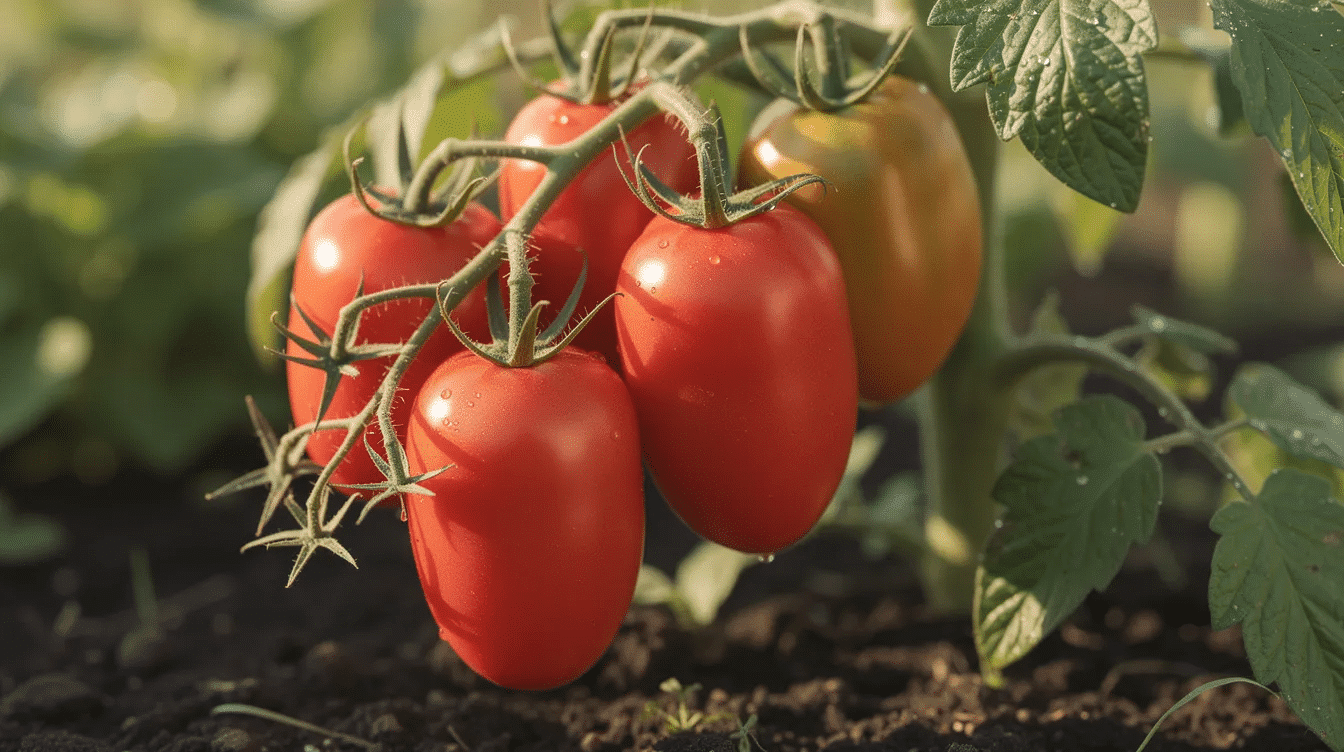
San Marzano — Elongated, few seeds, exceptional for pizza sauce and pasta sauce
Roma — Compact determinate plants, ideal for whole tomatoes, salsa, and diced tomatoes
Grushovka — Early Soviet heirloom for short-season climates
Rutgers — Historic cannery tomato, uniform fruits for tomato juice
Mule Team — Reliable slicer with less juice than typical beefsteaks
Ukrainian Purple — Plum-shaped heirloom for colorful salsas and gift jars
For thick sauce production, San Marzano and Opalka lead the pack. Roma and similar determinate types excel at chunky salsa and diced tomatoes. Rutgers and Italian Heirloom shine for stewed and whole tomatoes. Ukrainian Purple adds visual appeal to specialty projects.
All these varieties work within modern safe canning guidelines when properly acidified, and they thrive in typical US and Canadian home gardens.
What Makes a Good Tomato for Canning?
Selecting canning tomatoes requires looking beyond what tastes good in a summer salad. The traits that make a tomato ideal for fresh eating often work against successful preservation.
Key traits of excellent canning tomatoes:
Meaty, low-juice flesh — Dense flesh shortens cooking time dramatically. Paste types can reduce sauce simmering by 30-50% compared to watery slicers, and they yield more finished product per pound. Expect 1-1.5 cups sauce from a pound of paste tomatoes versus 0.5-1 cup from beefsteaks.
Few seeds and small cores — Less prep time coring and deseeding means faster processing. Varieties like Amish Paste have notably sparse tomato seeds, improving texture in purees and stewed tomatoes.
Rich, balanced flavor — Ultra-sweet tomatoes can caramelize unevenly or taste diluted in jars. Complex, balanced flavor survives the canning process better than one-note sweetness.
Determinate vs. indeterminate growth — Determinate plants produce fruit in a concentrated 3-4 week window, perfect for big one-time canning days. Indeterminate tomato plants keep producing steadily, better suited for small batches or freezing to can later.
Appropriate acidity — Modern tomato varieties vary significantly in pH (typically 4.2-4.8), so all tomatoes require acidification according to USDA guidance, regardless of variety.
What to avoid: Huge, deeply ribbed beefsteaks generally waste too much fruit in large cores (up to 20% of weight), require extended cook times, and produce watery sauces. A few meatier exceptions exist, but paste types remain superior for most canning recipes.
Paste tomatoes are varieties bred specifically for processing. They typically feature plum or pear-shaped fruit with thick pericarp walls, dense flesh, and minimal seed cavities compared to slicing tomatoes.
Physical characteristics that matter:
Thick walls and dense meat
Low moisture content (85-90% flesh versus 94% in typical slicers)
Fewer locules (seed cavities) — usually 2-4 versus 6-10 in slicers
Gel-to-flesh ratios under 10%
Tough, easily removable skins
These traits make paste tomatoes like San Marzano, Roma, Opalka, and Amish Paste the preferred choice for tomato sauce, tomato paste, ketchup, and even tomato leather. Many seed catalogs now explicitly label varieties as “paste” or “sauce” tomatoes, simplifying selection for first-time canners.
Yield efficiency matters when you’re processing 30-50 pounds in a single session. Paste tomatoes deliver up to 20-30% more finished sauce per pound than beefsteaks, requiring significantly less stove time.
Consider planting a mix of paste varieties for meaty base and a few flavorful slicers for aromatic complexity. If you also plan on drying tomatoes, understanding how long to dehydrate tomatoes helps you match varieties to both canning and dehydration projects. The paste provides body; the slicer adds volatile compounds that long cooking otherwise diminishes.
Top Classic Paste Tomatoes for Canning
These workhorse varieties form the backbone of serious canning gardens. They’ve earned their reputation through decades of reliable performance.
San Marzano
The gold standard for pizza sauce and pasta sauce. This indeterminate tomato heirloom from Naples produces elongated, cylinder-shaped fruit with thick walls, very few seeds, and sweet, balanced flavor. Expect 85 days to maturity. The vibrant red color persists beautifully in canned tomatoes. Beware: San Marzano is susceptible to blossom-end rot in droughty conditions due to calcium deficiency.
Roma
The quintessential determinate paste tomato. Compact bushes produce a concentrated harvest over 3-4 weeks, yielding 2-3 ounce fruits perfect for whole or halved canning, salsa, and sauce. Roma tomatoes mature in about 75 days. Their low juice content allows accumulating harvests at room temperature before a big processing day.
Amish Paste
A larger paste with rich, old-fashioned taste. This open-pollinated variety features notably sparse seeds and thick flesh. Amish paste tomatoes can sprawl significantly and may struggle in very hot, humid summers, but they excel in cooler regions like the Upper Midwest or Northeast. Plan for 70-85 days to maturity.
Opalka
A long, pepper-shaped Polish heirloom with extremely thick flesh and minimal core. Opalka shines for ultra-thick sauce and slow-roasting applications. The tiny seeds and dense meat mean virtually no straining required.
Additional options: Super Italian Paste and Viva Italia offer disease resistance (particularly Early Blight) that pure heirlooms like Amish Paste may lack. These hybrids suit growers in challenging climates.
Meaty Heirlooms and Dual-Purpose Tomatoes Worth Canning
Some heirlooms and slicers work double duty — delicious fresh and excellent preserved. These varieties offer great flavor in jars without sacrificing garden space to single-purpose plants.
Italian Heirloom
Large, meaty fruit with balanced taste fills quart jars quickly. Ideal for stewed tomatoes, sauces, and fresh slicing when you want one plant covering multiple needs.
Costoluto Genovese
Fluted, flattened shape with intense Italian flavor. Despite irregular appearance, this variety excels when roasted with garlic and herbs before canning as sauce. The concentrated taste survives heat processing remarkably well.
Mule Team
A reliable red slicer with unexpectedly low juice for its beefsteak size. Large, blemish-free fruit suits big batches of stewed tomatoes, crushed tomatoes, or tomato juice.
Rutgers
A historic processing tomato used by mid-20th-century canneries. Bred from USDA’s Marglobe stock for disease resistance, Rutgers produces uniform 4-6 ounce fruit all at once — perfect for tomato juice and stewed tomatoes.
These dual-purpose types make sense for gardeners with limited space who want own tomatoes serving both summer sandwiches and winter pantry goals.
Specialty and Colorful Tomatoes for Unique Canned Goods
When you’re canning for gifts, farmers market sales, or simply visual variety, colorful tomatoes add appeal that red paste types can’t match.
Ukrainian Purple
This plum-shaped heirloom retains its stunning dark color in sauces and salsas after processing. The rich hue creates eye-catching gift jars and conversation-starting preserves.
Yellow and Gold Varieties
Tomatoes like Golden Mama or “Hensley Settlement”-style yellows work beautifully in chutneys, relishes, and mixed-color fresh salsa. Despite appearing less acidic, these still require additional acid for safe canning per standard guidelines.
Use specialty tomatoes for small batches — tomato chutney, mixed-color salsa, decorative gift jars, or dehydrated green tomato projects. Their yields and meatiness typically trail top paste types by 20-30%, making them accent plants rather than production workhorses.
Choosing Varieties for Your Climate and Canning Style
Matching tomato genetics to local weather and your preferred canning schedule determines success more than any single variety choice.
Hot, arid climates (Texas, Arizona, inland California): Heat-tolerant, early determinate paste types like Roma or Paisano-style varieties avoid blossom drop during midsummer temperature spikes. These set fruit before the worst heat arrives.
Cooler or short-season climates (northern Midwest, southern Canada): Early maturing paste tomatoes like Grushovka (a Soviet heirloom maturing in 60-70 days) or compact Romas started indoors by late March work best. Grushovka produces pink, meaty paste tomatoes on compact plants suited to Siberian-short seasons.
Canning style considerations:
Growth Habit
Best For
Typical Harvest
Determinate
Big weekend processing sessions (40+ lbs)
Concentrated 3-4 weeks
Indeterminate
Steady supply for freezing, then batch canning
Continuous until frost
Plant 2-3 different canning varieties annually to spread risk from disease, weather problems, or poor performance in any particular summer. Mixed plantings can boost overall yield by 15-25% through risk diversification.
Tomato Acidity and Safe Canning Practices
Past generations assumed all tomatoes were naturally acidic enough for water bath canning without modification. Modern research proves otherwise.
Many modern and heirloom varieties test near or above pH 4.6 — the critical threshold for preventing botulism in water bath canned products. USDA-aligned guidelines now require acidification for all plain tomato products regardless of variety.
Acceptable acidification options:
Bottled lemon juice (preferred for consistent acidity)
Citric acid
5% white vinegar
Standard amounts per jar:
Jar Size
Bottled Lemon Juice
Citric Acid
Pint
1 tablespoon
1/4 teaspoon
Quart
2 tablespoons
1/2 teaspoon
This acidification requirement applies whether using the water bath canning method or pressure canning. The issue is pH, not processing temperature, and tomatoes preserved by drying can be turned into versatile tomato powder that adds intense flavor to canned sauces and soups.
Always follow current, tested canning recipes from reliable sources for processing time and headspace. This becomes especially critical when adding low-acid ingredients like onions, peppers, or meat to tomato-based sauces.
Water Bath vs. Pressure Canning for Tomatoes
Both methods work safely for tomatoes when you follow tested recipes with proper acidification. Your choice depends on equipment, confidence level, and what you’re preserving.
Water bath canning:
Accessible for beginners
Ideal for plain acidified tomatoes, sauce, salsa, and tomato juice
Longer processing time (85 minutes for quarts at sea level)
Lower equipment cost
Pressure canner method:
Faster processing (20 minutes for pints at 11 psi)
Essential for recipes with low-acid add-ins (thick salsas with peppers, meat sauces)
Higher initial investment
Requires learning pressure gauge management
Both methods are safe when acidification and processing times from trusted sources match your jar size and altitude (add 5 minutes per 1,000 feet for water bath; add 1 psi per 2,000 feet for pressure).
Gardeners planning to start canning dozens of quarts yearly may eventually want both tools for maximum recipe flexibility.
Planting and Growing Tomatoes Specifically for Canning
Growing tomatoes for canning requires intentional planning beyond what a few sandwich plants demand. You’re sowing for volume.
Planning guidelines:
Target 4-6 robust paste tomato plants per person for an annual supply of sauce and diced tomatoes (typically 20-50 quarts)
Start seeds indoors 6-8 weeks before last spring frost (mid-March for zone 6-7 gardens)
Space plants 24-36 inches apart for adequate airflow
Growing tips for canning success:
Stake or cage even determinate Roma-type plants to keep fruit off soil, improve airflow, and reduce rot before harvest
Maintain consistent watering (1-2 inches weekly) to prevent blossom-end rot
Add calcium (crushed eggshells or gypsum) for long, dense paste tomatoes like San Marzano and Opalka, which suffer 10-20% loss rates from blossom-end rot without supplementation
Consider succession planting or mixing early, mid-season, and late maturing varieties so tomatoes ripen over a manageable period rather than overwhelming you all at once
Harvesting, Prepping, and Organizing for Canning Day
Thoughtful harvest and preparation make the difference between a smooth canning session and a chaotic kitchen disaster. The entire process runs better with planning.
Harvesting best practices:
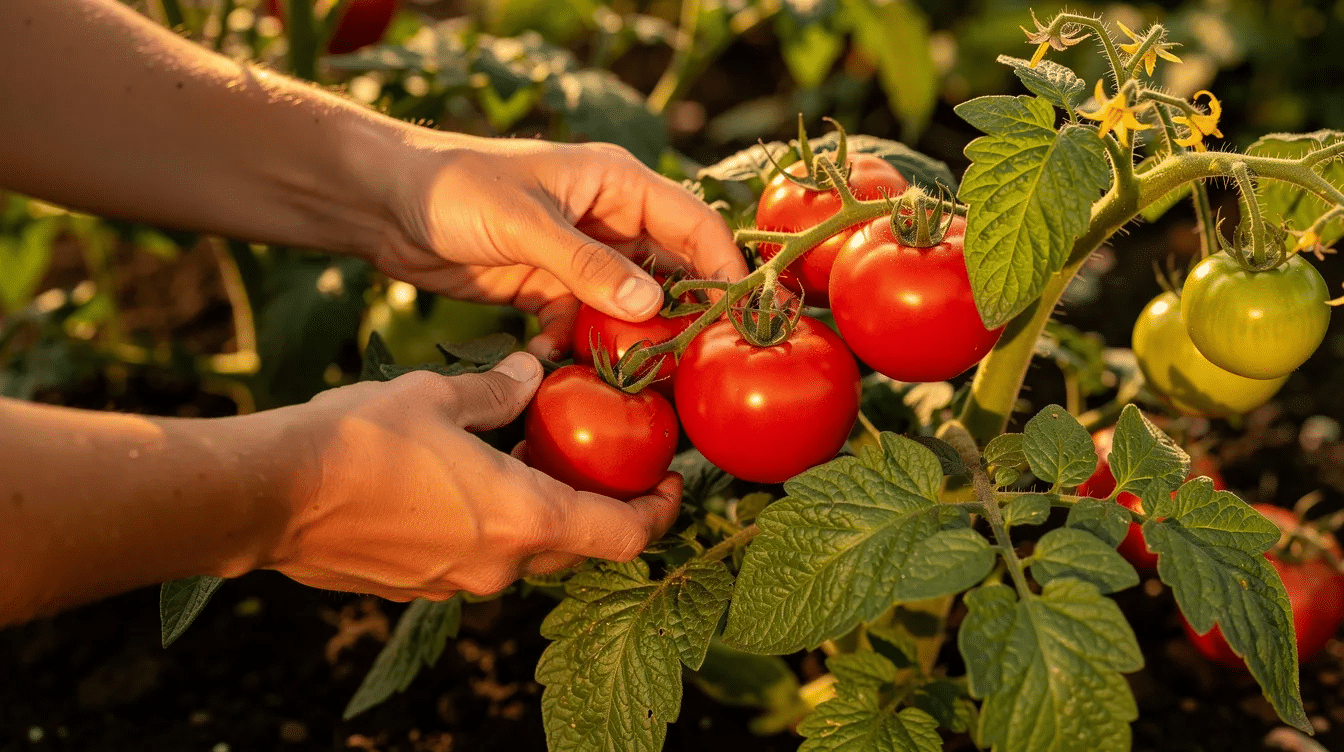
Pick tomatoes fully colored and slightly soft to the touch
Avoid underripe fruit with green shoulders — these have lower acidity and inferior flavor
Sort by ripeness and type (paste vs. slicer) for consistent sauces
Batch building:
Slightly blemished but sound fruit works fine once trimmed. Chill or freeze surplus ripe tomatoes in food-safe bags until you accumulate 25-40 pounds for a full batch — many home canners process in this range per session.
Prep workflow:
Most tomato sauce and crushed tomato recipes begin with washing, coring, and either blanching/peeling or using a food mill. A food mill handles skins and seeds efficiently for large batches. Follow your tested recipe’s specific instructions.
Canning day checklist:
Jars (inspect for chips)
New lids
Acid (bottled lemon juice or citric acid)
Salt (optional for flavor)
Canner ready
Large pot for boiling water
Large bowl for prepped tomatoes
Clean towels
Labels and markers
Having everything assembled before you start heating water saves frustration and keeps the process flowing smoothly from fresh tomatoes to sealed jars.
Key Takeaways
Selecting the best tomatoes for canning comes down to matching variety traits to your goals. Paste tomatoes deliver efficiency for thick sauces. Meaty heirlooms offer flavor and versatility. Specialty types add visual appeal for gifts and small batches.
Whatever varieties you choose, remember that all modern tomatoes require acidification for safe preservation. Follow tested recipes, match your canning method to your produce, and plan your garden with those quart jars in mind.
Start browsing seed catalogs now, plant intentionally this spring, and by late summer you’ll transform your garden’s delicious abundance into a pantry stocked with home canned tomatoes that taste like summer through the coldest months.
DannyContent Writer
Hey there, since 2016, my mission has been to provide you with the information and guides you need to make food dehydrating simple and fun. Whether you're a newbie or a seasoned pro, my site offers helpful guides, reviews, and recipes to enhance your dehydrating experience. I take pride in only recommending products I believe in, ensuring my readers' trust. As an affiliate of various programs, including Amazon Associates, your support helps me continue providing quality content. Thanks for stopping by, and happy dehydrating!