We earn a commission if you make a purchase, at no additional cost to you.
09/22/2026 04:39 pm GMT
🍊 Dehydrated Food Info Finder — Temperatures & Drying Times
Choose a category, then pick a food to see its drying temperature and time.
⚠️ Safety Disclaimer: Drying times are estimates and vary based on slice thickness, food moisture content, humidity, and your dehydrator model. Always check for doneness before storing — food should feel dry, leathery, or brittle with no moist spots. Improperly dried food can harbour mould and bacteria. For meat and poultry, follow USDA safe internal temperature guidelines: beef and pork to 160°F (71°C), poultry to 165°F (74°C). Use a food thermometer when in doubt. Store all dehydrated foods in airtight containers in a cool, dark place and discard anything showing moisture, mould, or off odours.
Most Expensive Dry Fruits in the World: Top 7 Premium Options Worth the Price
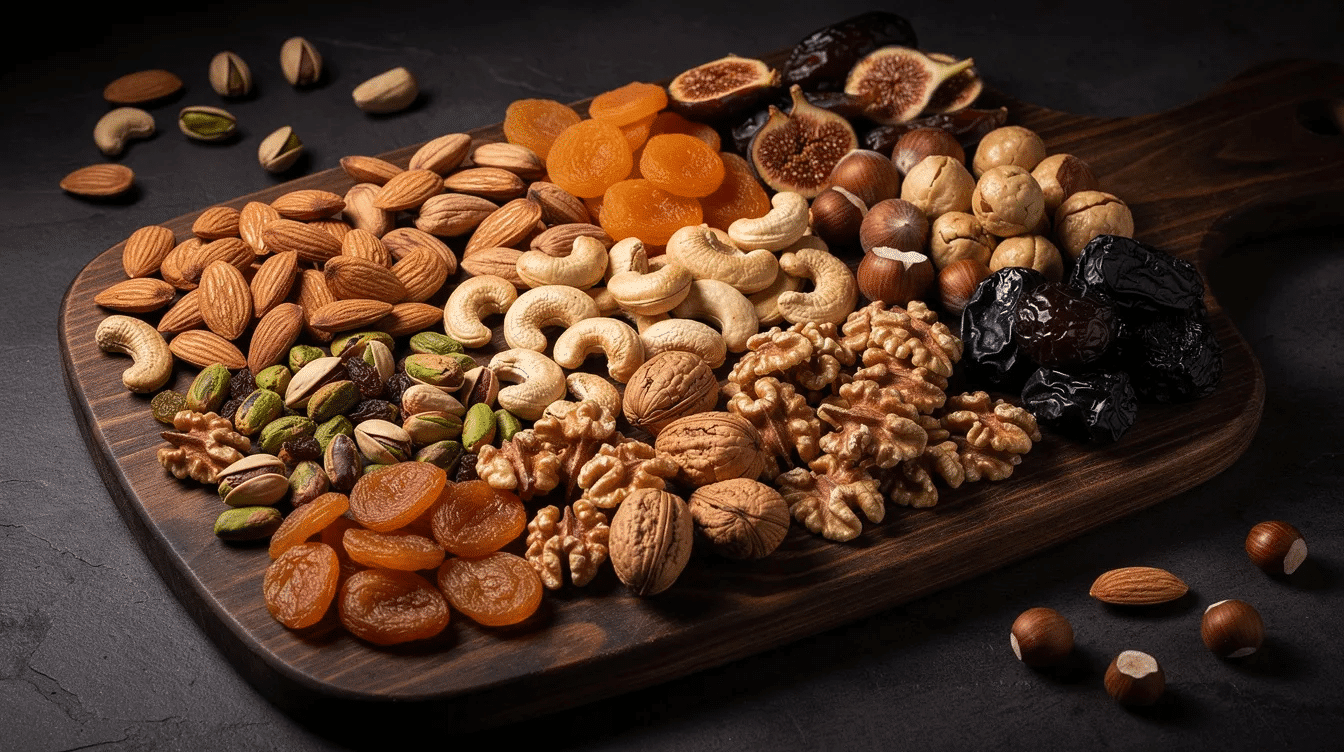
When you browse the specialty foods aisle, you’ll notice that not all dry fruits carry the same price tag. Some command premium prices that make you wonder whether they’re actually worth it.
The answer lies in understanding what makes certain dry fruits expensive in the first place. Factors like rarity, labor-intensive harvesting, geographic limitations, and complex processing all contribute to elevated costs. A nut that takes a decade to produce or a spice that requires hand-picking thousands of flowers will naturally cost more than readily available alternatives.
This guide breaks down the top 7 most expensive dry fruits in the world, explaining what justifies their premium status and helping you determine which ones deliver genuine value for your specific needs.
Selecting the most expensive dry fruit options required analyzing multiple factors beyond raw price per kilogram. Here’s what we considered:
Market price analysis – Current retail and wholesale pricing across major markets including India, California, Iran, Spain, and Italy
Rarity and availability – How difficult it is to source certain varieties and their seasonal limitations
Production complexity – Tree maturation cycles, harvesting difficulty, and labor requirements
Geographic limitations – Climate requirements that restrict where these can be cultivated
Processing intensity – Post-harvest handling, including sun dried methods and specialized treatments
Global demand patterns – Export value and consumption trends across countries
Nutritional density – Concentration of vitamins, minerals, and health benefits relative to weight
These criteria help explain why some dry fruits are prized by connoisseurs while other countries struggle to maintain adequate stock.
Top 7 Most Expensive Dry Fruits in the World
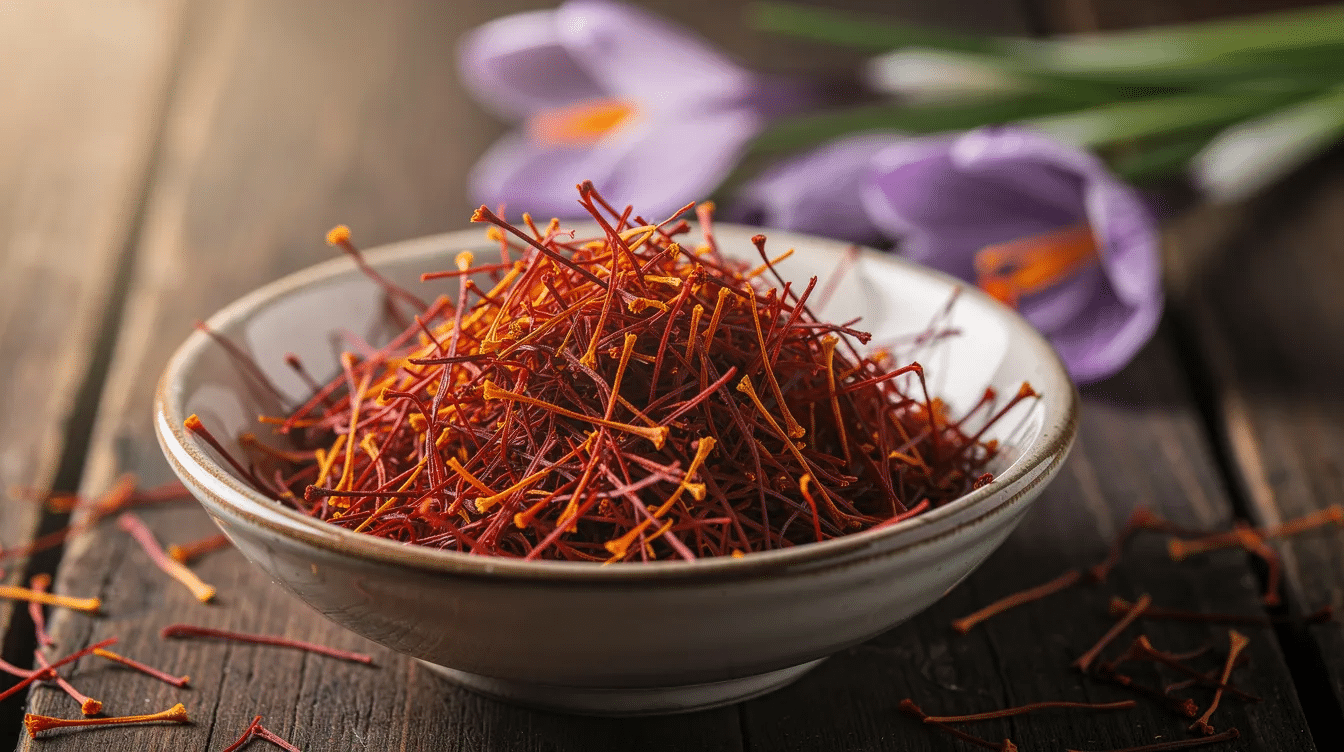
1. Saffron
Saffron holds the undisputed title as the world’s most expensive spice, often called red gold. Prices regularly exceed $5,000 per kilogram, with premium Iranian saffron commanding even higher rates in specialty markets.
Why It Stands Out
The price reflects an extraordinarily time consuming process. Each saffron flower produces only three delicate saffron threads, which must be harvested by hand during a narrow two-week window each fall. It takes approximately 150,000 flowers to yield just one kilogram of dried saffron.
The plants are native to specific regions in Iran, Kashmir, and Spain, where climate conditions allow proper cultivation. This geographic limitation combined with the labor intensity makes saffron genuinely rare.
Best For
Luxury cooking enthusiasts who want to add distinctive flavor and color to dishes like paella, risotto, and traditional medicine preparations. The aroma and taste are irreplaceable in many culinary traditions spanning centuries.
Key Strengths
Unmatched flavor and aroma profile that transforms dishes
Natural coloring properties without artificial additives
Medicinal properties recognized in traditional medicine for treatment of various conditions
High demand creates risk of adulteration in the market
Requires careful storage to preserve quality
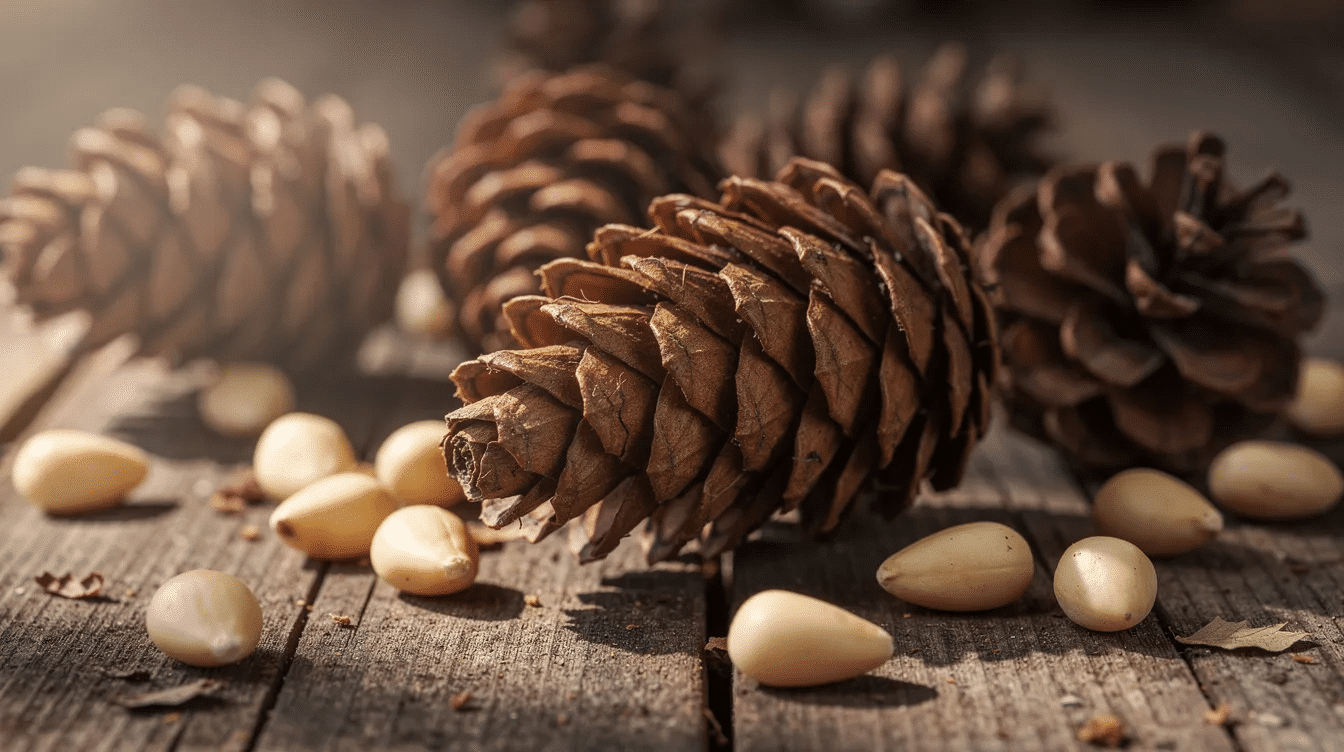
2. Pine Nuts (Chilgoza)
Pine nuts represent one of the most expensive dry fruit options in the nut category, selling for Rs 8000 per kilogram in India (approximately $100 USD) and $15-30 per pound in Western markets.
Why It Stands Out
These seeds come from specific pine tree species that take 6-8 years to mature before producing cones. The trees grow at high altitudes in difficult mountain terrain, making harvesting dangerous and labor-intensive. Each cone must be collected by hand, then processed to extract the tiny nuts inside.
Production yield is low compared to other nuts, and the geographic limitations to regions like China, Pakistan, and parts of the Mediterranean restrict supply.
Best For
Gourmet cooks who appreciate Mediterranean cuisine, particularly those who make authentic pesto or enjoy adding a distinctive buttery crunch to salads, soups, and desserts.
Key Strengths
Unique sweet, buttery flavor impossible to replicate
High protein and healthy fat content
Versatile in both savory dishes and baking
Widely used in Italian cooking and Middle Eastern cuisine
Possible Limitations
Limited shelf life due to high oil content – must be stored properly, or enjoyed quickly through options like a curated dried fruit subscription box
Seasonal availability creates price fluctuations
Some people experience “pine mouth” syndrome temporarily
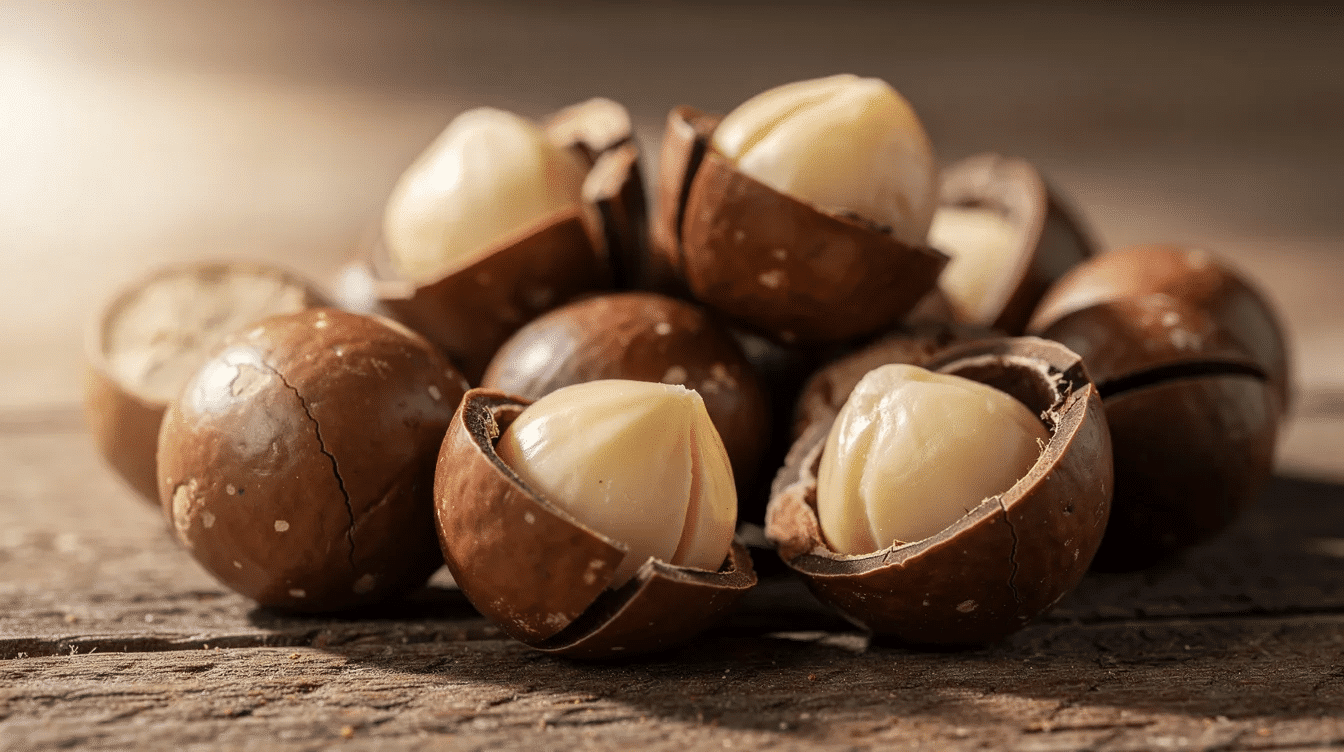
3. Macadamia Nuts
Macadamias rank among the premium nuts globally at $25+ per pound, with their rich, creamy profile making them a favorite among health-conscious snackers.
Why It Stands Out
Macadamia trees require 7-10 years to reach full production, and the nuts have the hardest shells of any commercially sold nut. This makes processing extremely costly, requiring specialized equipment to crack without damaging the delicate nut inside.
The trees are native to Australia but are now cultivated in Hawaii and other tropical regions. Climate requirements are strict, limiting where these can be grown successfully.
Best For
Health enthusiasts seeking nutrient-dense snacking options and pastry professionals who value the deep, creamy texture in cookies and confections.
Key Strengths
Highest healthy monounsaturated fat content among nuts
Rich, creamy taste and satisfying texture
Excellent source of thiamine and manganese
Premium quality product commands respect in culinary applications
Possible Limitations
Very high calorie content requires portion control
Hard shell processing adds significant cost
Less versatile than almonds in everyday cooking
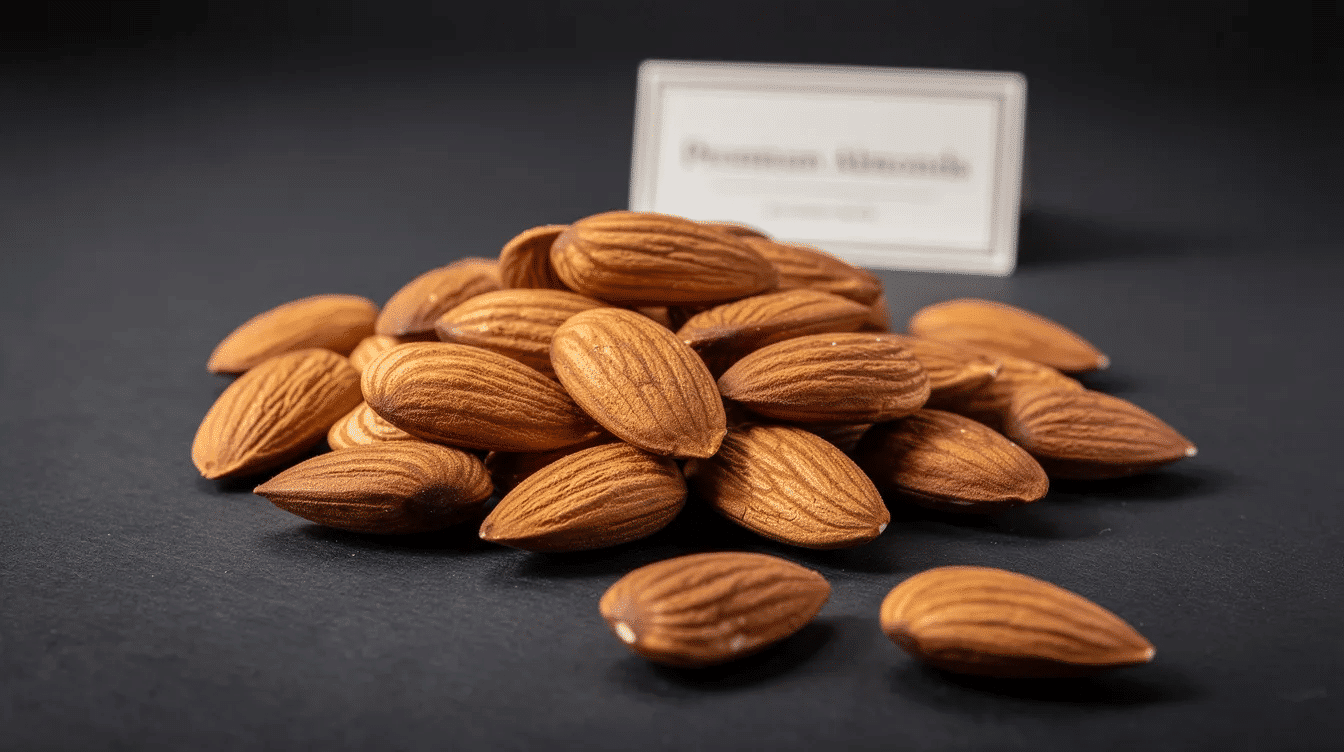
4. Premium Almonds
Specialty almond varieties, particularly those from California and Spain, range from $13-20 per pound depending on grade and processing.
Why It Stands Out
Almond trees take 6-12 years to reach peak production, and they’re extremely sensitive to climate variations. The trees require specific conditions found primarily in Mediterranean climates, and water-intensive cultivation increases production costs.
Premium varieties like Marcona almonds from Spain are prized for their sweeter, more delicate taste compared to standard California almonds.
Best For
Health enthusiasts who incorporate nuts into daily routines and baking professionals who need reliable quality for pastries and confections.
Key Strengths
Excellent vitamin E and protein content
Versatile in cooking, baking, and snacking
Good shelf stability when stored in airtight containers
Available in multiple forms: whole, slivered, blanched, or as flour
Quality varies significantly between standard and premium grades
Price sensitive to California’s drought conditions
5. Chestnuts
Chestnuts sell for $10-15 per pound, with premium European varieties commanding higher prices due to imports from Italy and other countries.
Why It Stands Out
The American chestnut industry was devastated by blight in the early 20th century, meaning most chestnuts consumed in the US must be imported. European and Asian species now dominate production, but supply remains limited compared to high demand.
Unlike other nuts, chestnuts are low in fat and high in carbohydrates, giving them a unique nutritional profile among this category, and they can also be preserved year-round by drying chestnuts for storage and cooking.
Best For
Seasonal cooking enthusiasts who love roasted chestnuts during fall and winter, plus those following gluten-free diets who need alternative flour options.
Key Strengths
Naturally gluten-free with sweet, starchy flavor
Lower fat content than other nuts in this list
Rich in vitamin C, potassium, and complex carbohydrates
Excellent in stews, stuffings, and purees
Possible Limitations
Short fresh storage life – must be refrigerated or cooked quickly
Seasonal availability concentrated in fall months
Limited year-round availability in certain regions
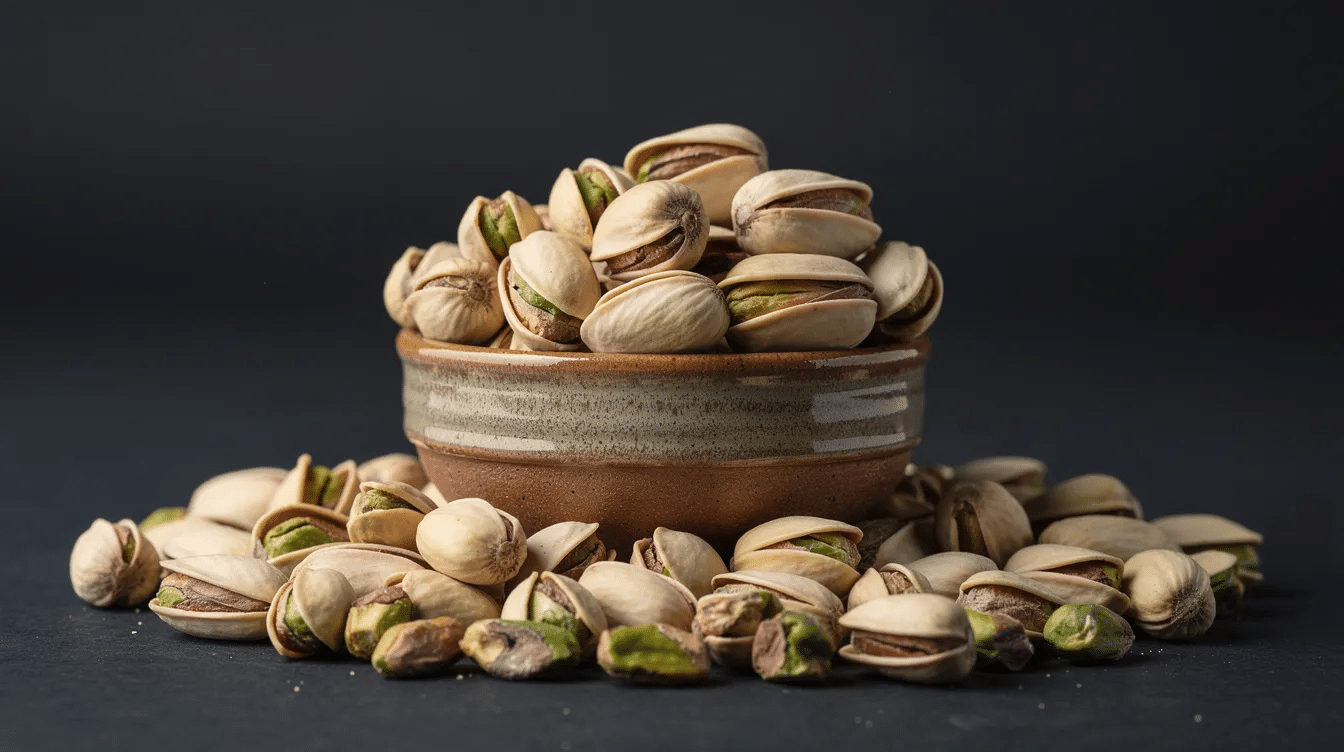
6. Premium Pistachios
High-grade pistachios from Iran, Kashmir, and California range from $12-18 per pound, with Iranian varieties often considered the finest by connoisseurs.
Why It Stands Out
Pistachio trees exhibit biennial bearing, meaning they produce heavily one year and lightly the next. This unpredictable yield makes planning difficult and keeps prices elevated. The trees also require specific arid climates with hot summers and cold winters.
Premium pistachios are larger, more uniformly opened, and have a deeper green color than standard grades.
Best For
Snack enthusiasts who appreciate natural portion control (shells slow eating) and those cooking Middle Eastern or Mediterranean dishes where pistachios are displayed prominently.
Key Strengths
High protein and antioxidant content
Natural portion control due to shells
Distinctive flavor and vibrant green color
Lower calorie count compared to many other nuts
Possible Limitations
High sodium content in salted varieties
Shell waste creates mess
Quality varies dramatically between grades
7. Premium Cashews
Jumbo cashews sell for $8-15 per pound, with prices reflecting the complex processing required to make them safe for consumption.
Why It Stands Out
Raw cashews contain urushiol, the same toxic compound found in poison ivy, within their shells. Workers must carefully remove this coating through a costly, dangerous process before the nuts can be sold. Additionally, cashews lose approximately 70% of their weight during processing, inflating the per-unit cost.
The fruits grow in tropical climates, with India and Vietnam being major producers, similar to how the Philippines is renowned for producing high-quality dried mango.
Best For
Vegan cooks who use cashews as a base for creamy sauces, dairy alternatives, and plant-based cheeses. Also popular among those who prefer a milder, sweeter nut flavor.
Key Strengths
Creamy texture perfect for blending into sauces
Rich in minerals like iron, magnesium, and zinc
Versatile in sweet desserts and savory dishes
Produces excellent dairy-free milk and cream alternatives and pairs well with other ingredients when you dehydrate fruits at home
Possible Limitations
High processing costs due to toxic shells
Weight loss during processing increases unit cost
Slightly higher in carbohydrates than other premium nuts
Quick Comparison of the Most Expensive Dry Fruits
Dry Fruit
Price Range
Best For
Saffron
$5,000+/kg
Luxury cooking and traditional medicine
Pine Nuts
$15-30/lb
Mediterranean cuisine and gourmet cooking
Macadamia Nuts
$25+/lb
High-calorie snacking and health foods
Premium Almonds
$13-20/lb
Baking and everyday health benefits
Chestnuts
$10-15/lb
Seasonal cooking and gluten-free diets
Premium Pistachios
$12-18/lb
Controlled snacking and antioxidants
Premium Cashews
$8-15/lb
Vegan cooking and creamy sauces
How to Choose the Right Expensive Dry Fruit
Choose Based on Your Budget
If budget is your primary concern, work backwards from price:
Entry-level premium ($8-15/lb): Cashews and chestnuts offer the most accessible entry point
Mid-range premium ($12-25/lb): Almonds, pistachios, and pine nuts deliver strong value
Luxury tier ($5,000+/kg): Saffron remains in a category of its own – buy in small quantities
Consider buying smaller amounts of higher quality rather than large quantities of mediocre grades.
Choose Based on Culinary Use
Different dry fruits excel in different applications:
Baking: Almonds and macadamias produce consistent results
Mediterranean cooking: Pine nuts and pistachios are essential, while dehydrated citrus fruits can add bright acidity and aroma
Vegan alternatives: Cashews blend smoothly for creamy textures
Special occasion dishes: Saffron elevates rice dishes, soups, and desserts
Roasting and snacking: Chestnuts and macadamias shine here, and a balanced dried fruit and nut mix can be a convenient everyday option
Choose Based on Health Goals
Match your selection to specific nutritional objectives:
Heart health: Macadamias and almonds offer excellent monounsaturated fats
Protein intake: Pine nuts and almonds provide highest protein per serving
Lower fat options: Chestnuts are uniquely low in fat among this group
Antioxidants: Pistachios and saffron contain powerful antioxidant compounds, and even snacks like healthy fruit leather brands can contribute additional phytonutrients
Mineral density: Cashews excel in iron, magnesium, and zinc content
Which Expensive Dry Fruit Is Best for You?
Here’s a quick decision framework:
Choose Saffron if you want the ultimate luxury spice for special occasions and don’t mind the investment
Choose Pine Nuts if you love Mediterranean cooking and want unique, irreplaceable flavors
Choose Macadamias if you want the richest, most indulgent nut experience with excellent fats
Choose Premium Almonds if you need versatile nutrition for daily use and baking
Choose Chestnuts if you need gluten-free options with lower fat and seasonal appeal
Choose Premium Pistachios if you want antioxidant-rich snacking with built-in portion control
Choose Premium Cashews if you’re into vegan cooking and need creamy, blendable textures
Final Thoughts
The best expensive dry fruit depends entirely on your intended use, budget, and personal taste preferences. While saffron stands out as the clear luxury leader in pure price terms, pine nuts and macadamias offer the most premium nut experiences for everyday culinary applications.
Remember that prices vary significantly by quality grade, source country, and season. What you find at a local grocery store differs dramatically from specialty imports sold through dedicated vendors.
If you’re new to premium dry fruits, start with smaller quantities to test your preferences before committing to larger purchases. Many specialty stores offer sample sizes that let you experience the difference quality makes without significant financial risk.
Save this guide and share your favorites in the comments – which expensive dry fruit delivers the best value in your experience?
DannyContent Writer
Hey there, since 2016, my mission has been to provide you with the information and guides you need to make food dehydrating simple and fun. Whether you're a newbie or a seasoned pro, my site offers helpful guides, reviews, and recipes to enhance your dehydrating experience. I take pride in only recommending products I believe in, ensuring my readers' trust. As an affiliate of various programs, including Amazon Associates, your support helps me continue providing quality content. Thanks for stopping by, and happy dehydrating!