We earn a commission if you make a purchase, at no additional cost to you.
09/22/2026 04:39 pm GMT
🍊 Dehydrated Food Info Finder — Temperatures & Drying Times
Choose a category, then pick a food to see its drying temperature and time.
⚠️ Safety Disclaimer: Drying times are estimates and vary based on slice thickness, food moisture content, humidity, and your dehydrator model. Always check for doneness before storing — food should feel dry, leathery, or brittle with no moist spots. Improperly dried food can harbour mould and bacteria. For meat and poultry, follow USDA safe internal temperature guidelines: beef and pork to 160°F (71°C), poultry to 165°F (74°C). Use a food thermometer when in doubt. Store all dehydrated foods in airtight containers in a cool, dark place and discard anything showing moisture, mould, or off odours.
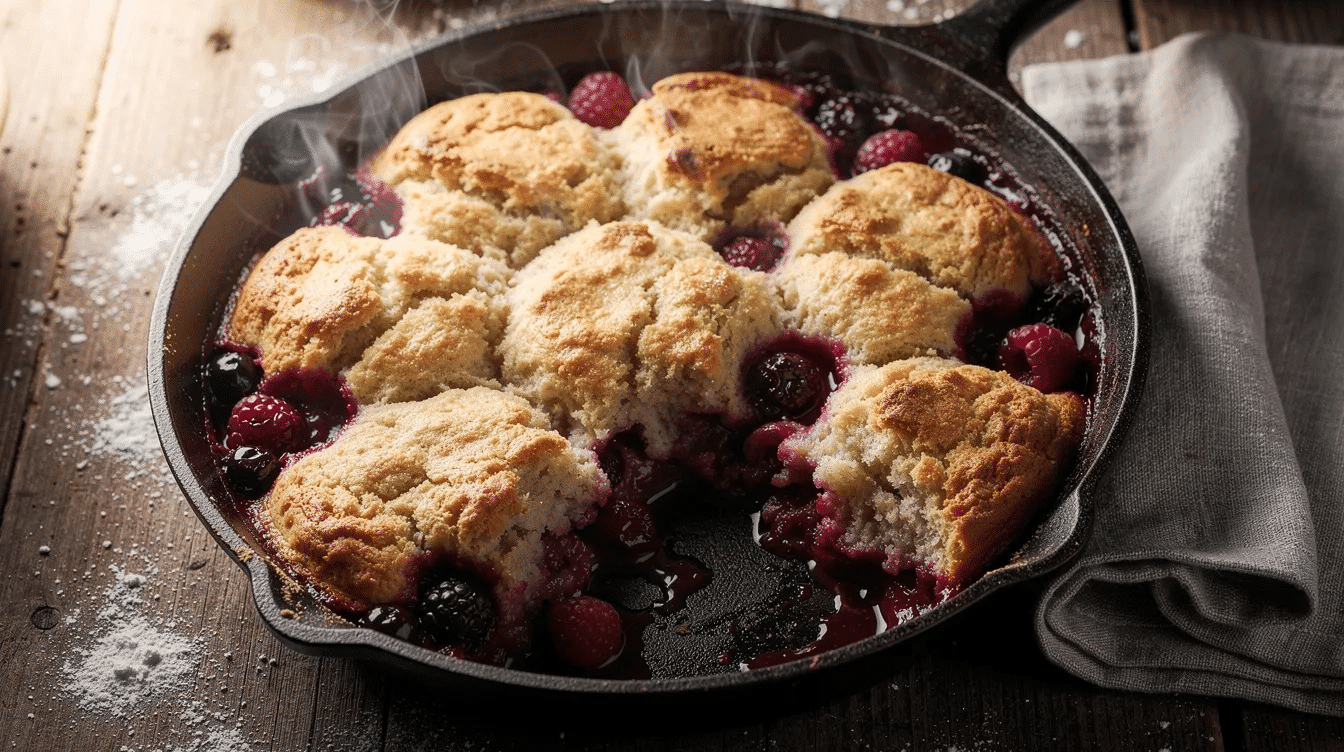
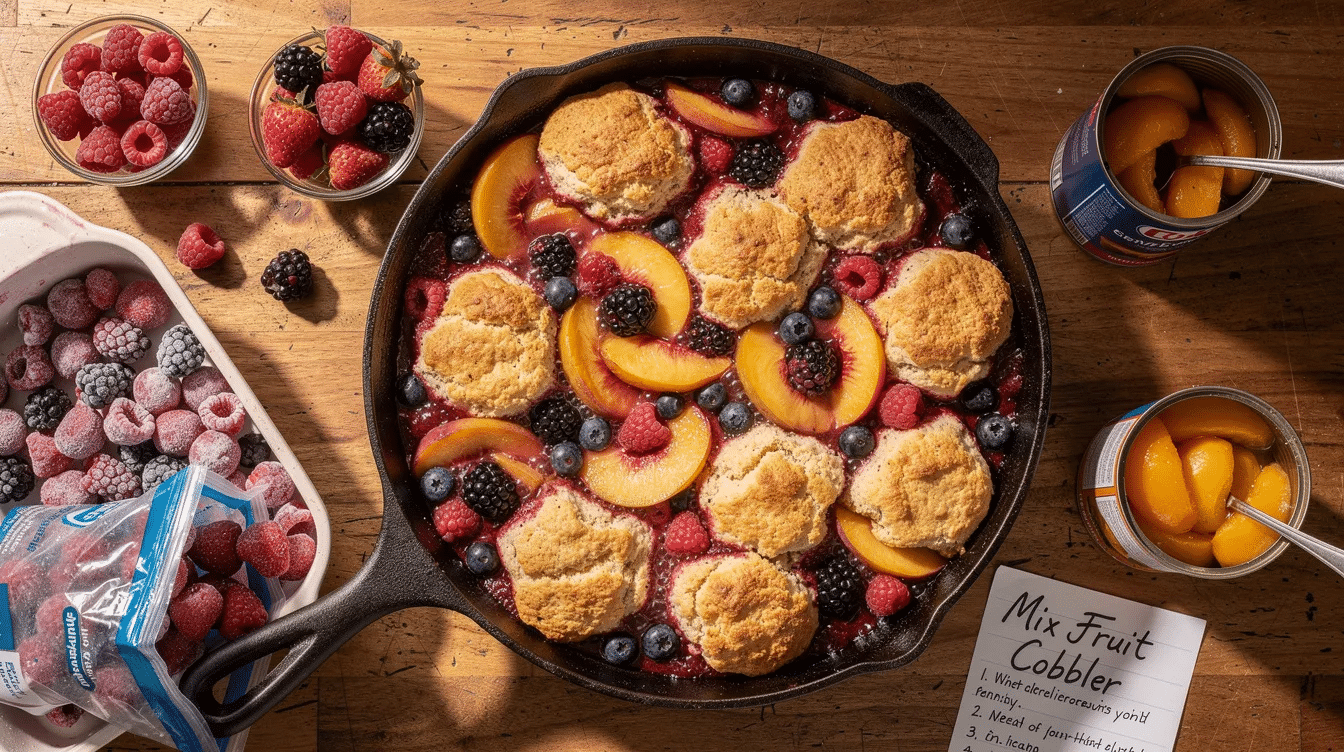
There’s something deeply satisfying about pulling a bubbling, golden brown baked dessert from the oven. Mix fruit cobbler delivers exactly that experience with minimal effort and maximum reward. This delicious recipe transforms whatever fruit you have—frozen mixed berries from the freezer, fresh peaches from the farmers market, or even canned fruit from the pantry—into a warm, syrupy dessert crowned with a buttery crust.
Whether you’re feeding a crowd at a summer cookout or craving something sweet on a winter evening, this fruit cobbler recipe adapts to your needs and your kitchen.
Mix fruit cobbler is a versatile “dump and bake” dessert that works with any combination of berries and fruits, whether fresh, frozen, or canned, making it perfect for year-round baking.
The recipe bakes at 350°F in a standard 9×9 or 9×13 inch baking dish, using melted butter, a simple pourable batter, and a generous layer of mixed fruit on top.
Frozen fruit goes straight from freezer to pan with no thawing required—just add flour or cornstarch to the fruit mixture to prevent the filling from becoming runny.
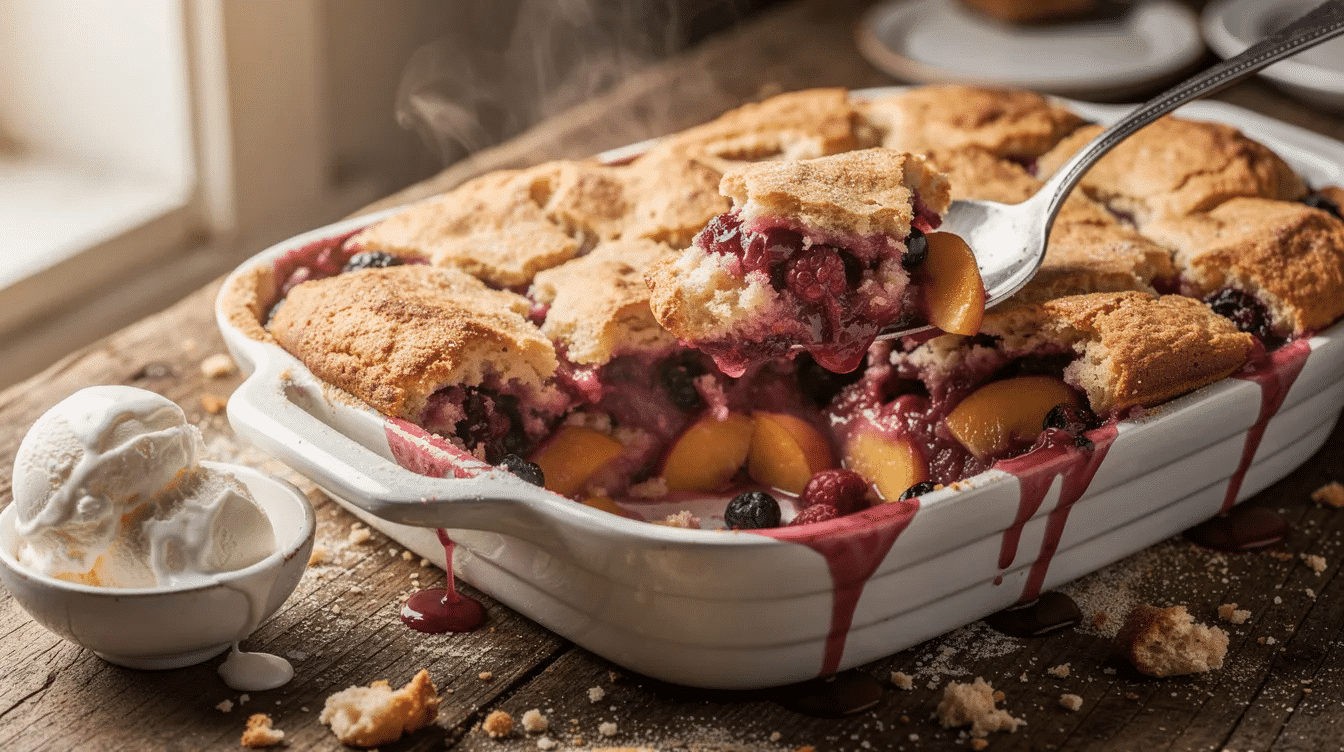
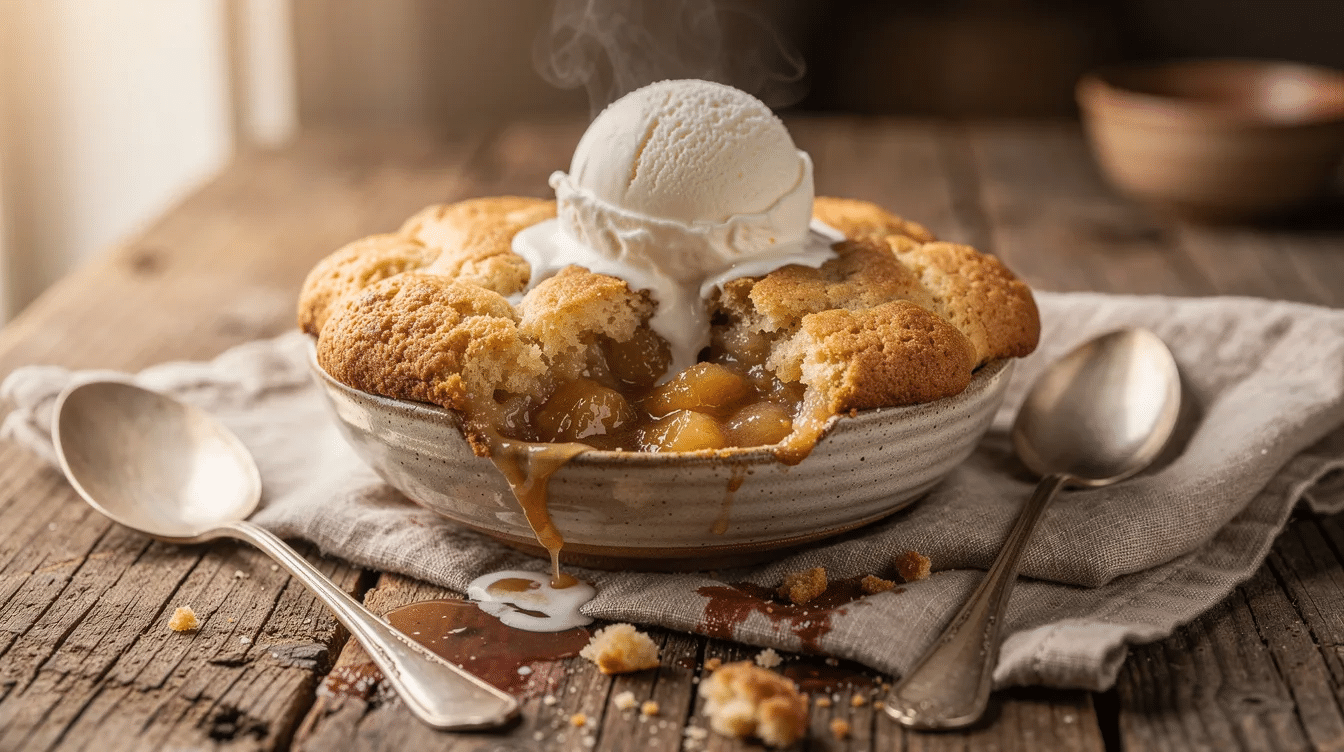
The cobbler topping is soft and cake-like (not a crunchy streusel), and serving warm with a scoop of vanilla ice cream or fresh whipped cream is strongly recommended.
This guide covers ingredients, step-by-step instructions, fruit selection, variations like peach cobbler and cherry-apple cobbler, storage tips, and troubleshooting common issues.
What Is Mix Fruit Cobbler?
Mix fruit cobbler is a baked dessert where a sweet batter or biscuit like topping is poured over mixed fruit, then baked until the edges bubble vigorously and the top turns a beautiful golden brown crust. The name “cobbler” reportedly comes from 19th-century settlers who dropped scone-like dough over stewed fruit, creating a surface that resembled cobblestone streets.
Stone fruits: peaches, cherries, plums, nectarines
Fall fruits: apples, pears
Any combination that sounds appealing to you
How does cobbler differ from similar desserts? A fruit pie has an enclosed pastry crust, often requiring pie dough and blind baking. A crisp features an oat streusel topping for crunch. A crumble uses a butter-sugar rubble without the biscuit topping texture. Cobbler sits in the middle—softer and cakier than all three, which makes it far more approachable for beginners.
This style of dessert cuisine is popular across North America, appearing at 4th of July barbecues, Thanksgiving dinners, and casual family meals alike.
Why You’ll Love This Mixed Fruit Cobbler
Picture this: a layer of juicy, syrupy fruit bubbling beneath a tender, buttery crust that rises golden and cake-like during baking. That’s what this easy fruit cobbler delivers every time.
Here’s why it works so well:
Benefit
Why It Matters
Budget-friendly
Uses basic pantry ingredients (flour, sugar, milk, butter) plus 4-6 cups of fruit for under $10 total
Beginner-friendly
No rolling pie crust, no blind baking—just whisk, pour, top with fruit, and bake
Year-round flexibility
Use frozen berries in winter, fresh fruit in summer, or canned peaches anytime
Crowd-pleasing
Serves 8-12 people from a single pan
Minimal prep
Ready for the oven in 10-15 minutes
The recipe works because butter melts in the pan, the batter floats up during baking, and the fruit sinks down while releasing its natural juices. The result is an absolutely delicious contrast of textures that requires almost no technique to achieve.
Ingredients for Mix Fruit Cobbler
Exact quantities appear in the recipe card below, but here’s what you’ll need and why each ingredient matters.
2 teaspoons baking powder and salt (about ¼ teaspoon salt)
¾-1 cup whole milk
1 teaspoon vanilla extract
Fat and Flavor
6-8 tablespoons unsalted butter (or cold butter, which you’ll melt in the pan)
Optional: ½ teaspoon ground cinnamon or nutmeg
Optional: 1 teaspoon lemon zest for berry-heavy mixes
Optional: ¼ teaspoon almond extract for cherry cobblers
Optional Add-Ins
Chopped pecans or almonds (add during last 10 minutes of baking, or pair slices of cobbler with a homemade dried fruit and nut mix)
A splash of amaretto for adult versions
Heavy whipping cream instead of milk for richer batter
How to Make Mix Fruit Cobbler (Step-by-Step)
This section follows the “dump and bake” method that makes this delicious cobbler so approachable. Here are the instructions preheat oven and all.
Step 1: Preheat and Melt Butter
Preheat your oven to 350°F (176°C). Place 6-8 tablespoons of melted butter (or slice cold butter) into a 9×9 or 9×13 inch baking dish. Slide the prepared pan into the warming oven for 3-5 minutes until the butter melts completely and coats the bottom evenly.
Step 2: Prepare the Fruit
While the butter melts, combine your mixed berries or fruit combination in a large bowl. Add:
⅓ to ⅔ cup sugar (based on fruit sweetness)
2-3 tablespoons flour or cornstarch
1-2 tablespoons lemon juice
Toss until the fruit is evenly coated and slightly glossy. This step prevents your berry filling from turning watery.
Step 3: Make the Cobbler Batter
In a medium bowl, whisk together:
1 cup flour
1 cup sugar
2 teaspoons baking powder
¼ teaspoon salt
Add ¾ cup milk and 1 teaspoon vanilla extract. Stir until you have a smooth, pourable flour mixture similar to pancake batter. Avoid overmixing—a few small lumps are fine.
Step 4: Assemble
Carefully remove the hot dish with melted butter from the oven. Tilt gently to ensure the butter coats the entire bottom.
Pour the cobbler batter directly over the butter. Do not stir them together. The butter will rise up around the edges of the batter during baking.
Step 5: Add the Fruit
Evenly distribute the prepared fruit mixture over the batter layer. Again, do not stir. The batter will magically rise up and around the fruit as it bakes, creating that signature cobbler topping texture.
Step 6: Bake
Bake at 350°F for 40-55 minutes. Baking time varies based on:
Pan size (9×9 bakes faster than 9×13)
Fruit type (frozen fruit adds 5-10 minutes)
Your oven’s quirks
The baked cobbler is done when:
The top is deep golden brown
Edges bubble vigorously
A toothpick inserted in the batter comes out clean
Step 7: Cool and Serve
Let the warm cobbler rest for 10-15 minutes before serving. This cooling period allows the juices to thicken slightly, making portions easier to scoop while still delivering that warm, comforting temperature.
Choosing and Combining Fruits
Mix fruit cobbler shines because you can tailor it to whatever is in season, already in your freezer, or sitting in your pantry.
Berry Options
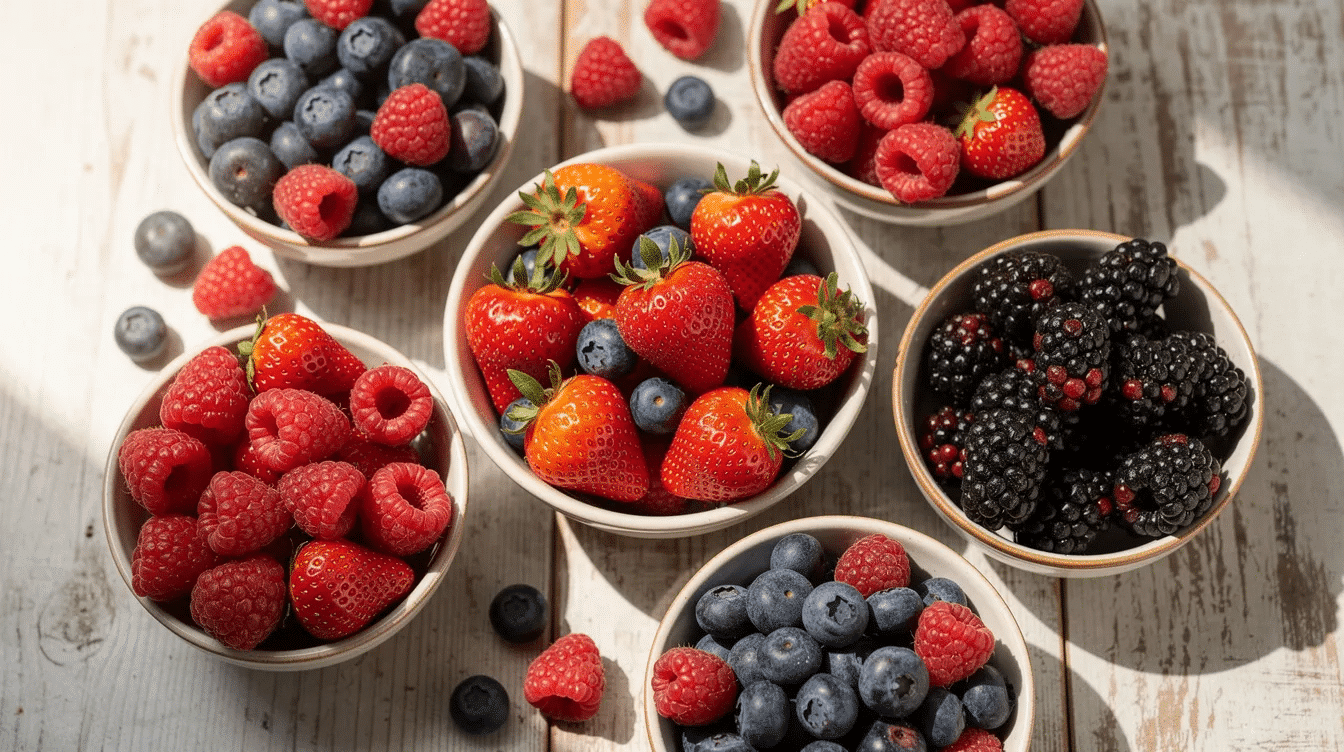
Berry
Role in Cobbler
Blueberries
Hold shape well, add structure
Blackberries
Tart, jammy, holds structure
Raspberries
Very juicy, bright color
Strawberries (diced)
Sweet, juicy, needs thickener
Stone Fruits
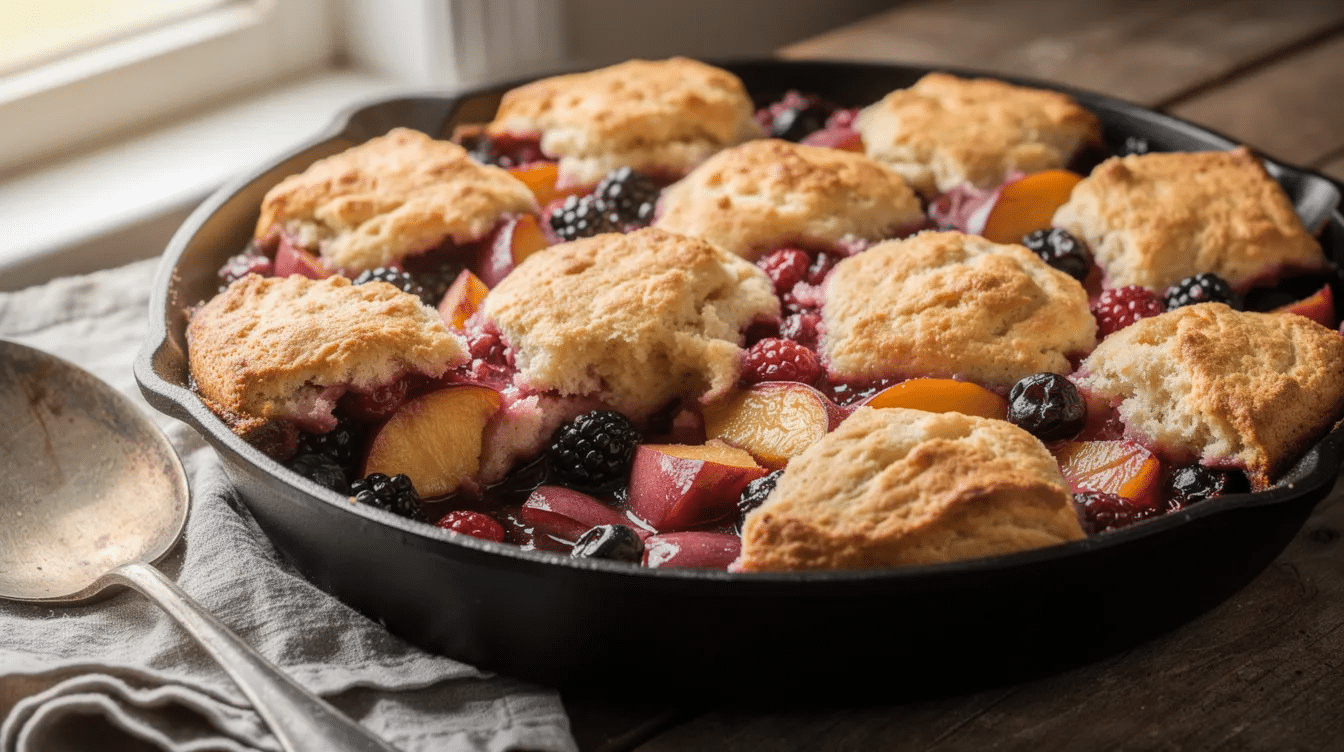
Sliced peaches, nectarines, plums, and pitted cherries bring a jammy texture that pairs beautifully with berries in late spring and summer. A peach cobbler variation using half peaches and half berries is a classic for good reason, and extra peaches are perfect for dehydrating into long-lasting snacks.
Fall and Winter Fruits
Diced apples and pears work beautifully with cinnamon and nutmeg, especially when combined with a handful of frozen berries for color and tartness. An apple cobbler with a scattering of cranberries makes an excellent Thanksgiving dessert, and leftover apples can be turned into homemade apple fruit powder for other baking projects.
Balancing Flavors
Combine sweeter fruits (ripe peaches, sweet cherries) with tangier ones (blackberries, raspberries) for complexity. A good rule: aim for roughly 50/50 sweet to tart, especially if you also enjoy dehydrated low carb fruits for snacking.
Suggested combinations:
Summer 2026: Equal parts fresh strawberries, blueberries, and sliced peaches
Winter: 4 cups frozen berry medley plus 2 cups diced apples with 1 teaspoon cinnamon
Spring: Strawberry-rhubarb with extra sugar for the rhubarb’s tartness
Fresh vs Frozen vs Canned Fruit
This great recipe works with any form of fruit, but baking time and sweetness may need small adjustments, and many of the same fruits also shine in dehydrated fruit snack recipes.
Frozen Fruit
Frozen fruit is incredibly convenient. Use frozen mixed berries straight from the freezer—no thawing required. If you love berries, dehydrated blueberries made at home are another way to preserve them. The ice crystals melt during baking, adding moisture, so:
Add an extra tablespoon of thickener
Expect 45-55 minutes baking time
The fruit maintains its shape better than you’d expect
Fresh Fruit
Very ripe fresh berries release less liquid initially than frozen, so your cobbler may bake closer to 35-45 minutes. Peak-season fresh fruit often needs less added sugar since the natural Brix (sugar content) is higher.
Canned Fruit
Canned peaches or other canned fruit work well when properly prepared:
Drain the syrup or juice thoroughly
Reduce added sugar by 25-50%
Monitor closely—canned fruit softens faster (check at 35 minutes)
For best results, pat canned fruit dry before tossing with thickener.
Variations and Flavor Twists
The basic mixed berry cobbler recipe serves as a canvas for endless customization. Here are some cobbler recipes worth trying.
Summer Berry-Peach Cobbler
Use a half-and-half mix of sliced peaches and mixed berries. Add 1½ tablespoons lemon zest to cut the richness. This variation captures peak summer in every bite.
Autumn Apple-Berry Cobbler
Combine 4 cups diced apples with 2 cups frozen berries. Add:
1 teaspoon cinnamon
½ teaspoon nutmeg
1 tablespoon brown sugar for molasses depth
This easy berry cobbler variation works beautifully for fall gatherings.
Cherry-Almond Cobbler
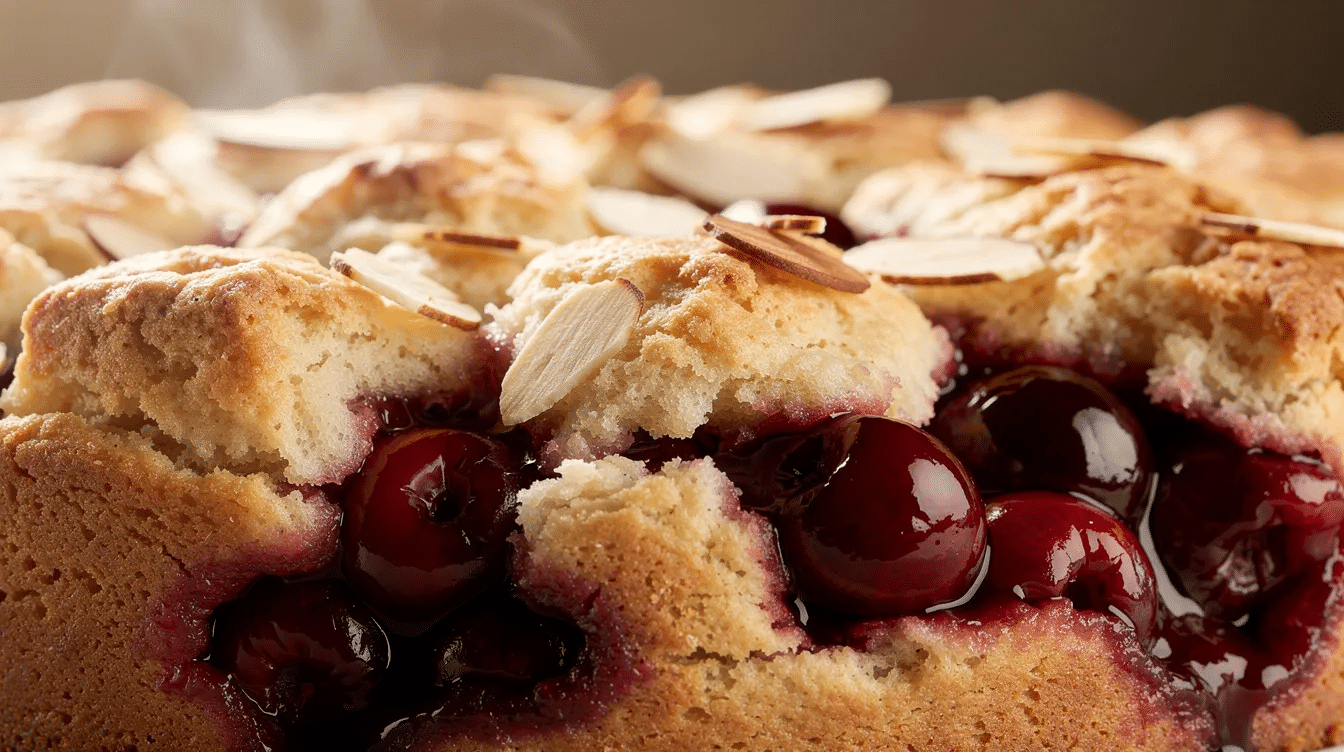
Use pitted cherries (fresh, frozen, or jarred) as your base. Add ¼ teaspoon almond extract to the fruit mixture—it creates a maraschino-like synergy that’s irresistible. Scatter sliced almonds over the top during the last 10 minutes of baking for crunch.
Tropical Cobbler
Try pineapple chunks, mango pieces, and a tablespoon of coconut flakes. This version pairs especially well with coconut ice cream for a piña colada echo.
Blueberry Cobbler with Lemon
A simple blueberry cobbler with 2 teaspoons of lemon zest in both the fruit and batter creates a bright, sophisticated flavor profile.
Blackberry Cobbler with Cardamom
Replace cinnamon with ½ teaspoon cardamom for floral, aromatic notes that complement blackberries beautifully.
Adult Versions
Add 1 tablespoon amaretto to cherry mixes or bourbon to peach cobblers. The alcohol evaporates during baking, leaving concentrated essence behind. For entertaining, pair your dessert with cocktails that use dried fruit in holiday mixology, and consider a dried fruit subscription box to keep your pantry stocked with garnishes and snacks.
Serving Suggestions
Mix fruit cobbler reaches its peak when you serve warm, shortly after baking and a brief cooling period.
Classic Toppings
A scoop of vanilla ice cream (homemade vanilla ice cream if you’re feeling ambitious)
Fresh whipped cream, lightly sweetened
A drizzle of heavy cream for an old-fashioned touch
Sour cream dollops for tang
Creative Pairings
Cobbler Type
Ideal Topping
Apple or pear
Cinnamon or caramel ice cream
Berry-heavy
Lemon sorbet
Any variety
Greek yogurt for less sweetness
Tropical
Coconut ice cream
Presentation
Scoop cobbler into shallow bowls to catch the pooling syrup. Garnish with:
A sprig of fresh mint
Extra citrus zest
A light dusting of powdered sugar
Bonus: Brunch Cobbler
Leftovers make an indulgent brunch item. Warm a portion and serve with plain yogurt or crème fraîche the next morning, or bake a batch of dried fruit scones to round out the spread.
Storage, Freezing, and Reheating
Proper storage keeps your delicious dessert tasting fresh for days.
Refrigerator Storage
To store leftovers, cool the cobbler completely, then cover tightly with a lid, plastic wrap, or foil. Refrigerate for 3-4 days. The topping will soften slightly but remains delicious.
Reheating Methods
Microwave: Heat individual portions in 30-60 second bursts, stirring once if possible.
Oven (preferred): Reheat at 325°F for 10-15 minutes until warmed through. This method helps re-crisp the cobbler topping somewhat.
Freezing
Baked cobbler can be frozen:
Cool completely
Wrap tightly in plastic wrap, then foil
Freeze for up to 2 months
Caveat: The texture softens 10-20% upon thawing due to starch changes. Still tasty, just slightly different.
Baking from Frozen
Thaw overnight in the refrigerator, then warm in a 325°F oven until heated through and bubbly at the edges (about 15-20 minutes).
Tips and Troubleshooting
Even this forgiving delicious cobbler can run into issues. Here’s your rescue guide.
Problem: Runny Berry Filling
Cause: Insufficient thickener, especially with very juicy frozen berries.
Fix: Add an extra tablespoon of cornstarch or flour per 2 cups of juicy fruit. Cornstarch absorbs more liquid than flour (roughly 1% binds 100g water).
Problem: Pale or Doughy Topping
Cause: Underbaking or trapped steam.
Fix: Bake longer until the top reaches deep golden brown. Never cover the baking dish during baking—this traps steam and prevents browning. If needed, increase oven temperature to 375°F for the last 10 minutes.
Problem: Overly Sweet Results
Cause: Very sweet canned fruit or peak-season peaches combined with full sugar amounts.
Fix: Taste your fruit mixture before baking. Reduce sugar by 25% when using sweet canned fruit or very ripe summer fruit. Remember that baking concentrates sweetness.
Problem: Soupy Portions
Cause: Scooping too soon while juices are still liquid.
Fix: Let the cobbler rest for at least 10-20 minutes. Hot juices (around 90°C) need to cool to approximately 60°C for the starch gel to set properly.
Problem: Fruit Sinking to Bottom
Cause: This is actually normal! The batter rises around the fruit.
Fix: No fix needed—this is how the recipe works.
Frequently Asked Questions
Can I make mix fruit cobbler ahead of time?
The cobbler tastes best baked shortly before serving, but you can prepare components ahead. Mix the fruit mixture up to 4 hours early (the juices will macerate, enhancing flavor). Store dry batter ingredients in an airtight container separately.
A fully baked cobbler can be made earlier in the day, cooled, and reheated in a 325°F oven for 10-15 minutes before serving. It won’t be quite as crisp-topped but remains delicious.
How do I make this cobbler gluten-free?
Replace regular flour with a cup-for-cup gluten free flour blend that includes xanthan gum (about 0.5% helps maintain structure). Use the same amounts of baking powder and salt.
For the fruit thickener, use cornstarch (naturally gluten-free) rather than flour. Double-check that all ingredients, including vanilla extract and any add-ins, are certified gluten-free.
Can I cut this recipe in half or double it?
Halving: Use an 8×8 inch pan. Reduce baking time to 30-40 minutes since the smaller surface area affects heat transfer.
Doubling: Use a deep 9×13 inch pan or larger. Extend baking time to 55-65 minutes. Rotate the pan halfway through for even browning, and check the center carefully for doneness.
Is it safe to use overripe fruit?
Very ripe but not spoiled fruit is actually ideal for cobblers. The higher sugar content and softer texture mean it breaks down beautifully during baking, creating more syrupy juices.
However, avoid fruit with visible mold or off smells. Trim any bruised spots and combine overripe pieces with firmer fruit to balance texture in the finished dessert.
Can I reduce the sugar to make it less sweet?
Yes. The sugar in both the fruit and batter can typically be reduced by about 25% without harming texture or structure. This works especially well with very sweet seasonal fruit.
Taste your fruit mixture before baking and adjust accordingly. Keep in mind that baking concentrates sweetness as water evaporates (20-30% moisture loss), so even reduced-sugar versions taste sweeter after baking than the raw mixture suggests.
What’s the difference between a cobbler and a crisp?
A cobbler has a soft, cake-like or biscuit topping that bakes up tender and golden. A crisp has a crunchy oat streusel topping (typically containing oats, butter, flour, and sugar). If you want crunch, make a crisp. If you want soft, pillowy comfort, make a cobbler.
Can I use a pastry cutter for this recipe?
Not for this particular mixed berry cobbler recipe. A pastry cutter is used for cutting cold butter into flour for biscuit topping styles or pie crust. This recipe uses a pourable batter method where the butter melts in the pan, so no pastry cutter is needed. Simply use cooking spray on your dish if you’re worried about sticking, though the melted butter typically prevents that.
Mix fruit cobbler proves that impressive desserts don’t require impressive skills. With a few pantry staples, whatever fruit you have on hand, and about an hour of your time, you can create a warm, bubbly, golden brown masterpiece that tastes like you spent all day baking.
Don’t overthink the fruit combinations. Review recipe basics, trust the process, and experiment with what’s seasonal or what’s already in your freezer. The forgiving nature of this cobbler means success is virtually guaranteed.
Try this recipe this weekend—and don’t forget that scoop of ice cream on top.
DannyContent Writer
Hey there, since 2016, my mission has been to provide you with the information and guides you need to make food dehydrating simple and fun. Whether you're a newbie or a seasoned pro, my site offers helpful guides, reviews, and recipes to enhance your dehydrating experience. I take pride in only recommending products I believe in, ensuring my readers' trust. As an affiliate of various programs, including Amazon Associates, your support helps me continue providing quality content. Thanks for stopping by, and happy dehydrating!