We earn a commission if you make a purchase, at no additional cost to you.
09/22/2026 04:39 pm GMT
🍊 Dehydrated Food Info Finder — Temperatures & Drying Times
Choose a category, then pick a food to see its drying temperature and time.
⚠️ Safety Disclaimer: Drying times are estimates and vary based on slice thickness, food moisture content, humidity, and your dehydrator model. Always check for doneness before storing — food should feel dry, leathery, or brittle with no moist spots. Improperly dried food can harbour mould and bacteria. For meat and poultry, follow USDA safe internal temperature guidelines: beef and pork to 160°F (71°C), poultry to 165°F (74°C). Use a food thermometer when in doubt. Store all dehydrated foods in airtight containers in a cool, dark place and discard anything showing moisture, mould, or off odours.
Is Dried Fruit Good for Cholesterol? A Practical, Evidence-Based Guide
If you have been told your cholesterol is too high, you have probably wondered whether simple dietary changes could help. Nuts and dry fruits are among the most frequently recommended foods for heart health, but not all dried fruit works the same way. This detailed guide breaks down exactly which dried fruits can help lower cholesterol levels, how much to eat, and what to watch out for.
Key Takeaways
Certain dried fruits, especially nuts like almonds, walnuts, and pistachios, can meaningfully lower ldl cholesterol and total cholesterol when eaten consistently. Sweet dried fruits such as raisins, dates, and dried plums offer smaller benefits and may worsen cholesterol if eaten in excess due to concentrated sugars.
Nuts are the most effective “dry fruits” for cholesterol control. Their combination of healthy unsaturated fats, soluble fibre, and plant sterols makes them uniquely powerful for lowering cholesterol naturally.
Sweet dried fruits like prunes, dried apples, and apricots can still support heart health in small portions by supplying potassium, antioxidants, and more fibre. However, eating too many dried fruits, especially sugary varieties, may raise triglycerides and add extra calories.
A daily serving of 45g to 50g of nuts, plus up to a quarter cup of unsweetened dried fruit, is the intake range most supported by clinical research. This works best when these foods replace fried snacks, processed meats, or sweets rather than being added on top.
Dried fruit works best as part of an overall heart healthy diet with more vegetables, whole grains, and regular exercise. It should never replace medication or professional treatment for high cholesterol.
Understanding Cholesterol: Why “Good” and “Bad” Matter
Cholesterol is a waxy substance your body uses as a building block for cell membranes, hormones, and vitamin D. Your body produces most of its own cholesterol, but diet can push levels in unhealthy directions.
Low density lipoprotein, or LDL, is often called bad cholesterol because it tends to deposit in blood vessels, gradually narrowing arteries and raising the risk of heart disease, heart attack, and stroke. HDL, or “good” cholesterol, does the opposite: it helps shuttle excess cholesterol back to the liver for disposal.
On a standard lab report, LDL above roughly 130 mg/dL (3.4 mmol/L) is considered elevated for many adults, while total cholesterol above 200 mg/dL is borderline high. Triglycerides, another blood fat, are independently linked to cardiovascular risk when chronically elevated. Individual targets vary based on overall health, so your doctor may set tighter goals if you have additional risk factors.
Diet influences cholesterol levels through three main routes: changing the types of fats you eat, adding soluble fibre that binds cholesterol in the digestive tract, and supplying antioxidants and plant sterols that protect arteries and block cholesterol absorption. This is exactly where dried fruit enters the picture.
What Counts as “Dried Fruit” for Cholesterol Studies?
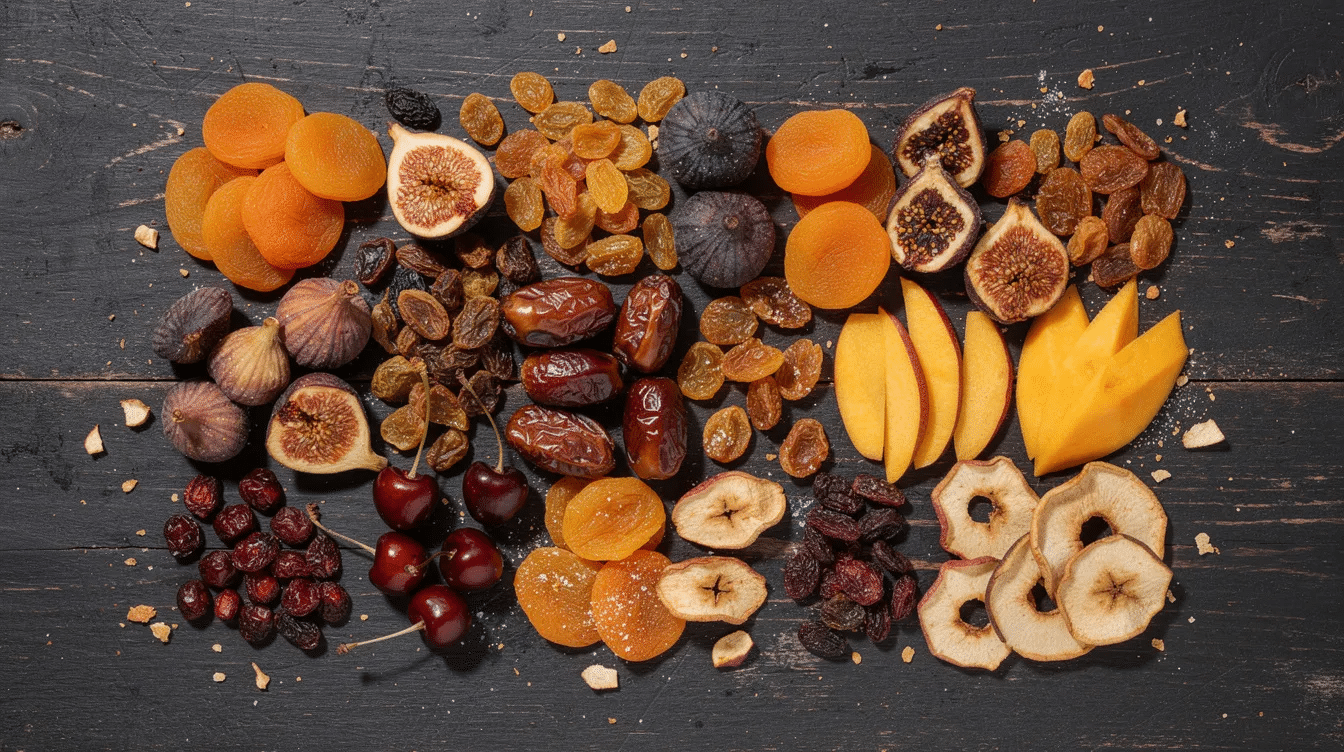
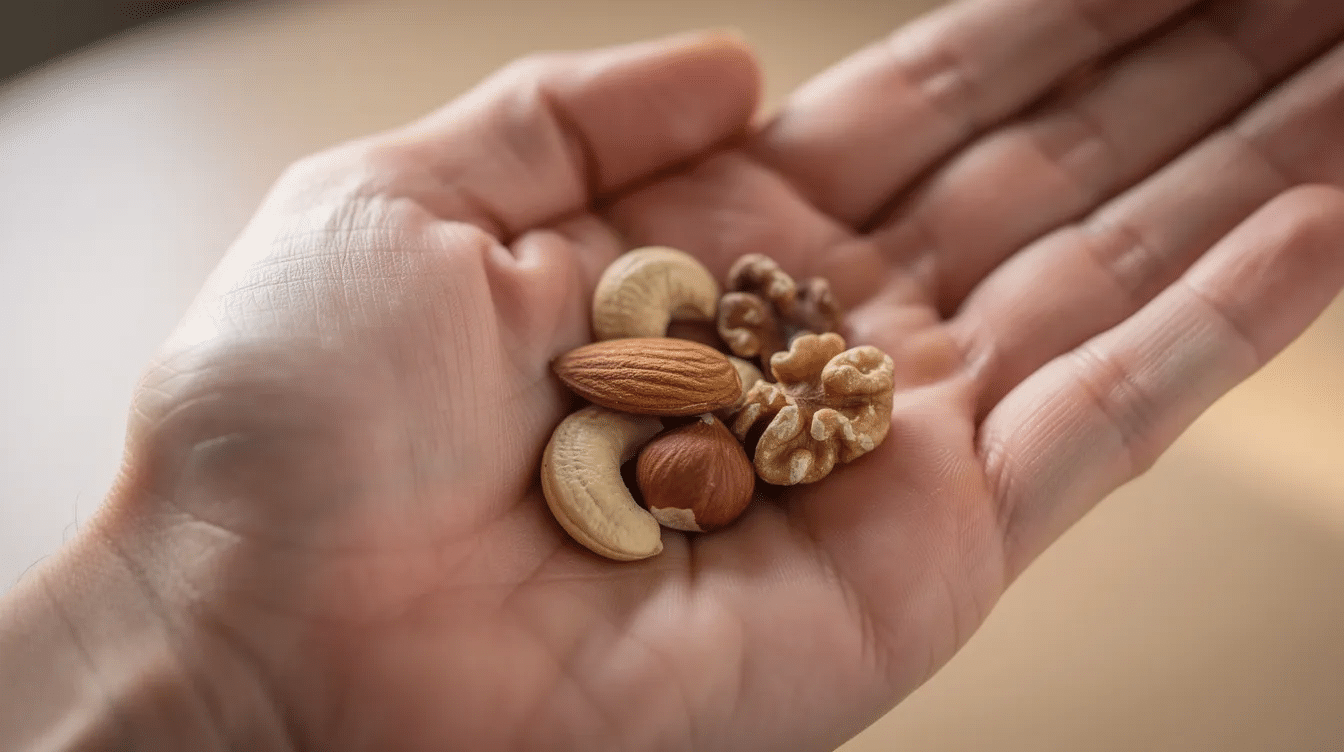
In everyday language, “dried fruit” or “dry fruits” can mean two very different things. In many cultures, the term covers both tree nuts (almonds, walnuts, pistachios, cashews) and traditional sweet dried fruits (raisins, dates, prunes, apricots, figs, dried apples). Research treats these groups separately, and for good reason.
Nuts and seeds are naturally high in healthy fats, protein, minerals, and fibre. Several studies consistently link regular nut consumption to lower ldl cholesterol and reduced heart disease risk. Their nutrient profile is naturally low in sugar and naturally high in compounds that directly improve blood lipids.
Traditional dried fruits are a different story. The dehydration process concentrates natural sugars and calories in dried fruit, often making them two to three times more calorie-dense than the same weight of fresh fruits. They do provide fibre, potassium, and polyphenols, and most essential nutrients are largely retained during dehydration, but they lack the healthy unsaturated fats that give nuts their cholesterol-lowering edge.
When we ask “is dried fruit good for cholesterol,” nuts almost always show stronger LDL-lowering effects in clinical trials than sweet dried fruits. A smart approach is to make nuts your cholesterol hero and let sweet dried fruits play a smaller, supporting role.
How Dried Fruit Affects Cholesterol Naturally
Understanding the mechanisms helps you make smarter food choices. Here is how nuts and dried fruits influence your lipid profile:
Replacing saturated fats with unsaturated fats helps lower cholesterol. When you swap butter, fatty meats, or pastries for a small handful of almonds or walnuts, you shift your fat intake toward monounsaturated fats and polyunsaturated fats. This encourages the liver to produce more LDL receptors, pulling bad cholesterol out of the bloodstream more efficiently.
Dried fruits contain soluble fibre which helps bind to cholesterol in the digestive tract. Soluble fibre from nuts, prunes, and dried apples binds bile acids in the gut. To replace those bile acids, the liver draws more cholesterol from the blood, effectively lowering circulating levels.
Plant sterols in nuts structurally resemble cholesterol and compete with it for absorption in the intestine. At doses of roughly 1–3 grams per day, phytosterols can reduce LDL by about 6–12%.
Dried fruits are rich in antioxidants and polyphenols that reduce inflammation and oxidative stress. When LDL particles are oxidized, they become far more dangerous to artery walls. Polyphenols in raisins, prunes, dates, and nuts help reduce inflammation and protect LDL from that oxidation.
The Best Nuts (Dry Fruits) for Lowering Cholesterol
Among all dried fruits, nuts have the strongest and most consistent evidence for lowering cholesterol. A pooled analysis of 25 intervention trials found that eating nuts can lower LDL cholesterol by 8% to 12% when consumed at around 45–50 grams per day. The benefits come from a package of nutrients rather than any single compound.
Regular nut consumption can reduce heart disease risk by 35% to 44%, according to large observational studies. Here is how the top performers compare:
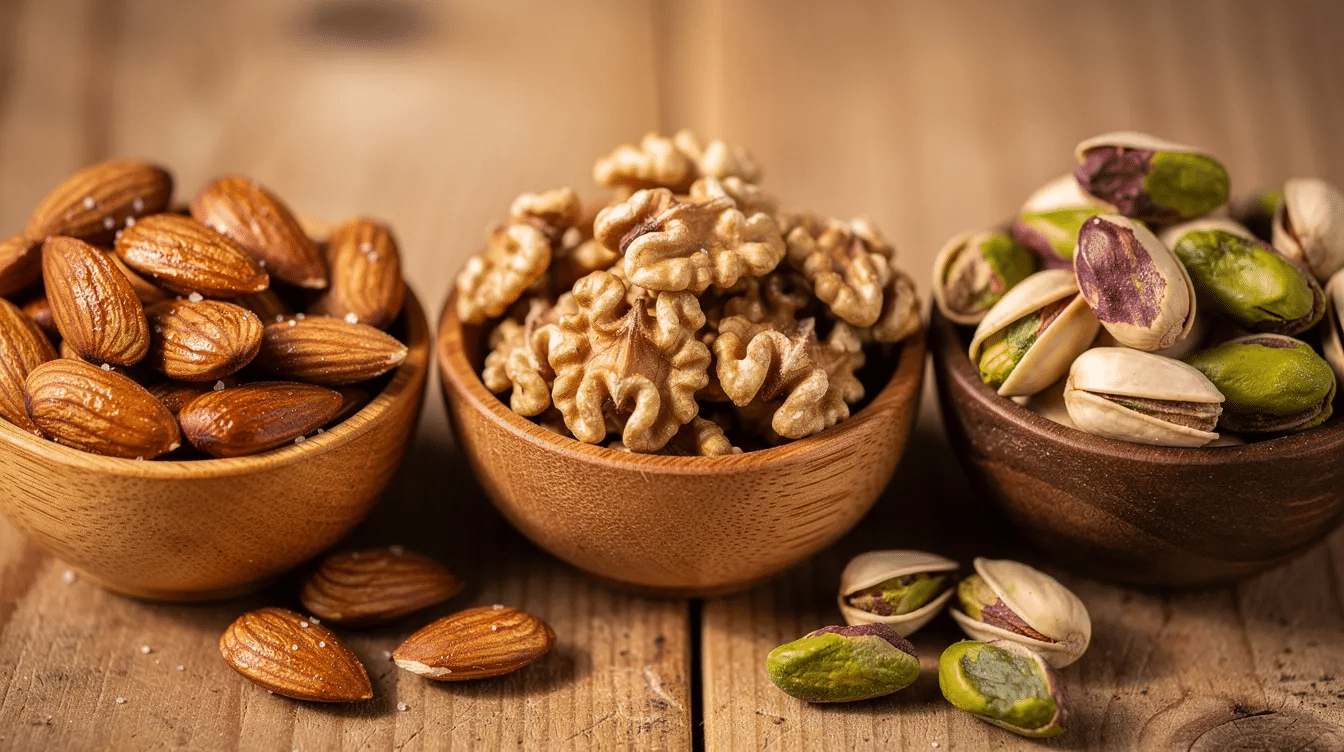
Almonds are high in monounsaturated fats and vitamin e, making them especially effective at lowering LDL. Almonds can lower LDL cholesterol by 8% to 12% when eaten daily as part of a healthy diet. They also deliver more fibre and more nutrients per calorie than many other snack foods.
Walnuts are rich in omega-3 fatty acids (ALA), which makes them uniquely helpful for lowering triglycerides alongside LDL and total cholesterol. One early trial published in the New England Journal of Medicine found walnut-rich diets reduced LDL by over 16% when substituting for saturated fats.
Pistachios contain 272 mg of phytosterols per 100g, the highest among common snack nuts. They also provide potassium, which assists in managing blood pressure. Pistachios lower LDL cholesterol by 8% to 12% in well-designed trials.
Peanuts, though technically legumes, deliver a similar nutrition profile to tree nuts. They can help raise hdl cholesterol levels and balance the overall lipid profile when eaten unsalted and uncoated.
Hazelnuts and macadamias are high in monounsaturated fats and useful for variety, even if studied less often.
Rotating two or three types of nuts through the week is likely better for long-term heart health than relying on a single variety. Even a few nuts each day can make a measurable difference.
Traditional Dried Fruits: Helpful but High in Natural Sugar
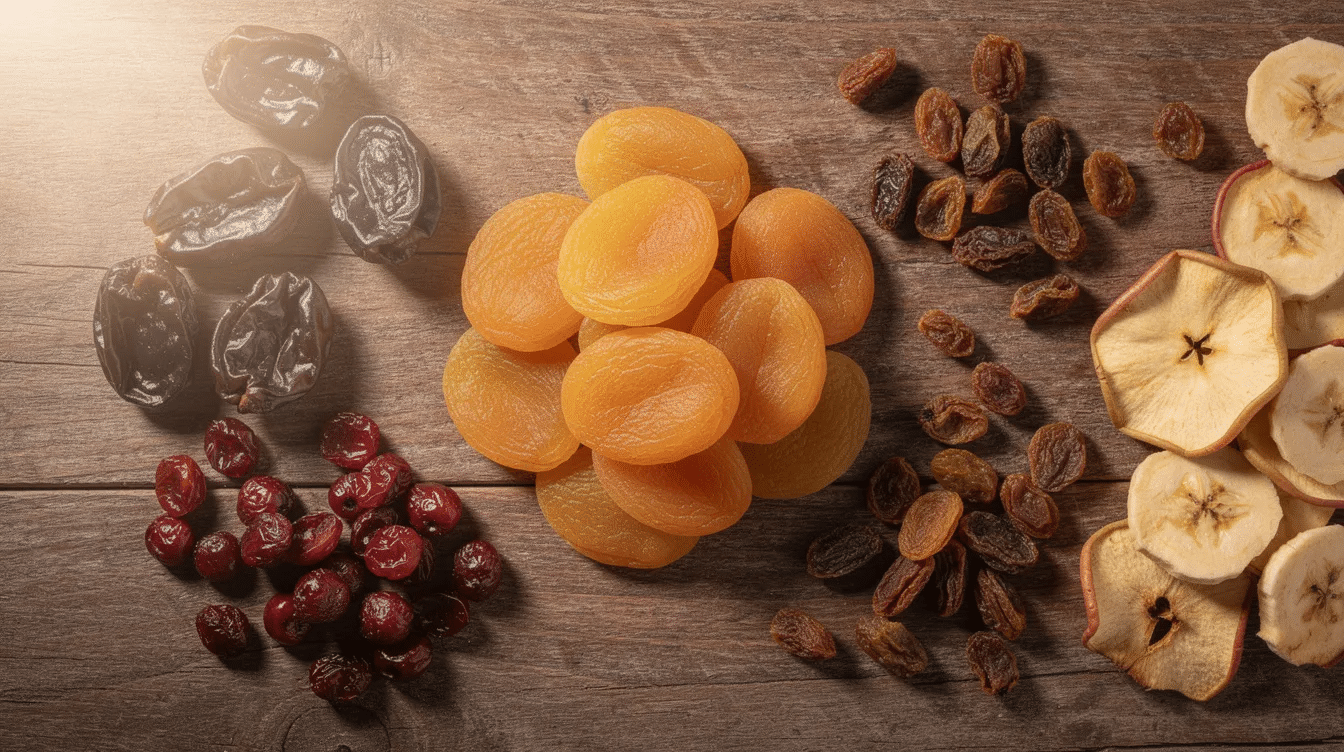
Traditional dried fruits like prunes, dried apples, raisins, apricots, and dates can support heart health, but portion control is essential, especially for people with high cholesterol, high levels of triglycerides, or insulin resistance. Choosing from the top dry fruits for optimal health and nutrition can help you balance overall wellness with cholesterol management.
Prunes significantly reduce cholesterol levels due to soluble fibre. In an 8-week crossover study, men consuming 100g of dried plums daily saw LDL drop from about 158 to 151 mg/dL, with increased bile acid excretion confirming the fibre mechanism. Beyond cholesterol, understanding that prunes are simply specific dried plum varieties highlights why they are so rich in fibre, antioxidants, and other beneficial nutrients.
Clinical studies show dried apples or prunes may lower LDL cholesterol and inflammatory markers. In a year-long trial with postmenopausal women, 75g of dried apple daily lowered atherogenic cholesterol significantly by three months, while prunes contributed roughly an 8% LDL reduction over twelve months.
Dried fruits provide a dense source of potassium which assists in managing blood pressure. Raisins and apricots are particularly rich in potassium, though their concentrated sugars mean portions must stay small to avoid raising triglycerides or blood sugar. Even dehydrated citrus fruits offer surprising benefits for immunity, gut health, and antioxidants when used thoughtfully in a heart-healthy diet.
Dates may lower total cholesterol and raise HDL cholesterol levels. A randomized trial in adults with type 2 diabetes found that three dates daily for 16 weeks reduced total cholesterol by about 8 mg/dL, though LDL changes were smaller and not always statistically significant. Knowing the best ways to store fresh and dried dates helps preserve their texture and nutrient quality while you use them in controlled portions.
Eating large portions of dried fruits can raise LDL cholesterol. Eating large amounts of sweet dried fruits without calorie reduction can raise LDL cholesterol because the extra calories and sugar overwhelm any fibre benefit. For most adults, a daily serving of a quarter cup of dried fruits is recommended, preferably unsweetened and paired with nuts.
Which Dried Fruit Is “Best” for Cholesterol? Practical Rankings
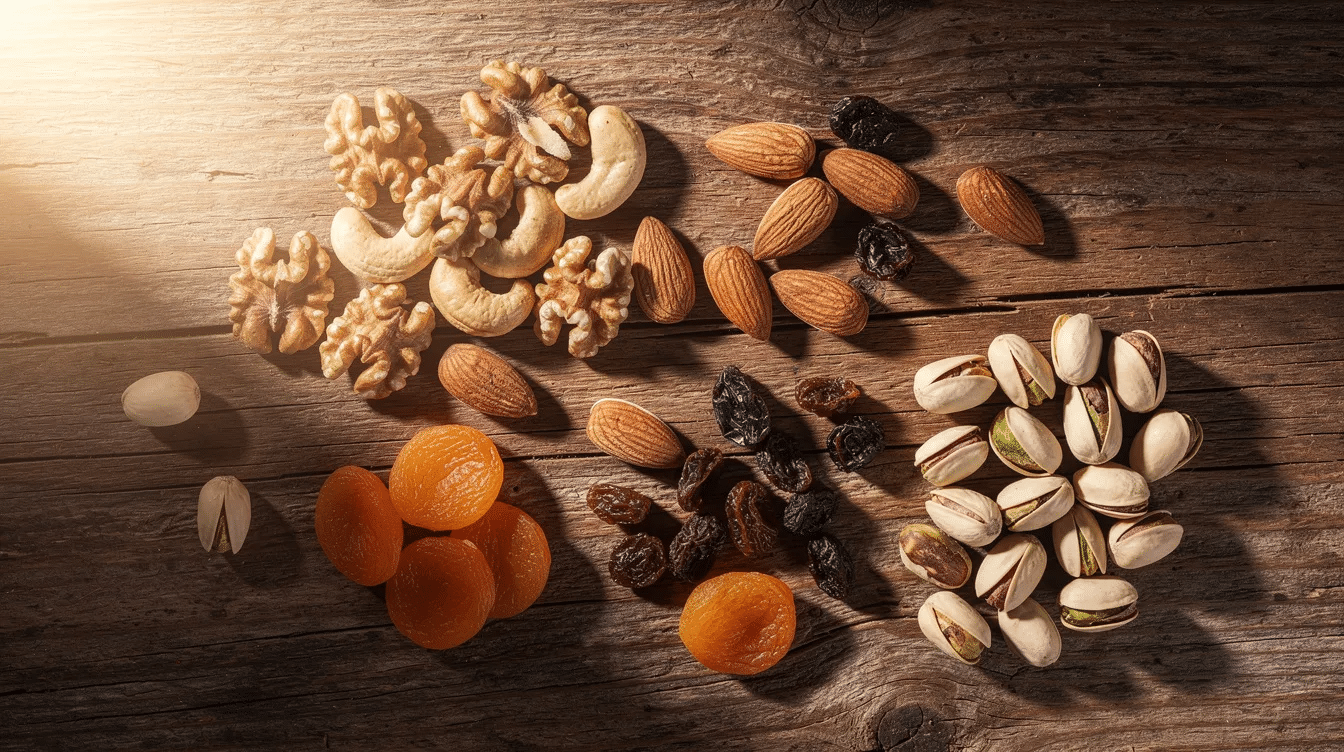
For lowering LDL, nuts outperform sweet dried fruits almost every time. Here is a practical ranking based on the clinical evidence, which you can easily apply when building a homemade dried fruit and nut mix as a healthier snack instead of processed options:
Top tier for cholesterol control: Almonds, walnuts, pistachios, and peanuts. These deliver healthy unsaturated fats, fibre, and plant sterols that directly lower ldl and reduce cholesterol. Almonds help lower LDL cholesterol levels effectively and consistently across several studies.
Middle tier: Prunes, dried apples, and figs. These provide meaningful soluble fibre and antioxidant support and can contribute to modest LDL reductions. Unsweetened dried fruits like raisins and prunes are good choices for heart health when eaten in controlled amounts.
Caution tier: Very sweet dried fruits like dates and sugar-heavy trail mixes. They still provide micronutrients but can contribute excess sugar and extra calories if eaten freely.
Dried fruits can be part of a heart-healthy diet when consumed in appropriate portions. The “best” dried fruit is also the one you will reliably eat dry fruits in place of less healthy foods. Swapping biscuits or fried snacks for a small handful of almonds and a few raisins is a practical win. Moderate portions of unsweetened dried fruit fit well into heart-healthy dietary patterns. People with diabetes, metabolic syndrome, or high triglycerides should focus more heavily on nuts and limit very sugary dried fruits.
How Much Dried Fruit to Eat Per Day to Help Lower Cholesterol
Research points to a clear range: eating 45g to 50g of nuts daily can lower cholesterol, and up to a quarter cup (30–40g) of traditional dried fruit rounds out a heart-supportive pattern for most adults.
Here is what that looks like in practice:
Morning: 15–20g of walnuts sprinkled on oats or yogurt
Afternoon snack: A small handful (25–30g) of almonds or pistachios instead of chips or cookies, or a portion of freeze-dried fruits for healthy snacking if you prefer a lighter, crunchy option
Portion size matters for dried fruits because they are calorie-dense compared to fresh fruits. A small handful of nuts delivers roughly 160–200 calories, and sweet dried fruits pack a lot of sugar into a small volume.
If you are eating for both cholesterol and weight management, the key principle is replace, not add. Substitute nuts and dried fruits for processed snacks and desserts rather than layering them on top of existing intake. The american heart association recommends similar dietary swaps as part of heart-protective nutrition.
Children, people with smaller bodies, and those with chronic kidney disease should work with a healthcare professional to set appropriate portions.
Best Ways and Times to Eat Dry Fruits for Heart Health
Timing is flexible, but consistency and context matter more for heart health than the exact clock time. What you replace with nuts and dried fruits is more important than when you eat them.
Practical strategies that work:
Mid-morning or mid-afternoon snack: Replace pastries, cakes, or fried snacks with a small handful of unsalted almonds or pistachios
Breakfast boost: Sprinkle walnuts over porridge made with oats or barley, creating a soluble fibre combination that enhances cholesterol binding
Salads and meals: Add nuts to vegetable dishes for crunch and healthy fats
Choose plain versions: Pick unsalted nuts and dried fruits with no added sugar or syrup to avoid hidden sodium and glucose that can raise blood pressure or triglycerides
Raw or dry-roasted nuts are preferable to deep-fried or oil-roasted varieties. Deep frying can damage healthy unsaturated fats and add saturated fats that undermine your goals.
For many people, eating nuts earlier in the day or as part of meals improves satiety and makes it easier to avoid evening overeating, indirectly supporting cholesterol and weight management.
Safety, Side Effects, and Who Should Be Careful with Dried Fruits
For most adults, moderate daily portions of nuts and dried fruits are safe and beneficial. However, some groups need specific precautions:
Allergies: Tree nut and peanut allergies can be severe and life-threatening. Anyone with a history of reactions must avoid the offending nuts and check labels for cross-contamination.
Kidney disease: Some nuts and dried fruits are high in potassium and phosphorus. People with advanced chronic kidney disease should adjust intake only under medical guidance.
Kidney stones: Almonds, cashews, and peanuts are higher in oxalates and may need to be limited for people prone to calcium oxalate stones, based on urologist or dietitian advice.
Digestive issues: Large servings of prunes, raisins, and other sorbitol-rich fruits may cause gas, bloating, or diarrhea. Increasing fibre gradually and drinking more water can help.
Nuts themselves do not interact with common cholesterol medication like statins, but some foods (for example, grapefruit juice) may, so confirm diet changes with your clinician. Anyone with very high cholesterol, known heart disease, or multiple risk factors should see dietary changes as a complement to professional treatment, not a replacement.
How Long Before Dried Fruit Changes Your Cholesterol Numbers?
Small improvements in LDL and total cholesterol can appear after about three to six weeks of consistent nut intake and overall dietary changes. More substantial, stable changes typically require three to six months.
Clinical trials on nuts and dried fruits generally run four weeks to twelve months and have shown; similarly, if you make your own dried plums at home, you can enjoy their benefits consistently over time:
Modest reductions in LDL cholesterol, often in the 8–12% range, with daily nut consumption at research doses
Additional benefits such as reduced markers of inflammation and better HDL levels when nuts and other heart-healthy foods are combined
Individual responses vary considerably based on genetics, baseline diet, body weight, physical activity, smoking status, and medication use. Someone starting with high levels of LDL or a diet heavy in saturated fats will likely see bigger improvements than someone whose diet is already relatively clean.
Plan to recheck cholesterol with your healthcare provider about three months after making steady dietary changes to evaluate early progress, and again at six to twelve months for longer-term tracking. Cholesterol management is a permanent lifestyle pattern, not a short challenge. Building nuts and dried fruits into your daily routine in a way you enjoy is what makes the difference sustainable.
FAQs: Dried Fruit and Cholesterol
This section answers common questions not fully covered above, focusing on practical daily decisions. These answers are general nutrition information and not personal medical advice. If you have a medical condition, confirm details with your doctor or dietitian.
Can dried fruit alone lower high cholesterol, without other diet changes?
Relying only on dried fruits, even heart-healthy nuts, is rarely enough to normalize high cholesterol if the rest of the diet is high in saturated fats, trans fats, and refined carbohydrates. Best results come when nuts and moderate dried fruits are part of a pattern that also eliminates processed meats, includes more vegetables, whole grains, and beans, and involves regular physical activity. These dietary changes work together to reduce cholesterol. Medication may still be necessary for people with very high LDL or existing heart disease, even with excellent diet changes. Think of dried fruits as one effective tool in a broader strategy for lowering cholesterol and achieving healthy cholesterol levels.
Are dates good or bad for cholesterol and heart health?
Dates are naturally rich in potassium, fibre, and antioxidants, and they contain zero cholesterol. However, they are also very high in natural sugars and calories. Small amounts, for example one to two dates paired with a few nuts, can fit into a heart healthy diet. But large daily portions may raise triglycerides and make weight management harder, indirectly affecting cholesterol. People with diabetes, prediabetes, or high triglycerides should limit dates or choose lower-sugar dried fruits and prioritize nuts for cholesterol benefits. Used wisely, dates can be part of a balanced approach without undermining your goals.
Is it better to eat raw, soaked, or roasted nuts for cholesterol control?
Raw and dry-roasted nuts (no added oil or added sugar) generally provide similar cholesterol benefits because the key components, healthy unsaturated fats, fibre, and plant sterols, are preserved by gentle roasting. Deep-frying nuts in oil, roasting at very high temperatures, or applying candied coatings can damage unsaturated fats or add significant saturated fats and sugar, which undermines heart health. Soaking or “activating” nuts has not been proven to improve cholesterol outcomes and may leach out some minerals and fats. Soaking is optional for taste or texture, not necessary for health.
Can I eat dried fruits if I have both high cholesterol and high blood pressure?
Many nuts and unsweetened dried fruits fit well in a diet for both high cholesterol and high blood pressure, provided portions are controlled and salty or sugar-coated products are avoided. Potassium-rich dried fruits like raisins, prunes, and apricots may help regulate blood pressure, while healthy unsaturated fats in nuts support lipid control and overall heart health. Salted nuts and highly processed snack mixes can raise sodium intake and should be swapped for plain, unsalted versions. If you are managing both conditions, work with a professional to tailor total sodium, potassium, and calorie intake to your situation.
Do I still need medication if I regularly eat nuts and other heart-healthy dried fruits?
Many people can improve their cholesterol enough with significant, sustained lifestyle changes to reduce their need for medication, but others will still require drugs like statins despite an excellent diet. Only a healthcare professional can decide whether it is safe to lower ldl targets through diet alone or to reduce or stop cholesterol medication, based on lab results, overall risk, and medical history. Even if medication remains necessary, a diet including nuts and moderate dried fruits enhances protection by improving blood fats, blood pressure, body weight, and inflammation. Diet and medication are partners, not competitors, in keeping your body healthy for the long term.
DannyContent Writer
Hey there, since 2016, my mission has been to provide you with the information and guides you need to make food dehydrating simple and fun. Whether you're a newbie or a seasoned pro, my site offers helpful guides, reviews, and recipes to enhance your dehydrating experience. I take pride in only recommending products I believe in, ensuring my readers' trust. As an affiliate of various programs, including Amazon Associates, your support helps me continue providing quality content. Thanks for stopping by, and happy dehydrating!