We earn a commission if you make a purchase, at no additional cost to you.
09/22/2026 04:39 pm GMT
🍊 Dehydrated Food Info Finder — Temperatures & Drying Times
Choose a category, then pick a food to see its drying temperature and time.
⚠️ Safety Disclaimer: Drying times are estimates and vary based on slice thickness, food moisture content, humidity, and your dehydrator model. Always check for doneness before storing — food should feel dry, leathery, or brittle with no moist spots. Improperly dried food can harbour mould and bacteria. For meat and poultry, follow USDA safe internal temperature guidelines: beef and pork to 160°F (71°C), poultry to 165°F (74°C). Use a food thermometer when in doubt. Store all dehydrated foods in airtight containers in a cool, dark place and discard anything showing moisture, mould, or off odours.
Is Beef Jerky Good for Diabetics? Exploring Benefits, Nutrition, and Alternatives
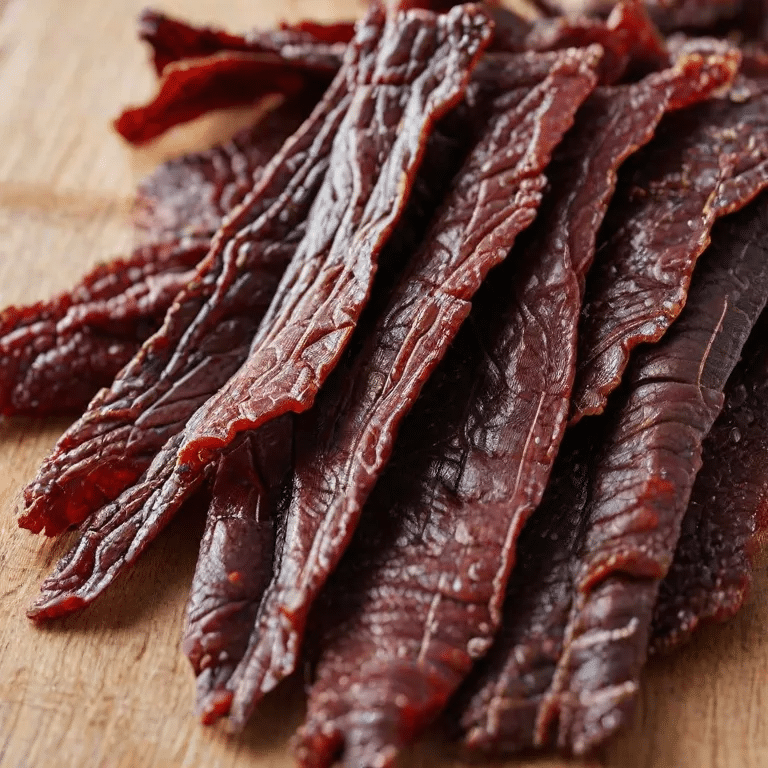
Diabetes affects millions by disrupting how the body handles blood sugar, so snack choices matter. Beef jerky can be good for diabetics when you choose it carefully, since it is high in protein and usually low in carbohydrates, which can help support steadier blood sugar levels.
If you have diabetes, want better blood-sugar-friendly snacks, or make your own dried foods at home, knowing what to look for in jerky can help you avoid options loaded with sugar, sodium, and preservatives. This guide breaks down the nutrition of beef jerky, how it may affect blood sugar, the main pros and cons for diabetics, smart portion sizes and timing, and how to choose or make diabetic-friendly jerky.
Nutritional Breakdown of Beef Jerky
Beef jerky is a nutrient-dense snack packed with high protein, which helps keep you full and maintain muscle mass. It’s low in carbohydrates, making it a low-glycemic index food, and ideal for those monitoring their blood sugar levels. The snack is also low in calories and can be seasoned in different flavors without adding artificial sweeteners. Some varieties may include added sugar and preservatives, so always check the label before snacking. Lastly, beef jerky provides healthy fats and is gluten-free, fitting well into a balanced diet.
How Beef Jerky Affects Blood Sugar Spikes
Beef jerky, being high in protein and low in processed carbs, generally has a minimal impact on blood sugar levels, and lower-sugar options are less likely to spike blood sugar because they contain few fast-digesting carbs. The high protein content helps to keep you full and satisfied, reducing the chances of sudden blood sugar spikes. However, when you choose beef jerky, look for zero or low added sugars and prefer minimally processed options. To avoid these pitfalls, diabetics should check ingredient labels for hidden sugars and high sodium levels. It also should not be used to treat low blood sugar because it does not provide fast-acting carbs. Making homemade beef jerky can also be a good way to control sugar and salt content, ensuring you get a healthy, diabetes-friendly snack; following guidance on whether homemade beef jerky is healthy can help you balance nutrients and ingredients.
Pros and Cons of Beef Jerky for Diabetics
When considering beef jerky for diabetics, it’s crucial to weigh both the advantages and potential drawbacks. Let’s explore some key points:
Pros:
High Protein Content:Beef jerky is a great source of protein, which can help keep you feeling full and satisfied, reducing the urge to reach for high-carb, sugary snacks that can cause blood sugar spikes.
Low Carb: Most beef jerky products are low in carbohydrates, making them a suitable snack option for maintaining stable blood sugar levels. This low carb content also means it has a low glycemic index, crucial for diabetics.
**Portability:**Beef jerky is easily portable, making it a convenient snack for diabetics on the go. It doesn’t require refrigeration, which means you can keep it handy without worrying about spoilage.
Variety of Flavors: Available in many delicious flavors such as peppered, teriyaki, and smoked, beef jerky can be an enjoyable and tasty addition to a diabetic diet.
Cons:
High Sodium Content: Many commercial beef jerky products are high in sodium, and some exceed 700 mg per serving, which takes up a large share of the 2,300 mg daily limit and can contribute to high blood pressure and other cardiovascular issues, a concern for many diabetics. Choose low-sodium options with less than 400 mg sodium per serving or make your own to reduce this issue.
Added Sugar: Some brands add sugar to enhance the flavor, which can negatively impact blood sugar control. It’s imperative to select sugar-free or low-sugar varieties and to read nutrition labels carefully.
Preservatives: Commercial beef jerky should be checked for added preservatives; opt for nitrate-free or uncured beef jerky, since nitrates may raise insulin resistance risk. Because traditional beef jerky is processed meat, it is best enjoyed in moderation as an occasional snack rather than an everyday staple, especially given the possible health risks and increased risk concerns tied to additives.
Overall, beef jerky can be a perfect snack for diabetics when chosen wisely and consumed in moderation. Its high protein content and low carbs make it a beneficial option, but it’s important to be mindful of sodium, sugar, and added preservatives to avoid any adverse health effects.
Ideal Portion Sizes and Timing for Eating Beef Jerky
When it comes to incorporating beef jerky into a diabetes-friendly diet, understanding the right portion sizes and the best times to eat it is crucial. A modest portion is ideal, typically around 1 ounce or 28 grams, which equates to about one serving. This size delivers the benefits of high protein without going overboard on calories, carbs, or sodium. For those on a low-carb diet, beef jerky offers a great option as it’s relatively low in carbohydrates and won’t cause significant blood sugar spikes.
The timing of consuming beef jerky can also impact blood sugar control. It’s best enjoyed as a between-meal snack rather than as part of a main meal. To combine protein from jerky with fiber rich foods and make a balanced snack, try it alongside plain Greek yogurt topped with chia seeds. Another simple idea for diabetes friendly snacks is jerky with apple slices instead of whole grain toast, depending on what fits your carb goals. Given its protein content, beef jerky is especially useful for curbing cravings, making it a perfect snack to keep handy when you’re on the go or need a quick, satisfying bite.
However, not all beef jerky is created equal. Some brands may have added sugars, artificial sweeteners, or high sodium content, which can negatively impact overall health. Always check the nutrition label for serving size, choose options with 2g or less added sugar per serving, and look for less than 300 mg of sodium per serving when possible; consider those labeled as gluten-free and dairy-free if you have additional dietary concerns. Making your own beef jerky is another excellent way to control the ingredients and ensure it fits within your dietary guidelines, especially if you use dehydrator jerky recipes for perfect homemade snacks to fine-tune flavor and texture.
In summary, portion control and mindful timing are key when enjoying beef jerky. Sticking to a one-ounce serving and having it as a snack can help diabetics enjoy the convenience and taste of this high-protein option without compromising on blood sugar control or overall health.
Is Beef Jerky Good for Diabetics?
When assessing whether beef jerky is good for diabetics, it’s important to consider its nutritional profile and how it fits into a diabetic-friendly diet. Beef jerky is known for being high in protein and low in carbohydrates, making it a potentially suitable snack for managing blood sugar levels. However, not all jerky is created equal, and diabetics should be cautious of varieties that contain added sugar and high sodium content; a low carb option usually has 2 g or less added sugar per serving.
First and foremost, the high protein content in beef jerky can help keep you feeling full longer, reducing the likelihood of blood sugar spikes caused by carbohydrate-rich snacks. Given its low carb nature, beef jerky may contribute to better blood sugar stability, which is crucial for diabetics. The key here is to select jerky varieties that are low in sugar or even sugar free, checking total carbs and carb count on the label for a blood sugar friendly snack and to avoid unwanted blood sugar fluctuations.
Additionally, many beefjerky products are flavored with spices like pepper and other seasonings, making them a tasty option that fits into a balanced diet. It’s wise to opt for products that are low in sodium and free from artificial sweeteners and preservatives, which can impact overall health negatively if consumed in excess. Store bought beef jerky and other packaged snacks may also contain hidden carbs such as corn syrup or sugar alcohols.
Experts often recommend reading nutrition labels carefully. Look for beef** jerky** options that have minimal ingredients, a quality protein source, and lower saturated fat, preferably grass-fed beef with simple seasonings. For those who want complete control over the ingredients, making homemade beef jerky can be an ideal choice. By preparing your own jerky, you can ensure it’s both healthy and tailored to fit a diabetic-friendly diet. People with heart health concerns, high blood pressure, kidney disease, or those following a keto diet should ask a healthcare provider for personalized guidance.
In conclusion, diabetics can eat beef jerky, and it can even be a perfect snack when chosen wisely. The emphasis should be on low sugar and low sodium versions, making it a beneficial and delicious addition to a diabetes management plan. Think of beef jerky as one of several good snacks, alongside low carb snack alternatives like roasted chickpeas, seaweed snacks, pumpkin seeds, sunflower seeds, or Greek yogurt. These are blood sugar friendly snack ideas when portioned carefully and paired within a balanced diet.
DannyContent Writer
Hey there, since 2016, my mission has been to provide you with the information and guides you need to make food dehydrating simple and fun. Whether you're a newbie or a seasoned pro, my site offers helpful guides, reviews, and recipes to enhance your dehydrating experience. I take pride in only recommending products I believe in, ensuring my readers' trust. As an affiliate of various programs, including Amazon Associates, your support helps me continue providing quality content. Thanks for stopping by, and happy dehydrating!