We earn a commission if you make a purchase, at no additional cost to you.
09/22/2026 04:39 pm GMT
🍊 Dehydrated Food Info Finder — Temperatures & Drying Times
Choose a category, then pick a food to see its drying temperature and time.
⚠️ Safety Disclaimer: Drying times are estimates and vary based on slice thickness, food moisture content, humidity, and your dehydrator model. Always check for doneness before storing — food should feel dry, leathery, or brittle with no moist spots. Improperly dried food can harbour mould and bacteria. For meat and poultry, follow USDA safe internal temperature guidelines: beef and pork to 160°F (71°C), poultry to 165°F (74°C). Use a food thermometer when in doubt. Store all dehydrated foods in airtight containers in a cool, dark place and discard anything showing moisture, mould, or off odours.
In the quest for healthy, energy-boosting snacks, one kitchen appliance stands out. The food dehydrator.
This device, often overlooked, is a powerhouse for creating nutritious, homemade snacks. It’s a tool that can transform your kitchen into a hub for healthy eating.
Dehydrated foods retain most of their nutritional value, making them excellent energy-boosting snacks. They’re also cost-effective, reducing waste and saving money on store-bought alternatives thanks to their lightweight, space-saving, and long-lasting nature.
But how does a work? What types of snacks can you create? And how do you choose the right one for your needs?
A food dehydrator is a device that removes moisture from food. It does this through a combination of heat and airflow.
The heat gently warms the food. This causes the water inside to evaporate.
The dehydrator’s fan then circulates air to carry away the moisture. This prevents mold and bacteria from growing.
By removing water, the food shrinks and becomes concentrated. This process enhances the food’s flavor and extends its shelf life.
Understanding how a dehydrator works is the first step to creating delicious, energy-boosting snacks at home.
The Benefits of Dehydrated Snacks
Dehydrated snacks offer numerous benefits. They are not only tasty but also packed with nutrients, and understanding the nutritional value of dehydrated foods can help you use them more strategically for health and energy.
They are also lightweight and easy to carry. This makes them perfect for on-the-go snacks or for packing in lunch boxes.
Dehydrated snacks are versatile. You can enjoy them on their own or add them to other dishes for extra flavor and nutrition.
Here are some additional benefits of dehydrated snacks:
They are cost-effective, especially if you buy fruits and vegetables in season and in bulk.
You have control over the ingredients, allowing you to avoid additives and preservatives.
They help reduce food waste, as you can dehydrate leftovers or overripe fruits and vegetables.
They are energy-dense, providing a quick and convenient source of energy.
They are suitable for various dietary needs, including vegan, gluten-free, and paleo diets.
How Dehydrating Preserves Nutrients
Dehydration is a method of food preservation that works by removing water. This process slows down the growth of bacteria, yeast, and mold that can cause food to spoil.
While some vitamins, like vitamin C, can be reduced during dehydration, many nutrients remain intact, though essential vitamins may be affected differently. In fact, dehydrated foods can be richer in fiber and minerals compared to their fresh counterparts, and foods with complex carbohydrates offer an energy source because fiber in those foods slows digestion, which helps support stable blood sugar and sustained energy.
Moreover, because dehydrated foods are concentrated, they can provide a more potent dose of nutrients in a smaller serving, and carbohydrates are the body’s primary source of energy. This makes them a great option for energy-boosting snacks.
Selecting the Right Food Dehydrator
Choosing a food dehydrator can seem daunting, but it doesn’t have to be. The key is to consider your needs and preferences.
Also, consider the noise level. Some dehydrators can be quite loud, which might be a factor if you live in a small space or plan to run it overnight.
Lastly, consider the price and warranty. A good dehydrator is an investment, so it’s worth considering models with a solid warranty and good customer support.
Energy-Boosting Snack Ideas Using a Dehydrator
A food dehydrator opens up a world of healthy, energy-boosting snack options. The beauty of it is that you can experiment with different foods and flavors to boost energy and support energy levelsthroughout the day when you combine ingredients thoughtfully.
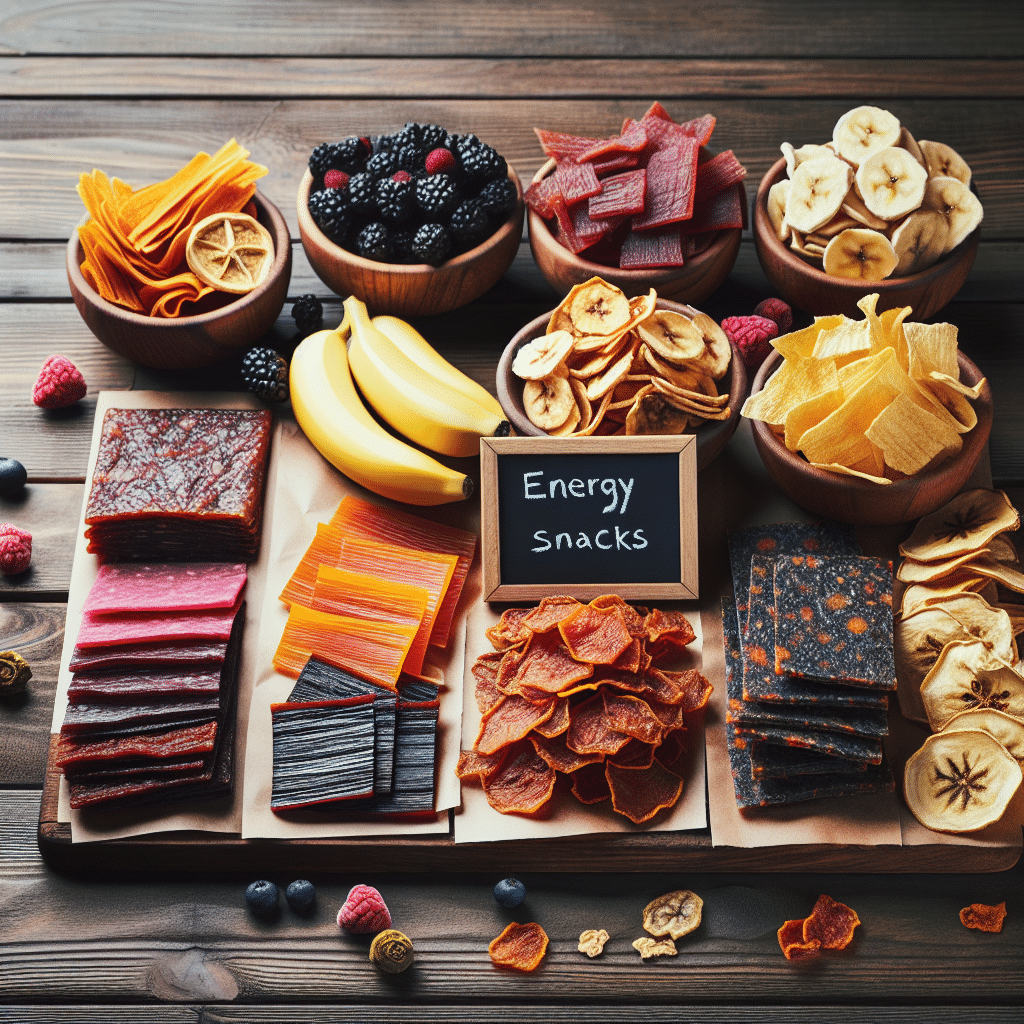
Fruits, vegetables, meats, and even nuts and seeds can be dehydrated. The result is a snack that’s not only tasty but also packed with nutrients. Dried fruit like dates or dried mango slices delivers a quick boost from natural sugars, while beef jerky offers steady energy that can help limit energy crashes.
Here are some snack ideas to get you started:
Dehydrated fruits like apples, bananas, and berries
Veggie chips made from kale, sweet potatoes, or zucchini
Homemade jerky from beef, turkey, or even salmon
Trail mix with dehydrated fruit, nuts, and seeds for portable snacks
Remember, the key to a good dehydrated snack is to start with high-quality, fresh ingredients. Happy dehydrating!
Fruits: Nature’s Candy
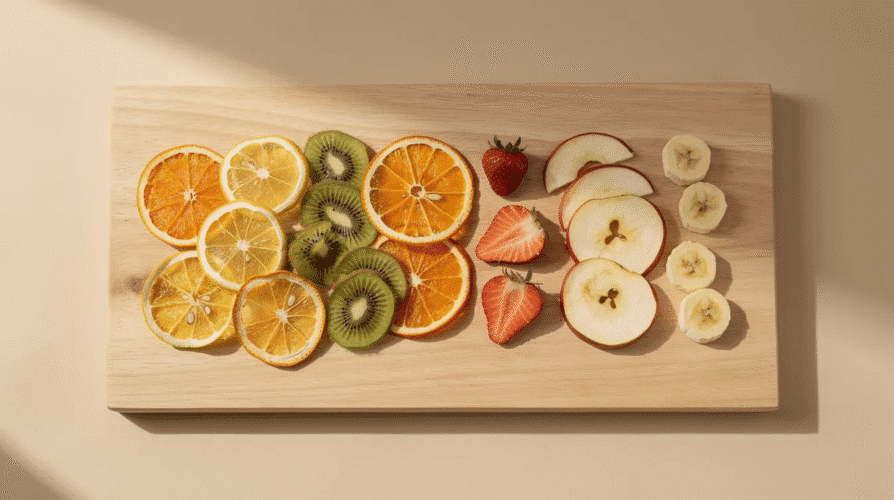
Dehydrated fruits are a simple snack made with healthy ingredients, and they’re packed with vitamins and fiber. Dehydrated bananas are a great example because their fiber supports slower release for sustained energy, so they can help curb a sweet craving without reaching for processed sugars.
You can dehydrate almost any fruit. Apples are an easy natural energy option, while dried berries add vitamins and antioxidants that help support lasting energy. Fresh berries also bring fiber and vitamin C, and bananas, berries, and mangoes are all worth trying alongside fruits like pineapple or apples.
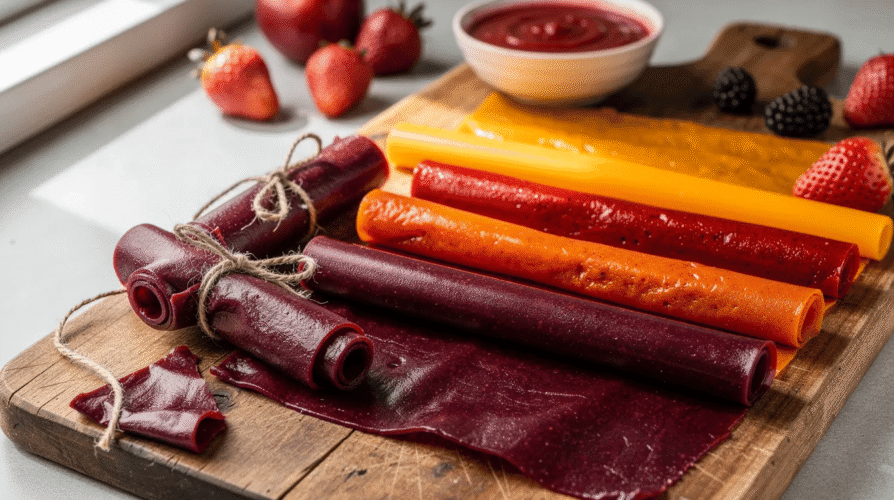
Remember to slice your fruit evenly for consistent drying. And don’t forget, dehydrated fruits can be rehydrated for use in baking or cooking. Homemade fruit leather is a convenient way to take fruit on the go, and banana chips are often called nature’s energy bar for a quick boost.
Veggie Chips: A Crunchy Alternative
If you’re a fan of crunchy snacks, veggie chips are a must-try. They’re one of those healthy snacks that can replace packaged snacks or processed snacks, and you can control the amount of salt and seasoning. Dehydrated vegetables are lighter than fresh vegetables but still provide fiber and essential vitamins.
Kale, sweet potatoes, zucchini, and other leafy greens make excellent chips, especially if you want more nutrient dense foods in your snack rotation. But again, feel free to experiment with other vegetables.
Just like with fruits, even slicing is key. And remember, the thinner the slice, the crispier the chip.
Protein-Packed Jerky
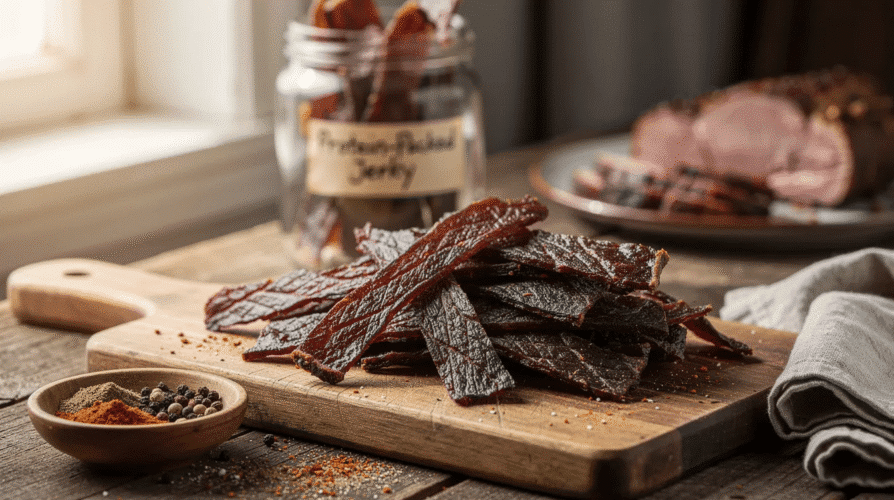
Homemade jerky is a protein-packed snack and a satisfying snack that’s perfect for on-the-go. It’s also a great way to use up leftover meat.
You can make jerky from beef, turkey, or even fish like salmon, and beef jerky is one of the ideal dehydrated snacks for energy support. Just remember to trim off any fat before dehydrating, as it can go rancid.
Don’t forget to marinate your meat for flavor. And remember, safety is key when making jerky, so always follow the recommended temperature settings, since protein also supports muscle repair and can help maintain steady energy levels.
Nuts and Seeds: Nutrient Powerhouses
Nuts and seeds are already nutrient-dense, and they provide healthy fats and protein that support a steady stream of energy; dehydrating them can also enhance their crunch and flavor. They’re an excellent energy-boosting snack.
You can dehydrate almost any nut or seed. Almonds, walnuts, and pumpkin seeds are popular choices, while chia seeds work well in homemade snack blends, and goji berries can be mixed in for a nutrient-dense sweet contrast. Nuts and seeds also pair well with dried fruit in trail mix for sustained energy and a steady stream of fuel.
Remember to soak your nuts and seeds before dehydrating. This helps to break down the phytic acid, making them easier to digest.
Tips for Dehydrating Foods for Sustained Energy
Dehydrating foods is an art. It requires patience and a bit of know-how. But once you get the hang of it, you’ll be rewarded with delicious, energy-boosting snacks designed for maintaining energy and supporting steady energy levels.
Here are some tips to help you get the most out of your dehydrator:
Always start with fresh, high-quality ingredients. The better the quality of your food, the better your dehydrated snacks will taste.
Slice your food evenly. This ensures consistent drying.
Don’t rush the process. Dehydrating takes time, but it’s worth the wait.
When planning snacks, pair complex carbs with lean proteins or healthy fats; protein helps stabilize blood sugar levels throughout the day, and combining carbs with protein supports more steady energy levels.
Remember, the goal is to remove moisture, not to cook the food. So keep your dehydrator at the recommended temperature settings. Happy dehydrating!
Storing and Enjoying Your Dehydrated Snacks
Storing your dehydrated snacks properly is crucial. Keep them in airtight containers, away from light and heat. This will help prevent spoilage while maintaining their freshness and nutritional value.
Dehydrated snacks are perfect for on-the-go activities. They’re lightweight, easy to pack, and don’t require refrigeration. Plus, they’re versatile. You can enjoy them as is, or rehydrate them for different culinary uses. Hydration matters too, since dehydration is a common cause of fatigue. Sipping water throughout the day supports maintaining energy because proper hydration helps regulate body temperature and transport nutrients. If you want a simple drink pairing, herbal teas can be a good caffeine-free option, while green tea offers a gentler lift.
Remember to label and date your homemade snacks. This way, you’ll always know what’s inside and when it was made. Enjoy your healthy, energy-boosting snacks!
Addressing Common Concerns and Questions
When it comes to dehydrated snacks, some questions often arise. Let’s address some of the most common concerns.
How Long Do Dehydrated Snacks Last?
The shelf life of dehydrated snacks varies. It depends on the type of food, storage conditions, and dehydration process. Generally, they can last from a few weeks to a year.
Proper storage is key. Keep them in a cool, dark place in airtight containers. This will help extend their shelf life.
Are Dehydrated Snacks Cost-Effective?
Yes, dehydrated snacks can be cost-effective. You can buy fresh produce in bulk when it’s in season and cheaper. Then, dehydrate it for later use.
Making your own snacks also means you’re not paying for packaging or branding. Plus, you’re reducing food waste by using up your produce before it spoils.
Can Dehydrated Snacks Fit Into My Diet?
Absolutely. Dehydrated snacks can fit into various diets, but they work best as part of a balanced diet when you want to keep your body energized instead of treating them like a standalone fix. They’re great for vegan, gluten-free, paleo, and keto diets.
Remember, you control the ingredients. So, you can make sure they align with your dietary needs. For more steady energy, pair them with Greek yogurt with fruit—one serving offers 12 grams of protein and can support gut health—or with avocado, eggs, lentils, almond butter, nut butter, or dark chocolate. One large egg contains 6.3 grams of protein, a cup of cooked lentils contains 17.9 grams of protein, and avocados provide protein, healthy fats, and fiber that help support stable blood sugar and sustained energy levels. Choose 70% cocoa for a steadier boost than sugary snacks, and use these pairings to build healthy snacks with nutrient dense ingredients instead of processed foods or less helpful dairy products.
Conclusion: The Joy of Homemade Energy-Boosting Snacks
Embracing the art of dehydration opens up a world of healthy, energy-boosting snacks. It’s a fun, cost-effective way to enjoy your favorite foods and explore new flavors.
With a food dehydrator, you can create snacks that are not only delicious but also packed with nutrients. So, why not give it a try?
Remember, the best snacks are the ones you make yourself. Enjoy the process and the tasty results!
DannyContent Writer
Hey there, since 2016, my mission has been to provide you with the information and guides you need to make food dehydrating simple and fun. Whether you're a newbie or a seasoned pro, my site offers helpful guides, reviews, and recipes to enhance your dehydrating experience. I take pride in only recommending products I believe in, ensuring my readers' trust. As an affiliate of various programs, including Amazon Associates, your support helps me continue providing quality content. Thanks for stopping by, and happy dehydrating!