We earn a commission if you make a purchase, at no additional cost to you.
09/22/2026 04:39 pm GMT
🍊 Dehydrated Food Info Finder — Temperatures & Drying Times
Choose a category, then pick a food to see its drying temperature and time.
⚠️ Safety Disclaimer: Drying times are estimates and vary based on slice thickness, food moisture content, humidity, and your dehydrator model. Always check for doneness before storing — food should feel dry, leathery, or brittle with no moist spots. Improperly dried food can harbour mould and bacteria. For meat and poultry, follow USDA safe internal temperature guidelines: beef and pork to 160°F (71°C), poultry to 165°F (74°C). Use a food thermometer when in doubt. Store all dehydrated foods in airtight containers in a cool, dark place and discard anything showing moisture, mould, or off odours.
Dry Icing: How to Make Fast-Drying Icing for Cookies and Cakes
Whether you’re shipping decorated cookies across the country or just trying to stack them in a tin without smudging, getting your icing to dry properly is half the battle. This guide breaks down exactly how to make dry icing that sets firm, looks clean, and holds up during storage and transport.
Key Takeaways
Dry icing typically refers to royal icing or powdered sugar icing that dries firm enough for stacking, shipping, or cookie decorating.
Fast drying depends on icing type (royal vs. powdered sugar glaze), consistency, and environment – temperature, airflow, and humidity all play a role.
The most effective method to speed up drying: keep cookies flat in a single layer, use a fan or dehydrator, try low-oven drying at around 180°F (~80°C), and opt for thicker icing for faster crusting.
Royal icing requires at least 6–8 hours to fully harden, while powdered sugar icing hardens in about 20 to 30 minutes on the surface.
Dry icing can be mixed to different consistencies for outlining, flooding, or drizzling.
What Is “Dry Icing”? (Royal Icing vs. Powdered Sugar Icing)
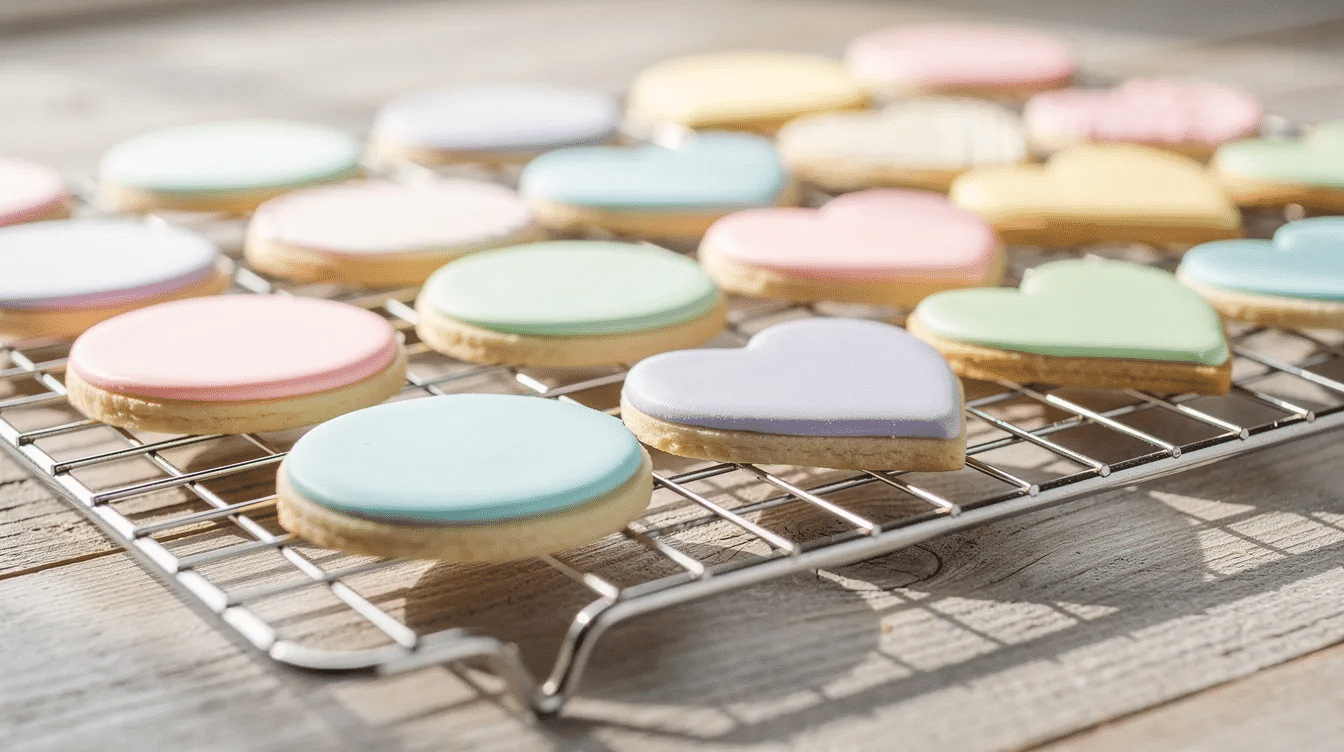
Dry icing is any icing that sets firm enough to resist smudging, allow handling, and hold decorative detail. Two main families dominate this category: royal icing and powdered sugar icing.
Royal icing is a mixture of powdered sugar and egg whites (or meringue powder) that dries hard with a smooth finish, making it the standard for cookie decorating and gingerbread houses. Royal icing acts as edible glue for structures such as gingerbread houses because its protein network locks rigid once moisture evaporates.
Simple powdered sugar icing – also called icing sugar glaze or glacé icing – combines powdered sugar with a liquid like water, milk, or orange juice. It dries to a softer, sometimes slightly crusty finish. Regular icing often remains soft and does not harden completely the way royal icing does.
Adding corn syrup changes both texture and dry time. More corn syrup produces a glossy finish and chewier texture but extends drying. Less or none gives a quicker, more matte finish. When bakers say they want “dry icing,” they usually mean royal icing that has dried enough to bag or transport cookies without smudging – typically after several hours or overnight.
Core Ingredients That Affect Drying Time
Every ingredient in your bowl directly influences how fast icing sets and how hard it becomes. Understanding these roles helps you adjust on the fly.
Powdered sugar (10X): High sugar content pulls moisture from the icing, helping it crust. Finer, well-sifted powdered sugar produces a smooth surface that dries more evenly. The small amount of cornstarch already present in commercial powdered sugar (~3%) also contributes to moisture management.
Egg whites or meringue powder: These are the “structure builders.” Royal icing requires powdered sugar and egg whites because proteins form a cross-linked network that hardens as moisture evaporates. Meringue powder offers more consistent results and reduces food-safety concerns compared to raw eggs.
Liquid type: Water dries fastest. Milk, cream, or juice contain fats and extra sugars that slow evaporation and lengthen drying time for both royal icing and powdered sugar icing.
Corn syrup: It keeps icing flexible and glossy, but even 1 tablespoon per cup of sugar can noticeably increase dry time compared to a syrup-free formula. Adding corn syrup to royal icing creates a shiny finish – useful for sheen, but a trade-off for speed.
Acid (lemon juice or cream of tartar): Stabilizes whipped egg whites, protecting the protein network and improving the final finish.
How to Make a Basic Dry Icing (Powdered Sugar Icing That Sets)
This simple glaze dries firm enough for handling but stays softer than royal icing – perfect for quick cookies, scones, or cakes in any dessert cuisine american home kitchen.
Ingredient guideline:
Ingredient
Amount
Powdered sugar, sifted
2 cups (240 g)
Milk or water
2–3 tablespoons
Vanilla extract
1 teaspoon
Light corn syrup (optional)
1 teaspoon
Sift the powdered sugar into a medium bowl. Whisk in the vanilla and most of the liquid until smooth, then adjust with drops of liquid or extra sugar to reach the desired consistency – thick but pourable. You can also swap milk for heavy cream; a powdered sugar glaze uses powdered sugar and heavy cream for a richer coating. A splash of almond extract or lemon juice works well for different flavors.
For a drizzle over bundt cakes or quick breads, keep the icing thin. For dipping or coating cookies that need a surface you can touch when dry, aim for a thicker consistency. Powdered sugar icing hardens in about 20 to 30 minutes on the surface. Quick Dry Cookie Icing – essentially a well-rationed powdered sugar icing – dries to the touch in under an hour. A thicker coating may take 1–2 hours to feel dry and several hours more before you can stack baked goods without sticking.
How to Make Classic Royal Icing for Drying Hard
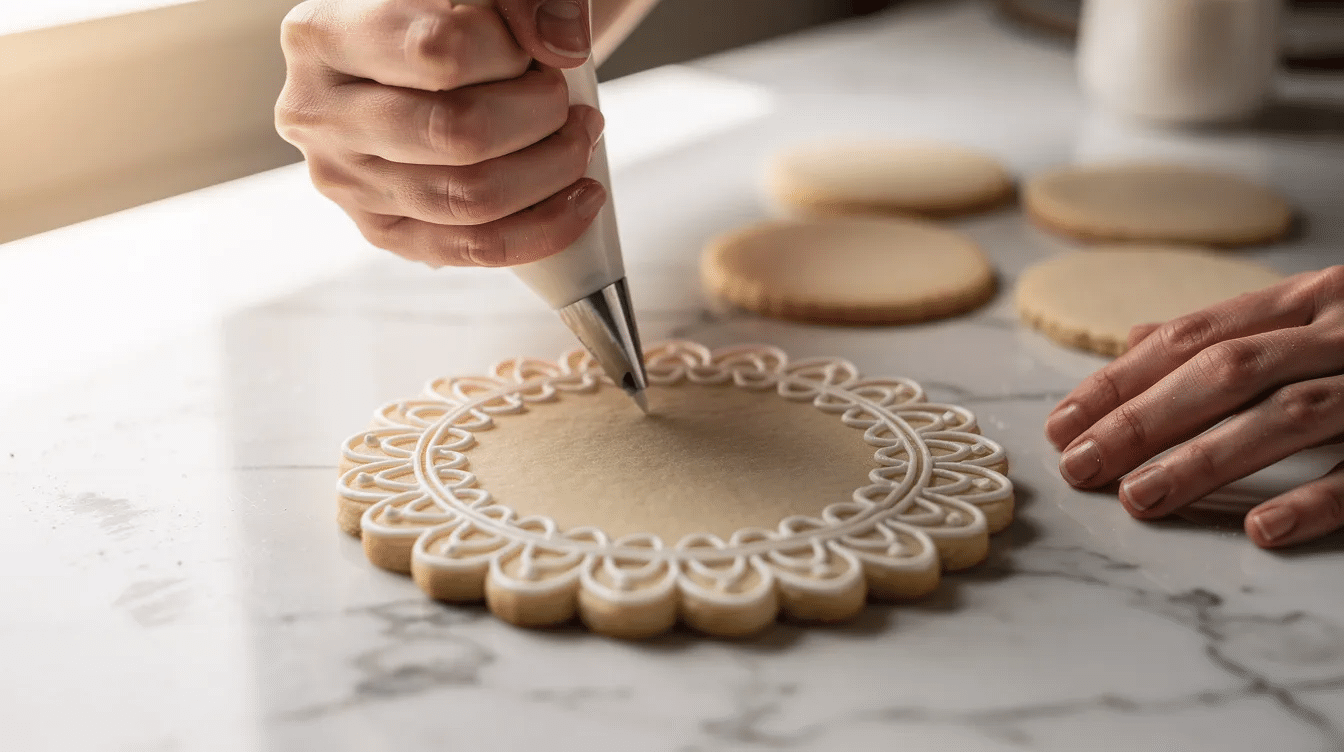
Royal icing is the go-to dry icing for detailed cookie decorating, gingerbread construction, and designs that must stay crisp during shipping or long storage. Royal icing can be used for detailed cookie decoration because dry icing allows for intricate piping designs that hold their shape.
Base ratio:
Ingredient
Amount
Powdered sugar, sifted
4 cups (460 g)
Meringue powder (or 2 large pasteurized egg whites)
3 tablespoons
Water
5–6 tablespoons
Beat on low speed until combined, then increase to medium-low until thick, glossy peaks form – usually 5–7 minutes with meringue powder, a bit less with fresh egg whites. Keep some very thick icing for borders and fine details. Thick royal icing is used for piping borders and details. Then gradually add water – a few drops at a time – to portions of the batch to create flood icing for filling larger cookie areas. Adding water adjusts the consistency of royal icing precisely.
Optional: 1 tablespoon corn syrup per 4 cups powdered sugar produces a shinier finish but a slightly softer set and longer drying process. Skipping it gives a harder, more matte finish. Royal icing requires 6–8 hours to fully harden, so plan accordingly – most decorators let cookies dry overnight.
Controlling Consistency, Finish, and Color for Dry Icing
How thick or thin your icing is matters just as much as the recipe when you want fast-drying, crack-free results.
The “count the seconds” test: Drag a knife through your icing and count how long the surface takes to smooth over. For outlining, aim for 5–8 seconds. For flooding, 10–15 seconds gives the right consistency for smooth coverage. Thicker icing dries faster than thinner flood icing. Thinner icing takes longer to dry than thicker icing because it holds more water per surface area. Thicker icing requires more powdered sugar to achieve, so keep extra sifted sugar on hand. Thin royal icing is used for flooding cookies or glazing pastries, while thick piping consistency holds clean edges.
Finish options:
Use the minimum amount of corn syrup (or none at all) for a matte finish and faster set.
Use more corn syrup for a glossy finish – corn syrup adds gloss to royal icing finishes, but expect longer dry time.
Color considerations: Use gel or paste food coloring rather than liquid to avoid thinning icing. Mix bold colors in advance to let them develop, reducing color bleed. Let each layer dry fully – at least an hour – before piping darker shades on top. This prevents wet layers from mixing and causing colors to change shape or bleed into each other.
Best Methods to Speed Up Icing Drying Time
You can significantly shorten the drying process for both drying royal icing and powdered sugar glaze by controlling air flow, heat, and cookie arrangement.
Flat boxes or trays: Keep cookies in a single layer in clean pizza-style boxes or on low-sided baking sheets. This protects from dust while allowing air to circulate over the surface.
Dehydrator strategy: Set a food dehydrator to around 90–95°F (32–35°C), place cookies in a single layer, and dry for 15–30 minutes to set the surface before finishing at room temperature.
Low-oven drying: Preheat to 170–180°F (75–80°C), turn the oven off, then place cookies inside on a baking sheet for 30–45 minutes. This helps royal icing crust without browning. Stay below 122°F (50°C) internally to prevent bubbling or cracking.
Whichever method you choose, never rush with high heat. Warm, gentle air is the key – not cooking the icing.
How Environment and Storage Affect Dry Icing
Room temperature, humidity, and how you store finished cookies can either help your icing dry completely dry or keep it sticky long after baking day.
Humidity is the biggest factor. In a humid environment, royal icing and powdered sugar icing take longer to dry, stay tacky on the surface, and may experience color bleed between dark and light areas. Decorators in humid climates report royal icing taking 6–8 hours even under good conditions – and much longer on rainy days. Humidity increases drying time for royal icing significantly, sometimes doubling expected wait times.
Solutions for humid conditions:
Run air conditioning or a dehumidifier in the room
Use a fan to keep air circulating
Avoid drying cookies near boiling pots, dishwashers, or open windows
Allow extra time – sometimes overnight – for icing to fully harden
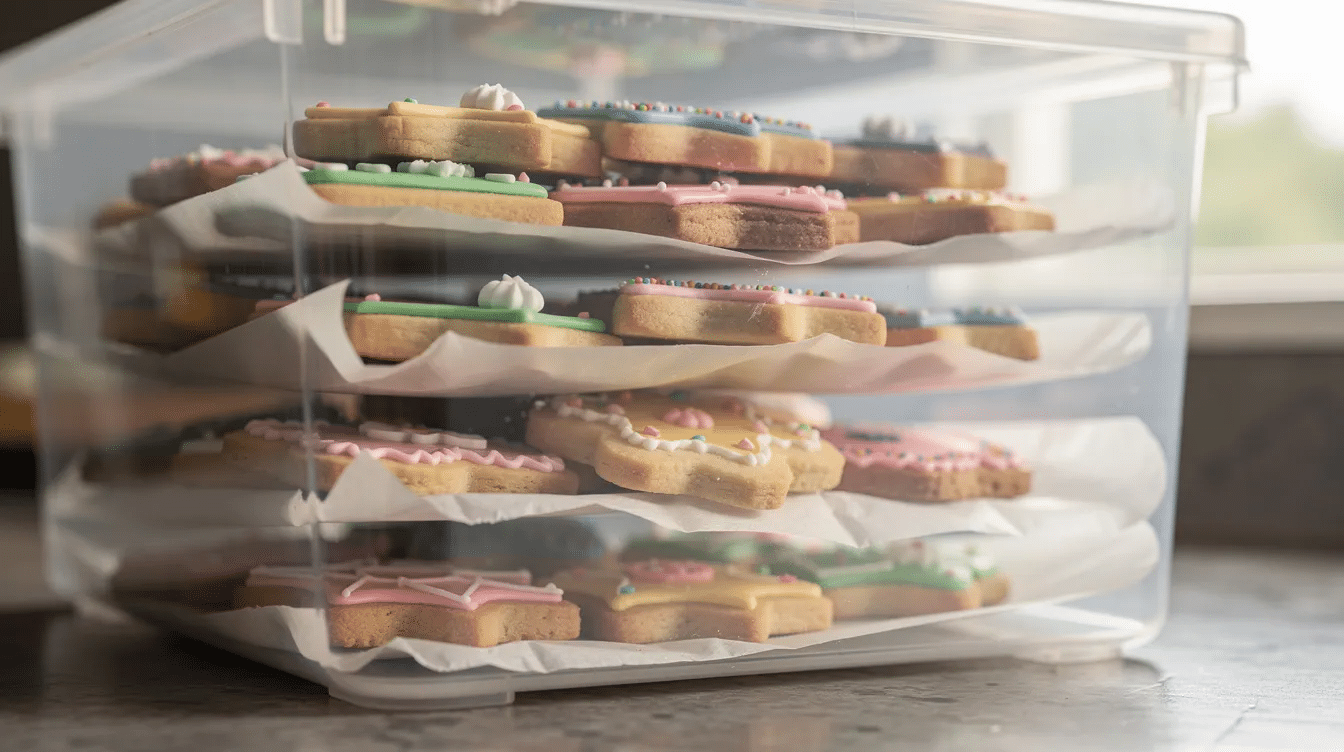
Storage after drying: Let icing dry at least 8–12 hours for royal icing, then store in an airtight container with layers separated by parchment. Royal-iced cookies stay fresh for about a week at room temperature in a cool, dry place. Simple powdered sugar icing on cakes or quick breads tastes great within 1–3 days before the frosting softens from crumb moisture.
Common Problems with Dry Icing and How to Fix Them
Even experienced decorators run into drying issues. Here are the most common problems and practical fixes.
Icing won’t dry: Reduce corn syrup, use less liquid, avoid ultra-thick floods in one layer, and move cookies to a drier, cooler room with better airflow or a dehydrator. If the glaze lumpy texture persists, sift your powdered sugar before mixing.
Color bleed: Let base layers dry fully – at least several hours – before adding dark or highly saturated colors. Use gel colors and avoid overly thin consistency that pools at edges.
Air bubbles and pitting: Mix icing on low speed to reduce air incorporation. Let it rest 5–10 minutes, gently stir to release bubbles, then use a toothpick or cookie scribe on freshly flooded cookies to pop visible bubbles before they set.
Unwanted shine vs. unwanted matte:
Too glossy and slow to dry? Cut back on corn syrup and thin with water instead.
Too dull? Test adding a small amount of corn syrup and use a slightly thicker flood for a smoother, glossy finish.
If you review recipe results and they’re not what you expected, adjust one variable at a time. Required recipe ratings and comment something about what worked so you can replicate it next batch.
FAQ About Dry Icing
These questions cover common concerns for new and intermediate decorators that weren’t fully addressed above. Bookmark this page for quick reference during your next decorating session.
How long should I wait before packing royal-iced cookies?
In average home conditions, cookies flooded with royal icing should dry uncovered at room temperature for 8–12 hours (often overnight) before you stack them in bags or boxes. Thicker flooding or very humid climates may push that to 24 hours to avoid dents, smears, or cookies that stick together during shipping. The dry time depends heavily on consistency and environment.
Can I use powdered sugar icing instead of royal icing for detailed cookie decorating?
Thick powdered sugar icing can work for simple outlines and drizzle designs, but it lacks the structural strength and hard set of royal icing, so fine details may blur. Use it for casual home baking and quick glazes on desserts and cakes. For elaborate designs, long-distance shipping, or cookies that need a firm surface, royal icing is the better choice. It tastes light and clean, and the mixing process is straightforward once you dial in the speed and timing.
Is it safe to use raw egg whites in royal icing?
Many traditional recipes use raw egg whites, but modern food safety guidelines favor pasteurized egg whites or meringue powder. Check packaging for “pasteurized” and avoid serving raw-egg-white icings to pregnant people, young children, or anyone with a compromised immune system.
Why does my dry icing look dull instead of shiny?
A matte finish requires minimal corn syrup in icing and typically results from slower, low-airflow drying. Some decorators actually prefer this for a classic cookie look. For more shine, add a teaspoon or two of light corn syrup, use slightly thicker flood consistency, and dry cookies in front of a gentle fan or in a dehydrator for a smoother surface.
Can I freeze cookies with dry royal icing?
Fully dried royal-iced cookies freeze well. Let them dry at least overnight, layer between sheets of parchment in an airtight container, and freeze for up to a week or longer. Thaw them still covered to prevent condensation from forming on the icing – thawing uncovered in a humid room can cause icing to soften or colors to bleed. Keep the container closed until cookies reach room temperature, and they’ll look just as sharp as the day you decorated them. You can also use your freezer for short-term storage of leftover icing in sealed containers.
DannyContent Writer
Hey there, since 2016, my mission has been to provide you with the information and guides you need to make food dehydrating simple and fun. Whether you're a newbie or a seasoned pro, my site offers helpful guides, reviews, and recipes to enhance your dehydrating experience. I take pride in only recommending products I believe in, ensuring my readers' trust. As an affiliate of various programs, including Amazon Associates, your support helps me continue providing quality content. Thanks for stopping by, and happy dehydrating!