We earn a commission if you make a purchase, at no additional cost to you.
09/22/2026 04:39 pm GMT
🍊 Dehydrated Food Info Finder — Temperatures & Drying Times
Choose a category, then pick a food to see its drying temperature and time.
⚠️ Safety Disclaimer: Drying times are estimates and vary based on slice thickness, food moisture content, humidity, and your dehydrator model. Always check for doneness before storing — food should feel dry, leathery, or brittle with no moist spots. Improperly dried food can harbour mould and bacteria. For meat and poultry, follow USDA safe internal temperature guidelines: beef and pork to 160°F (71°C), poultry to 165°F (74°C). Use a food thermometer when in doubt. Store all dehydrated foods in airtight containers in a cool, dark place and discard anything showing moisture, mould, or off odours.
The Best Tips for Storing Royal Icing in Piping Bags Effectively
Storing royal icing in piping bags the right way means you can prep colors days or even months in advance and pick up right where you left off. Whether you’re knocking out sugar cookies for a holiday rush or spreading a batch across several decorating sessions, these methods keep your icing usable, safe, and vibrant.
Key Takeaways
You can store royal icing in piping bags at room temperature, in the fridge, or in the freezer, as long as each bag is airtight and the tip is sealed.
Royal icing made with meringue powder is safer and more shelf stable than icing made with fresh egg whites, especially outside the fridge.
Simple rule of thumb: use within 1–2 days at room temp, up to a week in the fridge, and 2–3 months in the freezer for best quality.
Preventing air exposure at the tip-with clips, pins, or plastic wrap-is the single most important step to avoid crusting in piping bags.
Why Proper Piping-Bag Storage for Royal Icing Matters
Decorators routinely prep multiple colors and consistencies of royal icing in piping bags ahead of time. Smart royal icing storage prevents waste and saves hours on busy decorating days-think holiday cookie orders, weddings, or the 2026 graduation season.
The biggest enemy is air. Even a few hours of air exposure at the bag tip dries the icing into a crusted plug that clogs fine tips like PME 1 or Wilton #1, causing broken lines and wasted effort. Avoid leaving icing uncovered to prevent crusting entirely.
Temperature swings matter too. A warm July 2026 kitchen above 77°F thins icing so it flows too freely, while a cool pantry thickens it. Your storage method directly affects consistency and decorating performance.
Royal icing made with meringue powder handles storage far better than icing made with fresh egg whites. Meringue powder is pasteurized and dried, so it resists bacterial growth and stays stable at room temperature much longer. Egg white–based recipes need stricter refrigeration. Careful storing royal icing in bags also keeps colors vibrant and prevents color bleeding when you return to the bags hours or days later.
Choosing the Right Royal Icing Recipe for Storage
Not every royal icing recipe behaves the same when stored in piping bags over several days. The base ingredient makes the biggest difference.
Meringue powder royal icing: The most stable option. Because the mix includes meringue powder (pasteurized, dehydrated egg white plus stabilizers), it’s ideal for leaving bags at room temperature for 1–2 days. Using meringue powder extends the shelf life of royal icing significantly compared to raw egg alternatives.
Egg white royal icing: Shorter storage window. Iowa State Extension food-safety guidelines recommend using pasteurized egg whites or dried egg whites for any icing that will sit out or be eaten raw. Keep egg white icing in the fridge and avoid long room temperature storage.
Instant royal icing mixes: Often formulated to withstand freezing and thawing well, with buffering agents that reduce separation.
Before storing, mix and color your icing slightly thicker than the final use consistency. You can always thin with more water after bringing stored icing back to room temperature. Keep a small container of fresh icing from the same batch to revive stored bags later-a spoonful restores texture if things seem grainy or overworked. Label every bag with your icing recipe type, mix date (e.g., “July 18, 2026”), icing color, and intended use (flooding, detail, lettering).
How Long You Can Leave Royal Icing in Piping Bags at Room Temperature
Royal icing made with meringue powder can usually stay in sealed piping bags at room temperature for up to 2 days without issues. Some decorators push this further, since royal icing can be stored at room temperature for 2–3 days with proper sealing, and general royal icing in airtight containers can last up to 2 weeks at room temperature-even up to 4 weeks by some accounts. But in piping bags, exposure at the tip shortens those windows. Egg white versions should be used within the same day.
“Room temperature” means around 68–72°F (20–22°C). Once your kitchen climbs above 77°F / 25°C, icing thins, moisture increases, and the time frame for safe storage shrinks.
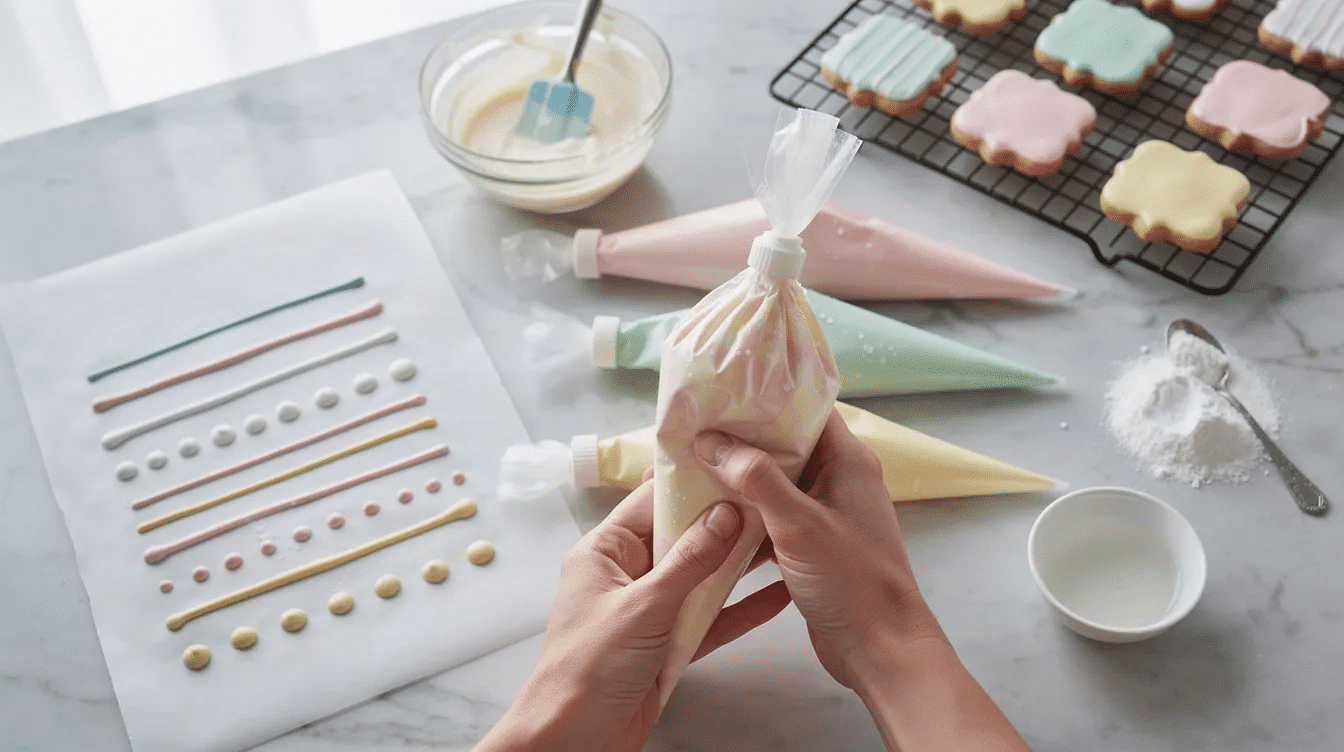
As long as the piping bag tip is sealed-clip, rubber band, or pushed into a coupler cap-the bagged icing inside won’t crust the way icing in an uncovered bowl would. If you’re not using a bag for 30 minutes or more, drape a damp paper towel over the tips or cover loosely with cling film to add protection.
For all-day decorating marathons (December 2026 cookie orders, for example), keep active colors at room temp on the counter and rotate backup bags from the fridge as needed.
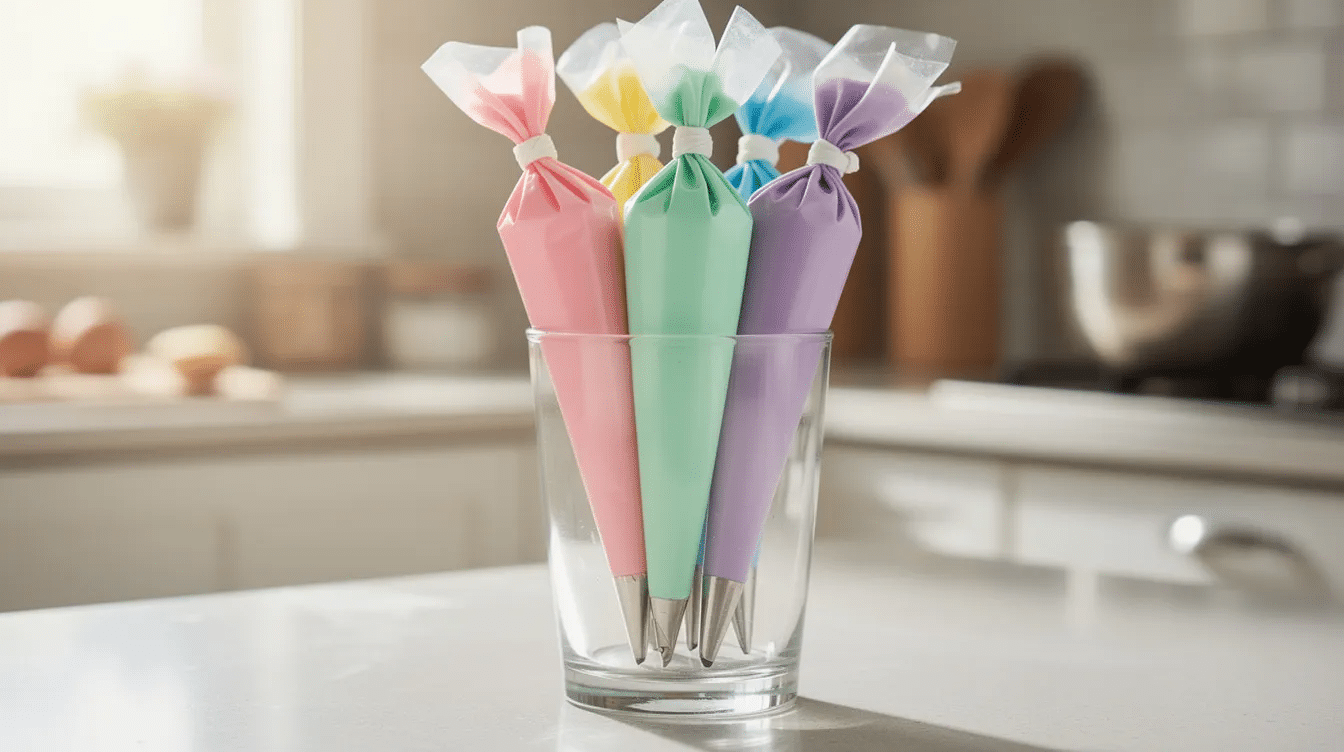
Quick tip: Store bags tip-side up in a tall glass or icing bag stand, cover the tops loosely with plastic wrap, and keep away from direct sunlight to prevent overheating.
Storing Royal Icing Piping Bags in the Refrigerator (3–7 Days)
Refrigerating piping bags is ideal when you’re decorating over several days in one stretch-say, a multi-day cookie set for a birthday party on July 24, 2026.
Most icing made with meringue powder keeps good texture in the fridge for about 3–7 days in sealed bags. For general batches in airtight containers, refrigerated royal icing lasts for 3–4 weeks, and some sources say royal icing can be refrigerated for up to 6 weeks. Egg white recipes lean toward the shorter end and need closer monitoring.
How to store in the fridge:
Place filled piping bags inside an airtight container or heavy zip-top bag.
Keep tips all facing the same direction.
Seal to prevent fridge odors and drying.
What to expect after chilling: Icing may appear thicker when cold from the fridge, and liquids separate slightly during refrigeration. Let bags sit at room temperature for 30–60 minutes, then gently massage the bag to remix separated royal icing before piping. Do not judge consistency while it’s still cold. Only adjust with a drop or two of water after it has warmed up.
Freezing Royal Icing in Piping Bags for Long-Term Storage
Freezing royal icing in piping bags is the best way to save leftover icing colors for busy holiday seasons or repeat designs months later. Royal icing can be frozen for up to 3 months for best quality. Some decorators stretch this to 4–6 months, but flavors and icing color intensity may fade beyond that time frame.
Freezing method:
Fill piping bags no more than two-thirds full to allow for expansion (water in icing expands roughly 9% when frozen).
Twist and secure the back with a rubber band or clip. Squeeze out any excess air before sealing the piping bag.
Cover the tip with a small piece of plastic wrap and tape, or use tip caps.
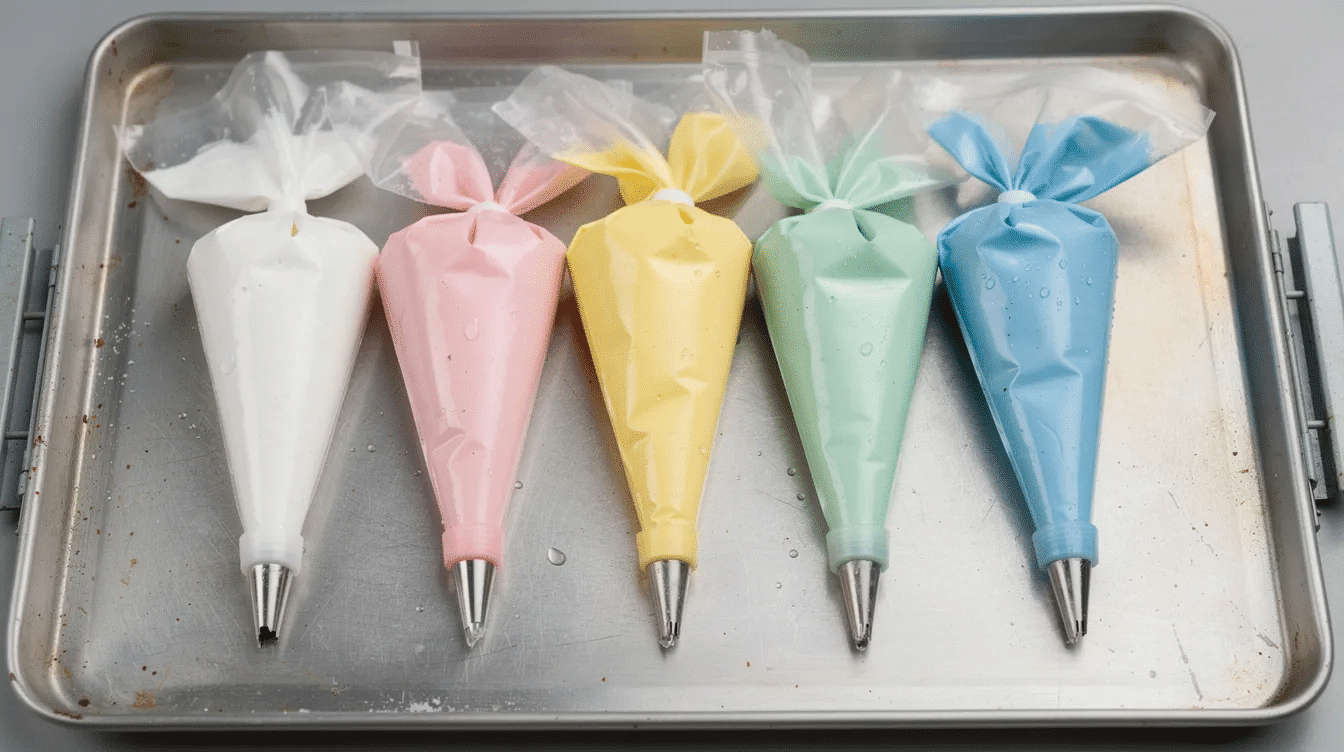
Place bags flat in a labeled freezer bag or airtight container. Flat freezing on a baking sheet speeds the process and saves space.
Thawing steps:
To thaw frozen icing bags, allow them to come to room temperature before use. Thaw royal icing at room temperature for 2–6 hours, keeping bags sealed in their container. Do not open the container before icing is fully thawed-this prevents condensation from forming inside the bag and thinning the mix.
After thawing, bags may show separation or tiny bubbles. Knead each bag thoroughly. If that doesn’t work, snip the back open, scrape the frozen icing into a bowl, stir by hand to minimize air, then rebag. Haniela’s freezing guide offers additional detail on this process.
Preventing Crusting and Clogs at the Piping Tip
The only time stored royal icing in a piping bag truly risks crusting is at the small amount of icing exposed near the tip-especially with very fine tips used for lettering or intricate royal icing transfers.
Tip-sealing techniques:
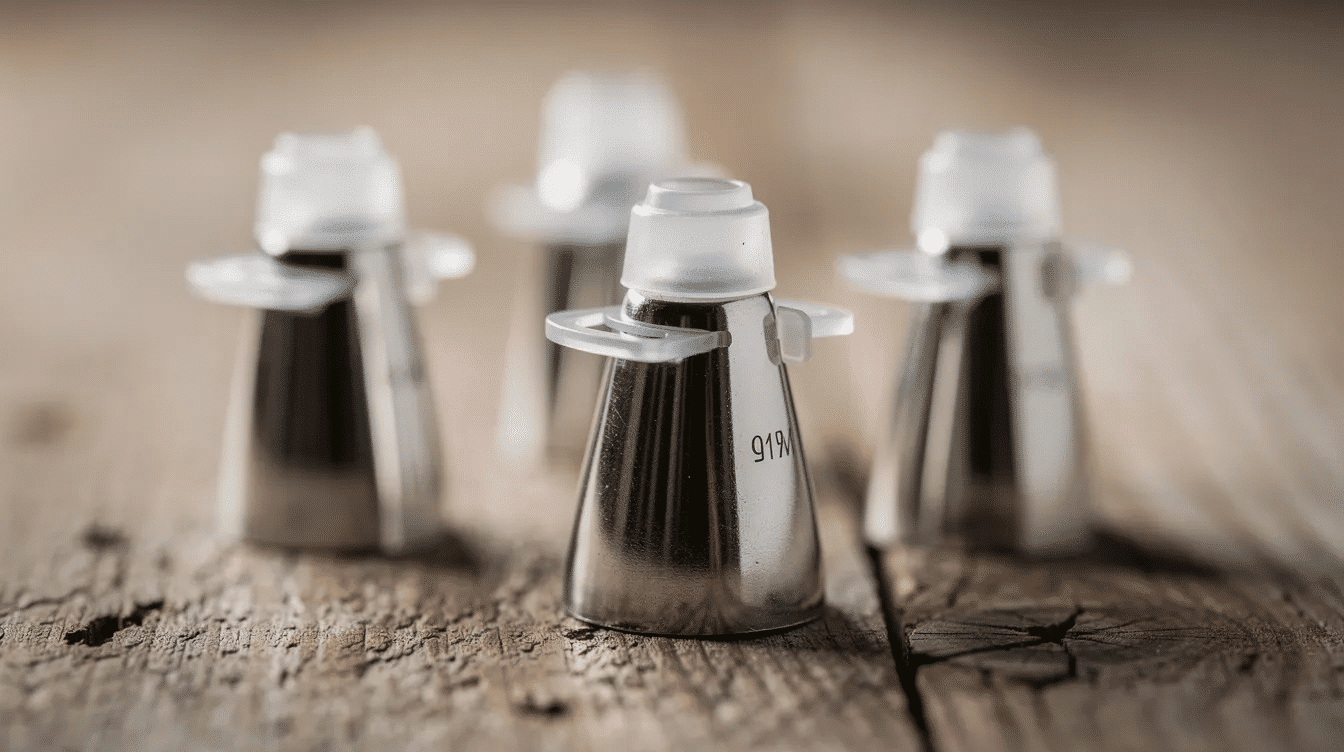
Push the tip into a coupler cap or use commercial tip covers.
Wrap the tip tightly in a small piece of plastic wrap before clipping. Plastic wrap helps prevent air exposure when storing royal icing.
Store bags tip-side up in a covered container to reduce air exposure.
To prevent air exposure, seal the tip and secure the top of the piping bag.
If a crust plug forms:
Pipe a bit onto a scrap of parchment paper to push the plug out.
If that fails, remove the metal tip, clear the dried icing with a toothpick under warm water, dry completely, then reattach.
Never stir crusty bits back into the icing bag. Discard any visibly dried fragments-they create scratches in smooth lines and flooding. Before decorating with stored bags, pipe a short test line on parchment to check for clogs and confirm the flow is correct.
Best Containers and Tools for Storing Royal Icing in Bags
The right containers make royal icing storage simpler and less messy, especially when you’re juggling many colors across one batch or more.
Storage options:
Lidded plastic or glass containers sized to hold several piping bags standing upright.
One-gallon zip-top freezer bags for grouping colors (e.g., all my icing for Christmas reds and greens) in the fridge or freezer. Store sealed piping bags in an airtight container for additional protection.
Tall drinking glasses or icing bag stands on the counter for short-term room temperature storage.
Labeling: Label piping bags with color and icing consistency for organization-note things like “20-second flood,” “stiff detail,” storage method, and date. Use airtight containers to store royal icing effectively and avoid fridge odor absorption.
Practical accessories: Bag clips, rubber bands, tip caps, and parchment sheets for test piping lines after storage. You can also store royal icing in a bowl with a tight-fitting lid if you haven’t filled bags yet. Keep strongly scented foods (onions, garlic) away from remaining icing, since it absorbs odors if the container isn’t fully sealed.
Using Stored Royal Icing in Piping Bags After Thawing or Chilling
Stored royal icing usually needs a bit of “wake-up” before it flows as smoothly as when freshly made.
Step-by-step revival routine:
Bring bags to room temperature (from fridge or freezer).
Gently massage the bag firmly to recombine any separation of liquid and sugar.
Pipe a few lines and dots on parchment to check consistency and bubble formation.
Adjusting consistency: If needed, snip the back of the bag, scrape the icing into a bowl, stir by hand (not a mixer, to minimize air), then adjust thickness with small amounts of water or spoonfuls of powdered sugar before rebagging.
If icing seems dull or grainy after long storage, add a spoonful of fresh icing from the same icing recipe to help restore shine and elasticity. This is absolutely the easiest way to get a good mix of old and new icing without starting over.
Colors may deepen slightly during storage. Test on a scrap cookie or parchment and adjust with a small dab of additional gel coloring if required. A bit of extra icing from a fresh batch can also help correct any color drift.
Storing Royal Icing Transfers and Extra Decorations
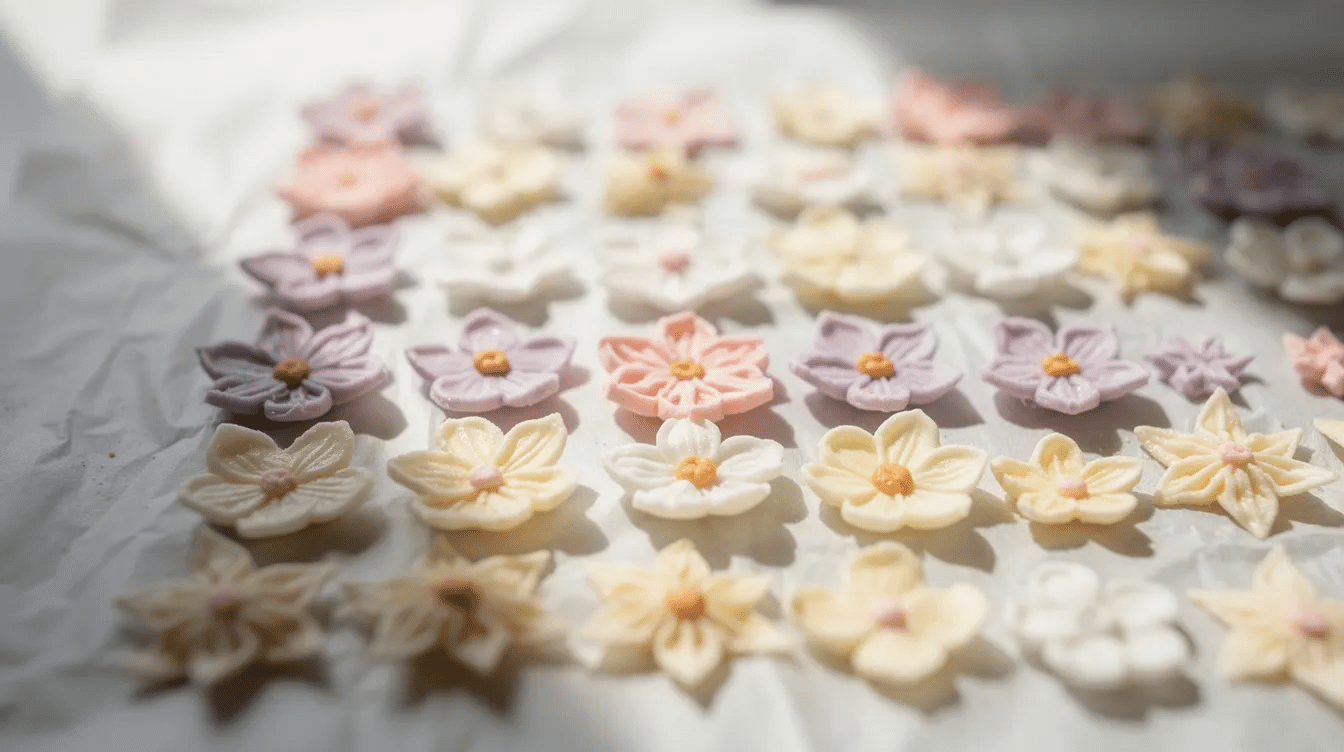
Piping and drying royal icing transfers in advance-flowers, logos, character eyes-is a great way to use up extra icing in piping bags instead of throwing it away.
How to make transfers from stored royal icing:
Let the bag sit and come to room temperature.
Pipe designs onto parchment paper or acetate sheets.
Allow to fully dry completely, usually 8–24 hours depending on humidity and thickness.
Storage for finished transfers: Place fully dry pieces in a rigid, airtight container with parchment between layers. Keep at room temperature in a cool, dark cabinet-never in the fridge or freezer, to avoid condensation damage.
Label containers with design type and date (e.g., “Snowflakes – November 2026”) and use them to speed up decorating for future holidays and events. Well-stored royal icing transfers can last several months without losing shape, though colors may fade slightly in direct light.
When to Toss Stored Royal Icing (Safety and Quality Checks)
Even carefully stored royal icing in piping bags doesn’t last forever. Rely on sight, smell, and texture as much as dates.
Warning signs to toss immediately:
Sour, fermented, or “off” smell when you open a bag.
Visible mold spots, discoloration, or oily separation that doesn’t recombine after kneading.
Gritty, curdled, or stringy texture that doesn’t smooth out after stirring.
General shelf life guidelines:
Storage Method
Meringue Powder Icing
Egg White Icing
Room temperature
Up to 2–4 weeks (airtight container)
Same day only
Refrigerated
3–4 weeks
3–7 days
Frozen
Up to 3 months best quality
Pasteurized whites only
Icing stored properly beyond about 3 months frozen or a couple of weeks in the fridge may still be technically usable but often loses flavor and structure, making it unreliable for detailed work. When in doubt-especially with egg white–based recipes or when decorating for customers and children-toss it. Keeping a simple storage log (dates and methods) helps you avoid forgetting piping bags buried in the back of the freezer.
FAQs About Storing Royal Icing in Piping Bags
These questions cover common edge cases not fully addressed above, from mixing old and new icing to traveling with filled bags.
Can I leave royal icing in piping bags overnight?
Meringue powder–based royal icing can safely stay in sealed piping bags at room temperature overnight-up to about 24–36 hours in a cool kitchen. Egg white–based icing is better kept in the fridge overnight. Make sure to cover icing with plastic wrap at the tips and keep bags away from heat sources or direct sunlight to avoid thinning or separation. In very warm climates, placing bagged icing in an airtight container in the fridge overnight is always the safer choice.
Is it better to store royal icing in bowls or piping bags?
Bowls with plastic wrap pressed directly on the surface work best for larger quantities and for mixing or recoloring. You can also store royal icing in a bowl with a tight-fitting lid for longer-term holding. Piping bags are best for colors already mixed and ready to use-they save time on busy decorating days but make large consistency adjustments more tedious. A hybrid approach works well: keep base colors and consistencies in bowls, then fill piping bags for each session and refrigerate only the prepped bags you truly need ahead of time.
Can I mix fresh royal icing with stored icing in a piping bag?
It’s generally better to combine fresh and stored icing in a bowl first rather than squeezing new icing directly into a partially used bag. Cut open the old bag, scrape the leftover icing into a bowl, add fresh royal icing from the new batch, and stir by hand until smooth. Then refill a clean piping bag. Blending a small amount of fresh icing often restores structure and shine to older batches that have been refrigerated or frozen. When you make royal icing fresh, always save a portion for exactly this purpose.
Can I travel with royal icing already in piping bags?
Pre-filled piping bags can be transported for classes, cookie parties, or events as long as they’re packed upright in a rigid container or box to avoid pressure bursts. Keep bags cool and out of direct sun during car travel. In hot weather, use an insulated bag with a cold pack, but don’t let the icing sit directly next to ice to avoid condensation. For flights or long trips, it may be easier to travel with meringue powder and powdered sugar, then make royal icing at the destination rather than risking leaks in luggage.
Does colored royal icing store differently than white royal icing?
Both colored and white royal icing follow the same basic storage rules, but deeply colored icings (black, red, navy) often improve after resting as the colors deepen over a few hours. Very dark colors may leave more residue in piping bags and can stain containers, so recommend storing them in designated bags. Check stored dark colors on parchment before using-they sometimes thicken slightly or show more separation than white icing and may need extra kneading or a drop of water to reach the right consistency.
DannyContent Writer
Hey there, since 2016, my mission has been to provide you with the information and guides you need to make food dehydrating simple and fun. Whether you're a newbie or a seasoned pro, my site offers helpful guides, reviews, and recipes to enhance your dehydrating experience. I take pride in only recommending products I believe in, ensuring my readers' trust. As an affiliate of various programs, including Amazon Associates, your support helps me continue providing quality content. Thanks for stopping by, and happy dehydrating!