We earn a commission if you make a purchase, at no additional cost to you.
09/22/2026 04:39 pm GMT
🍊 Dehydrated Food Info Finder — Temperatures & Drying Times
Choose a category, then pick a food to see its drying temperature and time.
⚠️ Safety Disclaimer: Drying times are estimates and vary based on slice thickness, food moisture content, humidity, and your dehydrator model. Always check for doneness before storing — food should feel dry, leathery, or brittle with no moist spots. Improperly dried food can harbour mould and bacteria. For meat and poultry, follow USDA safe internal temperature guidelines: beef and pork to 160°F (71°C), poultry to 165°F (74°C). Use a food thermometer when in doubt. Store all dehydrated foods in airtight containers in a cool, dark place and discard anything showing moisture, mould, or off odours.
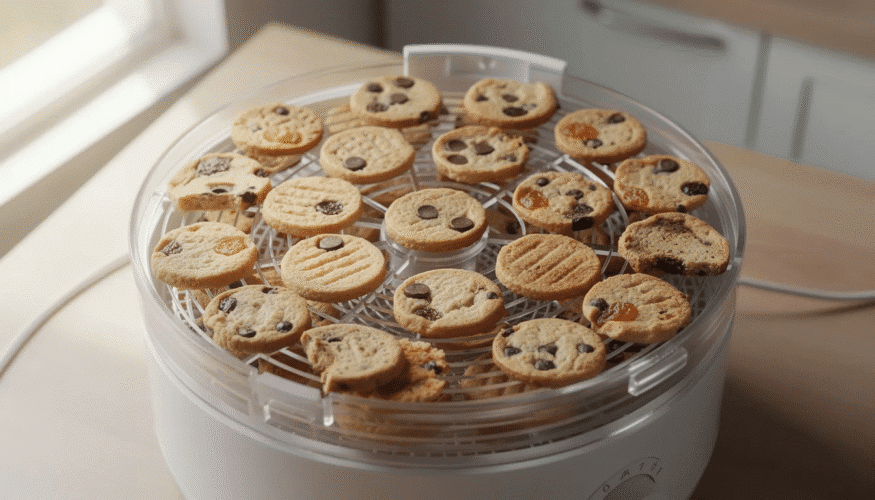
Whether you’re a home baker or a professional decorator, selecting the right dehydrator can make a significant difference in your cookie results. Using a dehydrator for cookies can revolutionize your baking experience, especially when it comes to achieving flawless royal icing, consistent texture, and efficient drying times.
A dehydrator uses warm, moving air to remove moisture from food placed inside it. This process is especially useful for cookies, as it allows for precise control over drying, helping to set icing and maintain the perfect texture without overbaking.
The Excalibur 3926TB Electric Food Dehydrator is a top-of-the-line product that will help you create delicious and nutritious dehydrated food. This dehydrator has nine trays, and it can be set to a temperature range of 105 to 165 degrees. It also features Parallex Horizontal Airflow technology and Hyperwave technology, which work together to ensure even drying and optimum flavor retention. With a 26-hour dehydrator timer, this product is perfect for those who want to make large quantities of food at once.
We earn a commission if you make a purchase, at no additional cost to you.
10/13/2026 04:35 pm GMT
The concept may seem novel, but it’s rapidly gaining popularity among avid bakers. A dehydrator for cookies, when used correctly, enhances the texture and flavor of your baked goods while reducing drying time significantly. This is not just a mere kitchen device; it’s revolutionizing the realm of domestic baking.
This guide will help you choose the best dehydrator for cookies, covering top models, essential features, and expert tips for perfect results.
Selecting the ideal dehydrator for the cookie decorating process can be quite challenging, especially with numerous options available on the market. There are several models to choose from, each offering different features, tray designs, fan placements, and capacities to suit various needs and budgets. However, certain features are critical and should guide your choice of a perfect dehydrator.
Key Dehydrator Concepts Explained
Horizontal Airflow: This refers to dehydrators with fans located at the back of the unit, which blow air evenly across all trays. Horizontal airflow ensures consistent drying and prevents issues like icing discoloration or uneven texture, making it ideal for decorated cookies.
Rear-Mounted Fan: A fan positioned at the back of the dehydrator (as opposed to the top or bottom) provides horizontal airflow, which is crucial for even drying across all trays.
Sliding Trays: Unlike stackable trays, sliding trays can be accessed independently and are easier to use for cookie decorating. They also allow you to check or remove individual trays without disturbing the others, which is especially helpful for delicate cookies.
Capacity and Size
The capacity of your chosen food dehydrator is paramount if you plan on drying cookies frequently or making homemade dog treats. A larger model allows more room for baking multiple batches simultaneously, which saves time. The size also matters as it needs to fit comfortably within your kitchen space without causing any inconvenience.
Drying Power and Heat Distribution
A high-quality food dehydrator will have enough power not only to dry sugar cookies but also to ensure they maintain their flavor and texture during the drying process. It’s crucial that heat is evenly distributed throughout all trays; this feature ensures every cookie dries consistently. Horizontal-flow dehydrators, with rear-mounted fans, are recommended for drying decorated cookies, as they provide even airflow and prevent issues like icing discoloration.
Adjustable Temperature Control
An adjustable temperature control provides flexibility while working with different types of doughs or ingredients, ensuring optimal results regardless of what type of recipe you’re following – whether decorated sugar cookies or even simple air-drying cookie dough balls recipes. Low temperature control around 95°F is crucial for drying royal icing without causing cracks or bubbles.
Tray Design and Accessibility
Square or Rectangular Trays: These maximize space for drying cookies compared to round, stackable trays.
Sliding Trays: Models with sliding trays are easier to use than stackable trays for cookie decorating, allowing for better access and less disruption during the drying process.
Now that you know what features to consider, let’s explore the benefits of using a dehydrator for cookies.
Unlocking the Benefits of Using a Dehydrator for Cookies
The art and science of cookie making can be elevated to new heights with the use of a dehydrator. This innovative approach not only enhances your baking experience but also improves overall cookie quality, much like using premium Excalibur food dehydrators for general food preservation.
Baking cookies isn’t just about producing something edible; it’s an opportunity to create delightful flavor experiences. The slow drying process used by food dehydrators intensifies flavors while preserving essential nutrients often lost during conventional oven-baking methods, giving rise to more nutritious and tastier treats.
Tips for Maximizing Benefits
If working on large batches, ensure there’s enough space between each piece so air-drying cookie dough balls happen evenly across all layers.
Dough consistency should lean towards being slightly moister than usual because they’ll lose moisture throughout the entire procedure, thus preventing them from becoming too hard or crumbly afterward.
Transitioning from understanding the benefits, let’s compare the top dehydrators for cookies to help you make an informed choice.
Best Dehydrators for Cookies: Comparison Table
When it comes to drying decorated cookies, horizontal-flow dehydrators are highly recommended. Below is a comparison of the top models favored by cookie decorators, highlighting their key features:
Model
Airflow Type
Tray Design
Capacity
Temperature Range
Key Features
Best For
Cosori Premium Stainless Steel Food Dehydrator
Horizontal (Rear Fan)
Sliding, Stainless Steel
6 or 7 trays
95°F–165°F
Digital controls, even drying, user-friendly, dishwasher-safe trays
Decorated cookies, royal icing, home/pro decorators
Magic Mill Pro Food Dehydrator
Horizontal (Rear Fan)
Sliding, Stainless Steel
7 trays
95°F–176°F
Precise temp control, large capacity, easy access
Large batches, professional use
Excalibur 9-Tray Dehydrator
Horizontal (Rear Fan)
Sliding, Polycarbonate
9 trays
105°F–165°F
High quality, large capacity, timer, even airflow
Professional decorators, high volume
Key Points:
Horizontal-flow dehydrators (Cosori, Magic Mill, Excalibur) are recommended for drying decorated cookies due to their even airflow and consistent results.
The Cosori Premium Stainless Steel Food Dehydrator is recognized for its efficiency and user-friendly features, specifically for decorated cookies.
Magic Mill Pro offers a large stainless steel capacity and precise temperature controls.
Excalibur dehydrators are considered high-quality options for cookie decorators, though they can be more expensive.
With the best models compared, let’s move on to practical tips and techniques for using your dehydrator to bake cookies.
Tips for Baking Cookies with a Dehydrator
Shifting from conventional oven-baked cookies to dehydrated ones might seem daunting. Once you get the hang of it, utilizing a food dehydrator to make your favorite treats is both straightforward and effective.
How to Use a Dehydrator for Cookies
Here are some practical tips on how to get started with this process:
Pick The Right Temperature: Dehydrators function best at lower heat levels – typically between 115°F and 135°F. Stick consistently with one chosen temperature throughout the drying process to avoid unevenly cooked or dried cookies.
Dough Preparation Matters: Ensure your cookie dough isn’t overly wet, as excessive moisture can prolong drying time. For sticky doughs, chill before forming shapes to make handling easier and retain form during dehydration.
Lay Out Your Cookies Correctly: Place similar-sized items together and avoid overcrowding trays. This allows even distribution of hot air around each piece, resulting in uniformly dried cookies.
Humidity and Dehydrator Settings
Maintain Optimal Humidity Levels Inside Machine: Monitor the humidity level inside the machine closely to achieve the desired crispiness without causing cookies to become excessively dry.
Check Progress Periodically: Factors like local climate and initial water content affect drying time. Check your cookies periodically and adjust as needed rather than strictly following recipe times.
Now that you have the tips for success, let’s look at some delicious cookie recipes you can make with your dehydrator.
Dehydrator Baking: Cookies and More
The realm of baking with a dehydrator extends far beyond drying fruits or making homemade dehydrated dog treats. With the right recipes and a capable appliance like the Excalibur 3500 digital food dehydrator, you can create delightful cookies that retain their flavor while being healthier than traditional baked versions. Let’s explore some delicious cookie recipes specifically designed for your food dehydrator.
Oatmeal Raisin Dehydration Perfection
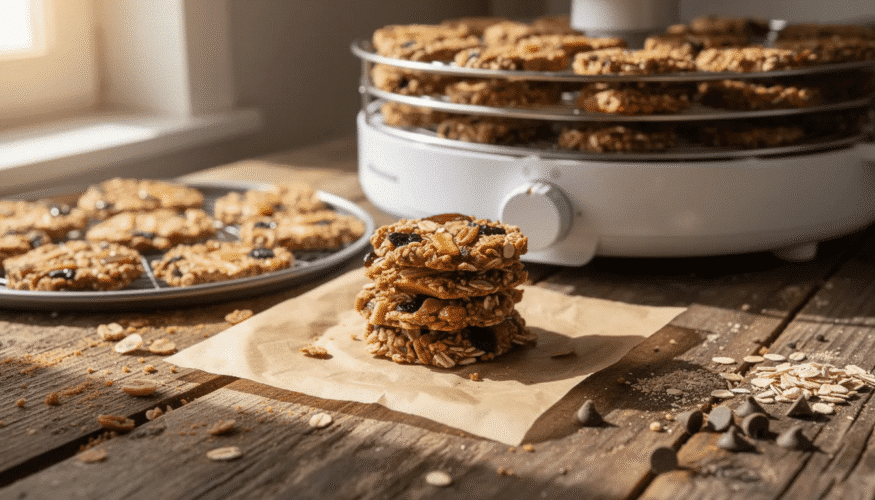
Classic oatmeal raisin cookies take on a new dimension when made in a food dehydrator. Combine in a blender the rolled oats, almond flour, honey or maple syrup (for sweetness), cinnamon, and vanilla extract to form an aromatic dough enriched with soaked raisins for the classic oatmeal raisin cookie treat that will be dehydrated in a food dehydrator.
To prepare these gems for dehydration, process them into small balls before flattening them onto special cookie sheets made for use within your machine. Set it at around 115 degrees Fahrenheit, allowing eight hours until they reach the desired texture. Remember, the dryness of sugar cookies depends on both the recipe specifics and individual preferences.
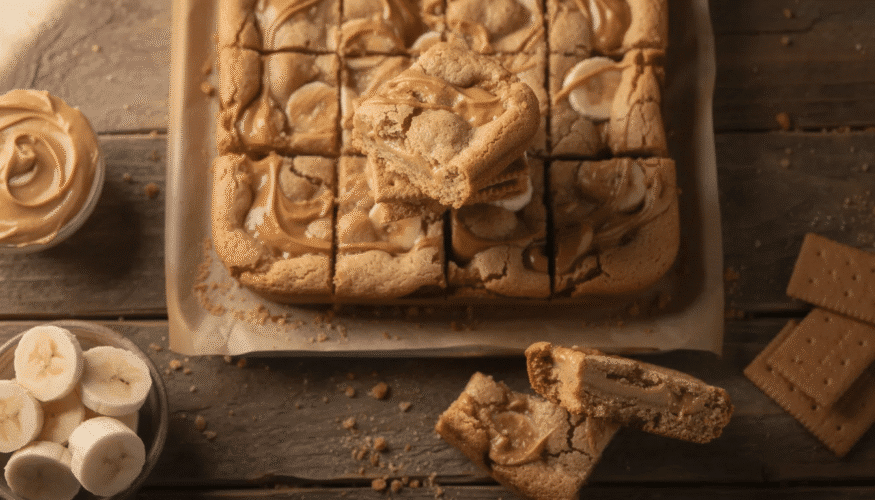
Peanut Butter, Banana, and Graham Cracker Cookie Bars: A Scrumptious Snack
Ingredients You’ll Need
Three ripe bananas, sliced
Half a cup of peanut butter
Half a cup of oats
Two cups of graham cracker cookies crushed
Half a cup of cacao nibs
Step-by-Step Guide to the Perfect Snack
Step 1: Mix and Mash In a large bowl, mash the ripe bananas with peanut butter. This will create a creamy, smooth base for your bars.
Step 2: Combine Your Dry Ingredients Next, mix the oats, crumbled graham cracker cookies, and cacao nibs together.
Step 3: Blend Together Combine your banana and peanut butter recipe mixture with your dry ingredients. Stir well until all ingredients are thoroughly combined.
Step 4: Shape and Chill Gather your mixture into a round ball and make a rectangle shape using waxed paper or a buttered spatula. Place this in your refrigerator to chill for at least 8 hours, or preferably overnight. This step ensures that your mixture sets up adequately.
Step 5: Slice and Dehydrate After chilling, remove your dough from the fridge and slice it into 1/4 inch (6 mm) slices. Place these on your dehydrator trays and dry them at 135-145°F (57-63°C) for 6 hours.
The Final Product
Your Peanut Butter, Banana, and Graham Cracker Cookie Bars are now ready to enjoy! The consistency of these snacking bars will be more like a cookie and less likely a cracker.
Hey there, since 2016, my mission has been to provide you with the information and guides you need to make food dehydrating simple and fun. Whether you're a newbie or a seasoned pro, my site offers helpful guides, reviews, and recipes to enhance your dehydrating experience. I take pride in only recommending products I believe in, ensuring my readers' trust. As an affiliate of various programs, including Amazon Associates, your support helps me continue providing quality content. Thanks for stopping by, and happy dehydrating!