We earn a commission if you make a purchase, at no additional cost to you.
09/22/2026 04:39 pm GMT
🍊 Dehydrated Food Info Finder — Temperatures & Drying Times
Choose a category, then pick a food to see its drying temperature and time.
⚠️ Safety Disclaimer: Drying times are estimates and vary based on slice thickness, food moisture content, humidity, and your dehydrator model. Always check for doneness before storing — food should feel dry, leathery, or brittle with no moist spots. Improperly dried food can harbour mould and bacteria. For meat and poultry, follow USDA safe internal temperature guidelines: beef and pork to 160°F (71°C), poultry to 165°F (74°C). Use a food thermometer when in doubt. Store all dehydrated foods in airtight containers in a cool, dark place and discard anything showing moisture, mould, or off odours.
Dried Prickly Pear: Complete Guide to Types, Uses, and Selection
Dried prickly pear covers a surprisingly diverse range of dehydrated products – from sweet-tart fruit slices and sour xoconostle to savory nopal cactus pads and versatile powders. Whether you’re looking to buy a ready-to-eat snack, add a new ingredient to your cooking, or explore the well-documented health benefits of this ancient cactus food, understanding the different forms, quality signals, and processing methods will help you choose the right product for your needs.
Indigenous people have consumed prickly pear for 5,000 years for health benefits, and today’s growing interest in nutrient-dense, plant-based foods has pushed dried prickly pear into mainstream health-food and culinary markets. Below, you’ll find a breakdown of every major type, what to look for in quality, and how to select the best option for your intended use.
Types of Dried Prickly Pear
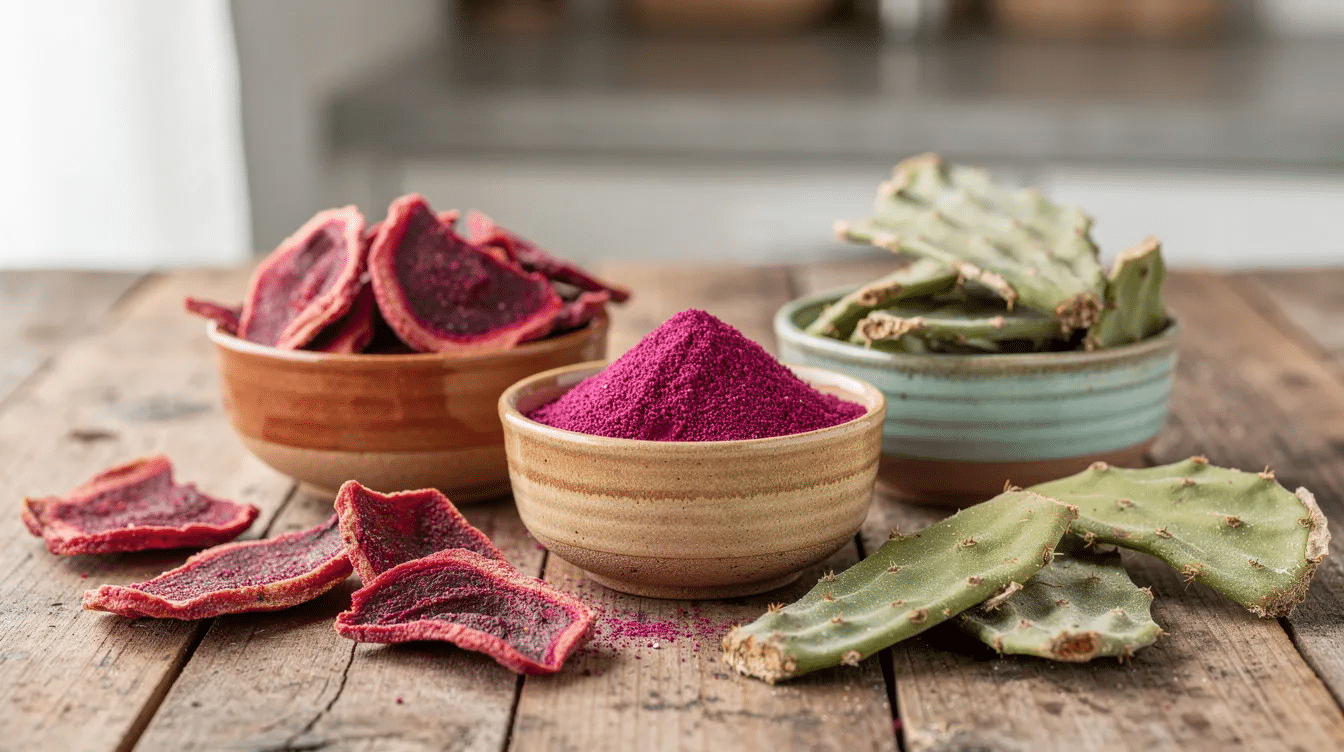
Dried prickly pear products fall into four meaningful categories, each suited to different culinary and nutritional applications.
Dried Prickly Pear Fruit (Tunas)
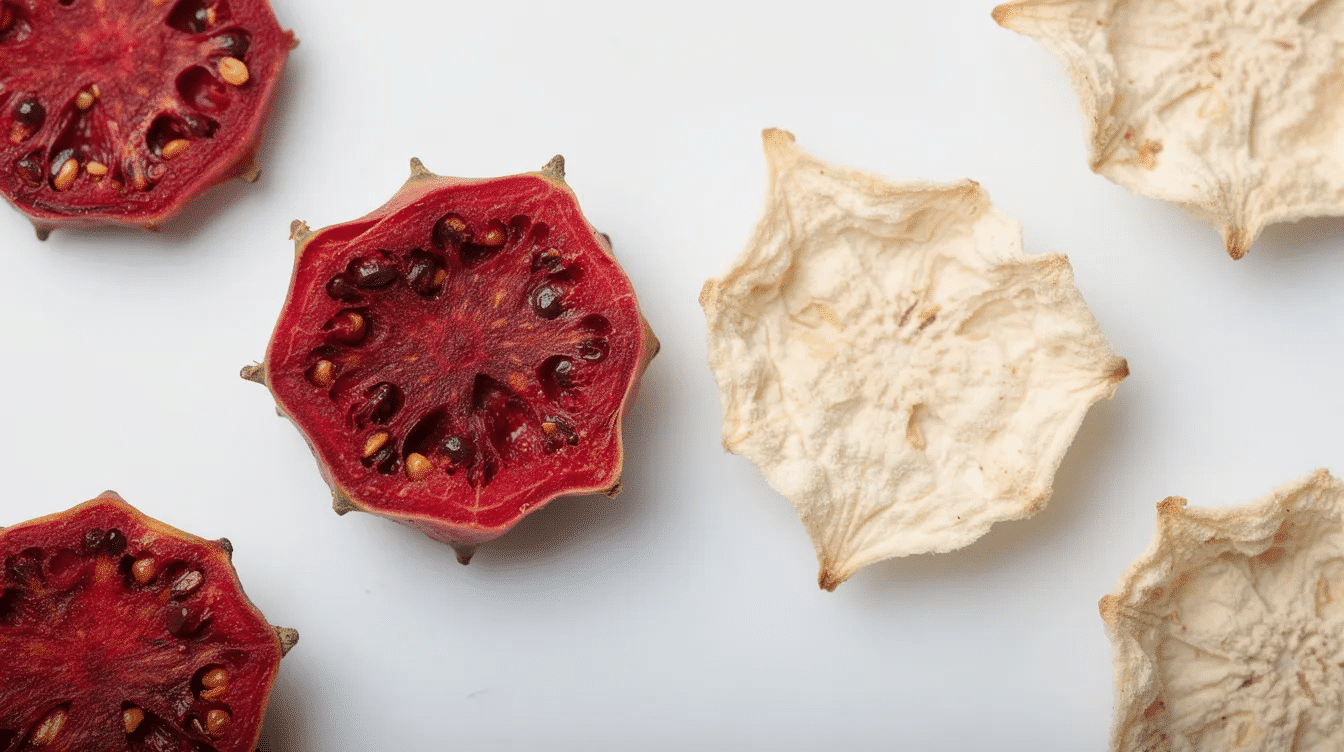
The prickly pear cactus fruit – commonly called tuna in Mexico – is the colorful, seed-filled fruit of the Opuntia genus. When peeled, sliced, and dried, it delivers a sweet taste often compared to watermelon and berry, with subtle flavor variations depending on the variety and ripeness at harvest. The drying process concentrates the natural sugars in prickly pear, making these slices naturally sweet without added sugar.
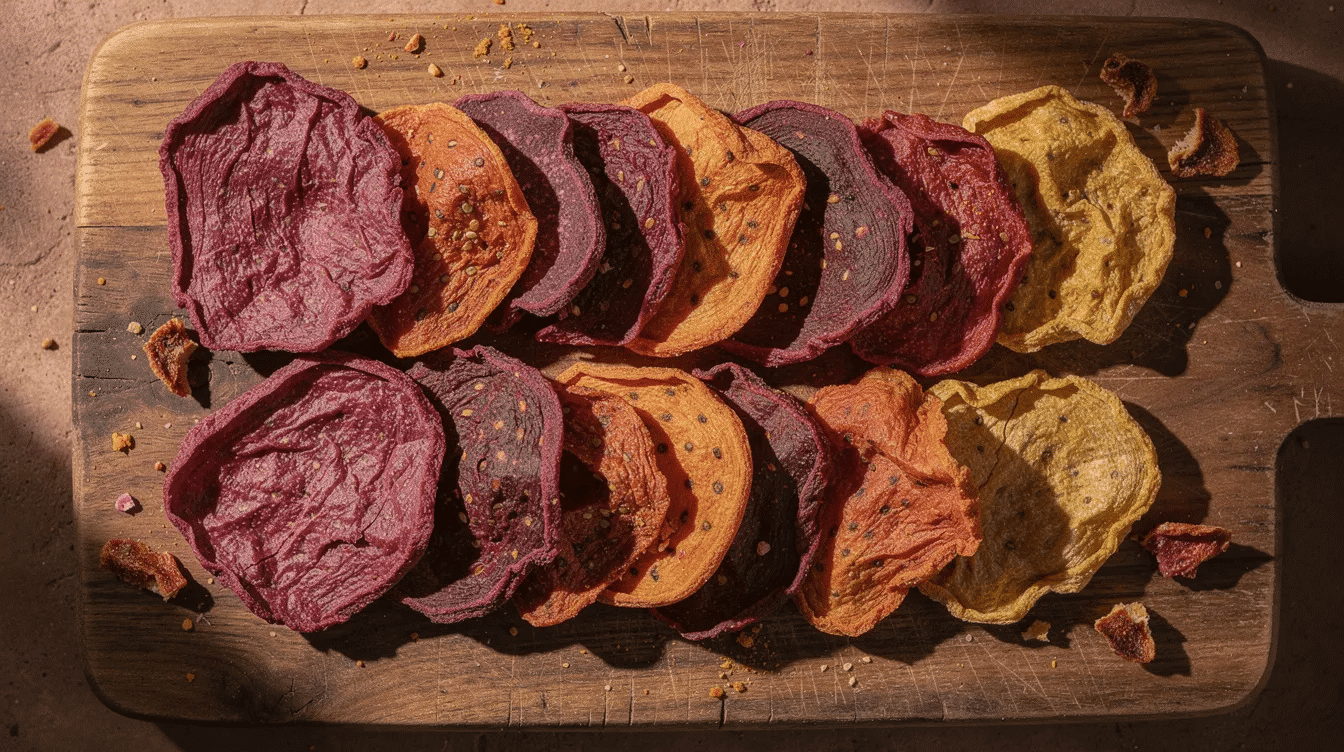
Dried prickly pear fruit is ideal for snacking straight from the bag, steeping in hot water to create herbal teas, or adding flavor to desserts and baked goods after rehydration. Dried prickly pear fruit is available in 8.8oz packages from many online retailers. Varieties range from white and yellow to deep red and purple flesh – the darkest types tend to be richest in betalain pigments and sweetest in taste.
Dried Prickly Pear Pads (Nopalitos)
The paddle-shaped stems of the prickly pear cactus – nopal cactus pads – are harvested young, sliced, and dried for use as a savory vegetable. Found throughout traditional Mexican and Southwestern cuisine, dried pads offer a vegetal, earthy flavor sometimes compared to asparagus or green beans. They’re rich in fiber and minerals: a single cup of raw pads (86 g) provides approximately 141 mg calcium and 1.9 g fiber at only about 14 calories.
Dried pads can be rehydrated for stews, salsas, and tacos, or ground into flakes and powder for seasoning, much like turning other tangy foods into dehydrated pickle crisps and pickle powder for snacking and seasoning. Dried prickly pear can be added to salsas and stews to bring both body and nutrition to savory dishes.
Freeze-Dried Prickly Pear
Freeze-drying (lyophilization) preserves prickly pear fruit or pads by freezing the material and sublimating the ice under reduced pressure. This method delivers superior color, flavor, and nutrient retention compared to heat-based methods. Research published in Frontiers in Food Science and Technology confirmed that freeze-dried prickly pear retains significantly higher flavonoid content than oven- or solar-dried fruit.
Freeze-dried prickly pear taffy has a light, crispy texture that makes it a unique snack, similar to other top freeze-dried fruits for healthy and easy snacking. These products rehydrate quickly thanks to their porous structure, making them convenient for cooking and smoothies. The trade-off is price – freeze-drying requires specialized equipment and careful packaging, so expect to pay a premium.
Prickly Pear Powder
Prickly pear powder is available for various culinary uses, from smoothie boosters and supplement capsules to natural food colorants and baking ingredients. Made by milling dried fruit or pads into a fine or coarse powder, this form concentrates both flavor and nutrients per gram, just as dehydration intensifies taste when you dry persimmons and preserve their flavor. Dried prickly pear can be mixed into smoothies and juices for nutritional benefits, and powder is the easiest way to do so consistently.
Powder can be derived from air-dried, oven-dried, or freeze-dried sources – freeze-dried powders generally retain more bioactive compounds but cost more; similar principles apply when making DIY apple fruit powder at home.
What to Look For in Dried Prickly Pear
Quality varies widely across dried prickly pear items. These are the product details and attributes worth checking before you add anything to your cart.
Color and Appearance
Color is the most immediate indicator of processing quality. Fresh, vivid hues – deep reds, rich purples, bright oranges – that carry through after drying signal minimal pigment degradation and careful handling. Browning, dullness, or dark spots around edges typically indicate over-heating, oxidation, or improper storage.
Natural color variations between varieties are normal: some cultivars produce white or green flesh, others deep purple. Dried prickly pear is rich in antioxidants such as flavonoids and betalains – the same compounds responsible for those vivid colors, just as careful techniques when you dehydrate citrus into perfectly dried slices help preserve color and nutrients. When pigments are well-preserved, so are the antioxidants.
Texture and Moisture Content
Ideal moisture content for dried prickly pear fruit sits below 10–12%. Comparative research found that oven- and solar-dried fruits achieved moisture levels of approximately 7–9.65% with water activity (a_w) around 0.35–0.48 – well below the ~0.6 threshold where spoilage organisms become active, similar to targets used when drying plums into flavorful, long-lasting prunes. Freeze-dried fruit measured slightly higher at 10.3–11.75% moisture with a_w of 0.50–0.54, still safe but more sensitive to humidity exposure.
For sliced fruit, look for a leathery or crisp texture – not rubbery (under-dried) or crumbling to dust (over-dried). Dried pads should rehydrate to a tender but slightly firm texture. Sticky or soft products may not meet safe moisture levels.
Processing Method
The method used to dry prickly pear directly impacts nutrient retention, flavor, and shelf life:
Air-drying / solar drying – Low cost and accessible, but variable results. Higher risk of contamination and greater losses in phenolics and vitamin C.
Oven drying – More consistent temperature control but heat degrades vitamin C and color pigments. Achieves the lowest moisture content for maximum shelf stability.
Freeze-drying – Best preservation of nutrients, texture, and color. A citric acid pretreatment combined with freeze-drying yielded the highest flavonoid levels in studies, while blanching reduced flavonoids by approximately 18–22% compared to untreated controls.
If you use a home food dehydrator, aim for temperatures around 50–60°C (122–140°F) for good results without excessive nutrient loss; following ultimate dehydrator fruit recipes can help you fine-tune times and techniques for different fruits.
Source and Origin
Harvest timing matters: the perfect stage of ripeness for prickly pear fruit lasts only about a week, and maximum shelf life of the fresh fruit is just 8–9 days. Dried products made from fruit harvested at peak ripeness deliver the best flavor and sweetness.
Mexico remains the heartland of prickly pear cultivation, with roughly 114 edible Opuntia species found in the country. Opuntia ficus-indica is the most widely cultivated species globally. Organic certification, wild-harvested versus cultivated origin, and the specific growing region all influence the final taste and quality of the dried product. Be aware that wild-harvested options may offer unique flavors but carry more variable quality.
How to Choose the Right Dried Prickly Pear
Turning those quality indicators into a practical decision comes down to five criteria:
Intended Use – Snacking calls for whole or sliced dried fruit with good color and sweet taste. Cooking and rehydration for savory dishes favor dried pads or large fruit pieces. Supplements and smoothies are best served by powder. Dried prickly pear can be used in baked goods and desserts after rehydration, or kept dry for direct snacking, similar to how dehydrated peaches make delicious long-lasting snacks.
Processing Preference – When nutrient and flavor retention are your top priority, freeze-dried products with citric acid pretreatment offer the best results. For everyday use at a lower price, oven-dried or solar-dried options are solid choices with proven shelf stability.
Form Factor – Whole slices have dramatic visual appeal and satisfy customers looking for a clean-label snack. Powder is the most convenient for adding to recipes, measuring precisely, and storing in compact spaces.
Storage Considerations – Ensure your dried prickly pear comes in airtight, moisture-barrier packaging. Freeze-dried products are more hygroscopic and need rigorous sealing; store all types in a cool, dark place. Properly dried and packaged products last 6–12 months or longer.
Budget and Quality Balance – Freeze-dried commands a higher price reflecting equipment and packaging costs. Air-dried or dehydrator-processed products offer good value when appearance and maximum nutrient density are less critical.
Frequently Asked Questions
Common questions for those new to dried prickly pear – answered with specifics.
How long does dried prickly pear last and how should I store it?
Properly dried fruit or pads (moisture below 10–12%, low water activity) typically last 6 months to over a year when stored in airtight containers away from heat, light, and moisture. Powdered forms may degrade faster – particularly vitamin C and pigment compounds. Signs of spoilage include a damp or sticky texture, off-smells, visible mold, or significant loss of color. Moderation is important due to the concentrated sugars in dried prickly pear, so portioning into smaller containers can also help with freshness.
Can I make dried prickly pear at home with a food dehydrator?
Yes, and it’s straightforward. Select ripe prickly pear fruit or young pads, carefully remove all glochids and spines, then slice to a uniform thickness (about ¼–½ inch for fruit, thin strips for pads), much like you would when following a dehydrated pear recipe for homemade snacks. A citric acid dip before drying helps preserve color and reduce oxidation. Set your food dehydrator to approximately 50–60°C (122–140°F) and dry until slices are leathery or crisp – moisture should reach roughly 10% or less, keeping in mind the differences between using a dehydrator versus a freeze-dryer for preservation. Safety note: always wear gloves when handling fresh prickly pear to avoid glochid irritation, and review your dehydrator’s manual for model-specific guidance.
What’s the difference between dried prickly pear fruit and pads?
The fruit is sweet and tart with a flavor often compared to watermelon and berry – ideal for desserts, teas, and snacking. The pads are savory and vegetal, close to asparagus or green beans, and used in stews, salsas, and traditional Mexican cooking. Nutritionally, fruit is higher in sugars and vitamin C (dried prickly pear contains 14 mg vitamin C per 100 grams), while pads are richer in calcium and lower in calories. Dried prickly pear fruit contains 4 g fiber per 100 grams, and a 100-gram serving provides 220 mg potassium and 56 mg calcium – making both forms a good source of soluble fiber and essential minerals. Xoconostle are naturally sour prickly pears used in cooking, particularly to add flavor to mole de olla, a Mexican stew – they sit between the sweet fruit and savory pads in culinary application. Xoconostle may lower glucose levels according to some studies.
How do I rehydrate dried prickly pear for cooking?
For fruit slices, soak in warm water or juice for 20–60 minutes until pliable. For pads, use a longer warm soak followed by simmering if destined for soups or stews. A general ratio is roughly 1 part dried to 3–4 parts liquid by volume; adjust time based on thickness. Rehydrated fruit works well in jams, baked goods, and desserts – dried prickly pear is used in making prickly pear jelly, and prickly pear juice can be used in drinks and desserts. For snacking or trail mix, keeping the product dry is usually preferred. Prickly pear syrup can be used in canning recipes as well, offering another preservation pathway.
Exploring Dried Prickly Pear Options
Dried prickly pear offers a remarkable range – from naturally sweet fruit snacks to mineral-rich pad flakes and concentrated powders. The fiber content in dried prickly pear supports digestion and gut health, while dried prickly pear supports health by lowering blood sugar and reducing inflammation. It may improve insulin sensitivity and stabilize blood glucose levels, may help reduce LDL and total cholesterol levels, and has been traditionally used as a mild natural diuretic. Dried prickly pear provides minerals such as potassium and magnesium in a compact, shelf-stable form.
Start by matching the product type to your intended use, review the color and texture for quality cues, and choose a processing method that fits your priorities. Whether you’re steeping dried tuna slices into a vibrant tea, stirring powder into a morning smoothie, or simmering rehydrated nopalitos into a stew, there’s a dried prickly pear product ready for every kitchen.
DannyContent Writer
Hey there, since 2016, my mission has been to provide you with the information and guides you need to make food dehydrating simple and fun. Whether you're a newbie or a seasoned pro, my site offers helpful guides, reviews, and recipes to enhance your dehydrating experience. I take pride in only recommending products I believe in, ensuring my readers' trust. As an affiliate of various programs, including Amazon Associates, your support helps me continue providing quality content. Thanks for stopping by, and happy dehydrating!