We earn a commission if you make a purchase, at no additional cost to you.
09/22/2026 04:39 pm GMT
🍊 Dehydrated Food Info Finder — Temperatures & Drying Times
Choose a category, then pick a food to see its drying temperature and time.
⚠️ Safety Disclaimer: Drying times are estimates and vary based on slice thickness, food moisture content, humidity, and your dehydrator model. Always check for doneness before storing — food should feel dry, leathery, or brittle with no moist spots. Improperly dried food can harbour mould and bacteria. For meat and poultry, follow USDA safe internal temperature guidelines: beef and pork to 160°F (71°C), poultry to 165°F (74°C). Use a food thermometer when in doubt. Store all dehydrated foods in airtight containers in a cool, dark place and discard anything showing moisture, mould, or off odours.
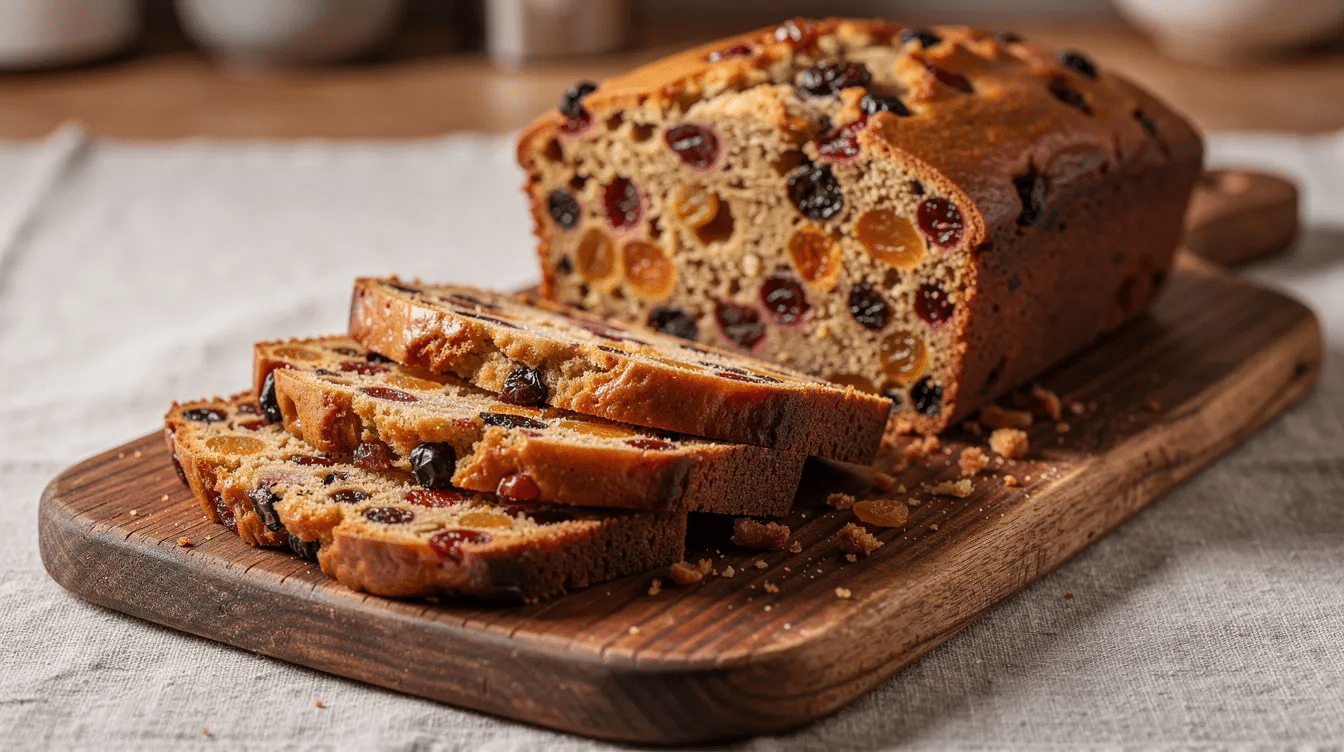
This dried fruit fruitcake uses real dried fruit—golden raisins, dried apricots, dried cherries, figs, and more—rather than fluorescent candied fruit, resulting in a moist cake with natural sweetness and complex flavor.
The recipe relies on an overnight soak (in dark rum, brandy, or apple juice for alcohol-free versions) and a low, slow bake at around 300°F for an ultra-tender texture that slices cleanly.
You can customize the dried fruit mixture to your taste as long as you follow the weight guidelines, mixing neutral fruits like raisins with accent fruits like cranberries and dried pineapple.
When wrapped in alcohol-soaked cheesecloth and stored properly, this fruit cake keeps for 4-6 weeks in the refrigerator, making it perfect for gift giving and stress-free holiday entertaining.
A detailed FAQ section at the end covers aging timelines, sugar reduction, alcohol-free adaptations, bundt pan baking, and how to rescue a dry cake.
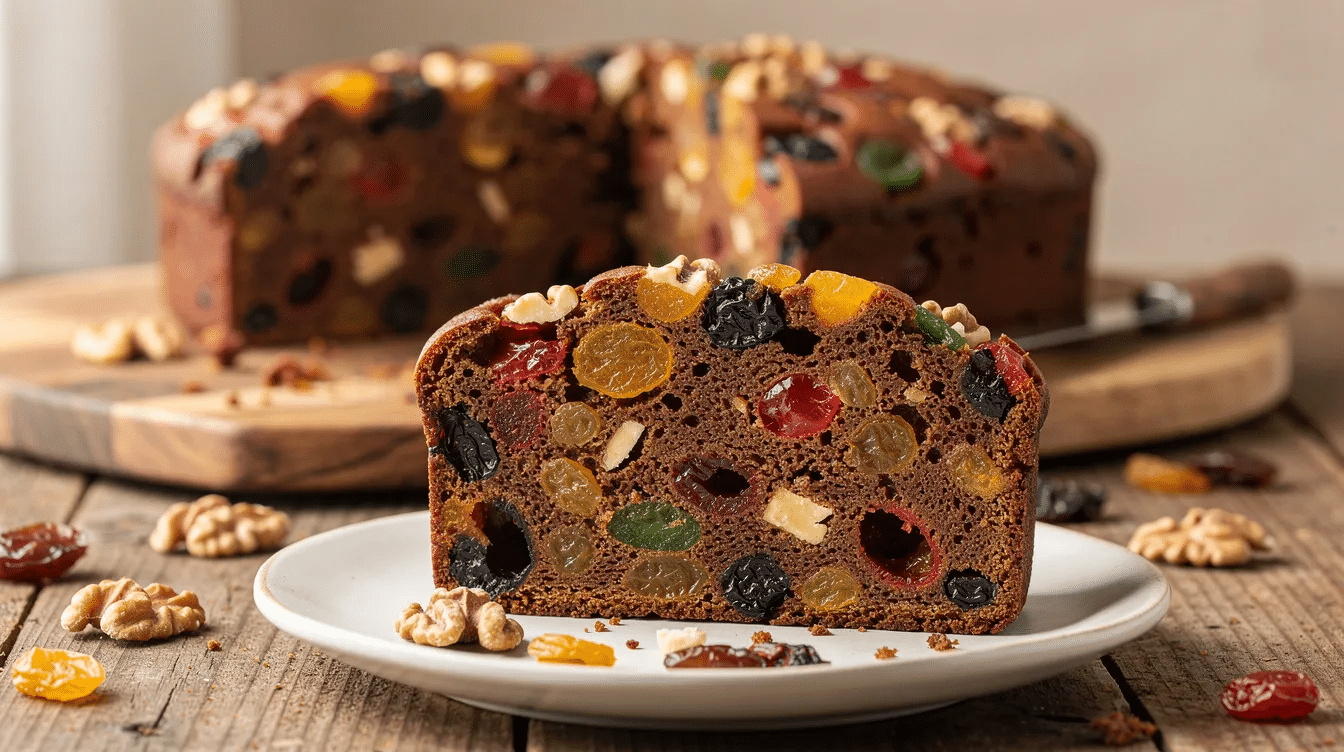
Fruitcake has a reputation problem. Mention it at a holiday gathering, and someone will inevitably joke about regifting the same brick-like loaf for decades. But this dried fruit fruitcake is something different entirely—a moist fruit cake built around real dried fruit, warm spices, and a slow bake that produces a tender crumb rather than a doorstop.
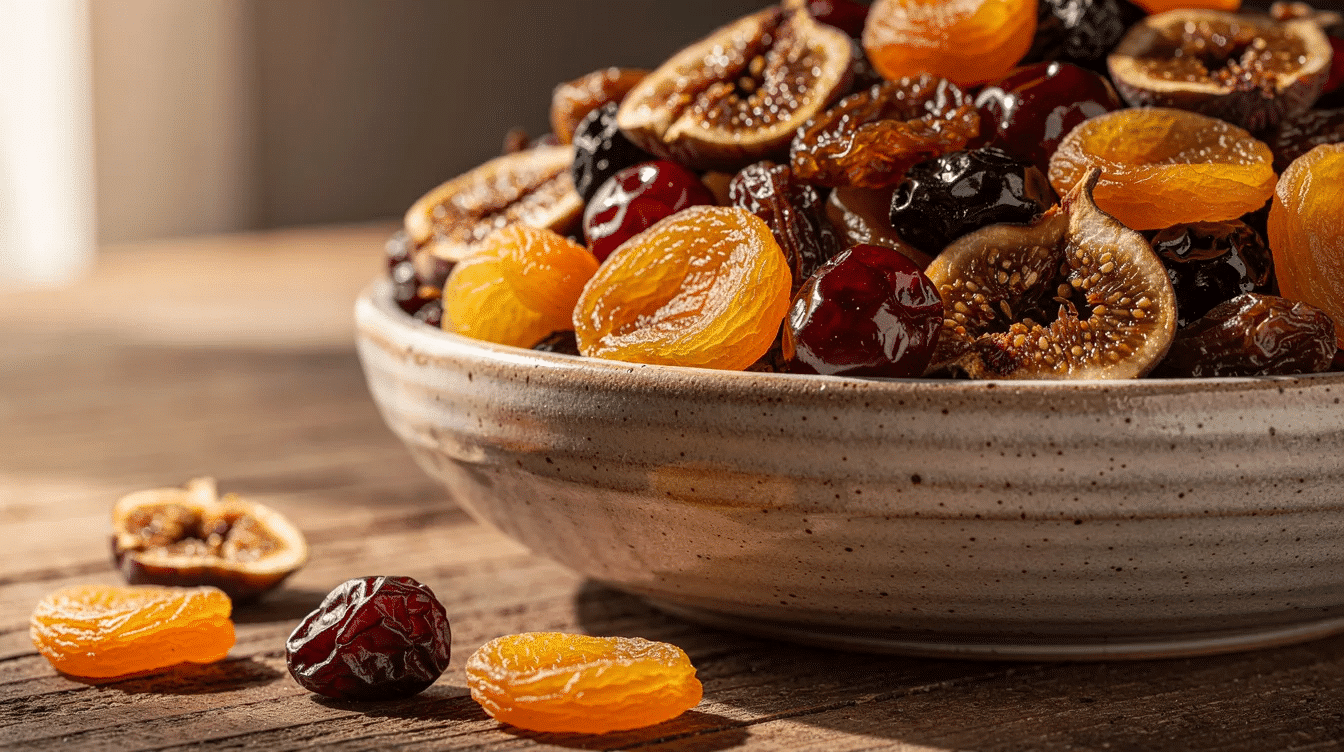
This best fruit cake recipe sets aside the neon candied peel and waxy glacé cherries that give traditional versions their artificial appearance. Instead, you’ll work with what you likely already have in your pantry: golden raisins, dark raisins, dried apricots, dried figs, dried cherries, and whatever other dried fruits catch your eye at the store. The result is a loaf that tastes like concentrated fruit and warm spice rather than pure sugar.
The timing works perfectly for the holiday season. Bake your loaves in mid to late November, wrap them in rum-soaked cheesecloth, and by the time Christmas Eve arrives, the flavors will have mellowed and deepened into something genuinely special. First Lady Martha Washington and poet Emily Dickinson both baked Christmas fruitcakes for friends and family, understanding that this dense, boozy cake was worth the effort when done right.
Whether you’re a longtime fruitcake enthusiast or a skeptic willing to give the dessert one more chance, this fruitcake recipe offers a clear path forward. Mixed dried fruit, optional nuts like chopped pecans or walnuts, warm spices, your choice of rum or brandy (or juice for an alcohol-free version), and a keeping time measured in weeks rather than days—this is approachable baking with impressive results.
Why You’ll Love This Dried Fruit Fruitcake
If you’ve been burned by bad fruitcake before, this section is for you. Here’s what sets this version apart:
Flavor that actually tastes like fruit:
The dried fruit mixture provides intense, concentrated fruit flavor without artificial sweetness
No fluorescent candied cherries or bitter candied peel required
You control the fruit blend—more tart cranberries if you dislike overly sweet desserts, more figs and dates if you prefer richness
Texture that proves fruitcake doesn’t have to be dry:
Dense but tender crumb that slices cleanly with a sharp knife
Not crumbly, not gummy, not the cement block of holiday jokes
Equally delicious served plain, lightly toasted, or spread with salted butter
Make-ahead convenience that reduces December stress:
Flavors genuinely improve after 7-14 days of aging
Bake in November, serve through New Year’s without quality loss
The homemade fruit cake stores for weeks when wrapped properly
Easy gifting format:
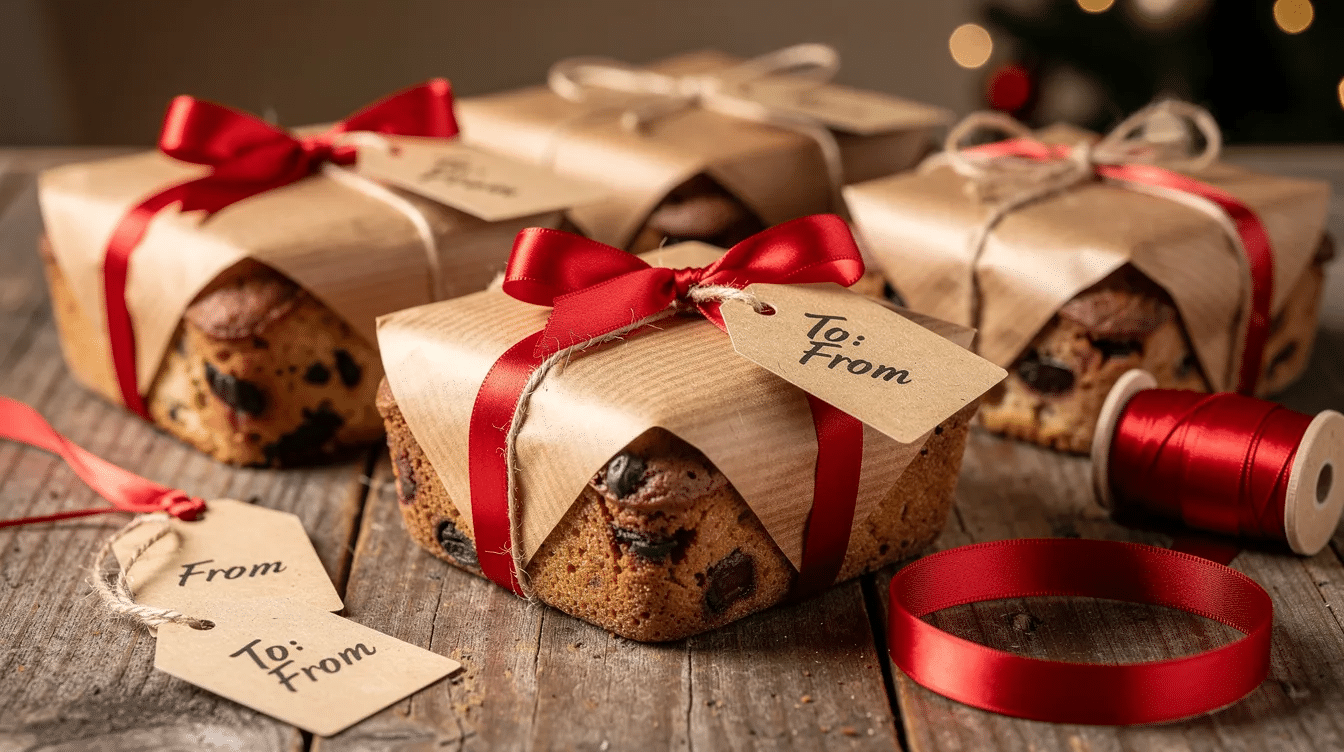
Bake in small loaves or inch loaf pans for individual gifts
Wrap in parchment paper and twine for a simple but attractive presentation
Include a tag noting whether alcohol is included and basic storage instructions
This recipe also includes a clear alcohol-free path using orange juice or apple juice, so those who avoid alcohol don’t need to sacrifice moisture or flavor.
The Story and Inspiration Behind This Fruitcake
This recipe draws on British and North American holiday traditions while incorporating modern preferences for natural ingredients. The classic old fashioned fruitcake recipe from your grandmother’s recipe box likely called for candied peel and glacé cherries because those were the preserved fruits available at supermarkets for decades. This version pivots to unsweetened dried fruit—the same fruits you might snack on year-round.
The shift makes practical sense. Supermarket golden raisins, raisins as simply dried grapes, dried figs, dried apricots, dried cranberries, dates, and local nuts like chopped pecans are pantry staples rather than specialty items. They’re easier to source, often less expensive, and they produce a cake that looks and tastes more natural than versions studded with bright red and green chunks.
The first test loaves for this recipe were baked in early November. They emerged from the oven fragrant and promising, but the real revelation came after two weeks of aging wrapped in brandy-soaked cheesecloth. The sharp alcohol edge had mellowed, the spices had integrated, and the fruit had softened further into something cohesive rather than a collection of individual ingredients. By early December, each slice tasted like a complete thought rather than a rough draft.
Importantly, this recipe requires no stand mixer. A large mixing bowl, a wooden spoon, and some patience will produce identical results. That accessibility matters for bakers working in small kitchens or those who simply prefer the tactile connection of mixing by hand.
Choosing and Preparing the Dried Fruit
The dried fruit mixture defines both flavor and texture in this cake. Weight-based measuring is essential here—a cup of loosely packed raisins weighs significantly less than a cup of tightly packed ones, and those differences matter when fruit comprises such a large percentage of the batter. If you enjoy experimenting, many bakers also use dehydrated fruit recipes for delicious snacks as a way to build up a stash of homemade dried fruit for holiday baking.
Proportion guidance: Aim for roughly half “neutral” fruits (raisins, currants) and half “accent” fruits (tangy cranberries, dried apricots, dried cherries, figs). This balance prevents the cake from becoming one-note.
Sweetness considerations: Dates and figs are the sweetest options in the dried fruit family. They’re delicious but should comprise a smaller percentage of your total fruit weight—perhaps 15-20%—to avoid cloying results. Tart fruits like dried cranberries and dried apricots balance perceived sweetness without requiring sugar reduction.
Preparation notes:
Chop larger fruits (figs, dried apricots, prunes, dried pears) into small, raisin-sized pieces for even distribution
Candied fruit or candied cherries can be added sparingly if you enjoy them, but the core recipe assumes dried fruit only
Candied ginger is an exception—its spicy bite complements the warm spices beautifully, especially if you use homemade candied ginger
Frozen or fresh fruit should not be substituted; they add too much water and dramatically shorten storage life, so rely on properly dried options like homemade dried plums instead
Soaking the Fruit: Alcohol vs. Alcohol-Free
Soaking is the foundation of moisture and long-keeping flavor. The dried fruit mixture absorbs liquid, plumps up, and carries that flavor throughout every bite of the finished cake.
Classic alcohol soak:
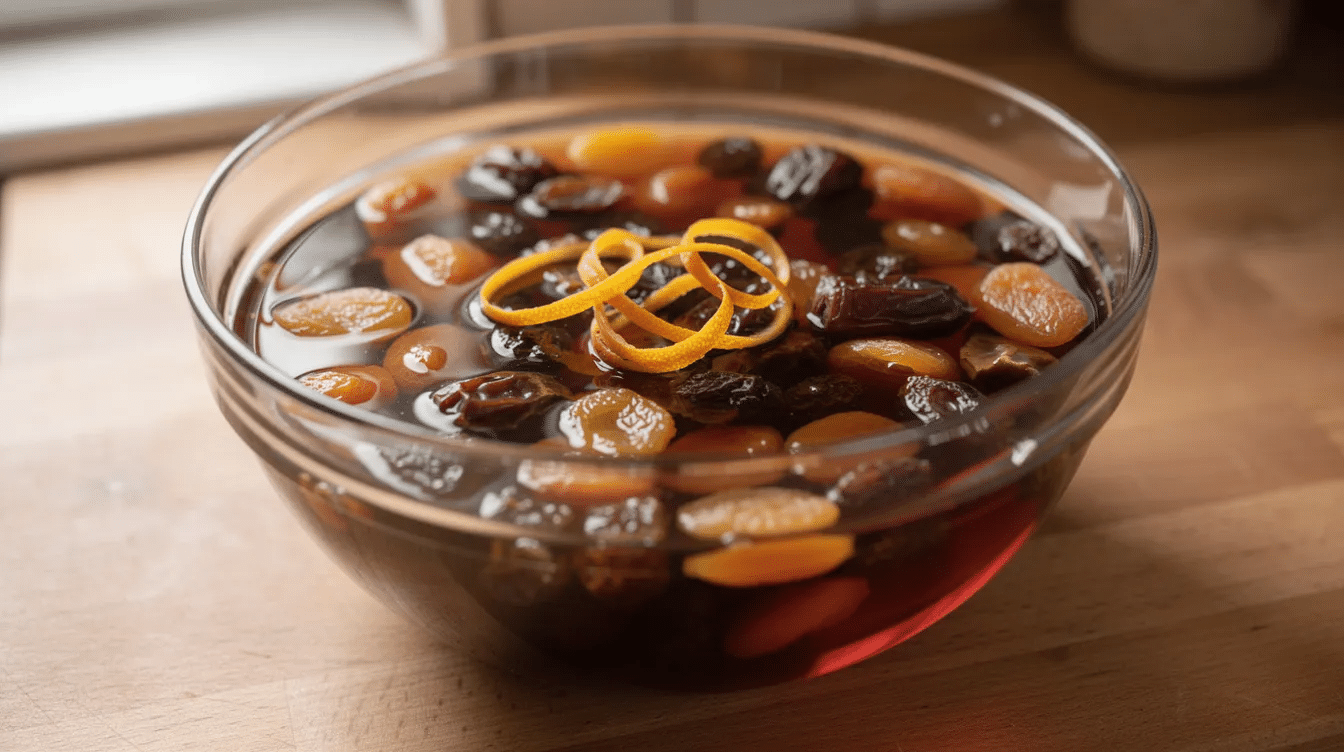
Combine your chopped dried fruit mixture with dark rum, brandy, or a 50/50 combination of both. Add the finely grated zest of one orange and a splash of orange juice—about 2-3 tablespoons. The citrus zest brightens the whole mixture and prevents the alcohol from tasting heavy or one-dimensional.
Cover the large bowl with plastic wrap and let it sit at cool room temperature for at least 12 hours and up to 24 hours. Stir once or twice if you think of it. The fruit will absorb most of the liquid, becoming plump and fragrant.
Quick-soak method:
If overnight soaking isn’t possible, gently warm the liquor and juice with the dried fruit in a saucepan over low heat. Once warm (not simmering), remove from heat, cover, and let sit 30-60 minutes. Allow the fruit mixture to cool completely to room temperature before adding it to the batter—warm fruit will scramble the eggs.
Alcohol-free version:
Use apple juice, orange juice, or spiced apple cider in place of spirits. The flavor will be brighter and less complex, and storage time will be shorter (7-10 days versus weeks), but the cake will still be moist and flavorful.
Regardless of method, keep all the soaking liquid and add it to the batter. Don’t drain the fruit—that liquid carries flavor you’ve worked to develop. For extra warmth, add a tablespoon of finely chopped crystallized ginger to the soaking mixture.
Key Ingredients for Dried Fruit Fruitcake
Beyond the soaked fruit, these ingredients build a sturdy but tender crumb that supports the heavy fruit load without becoming dense or dry.
Flour: All-purpose flour works perfectly. Measuring by weight (around 240g per 2 cups) ensures consistency across batches. Some bakers wonder about gluten free alternatives—a 1:1 gluten free flour blend can work, though the texture will be slightly more delicate and crumbly.
Leavening: A small amount of baking powder provides lift, while baking soda reacts with the acidic fruit juices and brown sugar. The combination keeps the cake from becoming too dense despite the heavy fruit and nut load.
Fat: Unsalted butter at room temperature allows for proper creaming with sugar. The butter mixture should become light and fluffy before adding eggs. Salted butter can substitute if you reduce added salt accordingly.
Sweeteners: Brown sugar—either light brown sugar or dark brown sugar—provides caramel depth and supports moisture retention. Dark brown sugar produces a more molasses-forward flavor; light brown sugar is subtler. Many recipes also include a spoonful of molasses for additional color and complexity. Granulated sugar can replace a portion of brown sugar if you prefer less caramel flavor, though the result will be slightly less moist. Powdered sugar is sometimes used for glazing but not in the batter itself.
Eggs: Several whole eggs enrich the batter and bind the heavy fruit load. They must be at room temperature for easier mixing—cold eggs can cause the butter mixture to seize and curdle.
Spices: The classic profile includes cinnamon, freshly grated nutmeg, ground allspice, and cloves. Optional additions include cardamom for floral notes or ground ginger for extra warmth. Freshly grated nutmeg makes a noticeable difference compared to pre-ground.
Optional additions: If you keep a homemade dried fruit and nut mix on hand for snacking, it can double as a convenient add-in here.
Chopped pecans, walnuts, or almonds
Orange zest and lemon zest for brightness
A small amount of dark chocolate chunks for a modern twist
Crystallized ginger for spicy-sweet pockets
How to Make Dried Fruit Fruitcake
The method is straightforward despite the lengthy ingredient list. Patience for soaking and slow baking matters more than technical skill.
Step 1: Soak the fruit
The night before baking, combine your chopped dried fruit with rum, brandy, or juice plus citrus zest. Cover with plastic wrap and let sit overnight at room temperature.
Step 2: Prepare your pans
When ready to bake, preheat the oven to 300 F (or 275°F for even slower baking). Lightly grease your loaf pans and line with parchment paper, leaving overhang for easy removal. Alternatively, use prepared pans with nonstick coating. For standard inch loaf pans (8½×4½ inches), this recipe yields two loaves. Mini loaves require less baking time.
Step 3: Cream butter and sugar
In a large bowl (or stand mixer if using), beat unsalted butter with light brown sugar or dark brown sugar until light and fluffy—about 3-4 minutes with an electric mixer or longer by hand with a wooden spoon. The butter mixture should become noticeably paler and increased in volume.
Step 4: Add eggs and flavorings
Beat in eggs one at a time, mixing well after each addition. Scrape down the bowl frequently. Stir in molasses (if using) and vanilla extract.
Step 5: Combine dry ingredients
In a separate bowl, whisk together flour, baking powder, baking soda, salt, cinnamon, nutmeg, allspice, and cloves. This flour mixture should be evenly combined with no visible pockets of spice or leavening.
Step 6: Mix and fold
Gently mix the flour mixture into the butter mixture in two or three additions, stirring just until combined. Fold in all the soaked fruit with its remaining liquid and any chopped nuts by hand. A wooden spoon or sturdy spatula works better than an electric mixer here—you want to avoid crushing the fruit or overworking the batter.
Step 7: Fill pans
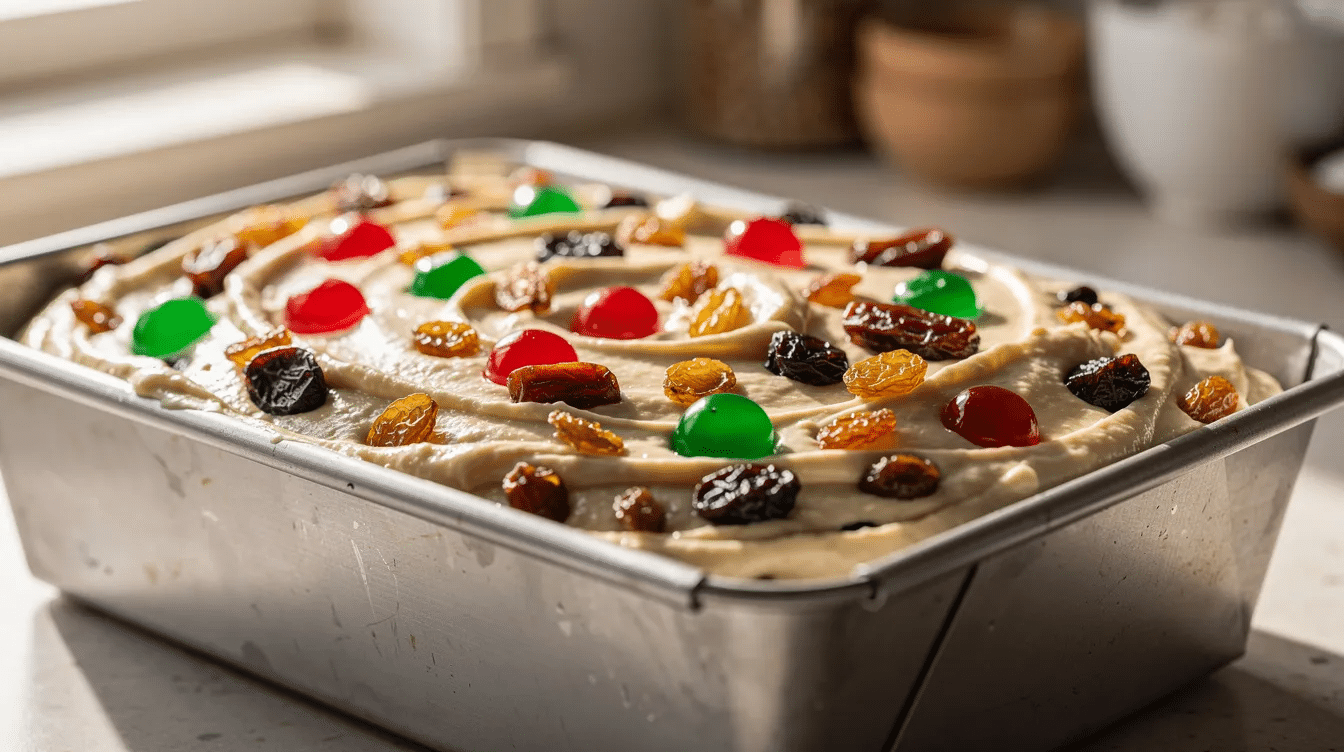
Divide the cake batter evenly among prepared pans, filling no more than two-thirds full. Smooth the tops with a spatula.
Step 8: Bake low and slow
Bake at 275-300°F until done—typically 75-120 minutes depending on pan size. The cake is ready when:
A toothpick inserted into the center comes out with only a few moist crumbs
The top is golden brown and firm to the touch
The edges are just pulling away from the pan sides
Step 9: Cool completely
Let the cakes cool completely in their pans on a wire rack before unmolding. This patience prevents crumbling. Once cool, the loaves are ready for wrapping and aging.
Baking Times, Pan Options, and Doneness
Pan size and material significantly affect baking time and final texture. Knowing your options helps you plan accordingly.
Pan Type
Size
Approximate Bake Time
Standard loaf
8½×4½ inch loaf pans
90-110 minutes
Smaller loaf
8×4 inch loaf
75-90 minutes
Mini loaves
Various
45-60 minutes
Bundt pan
10-12 cup
90-110 minutes
Paper loaf pans
Standard size
80-100 minutes
Tips for different pans:
Smaller loaves and mini loaves cook faster and make excellent gifts
A bundt pan produces a dramatic presentation but requires thorough greasing
Disposable paper loaf pans are ideal for gift giving—the recipient keeps the pan
Dark metal pans conduct heat more efficiently and may require reducing oven temperature by 15-25°F
Doneness tests:
Insert a skewer or toothpick inserted in the center—it should emerge with only a few moist crumbs, not wet batter
Internal temperature should reach approximately 200°F (93°C)
The top should feel firm and springy when lightly pressed
The cake should have a domed top and deep golden brown color
If the top darkens too quickly before the center finishes, tent loosely with foil and continue baking. This prevents over-browning while allowing the interior to catch up.
How to Age and Store Your Fruitcake
Aging is where rum soaked dried fruit fruitcakes transform from good to exceptional. The alcohol and fruit flavors meld, sharp edges soften, and the crumb becomes even more tender.
Traditional alcohol aging:
Once your cakes have cooled completely, wrap each loaf in a double layer of cheesecloth that has been soaked in rum, brandy, or sherry and wrung out lightly. Then wrap the cake tightly in aluminum foil.
Store in a cool, dark place—a basement, garage, or the back of a cool pantry works well. Every 5-7 days, unwrap and refresh the cheesecloth with a light splash of alcohol. Re-wrap and return to storage.
Aging timeline:
Minimum: 7 days (noticeable improvement)
Ideal: 2-4 weeks (optimal flavor development)
Maximum: 6-8 weeks when properly maintained
Refrigerator storage:
Once wrapped in alcohol-soaked cheesecloth and foil, cakes can move to the refrigerator for 4-6 weeks. Flavor continues developing over the first two weeks. This is a reliable option if you don’t have a consistently cool storage area.
Freezer storage:
Wrap cooled cakes first in plastic wrap, then in foil. Freeze for up to 3-6 months. Thaw overnight in the refrigerator, then bring to room temperature before serving for best texture and flavor.
Non-alcohol version storage:
Without alcohol’s preservative properties, these cakes have a shorter shelf life. Wrap in parchment paper and foil (no cheesecloth needed) and store airtight. Consume within 7-10 days, or freeze shortly after baking for longer storage.
Serving Suggestions
Fruitcake is rich by design—a little goes a long way, which is part of what makes it ideal for dessert servings at large gatherings. If you love dried fruit in baked goods, consider serving a batch of scones with dried fruit alongside for contrast.
Basic serving:
Cut thin slices (about ½-inch thick) with a sharp knife
Serve at room temperature alongside coffee, black tea, or mulled wine
Allow the cake to come to room temperature if refrigerated—cold slices are denser
Texture variations:
Serve slices chilled for firmer texture and more pronounced spice
Lightly toast slices under a broiler or in a toaster oven, then spread with salted butter
Warm slices briefly in the microwave for a softer, more aromatic experience
Elevated pairings:
Sharp cheddar cheese (a classic British combination)
Aged Gouda or manchego
Blue cheese for bold contrast
Port wine or sweet sherry
Using leftovers:
Cube into trifles with custard and whipped cream
Fold into bread pudding for intensified flavor
Layer into rum-spiked parfaits with mascarpone
For a cohesive presentation, garnish serving plates with a few of the same dried fruits and nuts used in the cake—a handful of dried apricots, some chopped pecans, a few dried cherries scattered around the slices.
Variations and Customizations
This base recipe adapts easily to different tastes and dietary requirements. The core technique remains the same—only the specific ingredients shift.
Nut-free version: Simply omit nuts entirely. Increase the dried fruit mixture weight by about 10-15% so the batter remains well-loaded. The texture will be slightly softer without nuts providing additional structure.
Winter citrus variation: Increase orange zest to two oranges and add the zest of one lemon (lemon zest brightens significantly). Add ½ teaspoon cardamom to the spice blend. Use orange juice as part of your soaking liquid. The result is brighter and more aromatic.
Chocolate twist: Fold 4-6 ounces of chopped dark chocolate or mini chips into the batter along with the fruit. The chocolate creates pockets of bittersweet richness that contrast beautifully with the sweet fruit. Best eaten within the first two weeks, as chocolate can bloom during extended storage.
Lighter spice profile: For those sensitive to strong flavors, reduce cloves to a pinch and allspice by half. Keep cinnamon and nutmeg at full strength—they’re the backbone of fruitcake’s warm character.
Tropical version: Replace half the traditional dried fruit with tropical options: dried pineapple, dried mango, dried papaya, and unsweetened coconut flakes. Use dark rum as the soaking liquid. Add a pinch of ginger to the spices.
Gluten-free adaptation: Use a 1:1 gluten free flour blend in place of all-purpose flour. The texture will be slightly more delicate and may crumble more easily when sliced. Allow the cake to cool completely before attempting to unmold.
Make-Ahead, Gifting, and Storage Tips
Fruitcake’s extraordinary shelf life makes it one of the best make-ahead holiday projects and an ideal candidate for gift giving. For year-round variety, some hosts also enjoy gifting a dried fruit subscription box so friends can sample different fruits beyond the holiday table.
Suggested baking schedule:
When to Bake
When to Serve
Aging Time
Mid-November
Mid-December
4 weeks
Late November
Christmas
3-4 weeks
Early December
New Year’s
3-4 weeks
Week before event
Acceptable
7 days minimum
Gifting format: Bake in multiple small loaves or paper loaf pans specifically for gifts. Adjust baking time downward for smaller pans. The recipient can enjoy the cake without needing to return a pan.
Wrapping for gifts:
Wrap the cooled, aged cake in parchment paper or waxed paper
Add an outer layer of brown kraft paper, decorative foil, or fabric
Tie with ribbon or kitchen twine
Attach a tag with date baked, ingredients (noting whether alcohol is included), and storage instructions
Suggested label language:
Boozy version: “Best enjoyed within 4 weeks. Store wrapped in a cool place or refrigerate.”
Non-alcohol version: “Best within 10 days, or freeze for longer storage.”
Always note whether the cake contains alcohol—this matters for recipients who avoid it for health, religious, or personal reasons. Similarly, note if the cake contains common allergens like nuts.
Before you review recipe quantities and bake, remember that this best fruitcake recipe improves with time. The worst time to bake a fruitcake is the day before you need it. The best time is a month ahead.
Frequently Asked Questions
How far in advance can I make this dried fruit fruitcake?
Alcohol-based fruitcakes are ideal when baked 2-4 weeks before serving, giving the flavors ample time to meld. When wrapped in alcohol-soaked cheesecloth and foil and stored in a cool, dark place or refrigerator, they can keep exceptionally well for 6-8 weeks—the USDA confirms that properly made fruitcake can last six months refrigerated.
Non-alcohol versions have a shorter window. They’re best consumed within about 7-10 days of baking, though freezing shortly after baking extends storage to 3 months without significant quality loss.
Can I reduce or skip the sugar since dried fruit is already sweet?
The dried fruit provides substantial sweetness, but the granulated sugar and brown sugar in the batter serve purposes beyond taste. Sugar contributes to structure, moisture retention, and proper browning during the long bake. Without adequate sugar, the cake may turn out dry and dense rather than tender.
That said, you can modestly reduce sugar by about 20-25% if you strongly prefer a less sweet cake. Avoid drastic reductions. Another strategy: use more tart fruits like dried cranberries, dried apricots, and dried cherries in your fruit mixture. These balance perceived sweetness without requiring recipe modifications.
What if I don’t have time to soak the fruit overnight?
A shortcut exists for time-pressed bakers. Gently heat the dried fruit with your soaking liquid (alcohol or juice) in a saucepan until warm—not simmering. Remove from heat, cover, and let sit 30-60 minutes. The warmth accelerates absorption.
While overnight soaking produces the best result with the most evenly plump fruit, the warm-soak method still produces a moist cake with good flavor. Just ensure the fruit mixture cools completely to room temperature before adding it to the batter. Adding warm fruit will scramble the eggs and ruin the texture.
Can I bake this fruitcake in a bundt pan instead of loaf pans?
A standard 10-12 cup bundt pan works beautifully and creates a dramatic presentation. Grease and flour the pan thoroughly, paying special attention to decorative crevices. Some bakers add a parchment circle on the base if using a tube pan for extra insurance against sticking.
Baking time runs longer than for loaves—start checking for doneness around 85-90 minutes. If the top browns too quickly, tent loosely with foil. The skewer test remains reliable: inserted into the center, it should emerge with only a few moist crumbs.
How do I fix a fruitcake that turned out too dry?
Once baked, you cannot fully reverse dryness, but you can significantly improve moisture and flavor through post-bake soaking. Brush or lightly drizzle the cooled cake with warm rum, brandy, or fruit juice—be generous but don’t saturate to the point of sogginess. Wrap the cake tightly in plastic wrap or cheesecloth and rest for 24-48 hours before tasting again.
If the cake remains drier than ideal, serve it strategically: warm the slices and top with salted butter, cream cheese, or warm custard. An apricot glaze brushed over the surface can add moisture and shine. You can also slice the cake thin, toast it lightly, and serve it as a base for a simple syrup-soaked dessert.
DannyContent Writer
Hey there, since 2016, my mission has been to provide you with the information and guides you need to make food dehydrating simple and fun. Whether you're a newbie or a seasoned pro, my site offers helpful guides, reviews, and recipes to enhance your dehydrating experience. I take pride in only recommending products I believe in, ensuring my readers' trust. As an affiliate of various programs, including Amazon Associates, your support helps me continue providing quality content. Thanks for stopping by, and happy dehydrating!