We earn a commission if you make a purchase, at no additional cost to you.
09/22/2026 04:39 pm GMT
🍊 Dehydrated Food Info Finder — Temperatures & Drying Times
Choose a category, then pick a food to see its drying temperature and time.
⚠️ Safety Disclaimer: Drying times are estimates and vary based on slice thickness, food moisture content, humidity, and your dehydrator model. Always check for doneness before storing — food should feel dry, leathery, or brittle with no moist spots. Improperly dried food can harbour mould and bacteria. For meat and poultry, follow USDA safe internal temperature guidelines: beef and pork to 160°F (71°C), poultry to 165°F (74°C). Use a food thermometer when in doubt. Store all dehydrated foods in airtight containers in a cool, dark place and discard anything showing moisture, mould, or off odours.
The U.S. dried fruit market continues to grow as consumers seek convenient, shelf-stable snacking options backed by real fruit ingredients. From California orchards producing sun-dried apricots to Michigan operations harvesting tart cherries, American companies offer a remarkable variety of products for both retail customers and commercial food manufacturers.
Dried fruit companies in the USA operate across several distinct categories. Traditional dehydrated fruit remains a staple, while freeze-dried fruit snacks have gained momentum since 2010 as a crispy, lightweight alternative. Organic dried fruit has expanded significantly as more orchards complete USDA certification.
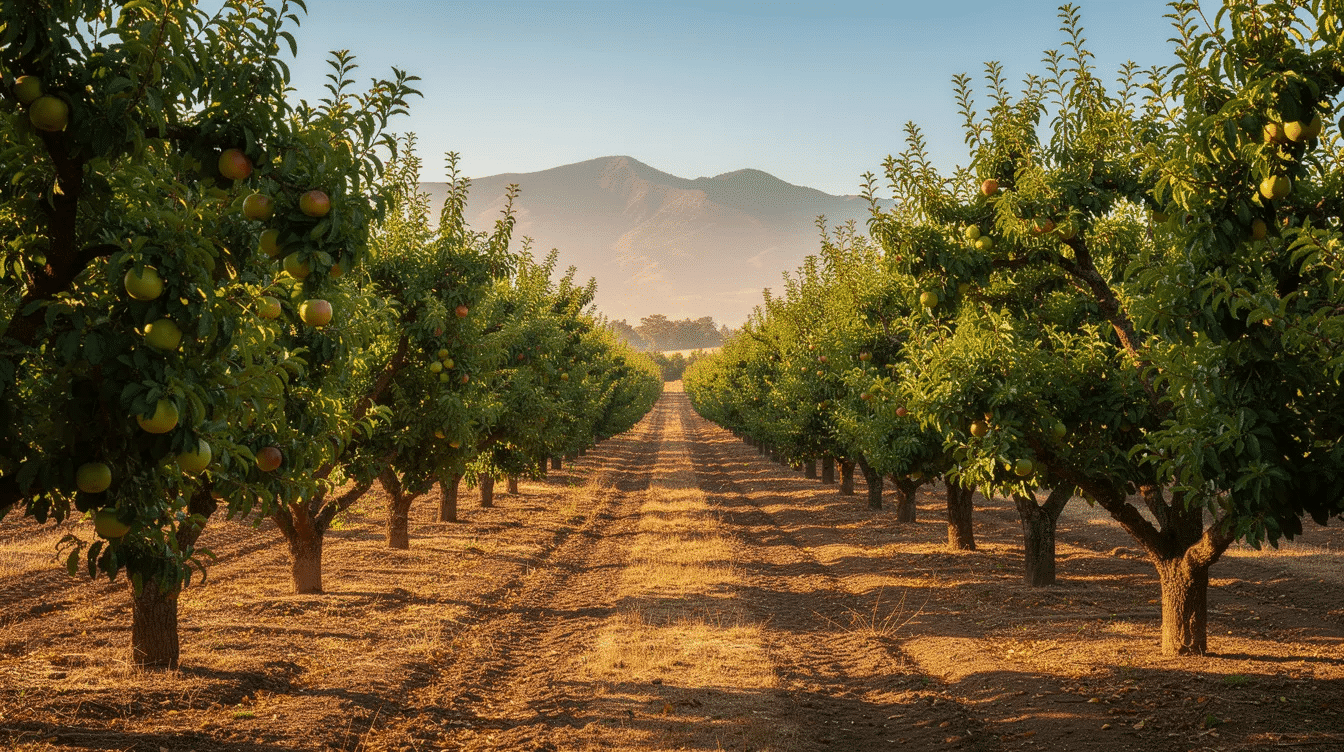
Major sourcing regions include California’s Central Valley for apricots and raisins, Washington and Oregon for apples and pears, and Michigan for cherries and cranberries. Shoreline Fruit, for example, operates nearly 7,000 acres of cherry orchards in Michigan, making it the largest tart cherry producer in North America.
This article covers consumer snack brands, farm-based operations, and ingredient suppliers shipping across the USA—helping you identify the right partner whether you’re filling your cart for personal snacking or sourcing bulk orders for commercial production.
Types of Dried Fruit Companies in the USA
Understanding business models helps you find the right company for your needs.
Farm-based brands grow, dry, and pack their own fruit—often family operations dating back generations. These companies control quality from tree to bag and typically specialize in fruits nurtured on their own land.
National snack brands focus on freeze-dried fruit chips and mixed fruit snacks sold in supermarkets and online. Companies like Crispy Green hold the title of leading freeze-dried fruit snack company in the USA.
B2B ingredient manufacturers supply bulk dried fruit ingredients to bakeries, cereal makers, and foodservice buyers. Graceland Fruit produces extensive varieties designed for commercial food applications.
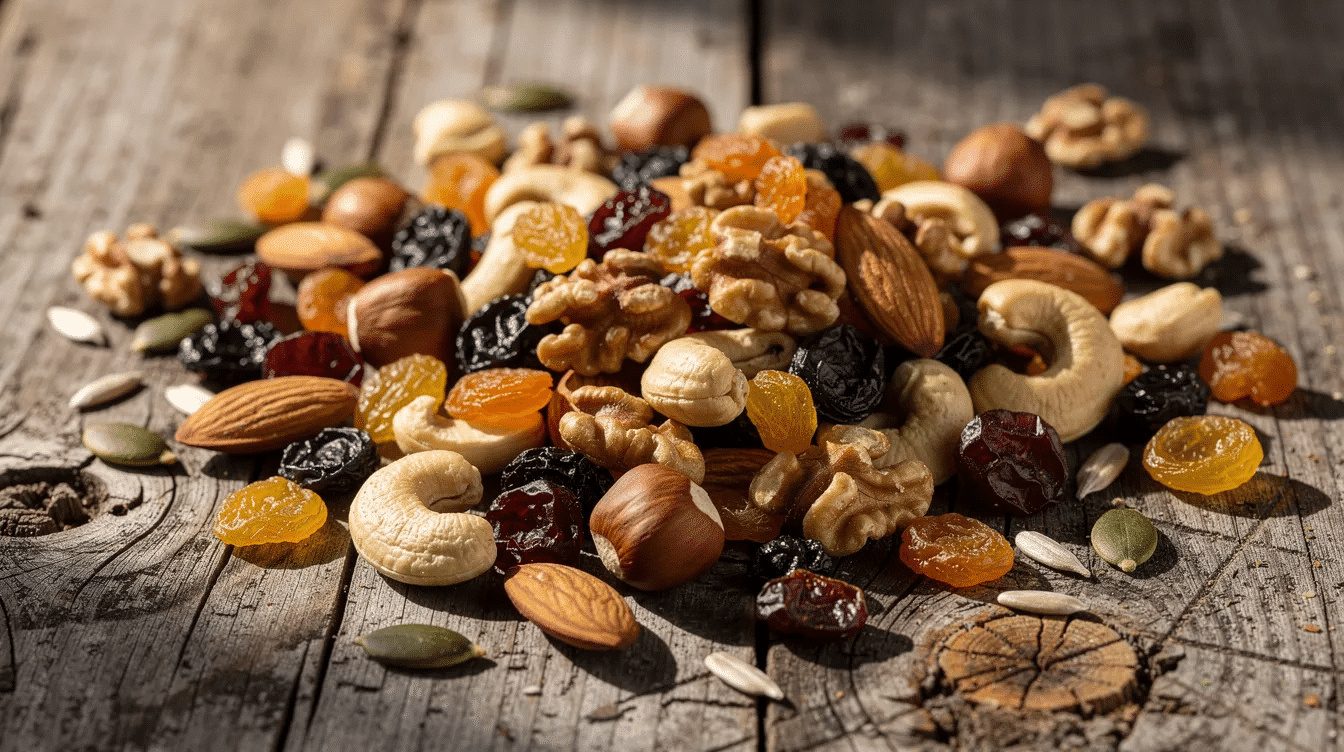
Niche companies specialize in organic, no-sugar-added, gluten free, and allergen-friendly products. Many also sell complementary items like nuts, granola bars, and trail mixes.
Leading Farm-Based Dried Fruit Brands
Several U.S. companies still oversee fruit from orchard to packaging, ensuring perfection at every stage. Bella Viva Orchards, based in California, offers 5 different types of dried cherries and 10 types of dried apricots—all nurtured from growth through packaging.
These farm brands emphasize sustainability in regions like California’s Central Valley, implementing water efficiency and reduced pesticide programs. Fruits commonly offered include apricots, cherries, prunes, apples, pears, peaches, and seasonal items like persimmons harvested in late fall.
Most sell direct-to-consumer via their websites, shipping throughout the USA. Arnett Farms naturally dries all fruit varieties on-site, representing the hand-crafted approach many customers love.
Dried Fruits (Soft, Moist Styles)
This classic style produces chewy, delicious dried fruit perfect for snacking and adding to any recipe. The texture is soft and moist—a good choice for families and older adults who prefer gentler textures.
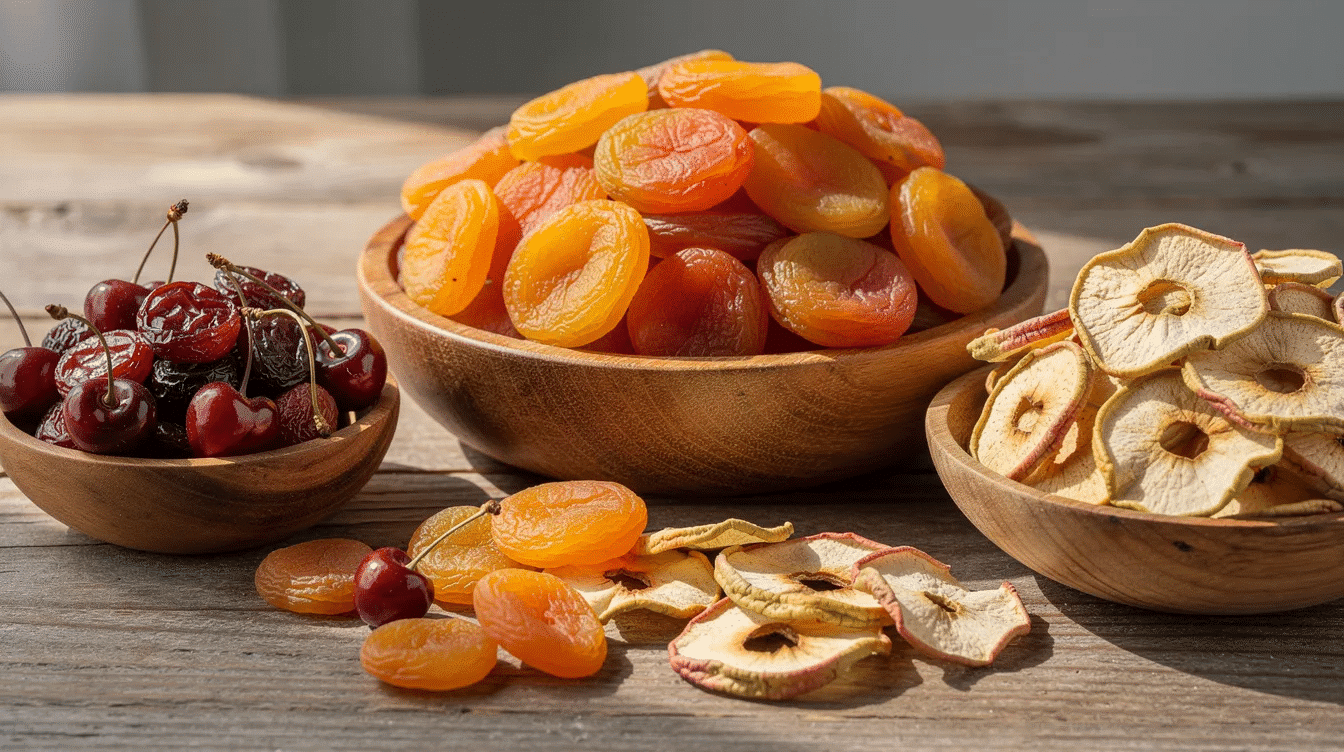
Common products include tender apricot halves, soft apple rings, and plump cherries. Controlled humidity and protective packaging keep these products ready to enjoy straight from the bag or mixed into oatmeal, yogurt, and cheese boards.
Natural Dried Fruits (No Additives)
Natural dried fruit contains no added sugar, sulfites, flavorings, or preservatives—just fruit and careful drying. Many U.S. orchard brands use proprietary low-temperature or solar drying to retain natural color and flavor.
These products tend toward a more concentrated, sometimes slightly tart flavor with darker, more rustic appearance. Label-conscious consumers trust short ingredient lists. Examples include unsulfured apricots, sun-dried apples, and no-sugar-added cherries.
Organic Dried Fruit Lines
Many U.S. orchards have converted land to certified organic since the 2000s. The USDA Organic certification requires multi-year transitions away from synthetic fertilizers and most conventional pesticides.
Organic dried fruits are processed with dedicated handling practices. Consumer benefits include lower synthetic chemical reliance and improved soil health. Stock your pantry with a variety of dehydrated fruits like organic dried apricots, raisins, cranberries, and apples—widely available since around 2015 in national grocery chains.
Freeze-Dried Fruit Snack Companies
Freeze-drying removes moisture at low temperatures and pressure, yielding crispy, airy pieces distinct from traditionally dried fruit. U.S. brands gained momentum after 2010 as parents and athletes sought light, crunchy, low-mess snacks.
Typical formats include single-serve pouches of freeze-dried apples, strawberries, and mangoes. Leading brands promote 100% fruit, non-GMO sourcing, and long shelf life, reflecting many of the same benefits as at-home freeze drying methods. Many highlight food-waste reduction and recyclable packaging as sustainability commitments.
Mission-Driven Freeze-Dried Brands
Some companies present themselves as using food as a force for good. The Ugly Co. creates freeze-dried snacks from “ugly fruit” to prevent food waste—a way of sharing sustainability values with customers.
Common commitments include supporting food banks, partnering with school nutrition programs, and encouraging fruit consumption among kids. Brothers All Natural offers freeze-dried fruit crisps described as all natural with no additives or preservatives, appealing to health-conscious families.
Wholesale and Ingredient-Focused Dried Fruit Manufacturers
Many dried fruit companies focus on supplying other food businesses rather than retail sale alone. These manufacturers provide bulk dried fruit ingredients—infused cranberries, diced apricots, blueberry pieces—to bakeries, cereal makers, yogurt brands, and restaurant chains.
Key characteristics include precise moisture targets, specific piece sizes (dice, slices, flakes), and customized blends, all supported by proper airtight storage containers for dried fruit. Graceland Fruit delivers exceptional flavor, texture, color, and performance in commercial applications.
Why Food Manufacturers Choose U.S.-Based Dried Fruit Suppliers
Key reasons include shorter supply chains, reliable North American shipping, and tighter quality control. Common certifications demanded include SQF, BRCGS, HACCP plans, kosher, halal, and non-GMO verification.
Leading U.S. producers use third-party labs testing each batch for pathogens, mycotoxins, and heavy metals. Documented traceability from orchard through packaging became essential after FDA’s FSMA rules in the mid-2010s. Stable pricing contracts and technical support factor into long-term partnerships.
Partnering for Product Innovation
U.S. dried fruit manufacturers work with brand owners to create innovative products—sweet-savory fruit mixes, chili-lime infused mango, or low-sugar berry blends. Services include application testing, shelf-life studies, and packaging recommendations.
Some suppliers operate online portals where B2B customers place bulk orders and track shipments. Innovation cycles range from months for new cut sizes to 12–18 months for new infused formats. Trend-aligned launches since 2022 include high-fiber snack clusters and better-for-you granola bars.
Snack and Bar Brands Built Around Dried Fruit
Many U.S. companies use dried fruit as a base for added-value products like chips, granola bars, and trail mixes. Fruit chip brands offer thinly sliced apples, peaches, or bananas that are crisp-dried or plums turned into chewy prunes—a crunchy upgrade from potato chips.
Fruit-forward granola bar brands emphasize real fruit pieces combined with gluten free oats and simple sweeteners. These bars target on-the-go energy for commuting, school lunches, and outdoor activities, often drawing on dehydrated fruit snack recipes that highlight simple ingredients. Key selling points include preservative-free, non-GMO, and nut-free options for allergy-sensitive consumers.
Customization Options for Consumers
Some U.S. brands offer build-your-own bundles, letting customers choose favorites at a fixed quantity and price, similar in convenience to a dried fruit subscription box. Structures like “pick any three bags” or “mix a 12-count case” reflect modern e-commerce practices.
These bundles usually include free shipping across the continental USA to encourage trial. Online customization helps brands gather data on popular options and manage seasonal releases—like fall apple cinnamon or summer berry blends or a favorite dried fruit and nut mix. Read product descriptions carefully to find your perfect link between taste and health.
How to Choose the Right Dried Fruit Company in the USA
When selecting a supplier, consider ingredient transparency, farming practices, and drying method based on desired texture. Check for certifications like USDA Organic, non-GMO claims, and allergen handling statements.
For business buyers, verify food safety certifications, third-party audit results, and capacity for year-round orders. Even products commanding the highest price may deliver better value through consistency and quality. Consider sustainability initiatives—reduced food waste, recyclable packaging, and community involvement—when comparing options.
The USA hosts a diverse ecosystem of dried fruit companies, from family orchards helping customers discover sweet, natural goodness to high-tech freeze-dried innovators. Whether you’re in march toward healthier snacking habits or sourcing an ingredient for commercial production, American suppliers offer credible options you can trust. Take time to explore, request samples, and find the company that fits your case perfectly.
DannyContent Writer
Hey there, since 2016, my mission has been to provide you with the information and guides you need to make food dehydrating simple and fun. Whether you're a newbie or a seasoned pro, my site offers helpful guides, reviews, and recipes to enhance your dehydrating experience. I take pride in only recommending products I believe in, ensuring my readers' trust. As an affiliate of various programs, including Amazon Associates, your support helps me continue providing quality content. Thanks for stopping by, and happy dehydrating!