We earn a commission if you make a purchase, at no additional cost to you.
09/22/2026 04:39 pm GMT
🍊 Dehydrated Food Info Finder — Temperatures & Drying Times
Choose a category, then pick a food to see its drying temperature and time.
⚠️ Safety Disclaimer: Drying times are estimates and vary based on slice thickness, food moisture content, humidity, and your dehydrator model. Always check for doneness before storing — food should feel dry, leathery, or brittle with no moist spots. Improperly dried food can harbour mould and bacteria. For meat and poultry, follow USDA safe internal temperature guidelines: beef and pork to 160°F (71°C), poultry to 165°F (74°C). Use a food thermometer when in doubt. Store all dehydrated foods in airtight containers in a cool, dark place and discard anything showing moisture, mould, or off odours.
Dried Fruit Candies: Recipes, Freeze Dried Treats & Snacking Guide
Dried fruit candies refer to fruits with natural moisture removed and treated with sugar, resulting in confections that range from chewy fruit pieces to crunchy freeze dried treats. Whether you savor chocolate-dipped apricots, cranberry cashew bark, or a bag of freeze dried candy in strawberry, mango, green apple, and grape, this category covers a surprisingly wide world of sweets.
Dried fruit adds natural sweetness and flavor to candy recipes, which is why fruit-and-nut bite recipes have been a staple since the 1970s and 1980s. Dehydrated fruit is chewy and naturally sweet, while freeze dried fruit is light and crunchy-two very different experiences from the same starting ingredients. Both styles work as a portable snack or a packaged holiday gift.
Why the popularity? A few reasons:
Intense flavor concentration from water removal
Long shelf life compared to fresh fruit
Versatility across baking, gifting, and everyday snacking
Simple ingredients that let you indulge without a long list of additives
What Counts as Dried Fruit Candy? Types & Definitions
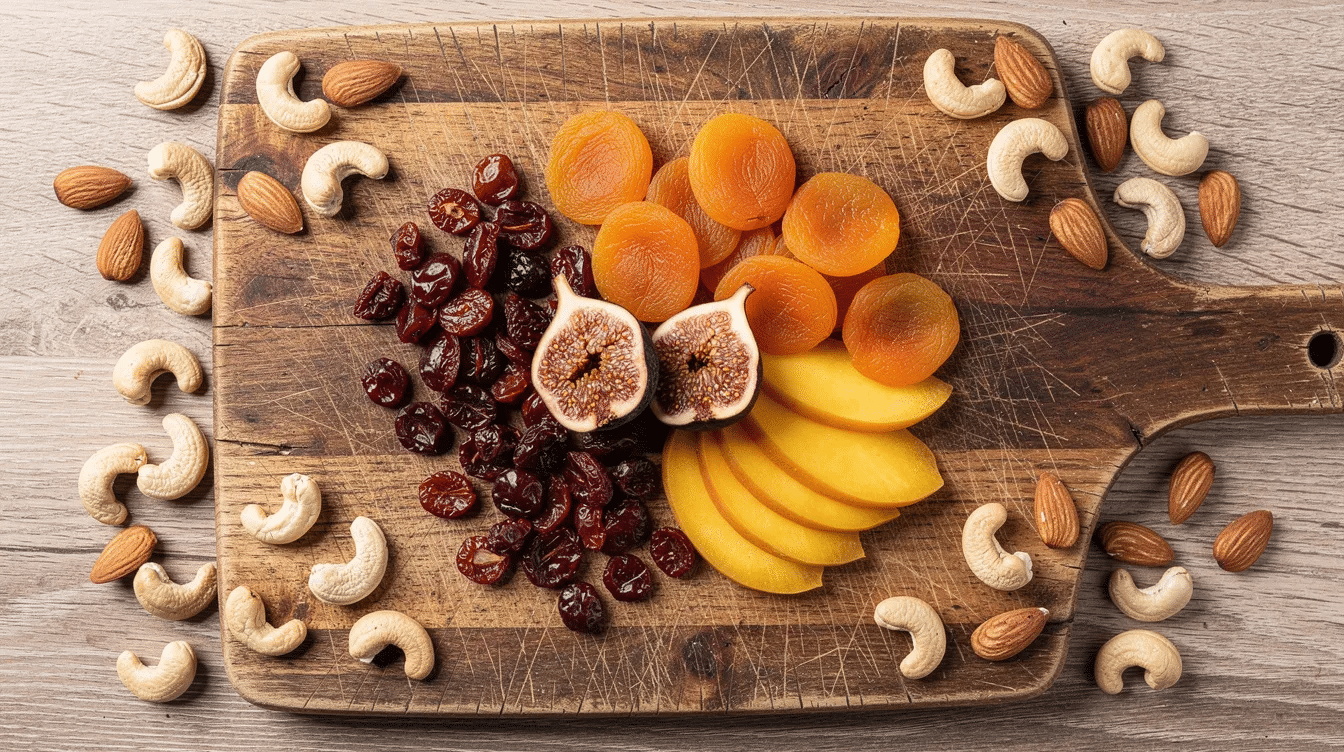
Dried fruit is the raw ingredient-think apricots, cranberries, raisins, figs, mango, and banana chips. Dried fruit candy is what happens when those ingredients become confections: shaped, coated, or combined with nuts, chocolate, and spices into something you’d eat as a treat rather than a side dish.
Dried fruit candies can be made using traditional osmosis, dehydration, or freeze-drying methods, and many home cooks now use food dehydrators to dry fruit at home for snack-ready ingredients. During the candying process, osmosis replaces water inside fruit cells with sugar, preserving the fruit and creating that glossy, sweet bite. Commercial dried fruit candies may include sugar, citric acid, natural flavors, and preservatives to extend shelf life. Meanwhile, fruits like mangoes and apples can be dehydrated to extract most of their water, and dried fruit can be naturally dried or soaked in sugar syrup before drying.
Here are the main styles you’ll encounter:
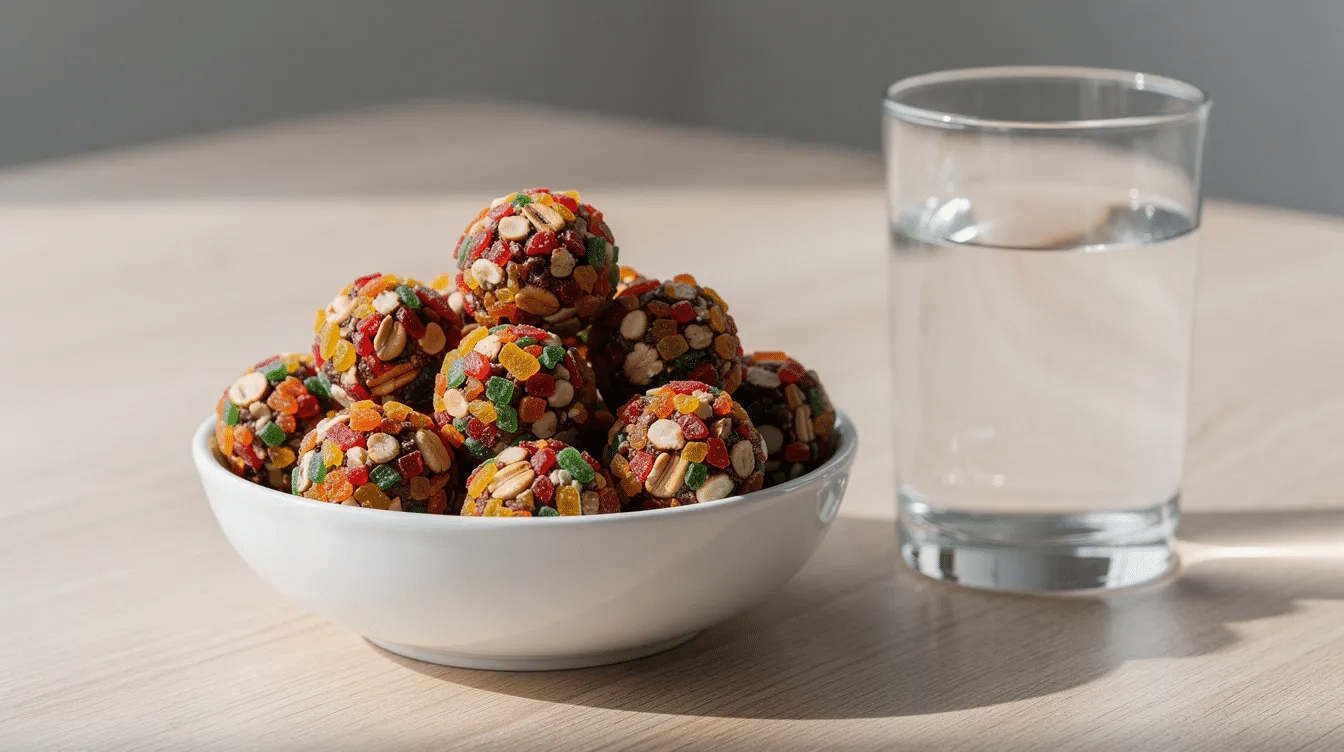
Chewy fruit-and-nut energy bites – dates, nuts, and dried berries processed and rolled into balls, often dusted in coconut or cocoa powder.
Chocolate-dipped dried fruits – apricots, cherries, mango slices coated in dark or milk chocolate for an elegant, delicious finish.
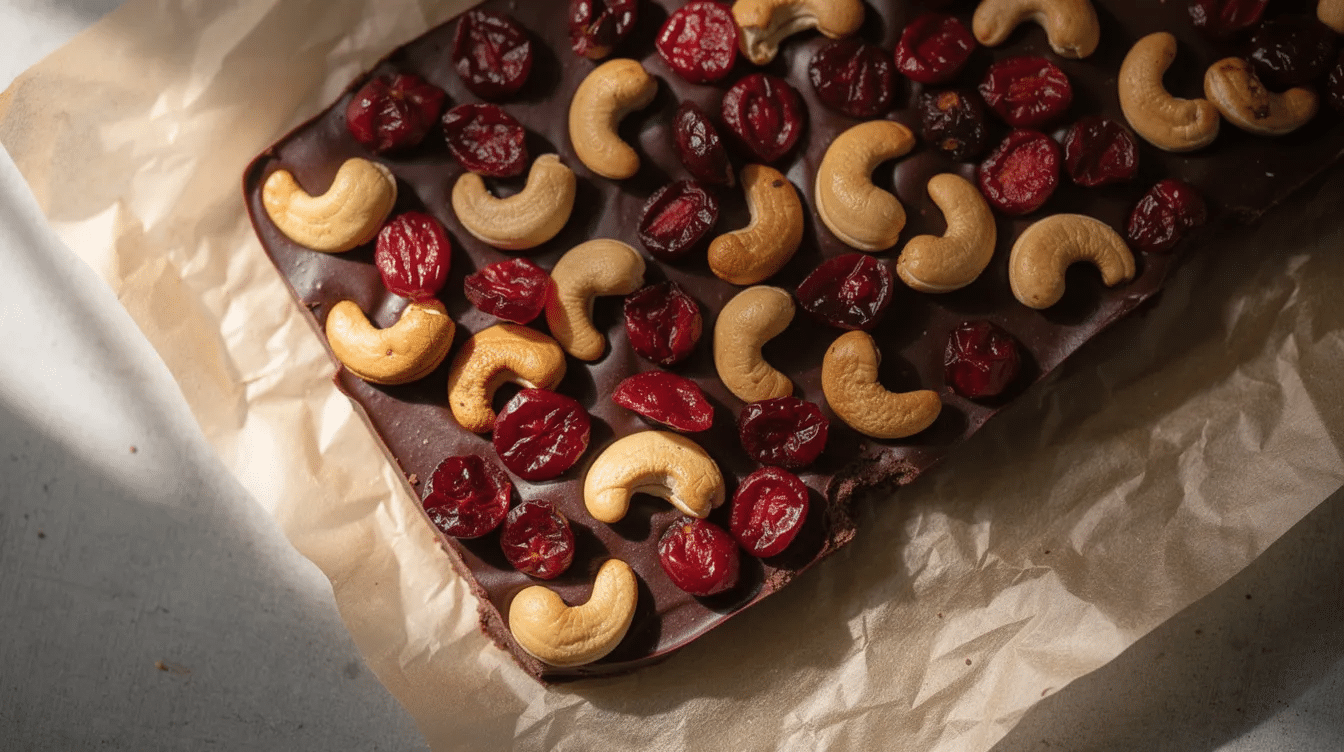
Fruit bark – melted chocolate spread thin, topped with dried cranberries, cashews, and sea salt, then broken into irregular pieces.
Historical fruit caramels and date logs – dense, fudgy confections shaped by hand, inspired by centuries-old preservation techniques.
Freeze dried candy – fruit chews or taffies put through a unique freeze drying process that transforms them into airy, crunchy bites with an intense flavor burst in every bite.
Ingredients: Choosing the Best Dried Fruits, Nuts, and Coatings
Ingredient quality decides whether your homemade dried fruit candies taste gourmet or fall flat. Start with the best dried fruit you can find, and the recipe almost writes itself.
Dried fruits to stock:
Apricots, cranberries, cherries, raisins, figs, dates, mango, banana chips, goji berries, and coconut flakes. Use cranberries in chocolate bark, mango for chocolate-dipped slices, and dates or figs in historical fruit candy recipes, drawing from the wide range of fruits that can be dehydrated for long-lasting snacks.
Nuts and seeds that pair well:
Almonds, cashews, pecans, pistachios, sunflower seeds, and hazelnuts. Try pistachios with dried cherries for color contrast, or cashews with dried cranberries for a sweet and salty combination that makes any snack taste good.
Coatings and flavor boosters:
Dark chocolate (at least 60–70% cacao), milk chocolate, white chocolate, shredded coconut, cocoa powder, cinnamon, cayenne, citrus zest, and sea salt. These turn simple food into something worth a special occasion.
When you shop for dried fruit, look for labels that say “unsulfured” and “no added sugar” if you want the most natural option, and apply the same label-savvy approach when choosing freeze-dried fruits for healthy snacking. Sweetened dried fruit can push a recipe closer to conventional candy territory-not necessarily a bad thing, but worth knowing. You can also toss in crushed freeze dried fruit as a crunchy topping for texture contrast in chocolate bark or energy bites.
Classic Dried Fruit Candy Recipes (Chewy & No-Bake)
These recipes are perfect for beginners because they rely on a food processor, dried fruits, and nuts-no stovetop candy thermometers required, especially if you already make dehydrator fruit recipes for everyday snacks. You don’t even need an oven.
Historical Fruit-and-Nut Balls: Combine dates, raisins, and apricots with almonds or pecans in a food processor or fold in a homemade dried fruit and nut mix for extra texture. Blend until the mixture is sticky enough to hold together. Roll into balls or press into squares. Apricot candy is rolled into balls or shaped into squares this way, and the recipe has served as a “natural candy” and quick breakfast bite since at least the 1970s. Honestly, the only complaint most people have is that they eat the entire batch in one sitting.
Fruit Caramels: The caramel texture here comes from blended dried fruits and nuts, not from sugar syrup. Use dried figs, dates, walnuts, a tad bit of orange juice, and vanilla. Press into a loaf pan, chill, and slice. Fruit caramels can be shaped into squares or balls by hand, making them easy to store in one package or arrange on a platter.
Kid-Friendly Fruit Bites: Use softer dried fruits like dates or prunes with oats, peanut butter, and mini chocolate chips. Roll in finely shredded coconut or crushed freeze dried berries for color. These are big enough deal makers at school bake sales and decent lunchbox additions that even picky customers will discover something to love.
Chocolate-Dipped & Bark-Style Dried Fruit Candies
Pairing dried fruit with chocolate creates elegant candies suitable for gifts, dessert tables, and holidays. Whether it’s Valentine’s Day or Christmas, these look like they came from an artisan seller but take minutes to assemble.
Cranberry Cashew Chocolate Bark: Cranberry cashew chocolate bark features two types of chocolate-swirl dark and white chocolate together on a parchment-lined baking sheet, then sprinkle with dried cranberries and roasted cashews. Chill until set and break into irregular pieces. The sweet-tart cranberries and cashews create a salty-crunchy contrast that will satisfy any sweet tooth.
Chocolate-Dipped Mango: Chocolate-dipped mango is a simple candy recipe that makes great use of versatile dried mango. Use unsweetened dried mango slices dipped halfway into melted bittersweet chocolate. Chocolate-dipped mango is coated in bittersweet chocolate and cayenne for a gourmet finish-smoked paprika or sea salt also work. Let each piece set on parchment before serving.
Chocolate-Dipped Apricots: Chocolate-dipped apricots are easy to make and elegant. Use plump, unsweetened dried fruit and dark chocolate. Optionally drizzle with white chocolate or sprinkle with crushed pistachios for a tasty upgrade.
Technique Tips: Choose quality chocolate-at least 60–70% cacao for dark. Melt using a double boiler or microwave in 15–20 second bursts, stirring between each. Let finished candies set in a cool room or refrigerator. Correct tempering prevents bloom and keeps the surface glossy. If you need to ship these, make sure they’re shipped in insulated packaging so they arrive in great condition.
Freeze Dried Candy vs Traditional Dried Fruit Candy
Freeze dried candy starts as fruit chews or taffies that are frozen, then placed under a vacuum where moisture is removed as vapor. The result? A light, airy, and crunchy texture that shatters in your mouth-nothing like the chewy, bendy quality of traditional dried fruit candy based on raisins, dates, or apricots.
The freeze-drying method retains about 90–97% of the original nutrients and flavor of fruit-roughly 95% by most estimates. The freeze-drying process intensifies the candy’s flavor because volatile aroma compounds are preserved rather than cooked off. And unlike chewy dried fruit candy, freeze dried candies do not stick to your teeth-a possible heads up for anyone who has had to formally complain to their dentist about taffy damage.
Popular flavors include strawberry, green apple, mango, and grape, many of which start as dehydrated fruit snacks before being transformed into candy. You can find these at any fd pantry–style shop or online store. Since 2020, small U.S. freeze dried candy makers have popularized treats like freeze dried fruit chews for other consumers looking for novelty snacks.
Professional freeze drying requires specialized equipment, but home cooks can combine store-bought freeze dried fruit with homemade candy for similar crunchy effects. You don’t need to forget about the freeze dried experience just because you lack a vacuum chamber.
Freeze Dried Fruit Bark: Melt white or dark chocolate and spread in a thin layer on parchment, or follow a visual homemade dried mango tutorial first if you want to feature mango prominently. Sprinkle crushed freeze dried strawberries, raspberries, and mango plus chopped nuts on top. Let set and break into pieces. The bright colors and intense fruit flavor make this look like it came from an artisan shop. Think of each piece as a little envelope of sweetness and crunch.
Crunchy Topping for Soft Candies: Roll freshly shaped date-and-nut balls in finely crushed freeze dried fruit powder for a tart outer coating. This gives dried fruit candies a freeze dried candy–style tang without special machinery. The weight of the coating is minimal but the flavor impact is real.
Snack Mix Upgrade: Combine freeze dried fruit chews candy with mixed nuts, pretzels, and chocolate chips into a snack mix. Divide into 4 oz gift bags for party favors or stocking stuffers-like bubble wrap for your taste buds, each bite delivers a satisfying pop.
Storage notes: Keep freeze dried components in airtight containers to prevent them from absorbing moisture and turning chewy. A cool, dark cupboard away from humidity works perfectly. Don’t miss this step-exposure to air is the fastest way to lose that crunch.
Nutrition, Portion Sizes & Dietary Considerations
Dried fruit candies and freeze dried treats are energy-dense because water removal concentrates natural sugars, fiber, and calories. That’s not a terrible thing-it just means portion awareness matters.
Dried fruit candy nutrition: Fruit-and-nut candies can provide fiber, potassium, iron, and healthy fats, especially when you use homemade staples like dehydrated apple slices. A typical 20–25 g fruit-and-nut ball contains roughly 70–90 kcal, mostly from carbohydrates and nuts. Drying can reduce heat-sensitive nutrients like vitamin C by up to 40%, but minerals and fiber remain largely intact.
Freeze dried candy and fruit: Pure freeze dried fruit has the same macro-nutrient profile as fresh fruit without water, preserving vitamin content at high levels. Freeze dried candy (like fruit chews) often includes added sugar, so it behaves nutritionally more like conventional candy. Realize the distinction before assuming all freeze dried options are health food.
Portion control: Suggested serving sizes: 2–3 small balls or squares of dried fruit candy, a small handful of chocolate-dipped pieces, or a 4 oz freeze dried candy bag shared between several people. It’s easy to eat more than intended when everything is on the harder side of delicious.
Special diets: Vegan options include dark chocolate without milk solids and coconut coatings. Most dried fruit candies are naturally gluten-free. Read labels for sulfites, added sugar, and allergens like peanuts or tree nuts-these details matter for consumers with sensitivities.
Serving, Gifting & Storage Tips for Dried Fruit and Freeze Dried Candies
Dried fruit candies are versatile enough for everyday snacking, holiday platters, and gifts across any season.
Serving: Arrange mixed platters combining chocolate-dipped apricots, cranberry bark, and fruit-and-nut balls. Add fresh fruit, cheese, and nuts for a dessert grazing board. Even broken pieces of bark look intentional on a rustic platter-no big enough deal to worry about aesthetics.
Gifting: Package candies in clear cellophane bags, small tins, or glass jars with labels listing the dried fruits and ingredients used. Assemble sampler boxes that include both chewy dried fruit candies and crunchy freeze dried candy pieces for contrast. Your favorite candy becomes someone else’s new discovery.
Storage: Store most dried fruit candies in airtight containers at room temperature for 1–2 weeks; refrigerate anything with dairy. For freeze dried candy and freeze dried fruit, tightly sealed bags and low humidity are essential to preserve crunch. Once opened, use within a few weeks.
Travel and outdoor use: Both styles are ideal for hiking, road trips, and office snacks because they’re compact and hold up well when packed correctly.
Inspiration & Next Steps: Exploring More Dried Fruit Candy Ideas
Start simple: choose a favorite dried fruit like mango, cranberries, or apricots, pair with nuts and chocolate, and make a small batch this weekend. You might realize how little stands between you and a homemade treat that rivals anything from a store.
Experiment with flavors inspired by global traditions:
Autumn: Spiced fig and walnut bites rolled in cocoa
Winter holidays: Candied orange slices and chocolate-dipped cranberries
Summer: Freezer-friendly chocolate-dipped dried pineapple and freeze dried fruit bark for topping ice cream
Explore historical recipes and modern social media trends-like Tanghulu, candied grapefruit peel, and fruit “lollipops”-for even more dried fruit candy inspiration. The world of dried fruit confections keeps expanding with every season.
Stock up on a few core dried fruits, grab some quality chocolate, and try one chewy candy recipe alongside one crunchy freeze dried candy idea. That’s how you discover your signature combination-and once you do, you won’t want to miss a single occasion to share it.
DannyContent Writer
Hey there, since 2016, my mission has been to provide you with the information and guides you need to make food dehydrating simple and fun. Whether you're a newbie or a seasoned pro, my site offers helpful guides, reviews, and recipes to enhance your dehydrating experience. I take pride in only recommending products I believe in, ensuring my readers' trust. As an affiliate of various programs, including Amazon Associates, your support helps me continue providing quality content. Thanks for stopping by, and happy dehydrating!