We earn a commission if you make a purchase, at no additional cost to you.
09/22/2026 04:39 pm GMT
🍊 Dehydrated Food Info Finder — Temperatures & Drying Times
Choose a category, then pick a food to see its drying temperature and time.
⚠️ Safety Disclaimer: Drying times are estimates and vary based on slice thickness, food moisture content, humidity, and your dehydrator model. Always check for doneness before storing — food should feel dry, leathery, or brittle with no moist spots. Improperly dried food can harbour mould and bacteria. For meat and poultry, follow USDA safe internal temperature guidelines: beef and pork to 160°F (71°C), poultry to 165°F (74°C). Use a food thermometer when in doubt. Store all dehydrated foods in airtight containers in a cool, dark place and discard anything showing moisture, mould, or off odours.
DIY Dehydrator: How to Build Your Own Food Dehydrator at Home
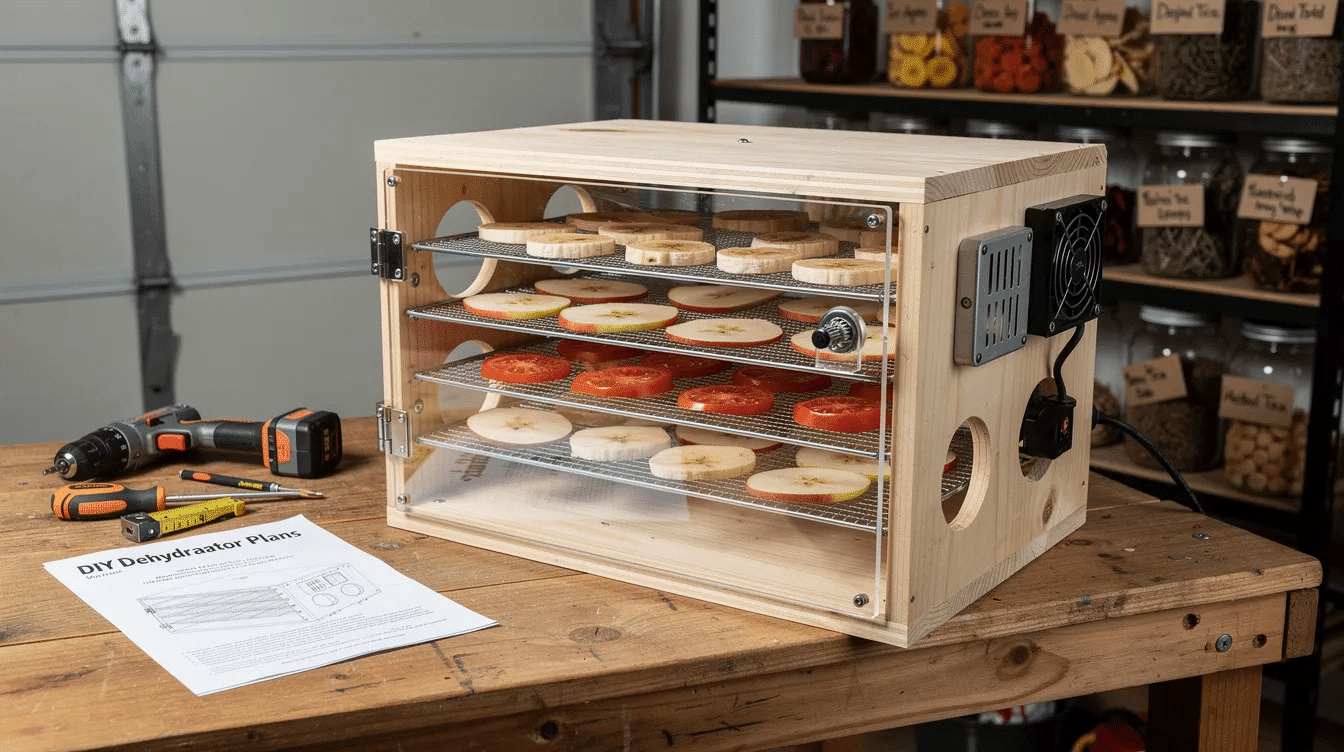
Building your own food dehydrator is one of the most practical projects you can tackle in 2026. With electricity costs climbing and grocery prices showing no signs of dropping, turning a sheet of plywood and a few basic components into a working preservation machine makes solid financial sense. This guide walks you through three approaches—from a simple bulb-heated box to a thermostat-controlled cabinet to a solar variant—so you can choose what fits your needs, budget, and climate.
A diy food dehydrator can be built for under $30–$120 using exterior-grade plywood, incandescent light bulbs or a ceramic heater, a small fan, and common hand tools. The design can be tailored specifically for fruit, jerky, herbs, or all three depending on your heating capacity and temperature control.
Two main electric builds covered: A simple bulb-heated box dehydrator (under $40) and a larger thermostat-controlled cabinet ($70–$120). A passive or fan-assisted solar food dryer is also included for off-grid or sunny-climate users.
Safety essentials: Proper wiring with grounded cords, food safe finishes, and adequate air flow prevent fire risk and ensure even drying across all trays.
Temperature ranges: 95–135°F (35–57°C) for fruit and herbs, 160–175°F (71–80°C) for meat like beef jerky.
Typical drying times: 6–24 hours depending on food type, slice thickness, and ambient humidity.
FAQ coverage: The article ends with answers about noise levels, running costs, and whether incandescent bulbs remain practical in 2026.
Why Build a DIY Dehydrator in 2026?
Electricity prices in many US and EU regions have climbed 15–20% since 2022, with urban rates now averaging $0.18–0.25 per kWh. Grid instability from aging infrastructure makes home food preservation increasingly attractive for anyone who wants to reduce dependence on supermarket supply chains.
Preserve your summer apple harvest—50 pounds of fresh apples yields about 10 pounds of dried rings, saving $100+ versus store-bought dried fruit at $10/lb
Turn garden tomatoes into “sun-dried” slices retaining 90% of their lycopene
Make beef jerky for camping at $2–3/lb instead of $15+ retail
Dry chanterelles or porcini mushrooms at 105°F in 6 hours for year-round soups
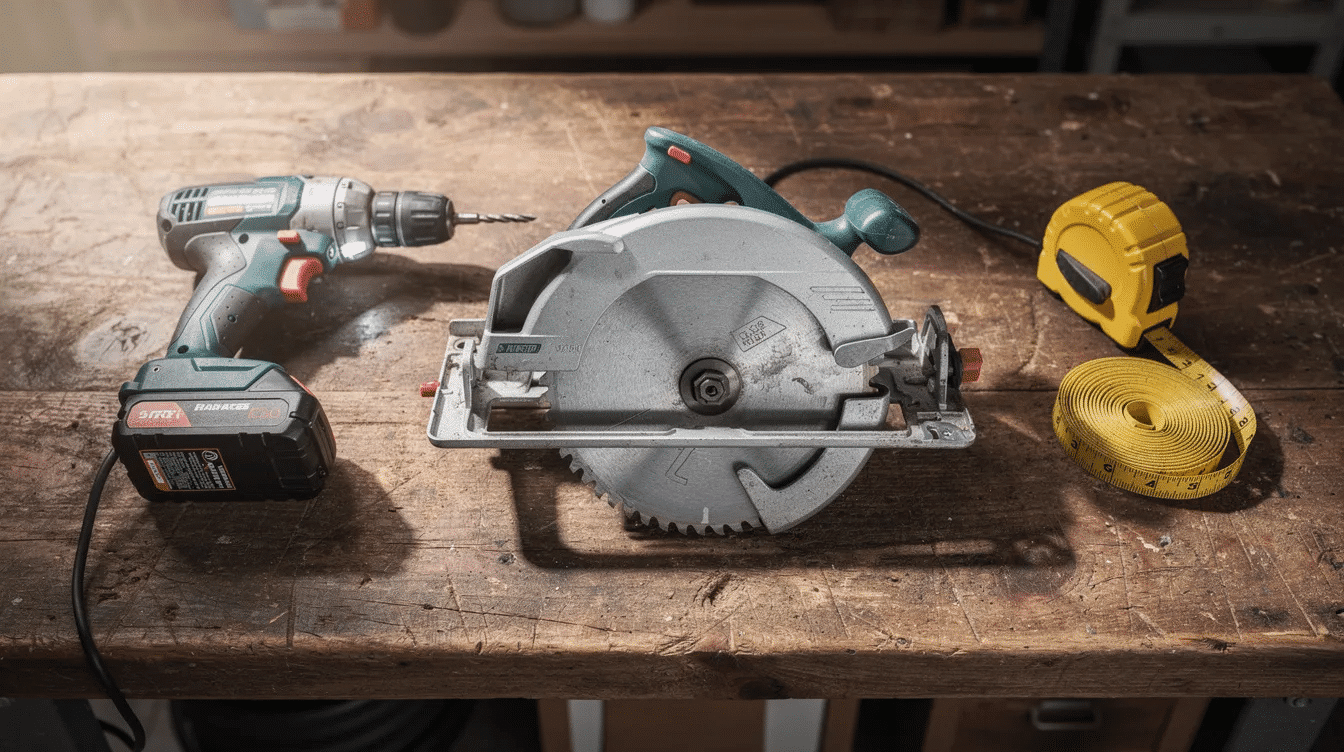
The builds in this guide avoid specialized fabrication. Everything can be done with a circular saw, drill, and basic hand tools—no CNC machines or welders required. These designs draw from decades of home-built dehydrators (1970s–2020s) but are simplified for today’s materials and safety expectations.
Overview of DIY Dehydrator Types
Three main designs dominate the DIY space: an electric box with light bulbs, a cabinet with a heating element and thermostat, and a simple solar dryer. Each has distinct advantages depending on your situation.
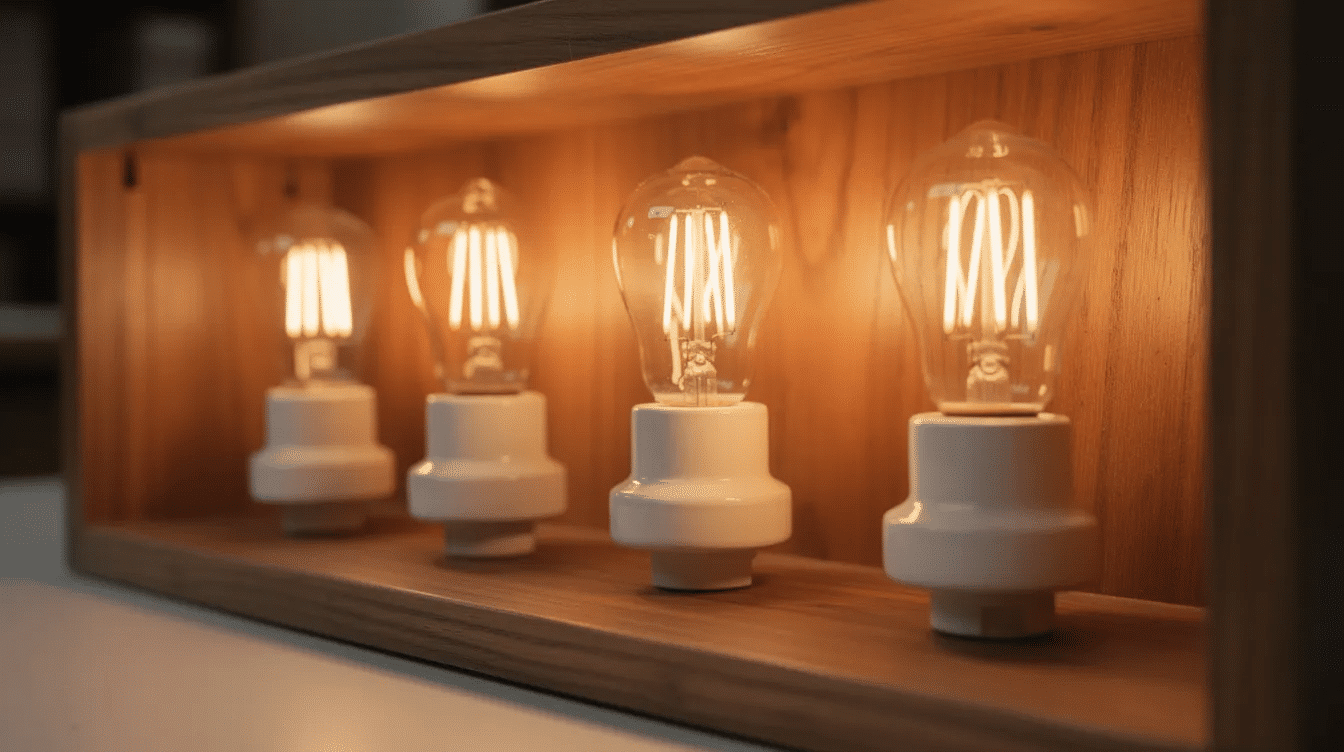
Bulb-heated plywood box
Cost: Under $40
Uses 2–4 incandescent or halogen bulbs (150–300W total)
Reaches 120–160°F
Best for: Fruits, herbs, vegetables
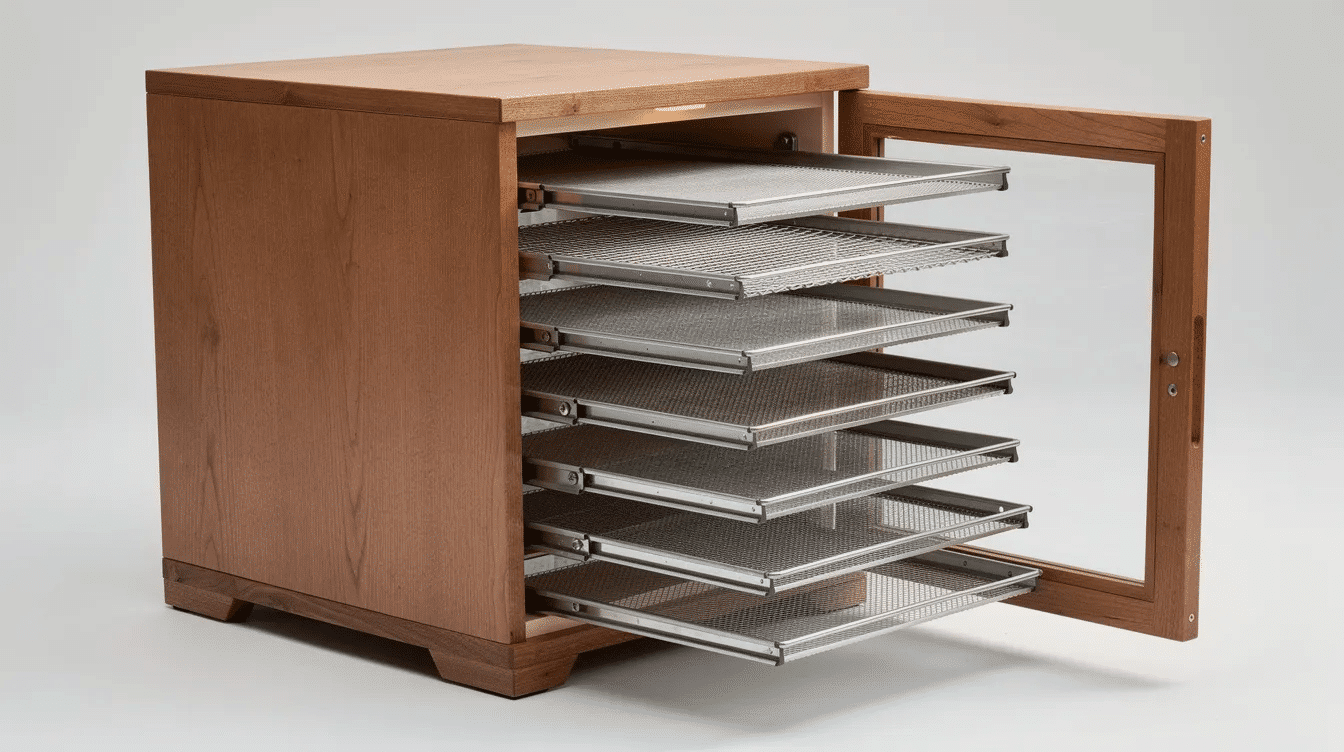
Thermostat-controlled cabinet
Cost: $70–$120
Includes digital temperature controller (like Inkbird ITC-308)
Maintains ±2°F accuracy at 160–175°F
Best for: Jerky, making biltong, and precise drying
Solar dehydrator
Cost: $20–$50 (often using reclaimed materials)
Reaches 100–140°F on clear days
Drying times 2–5x longer than electric
Best for: Sunny, arid climates; off-grid situations
Choose based on your climate, budget, and whether you intend to dry meat or only plant foods. Cloudy UK winters demand electric; sunny Spanish summers make solar viable.
The following sections walk through practical builds for each style at a high level, providing enough detail to get you started without overwhelming step-by-step blueprints.
Tools and Materials Checklist
This checklist applies mainly to the bulb-heated box and thermostat cabinet builds. Gather everything before starting to avoid mid-project hardware store runs.
Common tools:
Circular or table saw
Power drill/driver with 1/2” and 3/4” spade bits
Jigsaw or hole saw (4–5” diameter)
Tape measure and carpenter’s square
Sanding block or orbital sander
Wire stripper and screwdriver set
Wood:
1 sheet of 3/4” exterior-grade plywood (4’×8’)—about $40–60
1×2 or 1×3 pine strips for tray supports and latch blocks
Scrap wood for spacer blocks
Rack options:
Repurposed oven racks or baking cooling racks
Pre-made window screen frames with galvanized screen mesh
Hardware cloth cut to size (food safe, non-rusting materials only)
Heating options:
2–4 incandescent light bulbs or halogen bulbs (60–100W each)
Single 150–250W ceramic reptile heater in porcelain fixture
Salvaged toaster-oven heating element
Air flow parts:
80–120mm computer “muffin” fan (small fan draws 5–10W)
3–4” AC axial fan
Recycled PC case fan with 12V DC adapter
Electrical components:
14-gauge 3-conductor cord with 3-prong plug
Porcelain lamp holders or ceramic light sockets (rated 250°F continuous)
Wire nuts, crimp terminals, cable clamp
Optional: Plug-in or panel-mount thermostat controller
Consumables:
Wood screws (1 1/4” and 1 5/8”)
Wood glue (Titebond III or similar)
Raw linseed oil or food safe finish
Aluminum foil or thin sheet metal for inner heat shield
Adhesive weather-strip (1/4” foam, 200°F rating)
Safety requirement: Use only grounded 3-prong cords, proper strain relief clamps, and never bypass fuses or breakers when wiring any heating element.
Planning Your Dehydrator Box
Interior width and depth are driven by the trays you choose. Standard 18”×13” baking sheets or 24” window screen frames work well and are easy to source from any hardware store.
Example dimensions for a mid-size build:
Interior: 20” wide × 16” deep × 36”–40” tall
Fits 8–12 drying racks spaced 1 1/4” apart
Total drying area: 5–10 square feet
Using the full 4’ height of a plywood sheet minimizes cutting waste. Cut one side wall panel at 16”×48” and trim only for base or caster clearance.
Heat source and fan placement:
Place the heat source at the bottom (bulbs or ceramic heater 4–6” above floor)
Mount the fan at the top panel for exhaust, or at bottom for circulation
Create clear air flow path: heated air rises past trays, exits through upper edge vents
Before cutting, sketch a front-loading cabinet with a hinged door. Plan for holes drilled at the lower rear (incoming air) and upper front (exhaust) for cross-draft circulation.
Larger boxes need more wattage. A 24”×20”×48” unit requires 400–600W and benefits from 1/2” polyiso foil-faced insulation outside the plywood to stabilize temperature ±5°F.
Cutting and Assembling the Box
This section provides a high-level woodworking overview. Adjust exact measurements to your tray dimensions.
Typical cut pieces from one 4’×8’ sheet:
2 side panels: 16”×48” each
1 back panel: 20”×48”
1 top panel: 20”×16”
1 bottom: 20”×16”
1 door panel: 20”×48”
Assembly steps:
Drill all major openings before assembly: a 4 3/4”–5” round hole in the top or one side for the fan, and 30–50 holes (1/2”–3/4” diameter) near the bottom edge of the back panel for intake vents (10–20% open area)
Assemble a rectangular dehydrator box with wood glue and screws. Pre-drill pilot holes to avoid splitting the plywood edges
Check squareness using a carpenter’s square and measure diagonals—they should be equal within ±1/8”
Install a simple base: either 2×4 “feet” or 3” lockable casters at the corners, raising the box 3–4” for wiring clearance and easier cleaning
Optional: Line interior walls with heavy-duty aluminum foil (shiny side in) to reflect infrared heat and protect the wood—this can greatly increase efficiency by 20–30%
At this stage, you have an open-front plywood cabinet on short legs, ready for tray supports and the door.
Installing Tray Supports and Racks
Even tray spacing and smooth sliding are critical for efficient drying and easy loading. Uneven supports create hot spots and frustration.
Installing cleats:
Rip 1×2 pine or scrap wood into 3/4”-wide cleats
Sand all edges smooth where trays will slide—rough edges catch and tear wooden frames
Use a spacer block (1 1/4” tall) to mark consistent spacing on both side walls
Glue and nail rack supports level from front to back
Typical layout:
10–12 pairs of supports
Start about 4” above the heat source
Stop 3–4” below the top panel for air flow space
Tray footprint: approximately 18”×15”
Before finishing all supports, test-fit 2–3 trays. Check for any warp or out-of-square issues and adjust with shims if needed. Screens made from plastic screen or galvanized mesh should slide freely without binding.
Door, Latch, and Finishing
A snug door helps maintain temperature while still allowing controlled venting. You want it sealed enough to retain heat, but not airtight—the vents need to exhaust moisture.
Hanging the door:
Use two or three standard butt hinges or a full-length piano hinge along one vertical edge
Position door closed so it overlaps the opening by about 1/2” on all sides
Piano hinges provide continuous support and prevent warping over time
Latch options:
Wooden L-shaped turn latch (easy to make from scrap wood)
Barrel bolt mid-height
Magnetic catch with small pull handle
Sealing and finishing:
Apply adhesive high-temperature foam weather-strip around the door frame to reduce warm air leaks
Finish exterior wood with durable water-based polyurethane or exterior paint (3 coats, sanding between)
Leave inner surfaces bare or coat only with fully cured food safe oils like raw linseed oil (cure time: 3–7 days)
Before first use with food, run the dehydrator empty at 120–140°F for 2–3 hours to “bake off” any residual odors from finishes.
Wiring the Heat Source and Fan (Safety-First)
Warning: Anyone uncomfortable with AC wiring should have an electrician connect the heater and fan. Sloppy wiring causes 80% of DIY electrical fires. This is not a great idea to skip.
Wiring the bulb sockets:
Mount porcelain light sockets to the bottom panel or a metal bar, spaced evenly
Daisy-chain sockets using 14-gauge wire: connect black wire (hot) to brass terminal, white (neutral) to silver terminal
Run all connections through a metal junction box with proper wire nuts—no exposed splices
Use a 3-prong grounded power cord. Connect green ground wire securely to the metal junction box or dedicated ground screw
Calculating wattage:
Four 60W bulbs = 240W total
This reaches approximately 140°F in an insulated 20 cubic foot box
Adjust by adding or removing bulbs based on test runs
Fan installation:
Attach fan to the pre-cut round hole with screws provided or sheet metal screws
Air flow direction depends on design (blowing in for circulation, or out for exhaust)
Power through a separate cord or same circuit if within load limits (keep total under 12A on a 15A circuit)
Easy upgrade: Use a plug-in temperature controller (Inkbird-style thermostat). Your dehydrator plugs into the controller, the controller plugs into the wall. Set your target temperature, and the unit cycles power automatically.
Place an analog oven thermometer or digital probe at mid-tray height (about 2/3 up from bottom) for calibration during early test runs.
This more advanced build offers precise control, ideal for jerky and biltong where hitting a certain level of temperature is critical for food safety.
Panel-mount thermostat setup:
Mount a digital thermostat (like Inkbird ITC-308 or similar clone, now available for around $15–20) in a small weatherproof enclosure
Install two outlets on the front panel: one labeled “Heat” and one “Fan,” each controlled by the thermostat relays
Add a 15A fuse and strain relief clamps on the incoming power cord
Mount the enclosure to one side wall of the cabinet
Typical set-points:
160–165°F (71–74°C) for meat (USDA-recommended for Listeria log-reductions >6)
125–135°F for fruit leathers and apple slices
95–105°F for herbs (preserves volatile oils)
The fan can run continuously or trigger only above a chosen threshold.
Practical example: A 36”-tall cabinet with a 250W ceramic heater and 80mm fan comfortably dries 10 trays of apple slices in about 10–12 hours at 130°F, using roughly 1.5–2.5 kWh depending on insulation.
Line the interior with foil and add 1/2” foam insulation around the exterior to stabilize temperatures and cut power consumption by up to 40%.
Simple DIY Solar Dehydrator Variant
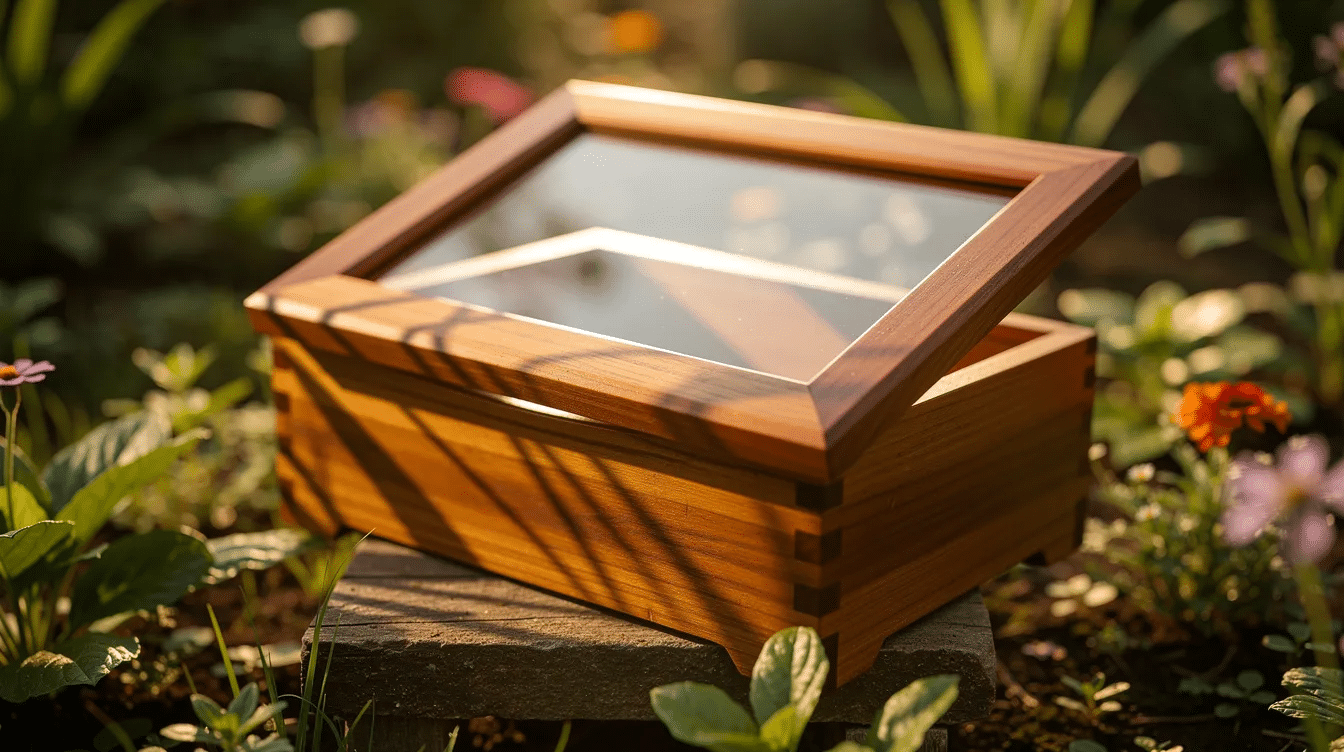
This simplified solar food dryer uses a reclaimed double-pane window and a wooden box—ideal for summer months in sunny regions like Arizona, Spain, or Australia.
Building the base:
Construct a shallow, insulated box (approximately 40”×24”×6”)
Paint the interior matte black (Krylon flat black or similar, 90% solar absorption)
Install a screened tray about 2” above the black plywood or metal base using wooden frames
The glazed lid:
Use a glass window as a hinged cover tilted 25–35 degrees toward the sun (south-facing in Northern Hemisphere)
This creates a greenhouse effect, heating the incoming air flowing over the food
Seal edges with weather-strip to retain heat while allowing venting
Ventilation:
Cut 2”×4” vent openings at the lower back and upper edge front
Optional: Add a small 12V fan powered by a 20–40W solar panel for active air circulation (boosts airflow to 2–3 CFM)
Performance expectations:
Fruits may take 2–5 days of strong sun to fully dry food
Thin apple chips can be ready in 1–2 days during July or August
Solar energy varies—cloudy days extend times significantly
Cover all food with fine mesh or additional window screen to keep out insects while allowing sunlight and air flow. Hardware cloth with 1/16” openings works well as a bug barrier, and some people even switch to hanging dehydrator systems or experiment with dehydrating food without a dedicated dehydrator when space or budget is limited.
Using Your DIY Dehydrator: Temperatures and Drying Times
This section covers practical usage rather than technical theory. Think of it as your quick-reference guide for using a food dehydrator.
All times vary ±20–50% based on ambient humidity. Above 60% humidity, consider pre-conditioning food in an air-conditioned space or using dedicated vegetable dehydrator machines that handle moisture more consistently.
Loading tips:
Single layer only—pieces should not touch or overlap
Cut to consistent thickness (e.g., 1/4” for fruit)
Place larger diameter slices toward edges where heat may be slightly higher
Rotation schedule: In manually-controlled builds, rotate trays front-to-back and top-to-bottom every 2–3 hours to compensate for ±10°F temperature gradients.
Storage guidance:
Completely dried food should snap (vegetables) or be leathery with no moisture beads (jerky)
Store in airtight glass jars or vacuum-sealed mylar bags
Label with contents and date: “Tomatoes, Sept 2026”
Properly dried food stores 2–5 years at room temperature
Maintenance, Safety Checks, and Troubleshooting
A few minutes of maintenance after each season extends the life and safety of your food dryer significantly.
Routine checks:
Inspect cords and plug for heat damage, fraying, or discoloration
Tighten loose screws on hinges and rack supports
Vacuum dust and food crumbs from heater and fan areas (clogged fans lose 50% efficiency)
Check foil lining for pitting or tears
Cleaning:
Wipe interior surfaces with a damp cloth and mild soap
Avoid harsh solvents that leave residues
Let the box dry completely before storage or next use
Clean screens and trays separately; galvanized screen can be scrubbed with a brush
Troubleshooting common issues: If problems persist, a broader guide to common issues with food dehydrators can help you diagnose stubborn drying or odor problems.
Problem
Causes
Solutions
Uneven drying
Poor air circulation
Improve tray rotation, reposition fan, resize vent holes to 15% open area
Temperature too low
Insufficient heat, air leaks
Add another bulb, improve insulation, seal door frame leaks (use smoke test)
Never leave running unattended in enclosed, cluttered spaces
Place on a non-flammable flat surface (concrete, tile, or metal table)
Do not dehydrate dripping, oily foods directly on wooden trays
If any smoking or discoloration appears, shut down and inspect before future use
With annual inspections and occasional refinishing, expect 10–20 years of reliable service from your unit.
FAQ
Can I still use incandescent bulbs for a DIY dehydrator in 2026?
Yes. While many regions have phased out standard incandescent bulbs, rough-service, appliance-grade, and specialty bulbs (including heat lamps) remain widely sold. These are legal under 2023 US DOE exemptions for enclosed appliances and are specifically designed for continuous operation in porcelain sockets.
Alternatives include ceramic reptile heaters ($20 for 250W, no filament failure risk), halogen work-light bulbs, or salvaged toaster-oven elements. All provide similar heat output without relying on banned bulb types.
How much does it cost to run a homemade electric dehydrator?
A 250W heater running for 10 hours uses 2.5 kWh. At typical 2025–2026 electricity rates of $0.20 per kWh, that costs about $0.50 per batch.
Higher wattage or longer jerky runs cost more, but dehydrating is usually cheaper than running a large freezer long-term for equivalent preserved calories. A freezer draws roughly 1 kWh per day continuously, while your dehydrator runs only during active preservation sessions.
Is a DIY dehydrator safe for drying meat like beef jerky?
It can be safe if your design reliably holds at least 160°F (71°C) for several hours and maintains good air flow throughout the cabinet. This temperature achieves the pathogen kill rates (Listeria log-reductions >6) required by food safety guidelines.
Imprecise or low-temperature units should be reserved for fruit and herbs only. For added safety, consider pre-heating meat strips in an oven to 160°F or briefly boiling marinades before dehydrating. Always consult current food-safety guidelines from reputable sources such as USDA extension services.
Do I need to use food-grade or heat-resistant materials inside the box?
Any interior surface that may contact food or heated air should be stable at 180°F, non-toxic, and easy to clean. Acceptable materials include:
Unfinished or linseed-oiled plywood (formaldehyde offgasses below 0.1ppm when fully cured)
Stainless steel or aluminum sheeting
Food safe finishes like raw linseed oil or tung oil (fully cured)
Avoid PVC, unknown plastics, or pressure-treated lumber inside the hot air path — these can off-gas harmful chemicals when heated. Never use CCA-treated wood (contains arsenic).
How long will a DIY wooden dehydrator last?
With basic maintenance—annual inspections, occasional refinishing, and dry storage when not in use—a plywood cabinet built in 2026 can reasonably last 10–20 seasons of harvest use.
Store it in a dry garage or shed, not outdoors. Prolonged exposure to rain or direct snow causes delamination and warping. Putting a cover over the unit during off-season helps extend lifespan even further.
DannyContent Writer
Hey there, since 2016, my mission has been to provide you with the information and guides you need to make food dehydrating simple and fun. Whether you're a newbie or a seasoned pro, my site offers helpful guides, reviews, and recipes to enhance your dehydrating experience. I take pride in only recommending products I believe in, ensuring my readers' trust. As an affiliate of various programs, including Amazon Associates, your support helps me continue providing quality content. Thanks for stopping by, and happy dehydrating!