We earn a commission if you make a purchase, at no additional cost to you.
🍊 Dehydrated Food Info Finder — Temperatures & Drying Times
Choose a category, then pick a food to see its drying temperature and time.
⚠️ Safety Disclaimer: Drying times are estimates and vary based on slice thickness, food moisture content, humidity, and your dehydrator model. Always check for doneness before storing — food should feel dry, leathery, or brittle with no moist spots. Improperly dried food can harbour mould and bacteria. For meat and poultry, follow USDA safe internal temperature guidelines: beef and pork to 160°F (71°C), poultry to 165°F (74°C). Use a food thermometer when in doubt. Store all dehydrated foods in airtight containers in a cool, dark place and discard anything showing moisture, mould, or off odours.
Instead of canning or freezing food to preserve it, you can dehydrate food by removing moisture with sun drying, oven drying, or a food dehydrator. For home cooks and food preservation enthusiasts who want to preserve fruits, vegetables, herbs, or make jerky, it’s an inexpensive, natural method that uses less storage space than canned foods and eliminates the need for a freezer.
If you will be dehydrating food at home, it helps to understand how the process works so you can do it properly. The good news is that dehydration hardly affects the nutritional content of many foods, and drying helps preserve both flavor and shelf life while reducing food waste and creating lightweight foods that travel well for camping, backpacking, or everyday use.
The length of time it takes will vary depending on factors such as water content, sugar content, and food size. To remove water from food, there are three main methods that are used.
They include dehydration by the sun, in an oven or using a dehydrator. All three methods are quite effective; however, a dehydrator is the quickest and more cost efficient than using an oven. From there, the key details are choosing the right method or machine, preparing food correctly, storing it safely, rehydrating it when needed, and avoiding common mistakes with different foods. Learning how to dehydrate food properly ensures the best results and food safety.
Why Dehydrate Food
Dehydrating food is a fantastic way to preserve your favorite foods for backpacking and camping trips. By removing the water content, dehydrated food becomes lighter and more compact, making it easier to carry. This method of food preservation can be done at home using a food dehydrator or even in your oven.
When it’s time to enjoy your dehydrated meals, rehydration is a breeze. Simply add boiling water to the dehydrated food, and within minutes, you’ll have a delicious and convenient meal ready to eat. This makes dehydrated food an excellent option for backpackers and campers who need lightweight, easy-to-prepare dehydrated backpacking meals on the go.
How Food Dehydration Works
Dehydration is a scientific term and involves a scientific process.
The human body has a love/hate relationship with it. Your body hates how it feels when it’s dehydrated but loves the idea of dehydration because it means a ready food supply.
In simple terms, dehydration is the process of removing water from a food product. The end goal is food preservation. Even more important is the ability it gives you to inhibit the growth of bad bugs or microorganisms.
Your reward is an ample supply of tasty food without worrying about eating mold or bacteria.
Removing moisture from foods makes them smaller and lighter.
Dehydrated foods are ideal for backpacking, hiking, and camping because they weigh much less than their non-dried counterparts and do not require refrigeration, especially when you use a backpacking-focused food dehydrator to make trail-ready meals. Drying food is also a way of preserving seasonal foods for later use.
Food dehydration is an ancient practice probably used by prehistoric people as a way to dry seeds using the solar dehydration method. Thankfully modern man can preserve food faster and safer with a dehydrator. The process is simple yet fascinating.
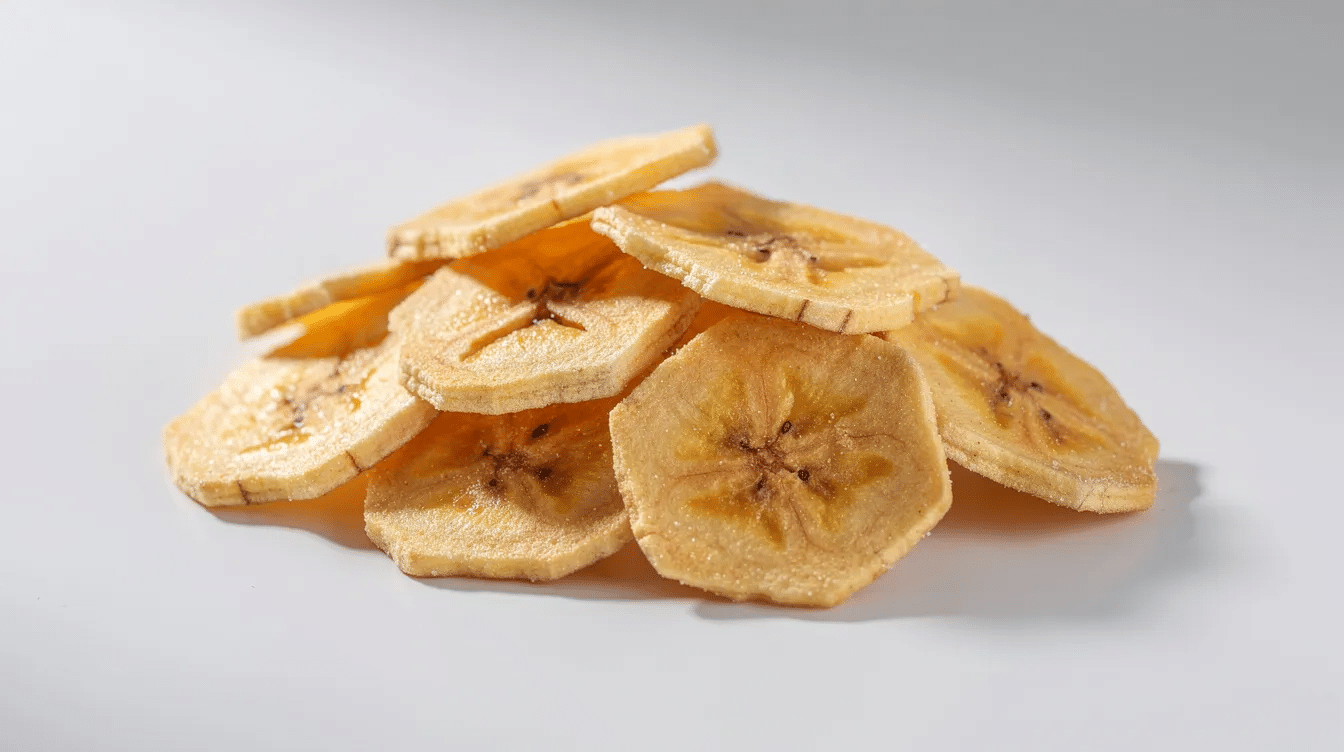
An electric dehydrator uses a heating element, fans, and vents, combining low heat with good air circulation to remove moisture from fresh food. Using a banana as an example, the heating element warms the banana slices, which releases moisture from the inside of each slice.
The dehydrator has a fan, which pushes the moist air out of the dehydrator through air vents so food dries evenly.
Our banana should take about 6-8 hours but each type of food has its own dehydration time-table. The drying temperature usually falls between 125°F and 145°F depending on the food, and fruits are generally dried at lower temperatures than vegetables and meats. At the end of the dehydration process, your food should have less than 20% of the water content you started with.
Food drying is a method of preserving food by reducing its moisture content, which helps extend shelf life and prevent harmful bacterial growth when enough moisture is removed to inhibit spoilage organisms.
Preparing Foods for Dehydration
The way you prepare foods for dehydration determines the finished product you will receive and hence what you will end up consuming after rehydration. Here are some tips you need to know as you prepare your food for drying.
Cleaning and Sanitizing
Clean and dry all surfaces, equipment, and hands before starting the dehydration process. Sanitize hands and containers before handling food for storage. Use a clean and dry station to prevent contamination.
Cutting and Pretreating
Uniform cutting is important for even drying. A mandoline or egg slicer can be useful for cutting ingredients. Pretreatment can help retain color and flavor, improve rehydration time and texture, and increase shelf life. Ascorbic acid, fruit juice, and sulfite dips can be used for pretreatment.
One very important part of preparing foods for dehydration is the selection of the food item. Not all foods are suitable for dehydration and some may lose their original flavor after being dried. For dehydrating fruit, it is advisable to start with fresh food and select fruit that is ripe and not bruised. This will ensure that the quality of the dried fruit remains good.
Ensure that sliced fruit and vegetable pieces are as even as possible. Because you will not be drying whole fruits and vegetables, you have to make sure that as you cut them up, you get even pieces. If some cuts are bigger than others, the smaller pieces will dry before the bigger ones. This may cause problems, especially if you store the pieces that still contain moisture. For example, about 1 pound of apples yields roughly 1 cup of slices once prepared for drying.
Try to prevent browning by steaming, blanching or coating with lemon juice, and for some fruits a quick dip in cold water with lemon juice or ascorbic acid can also help. Any other method to prevent browning may be used as well. It is also advised that you steam or blanch vegetables so that they do not get tough during the dehydration process. Blanching vegetables like green beans before dehydration can help maintain their color and improve storage quality.
Choosing a Food Dehydrator
Selecting the right food dehydrator can seem overwhelming, but focusing on a few key factors can simplify the process. Dehydrators range in price from $30 to several hundred dollars, so it’s essential to consider your budget and how much food you plan to dehydrate.
A dehydrator with more surface area is ideal if you plan to dehydrate large quantities of food. Square trays are generally more efficient than round dehydrators with cutouts in the middle because tray shape affects both airflow and capacity, and round designs often need tray rotation for more even drying. Plastic trays are usually cheaper, while metal trays are often easier to clean. While a timer is a useful feature, it’s not essential. However, a fan for even heat distribution and multiple temperature settings are crucial for consistent results.
For those interested in making fruit leathers, sauces, or soups, nonstick sheets or parchment paper are necessary to prevent sticking. By considering these features, you can choose a food dehydrator that meets your needs and ensures successful food dehydration.
Methods Used to Dehydrate Foods
As mentioned earlier, there are three main methods of dehydrating foods, and this section works as a practical guide to dehydrating food. All methods are equally effective and can result in perfectly dried foods. The method you use is totally dependent on your preferences, although the food being dried may play a part in the method used.
Here’s a little detail on each method.
Sun drying: This method is mostly recommended for fruits. If food is being dried by the sun, the day must be very warm (at least 85°F) and relative humidity should be less than 60%. Solar drying uses an enclosed setup, unlike open sun drying, and both work best when moisture in the air is low. Air drying is usually better for delicate items such as fresh herbs, typically in the shade rather than direct sun. The process may take a few days, but it is very easy. After the process is complete, the food must be pasteurized.
Oven drying: This involves placing the food item in the oven at around 140°F and heating it until all the moisture is removed. It is a practical method for those who want to dry food without investing in an additional appliance. Make sure to prop the oven door open to allow moisture to escape during the drying process.
Using a food dehydrator: There are dehydrators being sold today that make dehydrating food a much easier process. It is the fastest method of the three and it is more cost efficient than using an oven.
Dehydrating Food
Dehydrating Vegetables and Fruits
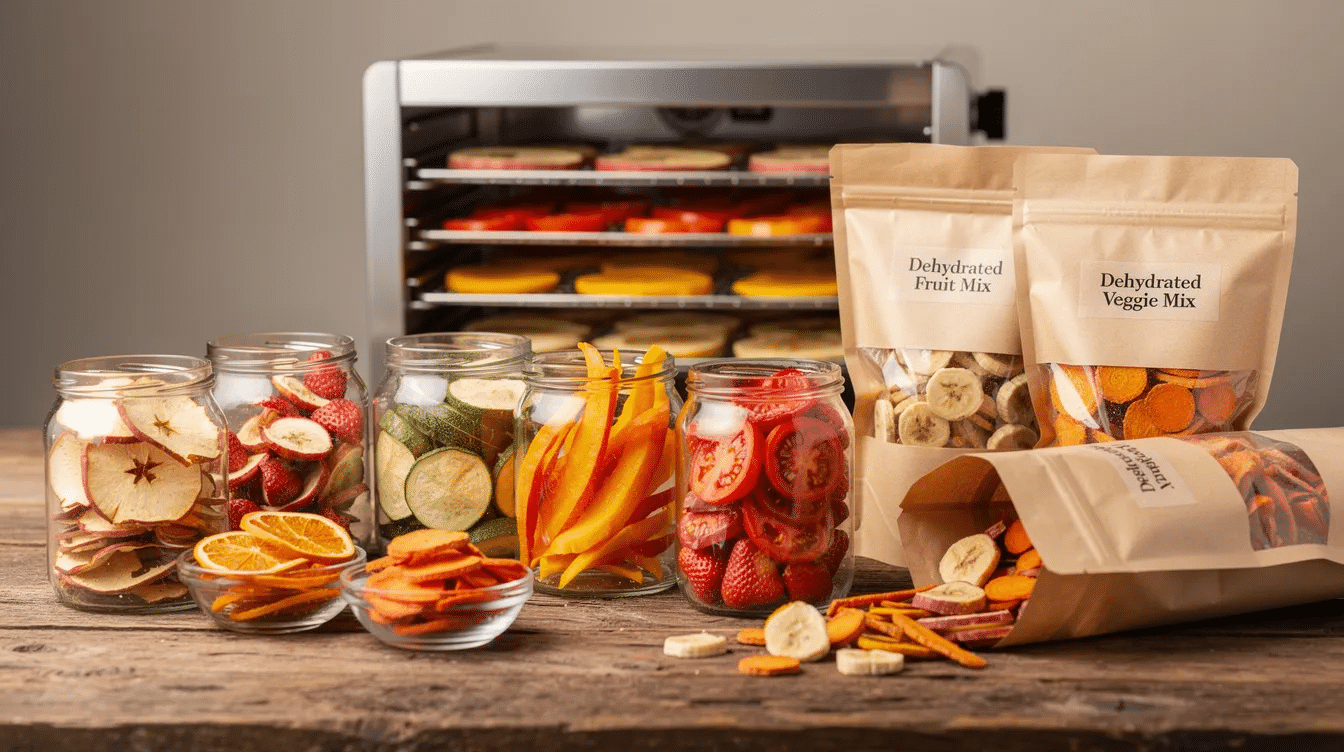
Many of the best foods for beginners are fruits and vegetables, such as apples, bananas, and carrots. Most vegetables should be thinly sliced or cut into small pieces. To dehydrate vegetables, use 125°F for best results. Fruit can be sliced thin, cut into small pieces, or left whole. Fruit is typically dried at 135°F until leathery and pliable. Pretreatment with ascorbic acid or fruit juice can help retain color and flavor, and sweet potatoes should be cut uniformly for even drying. Fresh herbs should be dried at low temperatures to preserve their essential oils.
Dehydrating Proteins and Grains
Certain foods, especially meats, need extra care: the USDA recommends heating meat to 160°F before dehydrating. Dehydrate meat at 145F until completely dry after that safe cooking step, not instead of it. For ground beef, use the leanest meat you can, drain off extra fat, and mix in 1/2 cup of bread crumbs per pound to help it rehydrate better later. Canned chicken is also a convenient option and yields about 3/4 cup dried from a 12.5-ounce can. Grains, legumes, and pasta can be dehydrated to save weight and cooking time. Cook rice and grains as usual, then dehydrate at 145F until completely dry.
How Long Does it Take to Dehydrate Food?
The amount of time it takes to dehydrate food depends on several factors:
The sugar content of the food being dried: If there is more sugar present in food, it usually dries out much more quickly than if there is little sugar.
The size of the food item: Of course the smaller the item, the quicker the dehydration time. This is one reason why foods should be sliced thinly and evenly so the food dries faster and at the same time.
The amount of water in the food: As you would expect, the higher the water content, the longer the drying time. If there is little water, the dehydration process is very short.
The method of dehydration: There are three main methods of dehydrating foods. You may dry foods in the sun, in an oven or you can use a dehydrator. The drying time is shortest if a dehydrator is used and longest if the food is sun-dried. While the dehydrator will take hours to complete the process, rotating trays every few hours can improve efficiency and even drying, though it may take days if the sun is used.
Tips for Storing Dehydrated Foods
Regardless of the method used for dehydration, you need to know when the food is dried. The best way to determine this is by touching it. It should feel hard, sticky or even moist. Check again once the food has cooled. Before storing dehydrated food, condition the dried food so moisture is distributed evenly and mold is less likely to develop.
When storing dehydrated food, properly dehydrated food often keeps for 4 to 12 months. If you are unsure if it is completely dry, continue drying it. Once you are sure it is completely dry, allow the food to cool to room temperature, and then place stored dehydrated foods in airtight containers in a cool, dark, dry place.
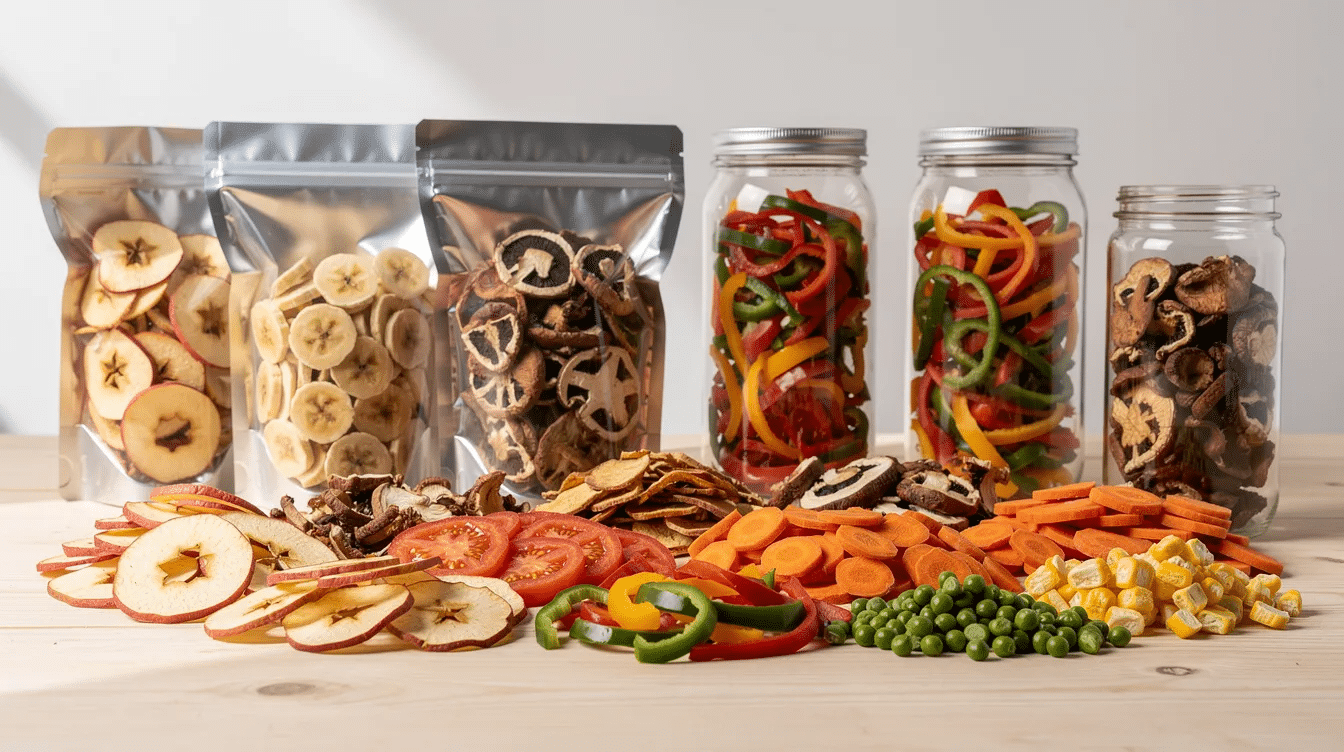
Select the right containers: Choose something that insects and other pests cannot access. Containers with tight fitting lids are a good start, including home canning jars, and vacuum sealed storage is effective for long-term storage.
Pack in portions that you will use at once: Once the food is exposed to air and moisture, its quality will be lowered.
Store in a dry, dark, cool place: These conditions are favorable if you want to store dried food; otherwise the shelf life will be greatly reduced. Properly stored dried fruit can last up to five years, dried vegetables up to ten years, and meat keeps best in the freezer for up to a year.
Rehydrating Dehydrated Food
Rehydrating dehydrated food is a straightforward process that usually uses [hot water] for most meals, though some foods can also be rehydrated with a [cold soak]. Generally, you’ll need equal parts water to food and about 15-25 minutes to reconstitute your meal. Here’s a simple guide to help you rehydrate your dehydrated meals:
Add the dehydrated food to a bag or container.
Pour in an equal amount of water. Some hikers start with cold water and let meals [cold soak] when they don’t want to cook, which can be handy for homemade [backpacking meals].
Place the bag or container in a pot or on a stovetop.
Heat the water until it reaches a boil.
Reduce the heat and let the food rehydrate for 15-25 minutes. [Stir halfway] through for a more even texture.
Season with salt and pepper to taste.
Dehydrated shrimp usually takes longer to rehydrate than most foods and may need extra soaking time.
This method ensures that your dehydrated meals are ready to enjoy with minimal effort, making them perfect for outdoor adventures or quick, convenient meals at home.
Safety and Precautions
When dehydrating food, it’s crucial to follow safety guidelines to ensure the quality and shelf life of your dehydrated foods. Start by washing your hands thoroughly before handling any food, and make sure all equipment and surfaces are clean and dry.
Using a food thermometer can help ensure that the food is heated to a safe temperature during the dehydration process. Once your food is dehydrated, store it in airtight containers to prevent moisture and pests from compromising its quality. Ideal storage conditions include a cool, dry, and dark place.
For added protection, consider using vacuum sealing or mylar bags with oxygen absorbers to prevent oxidation and spoilage. By following these precautions, you can enjoy safe and long-lasting dehydrated foods.
Troubleshooting Common Issues
Dehydrating food can sometimes present challenges, such as uneven drying, over-drying, or under-drying, many of which trace back to common issues with food dehydrators. Here are some tips to troubleshoot these common issues:
Uneven Drying: Ensure the temperature and humidity levels are consistent, and make sure the food is evenly spaced on the trays. rotating trays every few hours can also help achieve uniform drying, especially in round dehydrators.
Over-Drying: Check the temperature and drying time to avoid over-drying. Follow the recommended guidelines for each type of food to ensure optimal results.
Under-Drying: If your food is under-dried, it may still contain moisture, leading to spoilage. Double-check the temperature and drying time, and continue drying if necessary.
Always refer to the manufacturer’s instructions and guidelines for your specific dehydrator model. By addressing these common issues, you can ensure successful and efficient food dehydration every time.
Tips and Techniques for Dehydrating Food
Arrange food in a single layer on dehydrator trays for better airflow and more even drying. Change tray positions during drying, especially in models with less uniform airflow, to help prevent hot spots. Dry extra vegetables separately to preserve color and texture. Cut fruits and vegetables into similar sizes to ensure even drying. Don’t overload dehydrator trays, as this can increase drying time.
Common Foods to Dehydrate
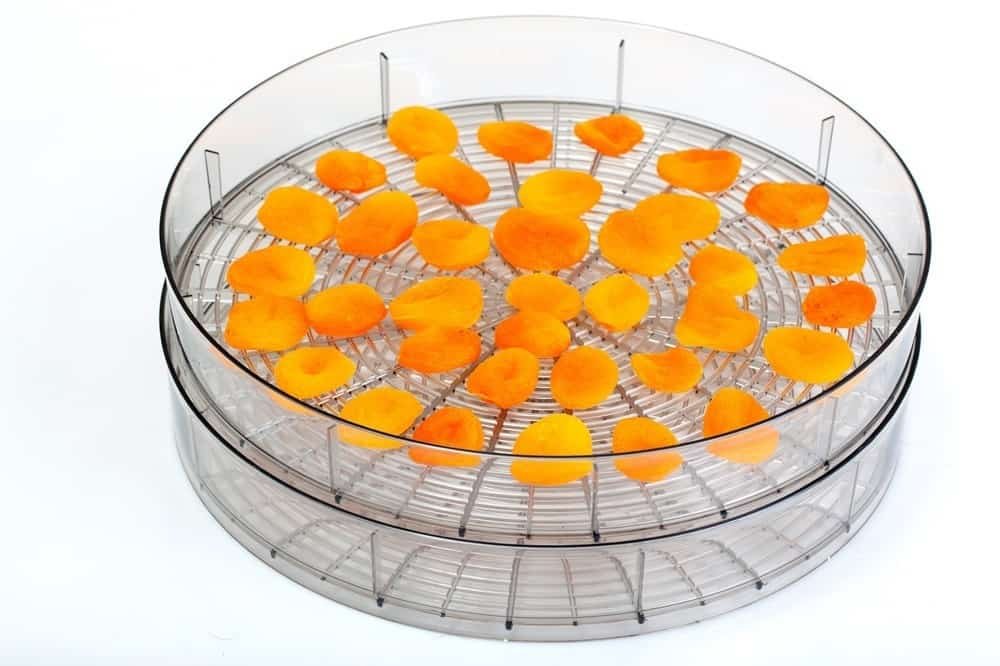
Some of the best foods to start with when you’re learning how to dehydrate food are bananas and apricots. Strawberries, peaches, and apples are popular too. Dried fruit makes a great snack, though dried fruits contain more sugar per gram than fresh fruits. But what about cantaloupe?
Yes, it’s a thing! People who dehydrate cantaloupe say it tastes like candy and melts in your mouth.
Fruits and dehydration go great together but don’t forget about veggies!
Don’t let your tomato harvest go to waste. Tomatoes are one of the easiest foods to dehydrate and you can use every part of them except the stems. Tomato sauce is easy to dry on nonstick sheets or parchment paper, too. Say “hello” to tomato powder.
Since the holiday season is here, don’t forget cranberries. Cranberries show up once a year in most parts of the country. Get them while you can and dehydrate several bags.
Choosing foods compatible with a food dehydrator isn’t difficult. Most fruits and vegetables work well, while dairy products generally are not good candidates for dehydration, and some of the best foods to dehydrate for long-term storage include fruits, vegetables, meats, and herbs. But why not learn to dehydrate meat?
Create jerky! No more wondering what to do with your venison and elk from this year’s hunting season.
When dehydrating meats, it is important to use lean meats to prevent fats and oils from going rancid and ruining the overall quality of the dehydrated meals.
Dehydration and Nutritional Value of Foods
During dehydration, the nutritional value of food remains unaffected for the most part, and if the food item is ‘home dried’, even less damage is done to the nutrient content of the food. As long as you understand the nutritional value of dehydrated foods, this is because home drying usually involves less harsh temperatures.
Actually, the nutritional value of a food item is more likely to be affected if it is frozen or canned. In particular, canned food can lose about 60–80% of its nutrients during high-heat processing, while dehydrating food typically causes only around 3–5% nutrient loss.
Several tests have been done on foods that have been dried, and results show that the nutrient most likely to be affected is vitamin C. All other nutrients are retained because they are not very heat sensitive. On the contrary, vitamin C is an air soluble nutrient and some of it may be lost from the cut surface of the food item.
Storing dried food is easy because it takes up less space after the water is removed. The loss of water leads to both a reduction in mass and size.
No preservatives or additives are required for the process. It is a completely natural process and the food remains nutritious.
Because of the weight of dried foods, portability is enhanced. It will be much easier to carry since it is more compact. This means that you can easily take these foods hiking, backpacking or anywhere you go. Making your own food for trail use or complete meals can also be cheaper and more customizable than buying prepared options.
It may help you reduce waste. Instead of throwing out uneaten food that has become spoilt, you can preserve your own food for later use. This will in turn help you save money. In comparison, freeze dried food usually costs more, even though it often lasts longer on the shelf.
Conclusion
Dehydrating food is a simple and cost-effective way to preserve food and reduce food waste. With the right equipment and techniques, you can dehydrate a variety of foods, including fruits, vegetables, proteins, and grains. Proper storage and rehydration techniques can help extend the shelf life of dehydrated foods. Dehydrating food is a great way to preserve your harvest and reduce food packaging.
DannyContent Writer
Hey there, since 2016, my mission has been to provide you with the information and guides you need to make food dehydrating simple and fun. Whether you're a newbie or a seasoned pro, my site offers helpful guides, reviews, and recipes to enhance your dehydrating experience. I take pride in only recommending products I believe in, ensuring my readers' trust. As an affiliate of various programs, including Amazon Associates, your support helps me continue providing quality content. Thanks for stopping by, and happy dehydrating!