We earn a commission if you make a purchase, at no additional cost to you.
09/22/2026 04:39 pm GMT
🍊 Dehydrated Food Info Finder — Temperatures & Drying Times
Choose a category, then pick a food to see its drying temperature and time.
⚠️ Safety Disclaimer: Drying times are estimates and vary based on slice thickness, food moisture content, humidity, and your dehydrator model. Always check for doneness before storing — food should feel dry, leathery, or brittle with no moist spots. Improperly dried food can harbour mould and bacteria. For meat and poultry, follow USDA safe internal temperature guidelines: beef and pork to 160°F (71°C), poultry to 165°F (74°C). Use a food thermometer when in doubt. Store all dehydrated foods in airtight containers in a cool, dark place and discard anything showing moisture, mould, or off odours.
Dehydrated Food for Diabetics: Smart, Shelf-Stable Choices for Blood Sugar Control
In 2026, more people with diabetes are turning to dehydrated food for practical reasons that extend beyond simple convenience. Supply chain disruptions, inflation, and a growing interest in emergency preparedness have made shelf-stable foods increasingly attractive. Whether you’re building a long-term food kit, packing for outdoor adventures, or simply trying to reduce food waste from seasonal produce, dehydrated meals offer real advantages.
But here’s the critical point: dehydrating food removes water, not carbs. This means that while a fresh apple and its dried equivalent contain roughly the same total carbohydrates, the dried version packs those carbs into a much smaller volume. For blood sugar management, this concentration effect demands smart choices and precise portion control.
The good news is that many dehydrated foods work well for managing diabetes when chosen wisely. Non-starchy vegetables, lean proteins like jerky, nuts, seeds, and low-sugar fruits generally make excellent options for type 1 and type 2 diabetics. Compared to canned foods (often high in sodium and additives) or fresh produce (short shelf life), properly dehydrated foods can offer the best of both worlds: long storage and retained nutrients.
This guide covers the best dehydrated foods for diabetics, what to limit or avoid, how dehydration affects carbs and nutrition, label reading strategies, rehydration tips, and simple meal and snack ideas you can use today.
How Dehydration Changes Food for People with Diabetes
Understanding what happens during dehydration helps you make informed decisions. The process removes 80-95% of a food’s water content, dramatically reducing weight and volume while leaving macronutrients largely intact.
Here’s what this means for your diet:
Carb density increases significantly. A medium fresh apple (about 95g with 21g carbs) shrinks to roughly ¼ cup dried—same carbs, much smaller serving. Eating the same volume of dried food as you would fresh can spike blood sugar levels quickly.
Fiber, minerals, and antioxidants are largely retained. Studies show dried produce maintains up to 85% of its antioxidant capacity, and minerals like magnesium and potassium remain beneficial for insulin sensitivity and heart health, especially when you understand how dehydration affects different nutrients.
Naturally dehydrated plain foods differ from commercial snacks. Plain dried veggies and meats preserve essential nutrients without additives. Commercial products often contain added sugars, honey, syrups, or maltodextrin that can double the carb count.
Sodium often increases in shelf-stable products. Dehydrated soups, bouillon cubes, and jerky can contain 500-800mg sodium per serving—a concern since more than half of diabetics also have hypertension.
Net carbs matter for carb counting. Calculating net carbs (total carbs minus fiber) in dehydrated foods is key for insulin dosing and maintaining stable blood sugar.
Best Types of Dehydrated Foods for Diabetics
Not all dehydrated foods are created equal. The most diabetes-friendly options share common traits: low glycemic impact, high fiber, adequate protein, and minimal added sugars.
The main low carb categories include:
Non-starchy veggies (broccoli, green beans, spinach, bell peppers)
These foods provide protein, fiber, and healthy fats that blunt post-meal glucose rises while supporting satiety and weight loss goals. Aim to include at least one protein source and one high-fiber component in every dehydrated meal or snack you prepare.
Dehydrated Non-Starchy Vegetables
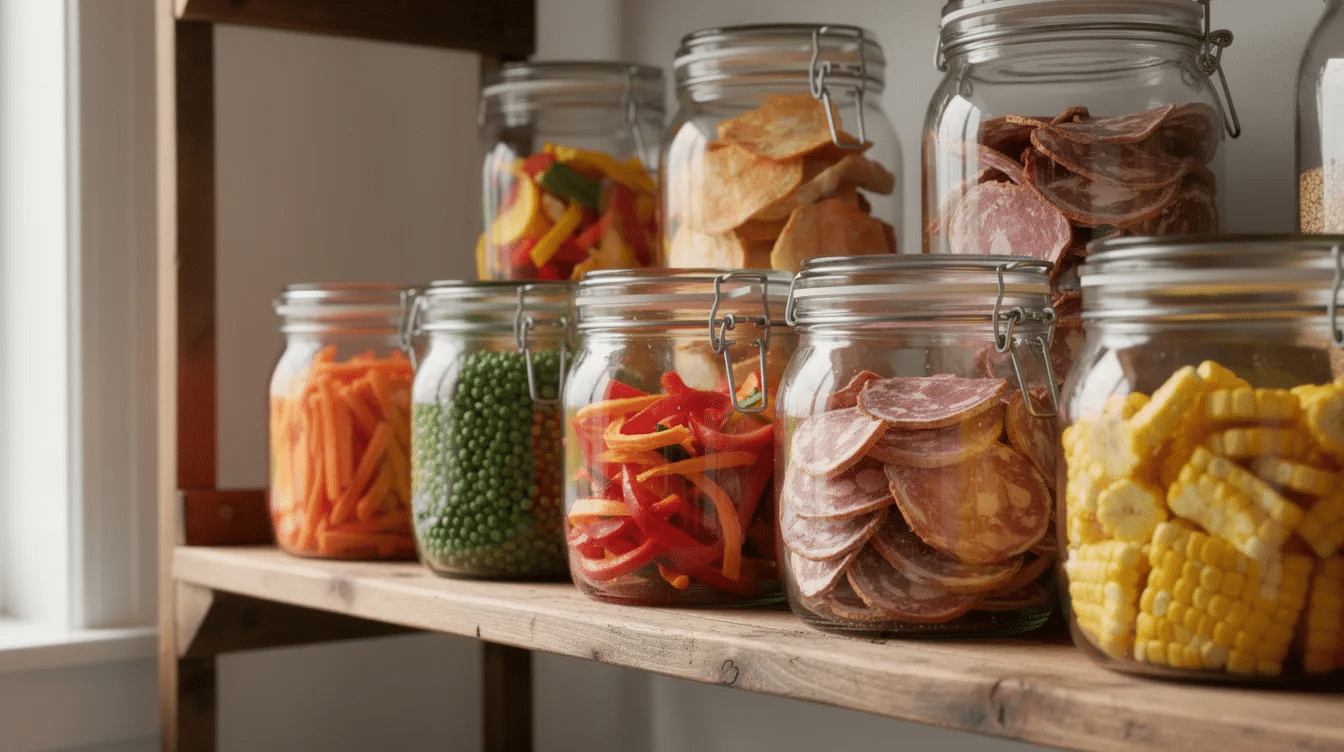
Dried non-starchy vegetables are among the safest choices for diabetics. They offer very low net carbs and retain significant fiber content.
Top picks include broccoli, cauliflower, green beans, kale, spinach, zucchini, bell peppers, tomatoes, mushrooms, and onions. Fresh broccoli contains about 7g carbs per cup with high water content; dehydrated, the equivalent carbs fit in roughly ¼ cup while retaining 2.6g fiber per serving.
Practical uses:
Add dried broccoli and mushrooms to soups and stews
Toss dried spinach and tomatoes into omelets
Snack on kale chips (around 4g net carbs per ounce) instead of potato chips
Use dried onion flakes in recipes as a versatile ingredient
Choose plain dehydrated vegetables without maltodextrin, sugar, or starchy coatings. Watch sodium content in seasoned vegetable chips marketed as healthy—many contain excessive salt despite their low carb appeal.
Dehydrated Lean Proteins (Meat, Poultry, Fish)
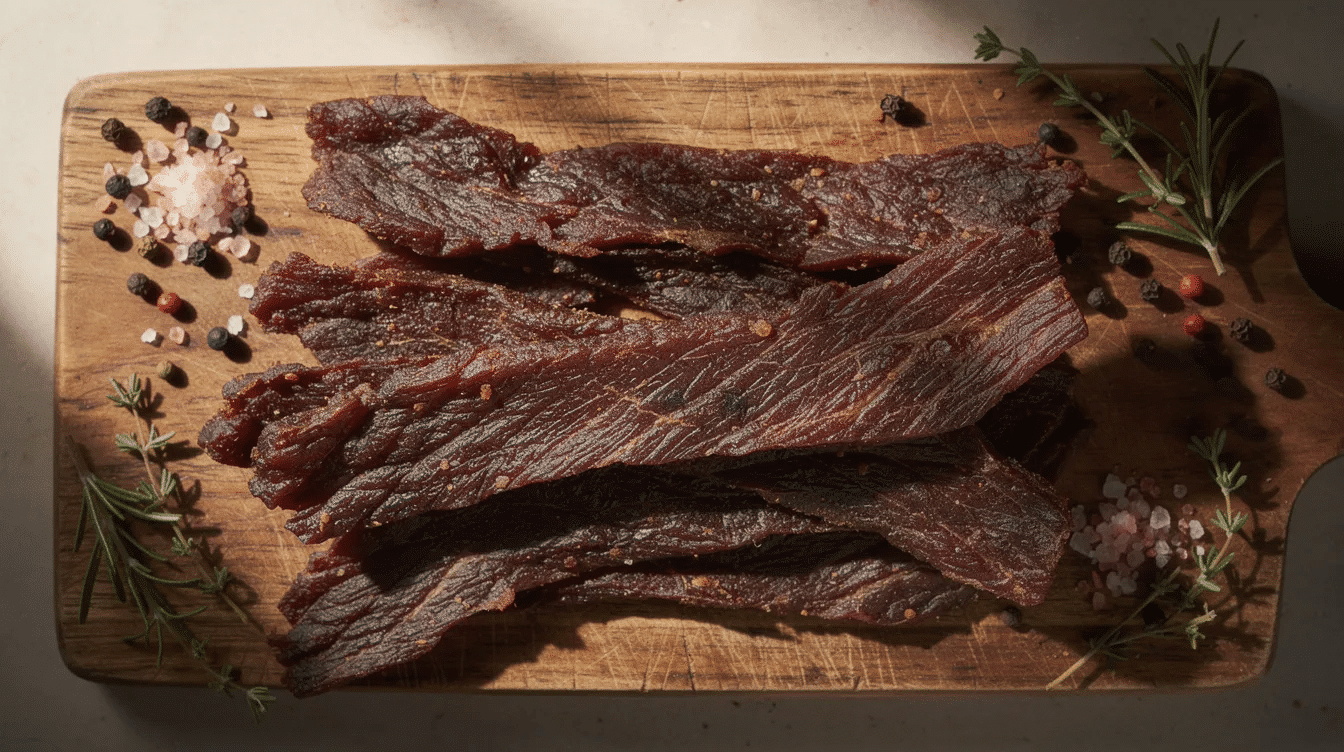
Protein provides blood sugar stability without significant carb impact. Dehydrated meats like beef jerky, turkey jerky, chicken chips, and dried fish are naturally very low in carbs when unsweetened, typically delivering 20-30g protein per 30g serving, and well-chosen beef jerky options for diabetics can be particularly convenient.
The catch: commercial jerky often contains sugar, brown sugar, honey, or teriyaki marinades adding 4-10g sugar per serving. Always read labels.
Smart strategies:
Choose low-sodium, no-sugar-added jerky (under 1g sugar per ounce)
Pair jerky with raw nuts or dehydrated veggies for a balanced snack
Look for products with short ingredient lists: “beef, salt, pepper”
Protein-rich foods contain amino acid profiles that support brain health and muscle maintenance. However, people with kidney disease related to diabetes should discuss high-protein dehydrated snacks with their healthcare team before increasing intake.
Dried Low-Sugar Fruits and Fruit Powders
Fruits are nutritious, but dehydration concentrates their natural sugars into smaller portions that are easy to overeat. This makes fruit selection and portion control essential.
The most diabetes-friendly dried fruits include strawberries, raspberries, blueberries, blackberries, and tart cherries. These berries have lower glycemic loads (GI around 25-40) compared to tropical fruits like bananas or pineapple.
Key guidelines:
Choose unsweetened dried fruits without added sugar, fruit juice concentrate, or candy coatings
Note that “cranberries” are often heavily sweetened unless explicitly labeled unsweetened
Use fruit powders (strawberry, raspberry) in teaspoon amounts to flavor greek yogurt, oatmeal, or smoothies with minimal sugar impact
Limit portions to about 2 tablespoons of dried fruit or a small handful
Pairing dried fruits with protein and fat—nuts, seeds, cheese, or dairy products—slows absorption of natural sugars. This combination provides vitamins like vitamin c while keeping blood sugar rises manageable. A tablespoon of unsweetened berry powder mixed into yogurt can create a delicious healthy dessert with under 5g net carbs.
Dehydrated Legumes, Whole Grains, and High-Protein Pasta
Dried legumes offer moderate carbs balanced by substantial protein and fiber, making them better choices than refined alternatives for many diabetics.
Dehydrated lentils contain about 20g carbs but 8g fiber per ¼ cup dry, yielding only 12g net carbs. Research from Diabetes Care shows legume inclusion can lower HbA1c by 0.5% over 12 weeks.
Options to consider:
Dehydrated lentils, chickpeas, and bean-based soup mixes that rehydrate quickly
High-protein pastas made from black beans, lentils, or chickpeas (GI 30-40 versus 50+ for wheat pasta)
Portion control at ½ cup cooked portions combined with non-starchy veggies and lean protein
Traditional white pasta or instant noodles remain poor choices due to high glycemic impact. Bean-based alternatives provide a nutritious addition to your pantry while supporting overall health goals.
Nuts, Seeds, and Seed Crackers
Nuts and seeds deliver blood sugar stability through low carbs, high fiber, and heart-healthy unsaturated fats. They’re beneficial for diabetics concerned about cardiovascular risk—studies show they can reduce heart disease risk by 15-20%.
Almonds offer only 3g net carbs per ounce plus 77mg magnesium, which aids insulin sensitivity. Walnuts, pistachios, pumpkin seeds, sunflower seeds, chia, and flax all provide similar benefits.
Practical tips:
Dehydrating soaked nuts improves crunch and may reduce anti-nutrients like phytic acid
Seed crackers made from flax, chia, sesame, or pumpkin seeds serve as shelf-stable, fiber-rich alternatives to refined crackers
Portion guidance: 1 small handful (about ¼ cup) per snack due to calorie density
Choose unsweetened, lightly salted or unsalted varieties
Candy-coated trail mixes and sugary granola clusters
Instant noodle cups (often 50g carbs per serving)
Flavored jerky with teriyaki, honey BBQ, or sweet marinades
Powdered drink mixes with added sugars or maltodextrin (GI 85-105)
Banana chips fried in oil and coated with sugar deliver high carbs, saturated fat, and calories in a deceptively small portion—they spike blood sugar 50% faster than fresh bananas. Similarly, commercial “fruit snacks” are essentially candy despite healthy-sounding marketing.
Treat these as occasional indulgences, if at all, and monitor glucose closely when consuming them.
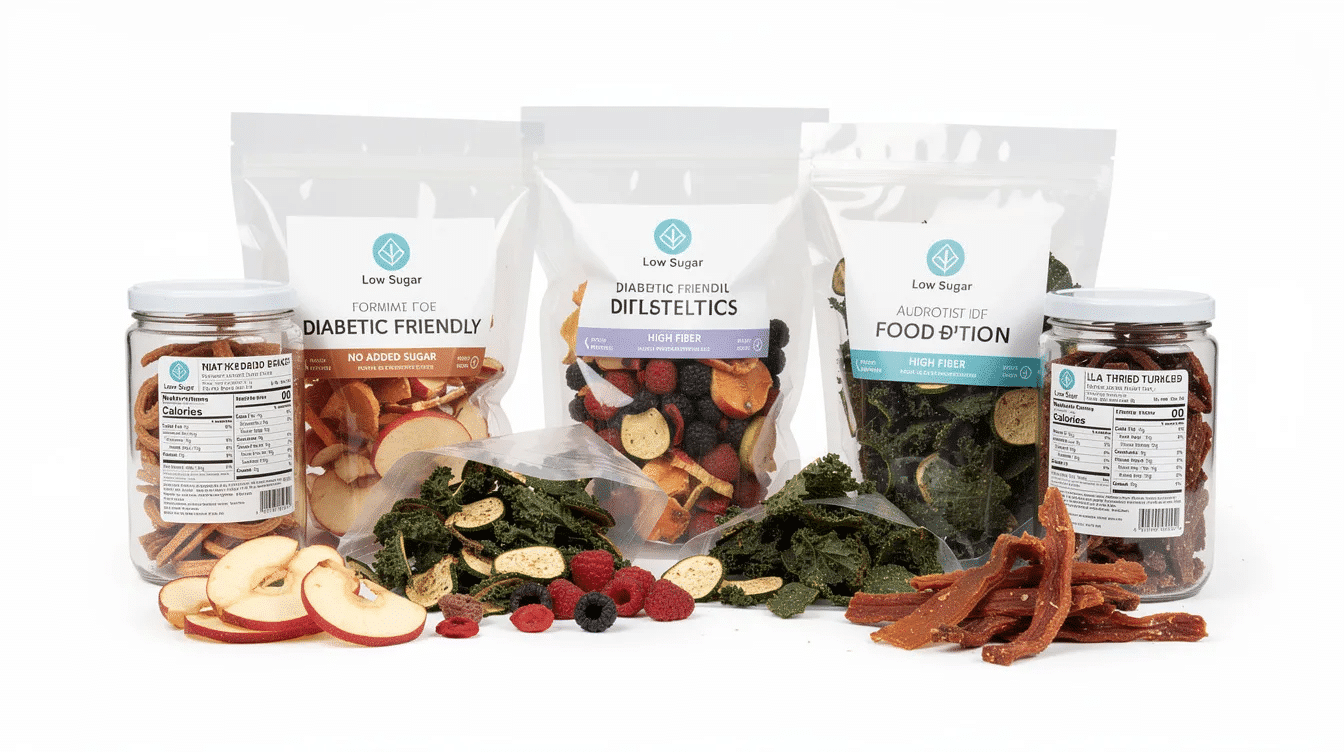
Reading Labels on Dehydrated Foods When You Have Diabetes
Many dehydrated products claim to be “natural” or “healthy,” but labels reveal the true impact on blood sugar.
What to check:
Label Element
What to Look For
Serving size
Compare to realistic portions (¼ cup vs ½ cup)
Total carbohydrates
Calculate net carbs for insulin dosing
Fiber
Higher is better for blood sugar control
Added sugars
Aim for under 2g per serving
Sodium
Under 200mg ideal; critical with hypertension
Ingredient list
Short lists with recognizable foods
Common added sugars on ingredient lists include: sugar, cane sugar, brown sugar, honey, agave, corn syrup, maltodextrin, and fruit juice concentrate. The FDA notes 74% of processed foods exceed recommended sugar limits.
Choose products where the first ingredients are actual foods and spices, not preservatives or flavor enhancers.
Making Your Own Diabetes-Friendly Dehydrated Foods at Home
Home dehydrating food gives you complete control over ingredients, salt, and sugar—plus lower costs when preserving seasonal produce, especially when you follow a food dehydration chart for times and temperatures.
Countertop electric food dehydrator (brands like Excalibur at 95-155°F preserve enzymes)
Convection oven on low temperature
Air-drying methods where climate permits
Getting started:
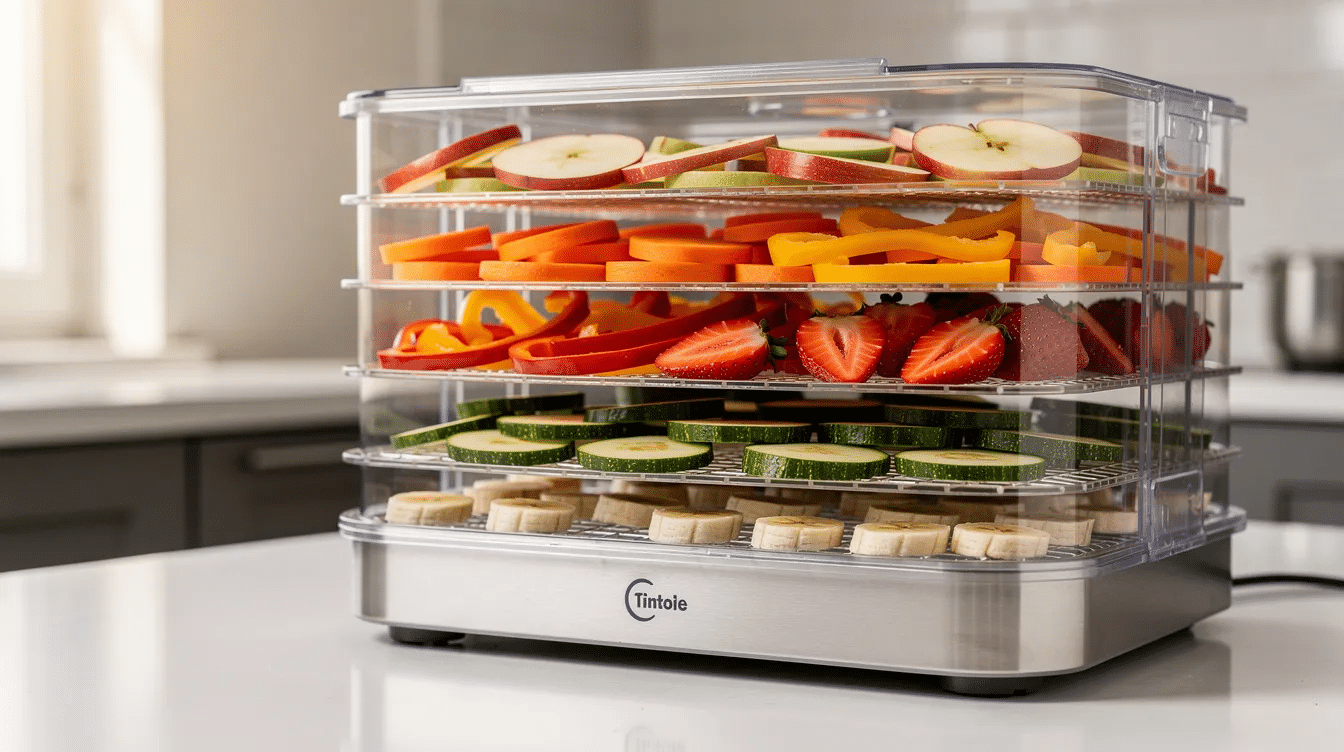
Begin with non-starchy veggies: sliced zucchini chips, green bean “fries,” kale chips, tomato slices, onion flakes
Season with herbs, garlic, paprika, or pepper instead of sugar
For meats: fully cook chicken, turkey, or lean beef before dehydrating; trim visible fat; cool quickly
Make DIY sugar-free jerky using salt, vinegar, reduced-sodium soy or tamari, and spices
Create simple fruit leathers from blended pure strawberries or blueberries in thin layers
Always label containers with food name and dehydration date. Store in airtight containers in cool, dark locations for maximum shelf life, and focus on the best foods to dehydrate for long-term storage.
How to Use and Rehydrate Dehydrated Foods in a Diabetes-Friendly Way
Rehydration doesn’t change total carbs, but it affects how full you feel and how quickly you eat—both factors in blood sugar control.
Rehydration methods:
Soak vegetables or legumes in hot or boiling water for 15-30 minutes (ratio 1:2 food to water)
Add dried veggies directly to simmering soups for convenience
Soak overnight in the refrigerator for meal prep
Protein foods like jerky and dried chicken may need longer soaking or 20-45 minutes simmering
Creating balanced meals:
Combine rehydrated veggies with lean protein (chicken, fish, tofu)
Add healthy fats like olive oil, nuts, or seeds
Try vegetable-rich soup using dried broccoli, mushrooms, and tomatoes
Top oatmeal with a teaspoon of berry powder and chia seeds
Dehydrated foods draw water from your digestive tract. Drink water alongside dehydrated meals to support proper hydration and digestion. Staying hydrated is especially important on hot days when dehydration risk increases. Unlike hydrating foods with high water content like cucumbers, dehydrated snacks require conscious fluid intake.
Sample Snack and Meal Ideas Using Dehydrated Foods
Practical recipes that fit busy weekdays, travel, and emergency preparedness while keeping carbs controlled:
Dehydrated vegetable and lentil soup mix rehydrated with hot water
Quinoa-veggie bowl from pre-dehydrated cooked quinoa, mixed veggies, and canned salmon
Rehydrated veggies in stir fries with lean protein
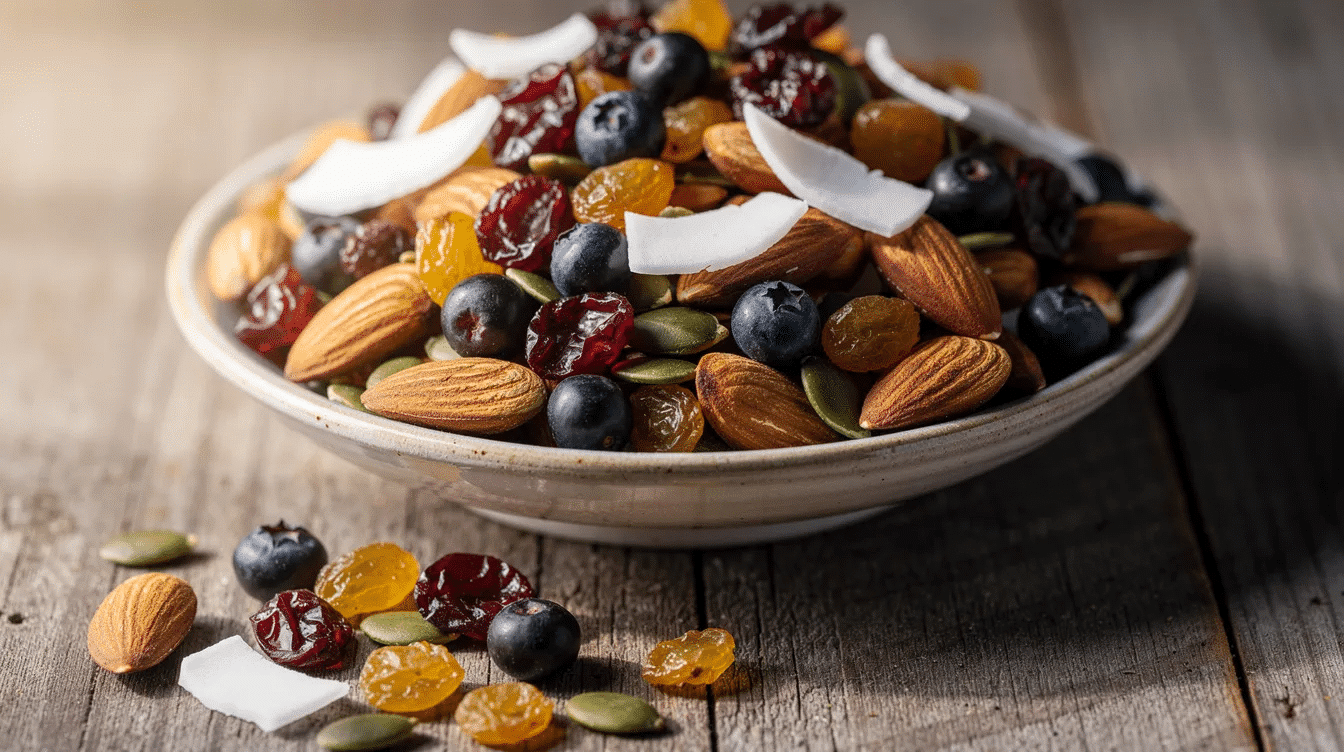
Diabetes-friendly trail mix:
Raw nuts + pumpkin seeds + unsweetened coconut flakes + small amount unsweetened dried berries
These ideas typically fit common carbohydrate goals of 30-45g carbs per meal and 10-15g per snack. A refreshing snack like apples paired with cheese also works well when fresh options are available. Always test blood sugar levels 1-2 hours after trying new dehydrated meals to understand your body’s response.
Safety, Shelf Life, and When to Talk to Your Healthcare Team
Dehydrated foods offer impressive longevity when properly stored, making them ideal for emergency supplies, outdoor adventures, and other situations where you want to take advantage of the benefits of dehydration.
General shelf life guidelines:
Air-dried foods: 6-12 months in airtight containers (cool, dark location); for a deeper overview, see how long dehydrated food can last
Low-fat items: May last longer than high-fat options
Freeze-dried foods: Up to 25 years for certain items when stored properly, similar to dehydrated foods that are vacuum sealed for maximum shelf life
Safety checks:
Inspect for moisture buildup, off smells, or visible mold
Discard any questionable food immediately
Ensure meats were cooked to safe temperatures before dehydrating
People with diabetes who also have kidney disease, heart failure, or hypertension should review high-protein and high-sodium dehydrated foods with their doctor or dietitian. The nutrition profile of these foods may require adjustments to medication or overall diet patterns.
Consulting a registered dietitian or certified diabetes educator helps integrate dehydrated foods into individualized meal plans. They can advise on vitamin a and other nutrient needs while accounting for insulin schedules.
When chosen wisely, dehydrated foods support blood sugar control, reduce food waste from seasonal produce, and make healthy eating more flexible. Whether you eat them as convenient snacks, use them in delicious soups and sauces, or rely on them for emergency preparedness, these shelf-stable options deserve a place in your diabetes management toolkit.
Start by swapping one processed snack for unsweetened jerky and nuts this week—then track your glucose response and adjust from there.
DannyContent Writer
Hey there, since 2016, my mission has been to provide you with the information and guides you need to make food dehydrating simple and fun. Whether you're a newbie or a seasoned pro, my site offers helpful guides, reviews, and recipes to enhance your dehydrating experience. I take pride in only recommending products I believe in, ensuring my readers' trust. As an affiliate of various programs, including Amazon Associates, your support helps me continue providing quality content. Thanks for stopping by, and happy dehydrating!